
 Save 15% on your 1st Autoship learn more

 Email us
 Live Chat
 FAQs
FAQs





Introduction
You are sitting on the sofa with your cat when the light hits their coat just right. Instead of a sleek and shiny surface, you notice dozens of tiny white flakes scattered across their back. Your first instinct might be to reach for the shampoo and head for the sink. However, bathing a cat is rarely the simple solution it seems to be for humans. At BaxterBoo, we talk to pet owners every day who are surprised to learn that a bath can sometimes make feline skin issues worse.
This article covers whether a bath is the right move for your cat and what those white flakes actually mean. We will look at common causes like dry air, grooming struggles, and underlying health conditions. You will also learn how to support your cat's skin through nutrition and proper grooming tools. Our goal is to help you decide if you can manage this at home or if it is time to consult your veterinarian.
Quick Answer: In most cases, you should not wash your cat to treat dandruff. Bathing can strip natural oils and increase stress, which often worsens dry skin. A bath is usually only recommended if your vet prescribes a medicated shampoo for a specific infection or parasite.
Understanding Feline Dandruff
Dandruff is more than just a cosmetic issue. It consists of dead skin cells that have clumped together and shed from the surface of the skin. While every cat sheds some skin cells as part of a natural cycle, visible flakes usually indicate that the skin is irritated or the shedding process has sped up.
It is important to distinguish between dander and dandruff. Dander is microscopic. It is composed of tiny skin cells and proteins that every cat produces. This is what usually triggers allergies in humans. Dandruff is much larger and clearly visible to the naked eye. If you see white or grayish flakes sitting on top of the fur, you are looking at dandruff.
You might also notice other symptoms along with the flakes. Some cats develop a dull or greasy coat. Others might have patches of thinning hair or skin that looks red and angry. These signs tell us that the dandruff is a symptom of an environment or health issue that needs attention.
Key Takeaway: Feline dandruff is a visible sign of skin irritation or an accelerated skin cell turnover. It is distinct from normal dander and often serves as an early warning for other health or environmental concerns.
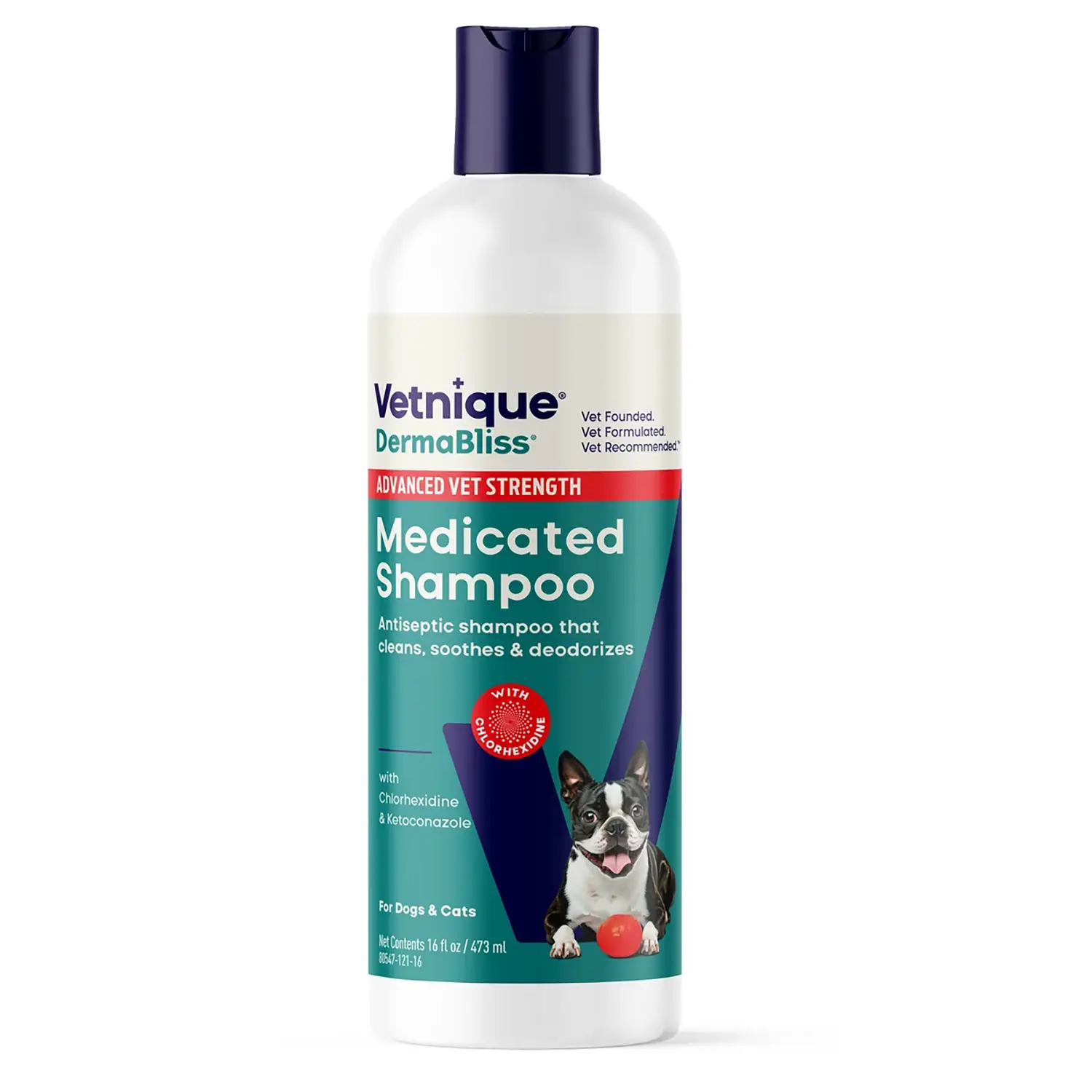
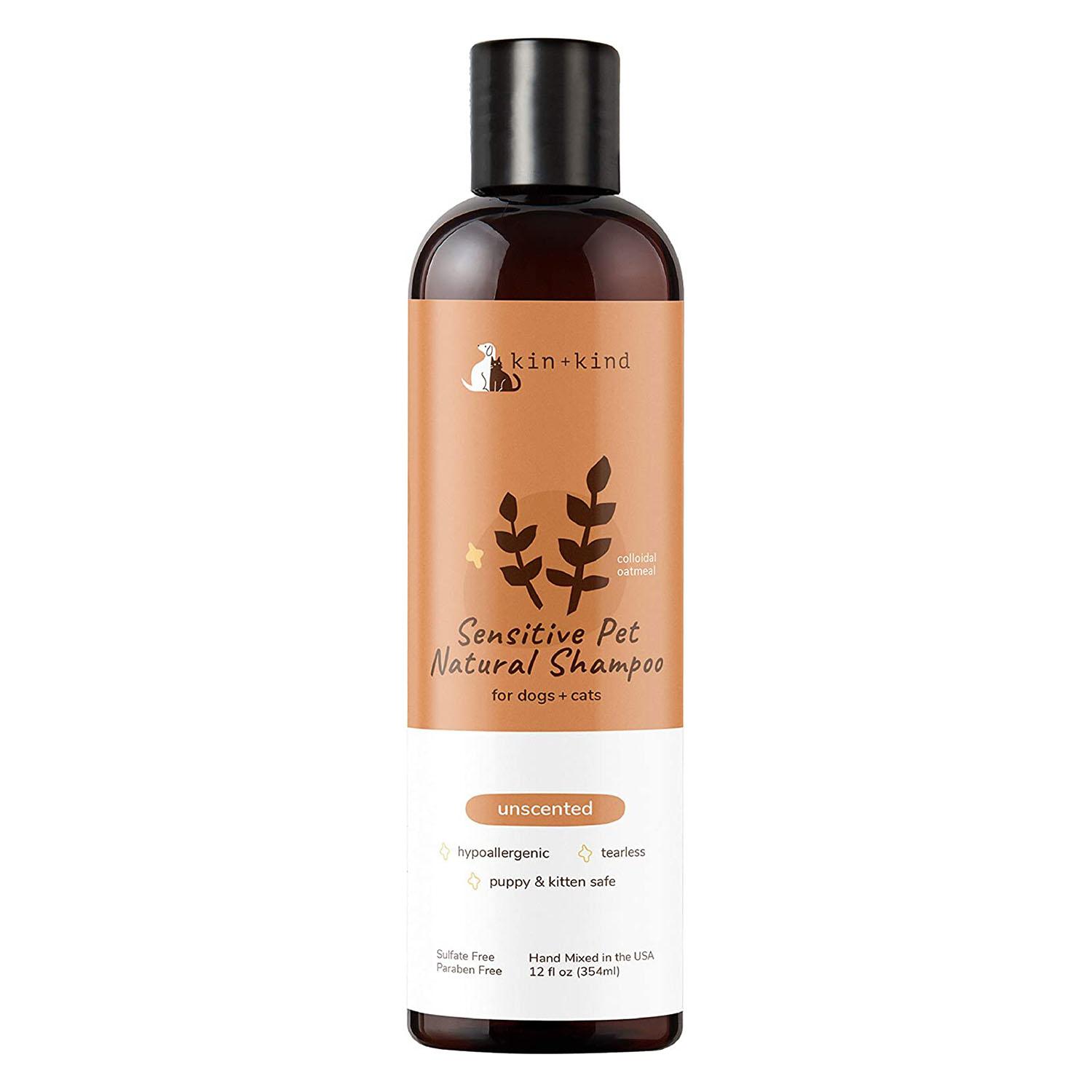
Cat Shampoos & Conditioners


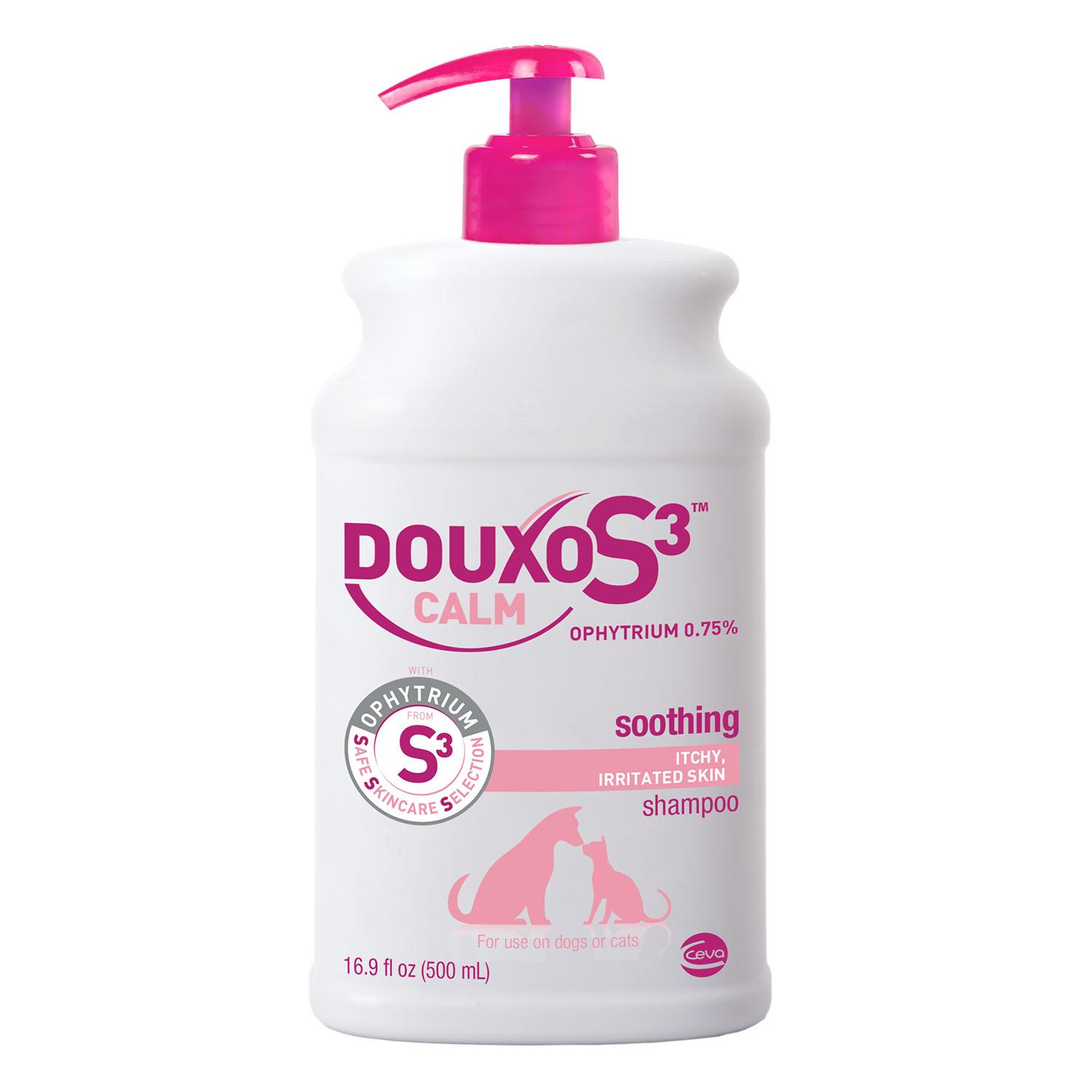
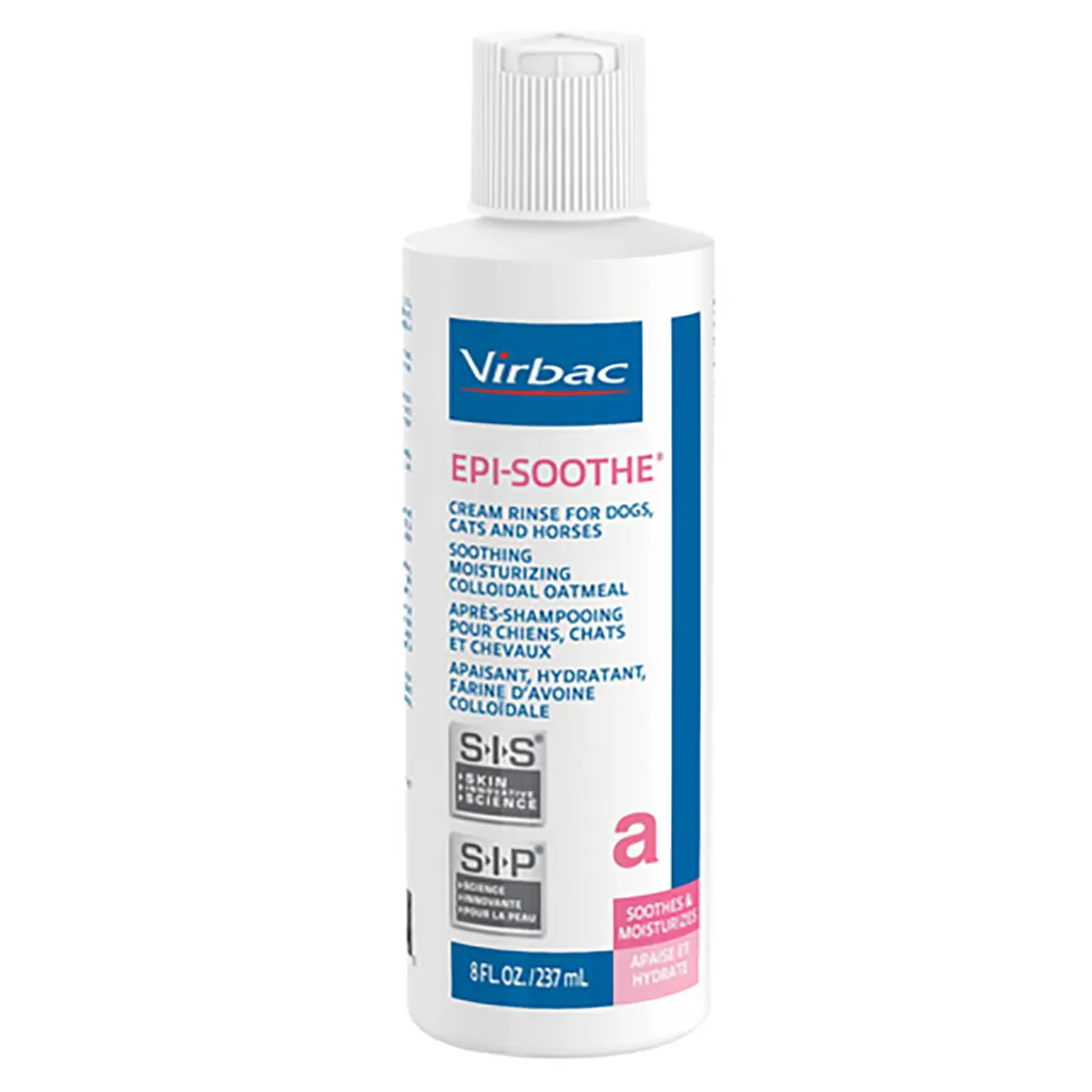
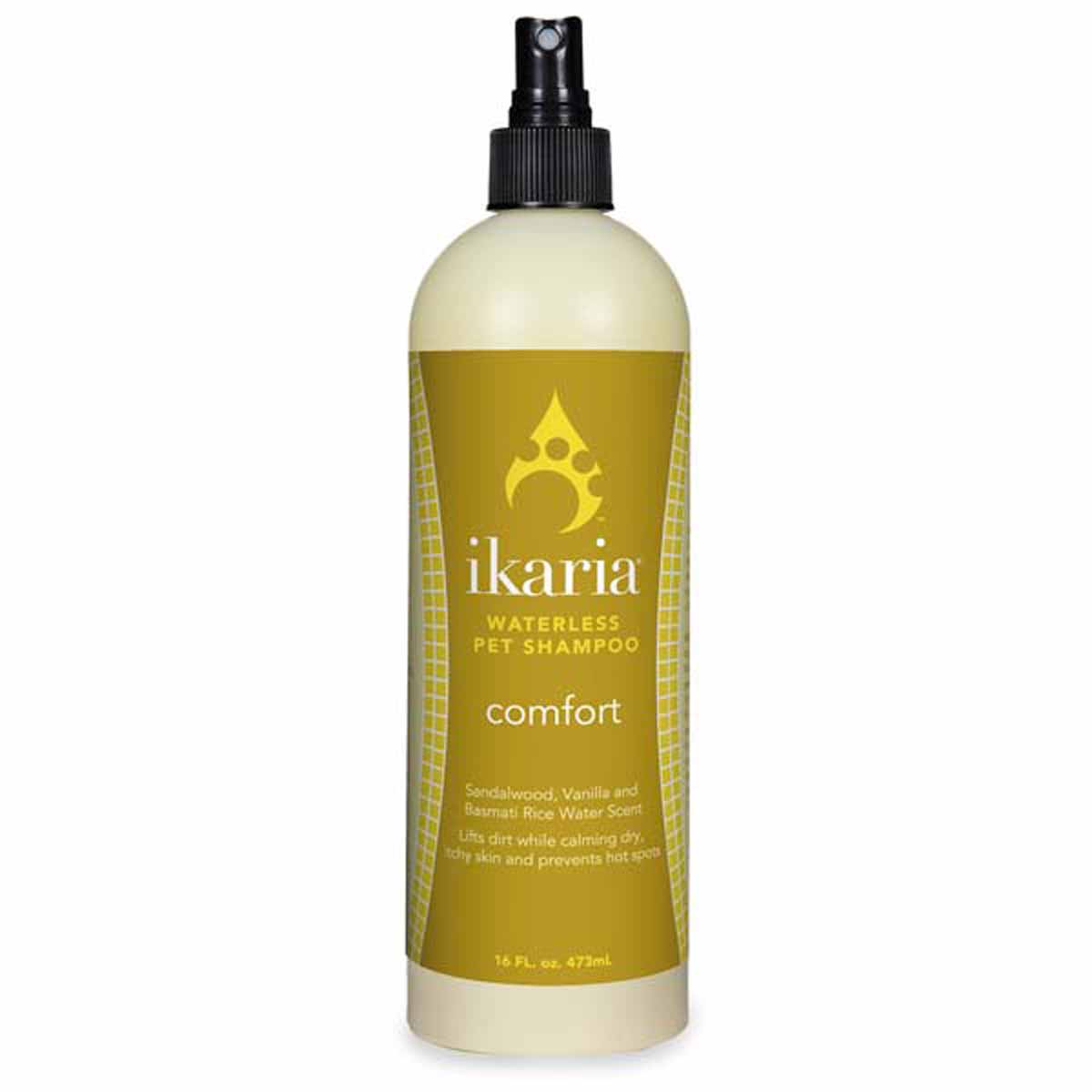
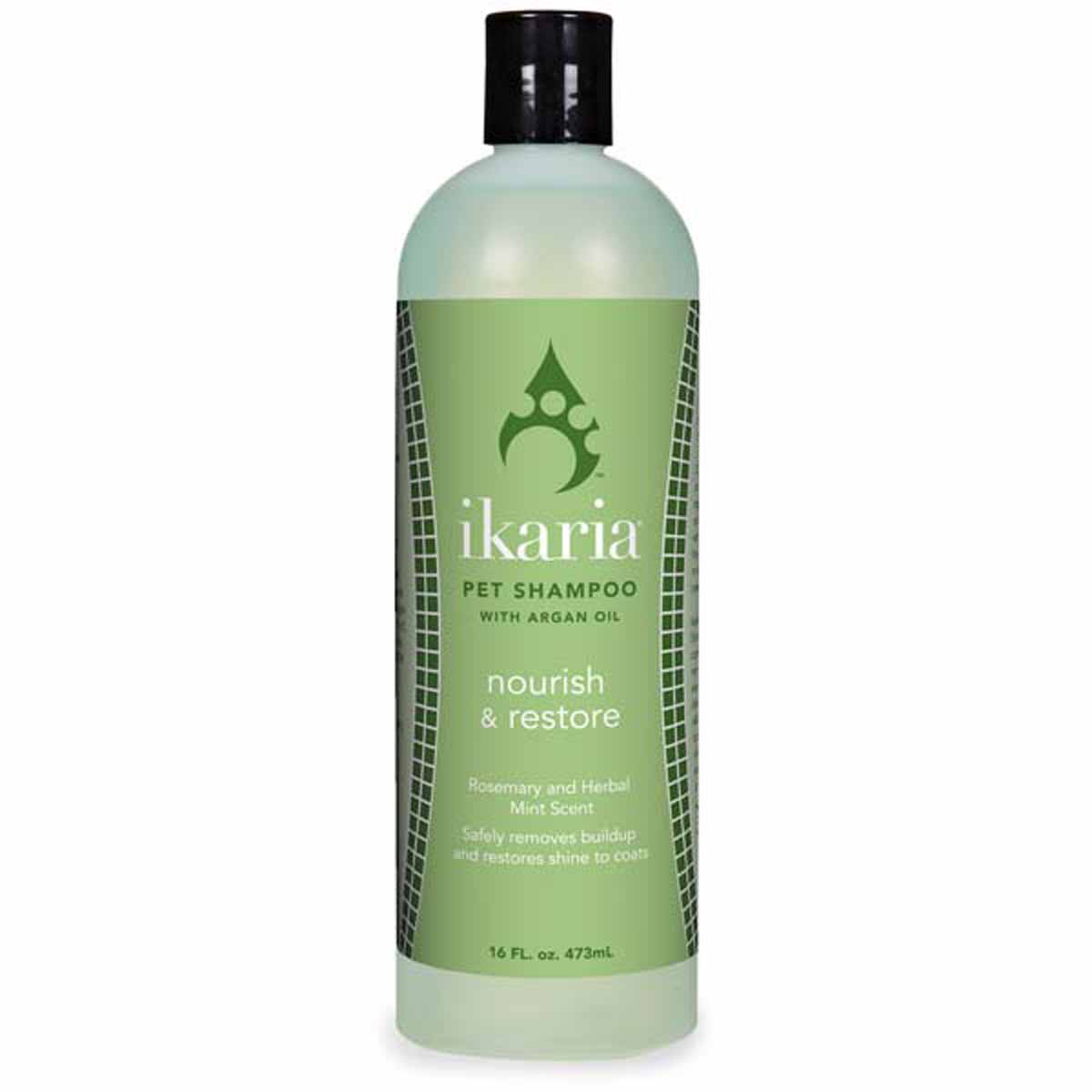
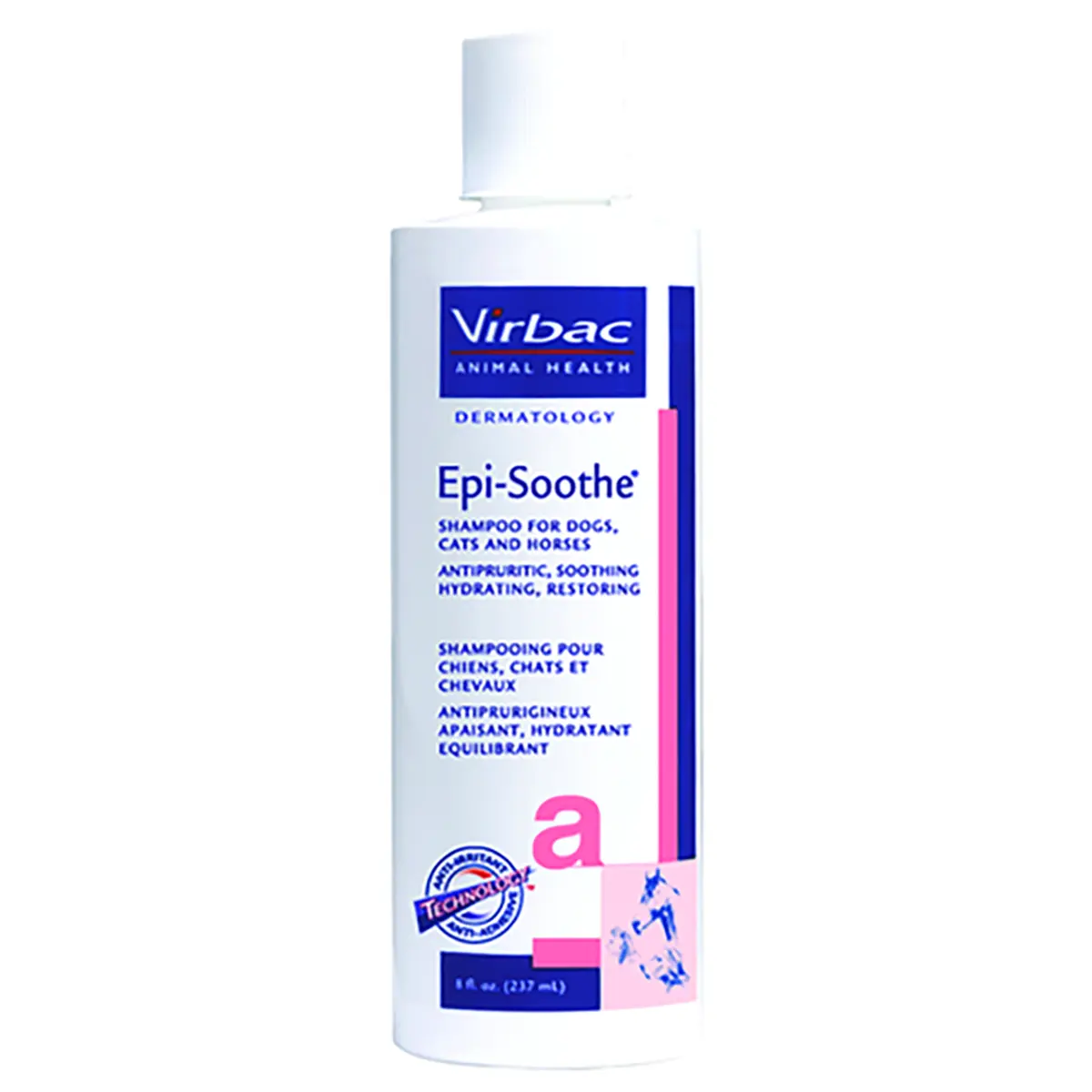
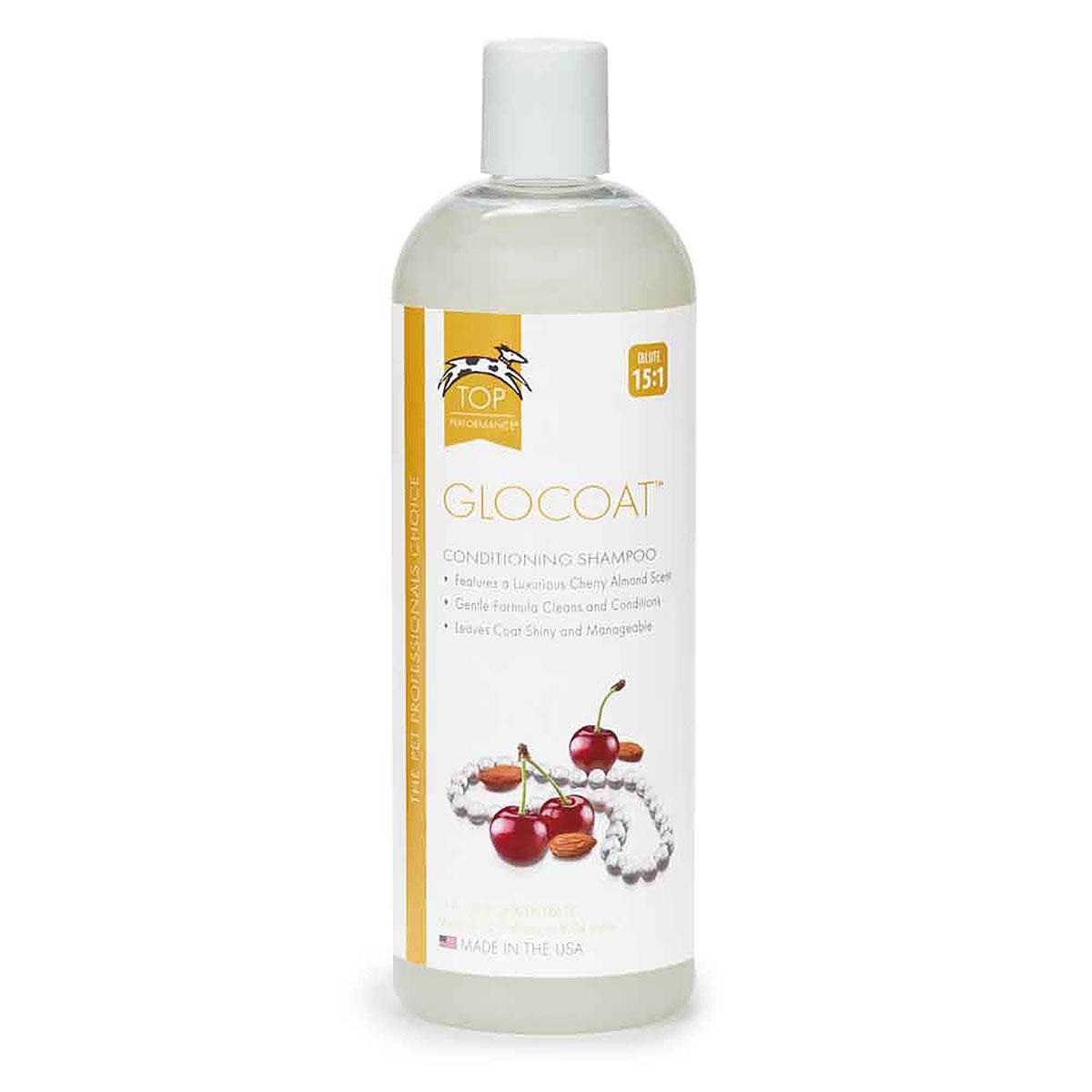
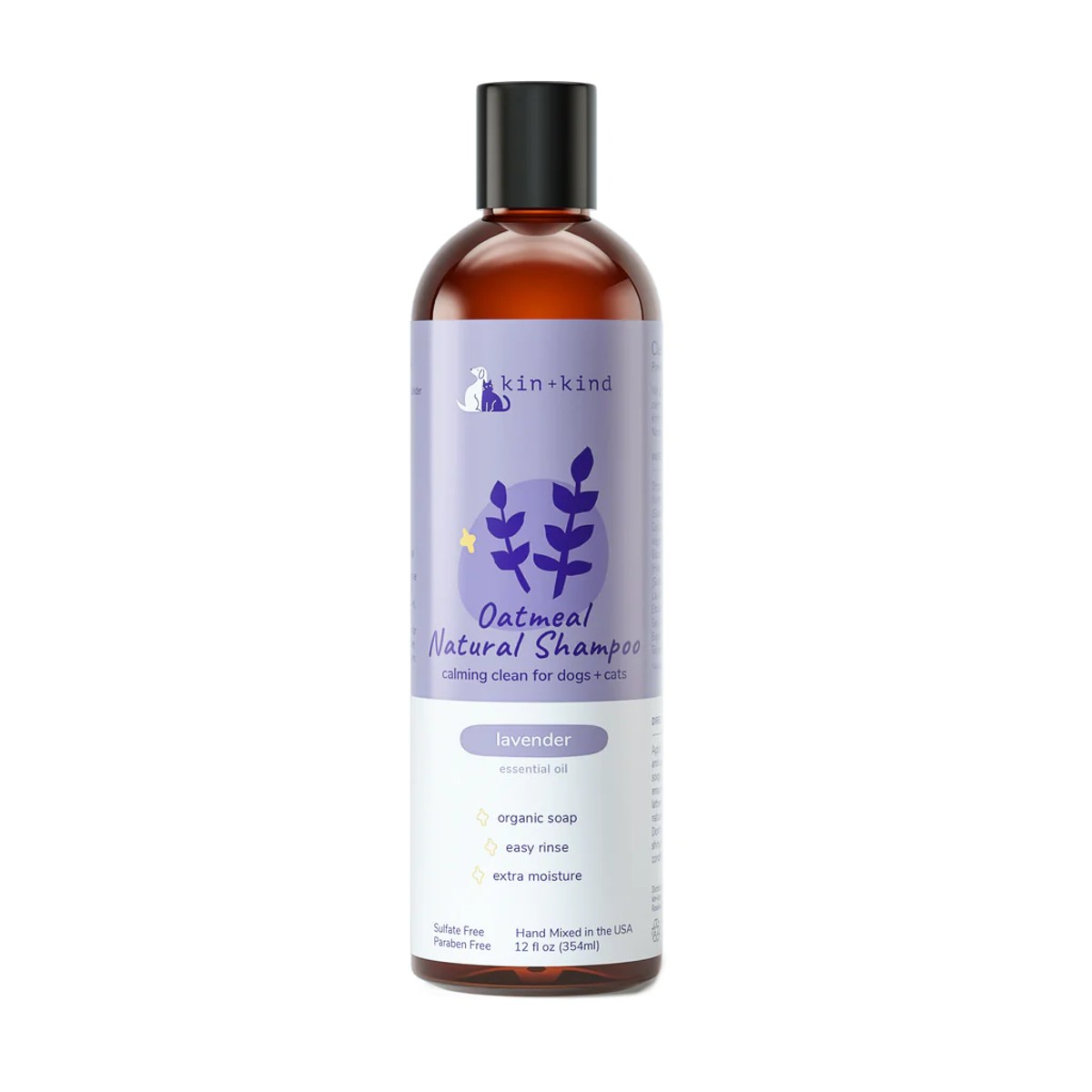
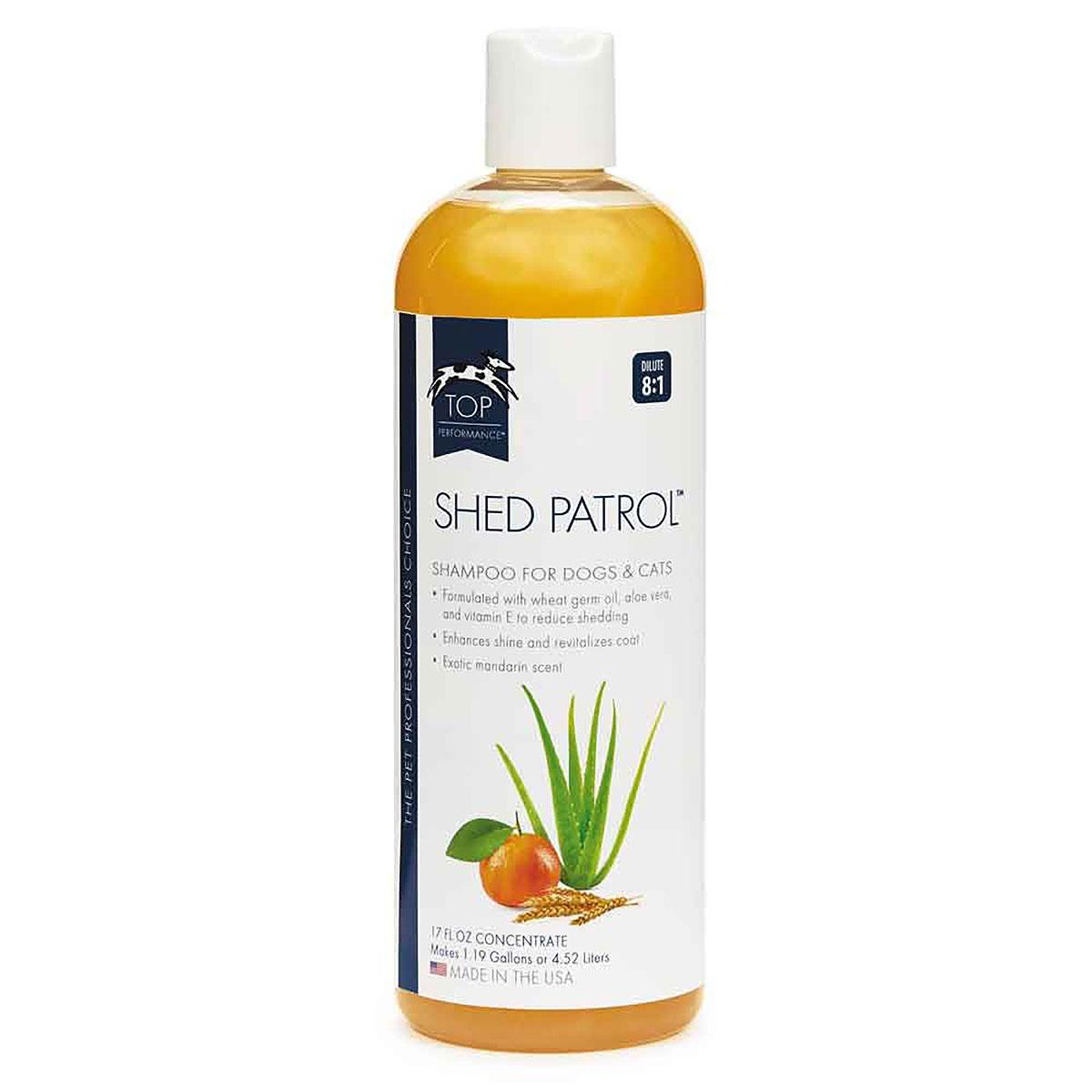

Why a Bath Might Not Be the Answer
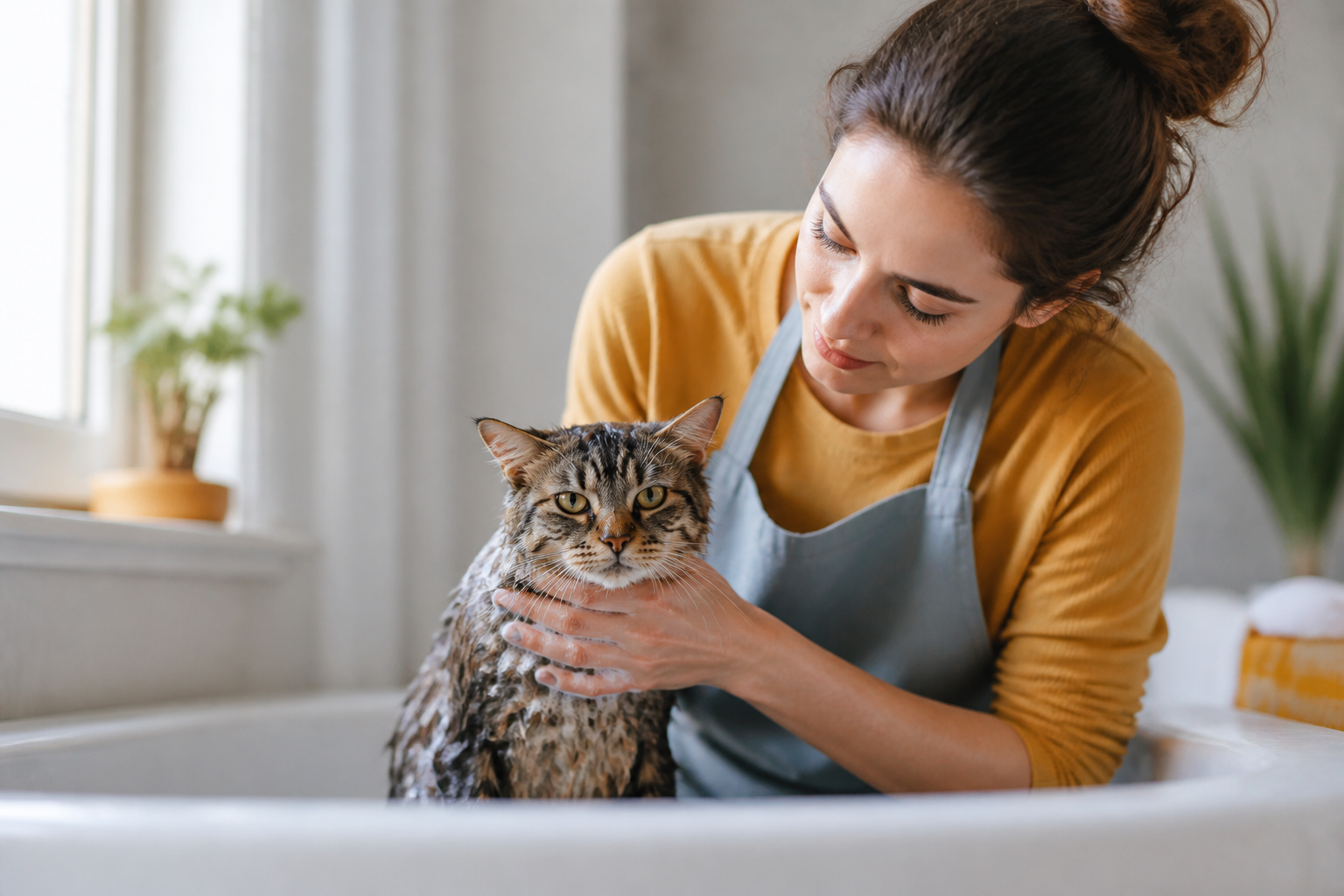
For humans, a moisturizing shampoo is a quick fix for a dry scalp. For cats, the situation is different. Cats are meticulous self-groomers. They spend a large portion of their waking hours cleaning their fur and distributing natural oils. When you submerge a cat in water and use soap, you can disrupt this delicate balance.
The Stress Factor
Most cats find water and baths incredibly stressful. Stress triggers a physiological response in felines that can impact their overall health. High stress levels can lead to over-grooming or even a temporary shutdown of the immune system. If the dandruff is caused by anxiety or a nervous habit, a bath will likely result in more flakes, not fewer.
Stripping Natural Oils
A cat’s skin produces specific oils that keep the coat waterproof and the skin hydrated. Even gentle shampoos can strip these oils away. If your cat already has dry skin, removing these oils leaves the skin more vulnerable to cracking and further irritation. This creates a cycle where the skin tries to overcompensate by producing more cells, leading to more dandruff.
When a Bath is Necessary
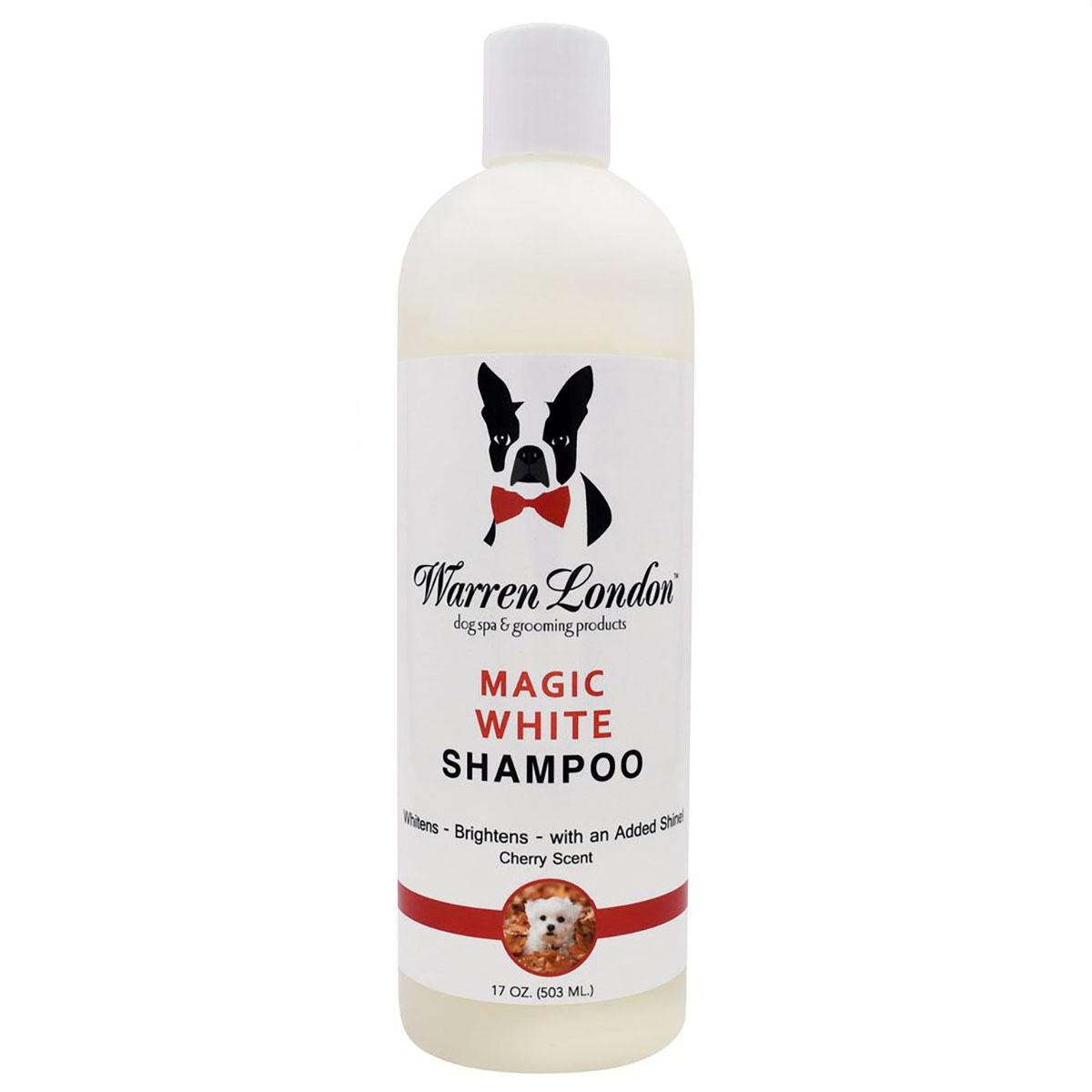
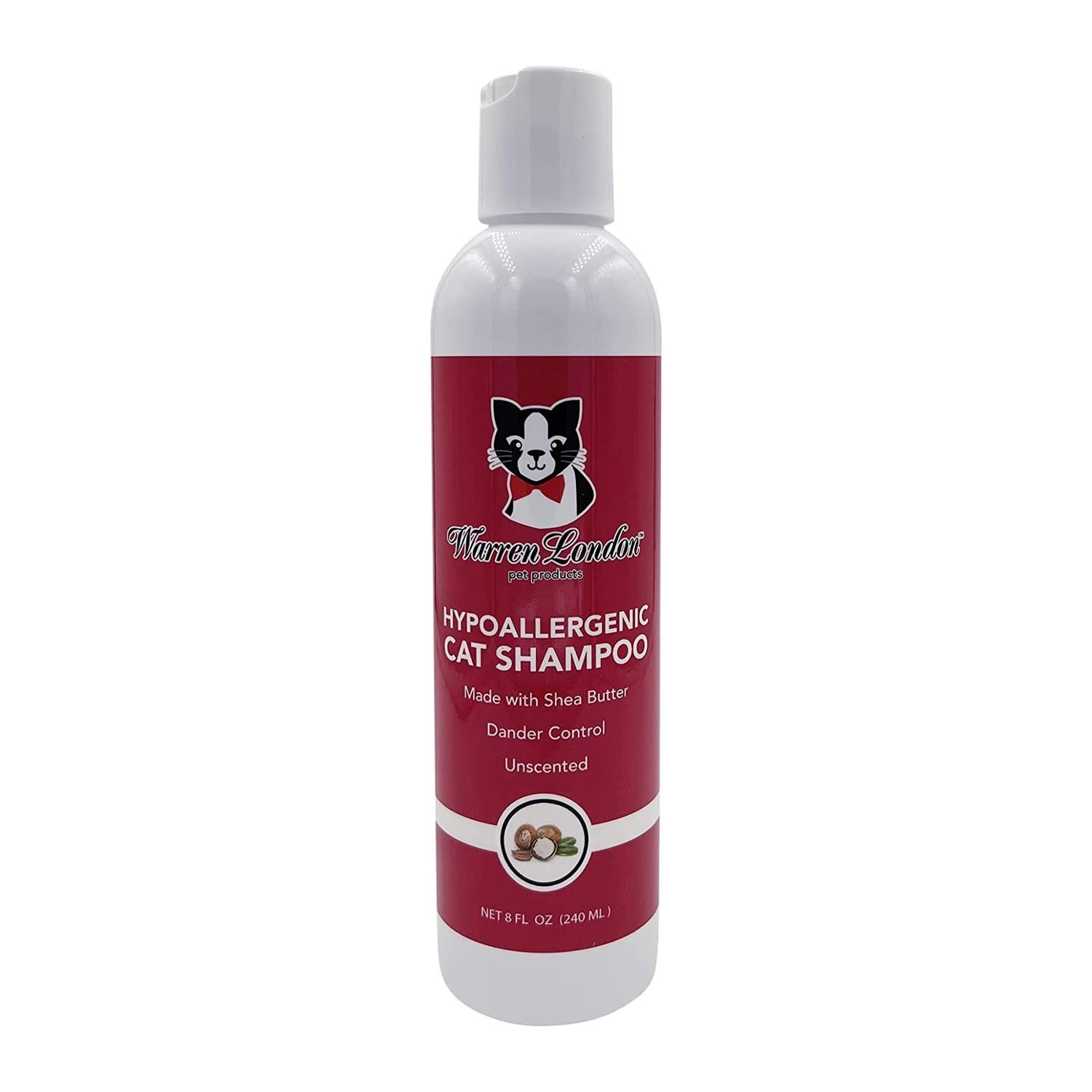
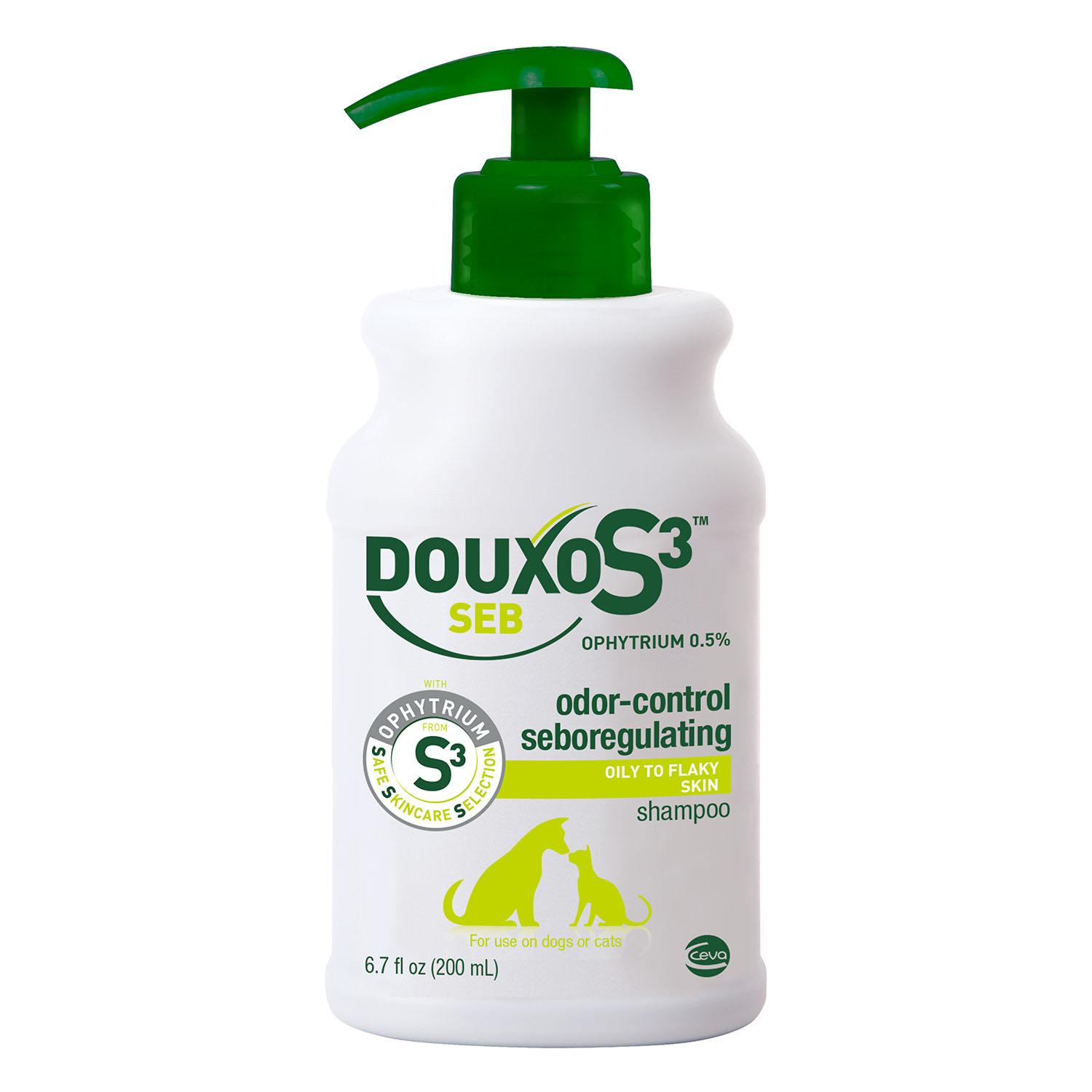
There are specific times when we do recommend a bath. If your veterinarian diagnoses a fungal infection like ringworm or a bacterial skin infection, they may prescribe a medicated shampoo. In these cases, the medicinal benefits outweigh the stress of the bath. Outside of these medical requirements or your cat getting into something sticky or toxic, washing is usually unnecessary.
Vet Tip: If you must bathe your cat, always use a shampoo specifically formulated for felines. Human products have a different pH balance and often contain ingredients that are toxic to cats if they lick their fur afterward. Always consult your vet before using any medicated topical treatments.
Common Causes of Flaky Skin
To fix the flakes, you have to find the source. Dandruff is rarely the primary problem. It is usually a reaction to something else happening in the cat's world or body.
Environmental Dryness
Just like people, cats suffer from dry skin during the winter. When the heater runs constantly, it pulls moisture out of the air. This lack of humidity dries out the feline epidermis. This is especially common in cats that like to sleep near heat vents or radiators.
Mobility and Grooming Issues
If a cat cannot reach certain parts of their body, skin cells and oils build up. This often happens along the lower back and the base of the tail. Two main factors contribute to this:
- Obesity: Overweight cats often lack the flexibility to reach their hindquarters. The fur in these areas becomes matted, greasy, and full of dandruff.
- Arthritis: Senior cats may find the twisting and reaching required for grooming to be painful. If your older cat suddenly has dandruff on their back, it might be a sign of joint stiffness.
Parasites and "Walking Dandruff"
Some flakes are actually alive. Cheyletiella mites are a type of parasite that looks exactly like dandruff. If you look closely at the "flakes" and see them moving, your cat has a mite infestation. Other parasites like fleas can also cause skin irritation that leads to flaking.
Nutritional Deficiencies
A cat's skin and coat require a significant amount of protein and healthy fats. If their diet is low in Omega-3 fatty acids, their skin will be the first thing to suffer. We see this often in cats eating low-quality commercial diets that lack essential nutrients for skin barrier support.
Identifying Underlying Health Conditions
Sometimes dandruff is a signal that something is wrong internally. If you notice a sudden change in skin quality, it is worth a trip to the vet for blood work.
Hyperthyroidism and Diabetes
Both of these conditions are common in middle-aged and senior cats. They affect the metabolism and can lead to a significant decline in coat quality. Cats with these conditions often stop grooming effectively. Their skin may become thin or excessively oily, both of which contribute to dandruff.
Skin Infections
Bacterial and fungal infections can cause the skin to flake away in large chunks. Ringworm is a common fungal infection that presents as circular patches of hair loss and heavy flaking. This is zoonotic, meaning it can spread to you and other pets in the home.
The Role of Our Pharmacy
If your vet determines that a medical condition is causing the dandruff, they may prescribe specific medications or prescription diets. Through our partnership with Pet's Choice, our pet pharmacy offers FDA-approved medications and prescription foods. This includes treatments for hyperthyroidism, diabetes management, and prescription-strength flea and tick preventives. Having access to a dedicated pharmacy makes it easier to manage these chronic conditions that manifest as skin issues.
Bottom line: Dandruff is usually a symptom of a larger issue, ranging from simple dry air to complex metabolic diseases like diabetes.
Practical Steps to Manage Dandruff at Home
If your cat is healthy but has a few flakes, you can often manage the situation with a few changes to their routine. You do not need a bathtub to improve your cat's skin health.
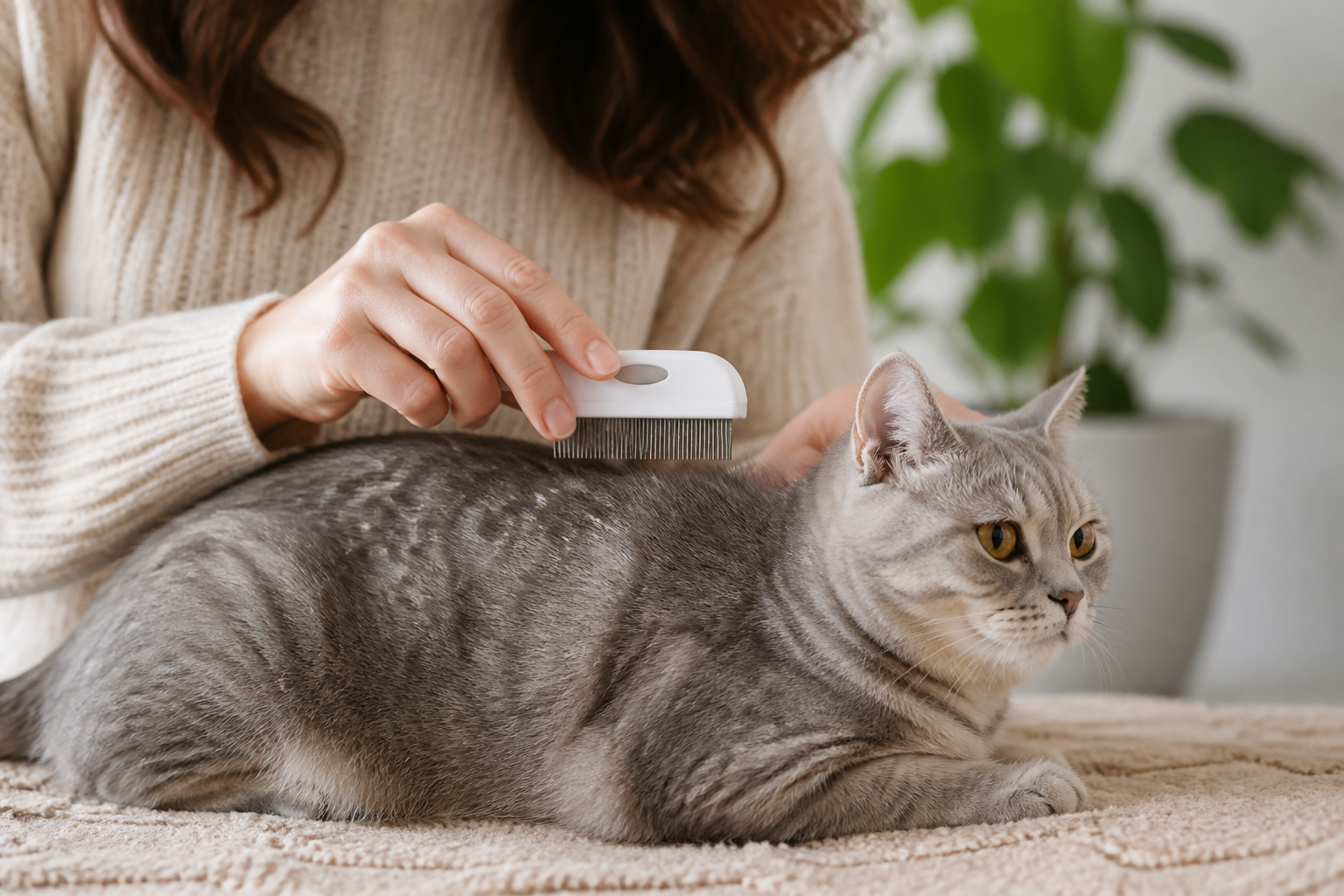
Step-by-Step: Brushing for Skin Health
Brushing is the most effective way to handle dandruff. It mimics the natural grooming process and helps move oils from the skin down the hair shaft.
- Choose the right tool. For short-haired cats, a rubber grooming mitt or a soft bristle brush works well. Long-haired cats may need a slicker brush or a wide-toothed comb to get through the undercoat. Our cat grooming collection includes brushes, combs, wipes, and other tools.
- Start with short sessions. If your cat is not used to brushing, start with two minutes a day. Pair the session with a high-value treat to create a positive association.
- Focus on the "dandruff zones." Gently brush the lower back and the base of the tail where flakes tend to accumulate.
- Be gentle. Irritated skin can be sensitive. Do not pull on mats or scrub the skin too hard.
- Wipe away the excess. Use a damp, warm washcloth after brushing to pick up the loose flakes you have disturbed.
Increasing Humidity
If the air in your home is dry, a humidifier is a great investment. Placing a humidifier in the room where your cat spends the most time can significantly improve their skin hydration. This is a non-invasive way to treat the environment rather than the cat.
Hydration from Within
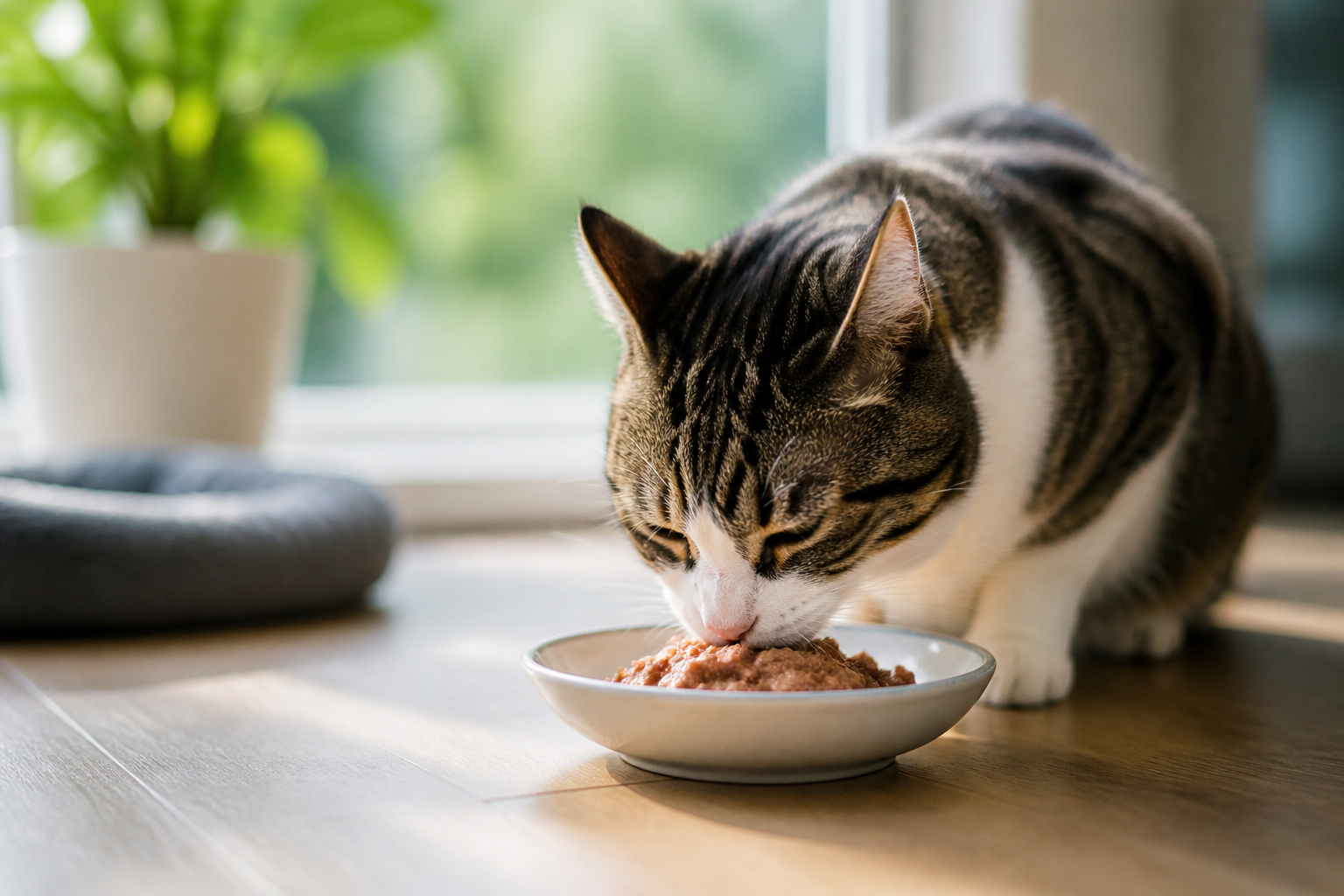
Cats are notorious for having a low thirst drive. Dehydration leads to dry skin. Try adding a little warm water or unsalted bone broth to their wet food. You might also consider a cat water fountain. Many cats prefer running water over a still bowl, which encourages them to drink more throughout the day.
The Importance of Proper Nutrition
What goes into your cat shows up on their coat. We carry 500+ trusted brands at BaxterBoo, and we always emphasize looking at the ingredient list for skin support.
Omega Fatty Acids
Omega-3 and Omega-6 fatty acids are the building blocks of healthy skin. They help maintain the moisture barrier that keeps hydration in and irritants out. If your cat's food is lacking these, you might notice a dull coat and frequent flaking. Brands like Zesty Paws or Honest Paws offer supplements that can be added directly to their meal. You can also explore our cat skin and coat care selection for nutritional and topical support.
High-Quality Proteins
Skin and hair are made primarily of protein. If a cat is not getting enough high-quality animal protein, their body will prioritize internal organs over skin health. Look for foods where a specific meat (like chicken, turkey, or salmon) is the first ingredient. Brands like Stella and Chewy’s or Open Farm focus on high-protein recipes that support overall wellness. Our dry cat food selection includes recipes from several of these brands.
Specialized Diets
For cats with severe sensitivities, a limited-ingredient diet might be necessary. Some cats are allergic to common proteins like beef or dairy, which can cause skin inflammation. Switching to a novel protein like rabbit or duck can sometimes clear up skin issues in a matter of weeks.
- Check for Omega-3 and Omega-6 supplements.
- Ensure the first ingredient is a high-quality animal protein.
- Avoid foods with excessive fillers like corn or soy.
- Consider a water fountain to increase hydration.
For additional guidance on supplements and skin-and-coat nutrition, read our pet supplement guide.
When to Consult Your Veterinarian
While a few flakes during a dry winter are usually fine, some situations require professional help. You should never try to "wait out" a skin condition that is clearly causing your cat distress.
Signs of Infection or Pain
If your cat is scratching constantly, they are at risk for secondary skin infections. Open sores, scabs, or red "hot spots" are signs that the dandruff has progressed to something more serious. Additionally, if your cat reacts with pain when you touch the area with dandruff, there may be deep-tissue inflammation or underlying joint issues.
Behavioral Changes
Keep an eye on your cat's behavior. Are they hiding more? Have they stopped eating their favorite treats? A cat that feels unwell will often show it through a change in personality. Dandruff combined with lethargy or a change in litter box habits is a red flag.
Parasite Detection
If you see black specks in the fur, this is likely "flea dirt" (flea waste). This requires immediate treatment. Our pharmacy carries effective flea and tick preventives like Frontline or NexGard through our Pet's Choice partnership. These are much more effective than over-the-counter options and can help clear up the skin irritation quickly. For species-appropriate options, browse our cat flea and tick collection.
Vet Tip: Always bring a list of your cat's current food and any supplements to your vet appointment. Skin issues are often a puzzle, and knowing exactly what your cat eats helps the vet rule out nutritional deficiencies or allergies.
Managing Grooming for Senior and Overweight Cats
If your cat has dandruff because they simply cannot reach their back, you will need to step in as their personal groomer. This is a common reality for many owners of older cats.
Assisting with Weight Loss
Obesity is a major cause of grooming failure. We offer weight management formulas from brands like Farmina Vet Life that are designed to help cats lose weight safely while maintaining muscle mass. As your cat loses weight, their flexibility will return, and they will be able to manage their own dandruff again.
Supportive Care for Arthritis
For cats with joint pain, supplements like Cosequin or Senilife can make a big difference. When a cat feels more mobile, they are more likely to engage in their normal grooming routines. You can also make grooming easier for them by using a raised feeding station so they do not have to crouch as low, which can put strain on their joints.
Daily Maintenance Routine
For a cat that truly cannot groom, a daily five-minute session with a soft brush and a feline-safe grooming wipe is the best substitute for a bath. This removes the flakes and keeps the fur from matting without the trauma of a sink full of water. The U-Groom Combo Brush for Dogs and Cats is one option designed for regular at-home grooming.
Key Takeaway: For cats with mobility issues, your goal is to assist their natural grooming process rather than replacing it with a bath. Regular, gentle brushing is the kindest way to manage their dandruff.
Conclusion
Finding dandruff on your cat can be frustrating, but a bath is rarely the best way to solve the problem. Most feline skin issues are better managed through improved nutrition, increased humidity, and regular, gentle brushing. By focusing on the root cause—whether it is a dry environment, a lack of Omega fatty acids, or a struggle with mobility—you can help your cat regain a healthy, flake-free coat.
At BaxterBoo, we are committed to providing the tools and expert guidance you need to care for your pets. Whether you need a new grooming brush, a high-quality food like Orijen, or prescription support through our pharmacy partnership with Pet's Choice, we are here to help. Taking a proactive, gentle approach to your cat's skin health will keep them comfortable and strengthen the bond you share.
The best next step for a cat with persistent dandruff is to review their current diet and ensure they are on a consistent parasite preventive. You can find all these essentials in our cat care section, or set up our Autoship programme to ensure you never run out of the supplies that keep your kitty feeling their best.
FAQ
Can I use human dandruff shampoo on my cat?
No, you should never use human dandruff shampoo on a cat. These products have a pH level designed for human skin and often contain ingredients like zinc pyrithione or salicylic acid that can be toxic if a cat licks their fur. Always use a shampoo specifically formulated for felines or follow your veterinarian's specific prescription.
How often should I brush my cat to get rid of dandruff?
For a cat with active dandruff, a daily grooming session of five to ten minutes is ideal. This helps distribute natural skin oils and removes dead cells before they can clump into visible flakes. Once the skin condition improves, you can move to a maintenance schedule of two or three times per week.
Does my cat's dandruff mean they have fleas?
Not necessarily, but it is a possibility. Fleas cause skin irritation and "flea allergy dermatitis," which can lead to significant flaking. Check the base of the tail and the neck for tiny black specks; if you see them, your cat likely has fleas and needs a high-quality preventive from a trusted source. For more information about flea prevention options, read how flea collars work.
Will changing my cat's food fix their dry skin?
It often helps, especially if the current food is low in essential fatty acids. Switching to a premium brand with high-quality animal protein and added Omega-3s can improve skin health from the inside out. However, since it takes time for skin cells to regenerate, you may not see the full results for four to six weeks.



- Site & Contents BaxterBoo.com. BaxterBoo is located in the United States.
- Privacy & Security
- Terms of Use
- Accessibility Statement
