
 Save 15% on your 1st Autoship learn more

 Email us
 Live Chat
 FAQs
FAQs





Introduction
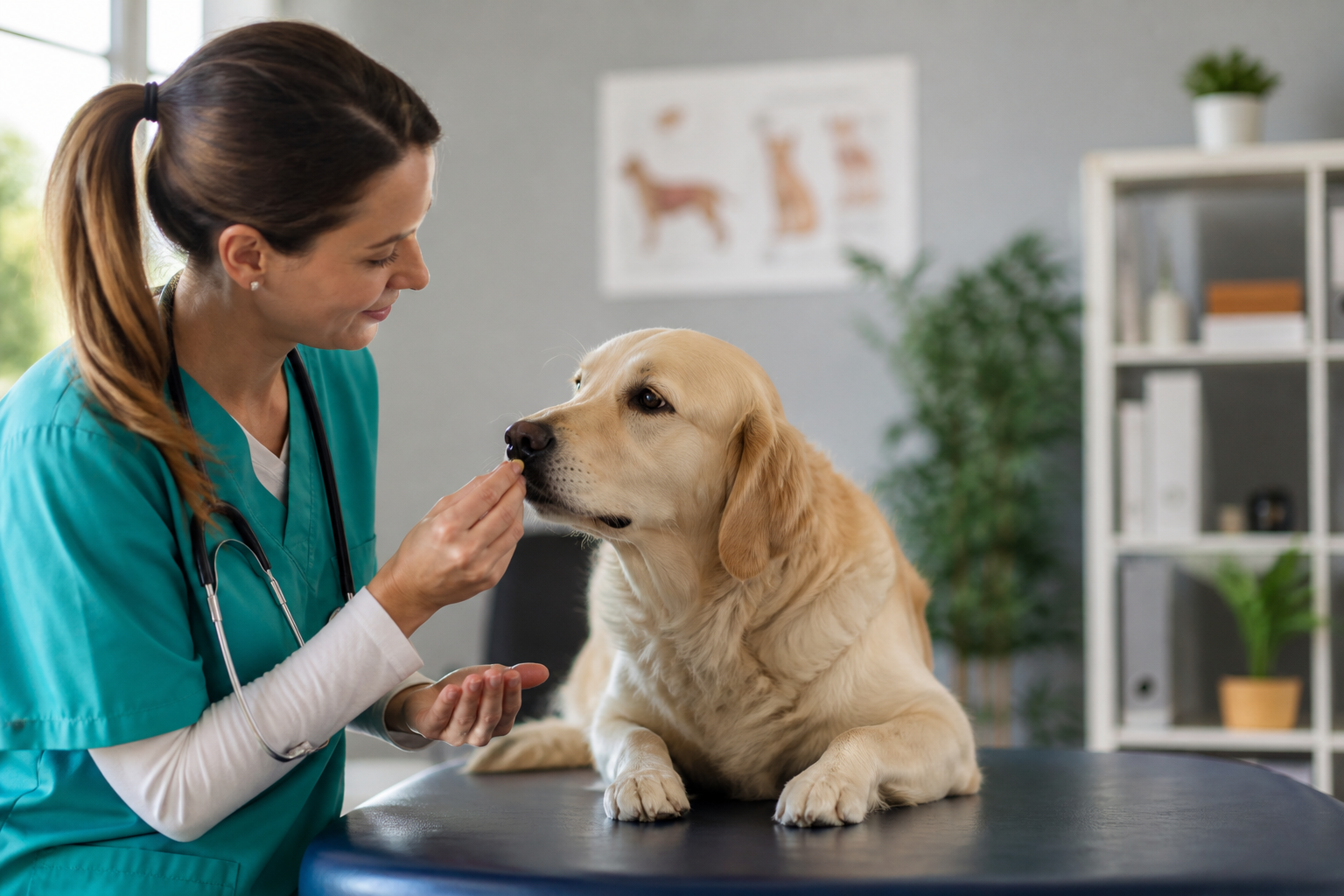
Your dog just finished a round of antibiotics for a skin infection. Now, their stomach is gurgling and their stool is loose. Or perhaps you are preparing for a long road trip and know your dog usually gets stress induced diarrhea during travel. These are the moments when most owners start looking for dog probiotics vet recommended products to help settle their pet's system. At BaxterBoo, we know that a healthy gut is the foundation for a healthy dog. Probiotics are more than just a trend. They are a practical tool for managing digestion and boosting immunity. This post covers why veterinarians suggest these supplements, which specific strains to look for, and how to choose the highest quality options for your furry friend. Gut health affects everything from your dog's skin to their mood.
What Exactly Are Probiotics for Dogs?
Probiotics are live, beneficial microorganisms that live in your dog's gastrointestinal tract. You may hear people call them "good bacteria." These microbes work to maintain a healthy balance in the gut. They compete with harmful bacteria for space and nutrients. This prevents "bad" bacteria from overpopulating and causing illness.
A dog's gut contains billions of these microbes, often referred to as the microbiome. When this system is balanced, your dog digests food efficiently and absorbs nutrients well. When the balance is disrupted, you might notice gas, bloating, or diarrhea. Probiotics help restore that balance by introducing fresh populations of helpful bacteria.
Quick Answer: Probiotics are live, beneficial bacteria that support a dog's digestive and immune health. Vets often recommend them for diarrhea, gas, or during antibiotic treatment to restore gut balance.
Dog Digestive & Urinary Aids











Why Do Veterinarians Recommend Probiotics?
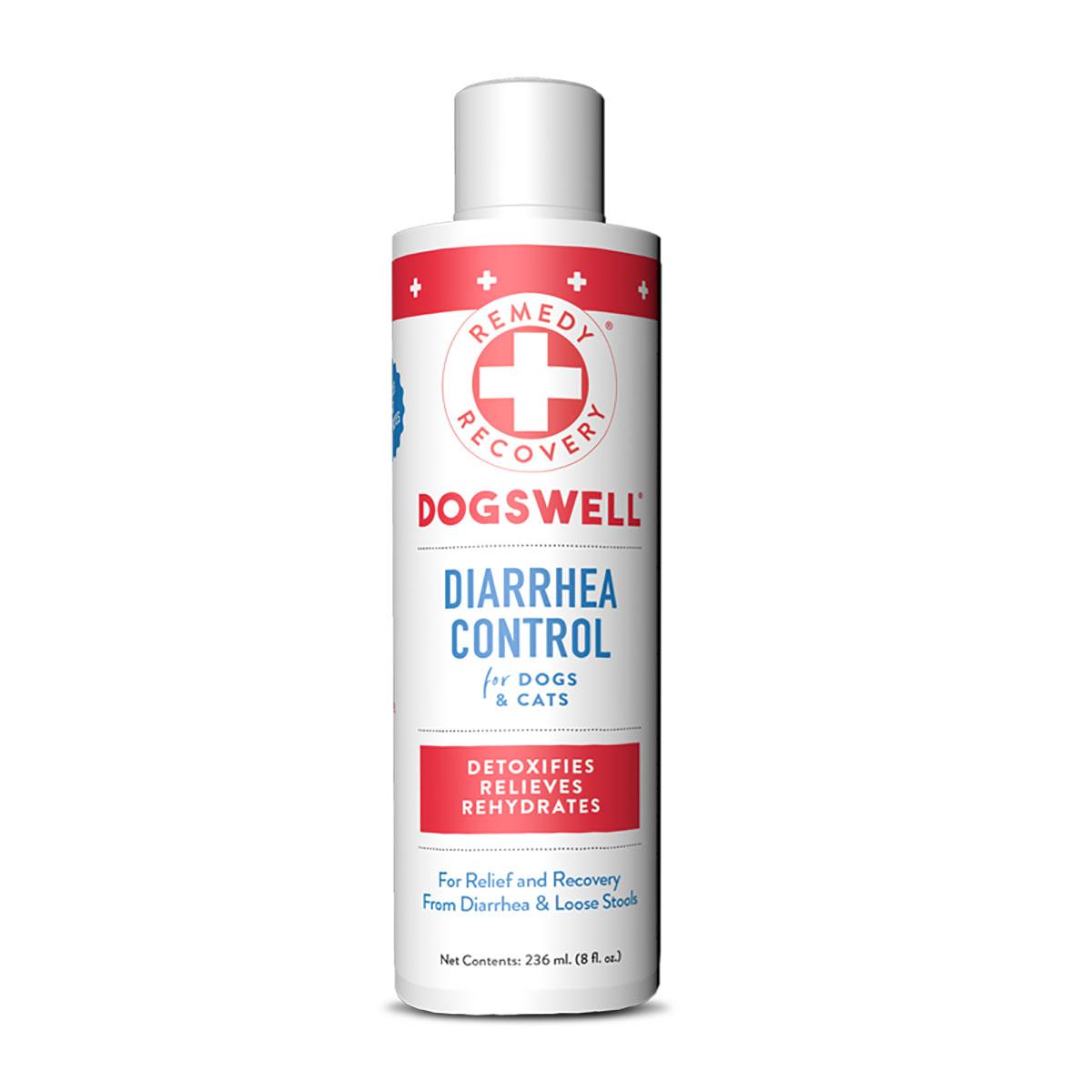
Vets recommend probiotics for several specific reasons. The most common is to manage acute diarrhea. This can happen if a dog eats something they should not have or if they are under significant stress. Probiotics can help firm up the stool faster than diet changes alone.
Another major reason is antibiotic use. Antibiotics are designed to kill harmful bacteria. However, they cannot always tell the difference between good and bad microbes. They often wipe out the beneficial bacteria in the gut. This leads to "antibiotic associated diarrhea." Giving a probiotic during and after a course of antibiotics helps repopulate the gut.
Key Reasons for Probiotic Use
- Managing chronic digestive issues like Inflammatory Bowel Disease (IBD).
- Reducing gas and bloating in sensitive dogs.
- Supporting the immune system, as roughly 70 percent of a dog's immune system resides in the gut.
- Helping puppies develop a strong internal defense system.
- Reducing symptoms of food allergies or environmental sensitivities.
Vet Tip: Always consult your veterinarian before starting a probiotic supplement. If your dog has a severely compromised immune system, introducing new bacteria can sometimes be risky and requires professional oversight.
Understanding Different Probiotic Strains
Not all probiotics are the same. Different strains of bacteria serve different purposes. When you look at a label, you will see long names in italics. These names tell you exactly what kind of support the product offers.
Enterococcus Faecium
This is one of the most common strains found in dog probiotics. It is particularly effective at improving stool quality. Many vets recommend it for dogs experiencing sudden bouts of diarrhea. It is hardy and can survive the journey through the acidic stomach to reach the intestines.
Bifidobacterium Animalis
This strain is excellent for general digestive health. It has been shown to reduce the time it takes for a dog to recover from acute diarrhea. It is a staple in many high quality, vet recommended powders.
Lactobacillus Acidophilus
This is a well known strain that helps maintain the overall balance of the microbiome. It supports the immune system and can help with the frequency and quality of a dog's waste.
Bifidobacterium Longum
This is a fascinating strain often used for its "calming" properties. Some research suggests that specific strains, like BL999, can help reduce anxious behaviors in dogs. It works through the gut brain axis. This is a communication line between the digestive system and the central nervous system.
Key Takeaway: Look for a multi strain probiotic to provide broad support. Different bacteria work in different parts of the gut to ensure complete coverage.
The Role of Prebiotics
You will often see the word "prebiotic" on the same label as your probiotic. These are not the same thing. Prebiotics are types of fiber that humans and dogs cannot digest. Instead, they serve as food for the probiotics.
Think of probiotics as the "seeds" and prebiotics as the "fertilizer." Without prebiotics, the good bacteria may not have the energy they need to thrive and multiply. Common prebiotics include chicory root, inulin, and beet pulp.
Forms of Probiotics: Which is Best?
We carry a wide variety of dog digestive health supplements at BaxterBoo. The right choice depends on your dog's personality and your daily routine.
Probiotic Powders
Powders are often the most potent option. They are usually flavorless or have a mild liver or yeast flavor. You can sprinkle them directly onto your dog's food. Many vets prefer powders because they are easy to dose and stay stable for a long time.
Soft Chews
Chews are great for dogs who think everything is a treat. These are convenient and require no measuring. However, you must check the label to ensure the bacteria stay alive during the manufacturing process. Heat can kill probiotics. Reputable brands use cold pressing to keep the cultures active.
Capsules
Capsules are useful if you need to hide the supplement in a pill pocket or a piece of cheese. You can also open the capsule and sprinkle the contents on food. Capsules provide a protective barrier against moisture and air.
Pastes
Pastes are typically used for acute issues. They often come in a syringe for easy oral administration. Vets often send these home for dogs with severe, sudden digestive upset. They usually contain high concentrations of probiotics and binders to help firm up stools quickly.
Bottom line: The best form is the one your dog will actually eat every day without a struggle.
How to Choose a Quality Probiotic
The supplement industry is not regulated as strictly as the medication industry. This means you have to be careful about which brands you trust. A product might claim to have "billions of bacteria," but those bacteria must be alive when they reach your dog's gut to be effective.
Check for CFUs
CFU stands for Colony Forming Units. This tells you how many live bacteria are in each serving. Most vets recommend a daily dose between 1 billion and 10 billion CFUs for a healthy dog. If a dog is dealing with a specific illness, a higher dose might be necessary.
Look for the NASC Seal
The National Animal Supplement Council (NASC) provides a seal for products that meet strict quality standards. This seal shows that the manufacturer has undergone independent audits. It is a great trust signal for pet owners.
Expiration Dates
Probiotics are living organisms. They do not last forever. Always check the "best by" date on the package. Using expired probiotics is not necessarily dangerous, but the bacteria will likely be dead. This makes the supplement useless.
Probiotics for Specific Health Conditions
While most people use probiotics for "tummy trouble," they have other applications. Modern veterinary medicine is discovering how gut health impacts the whole body.
Allergies and Skin Health
If your dog has itchy skin or chronic ear infections, the problem might start in the gut. An imbalanced microbiome can lead to inflammation. By strengthening the gut barrier, probiotics can sometimes reduce the body's overreaction to allergens. This is known as the gut skin axis.
Anxiety and Stress
As mentioned with the Bifidobacterium longum strain, the gut and brain are connected. A healthy gut can lead to a calmer dog. If your dog suffers from separation anxiety or noise phobias, a calming probiotic might be a helpful addition to their training plan.
Weight Management
Some studies suggest that certain bacteria can influence how a dog's body stores fat and processes nutrients. While not a "weight loss pill," a healthy microbiome supports a healthy metabolism. This makes it easier to keep your dog at an ideal weight.
When You Need a Prescription Probiotic
Sometimes, an over the counter supplement is not enough. If your dog has chronic conditions like pancreatitis or severe IBD, your vet may prescribe a specific therapeutic diet. These diets are formulated with precise levels of fiber and specialized probiotic strains.
Our pet pharmacy provides access to these prescription options through our partnership with Pet's Choice. We carry brands like Farmina Vet Life and Royal Canin that offer specialized GI support. These items require a valid prescription from your veterinarian. Using our pharmacy allows you to manage your dog's medications and food in one place.
How to Introduce Probiotics to Your Dog
You should never rush a new supplement into your dog's diet. Even good bacteria can cause a temporary upset if introduced too quickly.
Step 1: Consult your vet. / Confirm that a probiotic is the right choice for your dog's specific symptoms.
Step 2: Start with a half dose. / Give your dog a smaller amount for the first two or three days to see how they react.
Step 3: Monitor for gas. / Some dogs may experience a slight increase in gas as their gut flora shifts. This usually resolves within a few days.
Step 4: Move to a full dose. / Once your dog is comfortable, follow the label instructions for their weight.
Step 5: Be consistent. / Probiotics work best when given at the same time every day to maintain a steady population of good bacteria.
Common Myths About Dog Probiotics
There is a lot of misinformation about gut health. One common myth is that you can just give your dog human yogurt. While plain, unsweetened yogurt contains some probiotics, it often does not have enough CFUs to make a real difference for a dog. Furthermore, many dogs are lactose intolerant. Giving them dairy can actually cause more diarrhea.
Another myth is that all probiotics are the same. A product designed for a human or a cat will not have the same bacterial strains that a dog needs. Canine specific products are formulated to survive the specific pH levels of a dog's stomach.
Key Takeaway: Stick to products formulated specifically for dogs to ensure the strains are safe and effective for their unique digestive systems.
Storing Your Probiotics Correctly
How you store your supplements matters. Probiotics are sensitive to three things: heat, light, and moisture. If you leave a bottle of probiotic chews in a hot car, the bacteria will die.
Most powdered probiotics are shelf stable at room temperature, but they should be kept in a cool, dark cupboard. Some specific liquid or paste probiotics may require refrigeration. Always read the storage instructions on the label carefully. If a product arrives in a sealed foil packet, do not open the packet until you are ready to use it. Exposure to air can degrade the live cultures.
The Future of Canine Gut Health
Research into the canine microbiome is growing every year. We are learning that a healthy gut might help senior dogs stay sharp and help young puppies avoid developing allergies later in life. By choosing a vet recommended probiotic today, you are investing in your dog's long term wellness.
We carry over 500 trusted brands to ensure you have access to the best options on the market. Whether you need a daily supplement for a healthy dog or a specialized prescription diet for a dog with chronic issues, we are here to help.
Summary of Probiotic Benefits
- Faster recovery from acute diarrhea and loose stools.
- Support for the immune system against pathogens.
- Reduced gas and better nutrient absorption.
- Improved skin and coat health through the gut skin axis.
- Potential for calmer behavior in stressful situations.
Conclusion
Finding the right dog probiotics vet recommended for your pet does not have to be a guessing game. Focus on high quality strains like Enterococcus faecium and Bifidobacterium animalis. Ensure the product has a high CFU count and carries a quality seal like the NASC. Remember that gut health is a journey, not a quick fix. It may take a few weeks of consistent use to see a major difference in your dog's coat, energy, and digestion. For those managing chronic health conditions, our pharmacy partnership with Pet's Choice is a reliable way to get the prescription diets and medications your vet recommends.
Bottom line: A daily probiotic is a simple, effective way to support your dog’s digestion and long term health.
FAQ
Can I give my dog human probiotics?
While some human probiotics are safe, they are not ideal for dogs. A dog's digestive tract has a different pH level and different bacterial needs than a human's gut. It is always better to use a canine specific supplement to ensure the bacteria can survive and provide the intended benefits.
How long does it take for dog probiotics to work?
For acute issues like diarrhea, you might see improvement within 24 to 48 hours. For chronic issues like skin allergies or immune support, it can take four to six weeks of daily use to see a noticeable change. Consistency is the most important factor in seeing results.
Are there any side effects to giving my dog probiotics?
Most dogs tolerate probiotics very well. However, some may experience a temporary increase in gas, bloating, or a mild change in stool consistency when they first start. These symptoms usually disappear within a few days as the gut adjusts to the new bacteria.
Should I give my dog probiotics every day?
Many veterinarians recommend daily probiotics for long term health maintenance, especially for dogs with sensitive stomachs. However, some dogs may only need them during times of stress or while taking antibiotics. Your veterinarian can help you determine the best schedule for your dog's specific needs.


- Site & Contents BaxterBoo.com. BaxterBoo is located in the United States.
- Privacy & Security
- Terms of Use
- Accessibility Statement
