
 Save 15% on your 1st Autoship learn more

 Email us
 Live Chat
 FAQs
FAQs





Why Your Cat Might Need a Special Diet
Hydrolyzed protein cat food contains proteins that have been broken down into tiny pieces so small that your cat's immune system can't recognize them as potential allergens. This specialized diet is prescribed by veterinarians to help diagnose and manage food allergies and inflammatory bowel disease (IBD) in cats.
Quick Answer: What You Need to Know About Hydrolyzed Protein Cat Food
- What it is: Cat food where proteins are broken down into very small peptides (molecular weight around 10-12 kilodaltons) through a process called hydrolysis
- Who needs it: Cats with food allergies, chronic itching, inflammatory bowel disease, or ongoing digestive issues
- Key benefits: Reduces allergic reactions, highly digestible, supports gut and skin health
- Availability: Prescription-only through your veterinarian due to strict quality control requirements
- Cost: More expensive than regular cat food due to specialized manufacturing processes
- Trial period: Typically requires 6-10 weeks of exclusive feeding to see results
If your cat constantly scratches their head and neck, experiences frequent vomiting or diarrhea, or has been diagnosed with IBD, you're likely searching for answers. Food sensitivities in cats can manifest as persistent itching that never seems seasonal, overgrooming that leads to hair loss, or ongoing digestive upset that disrupts both your cat's life and yours.
The challenge is that traditional allergy tests—whether blood or skin tests—are notoriously unreliable for diagnosing food allergies in cats. The gold standard remains an elimination diet trial using either hydrolyzed protein or novel protein diets, followed by a careful rechallenge phase.
Hydrolyzed protein diets take the guesswork out of which specific protein your cat might be reacting to. Because the proteins are broken down into such small components, they bypass the immune system's ability to mount an allergic response. This makes them particularly valuable both as a diagnostic tool and as a long-term management solution for cats with confirmed food sensitivities.
What is Hydrolyzed Protein Cat Food?
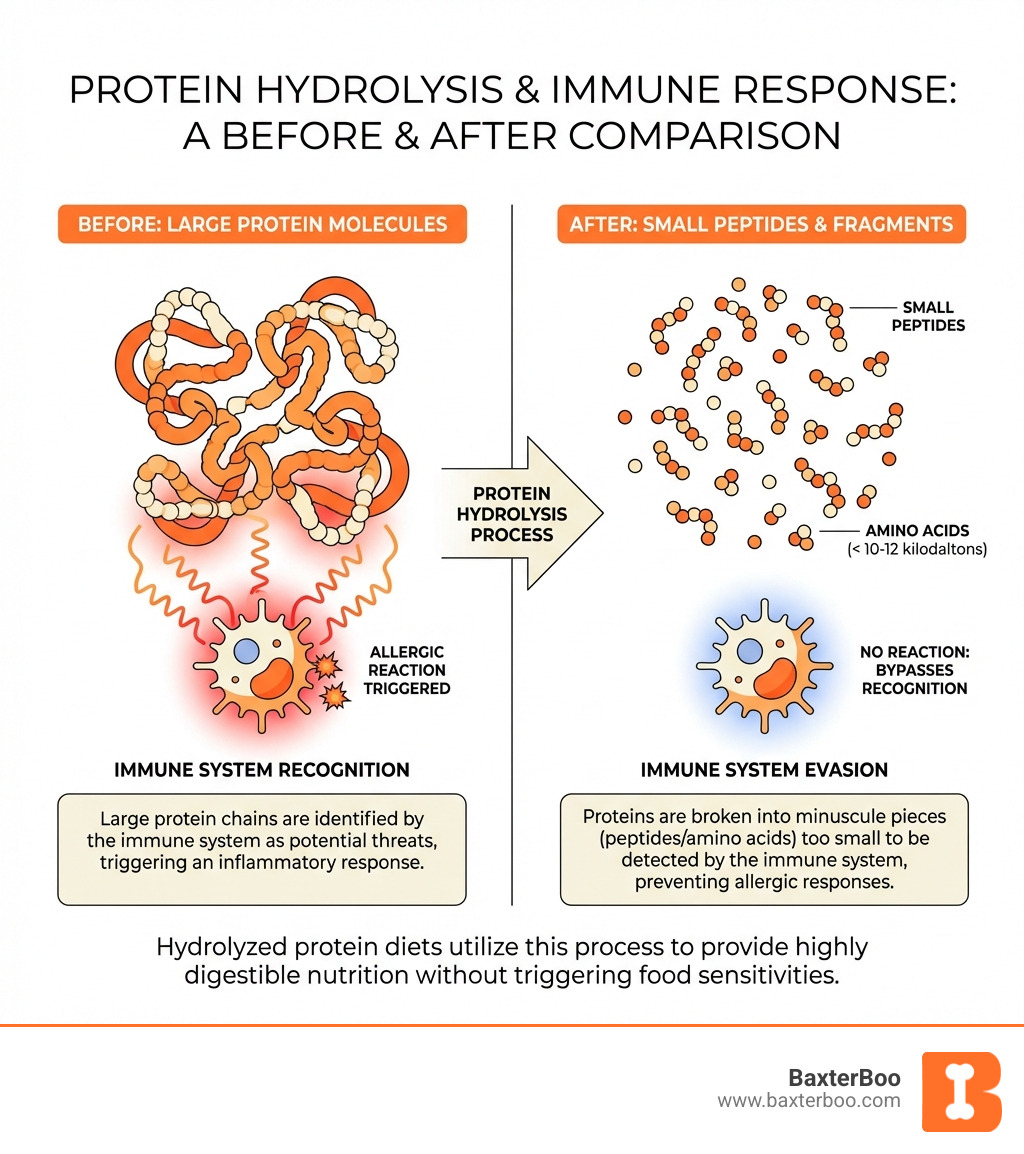
In regular cat food, proteins are like long, intact chains. When a cat's immune system perceives a protein as a threat, it triggers an allergic reaction. Hydrolyzed protein cat food uses a process called hydrolysis to break these large protein molecules into tiny components, called peptides or amino acids.
These pieces are so small that your cat's immune system can no longer recognize them as a threat, preventing an allergic response. Unlike traditional cat foods with intact proteins, hydrolyzed diets effectively "hide" potential allergens from the immune system, stopping uncomfortable symptoms before they start.
How It's Made and Why It's Different
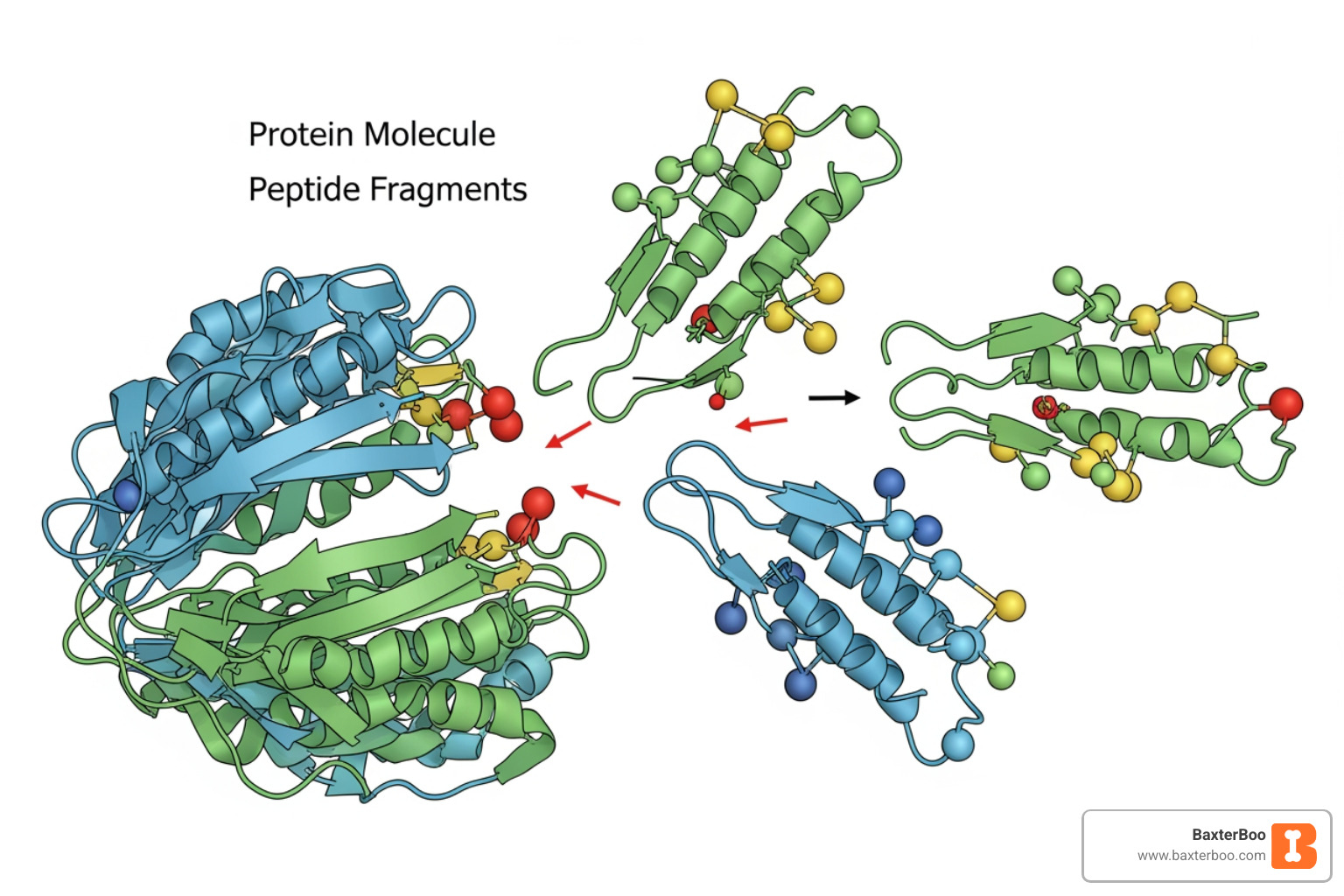
The manufacturing process is sophisticated, using enzymes to break down protein sources (like chicken or soy) into low molecular weight peptides. This precise, controlled process is why these foods are so effective for managing allergies and IBD.
What also makes them special are the incredibly strict quality-control guidelines. These ensure two things:
- All proteins are broken down to the required small size.
- The food contains no "contaminant" proteins from other sources that could accidentally trigger an allergic reaction.
Because of this meticulous manufacturing and need for purity, all hydrolyzed protein cat foods are prescription-only. They are therapeutic diets that must be used under veterinary guidance to ensure they are right for your cat.
The Key Benefits for Sensitive Cats
The primary reason veterinarians prescribe hydrolyzed protein cat food is to diagnose and manage food allergies, but the benefits extend further:
- Managing Food Allergies: By presenting proteins in a non-threatening form, these diets can significantly alleviate chronic itching, skin inflammation, and excessive grooming.
- Soothing Inflammatory Bowel Disease (IBD): For cats with IBD, these diets are highly digestible and less allergenic, which helps calm the inflamed gut. The smaller protein particles are easier for a compromised digestive system to process.
- Reducing Skin and GI Inflammation: By preventing the immune system's overreaction to food, these diets help reduce inflammatory processes in the skin and gastrointestinal tract.
- High Digestibility: The broken-down proteins are inherently easier to digest and absorb, which is beneficial for cats with compromised digestive systems, ensuring they get the nutrients they need.
Is a Hydrolyzed Diet Right for Your Cat?
Deciding if a hydrolyzed protein cat food is the right choice for your feline friend is a decision best made in partnership with your veterinarian. It's not a general health food but a targeted therapeutic diet.
Your vet might recommend a hydrolyzed diet as a diagnostic tool to pinpoint whether food allergies are the root cause of your cat's symptoms. If symptoms improve dramatically on the diet, it strongly suggests a food-related issue. Once a food allergy or sensitivity is confirmed, it then becomes a powerful management solution to keep your cat comfortable and healthy long-term.
Telltale Signs of Food Adversities
Cats are masters of disguise, but when it comes to food allergies or sensitivities, their bodies often give us clear clues. Knowing these signs can help you advocate for your cat and seek veterinary advice promptly.
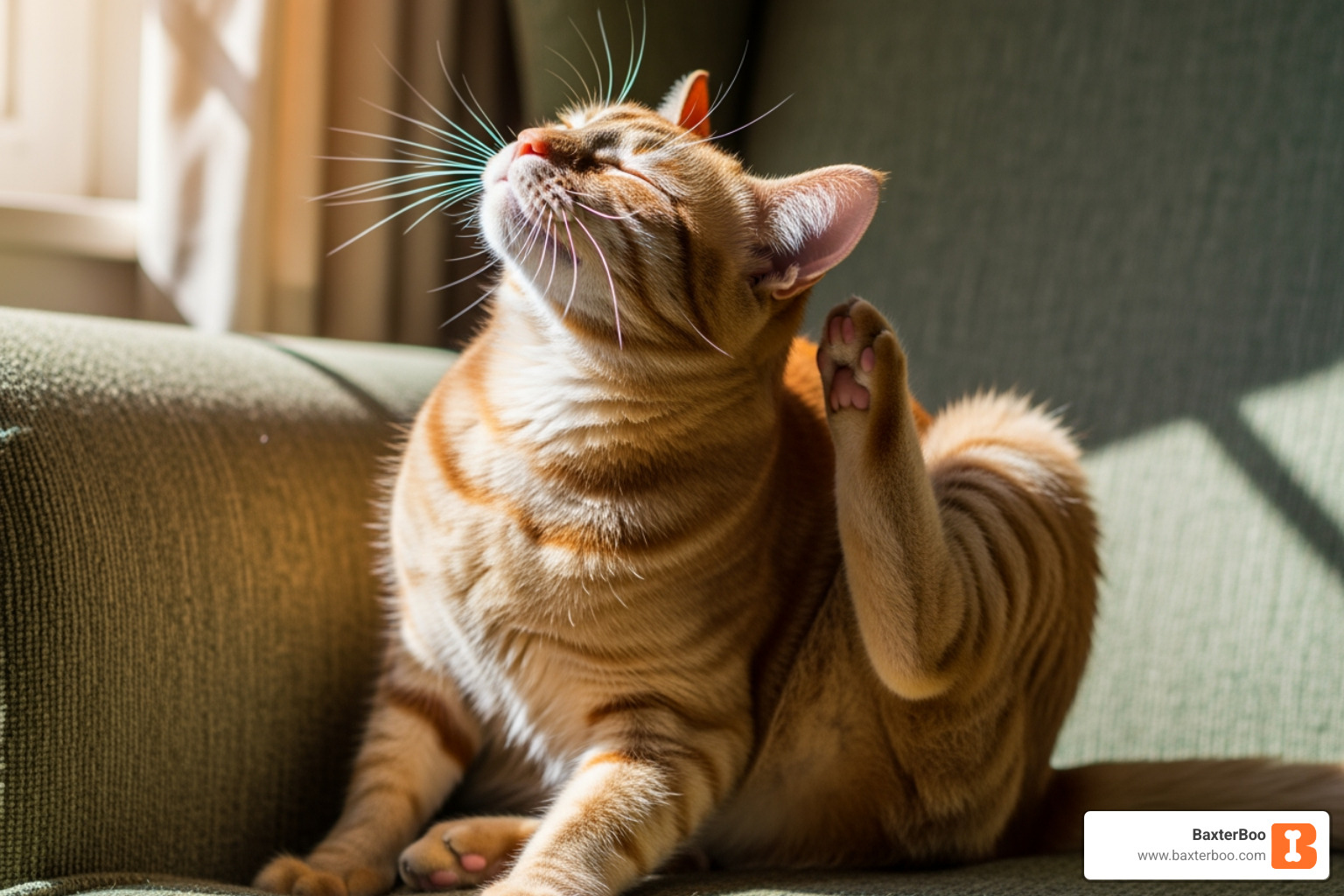
The most common symptom associated with food allergies in cats is itching that is not seasonal and is always present. This isn't just a casual scratch; it can be persistent and intense, significantly impacting your cat's quality of life. Behaviors you might observe include:
- Licking: Excessive licking, often focused on specific areas.
- Scratching: Intense scratching, sometimes leading to skin lesions or infections.
- Overgrooming: Grooming themselves so much that they create bald patches or thin fur.
- Biting: Biting at their skin, paws, or tail.
While itching can occur anywhere on the body, the head and neck are often primarily involved in feline food allergies.
Less commonly, but still significant, are gastrointestinal symptoms. These can include:
- Diarrhea: Chronic or intermittent loose stools.
- Vomiting: Frequent or unexplained vomiting.
For cats with Inflammatory Bowel Disease (IBD), symptoms can overlap with food allergies and may also include:
- Bloody stools: A concerning sign that warrants immediate veterinary attention.
- Weight loss: Despite eating, the cat may not be absorbing nutrients effectively.
- Decreased appetite: The discomfort from IBD can make eating unappealing.
- Lethargy: A general lack of energy or enthusiasm.
If you observe any of these persistent signs, especially chronic itching or digestive upset, it's crucial to consult your veterinarian in Vernon Hills, IL, or wherever you are. They can help rule out other conditions and guide you towards the most appropriate diagnostic steps.
The Gold Standard for Diagnosis: Elimination Diet Trials
You might be wondering why we can't just run a quick test to find out what food your cat is allergic to. Unfortunately, when it comes to food allergies in pets, traditional skin or blood allergy tests are generally unreliable. They often show poor correlation between the test results and what actually causes a clinical reaction in your cat. This is a common misconception, and we understand how frustrating it can be to not have a simple answer.
Instead, the most reliable way to accurately diagnose a food allergy (adverse food reaction) or food intolerance in cats (and dogs) is through an elimination diet trial. This is considered the "gold standard" in veterinary medicine.
Here's how it typically works:
- Exclusive Feeding Phase: Your veterinarian will prescribe a specific hydrolyzed protein cat food or a novel protein diet. For a period of 6-10 weeks, your cat must eat only this prescribed food. This means absolutely no other treats, table scraps, flavored medications, or even accidental nibbles of another pet's food. This phase aims to eliminate all potential allergens from your cat's diet to see if their symptoms improve. If your cat's symptoms (like itching or vomiting) resolve or significantly decrease during this period, it's a strong indicator of a food allergy.
- Dietary Rechallenge: After the trial period, if symptoms have improved, your vet will guide you through a "rechallenge" phase. This involves gradually reintroducing specific protein sources (one at a time) from your cat's old diet. If symptoms return after reintroducing a particular protein, you've likely identified the culprit!
This methodical approach, while requiring patience and strict adherence, provides the most accurate diagnosis, allowing us to then manage your cat's condition effectively.
A Guide to Hydrolyzed Protein Cat Food and Other Therapeutic Diets
Navigating specialized cat food can feel overwhelming. When considering hydrolyzed protein cat food, it requires a veterinary prescription to ensure it's the right choice for your cat's health issue. Key considerations include palatability, as some cats may need time to adjust to the new taste, and cost, which is higher due to the complex manufacturing process.
Prescription Hydrolyzed vs. OTC Novel Protein Diets
When dealing with food sensitivities, you'll encounter two main diet types: prescription hydrolyzed and over-the-counter (OTC) novel protein diets.
- Prescription Hydrolyzed Diets: These are the gold standard for elimination trials due to their broken-down proteins and, crucially, their strict quality control. Manufacturers prevent cross-contamination, ensuring the food contains only the hydrolyzed protein, which makes diagnostic trials accurate.
- Over-the-Counter (OTC) Novel Ingredient Diets: These use proteins your cat may not have eaten before (like duck or venison). However, less stringent quality control can lead to "contaminant proteins" (like chicken or beef) in the food. These hidden allergens can skew trial results, which is why vets recommend prescription diets for diagnosis.
Choosing a prescription diet provides the most accurate diagnosis, saving time and frustration.
Common Diet Myths Debunked
Separate fact from fiction when choosing a diet for your sensitive cat.
- Grain-Free is Not Hypoallergenic: This is a common myth. Most feline food allergies are to proteins (like chicken or beef), not grains. A grain-free diet can still contain multiple protein triggers and is not the same as a specialized hydrolyzed diet.
- Risks of Home-Cooked Diets: While appealing, home-cooked diets are risky without guidance from a board-certified veterinary nutritionist. They are often nutritionally unbalanced and pose a high risk of cross-contamination with allergens and bacteria.
- Importance of AAFCO Standards: Reputable commercial foods, including prescription diets, follow AAFCO (Association of American Feed Control Officials) guidelines to ensure complete and balanced nutrition, something difficult to achieve with home-cooked meals.
Potential Risks and Considerations for a Hydrolyzed Protein Cat Food Diet
While a powerful tool, consider these factors:
- Palatability: The altered taste may require a patient, gradual transition. Some cats are initially hesitant.
- Transition: Always switch foods slowly over at least a week to avoid digestive upset.
- Cost: Specialized manufacturing makes these diets more expensive than conventional foods.
- Nutritional Completeness: These diets are complete and balanced, but long-term use should always be monitored by your veterinarian to ensure your cat continues to thrive.
The Science of Gut Health: A Deeper Dive
Modern veterinary science is exploring the complex world of feline gut health, especially in conditions like Feline Chronic Enteropathy (CE), an umbrella term for disorders like IBD. This involves the gut microbiome (bacteria in the gut) and metabolic pathways.
Recent research, including studies on the effect of hydrolyzed diets on gut microbiota, shows these diets can positively influence the gut environment, potentially fostering healthier bacteria and reducing inflammation.
The Role of Metabolomics in Feline Health
Metabolomics is a science that analyzes an animal's metabolism by measuring small compounds (metabolites) in fluids like plasma or urine. This "chemical snapshot" provides a deeper understanding of diseases like CE. Studies show that metabolites related to energy and amino acid metabolism differ between healthy cats and those with CE, indicating the disease impacts the body's core biochemical processes. Metabolomics is a powerful diagnostic tool for understanding these changes and developing targeted treatments.
Predicting a Cat's Response to Diet
Ideally, we could predict which cats will respond to a hydrolyzed protein cat food before a lengthy trial. This is where biomarkers—measurable indicators of a biological state—come in. Metabolomics helps us identify these predictive biomarkers.
Research shows that a hydrolyzed diet changes the substances found in the urine of cats with CE. Certain metabolites found in urine or plasma at diagnosis have been identified as potential predictors of how a cat will respond to the diet. These exciting findings pave the way for personalized feline nutrition. In the future, a simple test could help your vet choose the most effective diet from the start, saving time, money, and your cat from prolonged discomfort.
Frequently Asked Questions
Will my cat need to be on a hydrolyzed diet forever?
Not necessarily. A hydrolyzed protein cat food is primarily a diagnostic tool for the initial 6-10 week trial. If symptoms resolve, your vet may guide you through a "rechallenge" phase to identify the specific allergen. Afterward, a long-term diet can be established, which might be the continued hydrolyzed food, a novel protein diet, or a limited ingredient diet that avoids the identified allergens. The goal is to find the right permanent solution for your cat, so always follow your vet's custom recommendations.
Can my cat eat treats while on a hydrolyzed protein diet?
During an elimination diet trial, strict adherence is critical. A single non-approved treat can ruin the trial. The short answer is yes, but only with vet-approved options. Safe choices include:
- Hydrolyzed Treats: Companion treats made with the same hydrolyzed protein.
- Reserved Kibble: Use a small portion of your cat's daily hydrolyzed kibble as treats.
- Homemade Treats: With your vet's approval, you can bake the canned hydrolyzed food into treats.
Avoid all other food sources, including flavored medications and other pets' food, unless explicitly approved by your veterinarian.
Why is this type of food so expensive?
The higher cost of hydrolyzed protein cat food is due to several key factors:
- Specialized Manufacturing: The hydrolysis process is complex and requires specific equipment.
- Research and Development: Companies invest heavily in R&D to formulate and test these effective diets.
- Strict Quality Control: Rigorous protocols to prevent cross-contamination are essential and add to the cost.
- High-Quality Ingredients: The ingredients must be high-quality to ensure proper hydrolysis and nutrition.
- Limited Market: These are not mass-market foods, so economies of scale are smaller.
While it's an investment, the relief and improved quality of life for a suffering cat are often invaluable.
Your Partner in Pet Wellness
Navigating food sensitivities or chronic digestive issues in your cat can be a challenging journey, but you don't have to go it alone. Hydrolyzed protein cat food stands out as a scientifically-backed, vet-recommended solution for diagnosing and managing these complex conditions. It's a testament to how specialized nutrition can profoundly impact your cat's health and happiness.
We at BaxterBoo are committed to your pet's wellness, offering expertly curated, high-quality pet products, including vet-approved medications and organic options, right here in Vernon Hills, IL, and online. We understand that finding the right solution for your sensitive cat is crucial.
This specialized diet serves as both a vital diagnostic tool, helping to uncover the root cause of your cat's discomfort, and an effective long-term management strategy to keep those bothersome symptoms at bay. The partnership with your veterinarian is key throughout this process, from diagnosis to ongoing care. Together, you can make the purr-fect choice for your feline companion.
Explore our selection of veterinary diets






