Save 15% on your 1st Autoship learn more

 Email us
 Live Chat
 FAQs
FAQs





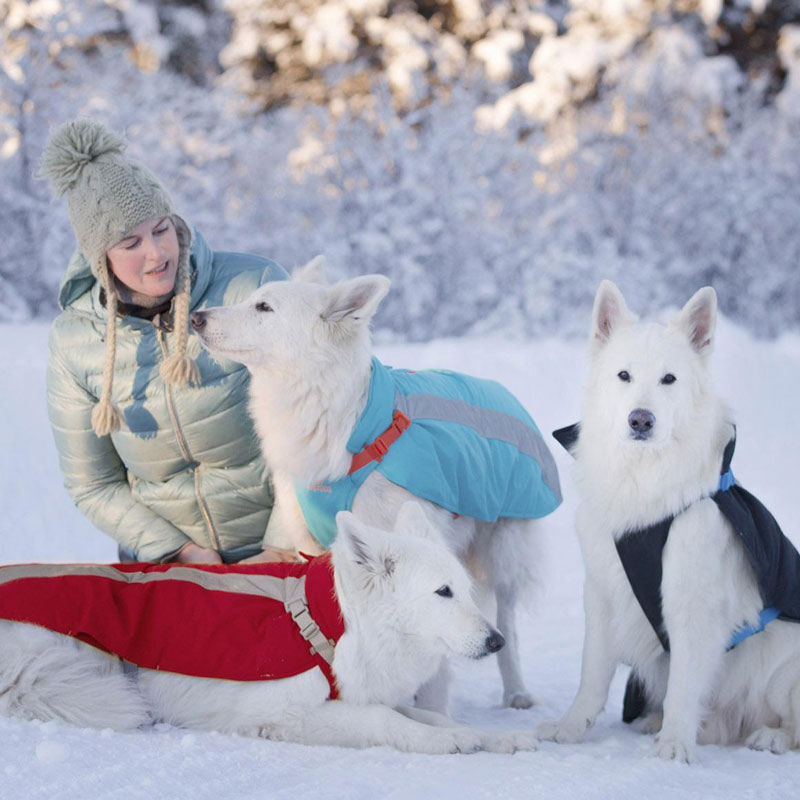
When the temperatures start dropping and the heavy storms start emerging, it's time to begin the process of unpacking your dog's winter clothes. However, you could have a serious problem on your hands if your dog refuses to wear clothes altogether, winter-ready or otherwise. How can you possibly get your dog to start wearing coats or sweaters in order to stay safe, healthy and protected from the elements? Here are a few tips and tricks for training your dog to love wearing winter clothes, helping him or her become more comfortable with the process through patience and positive reinforcement, while also ensuring that both owner and pet can rest easy for many winters to come.
Start 'Em Young
If you're the owner of a young pup, now is the best time to start teaching him or her about wearing clothes for the sake of protection and comfortability. Just as with potty training and behavioral training, puppies are more susceptible to learning skills and behaviors as they develop in age. Therefore, purchasing a few clothes items early and making them a common and familiar sight slowly over time can lead to less stress or anxiety for your pup over wearing coats or sweaters in the future. However, if you're far beyond your pet's formative years, it's not too late to start introducing garments - the process could simply take a bit longer to become natural for your dog. Thankfully, through the use of slow training, positive reinforcement and an excessive amount of delicious treats , any dog can be persuaded to at least give the idea of wearing a coat or sweater a chance before simply giving up altogether.
Stick to Soft Fabrics and Simple Pieces
Introducing winter gear to your dog can be a struggle, especially if your canine isn't used to wearing any kind of clothing throughout the remainder of the year, either. For this reason, it's best to start easy with just one or two simple sweaters that aren't difficult to fit on your dog's frame. Loose fits can make your pooch feel less trapped or confined within the garment, while softer fabrics and less bindings are simply more comfortable overall. Find items that don't require being placed over the face, which can scare your dog from the very start, and avoid any that cover the feet, legs, private areas or head to ensure your pet doesn't feel stressed or anxious about his or her mobility. Many coats and sweater options have only a few fastenings over the chest and under the belly, allowing your dog to move more freely and keeping comfort at a maximum level.
Turn Getting Dressed Into a Rewarding Activity
Trying to immediately get your dog to love putting on clothes is a surefire way to make sure it never actually happens. The best process is a slow one but an effective one, and it requires plenty of tasty treats along the way as a reward. First, simply lay a piece of clothing out and show it to your dog. Once your canine simply pays attention to it and starts to sniff it, give your pup a treat just for the acknowledgement. Then, follow up by slowly rubbing the garment on your dog's fur so it gets used to the fabric, and hand over yet another treat. Taking small steps in this manner until you've slowly gotten to the point of being able to fasten and leave the coat or sweater on without much fuss is a more productive method for long-term success, as opposed to trying to force the idea from the beginning. Once your dog realizes that he or she is bound to get a treat for being good and staying calm while wearing the clothing item, your pet can slowly become accustomed to the idea of wearing a garment until it simply becomes second nature.
Gradually Upgrade to Different Types of Clothing
Once you've mastered the simple fabrics and basic around-the-belly design, you can start trying to incorporate pieces that provide more coverage, which is essential for dogs who need heftier coats or sweaters for cold, wet weather. In the same method that you used for the easy head-free and paws-free design of the earlier clothes, you can eventually try a t-shirt or sweater that requires going over the head, or one that reaches down to the feet without hassle. Carefully approach your dog's head with the new design and as you're working to slowly fit his or her snout and face through the neck hole, keep your rewarding treats easily reachable and high praise at a constant to keep your pup less anxious about the situation. With each further step, offer the treat and take the item off and start anew to make the entire process become a normal, routine habit.
Don't Overdo It On the Timing
Successfully getting your dog to wear clothing can be joyous for both you and your pet, especially since you know it'll be for your pup's benefit that he or she wears protective layers to handle the cold temperatures during the winter months. However, don't go overboard and force your dog to wear an item for too long right from the jump. As your furry friend starts to get acclimated to the idea of wearing clothing, start anywhere from only 10 to 60 seconds before removing it, and spend that time rewarding and distracting your dog with playtime or fun toys . Once you take the piece off, slow down on handing over treats or toys so your pup begins to understand that fun things can come from wearing the clothes. Once this positive association takes effect and both you and your dog start adding the process of dressing up more frequently to your daily routine, you might even one day be able to move up to winter booties!
Dogs aren't always naturally inclined to want to wear clothing, and the training process can be tough - sometimes even impossible. However, with positive reinforcement, rewarding treats and praise from their beloved owners for their good deeds, dogs can start to adjust to life in winter clothing for the sake of both owners and pets.