
 Save 15% on your 1st Autoship learn more

 Email us
 Live Chat
 FAQs
FAQs





Introduction
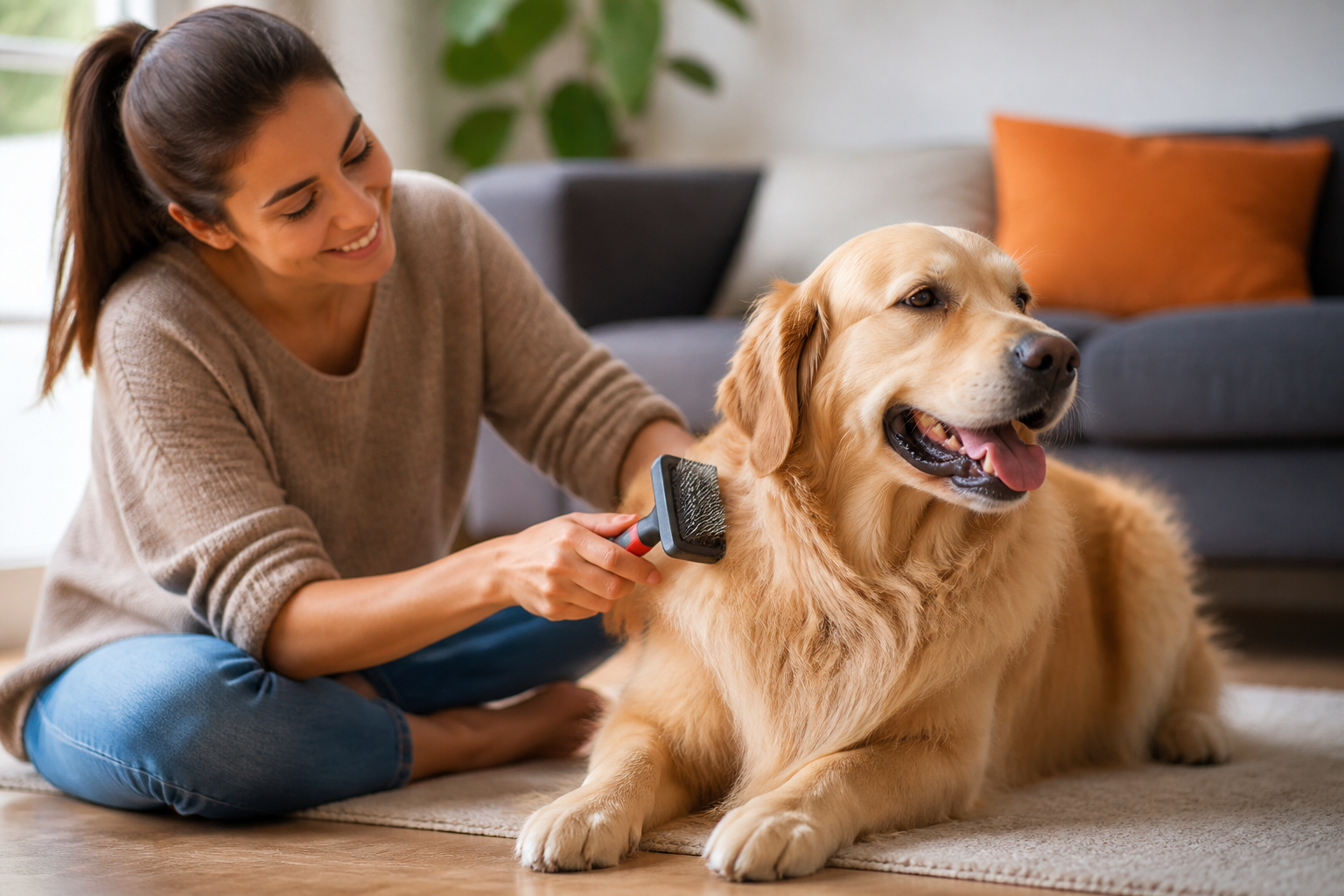
You might notice your dog returning from the yard with a coat full of sticky seeds or tiny tangles that a regular comb cannot budge. For owners of Poodles, Golden Retrievers, or any dog with a thick double coat, these knots can quickly turn into painful mats. This is the moment when a standard brush fails and a specialized tool becomes necessary. At BaxterBoo, we see many pet parents transition from basic grooming to professional-grade tools as their puppies grow into their adult coats. A slicker brush is often the most important addition to that grooming kit. This post covers what defines a slicker brush, which dogs benefit from one, and how to use it safely to keep your dog's skin healthy. Understanding this tool helps you maintain a salon-quality coat at home while preventing the discomfort of tangled fur.
Quick Answer: A slicker brush is a grooming tool featuring a flat or curved head populated with many fine, short wire pins. These pins are slightly angled to reach through the topcoat to remove loose fur, detangle knots, and prevent mats without scratching the skin.
Defining the Slicker Brush
A slicker brush is easy to identify by its unique design. Unlike a bristle brush that has soft clusters of hair or nylon, a slicker brush uses rows of thin wire pins. These pins are usually bent at a slight angle. This angle is intentional. It allows the brush to grab onto dead hair and debris as you pull it through the coat. The pins are spaced closely together to ensure that no part of the hair goes untouched.
The head of the brush is typically rectangular or slightly curved. You will find them in various sizes to suit different breeds. A small rectangular head works well for the legs and face of a Miniature Poodle. A larger, curved head is better for the broad back of a Great Pyrenees. The pins themselves are flexible. This flexibility provides a spring-like action that helps the brush glide through the hair rather than snagging and pulling on the skin.
Most modern versions focus on ergonomics. Because grooming a thick-coated dog can take thirty minutes or more, a comfortable handle is vital. We carry designs with rubberized grips to prevent hand fatigue during long sessions. Some models even feature a self-cleaning mechanism. With the press of a button, the pins retract into the head. This leaves the collected fur on the surface so you can wipe it away in one motion. The Master Grooming Tools Self-Cleaning Slicker Brush uses this push-button pin retraction for easier cleaning.
Which Dogs Need a Slicker Brush?
Not every dog requires the intense detangling power of a slicker brush. If you have a Short-haired Chihuahua or a Beagle, this tool might be too aggressive for their thin coat. However, for specific coat types, it is an absolute necessity.
Long-Haired Breeds
Dogs with long, flowing hair are the primary candidates for this tool. Breeds like Shih Tzus, Lhasa Apsos, and Maltese have hair that behaves much like human hair. It tangles easily and can pick up dust from the floor. A slicker brush reaches the base of these long strands to ensure that tangles do not start near the skin.
Curly and Wavy Coats
Poodles and Poodle-mixes, often called Doodles, have coats that do not shed in the traditional sense. The dead hair gets trapped within the curls. If you do not brush this hair out, it twists around the live hair and creates a mat. A slicker brush is the only tool effective at "fluffing" these curls and pulling out the trapped dead hair.
Double-Coated Breeds
Huskies, Shepherds, and Labradors have a stiff outer coat and a soft, dense undercoat. During shedding season, that undercoat comes out in clumps. A slicker brush is excellent for grabbing that soft undercoat before it ends up on your furniture. It penetrates the guard hairs to reach the fuzzy layer underneath where most shedding starts. For additional shedding guidance, see our article on managing seasonal shedding in dogs.
Wire-Coated Breeds
Terriers with wiry coats often have a "broken" texture that can trap dirt. A slicker brush helps to smooth these coarse hairs. It also removes the dead, wiry hairs that have reached the end of their growth cycle. This keeps the coat feeling crisp and looking tidy.
Key Takeaway: The slicker brush is the primary tool for any dog with a coat that is prone to matting or carries a dense undercoat. It is less suitable for short, smooth-coated breeds where a rubber curry brush or bristle brush would be more effective.
The Physical Benefits of Regular Brushing
Using a slicker brush does more than just make your dog look like they just left the groomer. It serves several health functions that contribute to your pet's overall well-being.
One of the main benefits is the distribution of natural skin oils. As the wire pins move through the hair, they help move the sebum from the base of the hair shaft toward the ends. This provides a natural shine and helps to waterproof the coat. It also prevents the skin from becoming overly dry or flaky.
Regular brushing also acts as a massage. The gentle stimulation of the pins against the skin increases blood flow to the surface. This can promote healthier hair growth and help the skin stay resilient. Furthermore, the act of brushing allows you to inspect your dog's body. When you brush daily or weekly, you are more likely to notice:
- Small lumps or bumps that were hidden by fur
- Ticks or fleas before an infestation starts
- Cuts, scratches, or hot spots
- Dry patches or signs of skin irritation
Removing debris is another critical factor. Dogs that spend time outdoors often collect burrs, twigs, and dried mud. If left in the coat, these items can cause the hair to knot around them. This creates a hard lump that eventually requires scissors to remove. A slicker brush catches these items early before they become a permanent part of the coat. Keeping outdoor messes under control may also be easier with these tips for keeping your dog's paws clean.
Choosing the Correct Pin Firmness
Slicker brushes are not one-size-fits-all. The firmness of the wire pins is one of the most important factors to consider when shopping at BaxterBoo. If the pins are too stiff for your dog's skin, they will find the experience painful. If they are too soft, they will not reach the undercoat.
- Soft Pins: These are ideal for puppies, senior dogs with thin skin, or dogs with silkier, single coats like a Maltese. They provide a gentle touch that is less likely to cause irritation.
- Medium Pins: This is the standard for most dogs. It works well for Goldendoodles, Golden Retrievers, and most double-coated breeds. It offers a balance between detangling power and comfort.
- Firm Pins: These are designed for very dense, heavy coats. If you are grooming a Newfoundlander or a Chow Chow, you need firm pins that will not bend backwards when they hit a thick patch of fur.
The length of the pins also matters. Long-haired dogs need longer pins to reach the skin. If the pins are too short, you are only brushing the top layer of hair while the undercoat continues to mat underneath. This is a common mistake that leads to "hidden mats" which are only discovered when a groomer has to shave the dog. You can compare options in our dog brushes and combs category.
How to Use a Slicker Brush Safely
Using a slicker brush requires a specific technique to avoid "slicker burn." This is a red, irritated patch of skin caused by the wire pins scraping against the surface too many times or with too much pressure.
Step 1: Start with a light touch. Hold the brush handle loosely. You do not need to press the pins into the skin. Let the weight of the brush do the work.
Step 2: Use short, gentle strokes. Instead of trying to pull the brush from the dog's neck all the way to their tail, work in small sections. This is more comfortable for the dog and more effective for removing knots.
Step 3: Implement the "line brushing" technique. Part the hair with your hand so you can see the skin. Brush the hair away from that part. Move your hand up an inch and repeat. This ensures you are brushing from the root to the tip.
Step 4: Watch for resistance. If the brush catches on a knot, do not pull. Stop and use your fingers or a detangling spray to loosen the hair. Then, gently use the edge of the slicker brush to "pick" at the knot until it separates.
Step 5: Check your work. After brushing a section, run a metal comb through the hair. If the comb glides through without catching, that section is finished. If it catches, there is still a small tangle that the slicker brush missed.
Vet Tip: If you notice your dog has persistent skin redness, hair loss, or a foul odor coming from a matted area, consult your veterinarian. Mats can trap moisture and bacteria, leading to painful skin infections that require professional treatment. Our pet pharmacy carries medicated shampoos and topical treatments through our partnership with Pet's Choice if your vet identifies a clinical skin condition.
Maintenance and Cleaning
A slicker brush is an investment in your dog's care. To make it last, you must keep it clean. Dead hair, skin dander, and oils will build up between the pins. If left there, the brush becomes less effective and can actually redeposit dirt back onto your clean dog.
If you have a standard slicker brush, you can use a metal comb to lift the hair out of the pins. Simply slide the comb through the base of the wires and pull upward. For a deeper clean, you can wash the brush with warm water and a mild soap. Always ensure the brush is completely dry before using it again. If water gets trapped inside the head, the pins may rust or the backing may develop mold.
Self-cleaning slicker brushes are much easier to manage. We often recommend these for owners who find the manual cleaning process tedious. You simply click the button to retract the pins and toss the hair into the trash. This feature also protects the pins from getting bent or damaged when the brush is stored in a drawer.
Comparing the Slicker Brush to Other Tools
It is helpful to know where the slicker brush fits in the hierarchy of grooming tools. We carry a wide variety of brushes, and each has a specific role.
| Tool Type | Best For | Main Function |
|---|---|---|
| Slicker Brush | Long or curly coats | Detangling and mat prevention |
| Bristle Brush | Short, smooth coats | Removing surface dust and adding shine |
| Pin Brush | Show dogs/long coats | Gentle daily brushing without breakage |
| Undercoat Rake | Heavy shedders | Removing bulk from the undercoat |
| Rubber Curry | Short-haired breeds | Massaging skin and removing loose hair |
While an undercoat rake is great for a Husky during a heavy shed, it is not as good as a slicker brush for fine detangling. Similarly, a bristle brush will not do anything for a matted Poodle. Most owners of long-haired or double-coated dogs find that a combination of a slicker brush and a metal comb is the most effective duo for home grooming.
Addressing Mats and Tangles
Mats are more than just an aesthetic issue. They pull on the skin every time your dog moves. This can lead to bruising and skin irritation. When a mat gets wet, it acts like a sponge, holding moisture against the skin. This creates a perfect environment for "hot spots" or bacterial infections.
Using a slicker brush consistently is the best way to prevent these issues. If you find a small mat, do not reach for the scissors first. Cutting mats out can result in accidental skin cuts because mats often pull the skin tight into the knot. Instead, use a light detangling spray and your slicker brush. Work from the outside of the knot toward the center. If you need a tool for stubborn knots, the Master Grooming Tools Coat Mat and Tangle Splitter is designed for breaking up mats and tangles.
If the mat is too tight to brush out, it may be time for a professional groomer. They have specialized tools and techniques to remove mats safely. After the mats are gone, you can use your slicker brush every few days to make sure they do not return. This routine saves you money on expensive "dematting" fees at the groomer and keeps your dog much happier. For additional bathing guidance, read these dos and don'ts for bathing your dog.
Introducing Your Dog to the Brush
Some dogs are naturally suspicious of grooming tools. The sound of the wire pins or the sensation of the brush can be intimidating. It is important to make the experience positive from the start.
Begin by letting your dog sniff the brush while it is sitting on the floor. Give them a treat for showing interest. Next, try touching them with the back of the brush so they feel the hard surface but not the pins. Gradually move to a few light strokes in an area they enjoy being pet, like the back or shoulders.
Keep the first few sessions very short. Even two minutes of brushing followed by a high-value treat is a success. If your dog shows signs of stress, like lip licking or pulling away, stop and try again later. Over time, most dogs come to enjoy the attention and the massage-like feel of a good slicker brush.
Bottom line: A slicker brush is the most versatile tool for managing long, curly, or double coats, provided you use the correct technique and pin firmness.
Summary of Grooming Best Practices
Maintaining a healthy coat requires the right tools and a consistent schedule. At BaxterBoo, we recommend building a grooming kit that centers around your dog's specific needs. A high-quality slicker brush is often the centerpiece of that kit for many breeds.
- Brush at least two to three times per week to prevent mats.
- Always brush before giving your dog a bath, as water can make existing mats tighter.
- Check the pins of your brush regularly to ensure they are not bent or sharp.
- Pair your brushing routine with a healthy diet to support skin and coat health.
We carry over 500 trusted brands including Kong and RC Pets that offer grooming supplies designed for durability and comfort. Whether you are managing the fluffy coat of a new puppy or the dense fur of a senior dog, having the right slicker brush makes the job easier for you and more comfortable for your pet. For a rubber grooming option, consider the KONG Zoom Groom Natural Rubber Dog Grooming Brush.
For pets with specific skin sensitivities that lead to frequent scratching or matting, our pharmacy offers a range of FDA-approved solutions. You can access these through our partnership with Pet's Choice to ensure your dog’s skin stays as healthy as their coat looks. Taking a proactive approach to grooming not only keeps your home cleaner but also strengthens the bond between you and your dog.
FAQ
Can I use a slicker brush on a short-haired dog?
While you can use one, it is generally not recommended for very short-haired breeds like Boxers or Greyhounds. The wire pins are designed to reach through thick hair, and on a short-coated dog, they may scrape the skin too easily. A rubber curry brush or a soft bristle brush is a much safer and more effective choice for those coat types.
How do I know if I am pressing too hard with the slicker brush?
A good way to test your pressure is to run the slicker brush against the inside of your own forearm. If it feels scratchy or uncomfortable to you, it is likely too much pressure for your dog. You should use just enough pressure to move the hair without the pins digging into the skin surface.
What is the difference between a slicker brush and a pin brush?
A pin brush looks like a human hairbrush with straight pins that usually have rounded tips. It is much gentler and is used for daily brushing of long, silky coats to prevent breakage. A slicker brush has many more pins that are thinner and angled, making it far superior for removing actual tangles and dead undercoat.
How often should I replace my dog's slicker brush?
You should replace the brush if you notice the pins are becoming bent, rusted, or if the protective tips have worn off. Damaged pins can scratch your dog's skin or pull hair painfully. With regular use and proper cleaning, a high-quality slicker brush from a trusted brand should last for several years.






