
 Save 15% on your 1st Autoship learn more

 Email us
 Live Chat
 FAQs
FAQs





Introduction
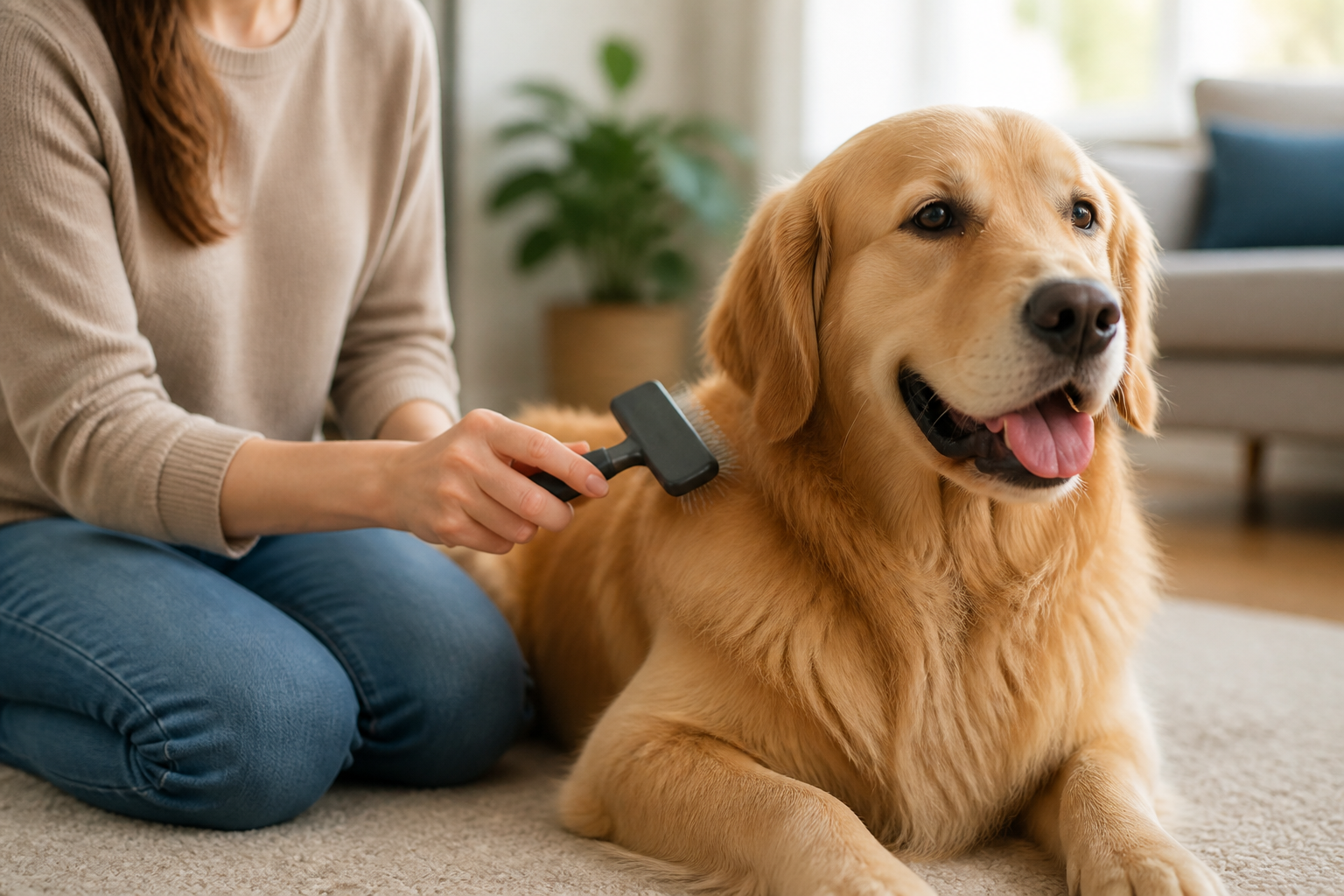
You are sitting on the rug with your dog when your hand snags on a thick, felted knot behind their ear. Your standard comb or soft brush just slides right over it. This is the exact moment many pet owners realize their grooming kit is missing a specific, powerhouse tool. At BaxterBoo, we hear from owners every day who are frustrated by shedding and mats that seem to appear overnight.
A slicker brush is often the most important tool for anyone owning a dog with a medium to long coat. It handles the heavy lifting of grooming by reaching through the topcoat to grab loose fur and break up tangles. This guide explains what makes these brushes unique, which coat types benefit most, and how to use one safely. Understanding the design and technique behind this tool will help you keep your dog comfortable and their coat looking salon-fresh.
Quick Answer: A slicker brush is a grooming tool featuring fine wire pins set into a slightly flexible pad. It is designed to penetrate deep into medium, long, or curly coats to remove loose hair, debris, and stubborn mats.
The Anatomy of a Slicker Dog Brush
A slicker brush looks different from the brush you use on your own hair. It usually has a rectangular or slightly curved head. The surface is covered in hundreds of tiny, thin wire pins. These pins are not straight. They have a slight bend or angle near the tip. This angle is what allows the brush to hook onto loose fur and pull it away from the skin.
The base where the pins sit is usually made of rubber or a flexible synthetic material. This flexibility is vital. It provides a cushion so that when you apply pressure, the pins can move slightly. Without this "give," the stiff wires would scrape against your dog's skin. The handles are typically ergonomic and made of rubber or wood to give you a firm grip during longer grooming sessions. You can compare these features in our dog brushes and combs collection.
Understanding Pin Density and Firmness
Not all slicker brushes are built the same. Some have very soft, flexible pins, while others are quite firm. The density of the pins also varies. A high-density brush has pins packed very closely together. These are excellent for finishing a coat and making it look fluffy. Low-density brushes have more space between the wires. These are often better for the first pass on a dog with a very thick or messy coat.
Firm slicker brushes are meant for heavy-duty work. If you have a dog with a very dense double coat, like a Saint Bernard or a Husky, you need those firmer pins to reach the skin. Soft slickers are better for dogs with thin skin or fine hair, such as a Maltese or a Yorkie. Using a brush that is too firm for a sensitive dog can lead to "brush burn," which is a painful skin irritation.
Why Your Dog Needs a Slicker Brush
The primary job of a slicker brush is to manage the undercoat. Many dogs have a two-layer coat. The topcoat is what you see and pet, but the undercoat is where the shedding happens. If that dead hair is not brushed out, it gets trapped against the skin. This leads to matting, which is not just an aesthetic issue.
Mats pull on the skin every time your dog moves. They also trap moisture and heat, which can lead to painful skin infections. A slicker brush is uniquely qualified to reach into that undercoat and pull out the dead hair before it becomes a problem. It also works wonders for removing outdoor debris. If your dog loves running through the woods, this brush will easily grab burrs, dried leaves, and dirt that other brushes leave behind.
Benefits for Different Coat Types
Curly-coated dogs like Poodles and Doodles are the primary candidates for this tool. Their hair grows constantly and curls back on itself, making it prone to tangles. A slicker brush separates those curls and prevents them from winding into knots.
Double-coated breeds also benefit immensely. During "blowing coat" season, these dogs lose massive amounts of fur. A slicker brush can remove more hair in ten minutes than a standard bristle brush can in an hour. Even wire-haired breeds, like certain Terriers, need a slicker brush to maintain their texture and remove the dead outer hairs.
Key Takeaway: The slicker brush is a functional tool designed for deep coat maintenance rather than just surface smoothing. It is the best defense against matting in curly, long, and double-coated breeds.
How to Use a Slicker Brush Safely
Because slicker brushes use metal pins, you must use the correct technique. You should never use the same long, sweeping strokes you might use with a human hairbrush. This can cause the pins to scrape the skin repeatedly in one spot. Instead, use a "pat and pull" motion.
Step 1: Start at the bottom of the coat. Work on one small section at a time, starting near the legs or the tail.
Step 2: Pat the brush into the hair. Do not push it all the way down to the skin with force.
Step 3: Pull the brush away from the dog's body. Use short, gentle strokes to lift the hair up and out.
Step 4: Move up the body. Work your way from the paws toward the back, always moving in the direction of hair growth.
If you encounter a mat, do not try to pull the brush through it. This will hurt your dog and make them fear grooming. Instead, hold the base of the hair near the skin with your fingers. This prevents the brush from pulling on the skin. Use the corner of the slicker brush to gently "pick" at the edges of the mat until it starts to break apart. For additional bath and coat-care guidance, read our advice on brushing and combing your dog after a bath.
Choosing the Best Slicker Brush for Your Dog
At BaxterBoo, we carry a wide variety of grooming tools because every dog is an individual. When you are shopping for a slicker brush, consider your dog's size and coat length first. A giant breed needs a large, wide brush head to get the job done efficiently. A toy breed needs a tiny brush head to navigate small areas like the armpits and behind the ears.
Look for these features:
- Ergonomic handles to prevent hand fatigue.
- Coated tips if your dog has very sensitive skin.
- Self-cleaning mechanisms for convenience.
- A curved brush head to follow the natural contours of your dog's body.
The self-cleaning feature is a favorite for many owners. These brushes have a button that retracts the pins. This leaves the collected fur sitting on a flat surface, so you can just wipe it off and throw it away. It saves a lot of time and prevents you from pricking your fingers while trying to clean hair out of the wires. One option is the Master Grooming Tools Ergonomic Slicker Dog and Cat Brush.
Vet Tip: Always inspect your dog's skin for redness or scratches after grooming. If you notice persistent itching, sores, or an unusual smell coming from the coat, consult your veterinarian. These can be signs of underlying skin conditions or infections caused by trapped moisture in mats.
Slicker Brushes vs. Pin Brushes
Many owners confuse slicker brushes with pin brushes. A pin brush looks more like a traditional human brush. It has straight metal pins that usually end in a rounded ball. These are much gentler than slicker brushes. They are great for a quick daily brush-over or for dogs with very long, silkier hair like a Silky Terrier.
However, a pin brush is not a de-matting tool. It will slide over a knot rather than breaking it up. It also will not remove much of the undercoat. Think of the pin brush as a finishing tool for shine and the slicker brush as the deep-cleaning tool. Many professional groomers use a slicker brush first to remove all the tangles and then follow up with a pin brush to smooth the coat. A combo option, such as the U-Groom Combo Brush for Dogs and Cats, combines stainless-steel pins with bristles.
Maintaining Your Grooming Tools
A good slicker brush can last for years if you take care of it. The most important part of maintenance is keeping it clean. Fur left in the pins will trap oils and skin dander, which can eventually smell or harbor bacteria. If you do not have a self-cleaning model, use a metal comb to lift the hair out of the pins after every use.
Check the pins regularly to make sure they are not bent or broken. A bent pin can have a sharp edge that could scratch your dog. If the rubber pad starts to crack or the pins begin to fall out, it is time to replace the brush. Store your brush in a dry place to prevent the metal pins from rusting over time.
When Grooming Becomes a Health Matter
Regular brushing is about more than just looking good. It is a vital part of your dog's health routine. While you are brushing, you should be feeling for lumps, bumps, or parasites like ticks. A slicker brush helps you get close enough to the skin to notice these things early.
If you find that your dog’s coat is consistently dry or they are losing hair in patches, a brush alone won't fix it. These can be signs of allergies or nutritional deficiencies. Our pharmacy at BaxterBoo offers a variety of FDA-approved treatments and prescription diets through our partnership with Pet's Choice. If your vet prescribes a medicated shampoo or a specific supplement for skin health, we can help you manage those needs.
Bottom line: A slicker brush is an essential preventive health tool that keeps skin healthy by removing trapped debris and preventing painful matting.
Training Your Dog to Enjoy the Slicker Brush
If your dog is not used to the feel of wire pins, they might be hesitant at first. It is important to make the experience positive. Start by letting them sniff the brush. Give them a high-quality treat whenever the brush is near.
When you start brushing, do only two or three strokes and then stop. Give another treat. Gradually increase the amount of time you spend brushing. If your dog shows signs of stress, like licking their lips or trying to walk away, stop and try again later. It is better to have five short, happy grooming sessions than one long, stressful one.
For puppies, use the softest slicker brush you can find. Their skin is very delicate, and their puppy coat is much softer than the adult coat they will eventually grow. Getting them used to the sensation now will make your life much easier when they reach their high-shedding teenage months. The Li'l Pals Puppy Grooming Kit is designed for petite pups and includes a slicker brush with coated tips.
Common Mistakes to Avoid
The biggest mistake is using too much pressure. It is easy to think that more pressure means better cleaning, but the pins are designed to work with a light touch. If you see the skin turning pink, you are pressing too hard.
Another mistake is only brushing the top of the coat. This is called "surface brushing." To the owner, the dog looks great. But underneath, near the skin, a thick layer of matting is forming. Always make sure the pins are penetrating through the hair to reach that bottom layer. This is why the "pat and pull" method is so effective. It ensures you are working through the entire depth of the fur.
Finally, do not skip the "hard" areas. Dogs often get the most mats in high-friction areas. This includes the armpits, behind the ears, and where their collar or harness sits. These areas are sensitive, so take your time and be extra gentle.
Keeping the Grooming Kit Complete
While the slicker brush is a star player, it works best as part of a team. Most professional kits include:
- A slicker brush for de-matting and undercoat removal.
- A stainless steel "greyhound" comb to check your work.
- A bristle brush for adding shine and removing surface dust.
- Blunt-nosed scissors for carefully trimming hair away from eyes and paws.
By having these tools ready, you can handle almost any coat issue that arises. Regular maintenance at home reduces the number of trips you need to make to a professional groomer and keeps your dog's skin in peak condition. We are proud to be a part of your pet care journey since 2006, providing the gear you need to keep your companions happy and healthy.
Key Takeaway: Proper grooming requires a combination of the right tools and the right technique. The slicker brush is your primary tool for preventing the most common coat problems.
Conclusion
A slicker dog brush is an indispensable tool for any pet owner dealing with long, curly, or double coats. By using fine, angled wires to reach the undercoat, it prevents the painful matting that can lead to skin infections and discomfort. Remember to use a gentle "pat and pull" motion and choose a brush firmness that matches your dog's skin sensitivity.
Regular grooming sessions are the perfect time to bond with your dog and check for any health changes. If you find that grooming reveals skin irritations or if your dog needs specialized care, our pharmacy is here to support you with professional-grade solutions. Visit our dog grooming supplies to find the perfect slicker brush and start a routine that will keep your dog's coat beautiful for years to come.
FAQ
Can I use a slicker brush on a short-haired dog?
Slicker brushes are generally not recommended for very short-haired breeds like Boxers or Beagles. The wire pins can be too harsh for their thin coats and may scratch their skin. For short-haired dogs, a rubber curry brush or a natural bristle brush is a much safer and more effective choice.
How often should I use a slicker brush on my dog?
For dogs with long or curly hair, you should use a slicker brush at least two to three times a week. Dogs prone to heavy matting, like Doodles, may even benefit from a quick daily session. Regular use prevents small tangles from turning into large mats that require professional intervention.
My dog hates being brushed; what should I do?
Start very slowly by pairing the brush with high-value treats and praise. Use only a few gentle strokes in a non-sensitive area like the back. Over time, you can work toward more sensitive spots as your dog builds trust. If they are extremely fearful, ensure you are using a soft-pin version of the brush to prevent any discomfort.
Should I brush my dog when their coat is wet or dry?
It is almost always best to use a slicker brush on a dry coat. Wet hair is more elastic and prone to breaking, and water can actually tighten existing mats, making them harder to remove. If you must brush a wet coat, apply a leave-in conditioner or detangling spray first to provide some slip for the pins.






