Save 15% on your 1st Autoship learn more

 Email us
 Live Chat
 FAQs
FAQs





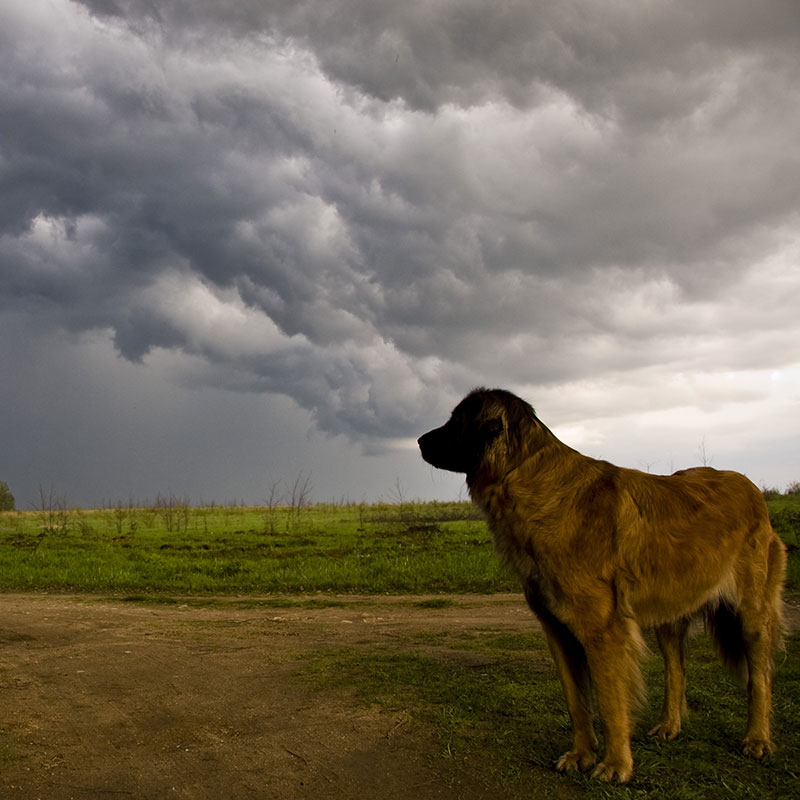
June is National Pet Preparedness Month. How can you prepare your pet for emergency situations? These five steps will help you make arrangements for your pet’s care, even under dire circumstances.
1. Create a Pet Preparedness Kit and Select a Shelter
You likely already have an emergency kit for your family. Now is a great time to make your preparations more complete by assembling one for your pet(s).
Here are a few necessities for your pet preparedness kit:
-
Food and bottled water
-
Medications and vaccination records
-
Grooming aids (brushes, combs and nail clippers)
-
Leashes, pet carriers, and travel harnesses
Since you can’t explain an emergency to your pet in a way that they will understand, the disruption to their routine will almost certainly confuse them. Think about your pet’s peace of mind during times of upheaval. How can you normalize an emergency situation?
Include comfort items in your preparedness kit. A familiar pet bed or chew toy could be a stress-relieving distraction for your pet. And, of course, treats and cuddles will go a long way toward soothing its anxious mind.
If you live in an area of the country that’s prone to natural disasters such as earthquakes or hurricanes, be sure to include the addresses and phone numbers of local shelters that accept pets. You don’t want to be separated from your pet, especially in an emergency. The Centers for Disease Control and Prevention provide information about safely sheltering with your pet .
2. Display a Rescue Sign for Emergency Personnel
Many community shelters and pet stores offer pet rescue signs for the exterior of your home. These brightly colored signs alert emergency personnel, such as firefighters, that your pet needs to be rescued in an emergency situation.
Most of these signs are self-adhering stickers that can be placed directly on a window or outside the door. They usually give rescue workers information such as the following:
-
The number of pets in the house
-
The type of pets (cats, dogs, etc.)
-
Special information, like whether your pet is microchipped
3. Make Sure Your Pet’s Microchip Info Is Current
In addition to a visible ID tag , make sure you have microchip identification for your pet. Just remember that a microchip is not a “set it and forget it” protection plan.
Review your pet’s microchip information periodically to ensure that all of your contact numbers are up-to-date. If you ever get a new phone number or email address, be sure to notify the company that manages your pet’s microchip records.
If you’ve misplaced the microchip registration information, you can use a free service such as Michelson Found Animals to re-register your pet’s microchip. To get the microchip number, ask your veterinarian to scan the chip at your pet’s next visit. As part of your ongoing pet preparedness plan, have your vet re-scan the microchip periodically, just to make sure it's still readable.
4. Designate an Emergency Contact
Imagine if you were on the road when a natural disaster struck in your neighborhood. Would you even be aware of the danger? Who could reach your pet in time?
Even if you were close to home during the event, there might be circumstances — such as a car accident or medical issue — that could preclude you from racing home immediately. This is why it’s critical to have a backup plan that includes an emergency caretaker for your pet. Think about a trustworthy friend or neighbor who is normally available and can quickly reach your house. Speak with this person about your concerns for your pet. Ask them to look out for your pet and offer to do the same in return.
Take a few moments to show your emergency contact where you keep your pet preparedness kit. Make sure your contact knows which veterinary clinic to call if your pet requires medical attention. Give your veterinarian written instructions that authorize your pet’s emergency contact to seek medical care for your pet on your behalf.
5. Include Your Pet in Your Estate Planning
Like most people, you might expect that you will be able to care for your pet throughout its lifetime. However, an emergency situation might change everything, potentially leaving your pet homeless.
Sadly, many people don’t take their pets into account when setting up estate plans, wills, or living trusts. Every year, thousands of pets get sent to shelters after they lose their human caretakers. Many don’t find new families and are euthanized as a result.
Think about who would care for your pet in the event that you no longer can. It might be the same person you call upon as an emergency contact for your pet. If there’s no one who can take care of your pet permanently in your absence, consider a pet sanctuary. Make sure you leave a list of special instructions for your pet’s care with the designated caretaker, so that person understands your pet’s individual needs.
Some nonprofit organizations work to reduce the number of pets who are left homeless due to the incapacitation or death of their human caretakers. They provide planning resources and documentation forms such as emergency pet ID cards. You can also use a resource such as legal advice site Nolo.com to learn how to include your pet in your estate planning .
This June, take time to celebrate National Pet Preparedness Month by looking after these important details. That way, you can rest assured that your pet will farewell for a lifetime — even if life takes an unexpected turn.