Save 15% on your 1st Autoship learn more

 Email us
 Live Chat
 FAQs
FAQs





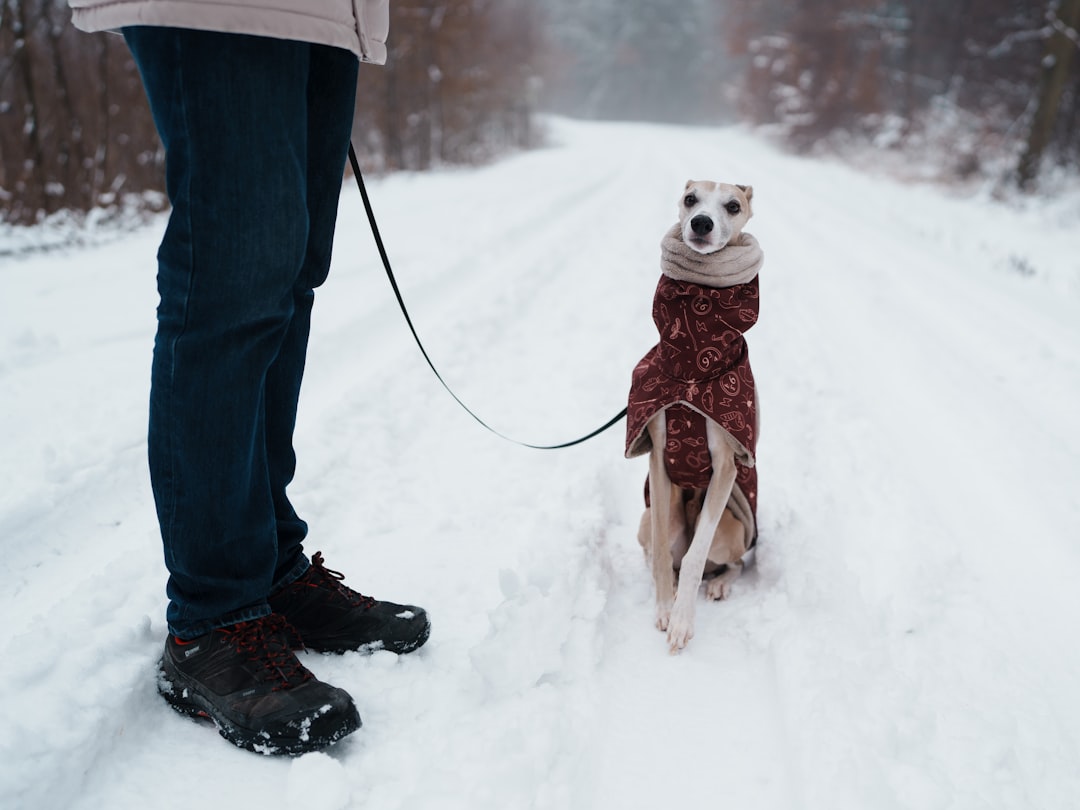
Why Your Dog Might Need a Winter Coat This Season
Dog winter coats are essential for many pets during cold weather, helping them stay warm, dry, and comfortable. While not every dog needs one, knowing if your friend could benefit from extra protection is key to keeping them safe and happy during winter.
Quick Guide: When Your Dog Needs a Winter Coat
- Small breeds (Chihuahuas, Toy Poodles) - struggle to retain body heat
- Short-haired dogs (Greyhounds, Pitbulls, Boxers) - lack natural insulation
- Senior dogs - have reduced ability to regulate temperature
- Puppies - haven't fully developed their temperature regulation
- Lean-bodied breeds (Whippets, Italian Greyhounds) - have less body fat for warmth
- Dogs with health conditions - arthritis, heart disease, or underweight dogs
- Short-legged dogs (Dachshunds, Corgis) - bellies get wet and cold from snow
Breeds like Huskies and Malamutes are built for the cold, but many companions aren't. A good rule of thumb: if it's too cold for you without a jacket, it's likely too cold for your dog.
Temperatures below freezing pose risks for many dogs. Understanding the right type of coat—from a lightweight fleece to a full-body snowsuit—ensures they can enjoy outdoor adventures safely. A proper coat protects your dog from wind, rain, snow, and cold that could lead to hypothermia or frostbite.
Does Your Dog Really Need a Winter Coat?
Not all dogs handle winter weather equally. Breeds like Siberian Huskies and Saint Bernards have thick double coats for natural insulation, but many other dogs do not. When temperatures drop in our Vernon Hills, Illinois community, that difference in natural protection matters.
Your dog will show you when they're cold through their body language. Watch for these signs:
- Shivering or trembling is the most obvious sign, as dogs shiver to generate body heat.
- Anxiety or whining can indicate discomfort from the cold.
- Slowing down or refusing to walk shows they are no longer comfortable.
- Lifting paws off the ground is a clear message that the ground is too cold.
- Seeking warmth by trying to burrow or head for the door.
- A hunched posture with a tucked tail helps conserve body heat.
Dogs can get cold, and certain types are more vulnerable. Small breeds (like Chihuahuas) have less body mass to retain heat. Senior dogs often have weaker immune systems and conditions like arthritis, making temperature regulation difficult. Puppies haven't fully developed their internal thermostat.
Dogs with short hair—like Pitbulls, Boxers, and Greyhounds—lack natural insulation. Lean-bodied dogs like Whippets have little body fat for warmth. Dogs with health conditions such as heart disease or arthritis will struggle more in cold temperatures, where a dog winter coat can provide crucial comfort.
Short-legged dogs like Dachshunds and Corgis face a unique challenge: their bellies are close to the ground, getting wet and cold from snow and slush. This increases their risk of hypothermia.
On the other hand, cold-weather champions like Huskies and Malamutes thrive in frigid temperatures. For these arctic breeds, dog winter coats are usually unnecessary unless they are old, unwell, or facing extreme, prolonged cold.
If you notice any signs of cold in your dog, bring them indoors immediately and consider a quality dog winter coat for future outings.
A Guide to the Best Types of Dog Winter Coats
Just as you have different jackets for different weather, your dog needs various types of dog winter coats. Understanding the options helps you choose the right protection for any winter adventure.
Let's clarify terms: "jacket" is a general term for an outer layer. "Coats" usually imply more warmth and coverage. "Parkas" are heavy-duty, insulated options for serious cold.
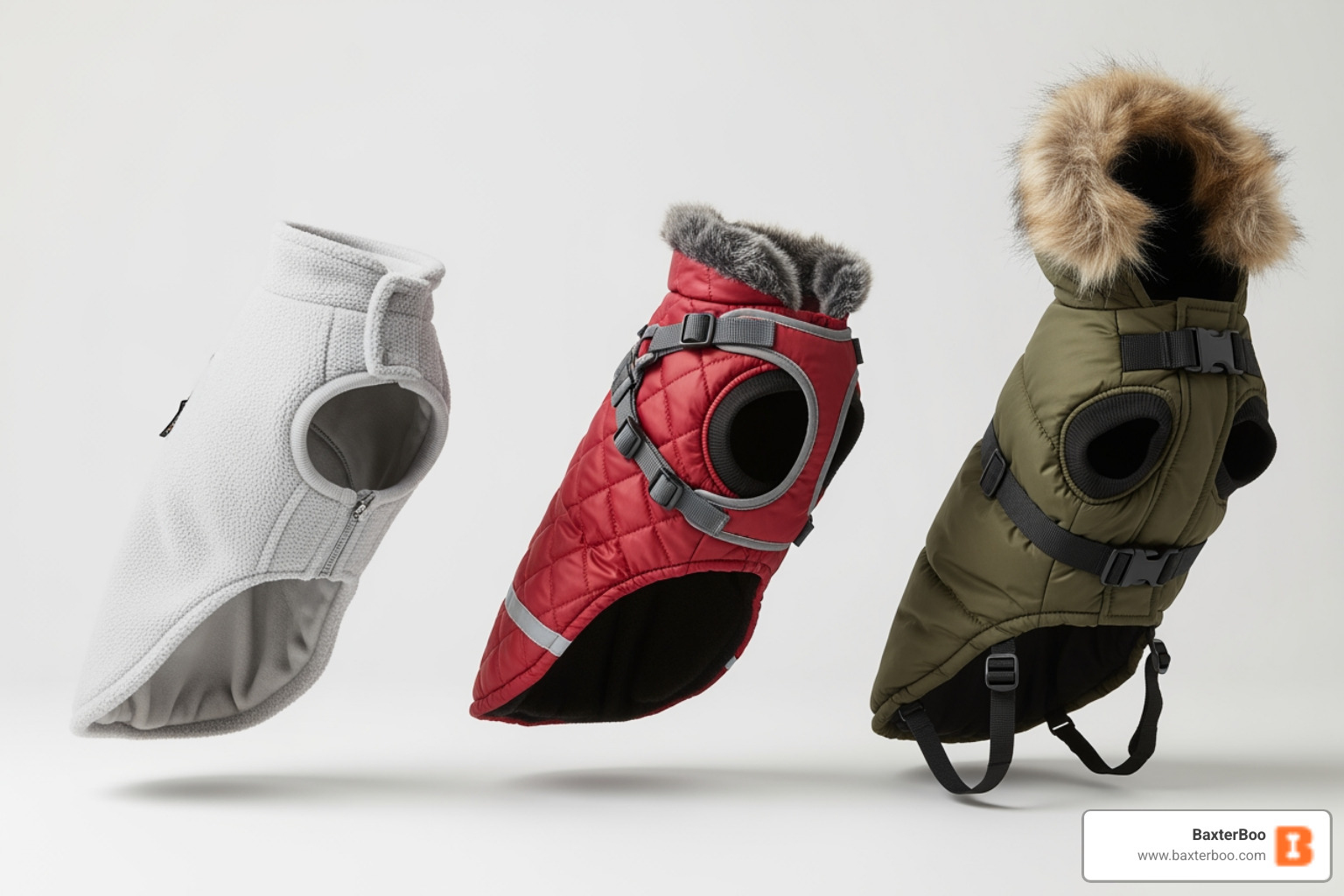
For Mild Chills & Layering: Sweaters & Fleeces
For crisp autumn days or mild winter weather, sweaters and fleeces provide lightweight warmth without causing overheating. They are perfect for walks around 50 degrees or for keeping senior dogs comfortable in a chilly house. They also work well as a layering piece under a heavier coat when temperatures drop.
Our BaxterBoo dog sweaters collection includes classic pullovers and hoodies. A Chilly Dog Sweater offers natural wool warmth, while the Silver Paw Venice Hoodie adds sporty style. For technical, breathable protection, the Ruffwear Climate Changer Jacket provides lightweight fleece without bulk.
For Rain & Slush: Waterproof Raincoats
Winter in Vernon Hills isn't just snow; it's also rain, sleet, and slush. A waterproof raincoat keeps your dog dry and comfortable. These coats focus on repelling moisture and blocking wind rather than heavy insulation. Many feature a high-coverage belly panel to keep mud and slush off your dog's underside, saving you from countless baths.
The Hurtta Monsoon Coat is a great example of quality rain protection with its breathable shell. For dogs who prefer more freedom of movement, the Ruffwear Overcoat Fuse offers lightweight, water-resistant coverage. Browse our full selection of BaxterBoo rain jackets to find the perfect fit for rainy day adventures.
For Everyday Cold: Insulated Jackets & Parkas
For daily walks in freezing temperatures, insulated jackets and parkas provide serious warmth while allowing freedom of movement. These dog winter coats often use synthetic fills for a "puffer jacket" look that works well even when damp. The weather-resistant outer shell protects against light snow, while the insulation keeps your dog's core warm.

The Hurtta Expedition Parka is designed for short-coated dogs, with a soft lining to retain body heat. For more extreme conditions, the Ruffwear Furness Jacket is built for serious cold. Check out our BaxterBoo insulated jackets to find the perfect everyday winter solution.
For Extreme Cold & Snow Play: Full-Body Snowsuits
For dogs who love deep snow, full-body snowsuits provide maximum coverage from neck to ankles, making even the harshest winter conditions playable. The leg protection is key, as it prevents painful snowballs from clinging to fur. Many premium snowsuits use foil-lined materials that reflect your dog's body heat back to them for impressive warmth.
Look for designs with high necklines or hoods to block wind and snow. The Hurtta Extreme Overalls offer complete coverage, while the Canada Pooch Snow Suit combines water-resistance with a foil lining to keep core muscles warm. When you're ready for serious winter fun, explore our BaxterBoo snowsuits collection.
How to Find the Perfect Fit and Features
Finding the right dog winter coat is about comfort, warmth, and safety, not just style. A poor fit can be uncomfortable and even dangerous, restricting movement or failing to provide adequate protection. Your dog deserves a well-fitting coat. With a few simple measurements and an understanding of key features, you can find a coat your dog will enjoy wearing.
| Feature | Fleece / Sweater | Raincoat | Insulated Jacket | Snowsuit |
|---|---|---|---|---|
| Warmth Level | Mild to Moderate | Low (focus on dry) | Moderate to High | Very High |
| Waterproofing | Minimal | High | Low to Moderate | Moderate to High |
| Breathability | High | Moderate | Moderate | Low to Moderate |
| Best For | Mild days, Layering | Wet, cool conditions | Freezing temps, Light snow | Blizzards, Deep snow |
How to Measure Your Dog for a Coat
Accurate measurements are the secret to a perfect fit and will save you the hassle of returns. You'll need a soft tape measure and a few treats to keep your pup standing still. Have your dog stand in a natural position and take these three key measurements:
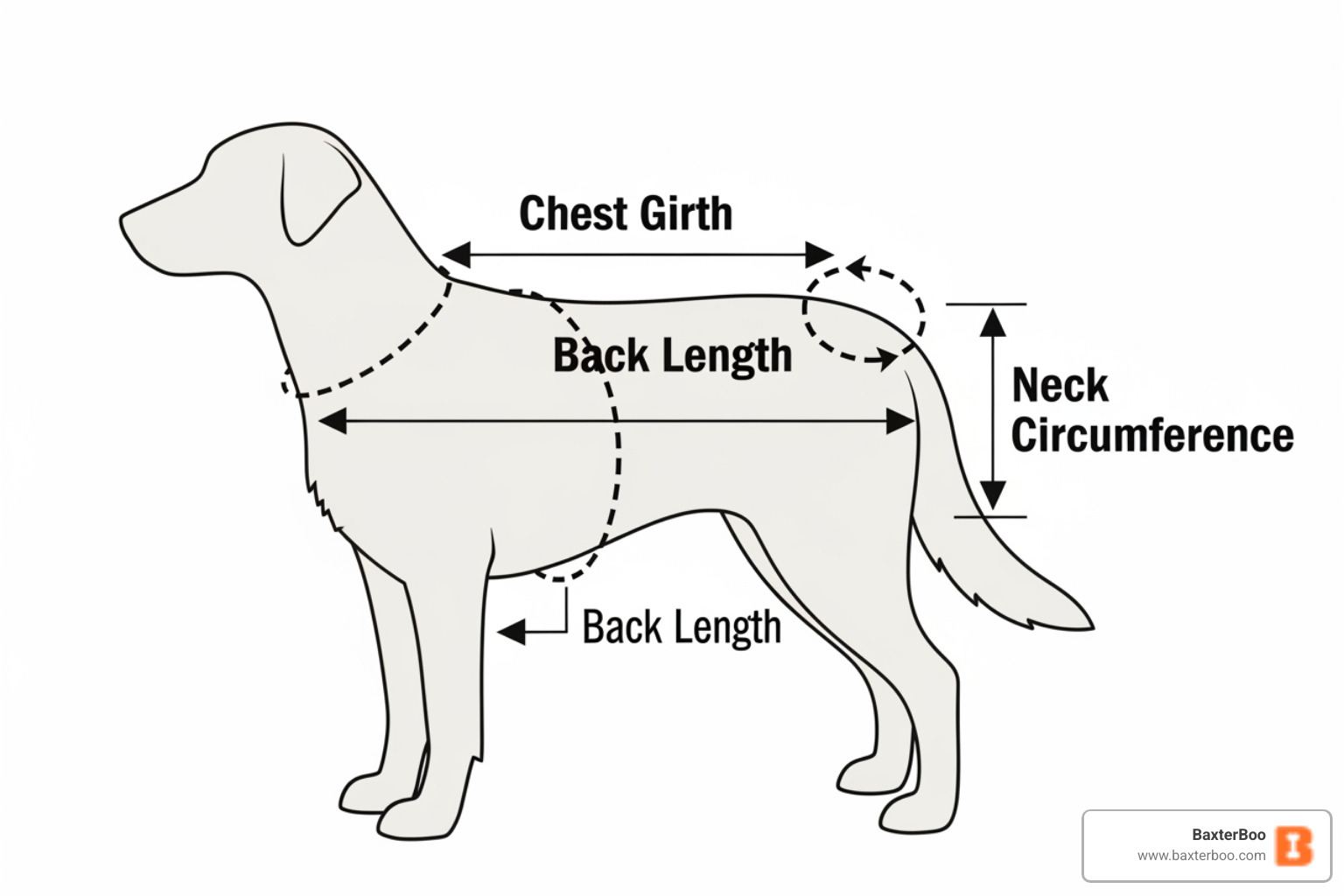
- Chest girth: This is your most important measurement. Wrap the tape around the widest part of your dog's rib cage, just behind their front legs.
- Back length: Measure from the base of the neck (where the collar sits) to the base of the tail for coverage.
- Neck circumference: Measure around the base of the neck where a collar would rest to ensure a comfortable fit.
If you need more detailed guidance, the same principles apply as when fitting a harness. Check out our comprehensive guide here: how to measure a dog for a harness.
How to Choose the Right Size Dog Winter Coats
With measurements in hand, consult the manufacturer's size chart. Don't assume your "medium" breed needs a medium coat, as sizing varies by brand. Always use your dog's specific measurements.
- Prioritize chest girth. This is the most critical dimension for comfort. If your dog is between sizes, size up for a muscular build and consider sizing down for a slender one.
- Allow for movement. The coat must allow a full range of motion for walking, running, and bathroom breaks without bunching or riding up.
- Avoid tightness. A snug coat can chafe skin and restrict blood flow. You should be able to slip two fingers between the coat and your dog's body.
- Check the belly panel. The coat should end high enough to prevent soiling but still offer good coverage against snow, especially for male dogs.
An ideal fit ends at the base of the tail, covers the back, and doesn't gape at the chest. When in doubt, a slightly roomier coat is better than one that's too tight.
Essential Features to Look For
Beyond fit, certain features improve a coat's function and safety:
- Reflective trim: Essential for visibility and safety during shorter winter days and low-light walks.
- Harness or leash port: A convenient opening on the back that lets you attach a leash to a back-clip harness without compromising warmth.
- Adjustable straps: Velcro, buckles, or drawstrings allow you to customize the fit for your dog's unique shape.
- Easy on/off closures: Simple fasteners make gearing up quick and painless.
- Sanitary cut-outs: A well-designed coat has openings so your dog can relieve themselves without soiling it.
Special Considerations for the Best Dog Winter Coats
Some body shapes require special attention:
- Long-bodied breeds (Dachshunds, Corgis): Need coats with sufficient back length that aren't too baggy. Look for specialty sizing.
- Short-legged dogs: A coat with high-coverage belly panels is essential to protect them from cold, wet snow.
- Deep-chested breeds (Greyhounds, Boxers): Require coats that fit their broad chest without being too loose around the abdomen. Look for "sighthound" or "deep-chested" sizing.
Understanding your dog's needs makes all the difference. The American Kennel Club offers additional insights on this topic: Does My Dog Need a Winter Coat?.
Don't Forget the Paws and Ears: Essential Winter Accessories
A warm dog winter coat is a great start, but don't forget the paws and ears. These exposed areas are vulnerable to cold and need protection to keep your dog comfortable and safe.
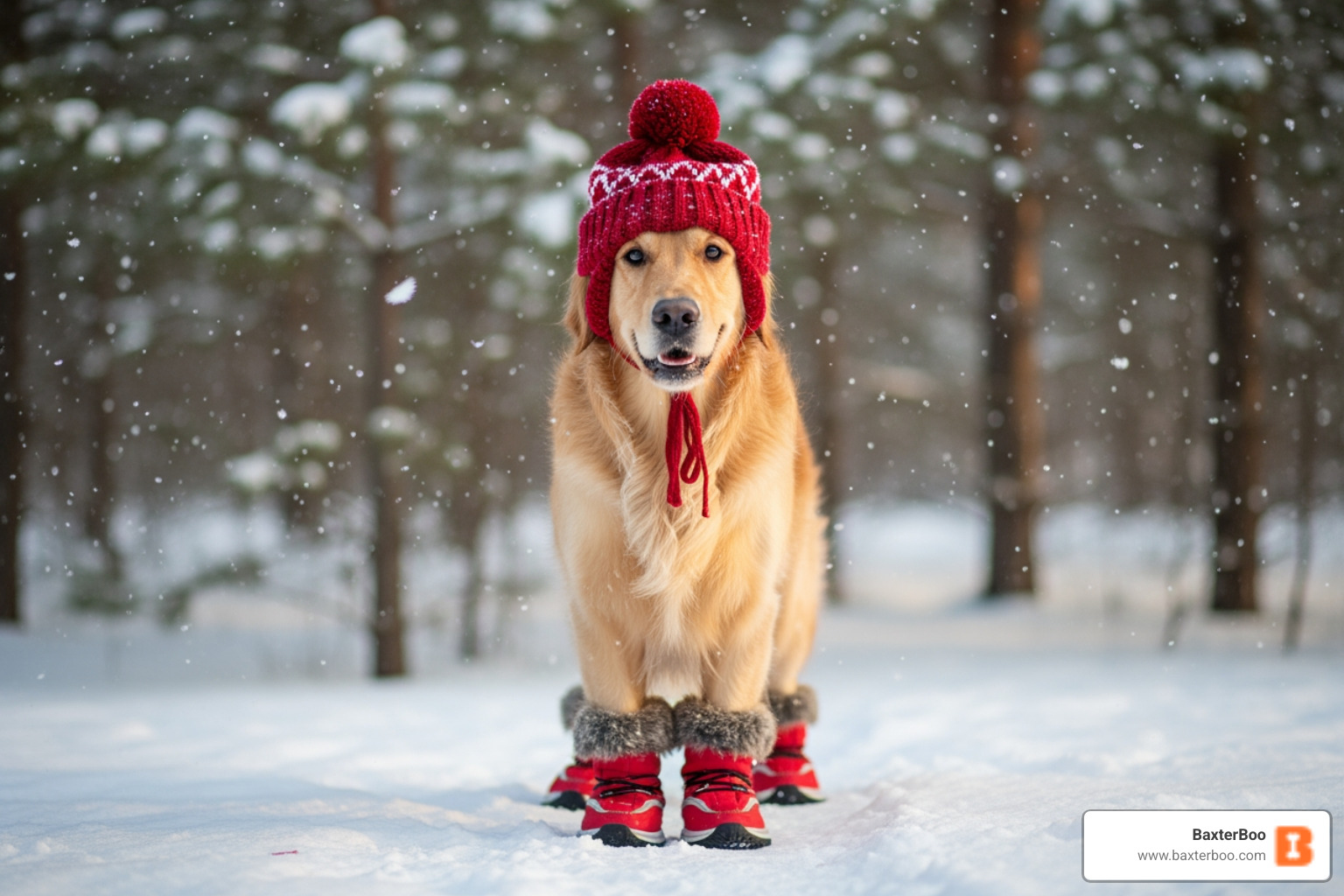
Winter Dog Boots & Socks
On winter walks, paws face ice, snow, road salt, and de-icing chemicals. This can lead to cracked pads, chemical burns, and even frostbite. Dog boots are a lifesaver.
Water-resistant boots keep paws dry, while fleece-lined boots add insulation. Durable soles protect against rough surfaces and provide traction on slippery ice, helping prevent injuries.
For dogs new to boots, boot liners like Ruffwear Bark'n Boot Liners can add comfort and help them stay on. Some dogs prefer sock-style boots with rubber grips for a less bulky feel.
It can take patience to get a dog used to boots, but most adapt quickly once they realize how much more comfortable their paws are. Browse our selection to find the perfect fit: BaxterBoo dog boots.
Dog Hats & Snoods
Dog hats and snoods are more than just cute accessories; they provide practical ear protection and head warmth. Your dog's ear tips are particularly susceptible to frostbite due to less blood flow and fur coverage. A good fleece-lined hat or snood helps conserve body heat and blocks wind.
The Canada Pooch Arctic Air Hat is a great example that keeps the head warm without interfering with hearing. While some dogs need encouragement to wear a hat, the protection they offer is worth it for long winter romps.
Ready to top off your dog's winter wardrobe? Check out our collection of functional and stylish options: BaxterBoo dog hats.
For more comprehensive winter safety tips, including how to protect your dog's paws, visit our guide: dog winter safety tips.
Frequently Asked Questions about Dog Coats
We get many questions from pet parents in Vernon Hills, Illinois, about keeping their dogs comfortable in winter. Here are answers to some common concerns.
What temperature is too cold for a dog?
There's no single temperature that's too cold for every dog. Comfort level depends on breed, size, coat, age, and health. As a general guideline, temperatures below freezing (32°F or 0°C) pose a risk for many dogs, especially those who benefit from dog winter coats.
Always consider the wind chill factor, which can make a cold day feel frigid. Your dog's behavior is the best indicator: if they are shivering, lifting their paws, or trying to go home, it's too cold for them.
We love recommending short test adventures to our customers in early winter. Brief walks at different temperatures help you learn your dog's personal comfort zone. A good rule of thumb? If you need a jacket, your dog probably does too.
How do I clean my dog's winter coat?
Regularly washing your dog's coat is important for their skin health, as it removes irritating dirt, dander, and moisture. First, check the manufacturer's care label. Most coats are machine washable.
Before washing, shake off loose hair and brush away dried mud. Use a gentle cycle with cold water and a mild, pet-safe detergent. Avoid harsh chemicals or bleach, which can damage waterproof coatings and insulation.
Air dry your dog's coat or use a no-heat tumble dry setting. High heat can compromise the material's protective qualities. A little extra drying time is worth it to maintain the coat's performance.
What's the difference between a dog coat, jacket, and parka?
These terms often overlap, but think of them like your own outerwear. Each serves a different purpose depending on the weather.
- A jacket is a general term for almost any outer garment for your dog, from lightweight to insulated.
- A coat typically implies more warmth and coverage than a basic jacket, designed to retain body heat.
- A parka is the heavy-duty option. It's well-insulated, often waterproof, and designed for extreme cold, frequently featuring a hood or high collar.
Conclusion: Gear Up for a Safe and Fun Winter
Winter doesn't have to mean missed adventures. With the right dog winter coats and accessories, you can enjoy the chilly Vernon Hills months knowing your companion is protected.
We've covered why some dogs need extra warmth and walked through the different types of protection available—from lightweight fleeces to full-body snowsuits. We've also highlighted the importance of protecting vulnerable paws and ears.
Properly outfitting your dog opens up possibilities for longer, more enjoyable winter adventures together. Instead of worrying about the cold, you can focus on the joy of watching your pup play in the snow.
At BaxterBoo, we understand every dog is unique. We've curated a selection for every breed, size, and activity level. Whether you shop online or visit us in Vernon Hills, Illinois, we're here to help you find the perfect cold-weather gear.
Your dog deserves to experience the magic of winter safely and comfortably. Take those measurements, consider your dog's needs, and choose gear that fits well and functions beautifully.
Ready to transform your pup into a winter warrior? Explore our full range of dog clothes and find everything you need. Here's to many happy winter adventures ahead!