Save 15% on your 1st Autoship learn more

 Email us
 Live Chat
 FAQs
FAQs





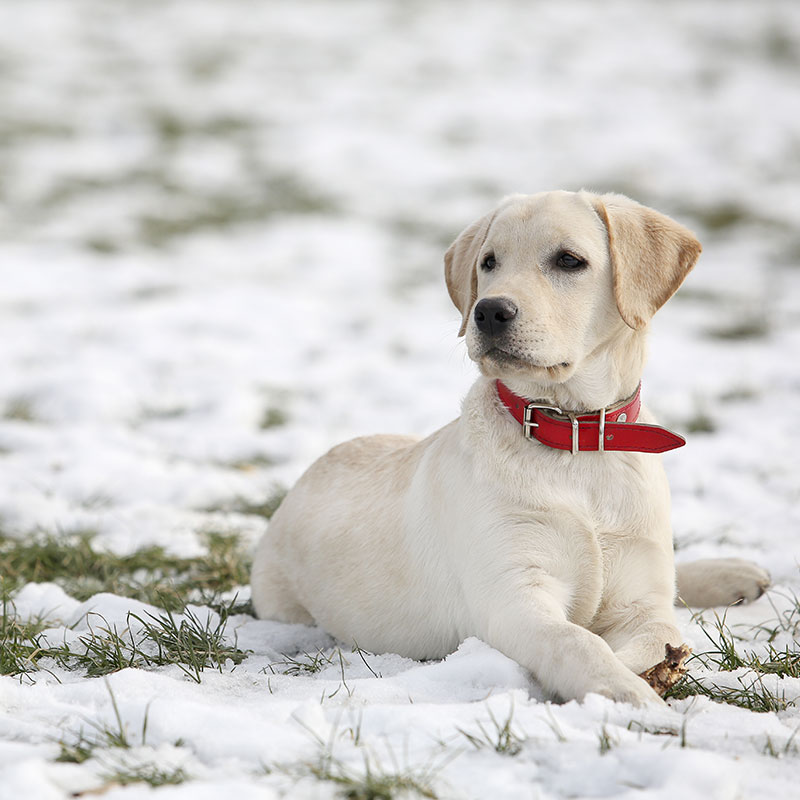
Dog adoptions are a big deal for you and the dog. As you prepare for the dog’s winter homecoming, here is a guide to help you.
Welcome Home Your New Family Member
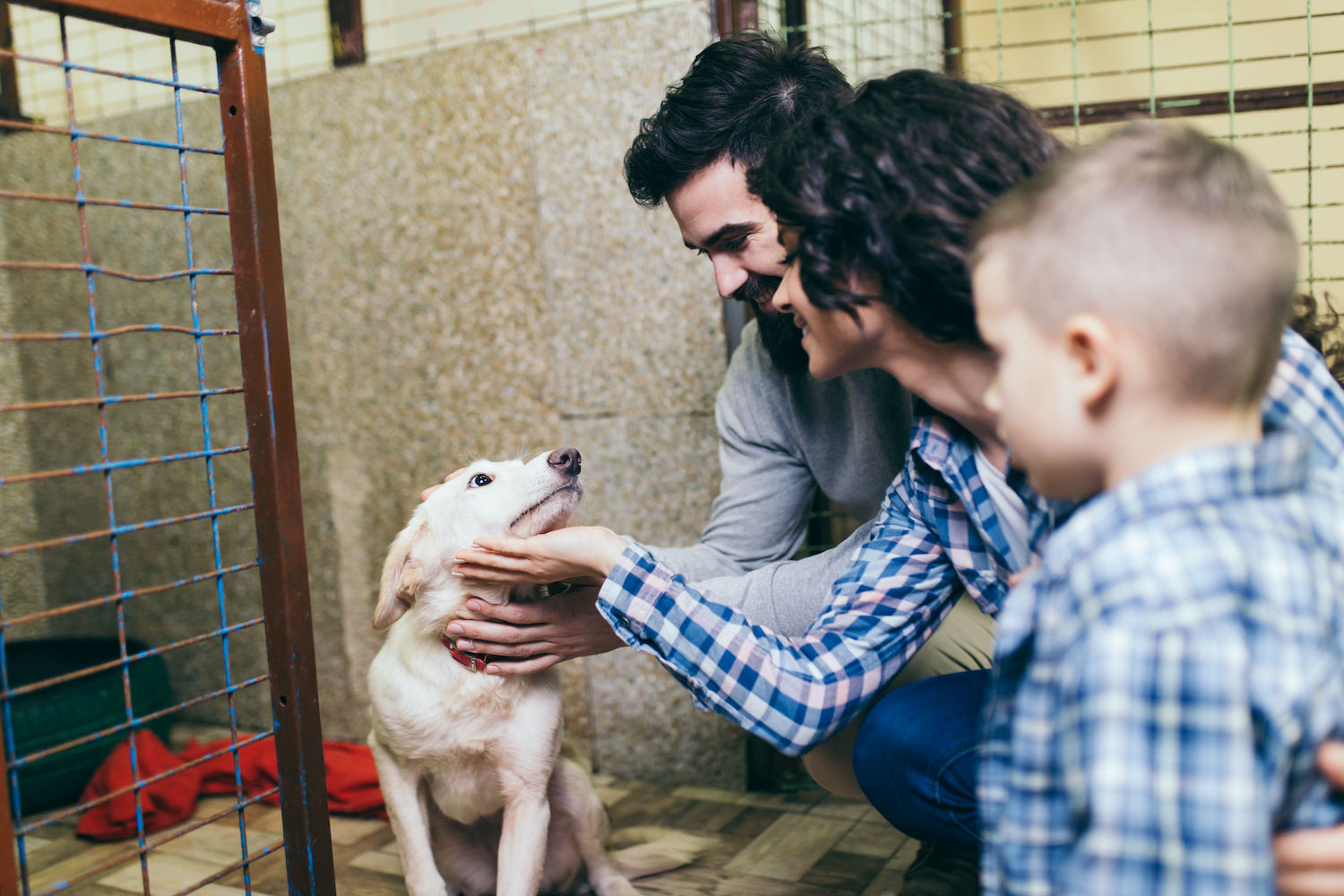
Shelters are overwhelming. Some dogs shut down in a shelter, whereas others may exhibit noticeable fear and stress. Dogs can use subtle body language to express how they feel. A dog presenting with its tail between its legs and hesitant footsteps is an easy call. You can tell that its frightened. A calm dog may be experiencing similar fears but react in a more calm, easy-going way.
Stay calm. It might be hard to quell your excitement, but accept the dog into your home calmly. Provide attention and affection but don’t rile it up. Some experts suggest that you keep the dog on a leash during the first introduction to your home. Walk it through the house and allow it to sniff around each room at a calm pace.
When you introduce it to new family members, provide a space for the dog to approach. Do not encourage others to approach the dog or to welcome it with too much enthusiasm. Allow the dog to show you how comfortable it is with people by sniffing and greeting them at its own pace.
If you have a fenced-in yard, allow the dog to roam freely around the space. If you do not, then use a leash to introduce it to your yard and the neighboring parks or walking areas. Walks provide ample opportunity to explore but also provide bonding time for you and the dog.
Finish your tour with food. Bring the dog to the feeding area and reward it with a small amount of food. Don’t take off the leash just yet! Once the dog has had a few bites, take it to where its bed is. Where you want the dog to relax is up to you. If you have a dog bed set up in the living room, this is where you finally let your dog off its leash. Don’t be alarmed if the dog immediately wants to rest. It’s been a long and overwhelming day and you’re conveying that this space belongs to it.
Treat Your Dog to Treats and Toys
Every new dog owner wants to spoil their new family member! While you don’t want to overwhelm the dog with visitors and parties, you can spoil it through treats and toys. Keep in mind that choosing the right toys for the dog may be a little hit or miss at first.
The shelter may have some insight on the types of toys that the dog enjoys. Some dogs, unfortunately, maybe in no mood to play in the shelter and you’ll have to explore your options on your own. Have a little fun with it. If you take a walk through any pet supply store, the arrangement of toys is vast. You can find:
-
Balls
-
Chew toys
-
Ropes
-
Squeaky toys
-
Stuffed animals
The list is endless. The varieties include different material options, colors, and sizes. You can choose from the simplest of tennis balls for the chase to puzzle toys that provide mental stimulation by including a treat inside.
Prepare for New Winter Adventures
Don’t let the middle of winter ruin your fun. Dogs do not have to stay cooped up throughout the colder months. As long as you take the proper precautions, the dog can accompany you on just about any adventure. Winter walks aren’t out of the question.
Before you prepare for the winter weather, take into consideration the dog’s size, breed, and coat. Some dogs can withstand colder weather easier than others. Smaller, short-haired dogs have a lower tolerance for cold. Whereas larger, fluffy dogs may have an easier time. Malamutes, for instance, are notorious for cold weather journeys. Then, there are chihuahuas, who take more preparation for snowy weather.
Luckily, there are options that can help! First and foremost, think about boots for your dog. A dog’s paws can be sensitive to temperature. When the ground is covered in snow or ice, frostbite is a very real concern. Fleece-lined boots and thermal neoprene boots are just two different options. There are also numerous sizes and style options. As with human shoes, sizing will make a big difference when it comes to the dog’s comfort.
If the dog has never worn doggy boots, then you may have to give it time to adjust. First, introduce the dog to the boots. Set the boots on the floor and allow the dog to sniff around them. When the dog shows interest, offer it a treat. Next, touch your dog’s paw to the boot and offer a treat. It is crucial not to linger too long in this kind of training. You don’t want the dog to fixate on the boots. Next, take the boot and put it on the dog, then take it off quickly. Offer a treat and try again. Whenever the dog sniffs the boot or allows you to put it on or take it off, offer a treat. This will take time! One session is not enough.
Sweaters and dog jackets are a little easier for the dog to acclimate to! Like the boots, they come in a variety of material and sizing. Pay attention to the dog’s coat, to ensure that the jacket is not too light or heavy. When outside, look for signs that the dog is too warm or cold. Remember the dog cannot tell you if it is too cold or too hot, but you can easily pick up on its body language.
As long as you’re ready and prepared to welcome a new family member for life, it’s always a good time to adopt a dog. Don’t let the colder months scare you out of adoption. The changing seasons only changes what you have to prepare to spend time outside with your dog.