
 Save 15% on your 1st Autoship learn more

 Email us
 Live Chat
 FAQs
FAQs





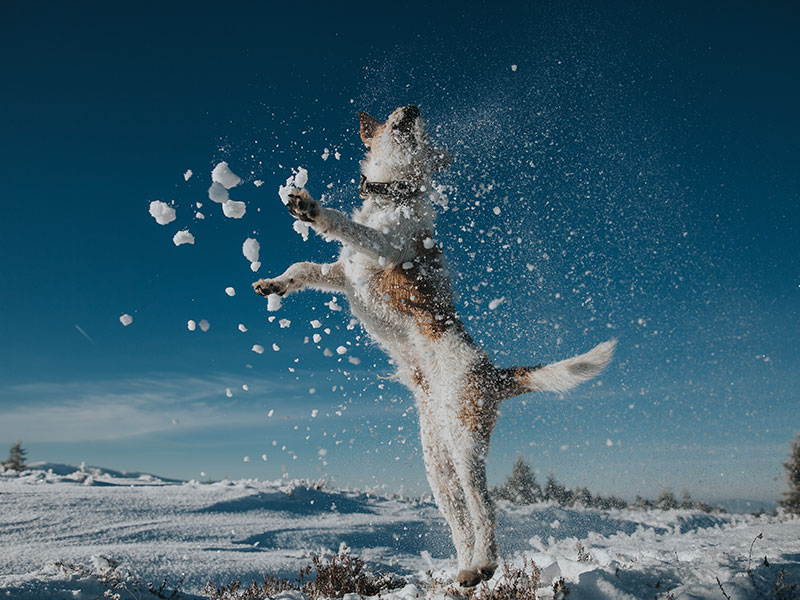
If you're a proud new pup parent gearing up for your furry friend's first bout of wintry weather, or simply experiencing unprecedented cold and snowy conditions in your neck of the woods, you may be faced with questions of how to navigate the season. Often when the ground is blanketed in a dusting of white powder and temperatures plummet, your first instinct may be to hunker down with a cozy blanket, hot cocoa and a favorite movie in your own rendition of hibernation. Your pup may have other ideas.
Her love of frolicking outdoors and taking walks with her favorite human may not diminish along with warm sunlight and blazing temps. You don't want to keep her from enjoying her favorite outdoor activities for an entire season, so this may leave you wondering if it's safe to send your pup out into the snow. Don't second guess your puppy parenting skills. Simply read on for answers to your most pressing cold-weather questions and to learn how to enjoy snowy weather safely with your best canine companion.
Is it Safe for Dogs To Play Outside With Snow on the Ground?
Simply put, playing in the snow can be both safe and tons of fun for your pup. There are, of course, precautions to be taken and exceptions to the rule. You may have noticed some people spend tons of time outside, whether playing, clearing off the driveway or maybe even working out by going for a run or walk among a winter wonderland. Others are affected differently by frigid or wet weather and may not be able to withstand more than a few minutes out in the elements. Just like humans, dogs can be impacted by cold temperatures and snow in different ways.
Larger dogs, younger pups and those seemingly built for cold temps thanks to their thick undercoats are more likely to fair well in cold and snowy conditions. On the flip side, small pups, those with shorter coats, senior dogs and very young puppies are less likely to comfortably endure periods of time outside in the cold.
If you're not sure how your pup will react to a snowy landscape, start off with allowing her to have some supervised outdoor time for a few minutes to help her become acclimated. Gradually allow her a little more time for each outdoor excursion, so long as she seems to be enjoying it. As long as your dog isn't in distress and trying to get back inside, you can allow your pup to enjoy around 30 minutes of snowy play at a time. Some breeds may even enjoy longer periods of outdoor playtime.
Be on the lookout for signs it's time for your puppy pal to head back inside. These include shivering, shallow breathing and weakness, which could indicate your dog is beginning to experience hypothermia.
Should dogs Go for Walks in Cold and Snowy Weather?
If taking walks with your pooch served as a means of exercise for you both, gave her a chance to explore and helped you bond with each other, you may not have to completely give them up. It may be tempting to spend more time on the couch when snow starts to fall, but there are definitely benefits to still getting out there. Fresh snowfall provides a seemingly new environment to explore and this can be very exciting for many pups. Even though it's cold outside, it's still important for both the health of you and your doggo for each of you to get in some much-needed exercise.
Things to keep in mind when allowing your dog to play in the snow also apply when planning to go for a wintry walk. Some small- to medium-sized dogs, especially those with very short coats, may not enjoy walks in the snowy cold. If your small pup is up for a walk, she likely may not be able to comfortably handle a long excursion. It's best, at least initially, to keep walks shorter than normal until your dog has acclimated to walking in colder temps.
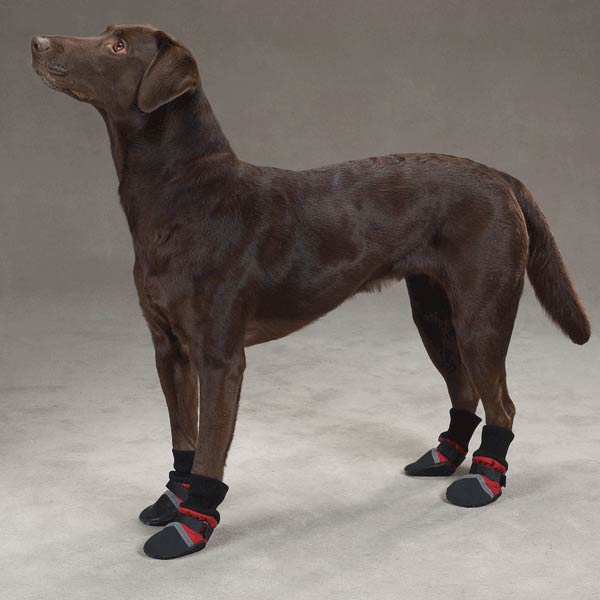
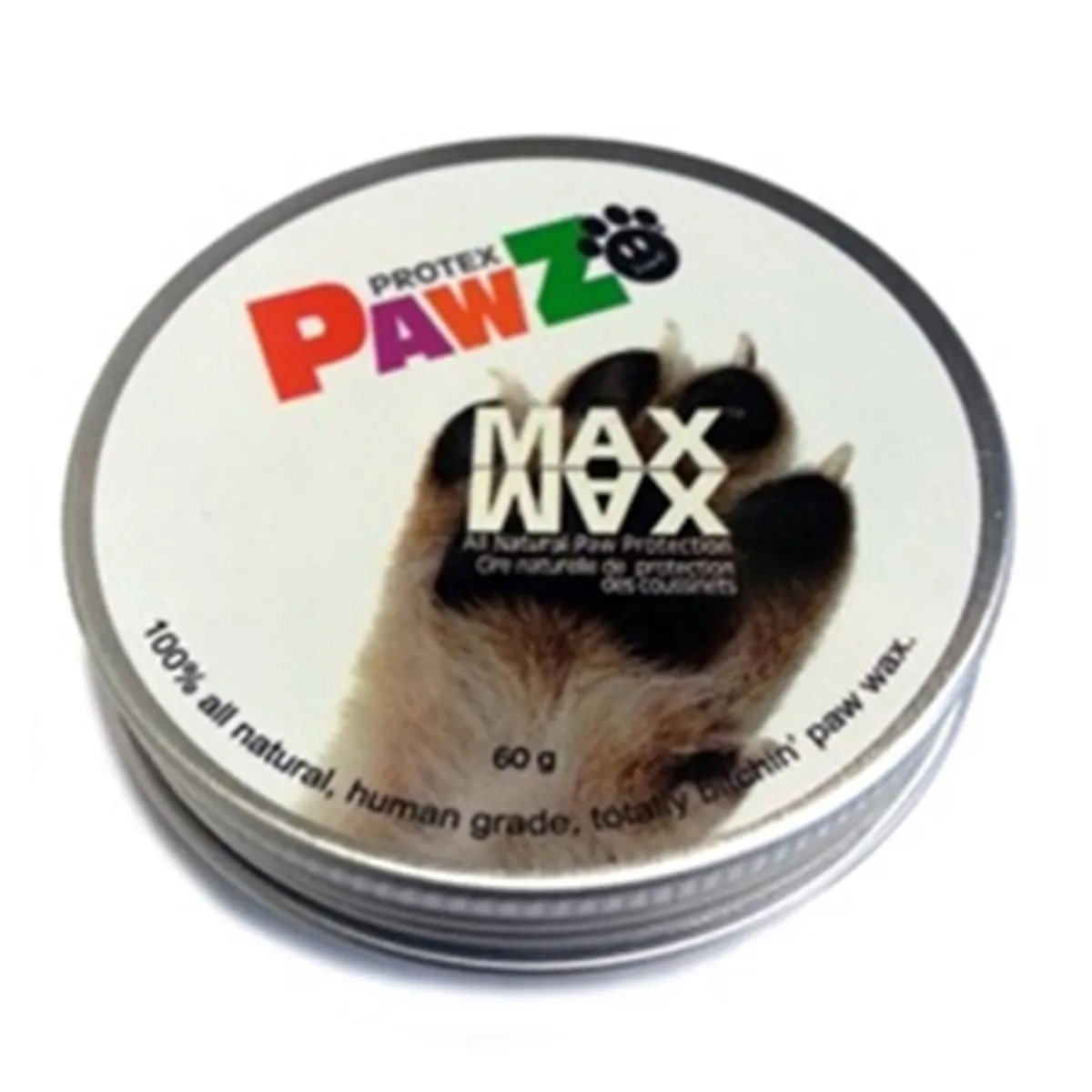
Continue looking for signs it's time for the walk to end and notice if your pup gets snow or ice caked in her paws. If this is the case, it would be a good idea to gear her up with a pair of boots to protect her precious paws. Always wipe down your dog's paws after a walk just in case she has come in contact with salt or ice melt, which can irritate sensitive paw pads, and tummies if consumed. Having some paw pad protectant on hand is also helpful to prevent paw pad irritation in harsh elements and can also help to heal cracks or minor injuries your pup experiences after time outside.
Is it Safe for Pups To Eat Snow?
Perhaps you can easily spot the telltale tracks of a snout pushed through the snow. Pups excited to play in and explore the chilly white fluff often also like to eat it. Generally, there is little issue with dogs ingesting a bit of snow and it's mostly harmless. What causes it to become otherwise is if the snow has become tainted with other substances, such as salt, ice melt or antifreeze. Antifreeze is usually red or green and has a sweet scent that, unfortunately, animals love. The liquid is poisonous to dogs, so be on the lookout for any on the ground and only allow your pup to eat clean snow.
There is a marvelous winter wonderland awaiting you and your doggie outside your front door. Taking the right precautions and looking out for the well-being of your pup while playing outside ensures plenty of snowy fun for you both.






- Site & Contents BaxterBoo.com. BaxterBoo is located in the United States.
- Privacy & Security
- Terms of Use
- Accessibility Statement
