Save 15% on your 1st Autoship learn more

 Email us
 Live Chat
 FAQs
FAQs





Why Dog Boots Matter for Your Pet's Health and Safety
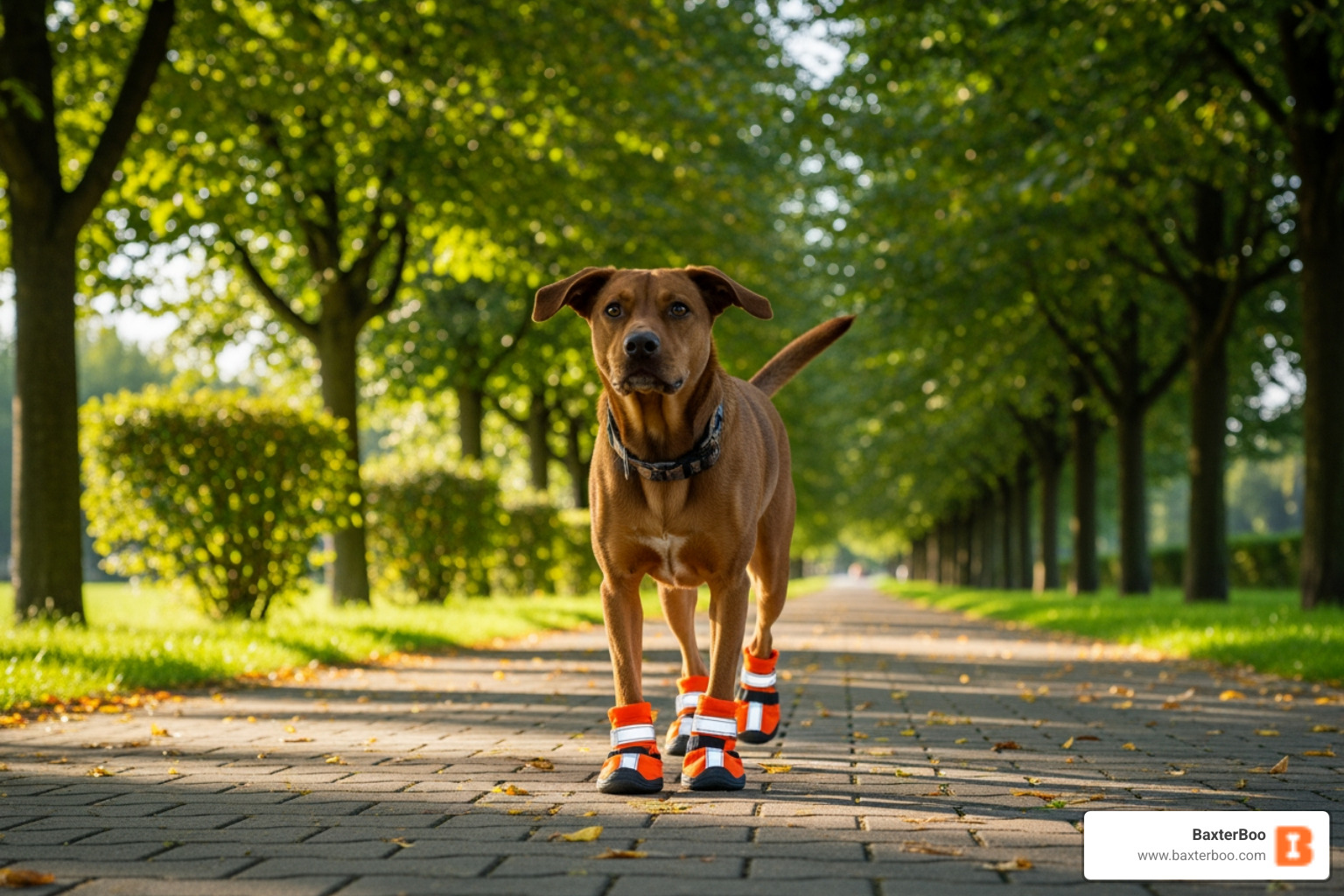
Dog boots are protective footwear designed to shield your dog's paws from extreme temperatures, rough terrain, and harmful substances like road salt and chemicals. Here's what you need to know:
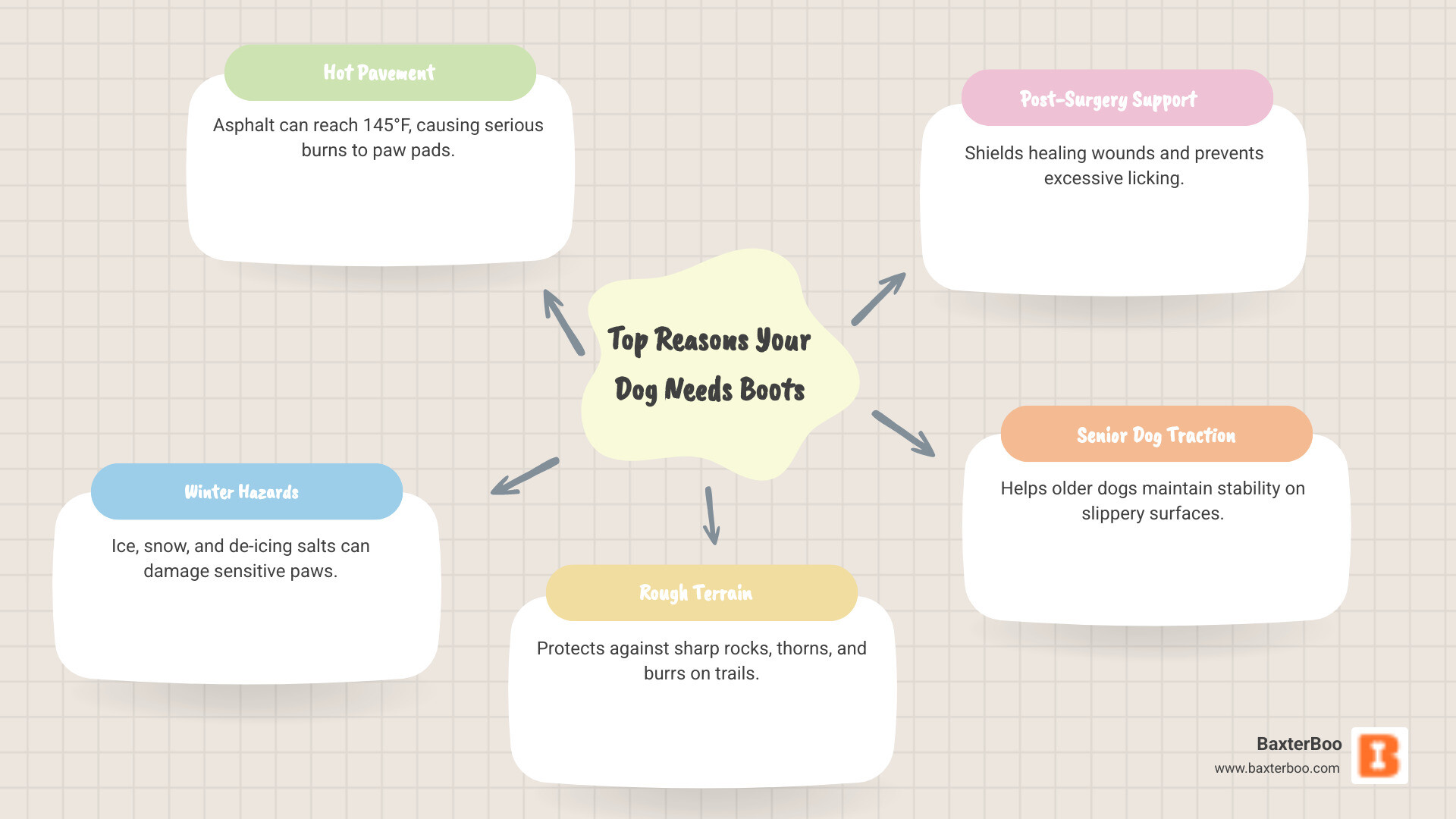
Top Reasons Dogs Need Boots:
- Hot pavement protection - Asphalt can reach 145°F on 87°F days, causing serious burns
- Winter safety - Ice, snow, and de-icing salt can damage sensitive paw pads
- Rough terrain - Sharp rocks, thorns, and burrs pose injury risks on trails
- Post-surgery support - Boots protect healing wounds and prevent licking
- Senior dog traction - Help older dogs maintain stability on slippery surfaces
The dog boots market is booming, projected to reach $1.8 billion by 2030. This growth reflects what veterinarians have been saying for years: salt and hot tar rank as the #1 avoidable paw injuries for dogs.
Your dog's paw pads may seem tough, but they're surprisingly vulnerable. Unlike humans who can choose when to wear protective footwear, dogs depend on us to recognize when conditions demand extra protection.
This guide will walk you through choosing the right boots for your dog's specific needs, getting the perfect fit, and helping your pup adjust to wearing them. Whether you're planning summer hikes on rocky trails or winter walks through salted sidewalks, the right boots can make all the difference.
Why Your Dog's Paws Need Protection
Your dog's paws are engineering marvels. Those leathery pads act as built-in shock absorbers, provide traction on slippery surfaces, and send sensory information about the world beneath their feet. They're incredibly functional—but they're not invincible.
The anatomy of a paw pad reveals why protection matters so much. While the outer layer is thick and rugged, the tissue underneath contains blood vessels and nerve endings that make paws surprisingly sensitive. Think of them as natural "tires" that work beautifully on their own—until the terrain gets too extreme.
Throughout the year, our dogs encounter hazards that their paws simply weren't designed to handle. Hot pavement in summer can reach temperatures that cause serious burns within seconds. Veterinarians consistently identify hot tar as one of the top avoidable paw injuries they treat. Your dog won't always realize the ground is too hot until the damage is done.
Winter brings an entirely different set of challenges. Ice creates slippery, treacherous walking conditions, while de-icing salts used on sidewalks and roads can cause chemical burns, painful cracking, and extreme dryness. Vets rank salt as another leading cause of preventable paw injuries—and it's everywhere during cold months.
Even your everyday adventures can turn risky. Sharp rocks, thorns, broken glass, and burrs lurk on trails and in grassy areas, ready to puncture or cut those sensitive pads. Some dogs also react to allergens in grass or weeds, developing itchy, inflamed paws that they'll lick raw without protection.
The health benefits of dog boots go well beyond avoiding immediate injuries. They provide essential post-surgery support, creating a barrier between healing wounds and dirt, bacteria, or your dog's persistent tongue. For senior dogs losing their footing on hardwood floors or icy sidewalks, boots with good traction can restore confidence and mobility, helping them stay active longer.
Protecting your dog's paws means they can explore comfortably and safely, whether you're walking through summer heat, winter snow, or rocky hiking trails. For more background on how protective paw wear evolved, you can check out general information on dog paw health.
A Comparison of the Best Types of Dog Boots
Just like you wouldn't wear flip-flops on a snowy day or hiking boots to bed, your dog needs different footwear for different adventures. The good news? Today's dog boots come in styles designed for just about every activity and weather condition you can imagine.
Choosing the right pair comes down to understanding what your pup will be doing and where they'll be doing it. The materials, sole types, and design features all matter when you're protecting those precious paws. Whether you're dealing with Vernon Hills winters or planning a mountain hiking trip, there's a boot that fits the bill.
All-Weather & Everyday Use Boots
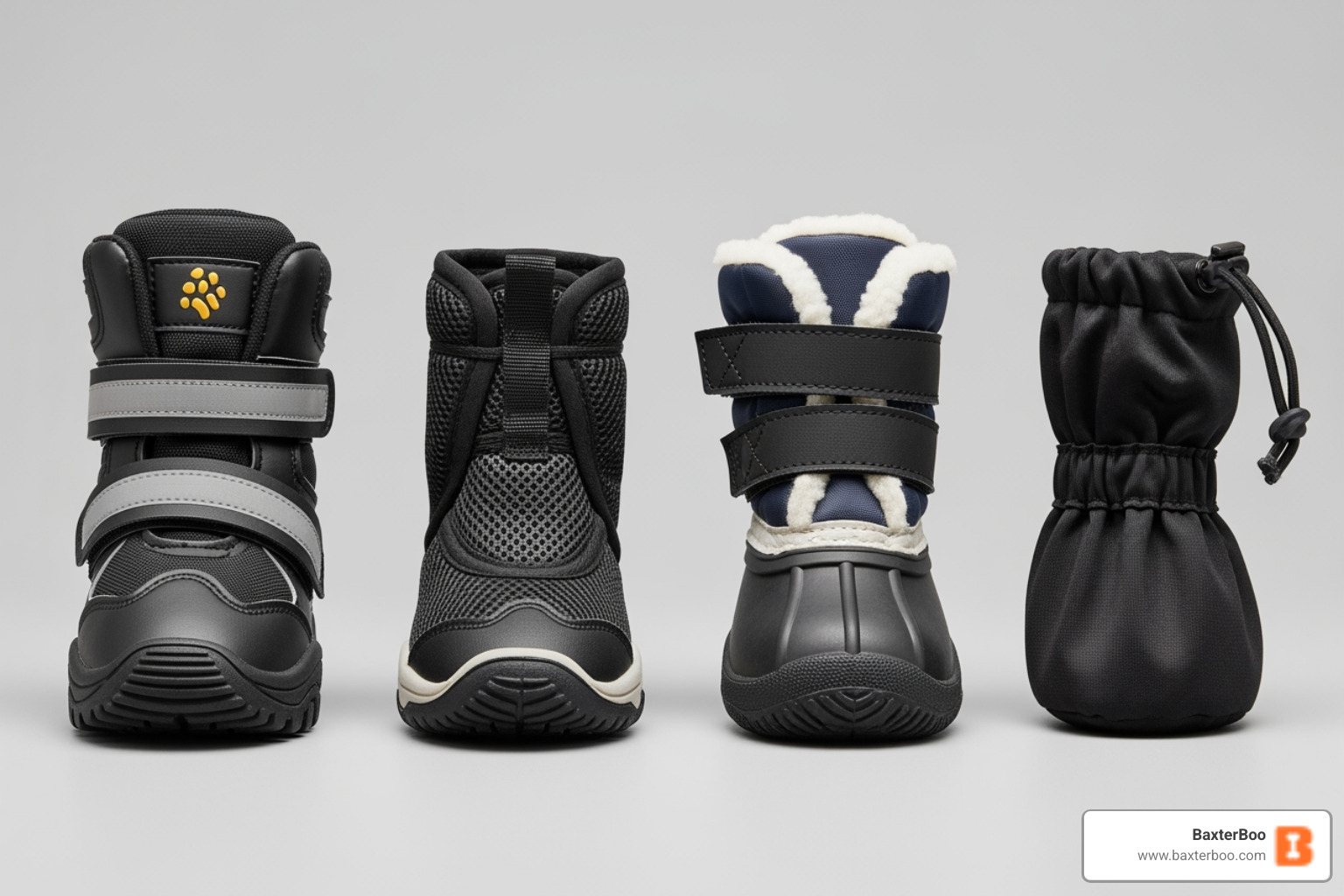
Think of these as your dog's everyday sneakers. They're the reliable, comfortable choice for regular walks around the neighborhood, quick trips outside in light rain, or those in-between weather days when it's not quite hot or cold enough for specialized protection.
These dog boots are designed with versatility in mind. Most feature water-resistant materials like flexible synthetic leather or treated fabrics that keep paws dry during unexpected drizzles without feeling heavy or restrictive. The soles are typically made from softer, more pliable rubber that bends naturally with your dog's paw movement, so they can still feel the ground beneath them.
You'll often find breathable mesh panels worked into the design, which is a lifesaver on warmer days when your dog's paws might otherwise get sweaty and uncomfortable. Many models also include reflective straps for those early morning or evening walks when visibility matters for safety.
The beauty of everyday boots is their ease of use. They slip on quickly, secure with simple straps, and don't require a engineering degree to figure out. They offer solid protection from moderate hot pavement, light snow, city grime, and general paw sensitivity without being overly bulky or restrictive.
These boots work beautifully for urban and suburban environments where conditions are relatively predictable. They're not designed for extreme adventures, but for daily life, they strike the perfect balance between protection and comfort.
Rugged Hiking Boots
When your adventure-loving pup is ready to hit the trails, it's time to step up the protection game. Rugged hiking dog boots are built tough because they need to handle everything nature throws at them—and then some.
The standout feature of hiking boots is their high-traction rubber outsoles. These aren't your average rubber soles. Many use Vibram compounds or similar heavy-duty materials with aggressive tread patterns that grip firmly on wet rocks, muddy slopes, and uneven terrain. Your dog will have the confidence to scramble up that trail without slipping.
The uppers on these boots are constructed from tough, abrasion-resistant fabrics that laugh in the face of thorns, sharp rocks, and rough ground. They're designed to take a beating and keep protecting those paws mile after mile. In fact, quality hiking boots can last for hundreds of miles of trail use.
Security is crucial when your dog is jumping over logs and navigating tricky terrain, which is why hiking boots typically feature multiple hook-and-loop straps that wrap snugly around the ankle. These aren't going anywhere, even during the most enthusiastic trail running.
Yes, hiking boots tend to be heavier and pricier than everyday options. Your dog might also need a bit more time to adjust to wearing them. But for the active dog who lives for outdoor adventures, the protection and durability are absolutely worth it. They're an investment in keeping your hiking buddy safe on every trail.
Winter & Snow Dog Boots
Illinois winters can be brutal, and those cute paws aren't designed to handle extended exposure to ice, snow, and harsh de-icing chemicals. Winter dog boots are specifically engineered to keep paws warm, dry, and safe when temperatures drop.
The key difference with winter boots is insulation. Most feature cozy fleece lining that wraps your dog's paws in warmth, preventing frostbite even during longer outdoor adventures. The outer shell is completely waterproof, creating a barrier against snow and slush that would otherwise melt against their skin and cause dangerous chilling.
You'll notice winter boots often have a taller cuff design that extends higher up the leg. This isn't just for looks—it prevents snow from sneaking in the top and offers better coverage when your dog is romping through deep drifts. The tall design also provides extra protection from those nasty de-icing salts that can cause chemical burns on sensitive paw pads.
Some winter boots draw inspiration from sled dog racing boots, using specialized materials like nitrile rubber coating for exceptional durability in snowy conditions. These mushing-style designs have been tested in some of the harshest winter conditions on earth, so they're more than ready for your neighborhood walks.
The tradeoff with winter boots is bulk. They're not as flexible as everyday boots, and your dog might have less natural paw feel. They can also be trickier to keep secured on very active dogs who love diving into snowbanks. But for winter protection, especially against salt and ice, they're absolutely essential for your dog's paw health.
Lightweight & Disposable Boots
Not every dog takes kindly to wearing boots, and not every situation calls for heavy-duty protection. That's where lightweight and disposable dog boots shine—they offer a gentler introduction to paw protection or a practical solution for specific, short-term needs.
These boots are made from thin, flexible materials like soft rubber or fabric that conform closely to the paw like a second skin. The sock-like design feels much more natural to dogs who find traditional boots restrictive or uncomfortable. Many dogs who flat-out refuse regular boots will tolerate these lightweight versions.
They're particularly useful for creating a barrier against environmental allergens during short walks or providing extra traction for senior dogs navigating slippery indoor floors. If your older pup struggles with hardwood or tile, these can be a game-changer for their confidence and safety.
The lightweight design also makes them cost-effective and convenient as a backup option. Toss a set in your car or bag for unexpected situations where your dog needs quick paw protection. They're easy to carry and don't take up much space.
The downside is durability. These boots won't stand up to rough terrain or sharp objects, and they typically offer minimal waterproofing. Your dog can also remove them more easily than secure hiking or winter boots. But for their intended purposes—temporary protection, allergy barriers, or helping reluctant boot-wearers—they're an excellent, practical choice.
Finding the Perfect Fit: A Step-by-Step Guide
Here's the truth about dog boots: even the most expensive, highest-quality pair won't do your pup any good if they don't fit properly. A boot that's too loose will slip off mid-walk (probably into a puddle), and one that's too tight can cause painful chafing and restrict natural movement. We want our furry friends to stride confidently, not wobble around like they're learning to ice skate!
The good news? Getting the right fit is straightforward when you know what to measure and what to look for.
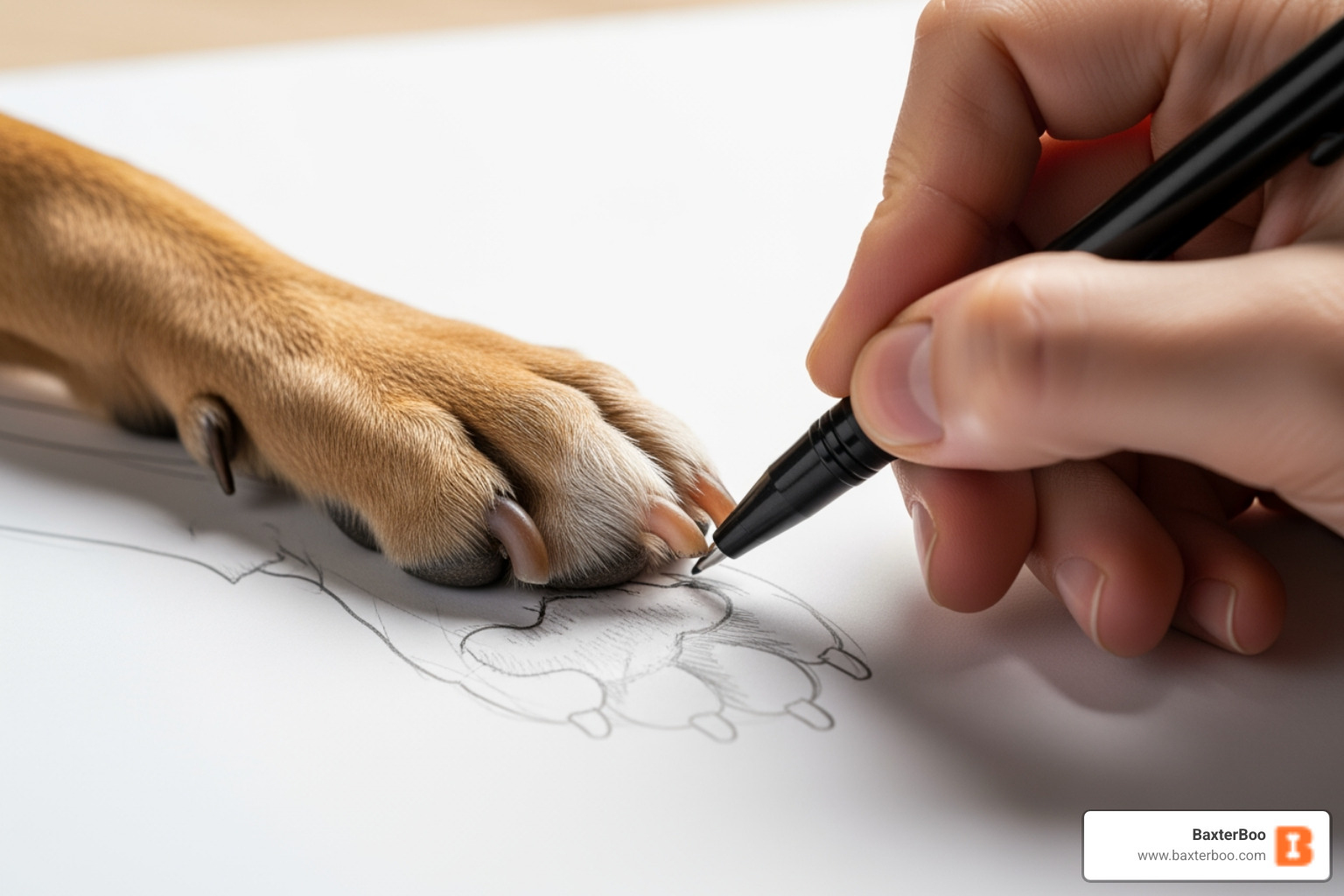
Here's how to measure your dog's paws correctly. Grab a piece of paper, a pen, and a ruler or tape measure. Have your dog stand on the paper with their weight evenly distributed—this is important because paws naturally spread when bearing weight, and we need to capture that widest point. Gently trace around one front paw, making sure to include the nails in your outline. Most dogs have wider front paws than back paws, so measuring both can help you get the most accurate fit for all four feet.
Once you have your tracing, measure both the width (at the widest part) and the length (including those nails). Then compare your measurements to the manufacturer's sizing chart. Every brand sizes their boots a bit differently, so always check before ordering. The goal is a snug but not tight fit—secure enough that the boot won't twist or fall off, but with enough room for your dog's paw to move naturally and spread comfortably.
How to Put on and Check Dog Boots for Comfort
You've got the right size—now let's talk about putting them on properly. This part takes patience, especially if it's your dog's first time wearing boots.
Start by opening the boot wide, stretching the top to create the largest opening possible. Gently guide your dog's paw in, making sure all toes slide to the tip of the boot. If your pup has dew claws, hold them down with your finger as you slide the paw in to prevent any uncomfortable snagging. Once the paw is fully inserted, secure the adjustable straps around the ankle. These straps should be snug enough to prevent the boot from twisting or slipping off, but never so tight that they pinch or cut off circulation. Think of it like fastening a watch—secure, but with a little wiggle room.
After all four boots are on, let your dog walk around for a few minutes while you observe. Watch for signs that something isn't quite right. Is your dog limping or lifting their legs unusually high? That might mean the boots are too heavy or uncomfortable. Are the boots twisting constantly on their paws? They're probably too loose. Check for any redness or chafing, especially around the ankle area. If your dog is obsessively chewing at the boots or refusing to move at all, that's their way of telling you something needs adjusting.
As Heather Sherman, CPDT-KA of Applause Your Paws, wisely notes, "Shoes should fit comfortably without being too tight or too loose, allowing for natural movement." When you get the fit just right, your dog should be able to walk, run, and play as if they're not wearing anything at all—while still getting all that important paw protection.
Training, Care, and Alternatives
So you've found the perfect dog boots for your furry friend. Now comes the fun part: getting them used to wearing their new footwear! We'll be honest—the first time most dogs try on boots, they look like they're attempting some sort of interpretive dance routine. But don't worry, with patience and the right approach, most dogs learn to accept and even appreciate their protective gear.
Introducing Your Dog to Their New Boots
Think of this as teaching your dog a new skill. Just like learning to walk on a leash or come when called, wearing boots is something they can master with positive reinforcement and gradual exposure.
Start by creating positive associations with the boots before they ever go on your dog's paws. Leave them near your dog's food bowl during meals, or place them nearby during playtime. When your dog sniffs them curiously, offer treats and praise. We want them to think, "Hey, these weird things mean good stuff happens!"
When you're ready for the first fitting, resist the urge to wrestle all four boots on at once. Instead, begin with just one boot. Gently slide it on, secure it loosely, and immediately shower your pup with high-value treats—think small pieces of chicken or cheese, not their regular kibble. Let them wear it for just a minute or two while you keep the treats flowing, then remove it. Repeat this process several times over a few days until that single boot becomes no big deal.
Once your dog tolerates one boot calmly, progress to two, then gradually work up to all four. Keep these early sessions indoors where your dog feels safe and comfortable. Distract them with their favorite toy or a puzzle feeder stuffed with something delicious. The goal is to help them forget they're even wearing boots.
As they become more confident, encourage movement by tossing treats a short distance away. Yes, they'll probably do that funny high-stepping walk at first—it's adorable, and completely normal! When they're walking relatively normally indoors, take them outside for a very brief walk in a familiar area. Keep it short and positive.
Every dog adapts at their own pace. Some might strut around in their new boots after just a few sessions, while others need weeks of patient practice. Never force the issue or turn boot time into a battle. If your dog shows signs of stress, take a break and try again later. One helpful tip: keeping your dog's nails trimmed short makes a significant difference in how comfortable boots feel.
Boot Care and Maintenance
Taking care of your dog boots properly means they'll protect your pup's paws for many adventures to come. After muddy walks or snowy romps, your boots will need some attention.
For cleaning, always check the manufacturer's instructions first, as different materials require different care. Most fabric or rubber boots do well with a simple hand wash using mild soap and warm water. Work the soap gently into any particularly dirty areas, then rinse thoroughly—leftover soap can irritate your dog's paws on the next wear.
After washing, air dry your boots completely before storing them. We know it's tempting to speed things up with a hair dryer or by placing them near a heater, but direct heat can warp rubber soles or damage fabric. Set them in a well-ventilated area and let them dry naturally. This also prevents that musty smell that can develop in damp boots.
Before heading out on each adventure, take a moment to inspect your boots for wear and tear. Check the soles for holes or excessive thinning, examine the fabric for tears, and make sure all straps and closures are secure. This quick safety check is especially important for rugged hiking boots that face tough conditions. If you spot significant damage, it's time for a replacement—compromised boots won't protect your dog's paws effectively.
Alternatives to Traditional Boots
We love dog boots, but we also understand they're not for every dog. Some pups simply refuse to walk in them no matter how patient and positive you are with training. Others might need only light protection that doesn't warrant full boots. That's okay—we have other options!
Paw protection wax is a fantastic alternative that many dogs tolerate much better than boots. Products like Musher's Secret Wax create a protective barrier on your dog's paw pads, helping them handle hot pavement, cold snow, ice, and road salt. The wax also conditions the pads and prevents debris from building up between toes. Simply rub it onto clean, dry paws before heading out. It's perfect for dogs who refuse boots or for moderate conditions that don't require heavy-duty protection.
For dogs who need help with traction indoors, heavy-duty non-slip socks can work wonders. These are especially helpful for senior dogs navigating slippery hardwood or tile floors. While they won't stand up to outdoor adventures on rough terrain, they provide stability where it's needed most for older or mobility-challenged pups.
Adhesive paw pads offer another middle-ground solution. These stick directly to your dog's paw pads and provide a protective layer against moderate hazards. They're particularly useful for dogs recovering from minor paw injuries or for temporary protection during specific activities.
Here's how these options compare to help you choose what's best for your companion:
| Feature | Dog Boots | Paw Protection Wax | Adhesive Pads |
|---|---|---|---|
| Protection Level | High—physical barrier against extreme temperatures, sharp objects, chemicals | Moderate—barrier against elements, conditions pads | Moderate—protects against abrasion and moderate heat |
| Durability | High—quality boots last for many miles | Moderate—needs reapplication every few hours | Low to moderate—single or limited use |
| Best Use Cases | Extreme weather, hiking, rough terrain, post-surgery, chemical protection | Moderate weather, snow and salt, sensitive paws, boot-refusing dogs | Light outdoor protection, allergy barriers, dogs who won't wear boots |
The right choice depends on your dog's personality, your local conditions here in Vernon Hills and beyond, and the specific activities you enjoy together. Sometimes the best solution is having multiple options on hand—boots for serious winter walks or rugged hikes, and wax for everyday protection during milder weather.
Conclusion: Protect Their Paws on Every Adventure
As pet parents, there's nothing quite like watching our dogs bound through a snowy field or confidently steer a rocky trail. But these adventures come with hidden dangers to those four precious paws. From the blistering pavement that can reach 145°F on a hot summer day to the harsh de-icing salts that line our Vernon Hills sidewalks each winter, our dogs face hazards we might not even notice.
That's where dog boots become more than just an accessory—they're essential safety gear for active dogs in all seasons. With the dog boots market projected to hit $1.8 billion by 2030, and veterinarians consistently identifying salt and hot tar as the top avoidable paw injuries, it's clear that protecting our dogs' paws has moved from novelty to necessity.
Throughout this guide, we've walked through everything you need to know. We've explored why paw protection matters, compared different boot types for every activity and season, and shown you exactly how to measure and fit boots for maximum comfort. Proper fit and a gradual, positive introduction are the keys to success. Your dog might look like they're doing a funny high-step dance at first, but with patience and treats, most pups learn to love their protective footwear.
For those dogs who simply won't tolerate boots, we've covered alternatives like paw protection wax that can still offer meaningful protection. Every dog is different, and finding what works for your companion is what matters most.
At BaxterBoo, we're committed to your pet's health and happiness on every journey—whether that's a quick walk around the neighborhood or a challenging mountain hike. We believe every adventure should be safe, comfortable, and filled with tail wags.