
 Save 15% on your 1st Autoship learn more

 Email us
 Live Chat
 FAQs
FAQs





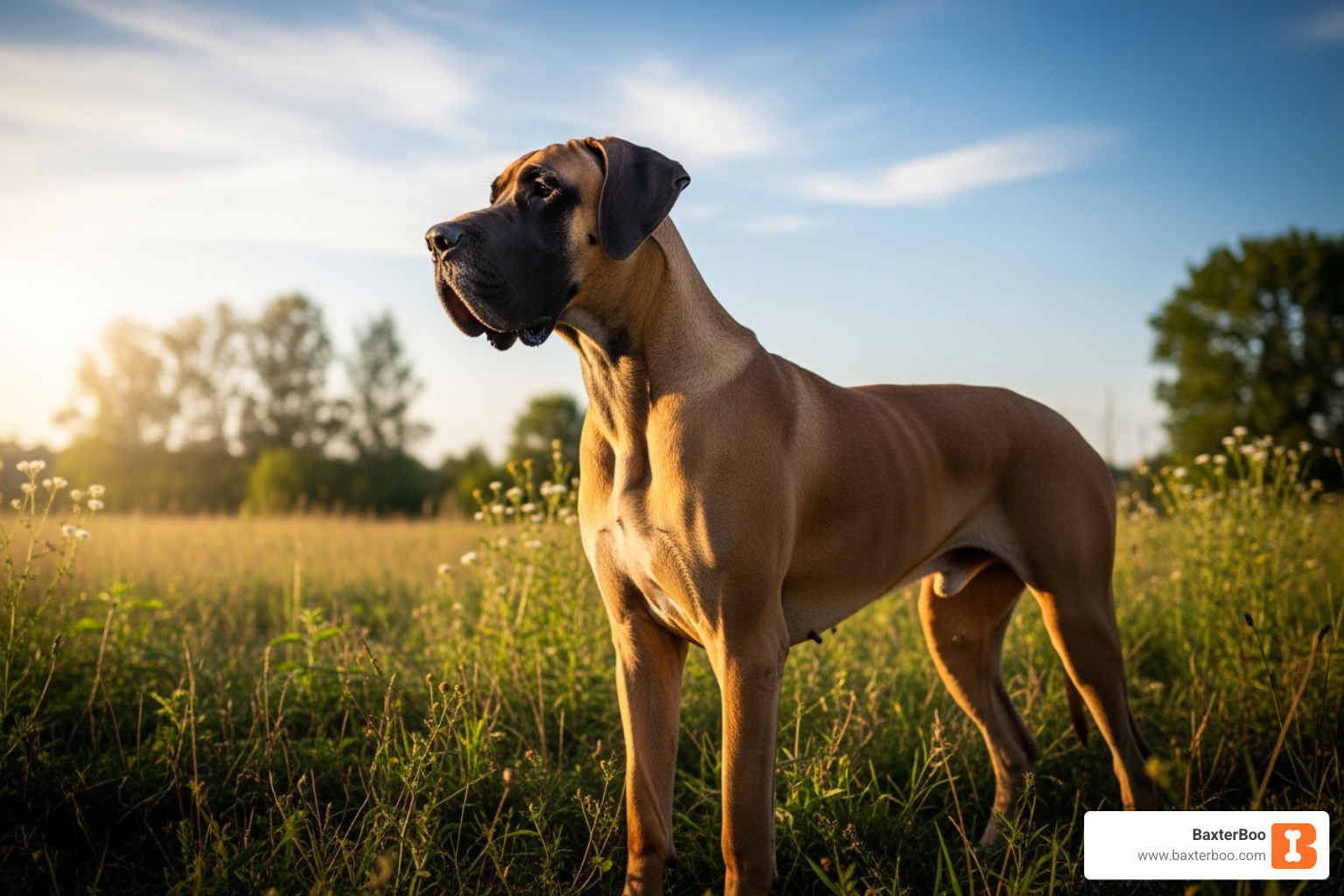
Why Understanding Dog Breeds Prone to Bloat Can Save Your Dog's Life
Dog breeds prone to bloat face a life-threatening emergency called Gastric Dilatation-Volvulus (GDV), where the stomach fills with gas and can twist, cutting off blood supply. This condition can kill a dog within hours without immediate veterinary intervention.
The breeds at highest risk for bloat include:
- Great Dane - 39% lifetime risk
- German Shepherd - Frequent GDV emergency patient
- Standard Poodle - Deep, narrow chest anatomy
- Weimaraner - Athletic build with deep chest
- Irish Setter - High incidence in veterinary studies
- Saint Bernard - Giant breed with documented risk
- Boxer - Common GDV emergency case
- Doberman Pinscher - Genetic predisposition
- Irish Wolfhound - Extreme tall, deep-chested build
- Akita - Large breed with high documented risk
The common thread? These are typically large, deep-chested breeds where the chest depth-to-width ratio creates dangerous anatomy. Dogs weighing over 100 pounds have approximately a 20% lifetime risk of bloat.
Here's what makes this so urgent: Bloat kills about 30% of dogs it affects, even with intensive treatment. The stomach can twist within minutes to hours after initial symptoms appear. Many owners mistake early signs for simple indigestion, but that delay can be fatal.
If you own one of these breeds, knowing the warning signs isn't optional—it's essential. Unproductive retching, excessive drooling, a distended abdomen, and restlessness are red flags that demand immediate emergency care.
What is Bloat (GDV) and Why Is It a Medical Emergency?
Bloat, scientifically known as Gastric Dilatation-Volvulus (GDV), is a terrifying condition that every dog owner, especially those with dog breeds prone to bloat, should understand. It’s not just a little gas; it's a rapidly progressing and devastating medical emergency that can claim a dog's life in a matter of hours.
The condition unfolds in a two-stage process. First, there's dilatation, where the dog's stomach fills with an excessive amount of gas, fluid, or food. This causes the stomach to swell and stretch, putting immense pressure on other organs and blood vessels. If left untreated, this pressure alone can lead to serious complications.
The second, and often more critical, stage is volvulus. This is when the bloated stomach twists upon itself, essentially sealing off both the entrance and exit. Imagine a balloon that's tied at both ends—nothing can get in or out. This twisting action has catastrophic consequences:
- Blood Supply Cut Off: The stomach’s blood vessels become compressed, cutting off circulation to the stomach wall. This leads to tissue death, which is incredibly painful and releases harmful toxins into the bloodstream.
- Systemic Shock: The enlarged stomach presses on major abdominal veins, impeding blood flow back to the heart. This causes a drastic drop in blood pressure, leading to profound shock throughout the dog's body.
- Organ Damage: Toxins released from dying stomach tissue can further damage other vital organs, including the heart, liver, and kidneys. The spleen, which is often attached to the stomach, can also twist, leading to internal bleeding.
- Rapid Progression: From the first signs of discomfort, GDV can escalate to a life-threatening state within minutes to a few hours. This rapid deterioration is why it's considered one of the most serious non-traumatic conditions in veterinary medicine.
With a mortality rate of about 30% even after intensive treatment, and 100% fatality without intervention, GDV demands immediate veterinary attention. There is no waiting for this condition; every minute counts. For more in-depth information, the AKC Canine Health Foundation | Bloat (GDV) provides excellent resources.
Top 10 Dog Breeds Prone to Bloat
When we talk about dog breeds prone to bloat, we're primarily looking at large and giant breeds with a specific body type: a deep, narrow chest. This anatomical characteristic, often described by a high thoracic depth-to-width ratio, creates a greater space for the stomach to distend and twist. While the exact mechanism is still being researched, a genetic predisposition also plays a significant role, with certain lines showing higher susceptibility.
Our research indicates that dogs weighing over 100 pounds face an approximate 20% lifetime risk of developing bloat. It's a sobering statistic that highlights the importance of awareness for owners of these majestic animals. Let's explore the top 10 breeds most commonly affected:
1. Great Dane
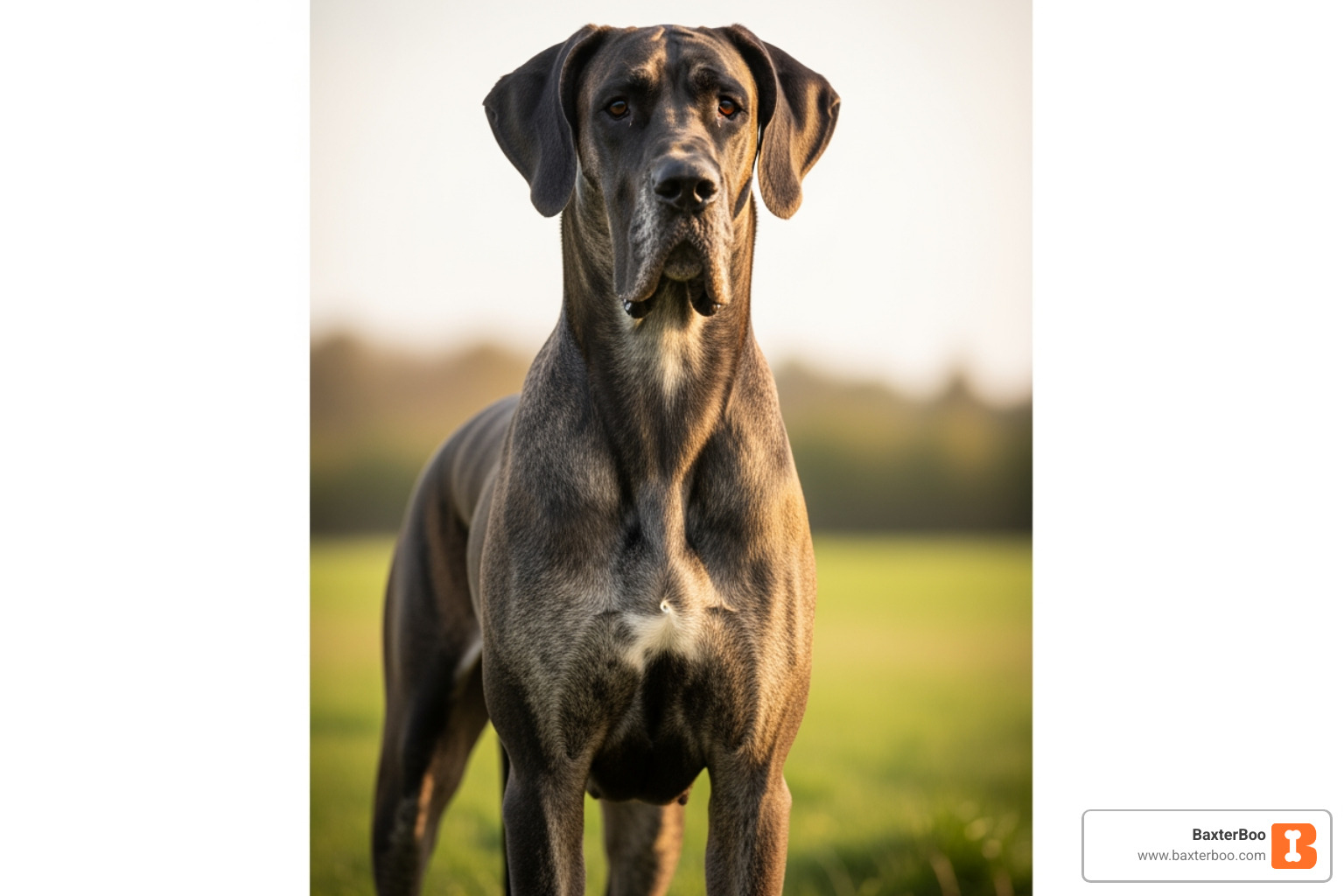
The Great Dane stands atop nearly every list of dog breeds prone to bloat, and for good reason. With a staggering 39% chance of experiencing bloat in their lifetime, these gentle giants are uniquely susceptible. Their massive size and characteristic deep chest are significant risk factors. In fact, Great Danes are five to eight times more likely to bloat than dogs with a low height-to-width ratio. Given this extreme risk, veterinarians often recommend prophylactic gastropexy surgery for Great Danes, even when they are young. One famous example of their impressive stature is Zeus, a Great Dane who held the title of World’s Tallest Dog, measuring an astounding 44 inches.
2. German Shepherd

German Shepherds are another breed frequently seen in emergency veterinary clinics for GDV. While not as high as Great Danes, their deep-chested build and active nature contribute to their liftd risk. Research has even pointed to specific genetic mutations in certain lines of German Shepherds that influence stomach motility and tone, increasing their predisposition. Furthermore, some studies suggest that an anxious or fearful temperament, which can be present in some German Shepherds, may also be a contributing risk factor for bloat.
3. Standard Poodle
Often celebrated for their intelligence and neat appearance, the Standard Poodle's deep, narrow chest conformation places them squarely among the dog breeds prone to bloat. This risk is sometimes overlooked, perhaps because they are not typically associated with the "giant breed" stereotype of some other dogs on this list. However, their physical build makes them just as vulnerable to the stomach twisting characteristic of GDV. As a beloved companion, the Poodle brings joy to many families, and their owners should be particularly vigilant about bloat prevention.
4. Weimaraner
The sleek, athletic Weimaraner, known for its boundless energy and striking silver-gray coat, also possesses the deep-chested anatomy that increases bloat risk. Their high energy levels, combined with a tendency to eat quickly, can be a dangerous combination. Fast eaters have five times the risk of bloat compared to slow eaters, making the Weimaraner's enthusiastic approach to mealtime a factor to manage carefully. Owners should be especially mindful of exercise timing around meals for this breed.
5. Irish Setter
With its flowing red coat and graceful build, the Irish Setter embodies the classic deep-chested conformation that puts them at higher risk for GDV. Veterinary studies consistently show a significant incidence rate of bloat within this breed. Their active nature means they often need substantial exercise, but like all at-risk breeds, this activity needs to be managed carefully in relation to meal times to help mitigate the chances of a bloat episode.
6. Saint Bernard
As one of the world's most massive and beloved giant breeds, the Saint Bernard's sheer size and weight (often reaching 120-180 pounds) contribute to its bloat susceptibility. While their chests may not appear as narrow as some other breeds, their immense body cavity provides ample space for stomach distension and twisting. Owners of these gentle giants need to be acutely aware of bloat symptoms, as their size can make physical assessment challenging.
7. Boxer
Boxers, with their muscular build and deep chests, are unfortunately a common emergency patient for GDV. Their playful and energetic temperament means they can be prone to gulping air during meals or becoming overly excited around feeding time, both of which are considered risk factors. While their brachycephalic (short-nosed) head shape isn't directly linked to bloat, their overall conformation makes careful management of feeding and activity crucial for this breed.
8. Doberman Pinscher
The Doberman Pinscher's neat yet powerful physique includes a deep chest, making them another breed on our list of high-risk dogs for bloat. This breed is known for its intelligence and loyalty, but also for specific genetic predispositions to various health issues, including GDV. Vigilance regarding feeding practices, exercise, and recognizing early symptoms is paramount for Doberman owners.
9. Irish Wolfhound
The Irish Wolfhound, often cited as the tallest of all dog breeds, presents an extreme example of the conformation that predisposes dogs to bloat. Their towering stature and exceptionally deep chests put them at significant risk for GDV. Coupled with their already shorter lifespan (typically 6-8 years), managing bloat risk is a critical aspect of care for these magnificent hounds.
10. Akita
The Akita, a powerful and dignified breed originating from Japan, is another large dog with a documented high risk for bloat in veterinary data. Their substantial size and robust build mean they share the deep-chested characteristic common to many breeds on this list. Responsible Akita ownership includes a strong awareness of bloat prevention strategies and the ability to recognize symptoms quickly.
Key Risk Factors and How to Recognize the Signs
Understanding which dog breeds prone to bloat are most at risk is just the first step. Proactive monitoring and early detection of symptoms are absolutely critical. Bloat can progress rapidly, turning a seemingly minor discomfort into a life-threatening emergency in a blink. Combining knowledge of your dog's breed risk with an understanding of other contributing factors and immediate symptom recognition can literally save their life.
Common Signs and Symptoms of Bloat
The signs of bloat can appear suddenly and may seem subtle at first, but they escalate quickly. Never dismiss these symptoms, especially if your dog is one of the breeds we've discussed. Here’s what to look out for:
- Restlessness and Pacing: Your dog may seem agitated, unable to get comfortable, or constantly moving around.
- Unproductive Retching (Dry Heaving): This is one of the most classic signs. Your dog will try to vomit, often forcefully, but nothing (or very little, like foamy saliva) comes up. This indicates that the stomach is blocked.
- Excessive Drooling/Salivation: Often accompanies nausea and unproductive retching.
- Distended or Hard Abdomen: The belly may appear visibly swollen, tight, or hard to the touch, especially on the left side. However, in very deep-chested breeds, this might not be immediately obvious.
- Pain or Discomfort: Your dog might whine, groan, or show signs of discomfort when their belly is touched.
- Weakness or Collapse: As shock sets in, your dog may become weak, lethargic, or even collapse. Their gums might appear pale.
- Rapid or Shallow Breathing: Difficulty breathing can occur due to the enlarged stomach pressing on the diaphragm.
- "Praying" Position: Some dogs may stand with their front end down and rear end up, as if in a "praying" or "bowing" position, trying to relieve abdominal pressure.
If you observe any combination of these signs, particularly unproductive retching, it's an emergency.
Other Risk Factors for dog breeds prone to bloat
Beyond breed and chest conformation, several other factors can increase a dog's susceptibility to bloat:
- Genetics: Our research shows that if a close relative (parent, sibling) has experienced bloat, a dog is at higher risk. Studies have even identified genetic mutations in certain lines of Collies, German Shorthaired Pointers, and Great Danes that affect stomach motility and tone, contributing to bloat risk. You can explore more on this in Genetic research on bloat.
- Age: Bloat is more common in middle-aged and senior dogs, with the risk noticeably increasing after age 3. This may be due to the hepatogastric ligament, which supports the stomach, stretching and weakening over time. More details can be found in studies like Age as a risk factor.
- Eating Habits: Dogs fed only one large meal a day are twice as likely to bloat as those fed two meals a day. Even more striking, fast eaters have five times the risk compared to dogs that eat slowly. Gulping food can lead to swallowing excessive air.
- Diet: Foods containing soybean meal or those with oils or fats listed among the first four ingredients can increase the risk of bloat by fourfold. Some studies also suggest smaller food particle size might increase risk in certain breeds.
- Anxiety or Stress: Unhappy, fearful, or highly anxious dogs are twice as likely to bloat. Stress can lead to increased panting and air swallowing, and may also affect gastrointestinal motility.
- Gender: Males are twice as likely to bloat as females. Interestingly, neutering or spaying does not appear to affect bloat risk.
- Body Condition: Both being underweight for their size and having an increased body weight have been cited as potential risk factors in various studies.
- Environmental Stress: Recent environmental changes or stressors, such as kenneling or car travel, have been associated with bloat episodes.
Debunking the Raised Bowl Myth
For years, many dog owners were advised to use raised food bowls for large breeds, believing it would help prevent bloat by improving posture during eating. However, more recent research, notably a large-scale study from Purdue University, has debunked this common misconception.
In fact, studies have indicated that using raised food bowls may actually increase the risk of bloat in at-risk breeds. While there have been conflicting results over the years, the current consensus among many veterinarians is that liftd food bowls are at best neutral, and potentially just as much of a risk as bowls on the floor. Therefore, for dog breeds prone to bloat, feeding on the floor is generally considered a safer practice.
Prevention and Emergency Response for Bloat
As responsible pet owners, especially of dog breeds prone to bloat, our role extends beyond simply recognizing symptoms. We can take proactive steps to help minimize the risk and, should an emergency arise, be prepared to act swiftly. Prevention and an emergency plan are cornerstones of protecting our beloved companions.
How to Help Prevent Bloat in At-Risk Dogs
While we cannot eliminate the risk entirely, there are several actionable steps we can take to significantly reduce the likelihood of bloat in our dogs:
- Multiple Small Meals: Instead of one large meal, feed your dog two or three smaller meals per day. This reduces the amount of food and gas in the stomach at any one time, decreasing the chances of over-distension.
- Slow-Feeder Bowls: If your dog is a fast eater, consider using a slow-feeder bowl or a puzzle feeder. These tools, like those from Melaware, are designed with obstacles that force your dog to eat more slowly, thus reducing the amount of air they gulp down with their food. You can also place a large, heavy rock or tennis ball in a regular bowl to achieve a similar effect.
- Avoid Vigorous Exercise Around Mealtimes: It's best to avoid strenuous activity for at least an hour before and after meals. While studies on the direct link between exercise and bloat are sometimes inconclusive, it's a common-sense precaution to allow the stomach to digest food without excessive jostling.
- Manage Stress and Anxiety: Fearful or anxious temperaments are linked to increased bloat risk. If your dog gets stressed around feeding times (e.g., due to other pets), consider feeding them separately in a calm environment. For general anxiety, explore options to help address the anxiety with your vet.
- Proper Diet Choice: Discuss your dog's diet with your veterinarian. Avoid dry dog foods that list soybean meal or have oils or fats among the first four ingredients, as these have been linked to increased risk. Some research suggests that adding table food, fish, or eggs to the diet might be beneficial, but always consult your vet first.
- Controlled Water Intake: After meals, offer water in smaller portions rather than allowing your dog to gulp down a large volume all at once.
The Role of Prophylactic Gastropexy
For many owners of dog breeds prone to bloat, prophylactic gastropexy is a life-saving consideration. This is a preventative surgical procedure where the stomach is permanently attached, or "tacked," to the abdominal wall.
Gastropexy does not prevent the stomach from dilating (bloating with gas), but it does prevent the stomach from twisting (volvulus). Since the twisting is what makes GDV immediately life-threatening, this surgery drastically reduces the risk of a fatal bloat episode.
Gastropexy reduces the risk of recurrence of GDV to as low as 3-5%, compared to a recurrence rate as high as 80% without it. It's often recommended for high-risk breeds and can conveniently be performed at the same time as other abdominal surgeries, such as spaying or neutering. Minimally invasive laparoscopic techniques are also available, offering quicker recovery times. Consult your veterinarian about preventive gastropexy surgery if you own an at-risk breed.
What to Do in a Bloat Emergency
This cannot be stressed enough: if you suspect your dog is experiencing bloat, it is a life-or-death situation, and time is critical.
- Call Your Vet or Emergency Clinic Immediately: Do not hesitate. Do not "wait and see." Do not attempt home remedies. Call your veterinarian or the nearest emergency veterinary clinic (like our BaxterBoo location in Vernon Hills, IL) as soon as you notice any signs. Explain your concerns about bloat and tell them you are on your way.
- Transport Immediately: Get your dog to veterinary care as quickly and safely as possible. Even a delay of a few hours can drastically reduce survival chances.
- Have an Emergency Plan: Know the location and phone number of your nearest 24-hour emergency veterinary hospital. Share this information with anyone who cares for your dog.
Frequently Asked Questions about Dog Breeds Prone to Bloat
Can small dogs get bloat?
While dog breeds prone to bloat are predominantly large and deep-chested, bloat can technically affect any dog breed. The risk is significantly lower for smaller dogs, but it's not impossible. For instance, the Basset Hound, despite its short stature, is considered a high-risk breed due to its unusually heavy and deep chest conformation. So, while vigilance is highest for large breeds, no dog is entirely immune.
How is bloat diagnosed and treated by a vet?
When a dog suspected of bloat arrives at the veterinary clinic, the team acts fast. Diagnosis typically begins with a physical exam, where the vet will assess for abdominal distension and pain. The definitive diagnostic tool is an X-ray (radiograph) of the abdomen, which confirms if the stomach is bloated and, critically, if it has twisted (volvulus). Blood tests and an electrocardiogram (ECG) may also be performed to assess overall health and check for cardiac arrhythmias, which affect about 40% of dogs with GDV.
Treatment for bloat is a multi-step emergency process:
- Stabilization: Vets will immediately work to stabilize the dog for shock. This involves administering intravenous (IV) fluids, pain medication, and sometimes lidocaine to help reduce reperfusion injury when blood flow is restored.
- Decompression: The vet will attempt to relieve the gas pressure in the stomach. This can be done by carefully passing a tube down the esophagus into the stomach or, if that's not possible, by inserting a large needle (trocar) directly into the stomach through the side of the abdomen.
- Emergency Surgery: Once the dog is stable and the stomach is decompressed, emergency surgery is performed. The vet will carefully untwist the stomach, assess its wall for any dead tissue (which may need to be removed), and check the spleen (which may also need removal if damaged). Finally, a gastropexy is performed to permanently tack the stomach to the abdominal wall, preventing future twisting.
What is the survival rate for dogs with bloat?
The survival rate for dogs with bloat hinges entirely on early detection and immediate, aggressive veterinary intervention. With prompt medical and surgical treatment, the survival rate is greater than 80%. However, without any treatment, GDV is 100% fatal.
It's a stark reality that bloat kills about 30% of the dogs it affects, even after extremely intensive treatment. Factors that influence survival include the duration of GDV before treatment, the severity of shock upon arrival, the presence of cardiac arrhythmias, and the extent of stomach wall damage. A time lag of over five hours from the onset of clinical signs to hospital admission is associated with increased morbidity and mortality. For further statistics, the Survival rate with intervention page offers more insights.
Conclusion
Understanding dog breeds prone to bloat and the intricacies of Gastric Dilatation-Volvulus (GDV) is not just academic; it's a critical aspect of responsible pet ownership. This devastating condition progresses rapidly, making knowledge of the signs, risk factors, and preventative measures truly life-saving.
We at BaxterBoo are committed to pet wellness, and we encourage all dog owners, especially those with at-risk breeds, to take bloat seriously. By implementing preventative strategies like feeding multiple small meals, using slow-feeder bowls, managing anxiety, and discussing prophylactic gastropexy with your veterinarian, you can significantly reduce your dog's risk. And remember, if you ever suspect bloat, immediate veterinary attention is non-negotiable. Your swift action can be the difference between life and death.
To support your pet's overall health and well-being, Explore our dog health products to support your pet's wellness.






