
 Save 15% on your 1st Autoship learn more

 Email us
 Live Chat
 FAQs






Introduction
The sound of a collar jingling at three in the morning is a noise many dog owners know too well. You wake up to the rhythmic thud of a paw hitting the floor or the wet sound of constant licking. When you have an itchy skin dog, the frustration is shared by both ends of the leash. Watching your companion struggle with red, irritated skin is difficult, and finding the root cause often feels like detective work. At BaxterBoo, we have helped thousands of owners navigate skin health since 2006 by providing the supplies and expertise needed for real relief. This guide covers the common triggers for canine itching, from seasonal allergies to hidden parasites, and offers practical ways to soothe the skin. Understanding whether your dog is reacting to their environment, their food, or a pesky flea is the first step toward a quiet, itch-free night.
Quick Answer: Canine itching is usually caused by fleas, environmental allergies, or food sensitivities. Relief involves a combination of parasite prevention, soothing baths with colloidal oatmeal, and potentially a veterinary-prescribed diet to identify triggers.
Identifying the Primary Causes of Itching
Before you can fix the itch, you have to find the source. Veterinarians often refer to itching as pruritus. It is not a disease itself but a symptom of an underlying issue. Most cases of scratching fall into one of four major categories.
Flea Allergy Dermatitis
Fleas are the most common cause of skin irritation in dogs. Even if you do not see a single bug on your pet, a flea could still be the culprit. Many dogs have a hypersensitivity to flea saliva. A single bite can trigger an immune response that leads to intense itching for days. This often results in hair loss and scabs around the base of the tail and the hind legs. For more information on flea bites and itching, read how flea collars work.
Environmental Allergies (Atopy)
Just like humans get hay fever, dogs can be allergic to things in the air or on the ground. Common triggers include pollen, grass, mold spores, and dust mites. Instead of sneezing, dogs usually react through their skin. You might notice them rubbing their face on the carpet, licking their paws incessantly, or scratching their armpits. These symptoms often flare up during specific seasons but can become a year-round struggle if the allergen is inside the home.
Food Sensitivities and Allergies
While less common than environmental triggers, food allergies cause significant discomfort. Most dogs with food allergies are reacting to a protein source, such as beef or chicken. This type of itch is typically consistent throughout the year. It often manifests as chronic ear infections, itchy paws, or digestive upset. Identifying a food allergy requires a strict trial with a limited ingredient or prescription diet. Our article on sensitive-skin dog food options discusses diet trials and food transitions.
Skin Infections and Dry Skin
Sometimes the itch starts because the skin is simply too dry. Low humidity during winter months can strip the coat of natural oils. In other cases, the constant scratching breaks the skin barrier, allowing bacteria or yeast to take hold. These secondary infections create a cycle where the infection causes more itching, which leads to more scratching and more damage.
Key Takeaway: Identifying the cause of itching is a process of elimination that usually starts with strict flea control and moves toward environmental or dietary investigations.
Dog Skin & Coat Care


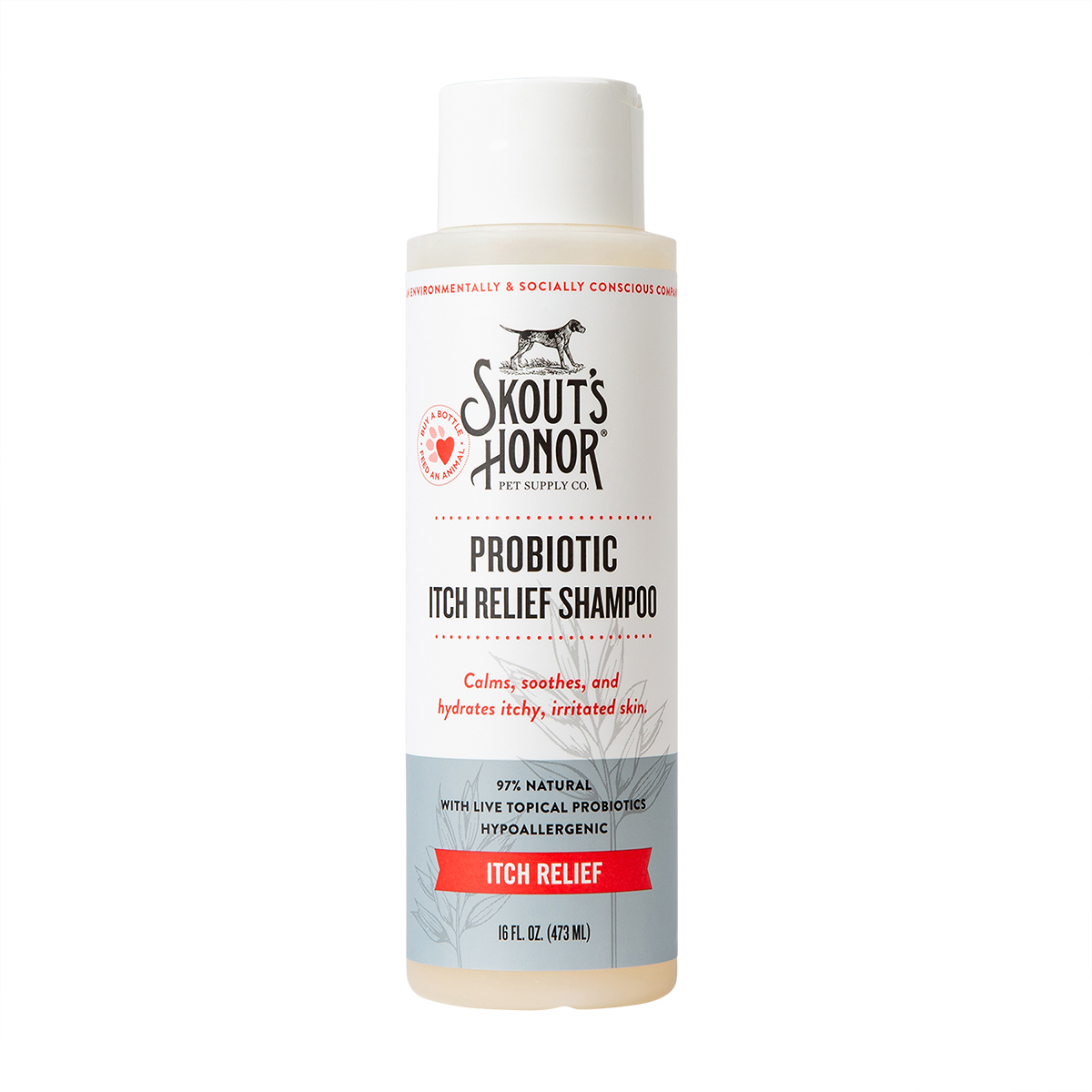


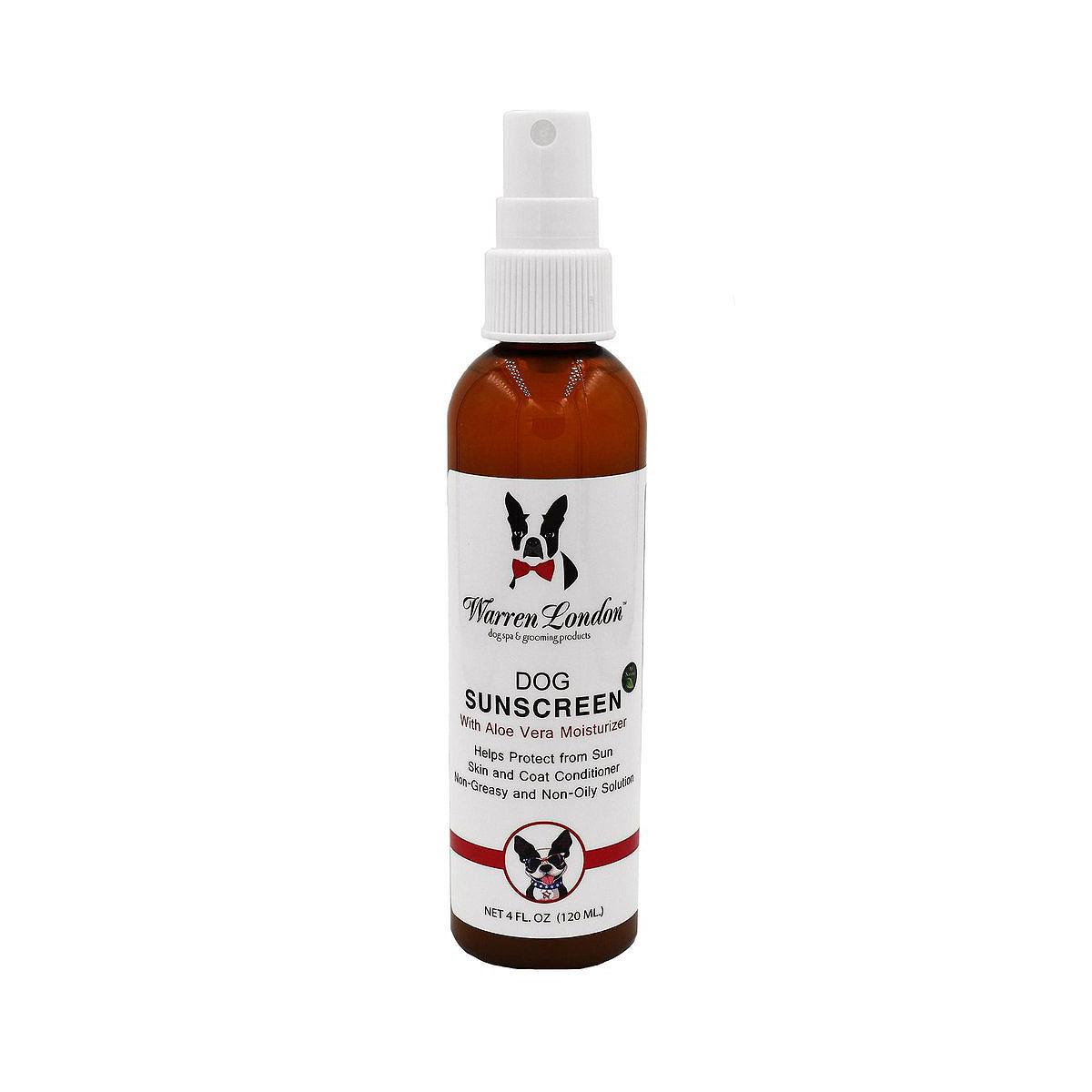


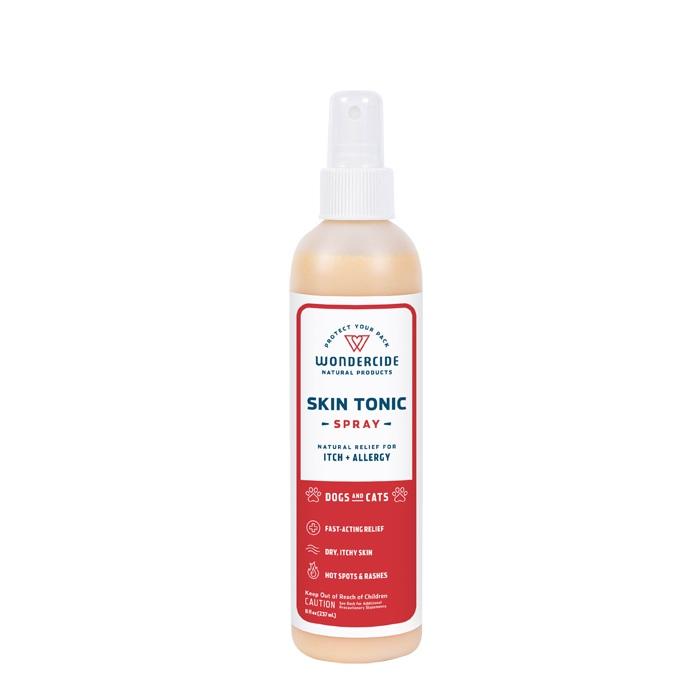


Soothing an Itchy Skin Dog at Home
If the irritation is mild and the skin is not broken, there are several steps you can take at home to provide immediate comfort. High-quality grooming products and supplements are excellent tools for managing daily wellness. Explore our dog allergy and skin-care selection for products related to itchy skin.
The Benefits of Colloidal Oatmeal
Oatmeal has been used for centuries to calm inflamed skin. When ground into a fine powder and suspended in liquid, it becomes colloidal oatmeal. This ingredient creates a protective barrier on the skin and helps lock in moisture. We carry a wide selection of oatmeal shampoos from brands like Earthbath and Zesty Paws, including earthbath® Oatmeal & Aloe Shampoo - Fragrance Free.
Step 1: Prepare the bath. / Use lukewarm water, as hot water can further irritate the skin and increase redness.
Step 2: Apply the shampoo. / Work the lather deep into the coat, focusing on the belly, paws, and underarms where itching is often most severe.
Step 3: Allow for contact time. / Let the oatmeal sit on the skin for at least five to ten minutes to allow the anti-inflammatory properties to work.
Step 4: Rinse and dry. / Rinse thoroughly with cool water and pat the dog dry with a soft towel rather than rubbing vigorously.
For more shampoo tips, see our article on choosing a shampoo for sensitive dog skin.
Omega-3 Fatty Acids
Skin health starts from the inside. Omega-3 fatty acids, particularly EPA and DHA found in fish oil, help reduce inflammation throughout the body. Adding a supplement to your dog's daily meal can strengthen the skin barrier over time. This makes the skin less reactive to allergens and helps prevent the dryness that leads to flaking. Brands like Cosequin and Honest Paws offer fatty acid support that integrates easily into any diet.
Vet Tip: If your dog has open sores, a foul odor, or patches of oozing skin, skip the home remedies and call your veterinarian. These are signs of a secondary infection that requires professional diagnosis and treatment.
Managing the Environment and Lifestyle
Relief for an itchy skin dog often requires making small changes to your daily routine. Reducing the number of allergens your dog brings into the home can significantly lower their "itch threshold."
Post-Walk Cleanups
Every time your dog goes outside, they collect pollen, dust, and grass on their paws and fur. Wiping them down when they come inside can prevent these triggers from being tracked onto their bedding or your furniture. Use fragrance-free pet wipes or a damp cloth to clean between the toes and under the tail.
Laundry and Vacuuming
If your dog has a dust mite or mold allergy, their sleeping area is a primary source of irritation. Wash all pet bedding, blankets, and plush toys once a week in hot water with a fragrance-free detergent. Vacuuming frequently with a HEPA-filter vacuum can also help remove dander and outdoor allergens that have settled into the carpet.
Grooming for Success
Regular brushing is essential for more than just looking good. It removes dead hair and skin cells that can trap moisture and bacteria against the skin. For dogs with thick double coats, removing the undercoat allows the skin to breathe and stay cool. We recommend using high-quality brushes from RC Pets or Kong to keep the coat clear of debris. Browse our dog grooming supplies for grooming tools and care products.
- Wash bedding in 130-degree water to kill dust mites.
- Keep your dog's claws trimmed short to prevent them from breaking the skin when they scratch.
- Avoid using heavy perfumes or scented candles near your dog's resting areas.
- Use a humidifier in the winter to prevent the air from drying out your dog's coat.
Bottom line: Controlling the environment is a long-term strategy that reduces the overall burden on your dog’s immune system.
The Role of Specialized Nutrition
When topical treatments and environmental changes are not enough, it is time to look at the bowl. Nutrition is a cornerstone of skin health. Many owners find that switching to a specialized diet makes a difference in their dog's comfort levels.
Limited Ingredient Diets
If you suspect a food sensitivity, a limited ingredient diet can help. These formulas use a single protein source and a single carbohydrate source that your dog has likely never had before, such as venison or potato. Brands like The Honest Kitchen and Stella and Chewy's offer options that avoid common fillers like corn, wheat, and soy.
Prescription Diets and the Pharmacy
In some cases, a standard over-the-counter food is not enough. Dogs with severe atopic dermatitis or confirmed food allergies may require a hydrolyzed protein diet. In these foods, the protein molecules are broken down into sizes so small that the immune system does not recognize them as a threat.
Our pharmacy carries a variety of prescription pet foods through our partnership with Pet's Choice. If your veterinarian recommends a specific medical diet like Farmina Vet Life, you can manage those needs through our pet pharmacy. Pet's Choice fulfils prescriptions; BaxterBoo itself is not the licensed pharmacy.
Transitioning Foods Safely
Never switch your dog's food abruptly, especially when they are already dealing with skin issues. A sudden change can cause digestive upset, which adds more stress to an already taxed system. For food choices and transition ideas, read our article about sensitive-skin dog food.
Step 1: Start slow. / Mix 25 percent of the new food with 75 percent of the old food for the first three days.
Step 2: Observe. / Watch for any signs of worsening itch or loose stools.
Step 3: Increase the ratio. / Move to a 50/50 mix for the next three days, then a 75/25 mix.
Step 4: Complete the transition. / By day ten, your dog should be eating 100 percent of the new formula.
Vet Tip: When conducting a food trial, your dog must not eat anything else. This includes treats, table scraps, and flavored medications. Even one small piece of the "wrong" protein can reset the clock on an eight-week trial.
Professional Treatment and Medications
Sometimes, an itchy skin dog needs more than just a bath and a diet change. When the itching is intense enough to cause self-mutilation or keeps the family awake at night, medical intervention is necessary.
Parasite Prevention
Flea and tick prevention is non-negotiable for an itchy dog. Even if you are certain your house is clean, a single flea brought in on a visitor's clothing or a stray cat in the yard can cause a flare-up. We offer a full range of preventives, including NexGard and Frontline. Browse our flea and tick collection for available prevention products. Our pharmacy section, fulfilled by Pet's Choice, is another option for medications your veterinarian prescribes.
Prescription Anti-Itch Medications
Veterinarians now have access to highly targeted medications that stop the itch signal at its source. Drugs like Apoquel or injectable therapies like Cytopoint have changed how we manage chronic allergies. These are not cures, but they allow the skin to heal by stopping the constant trauma of scratching. These medications must be prescribed by a veterinarian who has examined your pet.
Treating Secondary Infections
If your dog has developed a yeast or bacterial infection, they may need antibiotics or antifungal medication. These are often paired with medicated shampoos that contain chlorhexidine or ketoconazole. These ingredients kill the microorganisms that contribute to the "doggy smell" and the greasy feel of infected skin.
Key Takeaway: Prescription medications and professional parasite prevention provide the "reset" many dogs need so that long-term nutritional and topical strategies can actually work.
Long-term Support and Savings
Managing a dog with chronic skin issues can be a long journey. We believe that caring for your pet should be both effective and affordable. Our warehouse superstore in Vernon Hills, Illinois, is stocked with over 500 trusted brands to ensure you have access to the products your dog needs.
Autoship and Rewards
For items you use every month, such as flea preventives, supplements, and specialized food, our Autoship program is a practical solution. It ensures you never run out of the supplies that keep your dog comfortable. Plus, it grants you a free MVP Gold membership. You can also earn up to 5 percent back through our MVP Rewards program, which helps offset the costs of long-term care.
The Hybrid Advantage
BaxterBoo is unique because we combine the convenience of an online store with the reliability of a physical warehouse. Whether you are ordering for home delivery or picking up in person, you are getting products handpicked by people who genuinely care about pets. We have been operating since 2006, and our 4.9-star Google rating reflects our commitment to providing value without compromising on quality.
Vet Tip: Keep a "skin diary" to track when your dog’s itching is worst. Note the weather, what they ate, and any new products in the home. This information is invaluable for your veterinarian during an allergy consultation.
Conclusion
Caring for an itchy skin dog requires patience, consistency, and the right tools. By addressing the environment, providing high-quality nutrition, and working with your veterinarian for medical needs, you can restore your dog’s comfort. From soothing oatmeal shampoos to advanced prescription diets available through our pharmacy, we are here to support every step of the process.
- Maintain strict flea and tick prevention year-round for all pets in the house.
- Bathe with pH-balanced, soothing shampoos to remove allergens and hydrate the skin.
- Support the skin barrier from the inside with Omega-3 fatty acid supplements.
- Consult your veterinarian if you see signs of infection or if the itching is severe.
Bottom line: Effective itch management combines immediate topical relief with long-term internal health and environmental control. For ongoing needs like supplements and preventives, consider setting up an Autoship order to stay consistent and save on every delivery.
FAQ
What is the fastest way to stop a dog from itching?
The fastest temporary relief is usually a cool bath with a colloidal oatmeal shampoo, which calms inflammation on contact. For long-term speed, professional medications like Apoquel or Cytopoint can stop the itch sensation within hours. You should always consult your veterinarian for a proper diagnosis before starting a medical treatment plan.
Can I give my dog human Benadryl for skin allergies?
While some veterinarians suggest antihistamines like Benadryl for mild allergies, they are often not effective for intense itching once a flare-up has started. It is vital to get a specific dose and approval from your vet, as some human formulations contain xylitol or decongestants that are toxic to dogs. Never self-medicate your pet without professional guidance.
Why is my dog itchy even though I don't see any fleas?
Dogs with flea allergy dermatitis are sensitive to the saliva, not the bug itself, so a single bite from a flea that then jumps off can cause days of itching. Other causes include environmental triggers like dust mites and pollen or food sensitivities. A thorough veterinary exam can help rule out microscopic parasites like mites that are also invisible to the naked eye.
How often should I bathe a dog with itchy skin?
For most dogs with allergies, a bath once a week with a soap-free, soothing shampoo is helpful for removing allergens from the coat. However, over-bathing can strip natural oils and make dry skin worse. If the skin is infected, your vet may prescribe a medicated wash to be used twice weekly until the condition clears.






- Site & Contents BaxterBoo.com. BaxterBoo is located in the United States.
- Privacy & Security
- Terms of Use
- Accessibility Statement
