Save 15% on your 1st Autoship learn more

 Email us
 Live Chat
 FAQs
FAQs





What Are Premium Dog Food Attributes?
Premium Dog Food Attributes are the specific qualities that make a dog food genuinely better for your pet's health — not just more expensive or better marketed.
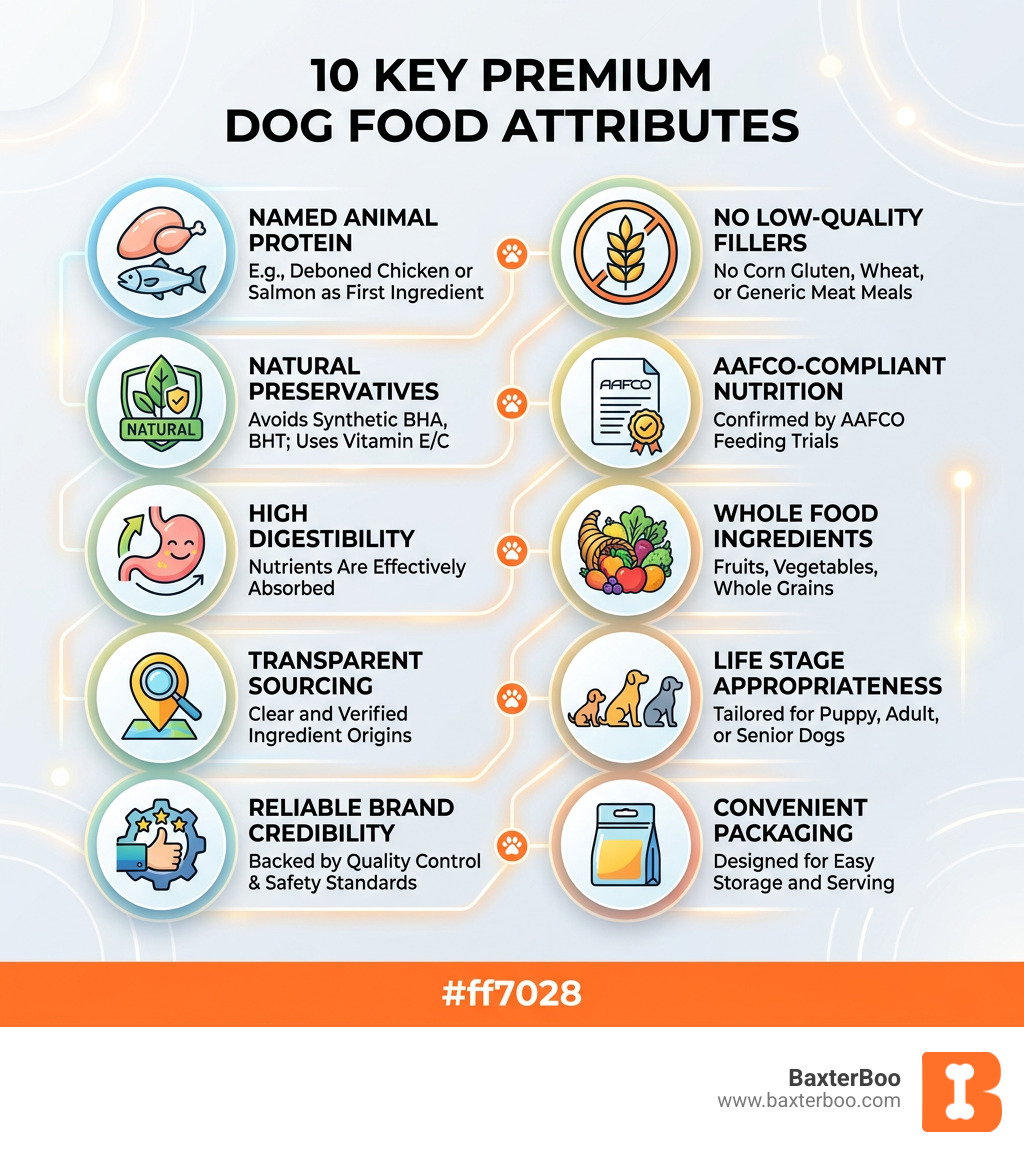
Here's a quick look at the 10 key attributes to know:
- Named animal protein as the first ingredient (e.g., deboned chicken, salmon)
- No low-quality fillers like corn gluten, wheat, or generic "meat meal"
- Natural preservatives instead of synthetic BHA or BHT
- AAFCO-compliant nutrition confirmed by feeding trials
- High digestibility so nutrients are actually absorbed
- Whole food ingredients — fruits, vegetables, and whole grains
- Transparent sourcing with clear ingredient origins
- Life stage appropriateness for puppies, adults, or seniors
- Reliable brand credibility backed by quality control and safety standards
- Convenient packaging designed for easy storage and serving
Choosing the right food for your dog matters more than most people realize. A veteran veterinarian with over 50 years of experience noted that dogs on poor diets often show dull coats, low energy, and poor muscle tone — while dogs on well-balanced diets show the opposite. The difference is visible, and it starts in the bowl.
But here's the problem: the word "premium" on a dog food label means almost nothing legally. It's an unregulated marketing term. Brands can — and do — use it freely, regardless of actual ingredient quality.
The global pet food market was valued at $235 billion in 2022 and is growing fast. As more pet parents treat their dogs like family members, demand for genuinely better nutrition has exploded. And so has the marketing hype designed to exploit that demand.
This guide cuts through the noise. Below, you'll find exactly what separates real premium quality from clever packaging — and how to spot the difference every time you shop.
Defining Genuine Premium Dog Food Attributes
When we talk about what truly makes a dog food "premium," we have to look past the shiny gold foil and the artisanal font on the bag. Real Premium Dog Food Attributes are rooted in three pillars: transparency, natural sourcing, and high digestibility.
Transparency means the manufacturer isn't hiding behind vague terms like "animal fat" or "poultry meal." Natural sourcing involves using ingredients that are as close to their original state as possible, avoiding heavy chemical processing. Finally, digestibility is the ultimate "truth teller." If a dog food is high quality, your dog’s body will actually absorb the nutrients rather than letting them pass through as waste. In fact, a veterinarian-led study suggests that high-quality diets result in smaller, firmer, and less frequent stools because the body is actually utilizing the fuel you’re providing.
However, the industry often relies on a "pricing bias." Research into consumer behavior shows that humans often perceive more expensive items as being higher quality, even if the contents are identical to a cheaper version. This is known as "premiumization," a term originally coined by the alcohol industry to sell slightly better-tasting spirits at much higher margins. In the pet world, this can lead to a $60 bag of food jumping to $90 just by adding a tiny sprinkle of freeze-dried meat.
Reliability and Convenience in Premium Dog Food Attributes
While we often focus on the science of the kibble, the scientific research on pet food selection attributes reveals that reliability and convenience are actually the strongest drivers of long-term customer satisfaction and loyalty.
Reliability involves brand credibility and origin disclosure. We want to know exactly where the ingredients are coming from—ideally from regions with strict safety standards like North America or Europe. Convenience is equally vital; premium food should come in packaging that is easy to store, resealable to maintain freshness, and designed for easy serving. A great example of a brand that balances these needs is Zignature Limited Ingredient Small Bites Dry Dog Food Lamb with Probiotics, which offers a clear, limited-ingredient list in a format that's easy for small dogs to eat and owners to manage.
Spotting Misleading Premium Pricing Tactics
It is crucial for us to be savvy shoppers because some "premium" claims are more about the "kibble plus" strategy than actual nutrition. This tactic involves taking standard kibble and adding less than 5% of a trendy ingredient—like freeze-dried raw bits or a specific "superfood"—to justify a massive price hike.
Research shows that while these inclusions look great to the human eye, they often constitute such a small percentage of the total weight that they have a negligible impact on your dog's health. To see better results, experts suggest that at least 20% of the diet should consist of these fresh or raw additions. Don't be fooled by luxury packaging that rivals high-end cosmetics; instead, look for the latest research on premium pet food myths to understand what you are truly paying for.
Ingredient Quality: The Foundation of Premium Formulas
The most important of all Premium Dog Food Attributes is the quality of the ingredients. A premium formula should be built around named animal proteins—think "deboned chicken" or "wild-caught salmon" rather than generic "meat."
Beyond protein, high-quality formulas utilize whole grains like brown rice or oatmeal, or grain-free alternatives like sweet potatoes and peas. These provide necessary fiber and energy without the "empty calories" found in cheap fillers. For growing pups, a product like Petcurean Now Fresh Grain Free Puppy Dry Dog Food exemplifies this by using fresh meats and omega-rich oils to support brain and heart development.
Identifying High-Quality Ingredients and Premium Dog Food Attributes
How do you identify these quality markers at a glance? First, the first ingredient must be a real meat or a concentrated meat meal. Meat meals are actually very beneficial in premium food because they are rendered and dried, providing a much higher protein concentration than "whole" meat, which is about 70% water and shrinks during cooking.
Avoid generic by-products, which can include non-prime parts like beaks and feathers. Instead, look for natural preservatives. Premium brands use "mixed tocopherols" (a form of Vitamin E) or citric acid to keep food fresh, rather than synthetic chemicals like BHA or BHT, which have been linked to health concerns in some studies. Brands like Lotus Oven Baked Good Grains Dry Dog Food Chicken take this a step further by oven-baking their kibble, a gentler process that helps preserve the natural integrity of these high-quality ingredients.
How to Read and Decode Pet Food Labels
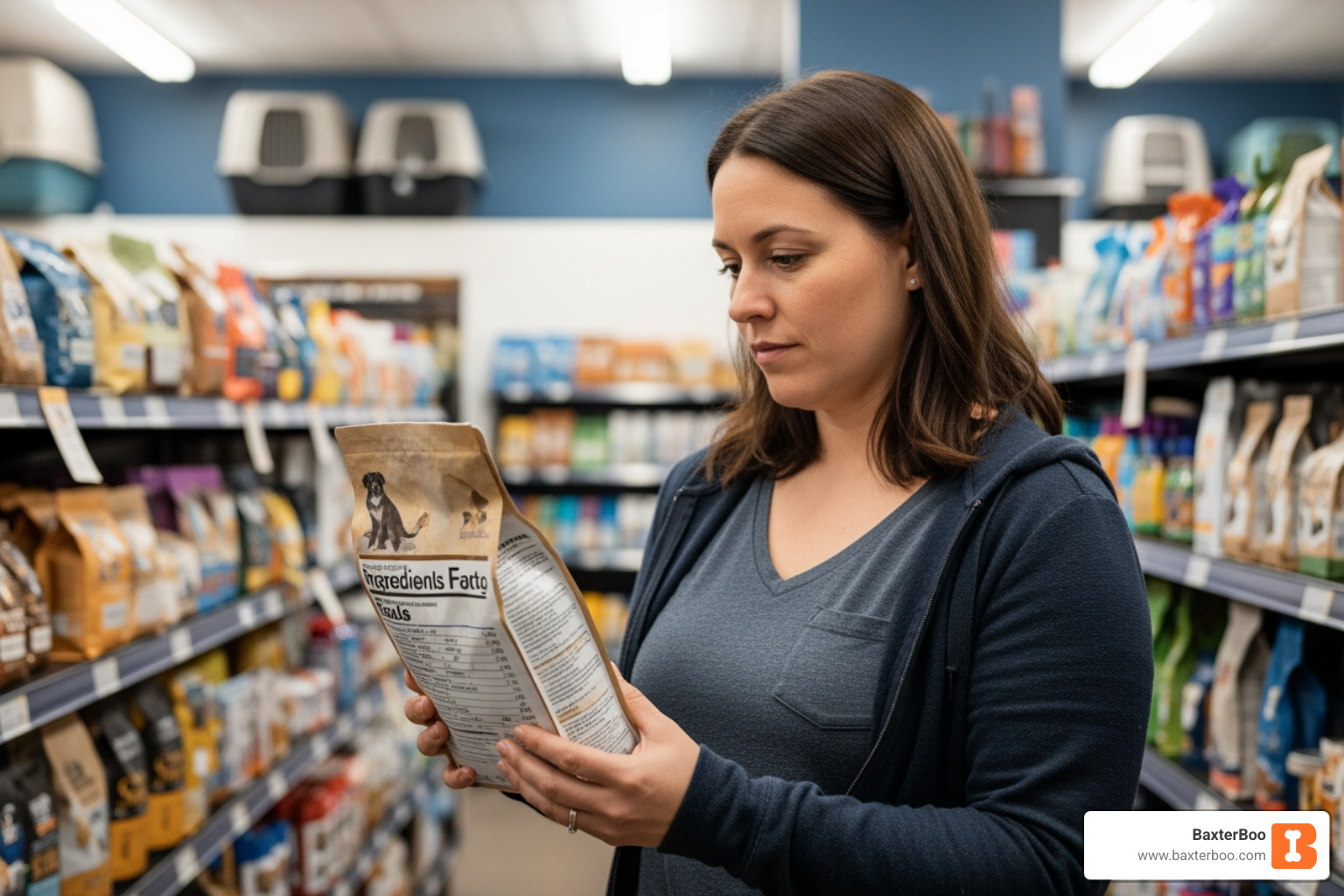
Reading a pet food label is like being a detective. Ingredients are listed by their pre-processing weight. This is a common trick: a manufacturer might list "chicken" as the first ingredient, but since chicken is mostly water, it might actually fall much further down the list once it's cooked into dry kibble.
Watch out for "ingredient splitting." This is when a manufacturer breaks down a single filler—like corn—into "corn meal," "corn gluten," and "ground corn" so that each individual item appears further down the list, making the meat appear more prominent than it actually is. For a deep dive into these nuances, check out a comprehensive pet food ingredient and label guide to ensure you aren't being misled by clever formatting.
Nutritional Standards and Scientific Validation
A label can say anything, but scientific validation is what provides peace of mind. The gold standard in the United States is the AAFCO nutritional standards. AAFCO (Association of American Feed Control Officials) sets the guidelines for what constitutes "complete and balanced" nutrition.
However, there are two ways to meet these standards: by "formulation" or by "feeding trials." Formulation means the recipe looks good on paper (or in a computer model). Feeding trials mean the food was actually fed to real dogs in a controlled environment to ensure they thrived. Feeding trials are the superior indicator of quality. For dogs needing specific caloric control, Nutrisource Weight Management Chicken Chicken Meal Recipe Dry Dog Food is a great example of a scientifically formulated diet designed to meet nutritional needs while managing a dog's waistline.
Tailoring Nutrition to Age, Breed, and Health Needs
One size does not fit all in canine nutrition. A Great Dane puppy has vastly different calcium and phosphorus needs than a senior Chihuahua. Truly premium brands offer life-stage formulas that cater to these specific requirements.
Furthermore, therapeutic or "functional" diets address specific health concerns. For example, Farmina Vet Life Canine Urinary St Control Dry Dog Food Chicken 264lb is specifically designed to help manage urinary issues through controlled mineral levels. Similarly, senior dogs often need smaller, easier-to-chew kibble with joint support, such as Lotus Oven Baked Small Bite Good Grains Senior Dog Food Chicken.
Health Benefits and Visible Results
When you switch to a diet rich in Premium Dog Food Attributes, you shouldn't just take the manufacturer's word for it—you should see the results. Within 6 to 8 weeks, the nutrients are fully integrated into your dog's cells, leading to visible changes.
| Attribute | Premium Dog Food | Regular/Economy Dog Food |
|---|---|---|
| Primary Protein | Named meat or meat meal | Generic "meat" or by-products |
| Fillers | Minimal; whole grains/veggies | High; corn, wheat, soy |
| Digestibility | High (>82% for fresh/premium) | Lower; more waste/filler |
| Preservatives | Natural (Tocopherols) | Synthetic (BHA/BHT) |
| Stool Quality | Small, firm, infrequent | Large, soft, frequent |
The scientific research on fresh food digestibility and longevity is particularly compelling. One study found that dogs fed a high-quality fresh diet lived an average of 13.1 years, compared to 10.4 years for those on standard canned food. That is an extra 2.5 years of life simply by upgrading the quality of the bowl!
Long-term Vitality and Disease Prevention
Beyond just looking good, premium nutrition works on the inside to prevent disease. High-quality fats like Omega-3 and Omega-6 fatty acids reduce systemic inflammation, which is a major contributor to arthritis and heart disease.
For dogs struggling with itchy skin or dull fur, Petcurean Go Solutions Skin Plus Coat Care Dry Dog Food Salmon Recipe provides the concentrated fatty acids needed to restore skin health. By investing in premium food now, we are often saving money on future veterinary visits for obesity-related issues, allergies, and chronic digestive upsets.
Conclusion
At BaxterBoo, we believe that pet wellness is a journey that starts with the very first bite. Our commitment to expert curation means we don't just stock every bag of food on the market; we select products that meet the high standards of Premium Dog Food Attributes we've discussed today.
Whether you visit us online or at our storefront in Vernon Hills, IL, you'll find a team dedicated to helping you navigate the complex world of pet nutrition. From organic options to vet-approved therapeutic diets, our goal is to provide the quality assurance your best friend deserves.
Frequently Asked Questions about Premium Dog Food Attributes
What truly defines premium dog food beyond the price tag? Genuine premium food is defined by ingredient transparency, the use of named animal proteins, natural preservatives, and high digestibility. It is about the nutritional density and the biological appropriateness of the ingredients, not just a luxury marketing image.
How do I read a label to find premium dog food attributes? Look at the first three to five ingredients. A named meat or meat meal should be at the very top. Check for "mixed tocopherols" instead of BHA/BHT, and ensure there is an AAFCO statement on the bag. Be wary of "ingredient splitting" where fillers are broken down into multiple smaller categories.
Are grain-free options always considered premium? Not necessarily. While grain-free is great for dogs with specific allergies, many dogs thrive on whole grains like brown rice. The "premium" label comes from the quality of the ingredients used to replace the grains. Look for whole vegetables and legumes rather than high-starch fillers.
Ready to see the difference for yourself? Shop Fresh Dog Food and give your pup the nutrition they need to thrive.