
 Save 15% on your 1st Autoship learn more

 Email us
 Live Chat
 FAQs
FAQs





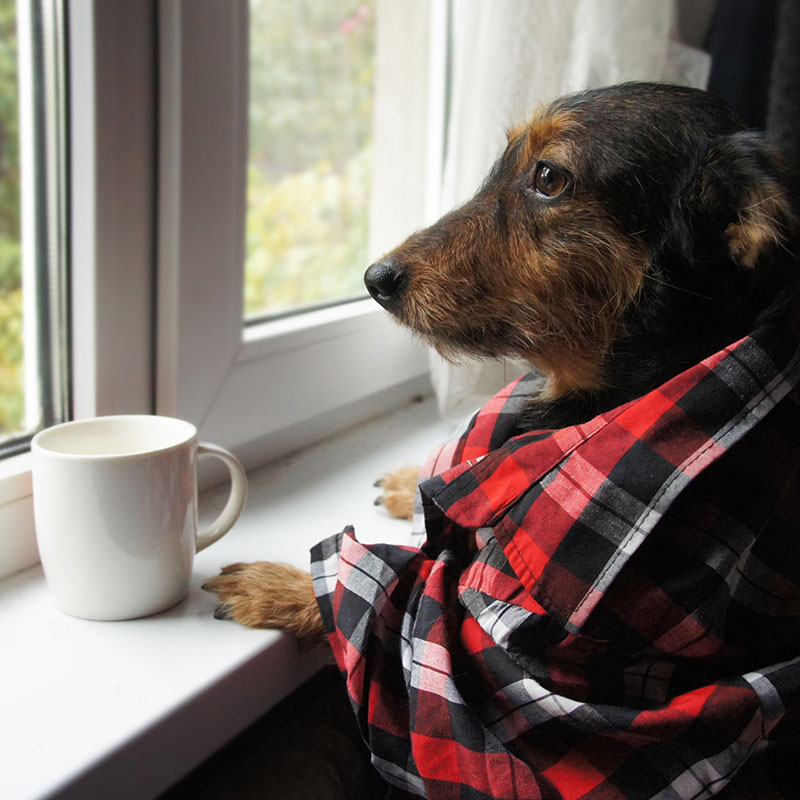
Winter can be a magical time of year for some people, and your dog may enjoy it, too. However, just as winter can cause sickness in humans, dogs can become sick in the winter if they are not taken care of properly. Following a list of winter health tips for dogs can help you keep your dog safe, healthy and happy even if the temperatures reach below zero where you live. Let’s take a look at some pieces of advice to protect your dog this winter.
-
Bundle Up
Some dogs are made for colder weather and love spending time outside. Other dog breeds are not suited for cold temperatures and can become sick easily during the winter. If you have a dog that is susceptible to cold, make sure you bundle them up in a warm dog jacket that protects them from neck to tail and keeps them warm. This way, they can play outside or go for walks without being too cold and at risk for hypothermia or frostbite.
If you’re cold outside, there’s a good chance your dog is cold, too. Keep that in mind if you are thinking of planning any outdoor winter activities to do with your dog and be prepared to keep your dog warm no matter what adventures you get up to.
-
Protect Their Paws
A dog’s paws can be extremely sensitive to temperatures. That’s why you need to pay extra attention to how their paws are doing in the winter. A precaution you can take against cracked or bleeding paws is to have your dog wear winter boots or shoes . These boots can keep your dog’s paws covered and protected from the ice or cold pathways during your time outside.
If you’re going on winter hikes, it is not only recommended but highly suggested that you have dog boots. Overexposure to cold temperatures on their feet can also cause frostbite and hypothermia, which is why boots are so important if you live where the temperatures are frigid.
-
Keep Them Warm
Warmth is an important factor for your dog’s health during winter. The cold can negatively impact your dog and lead to them getting sick, which makes for a miserable pet and a sad human. To help prevent this from happening, make sure they are warm enough when outside and warm enough inside, too.
Often, dogs will curl up next to heaters in search of warmth when they are cold. If your dog does this, make sure the heater has a cover over it to prevent your dog from being burned. The main point is to keep your dog warm no matter where they are, so that you can avoid any potential risks of hypothermia or frostbite.
-
Limit Outside Time
Most dogs enjoy spending time frolicking outside. However, this can negatively impact your dog’s health during winter, especially if they are a not a cold-weather breed. If this is the case, you should limit the time your dog spends outdoors and be sure they are warm enough when they are outside. You can do this by making sure they wear a protective jacket and have a heat source to go to once done outside, such as a warm home.
If you do spend time out in the cold, try to do so when the sun is out. This may not be possible where you live, but if you have sun during winter this is the best time to take your dog outside. Even if you do have sunshine in winter, you should still limit the amount of time your dog spends outside, as the weather is still cold.
-
Take Care of Their Paws
The roads and sidewalks in winter can be dangerous to your dog’s health, which is why you should take extra precautions when it’s cold outside. In general, your dog’s paws are extremely important to take care of in winter and there are several ways to do this beyond having them wear boots when going outside. For example, if your dog has furry feet, you should trim the fur to help prevent ice from building up between the pads, which can hurt your dog’s sensitive feet. You should also use a dog-safe ice melting product to de-ice your driveway and walkway without harming your dog’s paws.
Wiping your dog’s paws after going outside to remove any snow, water or salt that may be stuck to them is also important for your dog’s winter health. You may also want to use a salve to keep them moisturized and healthy, such as dog paw wax protection or dog paw balm . All of these tips work in tandem to prevent your dog’s paws from becoming cracked or otherwise harmed when it’s cold outside, as well as keeping them healthy.
-
Provide Cozy Bedding
One thing you’ll want to do to keep your pet healthy this winter is to make sure they have warm bedding. If your dog prefers to make a nest out of blankets, provide them with blankets that trap in heat, such as fleece or thermal blankets. Or, if they sleep in a dog bed, you may want to consider placing the bed on a platform so it doesn’t sit on the cold floor. There are even heated pads that can help keep your dog warm whether they are in a kennel, their bed or on the floor. These are especially good for dogs with arthritis or other joint problems that may be aggravated by cold weather.
Keep Your Dog Healthy This Winter
Your dog’s health in the winter is extremely important to pay attention to and it’s up to you to take the necessary precautions to keep them safe, healthy and happy no matter what the weather is like outside. The tips above are meant to give you an idea of the preventative measures you can take for your dog’s winter health. No matter where you live, be sure to use the appropriate methods for your specific weather conditions and your dog’s breed, regardless of how many outdoor or indoor activities you do.






