
 Save 15% on your 1st Autoship learn more

 Email us
 Live Chat
 FAQs
FAQs





Why Pet Medications Matter for Your Furry Family Member
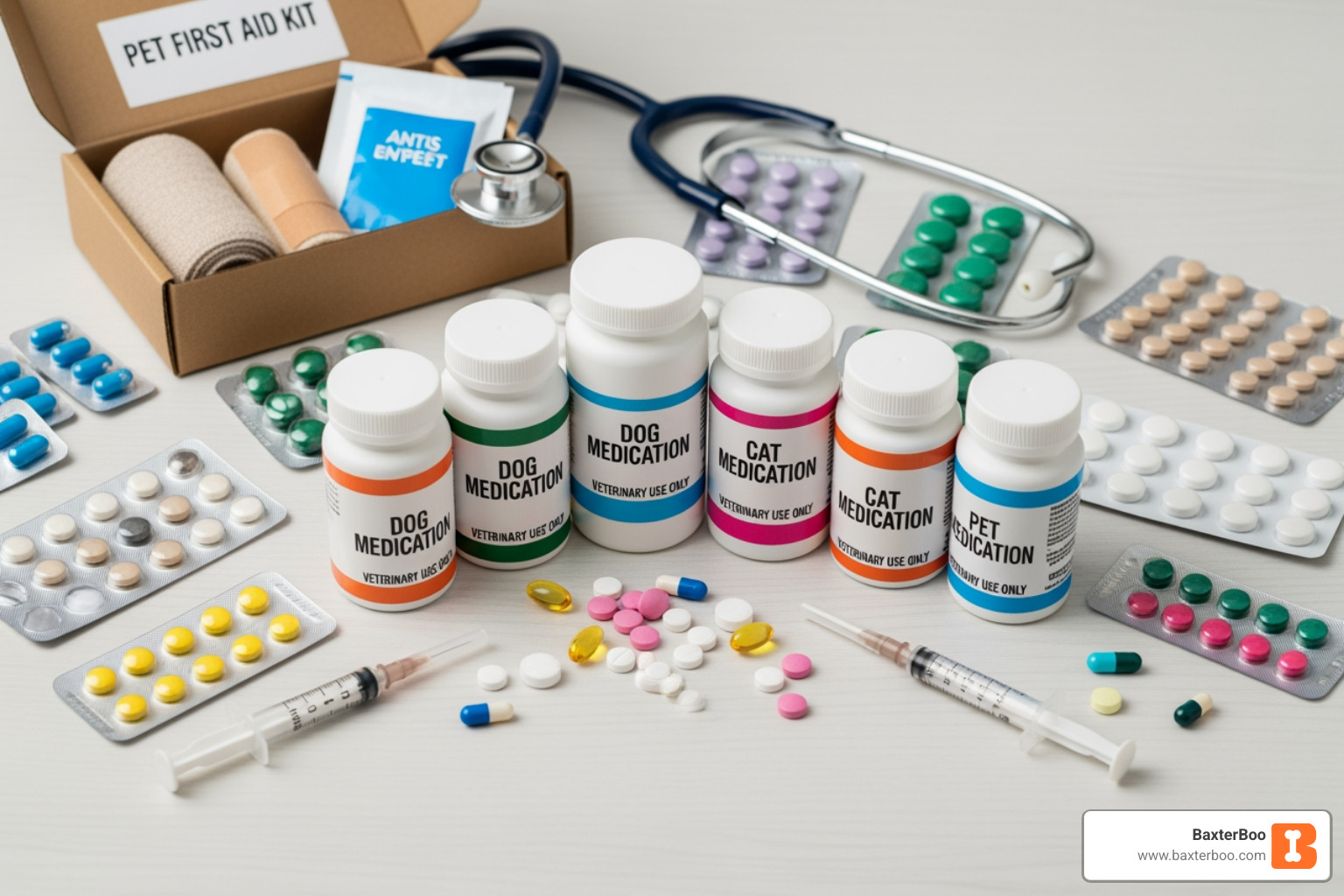
Pet medications are essential treatments prescribed by veterinarians to prevent, manage, or cure health conditions in dogs, cats, and other companion animals. These medications range from parasite preventatives and antibiotics to treatments for chronic conditions like diabetes, heart disease, and arthritis.
Quick Overview: What You Need to Know About Pet Medications
- Most Common Types: Flea/tick preventatives, heartworm medication, pain relievers, antibiotics, and treatments for chronic conditions
- Where to Get Them: Through your veterinarian, online pet pharmacies, retail pharmacies, or pet supply stores like BaxterBoo
- Prescription Required: Most medications need an active prescription from a licensed veterinarian
- Cost Range: Varies widely based on medication type, with potential savings of 10-50% through discount programs
- Safety First: Never give human medications to pets without veterinary approval—many are toxic to animals
The U.S. pet medication market is projected to reach $15.2 billion by 2027, reflecting the growing commitment pet owners have to their animals' health. With approximately 80% of pet owners considering their pets family members, access to quality, affordable medications has become increasingly important.
When your pet needs medication, understanding your options helps you make informed decisions. Whether you're dealing with a short-term infection or managing a chronic condition, knowing how to obtain, administer, and store medications safely ensures your pet gets the best possible care.
This guide walks you through everything you need to know—from common medication types and the prescription process to finding the best value while ensuring safety and quality.
Understanding Common Pet Medications and Conditions
Just like us, our pets can face a variety of health challenges that require medical intervention. Thanks to advancements in veterinary medicine, there's a wide array of pet medications available today to help our furry friends live healthier, happier lives. These range from routine parasite prevention to complex treatments for chronic diseases. The demand for prescription pet medications has been steadily increasing, driven by these advancements and a greater focus on pet health.
We'll explore some of the most common types of pet medications and the conditions they treat, understanding that different forms—like chewable tablets, topical solutions, and liquids—offer flexibility for pet owners.
Parasite Prevention: Fleas, Ticks, and Heartworm
Parasites are a persistent threat to our pets' health, and prevention is always better than cure. Flea and tick prevention is one of the largest segments within the pet medication market, and for good reason! These pesky critters can cause itching, skin infections, and even transmit serious diseases. Heartworm prevention is another major category, with many owners opting for year-round protection against this potentially fatal disease.
We have several options for keeping parasites at bay:
- Flea and Tick Medications:
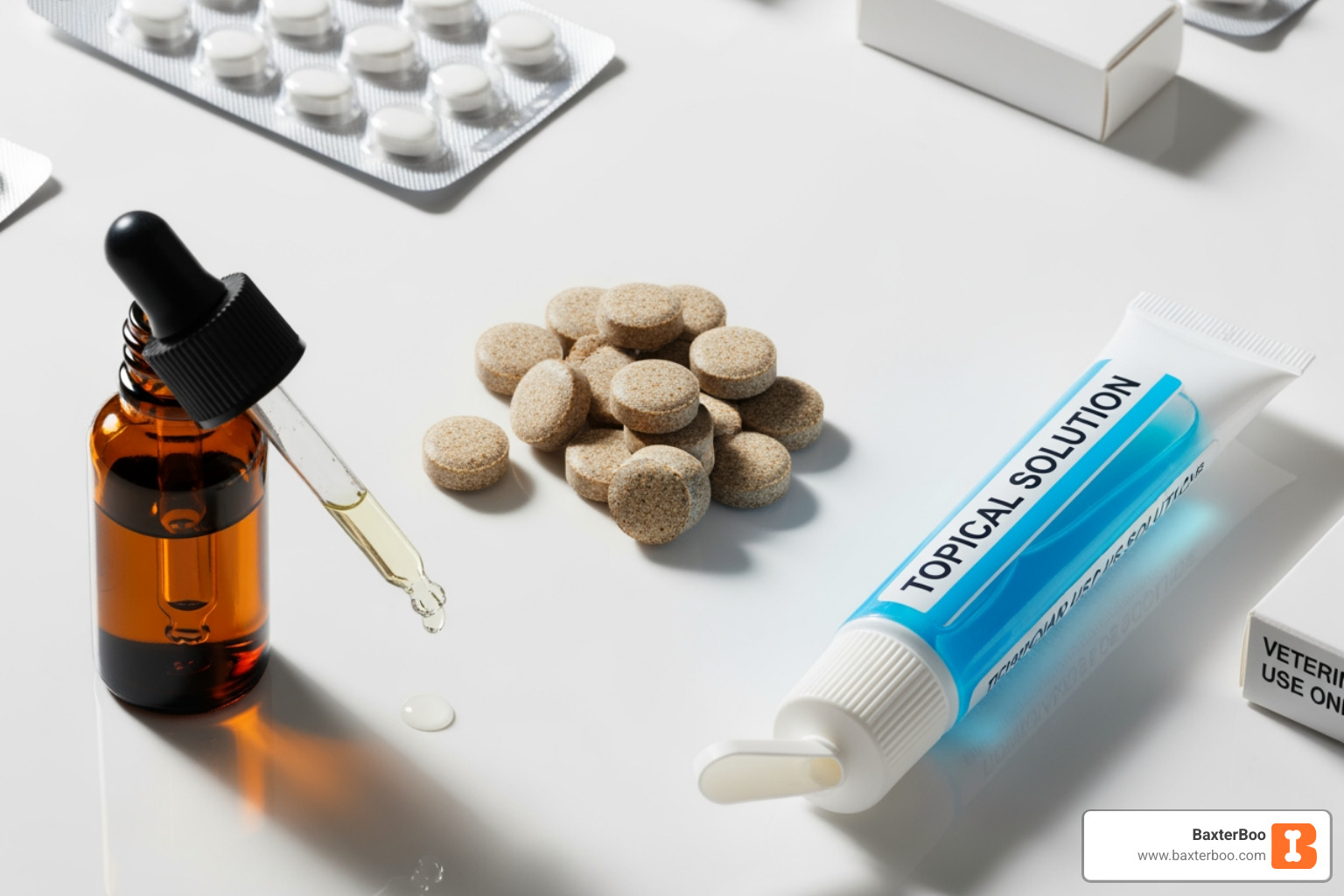
- Oral Chews: Many popular brands come as flavored chewable tablets that dogs and cats readily accept. These typically work systemically, killing fleas and ticks when they bite your pet.
- Topical Treatments: Applied directly to your pet's skin, usually between the shoulder blades, these solutions spread over the body to kill and repel parasites. These are a common option for cats.
- Medicated Collars: These collars release active ingredients that either repel or kill fleas and ticks over several months.
- Heartworm Preventatives: These are crucial, as heartworm disease is serious and expensive to treat. Many preventatives are given monthly and also protect against various intestinal worms.
- Key Differences: While all heartworm preventatives aim to kill heartworm larvae transmitted by mosquitoes, they often differ in their spectrum of additional parasite control (e.g., roundworms, hookworms, whipworms, tapeworms) and their active ingredients. Some are oral, some are topical, and some combine flea/tick prevention. Your veterinarian will recommend the best option based on your pet's lifestyle and local parasite risks.
For more detailed information on preventing and treating internal parasites, you can explore our resources on More info about dewormers.
Here's a list of common parasites targeted by preventatives:
- Fleas
- Ticks
- Heartworms
- Roundworms
- Hookworms
- Whipworms
- Tapeworms
- Ear mites (sometimes included in multi-parasite preventatives)
Pain and Inflammation Relief
Whether it's the aches of old age, recovery from an injury, or post-surgical discomfort, managing pain and inflammation is vital for our pets' quality of life.
- Arthritis Management: As pets age, arthritis is a common condition. Medications like Non-Steroidal Anti-Inflammatory Drugs (NSAIDs) such as carprofen and grapiprant are frequently prescribed to reduce pain and inflammation, improving mobility.
- Post-Surgery Recovery: After surgery, pain relief is critical for a comfortable and speedy recovery. Veterinarians often prescribe NSAIDs or other analgesics like Gabapentin or Tramadol to manage acute pain.
- Joint Supplements: Beyond prescription medications, supplements containing ingredients like glucosamine, chondroitin, and MSM can support joint health and complement medical treatments. We offer a range of options to support your pet's mobility, including More info about mobility supplements.
Anxiety and Behavioral Support
Our pets can experience stress and anxiety, just like us. Conditions like separation anxiety, noise phobias (think thunderstorms or fireworks), and travel stress can significantly impact their well-being. Thankfully, there are pet medications and strategies to help.
- Behavior Modification Support: Medications like Trazodone and Fluoxetine are often used in conjunction with behavior modification techniques to help pets cope with anxiety. Gabapentin can also be prescribed for situational anxiety or as a sedative.
- Calming Supplements: Many over-the-counter calming supplements contain natural ingredients like L-tryptophan, thiamine, or chamomile, which can help reduce mild anxiety.
- Environmental Enrichment: While not a medication, providing a stimulating and secure environment is crucial for managing behavioral issues. This includes appropriate toys, regular exercise, and a consistent routine.
Medications for Chronic Conditions and Infections
Many pets live long, happy lives with chronic conditions that require ongoing medical management. We also rely on pet medications to combat infections and manage allergies.
- Diabetes Management: Pets, especially cats and dogs, can develop diabetes, requiring daily insulin injections to regulate blood sugar levels.
- Thyroid Regulation: Hypothyroidism in dogs and hyperthyroidism in cats are common. Medications like levothyroxine for dogs and methimazole for cats help regulate thyroid hormone levels.
- Heart Conditions: Conditions like congestive heart failure are managed with medications such as pimobendan to improve heart function and Enalapril to help manage blood pressure and fluid retention.
- Kidney Health: Medications and specialized diets can help manage chronic kidney disease, slowing its progression and alleviating symptoms. Enalapril is also used for kidney conditions.
- Antibiotics: Used to treat bacterial infections, antibiotics are vital for conditions ranging from skin infections to urinary tract issues. It's crucial to always complete the full course of antibiotics as prescribed.
- Allergy Relief: Pets can suffer from environmental, food, or flea allergies. Prescription medications are available to help control itching and inflammation associated with allergic dermatitis. Antihistamines are also sometimes used, though with varying efficacy.
- Immune Support: For pets with compromised immune systems, veterinarians may prescribe medications or recommend supplements to bolster their natural defenses.
The Prescription Process: How to Get Your Pet's Medication
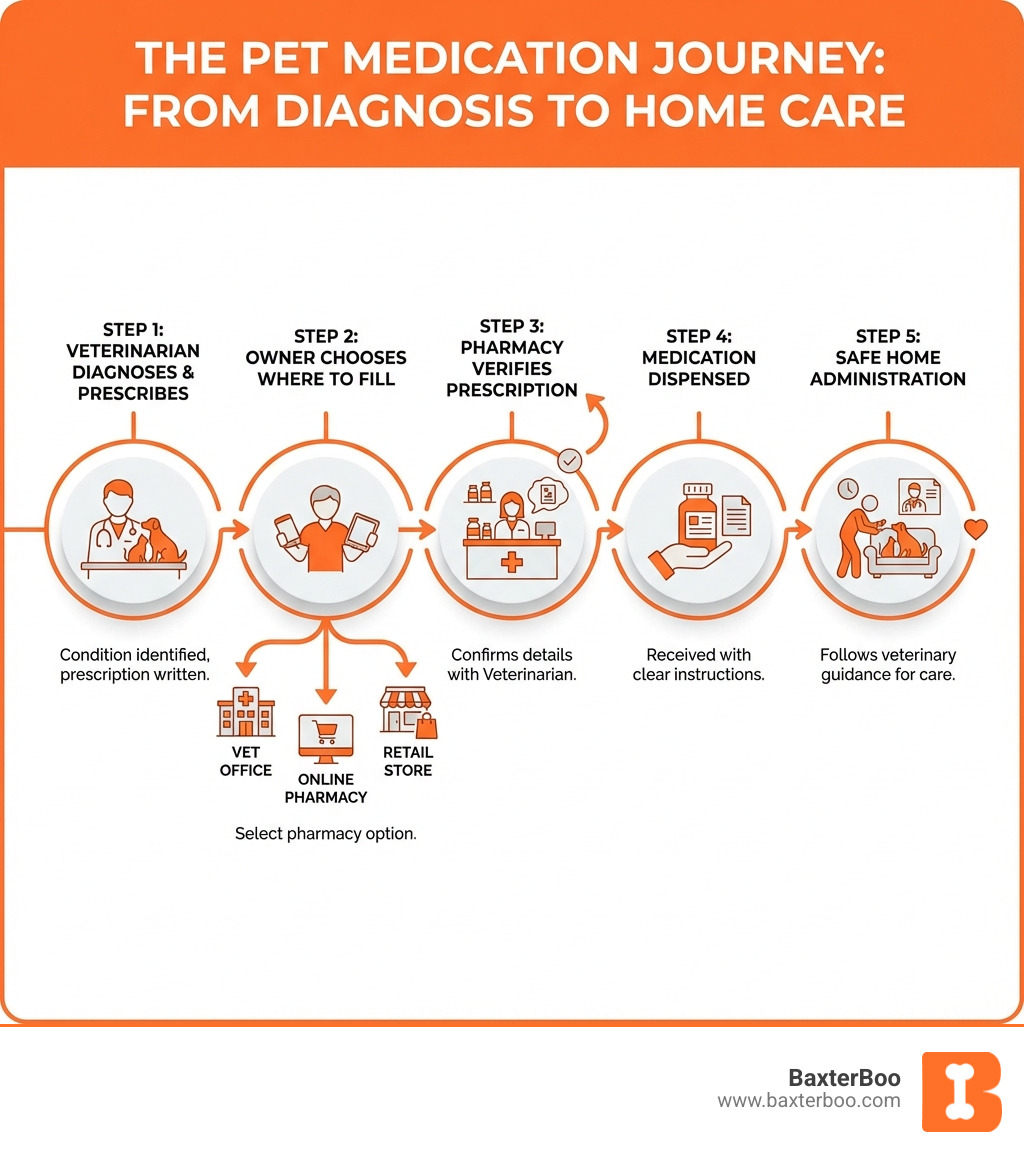
Obtaining pet medications, especially prescription ones, involves a clear process designed to ensure your pet's safety and well-being. It starts with your veterinarian and follows a path that ensures the right medication gets to the right pet.
The Essential Role of Your Veterinarian
Your veterinarian is the cornerstone of your pet's health. They provide the accurate diagnosis that dictates the necessary medication. They determine the proper dosage, frequency, and duration of treatment, all custom to your pet's specific needs, weight, and condition. Many drugs used in veterinary medicine are the same as those used in people, but dosages for pets can differ significantly—and even between dogs and cats, a drug safe for one species might be toxic to another. For instance, never use one pet's medication for another unless explicitly instructed by your vet.
Your veterinarian also monitors for potential side effects and drug interactions, adjusting the treatment plan as needed. For all prescription pet medications, a licensed veterinarian's authorization is legally required. This partnership with your vet is crucial for building a comprehensive health plan for your beloved companion. They weigh the advantages of a medication against its potential risks, always prioritizing your pet's health.
How to Get a Prescription for Pet Medications Online
The convenience of online shopping has extended to pet medications, making it easier for many pet owners to access what they need. The process for getting a prescription online is straightforward:
- Veterinarian Consultation: First and foremost, your pet must be examined by a licensed veterinarian who then diagnoses the condition and writes a prescription.
- Select Your Medication: Once you have a prescription, you can visit an online pet pharmacy or pet supply retailer that offers pet medications. We, for example, offer a wide range of vet-approved products.
- Provide Pet and Vet Information: During the checkout process, you'll be prompted to enter your pet's details (name, weight, age, medical conditions) and your veterinarian's contact information. This is legally required to ensure the medication is appropriate for your pet.
- Pharmacy Contacts Vet: The online pharmacy will then contact your veterinarian directly to verify the prescription. This step is critical for ensuring safety and legitimacy. Reputable online pharmacies will always require this verification.
- Prescription Approval and Shipping: Once your vet approves the prescription, the pharmacy will dispense the medication and ship it directly to your home. Some online retailers also offer autoship options and first-time order discounts, making recurring purchases even more convenient and affordable.
Understanding Prescription Refills and Renewals
For chronic conditions, your pet may be on long-term pet medications that require regular refills.
- Autoship Programs: Many online pharmacies offer autoship programs, which automatically send refills on a set schedule. This ensures your pet never misses a dose and can often come with additional discounts.
- Refill Authorization: Your veterinarian will specify the number of refills allowed on a prescription. Once these refills are used, a new prescription is needed.
- Required Rechecks: For many long-term pet medications, local, state, and federal laws may require periodic rechecks with your veterinarian. This allows your vet to monitor your pet's condition, assess the medication's effectiveness, and check for any potential side effects or the need for dosage adjustments. For instance, pets on insulin or thyroid medications often need regular blood tests to ensure proper dosing and prevent toxicity. Heartworm medication also requires regular testing for infection before administration.
Where to Buy Pet Medications: Online vs. In-Store
Choosing where to purchase your pet medications can impact both your wallet and your convenience. Pet owners are increasingly looking for convenient ways to purchase pet medications, including online options and subscription services. Let's explore the pros and cons of different purchasing avenues.
| Feature | Online Pet Supply Stores (like BaxterBoo) | Veterinarian's Office | Retail Pharmacies |
|---|---|---|---|
| Convenience | High (home delivery, 24/7 ordering) | Medium (during office hours) | Medium (store hours, pick-up) |
| Cost Savings | Often competitive, discounts, autoship | Can be higher, sometimes price-matched | Good, especially with member programs |
| Product Availability | Wide selection, specialized items | Limited to inventory on hand | Varies, may need to order |
| Immediate Access | No (shipping time) | Yes (if in stock) | Yes (if in stock) |
| Pharmacist Consultation | Available via phone/email | Direct vet guidance | Direct pharmacist guidance |
| Prescription Process | Pharmacy contacts vet | Vet directly dispenses | Pharmacy contacts vet |
Purchasing from Your Veterinarian's Office
Many pet owners choose to purchase pet medications directly from their veterinarian's office. This offers several benefits:
- Convenience Post-Appointment: You can often pick up the medication immediately after your pet's appointment, allowing for an immediate start of treatment.
- Professional Guidance: Your vet and their staff can provide detailed, personalized instructions on administering the medication and answer any questions on the spot.
- Supporting Local Practice: Purchasing directly from your vet helps support their practice, allowing them to continue providing excellent care.
Using Online Pet Supply Stores
Online pet supply stores, like BaxterBoo, have become a popular choice for pet medications due to their numerous advantages:
- Wide Selection: We and other online retailers offer a vast array of pet medications for various conditions and species, often exceeding the inventory of a single veterinary clinic.
- Competitive Pricing: Online stores often have lower overheads, allowing them to offer more competitive prices and frequent promotions.
- Autoship Discounts: For recurring medications, autoship programs provide convenience and often come with additional savings.
- Home Delivery: Medications are shipped directly to your door, saving you a trip.
- Prescription Verification Process: As discussed, reputable online stores have a secure process to verify prescriptions with your veterinarian, ensuring legitimacy.
Retail and Compounding Pharmacies
Beyond veterinary clinics and online pet supply stores, traditional retail pharmacies and specialized compounding pharmacies also play a role in providing pet medications.
- Retail Pharmacies: Some human pharmacies, like those found in large retail stores, also fill pet medications. These pharmacies may offer their own prescription savings programs, which can sometimes be applied to pet medications. It's worth asking your local retail pharmacist if they fill pet prescriptions and if any discount programs are available.
- Compounding Pharmacies: These specialized pharmacies can custom-make medications for pets. This is particularly useful for pets who struggle with standard dosages or forms, allowing for medications to be prepared in palatable flavors or easier-to-administer liquids. If your pet has unique needs, ask your veterinarian about compounding options.
Ensuring Safety, Quality, and Value for Your Pet Medications
Our pets are family, and ensuring their pet medications are safe, high-quality, and cost-effective is a top priority. With the growing market for pet medications, it's crucial to be an informed consumer.
How to Identify a Reputable Pharmacy or Pet Supply Store
When purchasing pet medications, especially online, vigilance is key. We want to avoid any "ruff" experiences!
- NABP Accreditation: Look for pharmacies accredited by the National Association of Boards of Pharmacy (NABP). This indicates they meet rigorous safety and quality standards.
- Prescription Requirement: A legitimate pharmacy will always require a valid prescription from your veterinarian for prescription pet medications. Beware of any company that offers to sell prescription drugs without one; these are often unregulated and unsafe.
- Licensed Pharmacist Access: Reputable online pharmacies should provide access to licensed pharmacists for questions or concerns about your pet's medication.
- Secure Website: Ensure the website is secure (look for "https" in the URL and a padlock icon).
- FDA's Green Book: For approved animal drugs, the FDA maintains a publicly available list called the Green Book. This resource, updated monthly, lists approved animal drug products and is mandated by the Generic Animal Drug and Patent Restoration Act of 1988. This helps ensure that the pet medications you are getting are recognized and approved. You can explore this resource at FDA's Approved Animal Drug Products (Green Book).
Safe Storage, Administration, and Disposal
Proper handling of pet medications is essential for their effectiveness and your pet's safety.
- Follow Label Instructions: Always adhere strictly to the dosage and administration instructions provided by your veterinarian and on the medication label. This includes how much to give, how often, and whether to give with food.
- Keep in Original Container: Store pet medications in their original containers, as this protects them from light and moisture and keeps important dosage and expiration information readily available.
- Temperature Control: Pay attention to storage temperature recommendations. Some medications require refrigeration, while others need to be kept at room temperature.
- Safe from Pets and Children: Always store pet medications securely out of reach of both pets and children. Many pet medications can be harmful if ingested accidentally. Store pet medications separately from human medications to avoid confusion.
- Disposal: When pet medications expire or are no longer needed, proper disposal is critical. Do not flush them down the toilet, as they can contaminate water systems. Your veterinary clinic can often help determine the best disposal method in your area, and some veterinary hospitals or community programs may accept expired or leftover medications for proper disposal. You can also find comprehensive guidance on safe disposal methods from the Guidance on your pet's medications.
Tips for Getting the Best Value on Pet Medications
The average annual spending on veterinary care, including medications, per pet is estimated to be around $500. We understand that managing these costs is important, so here are some tips to get the best value:
- Compare Prices: Check prices from different sources—your vet, online pharmacies, and local retail pharmacies. Prices can vary significantly.
- Ask About Generic Options: Just like human medications, many pet medications have generic versions that contain the same active ingredients but often cost less. Ask your veterinarian if a generic equivalent is suitable for your pet.
- Look for Savings Programs: Many pharmacies and retailers offer discount programs. It's worth inquiring about membership or loyalty programs that could apply to pet medications. Ask your pharmacist if they can recommend similar medications that may have a higher discount.
- Buy in Larger Quantities (If Appropriate): For long-term pet medications, purchasing a 3-month or 6-month supply might reduce the per-dose cost. However, only do this if your vet confirms it's appropriate and the medication has a long enough shelf life.
- Check for Manufacturer Rebates: Sometimes, pharmaceutical manufacturers offer rebates or coupons for specific pet medications. Your vet or pharmacy might be aware of these.
Frequently Asked Questions about Pet Medications
Can I give my pet human medication like Tylenol or Ibuprofen?
Absolutely not! We cannot stress this enough: never give your pet human medication like Tylenol (acetaminophen), Ibuprofen, or other over-the-counter pain relievers without explicit instructions from your veterinarian. Many human medications are highly toxic to pets, even in small doses, and can cause severe organ damage or even death. For example, NSAIDs like Ibuprofen can cause stomach ulcers and kidney damage in pets. The dosages for pets are vastly different from humans, and what might be a safe dose for you could be lethal for your furry friend. Always consult a veterinarian before administering any medication to your pet.
What should I do if I miss a dose of my pet's medication?
If you miss a dose of your pet's medication, the most important thing is not to panic. Do not double the next dose unless specifically instructed by your veterinarian. Instead, contact your veterinarian for specific instructions based on the medication, your pet's condition, and how much time has passed since the missed dose. They can advise you on the best course of action to ensure your pet's health and the medication's effectiveness.
How do I dispose of unused or expired pet medication?
Proper disposal of unused or expired pet medications is crucial to prevent accidental ingestion by pets, wildlife, or humans, and to protect the environment.
- Do Not Flush: Never flush pet medications down the toilet unless the label specifically instructs you to do so, as this can contaminate water sources.
- FDA Guidelines: Follow general FDA guidelines for safe disposal. These often recommend mixing medications with an unpalatable substance (like dirt, cat litter, or used coffee grounds), placing them in a sealed bag or container, and then disposing of them in your household trash.
- Local Take-Back Programs: Check if your local community in areas like Vernon Hills, IL, has medication take-back programs or collection sites. Some pharmacies or police departments offer these services.
- Ask Your Vet: Your veterinary clinic can help determine the best way to dispose of medications in your area. Some animal hospitals or community programs offer take-back services for expired or leftover medications.
Conclusion
Navigating pet medications can seem daunting, but by partnering with your veterinarian and staying informed, you can ensure your beloved companion receives the best possible care. From understanding the common conditions that require medication to mastering the prescription process and finding reputable sources, every step you take contributes to your pet's well-being.
At BaxterBoo, we're committed to supporting your pet's health journey with expertly curated, high-quality pet products, including vet-approved options. We believe that informed decision-making and adherence to veterinary guidance are key to a happy, healthy life for your furry family member.
We hope this guide has provided you with valuable insights. For more vet-approved products and resources to keep your dog thriving, we invite you to Explore our vet-approved dog health products. Let's keep those tails wagging!






