
 Save 15% on your 1st Autoship learn more

 Email us
 Live Chat
 FAQs





Introduction
You are sitting on the sofa with your cat when you notice a dusting of white specks across their dark fur. At first, you might think it is just dust or litter. When you look closer, you realize these are flakes of dry skin. This is a common sight for many cat owners. While cats are famous for their grooming habits, they sometimes need a little extra help to keep their skin healthy. At BaxterBoo, we have helped pet parents manage skin issues since 2006. This post covers why those flakes appear and how to choose the right anti dandruff cat shampoo to fix the problem. We will also look at when a trip to the vet is necessary. Finding the right balance of moisture and cleaning is the key to a flake free coat.
Quick Answer: Cat dandruff is often caused by dry air, poor diet, or an inability to groom properly. Using a cat-specific anti dandruff cat shampoo with ingredients like oatmeal or salicylic acid can help. Always consult a vet if the skin is red, itchy, or losing hair.
Understanding the Difference Between Dander and Dandruff
It is easy to confuse dander with dandruff, but they are not the same thing. Every healthy cat produces dander. Dander consists of microscopic skin cells that shed naturally as part of the skin’s renewal process. You cannot usually see dander with the naked eye. It is the material that often triggers allergies in humans, especially when it mixes with cat saliva during grooming.
Dandruff is different because it is visible. These are larger flakes of dead skin that have clumped together. When you see white or gray flecks on your cat’s back or bedding, you are looking at dandruff. It is a sign that the skin is either too dry or too oily. In some cases, it means the skin cells are turning over much faster than they should.
Key Takeaway: Dander is a normal, invisible part of a cat's life. Dandruff is a visible sign of skin irritation or an underlying health issue.
Cat Shampoos & Conditioners



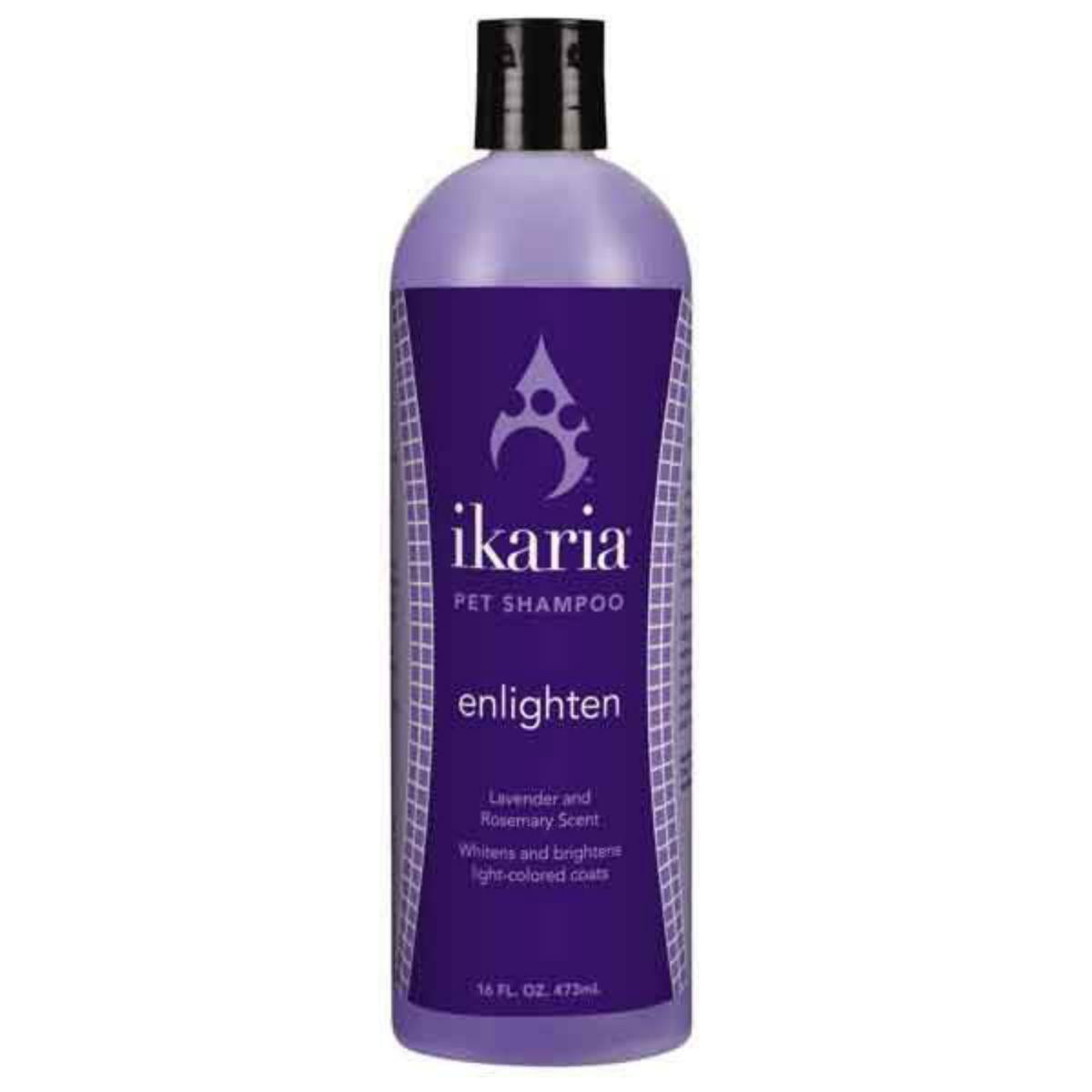
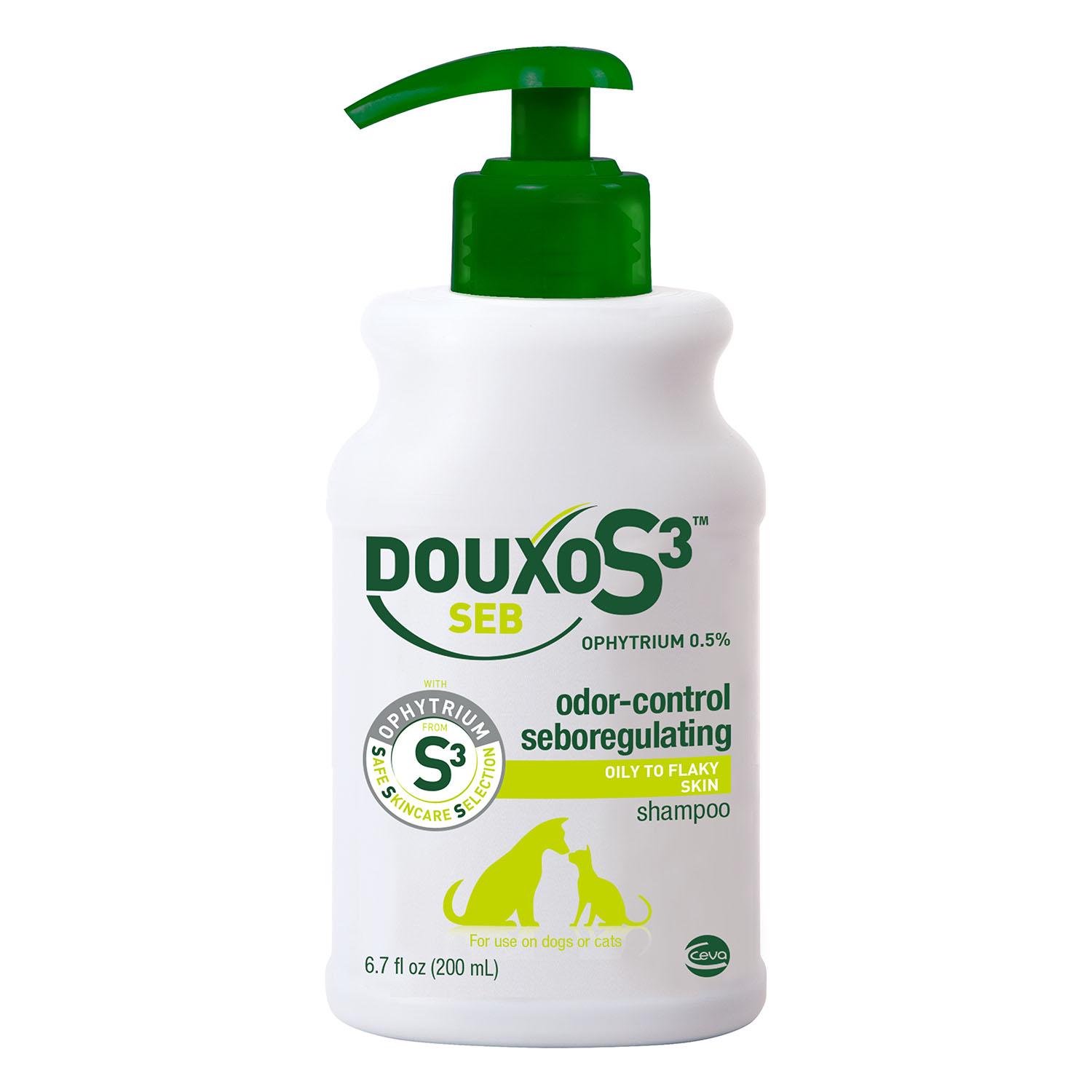
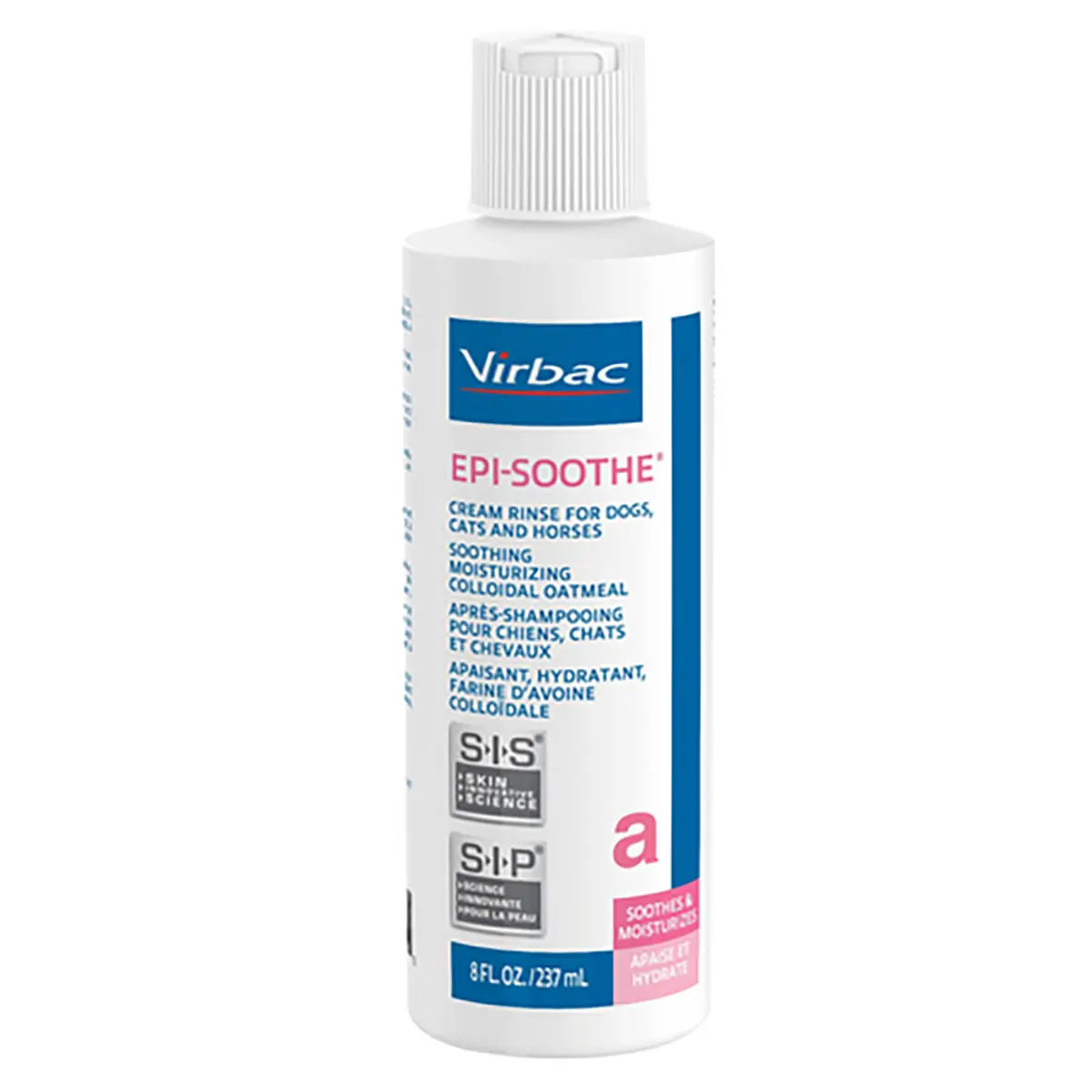
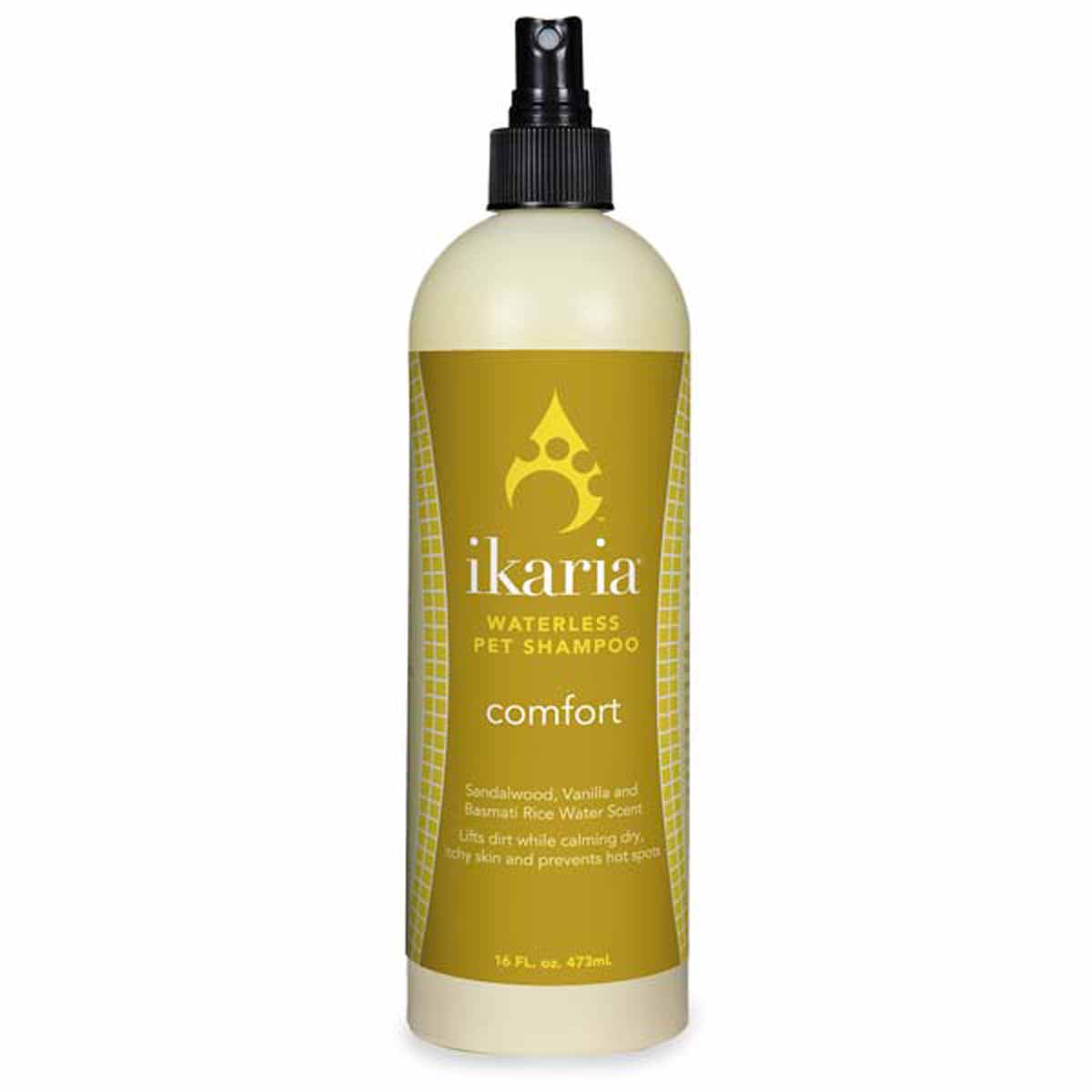
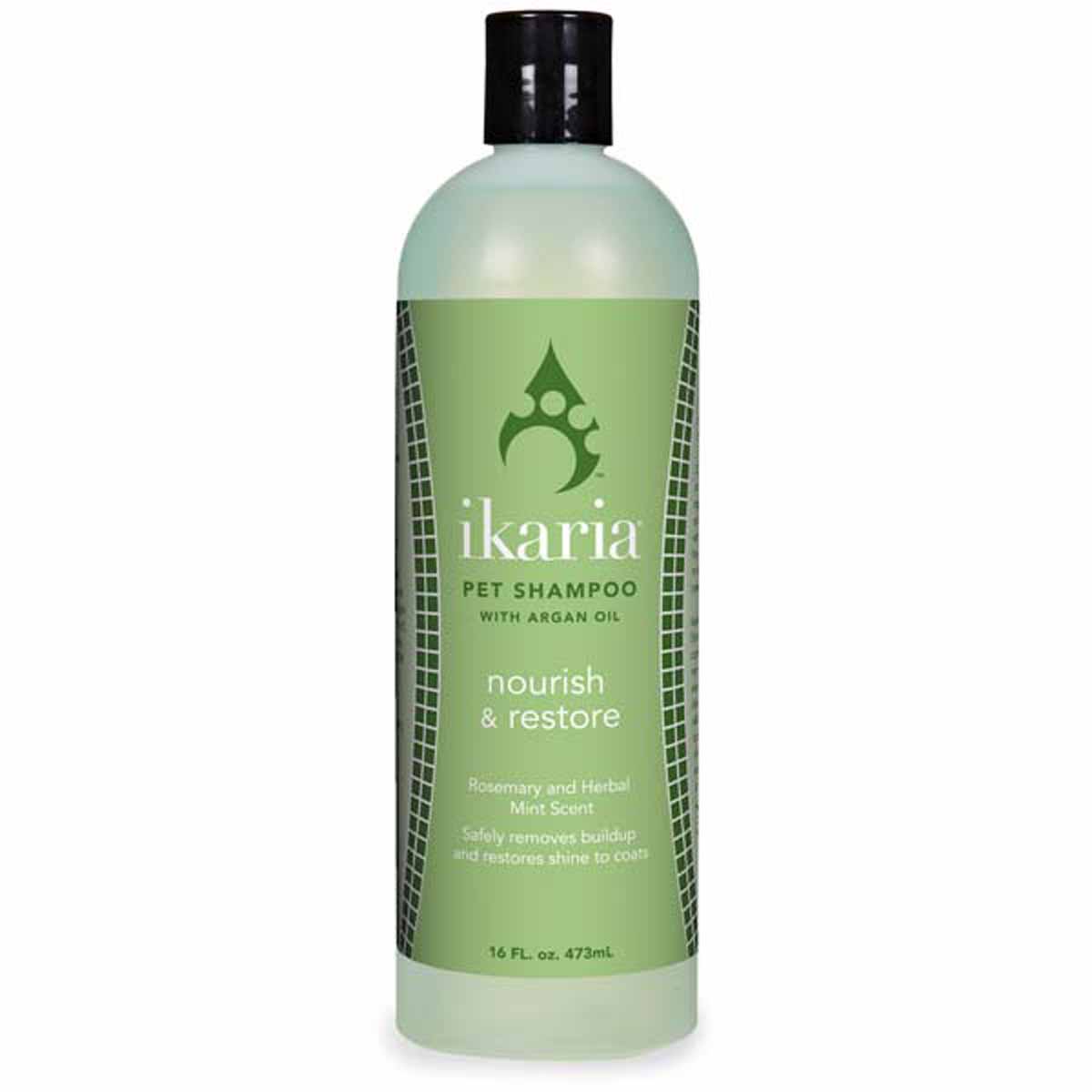
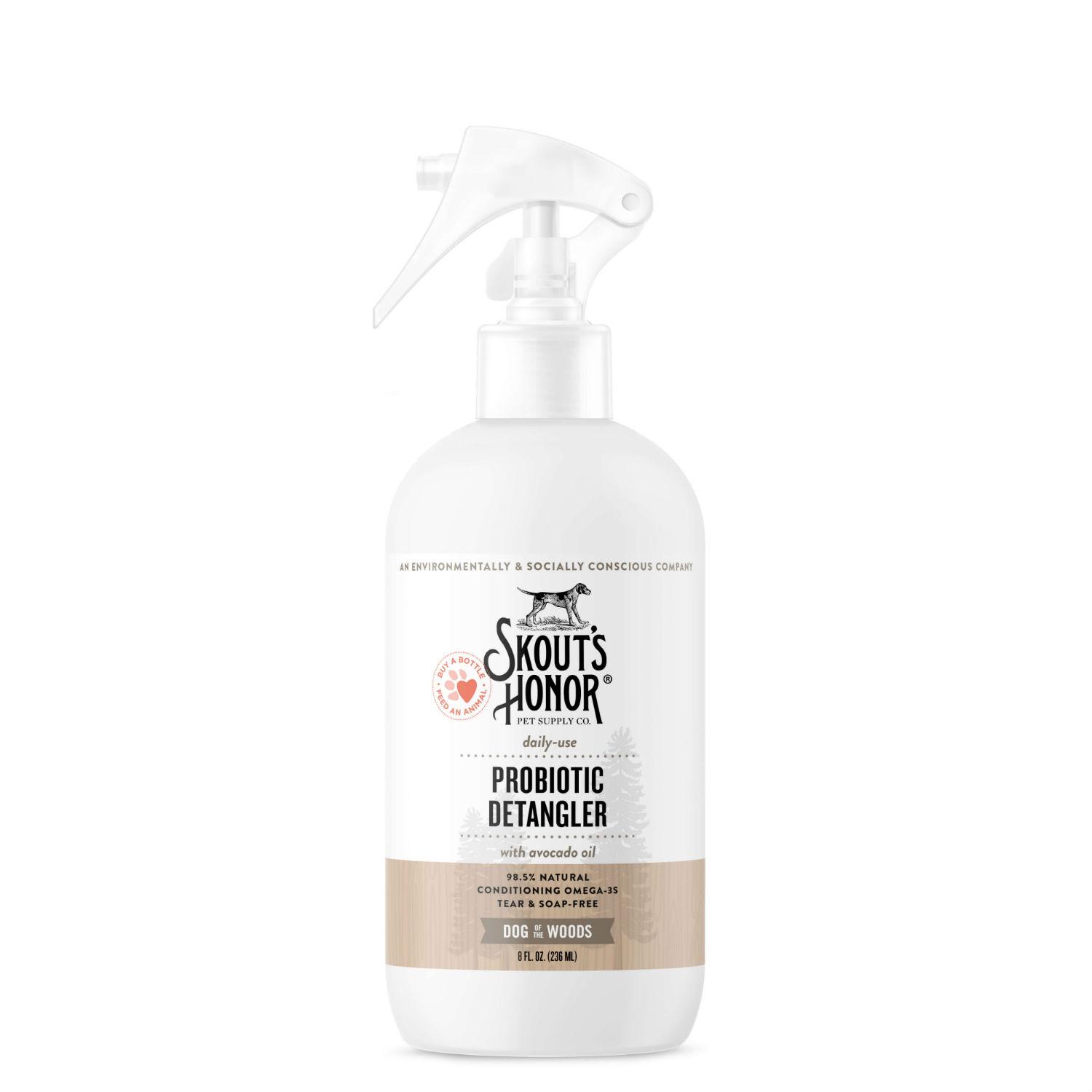
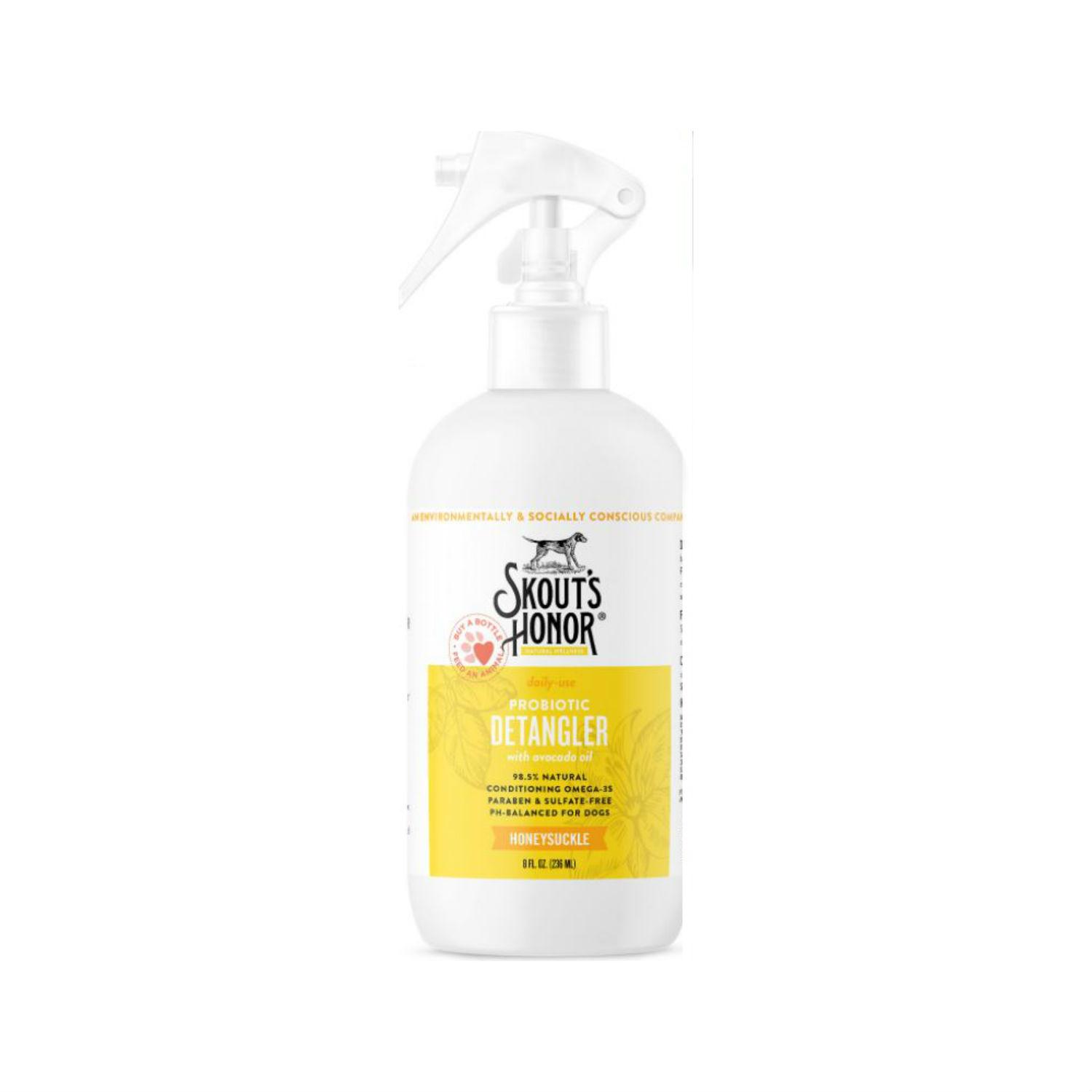
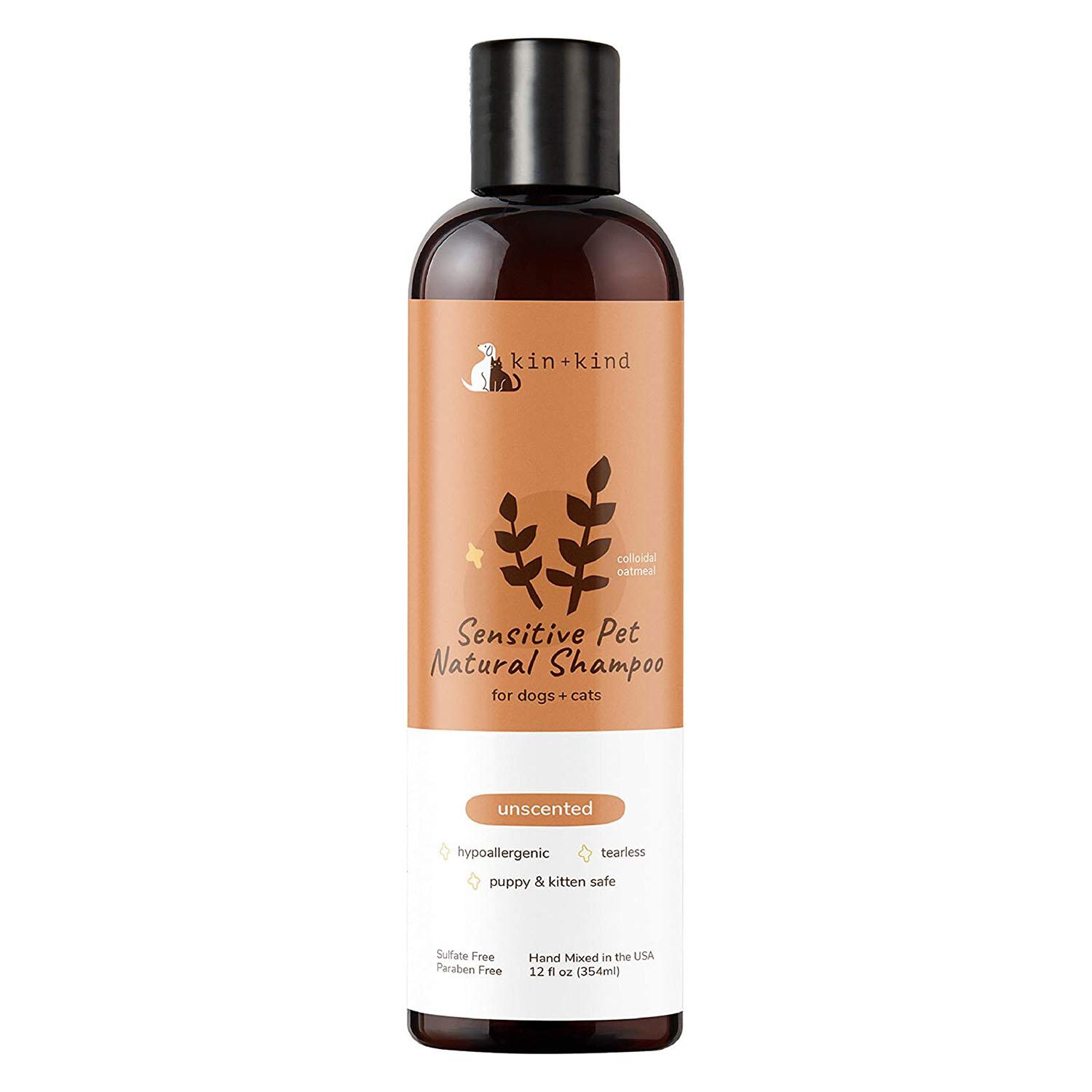
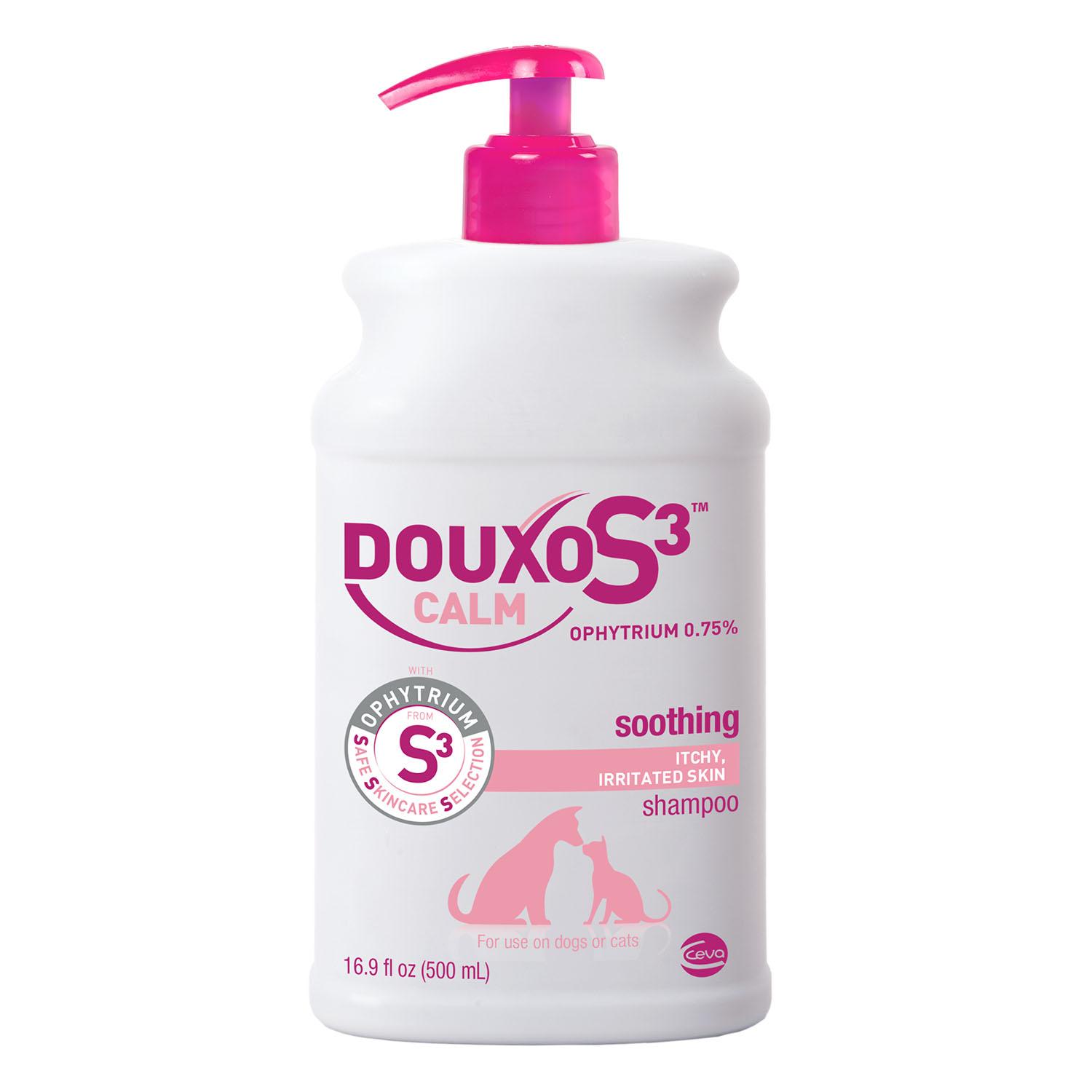
Why Does Your Cat Have Dandruff?
Before you reach for a bottle of anti dandruff cat shampoo, it helps to know why the flakes are there. Several factors can lead to a flaky coat.
Environmental Factors
Low humidity is a major cause of dry skin in cats. This is especially true in the winter when heaters run constantly. The dry air pulls moisture from your cat’s skin, leading to itching and flaking. If your cat spends a lot of time near a heat vent, you might notice more dandruff in that specific area.
Nutrition and Hydration
Healthy skin starts from the inside. Cats need specific nutrients like Omega-3 and Omega-6 fatty acids to maintain a strong skin barrier. If their food is low in these fats, their skin may become brittle. Hydration also plays a role. Since many cats do not drink enough water, they can become slightly dehydrated. This causes the skin to lose its elasticity and flake off.
Grooming Challenges
Cats are usually expert groomers. However, some cats cannot reach certain spots. Overweight cats often have dandruff at the base of their tail because they cannot reach that area to clean it. Senior cats with arthritis may also stop grooming because it is painful to twist and reach. When dead skin cells are not licked away, they build up and become visible flakes.
Underlying Health Issues
Sometimes dandruff is a symptom of something else. Parasites like Cheyletiella mites are often called walking dandruff because they look like moving white flakes. Fungal infections like ringworm or systemic issues like hyperthyroidism can also affect skin health.
Vet Tip: If your cat's dandruff is accompanied by hair loss, intense itching, or redness, skip the home bath and call your vet. These symptoms often point to infections or parasites that require medical treatment.
Choosing the Right Anti Dandruff Cat Shampoo
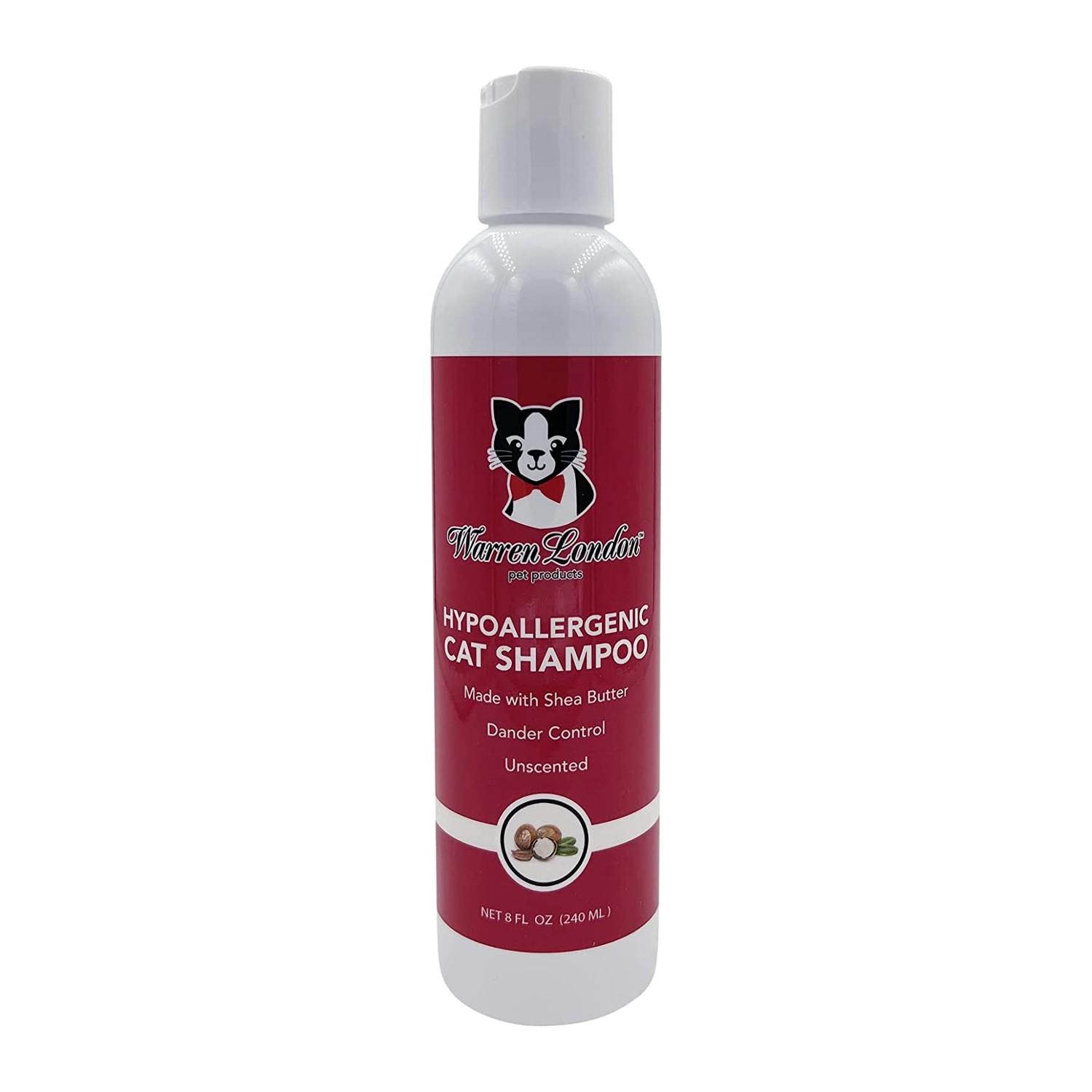
Not all shampoos are created equal. You should never use human dandruff shampoo on a cat. Human skin has a different pH level than cat skin. Products like Head & Shoulders are far too acidic and harsh for a feline. Using the wrong product can actually make the dandruff worse by stripping away essential oils.
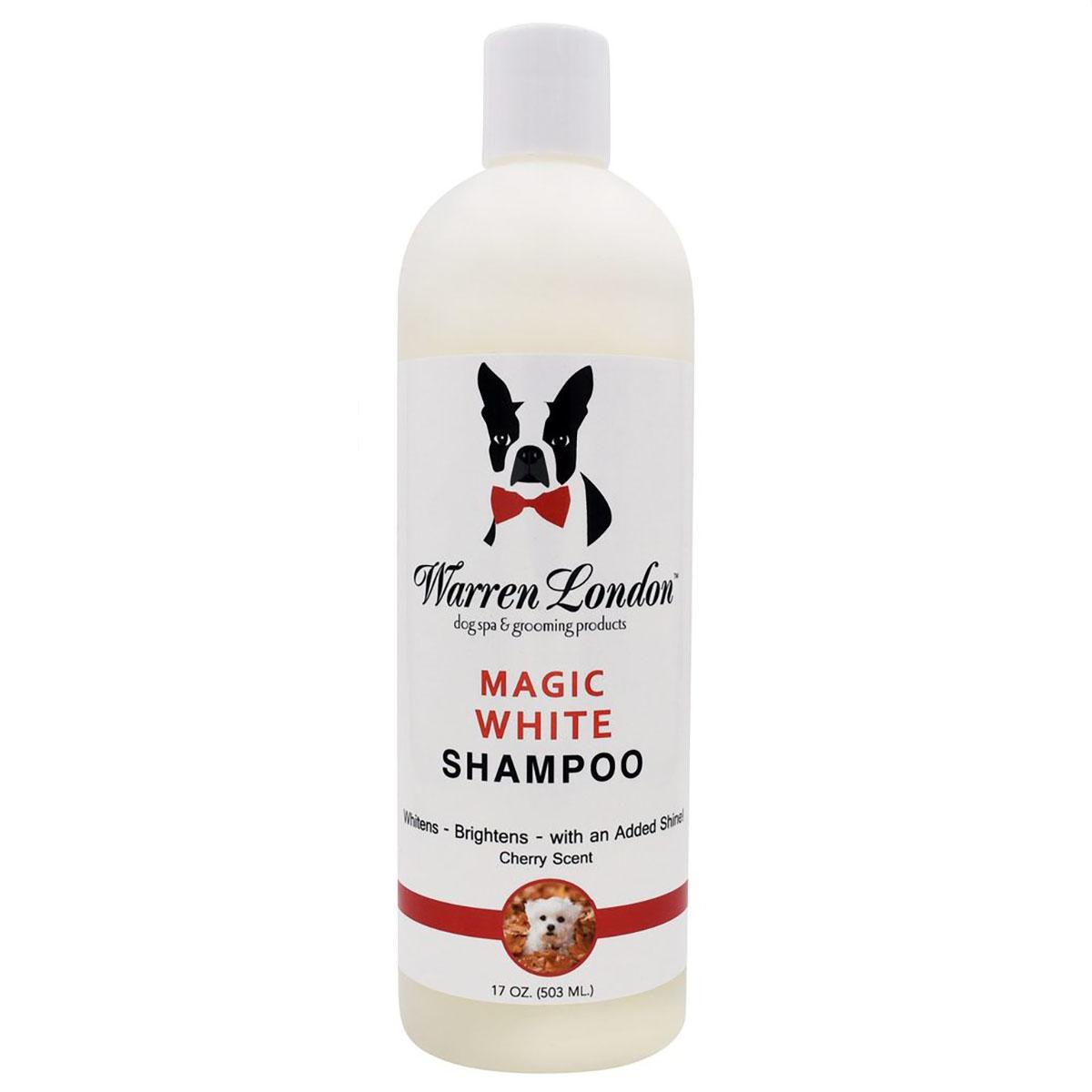
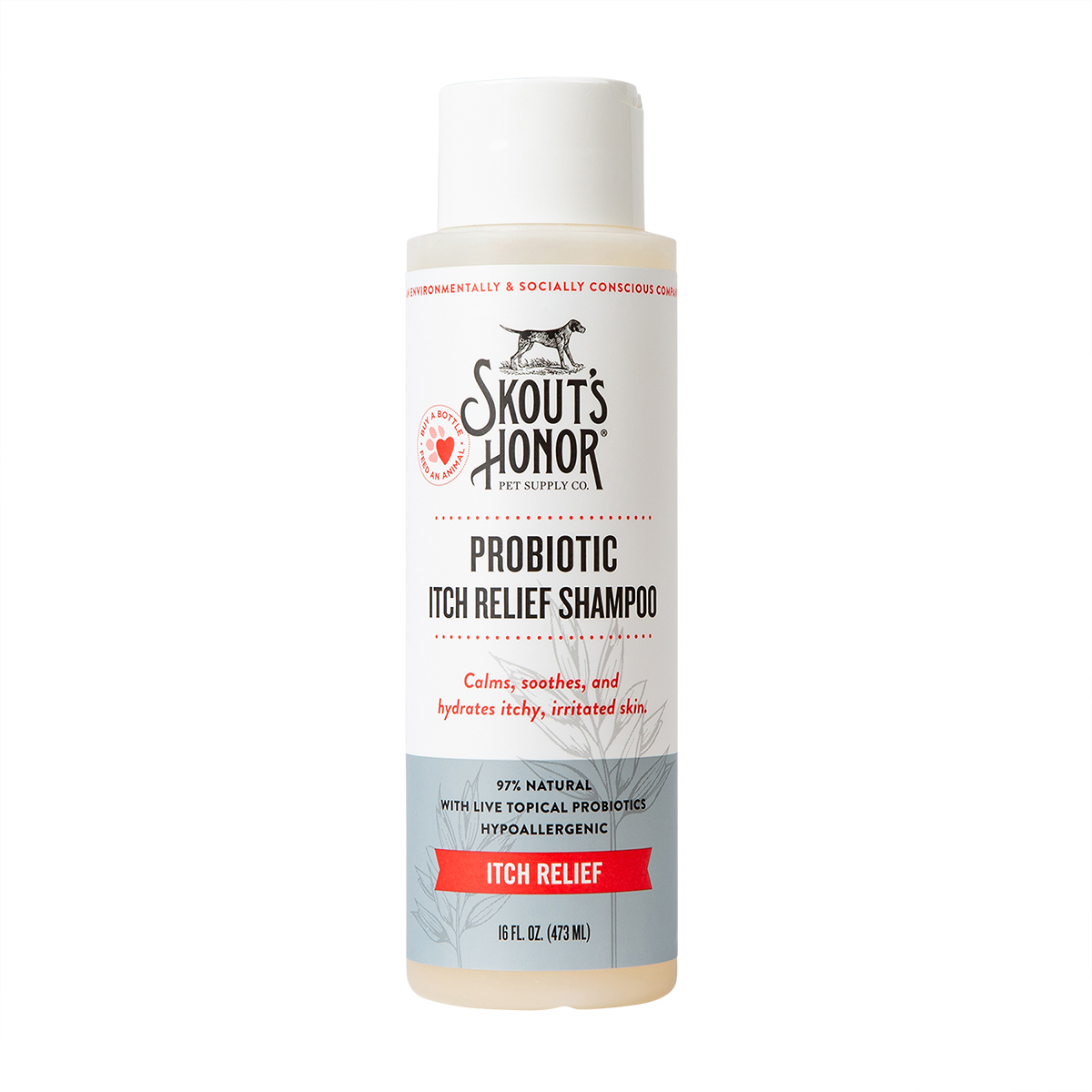
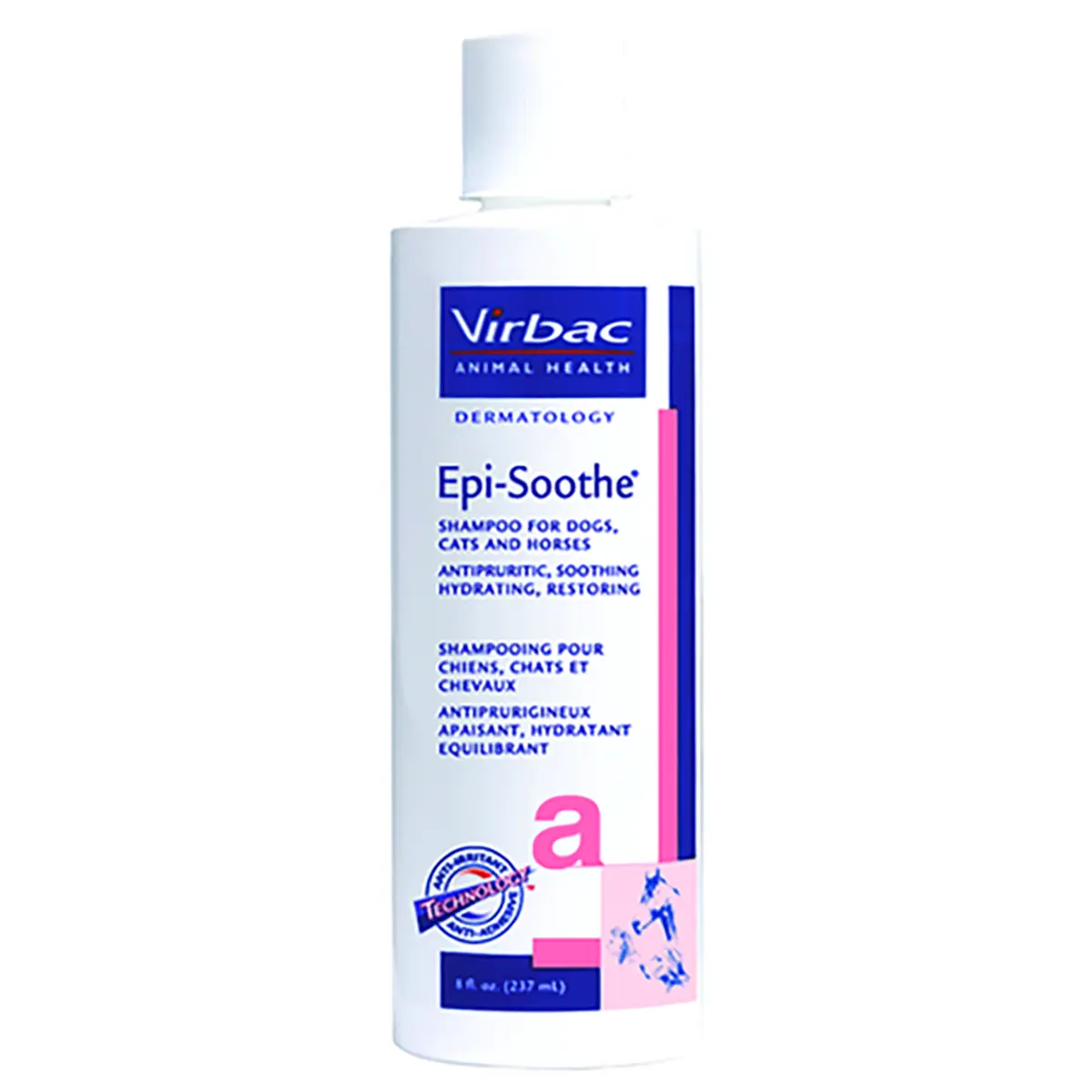
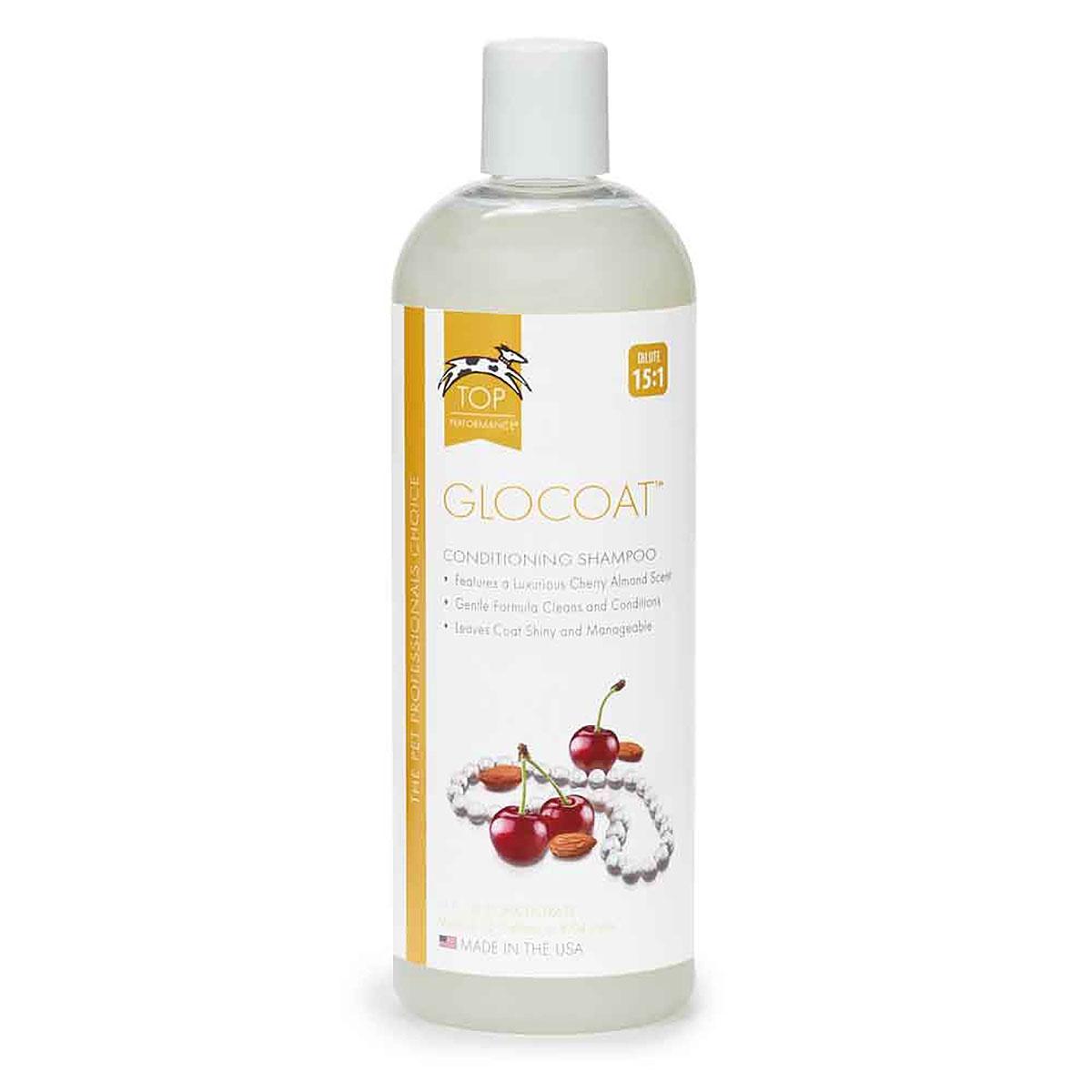
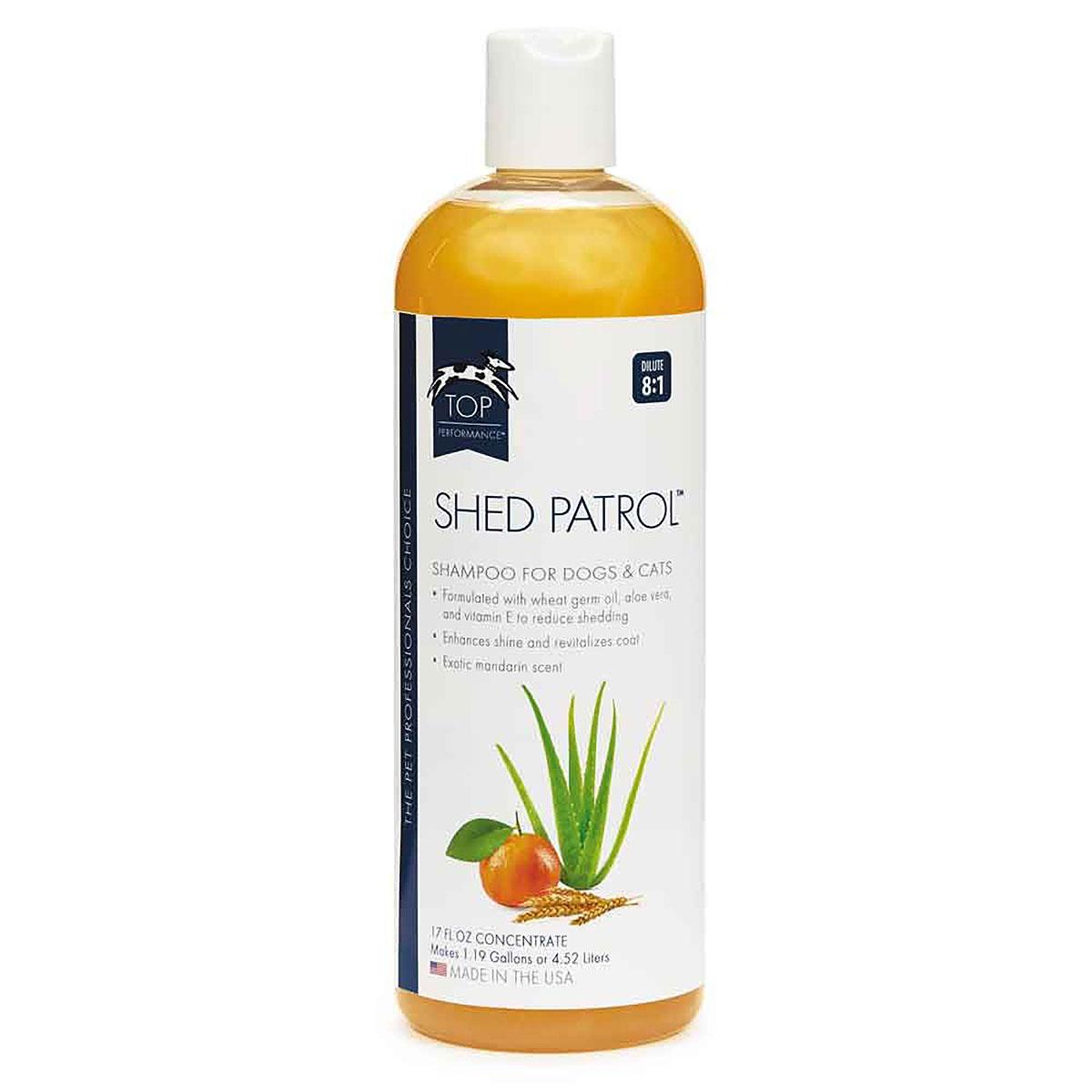
When shopping for an anti dandruff cat shampoo, explore our cat grooming collection for shampoos, conditioners, wipes, and grooming tools.
Key Ingredients to Look For
When shopping for an anti dandruff cat shampoo at BaxterBoo, look for ingredients that soothe and hydrate.
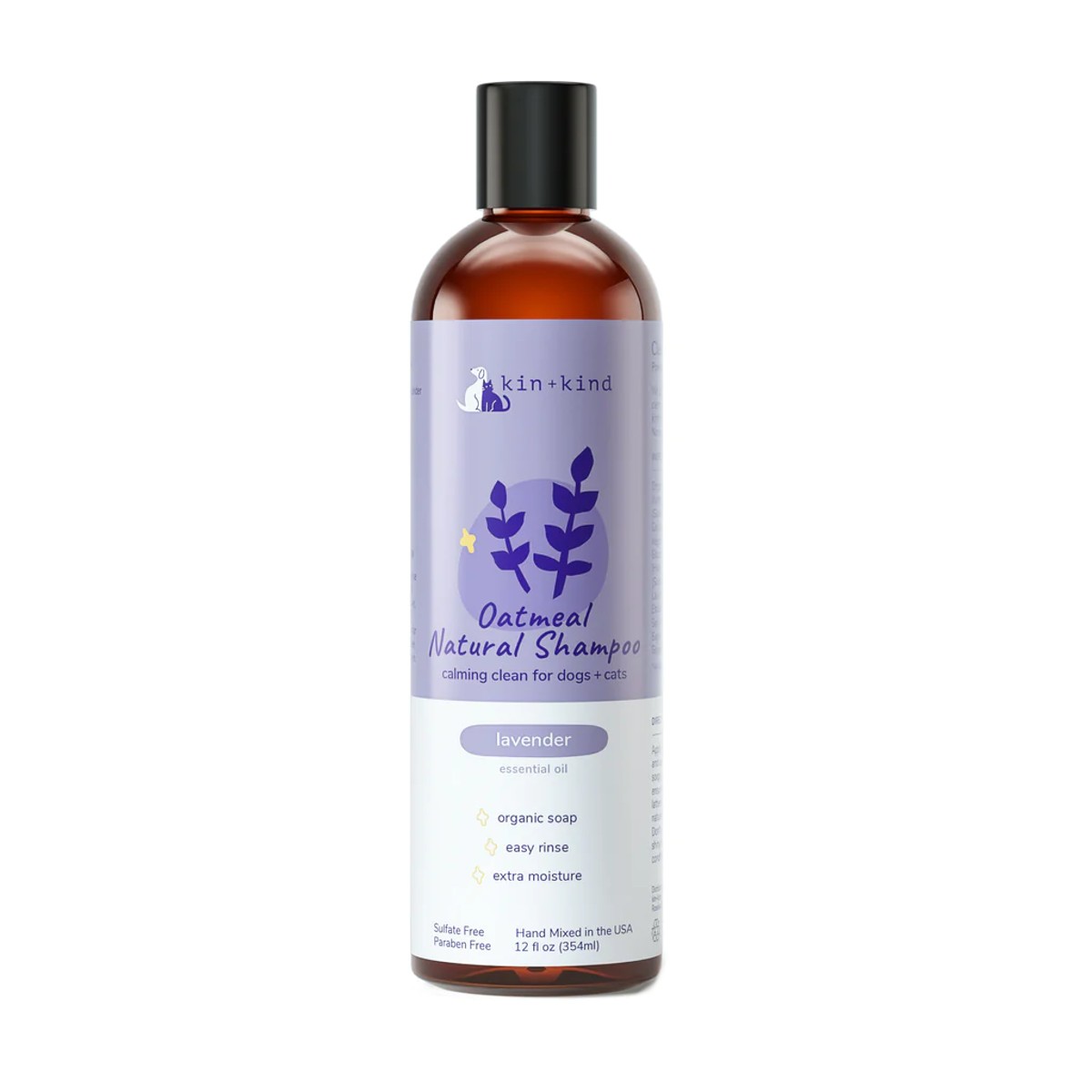
- Oatmeal: This is a classic choice for itchy, dry skin. It helps lock in moisture.
- Salicylic Acid: This helps exfoliate the dead skin cells so they can be washed away.
- Benzoyl Peroxide: This is often found in medicated shampoos for oily dandruff or seborrhea.
- Aloe Vera: This provides immediate cooling relief for irritated skin.
- Vitamin E: This helps nourish the skin and promotes a shiny coat.
For a gentle oatmeal option, consider Top Performance Oatmeal Dog and Cat Shampoo, which is formulated for dogs and cats.
Medicated vs. Natural Options
If the dandruff is mild and caused by dry winter air, a natural oatmeal based shampoo is usually enough. For more stubborn cases, you may need a medicated formula. Our pharmacy carries FDA-approved medicated shampoos and topical treatments through our partnership with Pet's Choice. These often require a prescription from your veterinarian to ensure they are the right fit for your cat's specific skin condition.
For additional options, browse our cat skin and coat care selection before choosing a product.
The Debate: Waterless Shampoo vs. Traditional Baths
Many cat owners dread the thought of a traditional bath. This leads many to reach for waterless shampoo or grooming foam. While these are convenient, they are not always the best solution for dandruff.
The Problem with Waterless Options
Waterless shampoos are essentially a surface treatment. They use powders or foams to mask odors and break up a little bit of surface oil. However, they do not truly remove the buildup of dead skin and grease. If your cat has a heavy layer of dandruff, a waterless shampoo might just move the flakes around without removing them. It can sometimes leave a residue that makes the coat feel even stickier.
For a quick refresh between baths, Vet’s Best Dry Clean Waterless Cat Bath is a convenient no-rinse option.
The Benefits of a Wet Bath
A traditional bath with warm water and a quality anti dandruff cat shampoo is the most effective way to clear the skin. The water helps to hydrate the skin cells, while the scrubbing action physically removes the flakes. It also allows the active ingredients in the shampoo to sit on the skin and do their work. For cats with greasy dandruff, a wet bath is the only way to truly degrease the coat.
Key Takeaway: Waterless shampoo is great for a quick refresh between baths. For real dandruff relief, a full bath with water is much more effective.
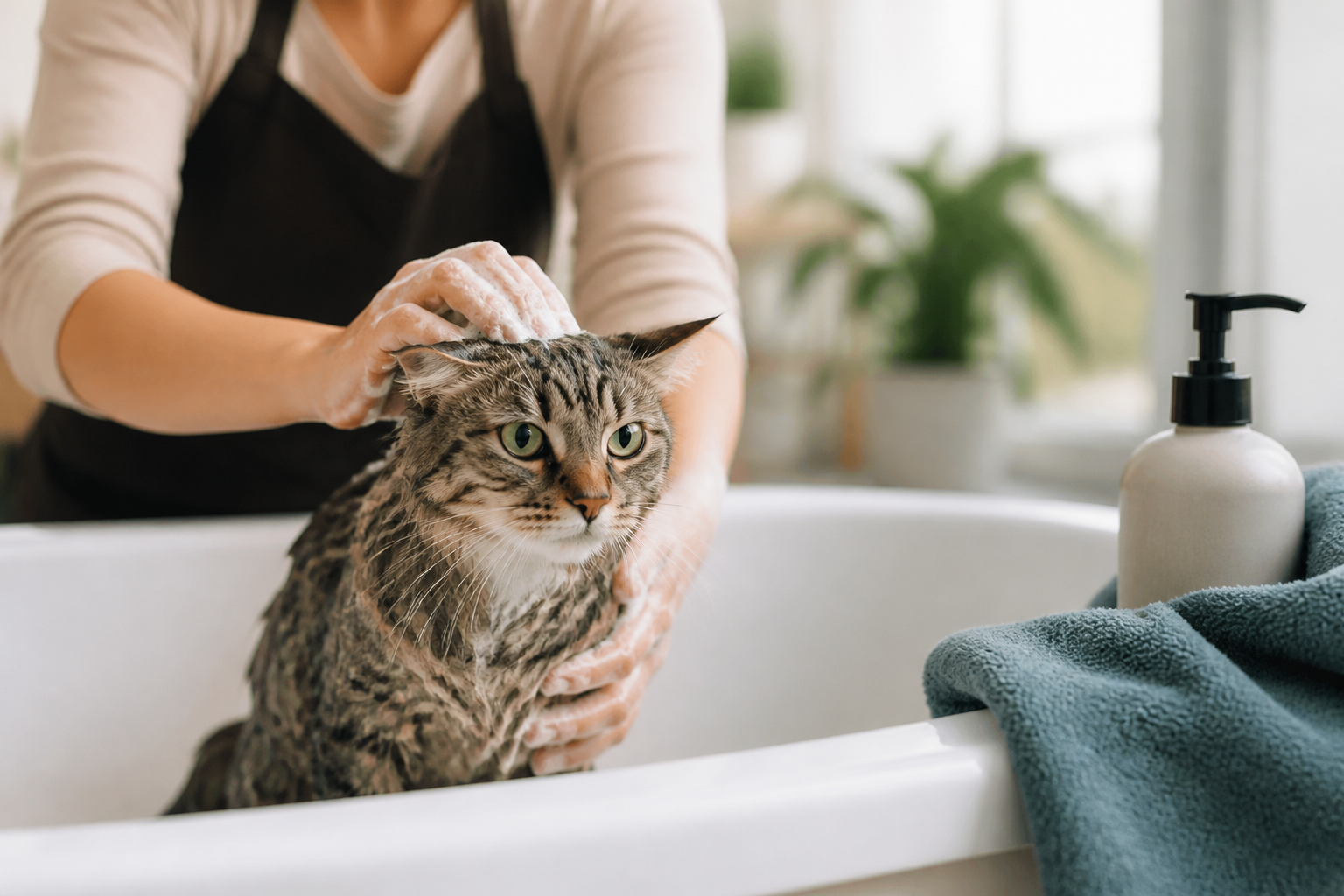
How to Bathe Your Cat Without the Stress
Most cats are not fans of water, but a bath does not have to be a battle. Following a clear process can help keep both you and your cat calm.
Step 1: Brush the coat thoroughly. / This removes loose fur and breaks up large clumps of dandruff before you get the cat wet.
Step 2: Prepare the space. / Place a rubber mat or a towel in the bottom of the sink or tub. This prevents your cat from slipping, which is a major source of feline bath anxiety.
Step 3: Use lukewarm water. / Cats are sensitive to temperature. The water should feel barely warm to your touch.
Step 4: Apply the shampoo. / Work the anti dandruff cat shampoo into a lather, focusing on the areas with the most flakes. Be careful to avoid the eyes, ears, and nose.
Step 5: Let it sit. / Most dandruff shampoos need to stay on the skin for 5 to 10 minutes to be effective. Distract your cat with a lickable treat during this time.
Step 6: Rinse completely. / Dried soap residue can cause more itching. Rinse until the water runs clear and you no longer feel any slickness on the fur.
Step 7: Dry gently. / Wrap your cat in a large, warm towel. Avoid using a hair dryer unless your cat is specifically trained for it, as the noise and heat can be terrifying.
For more gentle grooming ideas, read our guide to caring for a cat’s whiskers during grooming.
The Role of Nutrition in Skin Health
If you find yourself reaching for the anti dandruff cat shampoo every few weeks, the problem might be your cat's diet. Shampoos treat the symptoms, but nutrition treats the cause.
Essential Fatty Acids
Omega-3 and Omega-6 fatty acids are the building blocks of healthy skin. Many commercial kibbles are processed at high heat, which can degrade these fragile fats. Adding a supplement like Zesty Paws or choosing a high quality food like Stella & Chewy's or Open Farm can make a massive difference. Look for foods that list specific fish oils or flaxseed as ingredients.
A skin and coat supplement such as Zesty Paws Wild Alaskan Salmon Oil can be another option to discuss with your veterinarian.
Hydration and Wet Food
Cats have a low thirst drive. In the wild, they get most of their moisture from their prey. A cat eating only dry kibble is often in a state of mild dehydration. This shows up first in the quality of their skin and coat. Switching to a wet food diet, or even adding a topper from brands like Tiki Cat or Weruva, can improve skin moisture. More moisture in the body leads to more supple skin that is less likely to flake.
Weight Management
As mentioned earlier, obesity prevents cats from grooming their back and tail base. If your cat has dandruff because they are too heavy to reach their hindquarters, a weight management plan is the best long term cure. We carry prescription weight management diets through our pharmacy partnership with Pet's Choice. Helping your cat reach a healthy weight allows them to resume their natural grooming habits, which naturally keeps dandruff at bay.
Managing Your Cat's Environment
Sometimes the best anti dandruff cat shampoo in the world cannot compete with a very dry home. You can take steps to make your house more skin friendly for your cat.
- Use a humidifier: Placing a humidifier in the room where your cat sleeps can prevent their skin from drying out during the winter.
- Limit direct heat: If your cat loves sleeping on a radiator or near a vent, try placing a bed a few feet away instead. Direct, dry heat is a major trigger for flakes.
- Regular brushing: Brushing does more than just remove hair. It stimulates the production of natural skin oils and spreads them across the coat. Using a soft brush or a grooming tool like the Kong ZoomGroom can help lift dandruff so it does not clump.
For more options, explore our waterless grooming selection for between-bath care.
Vet Tip: If you notice "walking dandruff," this is likely a mite infestation. Do not try to treat this with standard shampoo. You will need a specific parasitic treatment from a veterinarian.
When Dandruff Signals a Pharmacy Visit
While most dandruff is a minor grooming issue, it can sometimes indicate a medical condition that requires more than just a bath. Seborrhea is a clinical condition where the sebaceous glands produce too much oil. This leads to greasy, smelly dandruff that can cause secondary skin infections.
If your cat's skin smells "musty" or "yeasty," or if the flakes are yellow and oily rather than white and dry, you should see a vet. They may prescribe a clinical grade anti dandruff cat shampoo. Our pharmacy provides access to these FDA-approved medications. Through our partnership with Pet's Choice, we make it easy to get the exact treatment your vet recommends delivered to your door. This is often the fastest way to resolve chronic skin issues that do not respond to over the counter products.
Shopping for Skin Health at BaxterBoo
We know that seeing your cat uncomfortable is stressful. Whether you need a gentle oatmeal shampoo, a high quality Omega supplement, or a specialized prescription diet, we have you covered. Our selection includes over 500 trusted brands like Royal Canin, Farmina, and The Honest Kitchen.
If you are looking for long term savings, consider our Autoship programme. It is a great way to ensure you never run out of the food or supplements that keep your cat's coat shiny. Plus, you get a free MVP Gold membership, which earns you points on every purchase. Managing dandruff is a marathon, not a sprint, and we are here to provide the tools you need for every step of the journey.
For more information about earning points and membership benefits, visit the MVP Rewards programme.
Bottom line: Effective dandruff management combines the right shampoo, a high-quality diet, and regular grooming to keep your cat's skin hydrated and flake-free.
Summary of Dandruff Care
Caring for a cat with dandruff involves a multi-pronged approach. You cannot rely on shampoo alone if the environment is dry or the diet is lacking.
- Identify the cause: Determine if the flakes are from dry air, poor grooming, or a medical issue.
- Select the right shampoo: Use a cat-specific formula with moisturizing ingredients.
- Improve the diet: Add Omega fatty acids and increase moisture intake with wet food.
- Groom regularly: Help your cat reach the spots they cannot, especially if they are seniors or overweight.
- Consult the experts: Use the BaxterBoo pharmacy for medicated solutions if over the counter options fail.
Conclusion
Finding white flakes on your cat can be frustrating, but it is usually a manageable problem. By choosing a high-quality anti dandruff cat shampoo and supporting your cat's health from the inside out, you can restore their coat to its soft, shiny glory. Remember to keep an eye out for signs of more serious irritation and involve your vet if things do not improve. We are dedicated to providing the best products and advice to help your pets thrive. For all your skin and coat needs, explore our full collection of grooming supplies and supplements.
Key Takeaway: Consistency is the most important part of skin care. Regular baths, daily brushing, and proper nutrition will keep the flakes away for good.
FAQ
Can I use human anti dandruff shampoo on my cat?
No, you should never use human shampoo on a cat. Humans have a different skin pH than cats, and human products are too acidic for feline skin. Using these products can cause severe irritation, dryness, and even chemical burns in some cases. Always choose a product specifically labeled for cats to ensure it is safe and effective.
How often should I bathe a cat with dandruff?
For most cats, a bath every 4 to 6 weeks is sufficient to manage dandruff without over-drying the skin. If you are using a medicated shampoo prescribed by a vet, follow their specific instructions, as some treatments require more frequent application. Bathing too often can actually strip away natural oils and make the flaking worse.
Will brushing my cat more often help with dandruff?
Yes, regular brushing is one of the best ways to manage dandruff. It helps distribute natural oils across the skin and removes dead skin cells before they can clump together into visible flakes. For senior or overweight cats who cannot groom themselves well, daily brushing is essential for maintaining skin health.
When should I worry about my cat's dandruff?
You should consult a veterinarian if the dandruff is accompanied by redness, sores, or patches of hair loss. Other warning signs include a foul odor from the skin, intense scratching, or if the flakes appear to be "moving," which indicates a mite infestation. A vet can determine if there is an underlying condition like an allergy or infection that needs medication.






- Site & Contents BaxterBoo.com. BaxterBoo is located in the United States.
- Privacy & Security
- Terms of Use
- Accessibility Statement
