
 Save 15% on your 1st Autoship learn more

 Email us
 Live Chat
 FAQs





Introduction
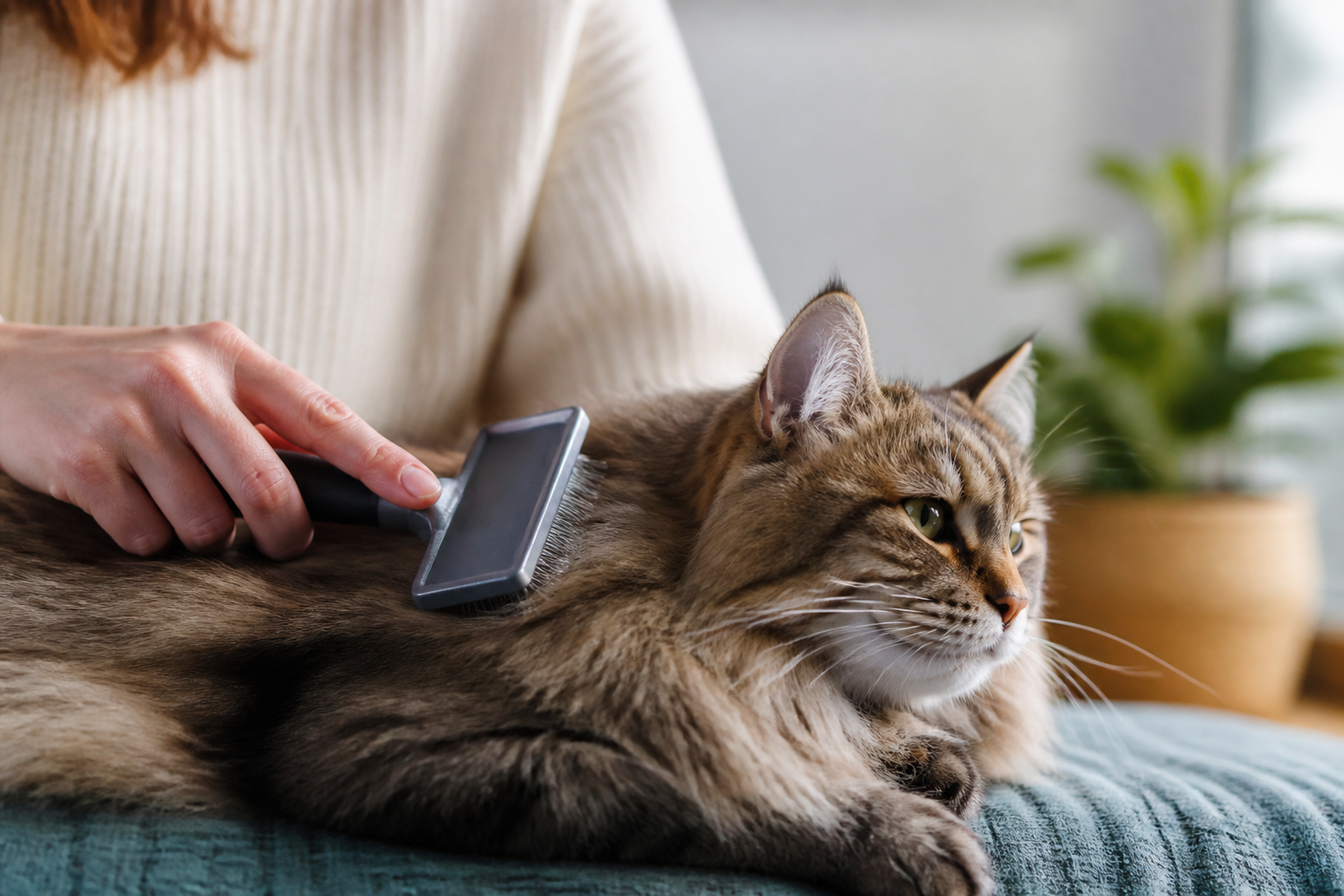
You reach down to pet your cat and notice a dusting of white flakes along their lower back. On a dark-coated cat, these specks are hard to miss and often lead to concerns about skin health or hygiene. Cat dandruff, or seborrhea, is a common issue that ranges from simple seasonal dryness to more complex health conditions. While a brush alone cannot "cure" the underlying cause of the flakes, choosing the right tool is the first step in managing the symptoms and restoring a healthy shine to the coat. At BaxterBoo, we know that grooming is about more than just looking good. It is a vital part of your cat's overall wellness routine. This guide will help you identify the best brush for cat dandruff and explain how to use it to support your pet's skin health.
Quick Answer: The best brush for cat dandruff is typically a soft rubber brush or a natural boar bristle brush. These tools gently exfoliate the skin and distribute natural oils without causing irritation to the sensitive skin underneath the flakes.
Understanding the Causes of Cat Dandruff
Before selecting a tool, it is helpful to understand why those flakes are appearing. Feline skin constantly regenerates itself, but dandruff occurs when this process happens too quickly or when the skin's natural oils are out of balance. This can manifest as dry seborrhea, which looks like fine white powder, or oily seborrhea, which appears as greasy, yellowish clumps.
Several factors contribute to these skin changes. In many US homes, indoor heating during the winter months strips moisture from the air, leading to dry, itchy skin. Diet also plays a role. If a cat is not getting enough Omega-3 fatty acids, their skin barrier can weaken. Additionally, older cats or those with mobility issues like arthritis may struggle to groom themselves effectively, leading to a buildup of dead skin and loose fur.
Vet Tip: If your cat's dandruff is accompanied by intense itching, hair loss, or red sores, consult your veterinarian. These symptoms may indicate parasites like Cheyletiella mites, often called walking dandruff, or fungal infections that require medical treatment.
Cat Brushes & Combs








Why Brushing Helps Manage Flakes
Brushing serves three primary purposes for a cat with flaky skin. First, it acts as a gentle exfoliant. Just as humans use scrubs to remove dead skin, the right brush lifts away accumulated flakes so they do not sit on the coat. Second, the action of brushing stimulates the sebaceous glands. These glands produce the natural oils that keep skin supple and fur waterproof.
Third, brushing helps distribute these oils from the base of the hair shaft down to the tips. Without regular grooming, oils tend to pool at the skin surface, which can actually trap more flakes and create a cycle of irritation. By spreading these oils, you create a natural protective layer that locks in moisture. We have seen that consistent, gentle grooming can significantly reduce the visible signs of dandruff in as little as two weeks.
The Best Types of Brushes for Dandruff
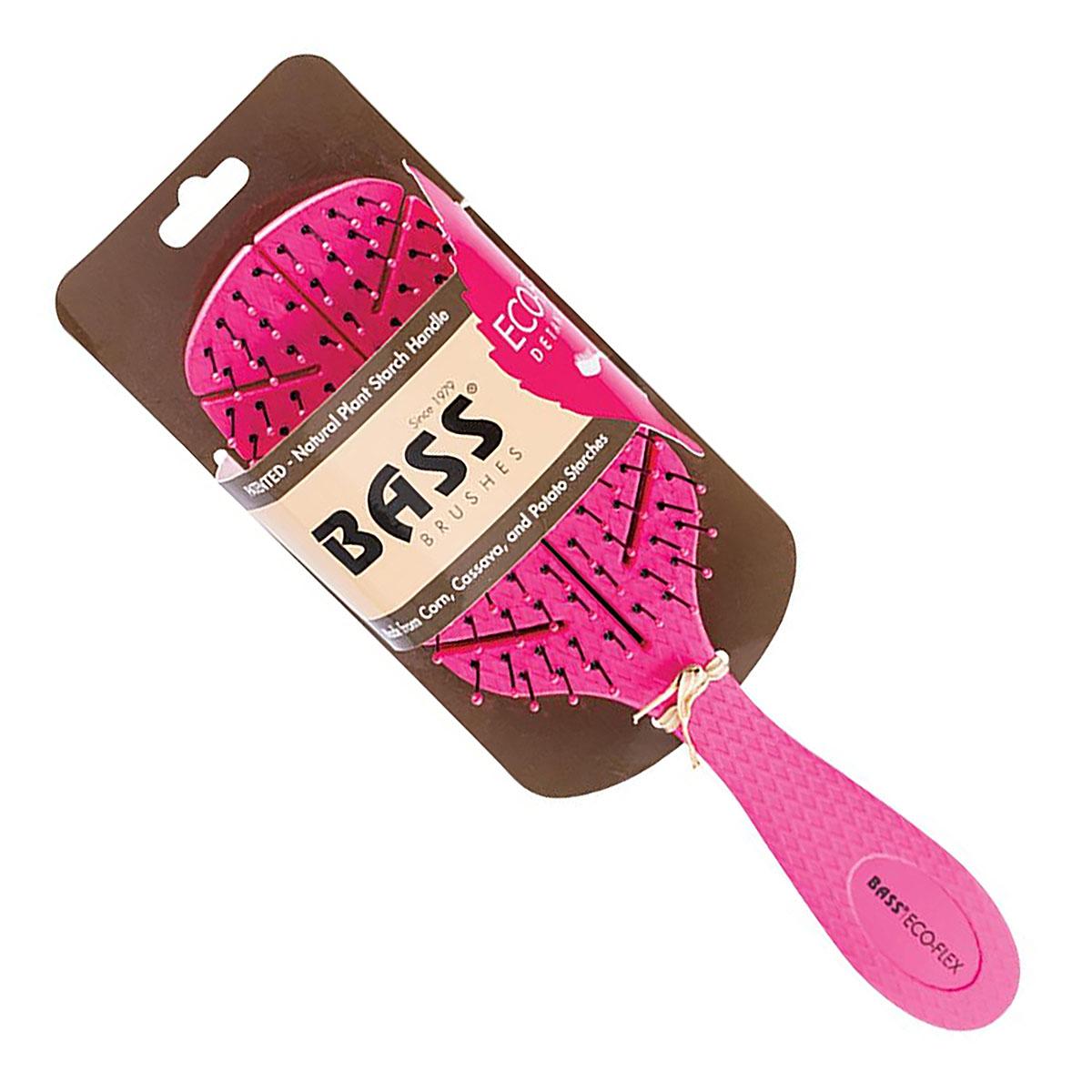
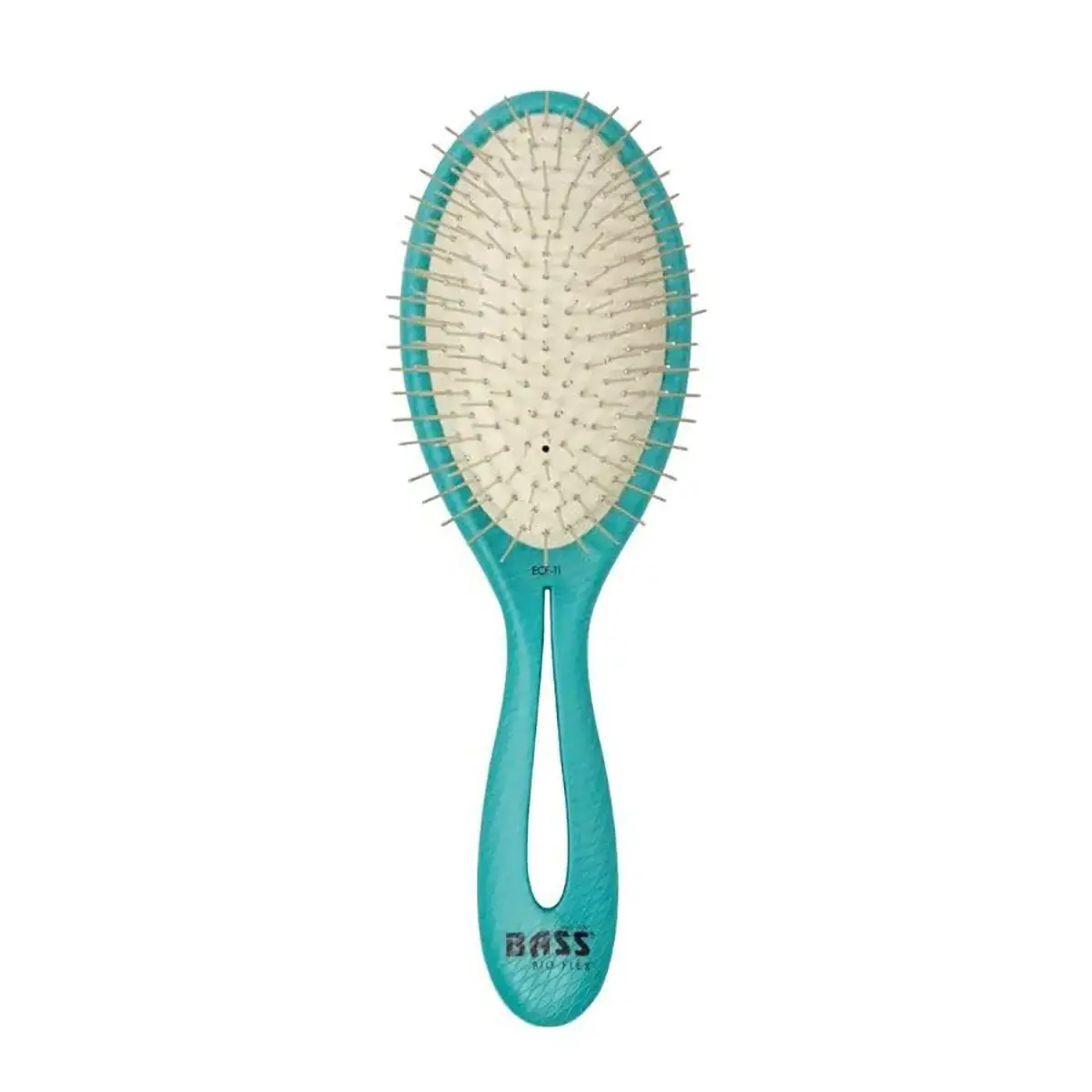
Not all grooming tools are created equal when it comes to sensitive, flaky skin. Some brushes are too abrasive and can actually make the problem worse by scratching the skin surface. Explore our cat brushes and combs to compare grooming tools for different coat types.
Rubber and Silicone Brushes
Rubber brushes, like the Kong ZoomGroom, are often the top choice for cats with dandruff. The soft, flexible teeth act like tiny magnets for loose hair and flakes. Because the teeth are blunt and rubberized, they provide a massage-like sensation rather than a sharp scrape. This stimulates blood flow to the skin surface without causing micro-tears in the tissue.
Natural Boar Bristle Brushes
A soft bristle brush is excellent for cats with short hair and mild dandruff. These brushes have densely packed, natural bristles that excel at picking up fine dust and surface flakes. They are particularly effective at polishing the coat and moving oils along the hair shaft. If your cat has very sensitive skin and dislikes the feeling of deeper grooming tools, a soft bristle brush is a gentle way to start.
Fine-Tooth Combs
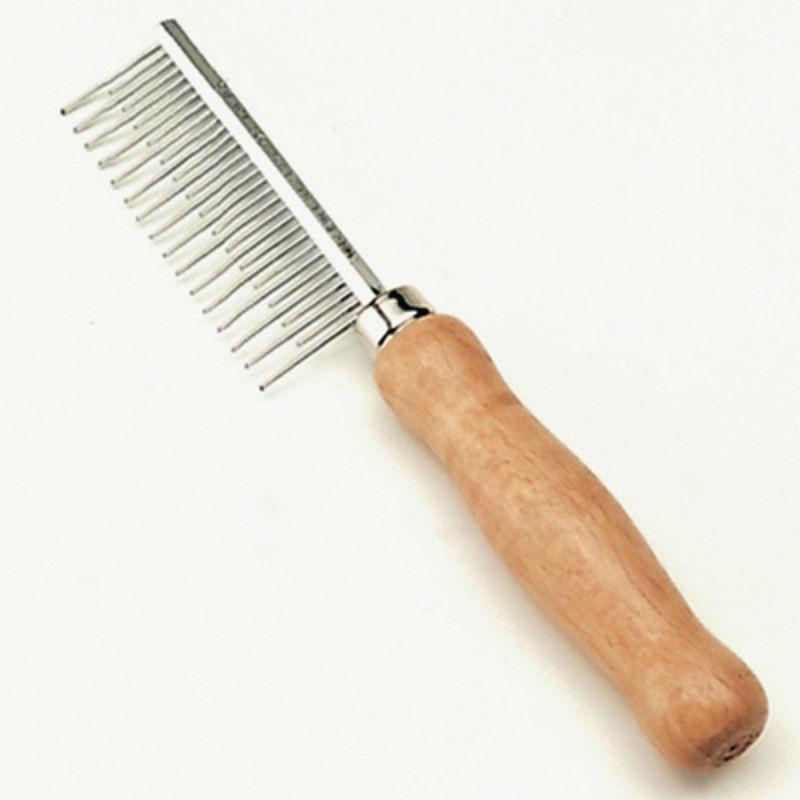
While often used for flea detection, a fine-tooth metal comb is a precise tool for removing flakes from the undercoat. These are best used as a secondary tool after a rubber brush has loosened the debris. You must use a very light hand with combs, as the metal teeth can be sharp.
Grooming Gloves
For cats that are frightened by traditional brushes, grooming gloves are a perfect alternative. These allow you to pet your cat while the silicone nubs on the palm lift away flakes and loose fur. They are especially useful for reaching areas where dandruff often congregates, such as the base of the tail and the neck.
Key Takeaway: Avoid using harsh slicker brushes or heavy deshedding tools on a cat with active dandruff. These tools can be too sharp for irritated skin and may cause further inflammation.
Brushing Technique for Flaky Skin
The way you brush is just as important as the tool you use. When a cat has dandruff, their skin is often slightly inflamed or tender. Using a rough technique will make the cat associate grooming with discomfort.
Step 1: Start with a calm cat. / Choose a time when your cat is relaxed, perhaps after a meal or during a quiet afternoon.
Step 2: Use short, gentle strokes. / Follow the direction of hair growth. Avoid "back-brushing" against the grain, as this can be irritating.
Step 3: Focus on the problem areas. / Dandruff usually clusters along the spine and at the base of the tail. Spend extra time here but keep the pressure light.
Step 4: Check the skin. / Periodically part the hair to look for redness or signs of irritation. If the skin looks pinker than usual, stop for the day.
Step 5: Reward your pet. / Offer a small treat or extra praise to make the experience positive.
Bottom line: Frequency is more effective than force; five minutes of gentle daily brushing is better than one long, aggressive session per week.
Addressing the Root Cause Through Nutrition
While we focus on the best brush for cat dandruff, it is important to remember that skin health starts from the inside. If the skin lacks the necessary building blocks for repair, even the best grooming routine will only provide temporary relief. Explore our cat food selection when reviewing your cat's everyday nutrition.
Many pet owners find success by incorporating high-quality food brands like Farmina and Royal Canin, which often offer specific formulas for skin and coat health. Look for ingredients rich in Omega-3 and Omega-6 fatty acids, such as salmon oil or flaxseed. These fats strengthen the skin's cellular walls and help prevent moisture loss. If your cat is overweight, they may have "lazy" dandruff because they cannot reach their back to groom. In these cases, a weight management plan is a critical part of skin care.
When to Utilize the BaxterBoo Pharmacy
Sometimes, dandruff is a symptom of a condition that requires more than just a new brush. Allergies, fungal infections, and parasitic infestations often manifest as flaky skin. In these instances, your veterinarian may prescribe medicated shampoos, topical treatments, or oral medications.
Our pet pharmacy provides a convenient way to access FDA-approved medications and prescription diets through our partnership with Pet's Choice. If your vet recommends a prescription skin support diet or a specific flea preventive to rule out flea-allergy dermatitis, we can help fulfill those needs. This integrated approach ensures that you are treating the flakes from the outside with a brush and from the inside with professional-grade care.
Environmental Adjustments for Better Skin
The environment in your home can either help or hinder your cat's skin health. If you live in a climate with harsh winters, the air inside your home is likely very dry. This is a primary trigger for feline seborrhea.
- Use a humidifier in the rooms where your cat spends the most time.
- Ensure your cat is staying hydrated by offering a pet fountain.
- Avoid over-bathing your cat, as most shampoos strip away the very oils you are trying to preserve.
- Clean your grooming brushes after every use to prevent the buildup of oils and bacteria.
By combining environmental changes with regular use of a high-quality brush, you create a comprehensive care plan that addresses the symptoms of dandruff from every angle.
Managing Grooming for Different Coat Types
The "best" brush often depends on the length and density of your cat's fur. A short-haired cat with dandruff has different needs than a long-haired cat with a thick undercoat.
For short-haired cats, the focus should be on surface exfoliation and oil distribution. A rubber brush like the ZoomGroom is usually sufficient for both tasks. For long-haired breeds, such as Persians or Maine Coons, the flakes can get trapped deep within the undercoat. In these cases, you may need a wide-tooth comb to gently detangle the fur before using a soft bristle brush to address the dandruff on the surface. If the fur is matted, the skin underneath cannot "breathe," which quickly leads to severe flaking and irritation.
Key Takeaway: Always ensure the coat is free of mats before attempting to brush for dandruff. Pulling on a mat while trying to exfoliate the skin will cause significant pain for your cat.
Cleaning and Maintaining Your Brushes
To keep your cat's skin healthy, you must keep your tools clean. Dandruff flakes are often accompanied by excess oils and shed hair, which can become a breeding ground for bacteria if left on the brush.
After each grooming session, remove all visible hair from the brush. Once a week, wash the brush or comb with warm water and a mild, pet-safe soap. Rinse it thoroughly to ensure no soap residue is left behind, as this could irritate your cat's skin during the next session. Allow the tools to air dry completely before use. Using clean tools ensures that you are truly cleaning the coat rather than just moving old debris around.
Creating a Positive Grooming Association
If your cat has had uncomfortable experiences with grooming in the past, they may be hesitant when they see a brush. Building a positive association is essential for long-term success in managing dandruff.
Start by leaving the brush on the floor so your cat can sniff it and rub against it on their own terms. You can even place a few treats around the brush. When you begin brushing, keep the sessions very short—sometimes just thirty seconds is enough for the first few days. Gradually increase the time as your cat becomes more comfortable. The goal is to make the brush a source of pleasure and massage, rather than a tool for a chore.
Summary of Skin Care Steps
Managing cat dandruff is a multi-step process that involves the right tools and a consistent routine. By addressing the physical flakes and the underlying skin health, you can help your cat feel more comfortable and keep their coat looking its best.
- Identify the type of dandruff (dry vs. oily).
- Select a gentle tool like a rubber brush or boar bristle brush.
- Brush daily using light, short strokes in the direction of hair growth.
- Improve the diet with Omega fatty acids and proper hydration.
- Consult a vet if the skin looks inflamed or if the cat is excessively itchy.
- Use the pharmacy for any necessary medicated treatments or prescription foods.
At BaxterBoo, we carry a wide range of products to help you through this process, from grooming gloves to premium supplements. Helping your cat overcome flaky skin is a journey, but with the right approach, it is one that ends with a happy, healthy pet.
Conclusion
Finding the best brush for cat dandruff is an investment in your pet's daily comfort. By choosing a gentle rubber brush or a soft bristle tool, you can effectively manage flakes while bonding with your feline companion. Remember that grooming is just one piece of the puzzle. Supporting your cat's skin through high-quality nutrition and a humidified environment will provide the best long-term results. If the dandruff persists or seems to cause your cat distress, always reach out to your veterinarian for a professional evaluation. To get started on a better grooming routine, explore our collection of cat grooming products and skin and coat care products.
FAQ
Can I use a human hairbrush on my cat's dandruff?
It is not recommended to use human brushes on cats because the bristles are often too stiff or the tips are too sharp for feline skin. Human brushes can cause micro-scratches on a cat's delicate skin, which may lead to further irritation or even infection in areas already affected by dandruff. It is much safer to use a tool specifically designed for pets, such as a soft rubber brush or a natural boar bristle brush.
How often should I brush my cat to get rid of dandruff?
For a cat with active dandruff, a short daily brushing session is usually the most effective approach. Daily grooming helps to consistently lift away dead skin cells and prevents the buildup of oils that can trap flakes. Once the dandruff is under control, you can transition to a maintenance schedule of two to three times per week, depending on your cat's coat type and skin sensitivity.
Should I wash my cat if they have a lot of dandruff?
Bathing a cat with dandruff should be done with caution. While a bath can help rinse away a large amount of flakes at once, over-bathing can strip the skin of its natural oils and actually make the dryness worse. If you do choose to bathe your cat, use a moisturizing, soap-free shampoo specifically formulated for cats. In many cases, consistent brushing and a better diet are more effective than frequent baths.
Why is the dandruff worse at the base of my cat's tail?
The base of the tail and the lower back are common "hot spots" for dandruff because they are the hardest areas for a cat to reach during self-grooming. If a cat is slightly overweight or has early-stage arthritis, they may stop grooming these areas entirely. This leads to a rapid buildup of loose fur and dead skin cells, making the dandruff appear much more severe in that specific location.






- Site & Contents BaxterBoo.com. BaxterBoo is located in the United States.
- Privacy & Security
- Terms of Use
- Accessibility Statement
