Save 15% on your 1st Autoship learn more

 Email us
 Live Chat
 FAQs
FAQs





Introduction
You reach down to scratch your cat's favorite spot behind their ears, only to notice a dusting of white flakes on their sleek fur. It is a common sight for many cat owners, especially during the dry winter months or as a cat begins to age. While those flakes might look like simple dry skin, they are often a sign that your cat's coat needs a little extra attention or a change in routine. Choosing the best cat brush for dandruff is about more than just aesthetics. It is about supporting the health of the skin barrier and making sure your cat feels comfortable.
At BaxterBoo, we have spent years helping pet parents navigate everything from picky eaters to sensitive skin issues. We know that the right grooming tool can turn a stressful chore into a bonding moment that actually improves your cat's well-being. This guide will walk you through the different types of brushes available, how to use them effectively, and when those flakes might require a trip to the veterinarian. Finding the right balance of exfoliation and oil distribution is the key to a flake-free coat.
Understanding Feline Dandruff and Skin Health
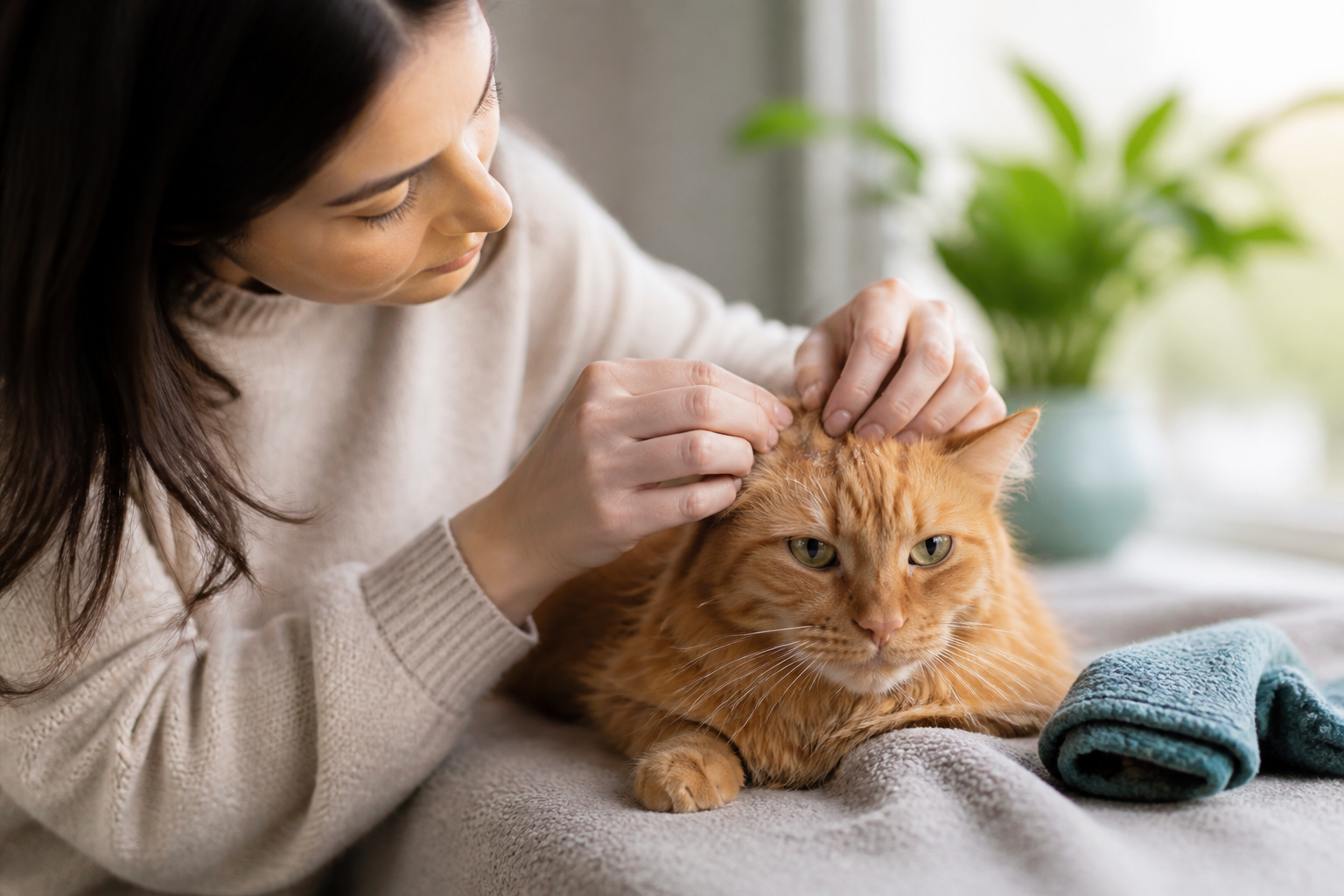
Before you reach for a grooming tool, it helps to understand what you are actually seeing on your cat's back. Feline dandruff, or seborrhea, happens when the sebaceous glands produce too much or too little oil. This leads to skin cells shedding faster than normal. In some cats, these flakes are dry and powdery. In others, the skin might feel slightly greasy to the touch.
There are several reasons why a cat might develop these flakes. Environmental factors like low humidity in the home are a frequent culprit. However, lifestyle factors matter too. If a cat is overweight or has arthritis, they might struggle to reach certain spots like the base of the tail or the middle of their back. When a cat stops grooming those areas effectively, dead skin cells and loose fur build up, leading to visible dandruff.
Quick Answer: The best cat brush for dandruff is typically a rubber curry brush or a soft bristle brush. These tools gently exfoliate the skin and distribute natural oils without causing irritation or scratches.
While brushing is a fantastic management tool, it is important to remember that skin health often starts from within. If the dandruff is accompanied by redness, a foul odor, or excessive itching, it is time to consult your veterinarian. These can be signs of parasites, fungal infections, or underlying metabolic issues that a brush alone cannot fix.
The Role of Brushing in Managing Flakes
Brushing does more than just remove loose hair. For a cat with dandruff, the act of brushing serves three primary purposes. First, it physically lifts and removes the dead skin cells that have already detached. Second, it stimulates the blood flow to the surface of the skin, which encourages healthy cell turnover. Third, and perhaps most importantly, it helps spread the natural oils produced at the base of the hair follicle along the entire shaft of the hair.
When those oils stay trapped against the skin, they can become waxy and irritate the pores. By moving those oils down the hair, you provide a natural protective coating for the fur and moisturize the skin surface. This is why the type of brush you choose is so critical. A tool that is too sharp can create micro-scratches on the skin, which actually triggers more inflammation and more dandruff.
Vet Tip: If your cat's dandruff is persistent or appears suddenly, schedule a check-up to rule out conditions like Cheyletiella mites, also known as walking dandruff. Your vet can also discuss if a prescription skin support diet is necessary for your cat's specific needs.
Choosing the Best Cat Brush for Dandruff
Not all brushes are created equal when it comes to sensitive, flaky skin. You want a tool that reaches the skin without being abrasive. Here are the top contenders for managing feline dandruff.
Rubber Curry Brushes
Rubber brushes, like the KONG ZoomGroom, are often considered the gold standard for cats with dandruff. The soft rubber "fingers" act like a massage for the skin. They are flexible enough to contour to your cat's body, which is especially helpful for bony areas like the hips or spine.
The rubber material also creates a bit of static pull that grabs onto loose fur and flakes effectively. Because the tips are blunt and soft, there is almost zero risk of scratching the skin. This makes it an ideal choice for cats who are normally "brush-shy" or have very thin coats.
Soft Bristle Brushes
A soft bristle brush is excellent for finishing a grooming session and for cats with very fine hair. These brushes usually feature densely packed natural or synthetic bristles. They do not reach deep into the undercoat as well as other tools, but they are the best at distributing oils.
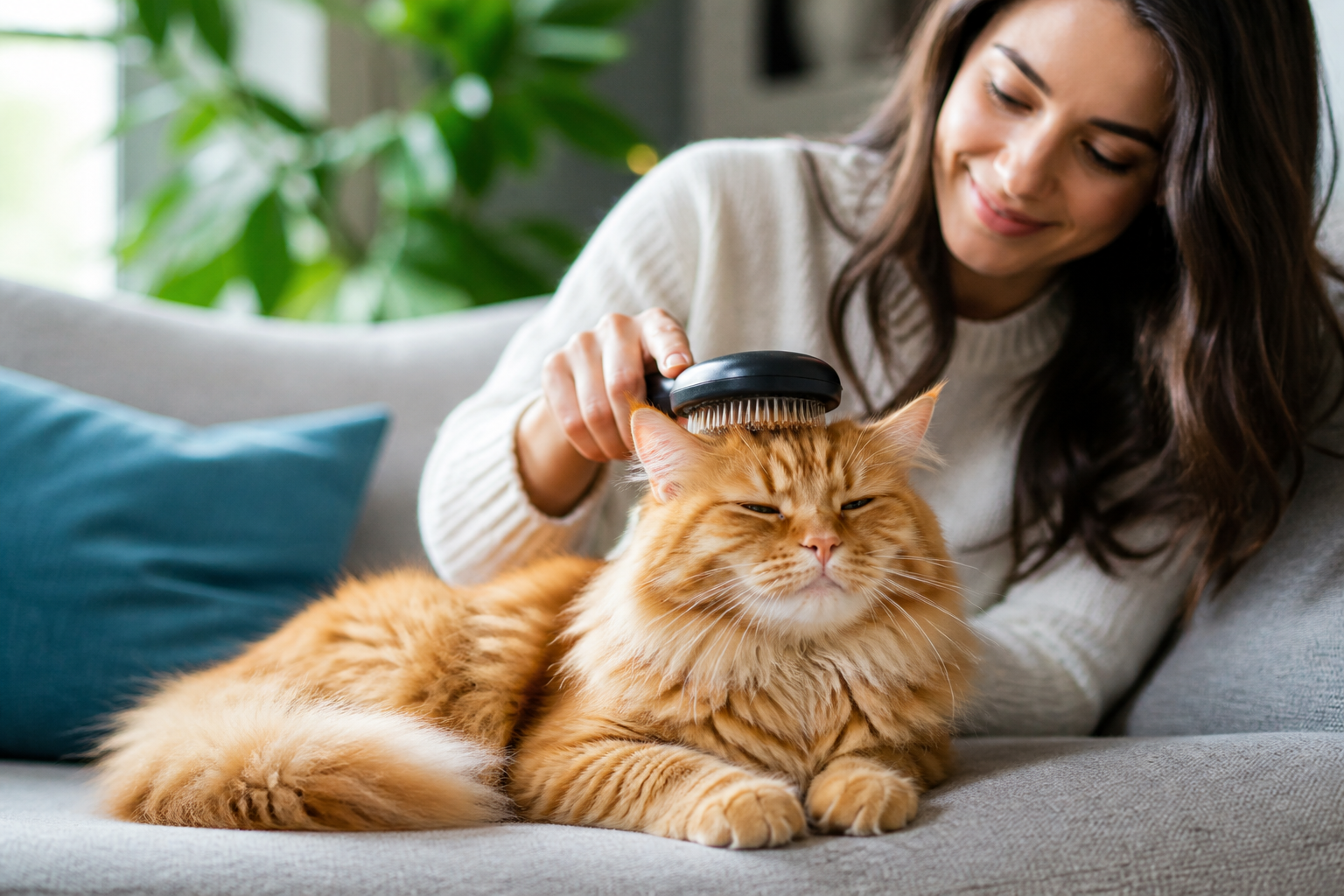
Think of a bristle brush as a polisher. It smooths the coat and ensures that every hair is coated in those helpful natural oils. If your cat has dry, flyaway fur along with dandruff, a bristle brush can help reduce static and add a healthy shine. For a versatile option, consider our U-Groom Combo Brush, which combines rounded pins with boar bristles.
Fine-Tooth Combs
If your cat has a very thick coat, a fine-tooth comb may be necessary to lift flakes out from the dense undercoat. However, you must be very gentle. Look for combs with rounded tips so they do not poke the skin. A flea comb can actually double as a dandruff tool because the teeth are close enough together to trap even small flakes. You can compare options in our cat brushes and combs collection.
The Problem with Slicker Brushes
Slicker brushes are popular for removing mats, but they are not always the best choice for dandruff. The fine wire bristles can be sharp. If your cat’s skin is already irritated or dry, the wire can cause discomfort. If you do use a slicker brush, ensure it has protective caps on the ends of the wires and use a very light hand.
| Brush Type | Best Use Case | Gentleness Level |
|---|---|---|
| Rubber Curry | Exfoliation and massage | Very High |
| Soft Bristle | Oil distribution and shine | High |
| Fine-Tooth Comb | Removing deep flakes | Medium |
| Slicker Brush | Removing mats and tangles | Low to Medium |
How to Establish a Dandruff-Busting Grooming Routine
Consistency is more important than duration when it comes to grooming a cat with dandruff. Long, intense sessions can over-stimulate the skin and lead to more irritation. Instead, aim for short sessions that your cat actually enjoys.
Step 1: Choose a quiet time. / Pick a moment when your cat is relaxed, such as after a meal or while they are lounging in a sunny spot. Avoid times when they are in a high-energy "zoomie" mood.
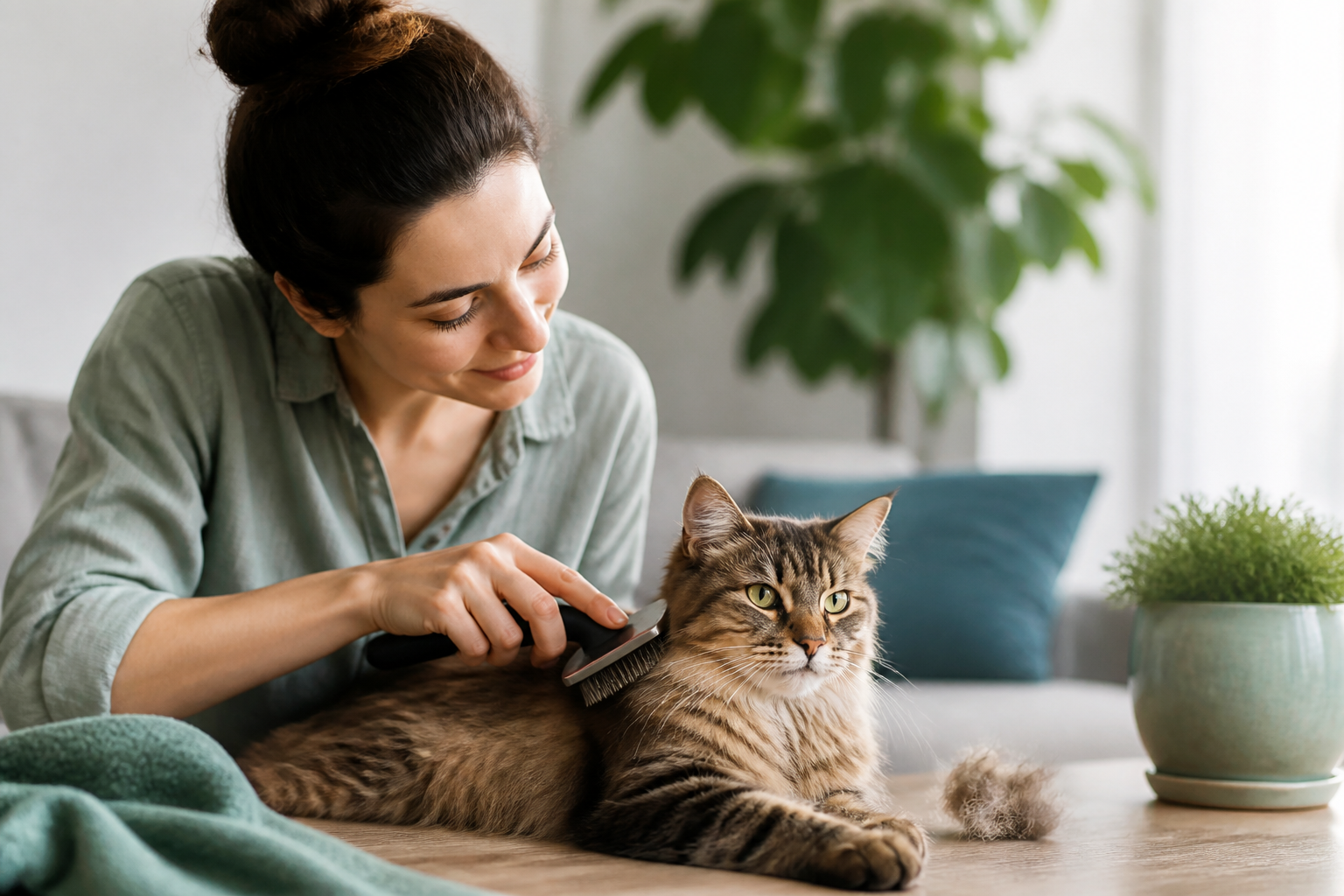
Step 2: Start with the rubber brush. / Use circular motions with a rubber curry brush to loosen dead skin and hair. This mimics the feeling of being licked by another cat and is usually very soothing.
Step 3: Move in the direction of hair growth. / After the initial massage, switch to long, sweeping strokes from head to tail. Pay special attention to the lower back where dandruff tends to accumulate.
Step 4: Finish with the bristle brush. / Use a soft bristle brush to lay the hair flat and distribute the oils you have just stimulated. This leaves the coat looking sleek and helps lock in moisture.
Step 5: Reward your cat. / Follow the session with a high-quality treat or some play. You want your cat to associate the removal of those itchy flakes with a positive experience.
Key Takeaway: Regular, short grooming sessions are more effective for managing dandruff than occasional deep cleaning. Aim for five minutes a day to keep skin oils balanced and flakes at bay.
Nutrition and Hydration: The Foundation of Skin Health
You cannot talk about the best cat brush for dandruff without mentioning what goes into your cat's bowl. Skin is the largest organ of the body, and it requires specific nutrients to remain supple. If your cat’s diet is low in essential fatty acids, their skin will likely be the first place you see the results.
Omega-3 and Omega-6 fatty acids are crucial for skin health. Many premium brands we carry, such as Farmina, Open Farm, and Stella and Chewy's, include these in their formulations. If your cat is currently on a standard diet, you might consider adding a fish oil supplement to their meals. Explore our cat food selection when reviewing your cat’s current routine.
Hydration is the other piece of the puzzle. Cats have a low thirst drive, and chronic mild dehydration can lead to dry, flaky skin. Switching to a wet food diet, or at least adding some canned food like Tiki Cat or Fussie Cat to their routine, can significantly improve skin moisture from the inside out.
Bottom line: Brushing manages the symptoms of dandruff, but proper hydration and fatty acids treat the cause.
When to Visit the BaxterBoo Pharmacy
Sometimes, dandruff is a sign of an underlying medical condition that requires more than just a better brush and a diet change. If your cat has severe seborrhea, your veterinarian might prescribe a medicated shampoo or a specific prescription diet.
Through our partnership with Pet's Choice, the BaxterBoo pharmacy offers a wide range of FDA-approved medications and prescription pet foods. If your vet determines that your cat's skin issues are linked to allergies or a fungal infection, we can help you get those essential treatments delivered right to your door. Explore our cat pharmacy for prescription products that require veterinary guidance.
We also carry a variety of flea and tick preventives like Frontline and NexGard. Parasites are a leading cause of skin irritation and flaking, so staying current on those preventives is a vital part of skin maintenance. You can review our Frontline selection as part of your prevention routine.
Senior Cats and Mobility Challenges
As cats age, they often develop arthritis or general stiffness. This makes it difficult for them to reach their back and hindquarters during their daily grooming. You might notice that the dandruff is most concentrated in a "strip" down the center of their back where they simply cannot reach anymore.
For these senior cats, you become the primary groomer. Using a rubber brush is especially important here because senior cats often have less muscle mass and more prominent bones. A soft, flexible rubber tool will be much more comfortable for them than a hard plastic or metal brush. Helping your senior cat with these hard-to-reach spots can significantly reduce their discomfort and keep their skin from becoming itchy and inflamed.
Managing Seasonal Flakes
If you notice that your cat only gets dandruff when the heater kicks on in the fall, the issue is likely environmental. Dry indoor air sucks the moisture out of the skin. While you can't always change the climate, you can manage the impact.
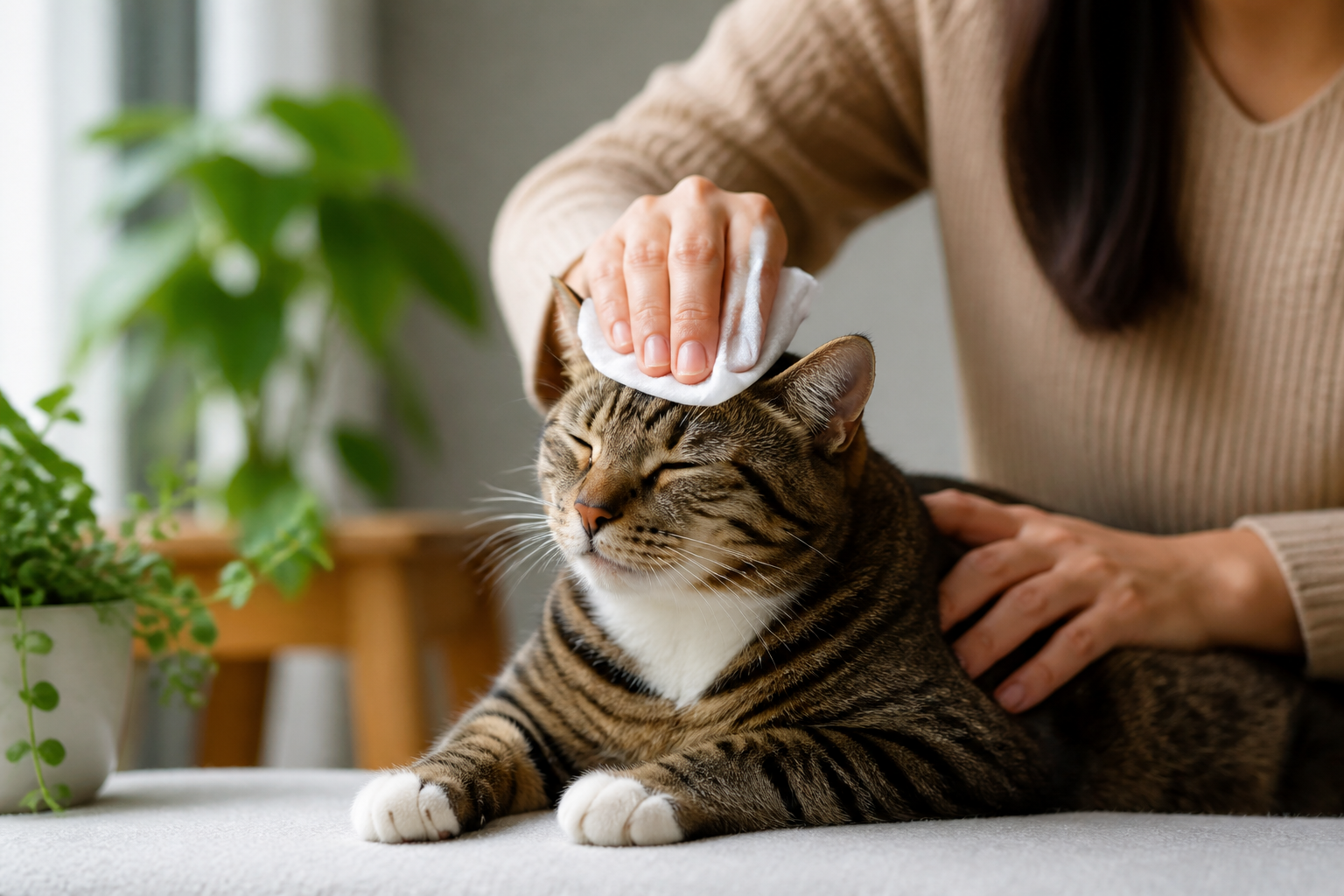
Using a humidifier in the rooms where your cat spends the most time can help. You can also use grooming wipes designed for cats to add a bit of surface moisture between brushing sessions. Look for wipes that contain soothing ingredients like aloe or oatmeal, and avoid anything with heavy artificial scents that might irritate a cat's sensitive nose. For dry grooming options, browse our waterless grooming collection.
Why Quality Brushes Matter
It can be tempting to grab the cheapest brush on the shelf, but for a cat with dandruff, quality matters. Cheap plastic brushes often have "flash" or rough edges from the molding process. These tiny imperfections can snag on the hair or scratch the skin.
At BaxterBoo, we handpick every grooming tool we carry to ensure it meets our standards for safety and effectiveness. Whether it is a classic KONG rubber tool or a professional-grade comb from Safari, we prioritize products that are built to last and designed with animal anatomy in mind. Investing in a good tool now means a more comfortable experience for your cat and a more effective way to manage those frustrating flakes. Start with our cat grooming supplies to compare brushes, combs, wipes, and other care essentials.
Summary: A Holistic Approach to Feline Skin
Managing cat dandruff is a multi-step process that involves the right tools, the right food, and consistent care. By choosing a gentle brush that exfoliates without scratching, you can significantly reduce the amount of visible dander in your home and improve your cat's comfort.
- Use a rubber curry brush for gentle exfoliation and massage.
- Distribute natural oils with a soft bristle brush.
- Prioritize hydration and essential fatty acids in your cat's diet.
- Consult a vet if flakes are accompanied by itching or redness.
- Use the BaxterBoo pharmacy for prescription diets and flea preventives.
Key Takeaway: Feline dandruff is often a manageable condition that responds well to a combination of gentle grooming and high-quality nutrition.
If you are ready to upgrade your grooming kit, we invite you to browse our full collection of cat grooming supplies. From brushes and combs to specialized skin and coat supplements, we have everything you need to keep your cat's coat shining. Don't forget that our MVP Rewards program lets you earn points on every purchase, helping you save on the premium brands your cat loves.
FAQ
Can I use a human hairbrush on my cat's dandruff?
It is not recommended to use human brushes because our hair and skin are different from those of a cat. Human brushes often have bristles that are too stiff or tips that are too sharp for a cat's thin skin. Specialized cat brushes are designed to reach the undercoat and distribute feline skin oils without causing irritation.
How often should I brush a cat with dry skin?
For a cat with dry skin and dandruff, short daily sessions are better than one long weekly session. Aim for about five minutes of gentle brushing each day. This provides a consistent stimulus for oil production and prevents the buildup of dead skin cells without over-stressing the skin.
Will bathing my cat get rid of dandruff?
Bathing can actually make dandruff worse if it is done too often or with the wrong shampoo. Most cats do not need regular baths, as the water and soap can strip away the very oils you are trying to encourage. If a bath is necessary, use a soap-free, moisturizing oatmeal shampoo designed specifically for cats, and always check with your vet first.
Does my cat's weight affect their dandruff?
Yes, weight plays a significant role in skin health. Overweight cats often cannot reach the base of their tail or their lower back to groom themselves properly. This lack of grooming leads to a buildup of loose hair and dead skin. If your cat is struggling with weight-related grooming issues, we carry specialized foods like Farmina Vet Life for weight management in our cat pharmacy.