
 Save 15% on your 1st Autoship learn more

 Email us
 Live Chat
 FAQs





Introduction
You are petting your cat and notice a dusting of white specks on their dark fur. It looks like a light dusting of snow, but you know it is actually flaky skin. Feline dandruff is common, but it can be a sign that your cat needs a little extra help with their grooming or nutrition. At BaxterBoo, we have spent nearly two decades helping pet owners navigate skin and coat health with the right products and advice. This guide will help you identify why those flakes are appearing and how to choose the right cat shampoo for dandruff to restore a glossy, healthy coat. We will look at the best ingredients for soothing dry skin and when it is time to seek professional medical advice. Managing your cat's skin health is a vital part of their overall comfort and well-being.
Understanding the Difference Between Dander and Dandruff
It is easy to confuse dander and dandruff because the words sound so similar. However, they are two very different things in the world of feline health. Every cat has dander. These are microscopic skin cells that shed naturally as part of the normal skin renewal process. You cannot see dander with the naked eye, but it is often what triggers allergies in humans.
Dandruff is different because you can see it. These are larger, visible flakes of dead skin that have clumped together. While dander is a sign of a healthy body doing its job, visible dandruff usually signals an imbalance. It might mean the skin is too dry, too oily, or that your cat is unable to groom themselves effectively.
Quick Answer: Cat dandruff consists of visible white or gray skin flakes on the fur or bedding. While dander is a microscopic and normal part of shedding, visible dandruff often indicates an underlying issue like dry skin, poor grooming, or nutritional gaps.
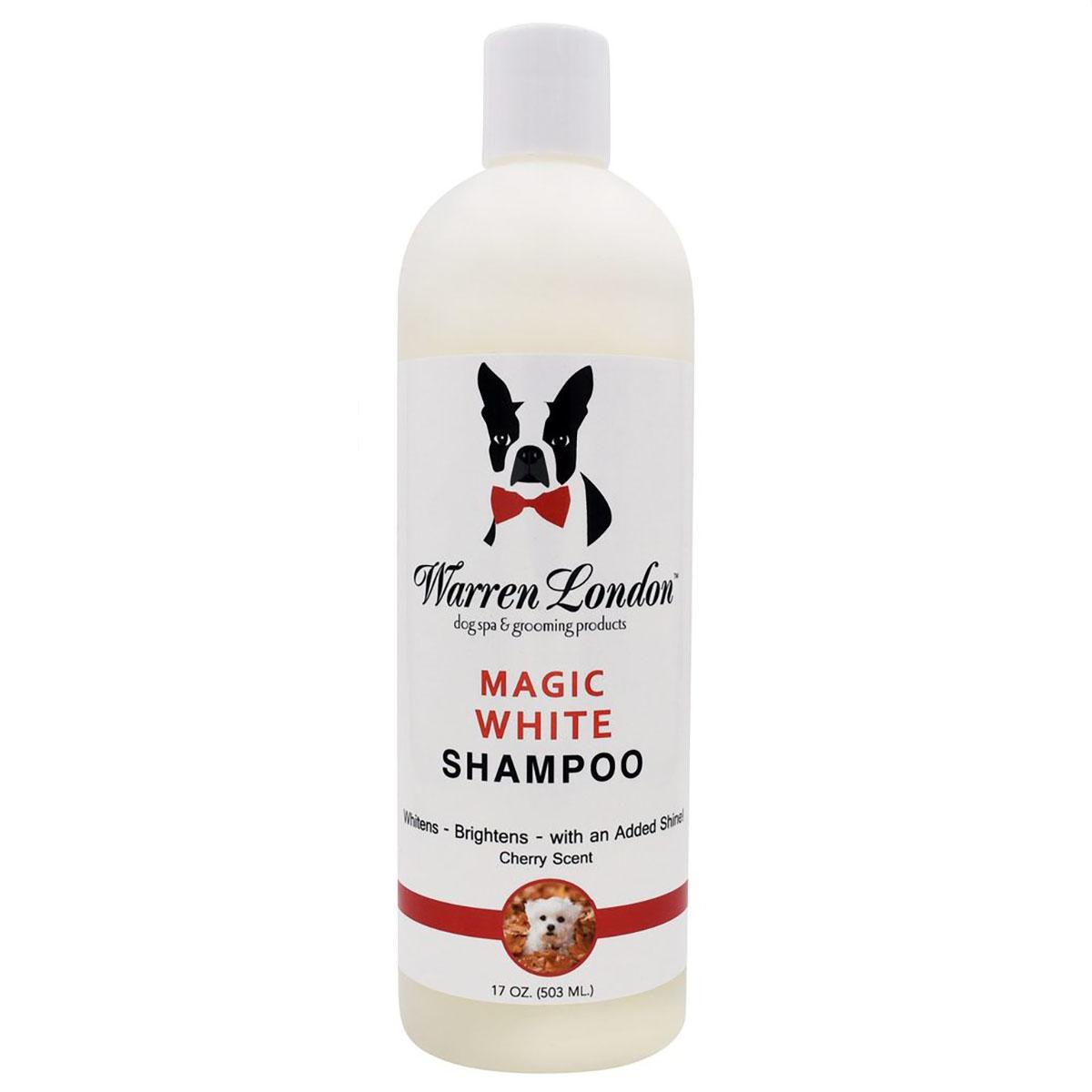
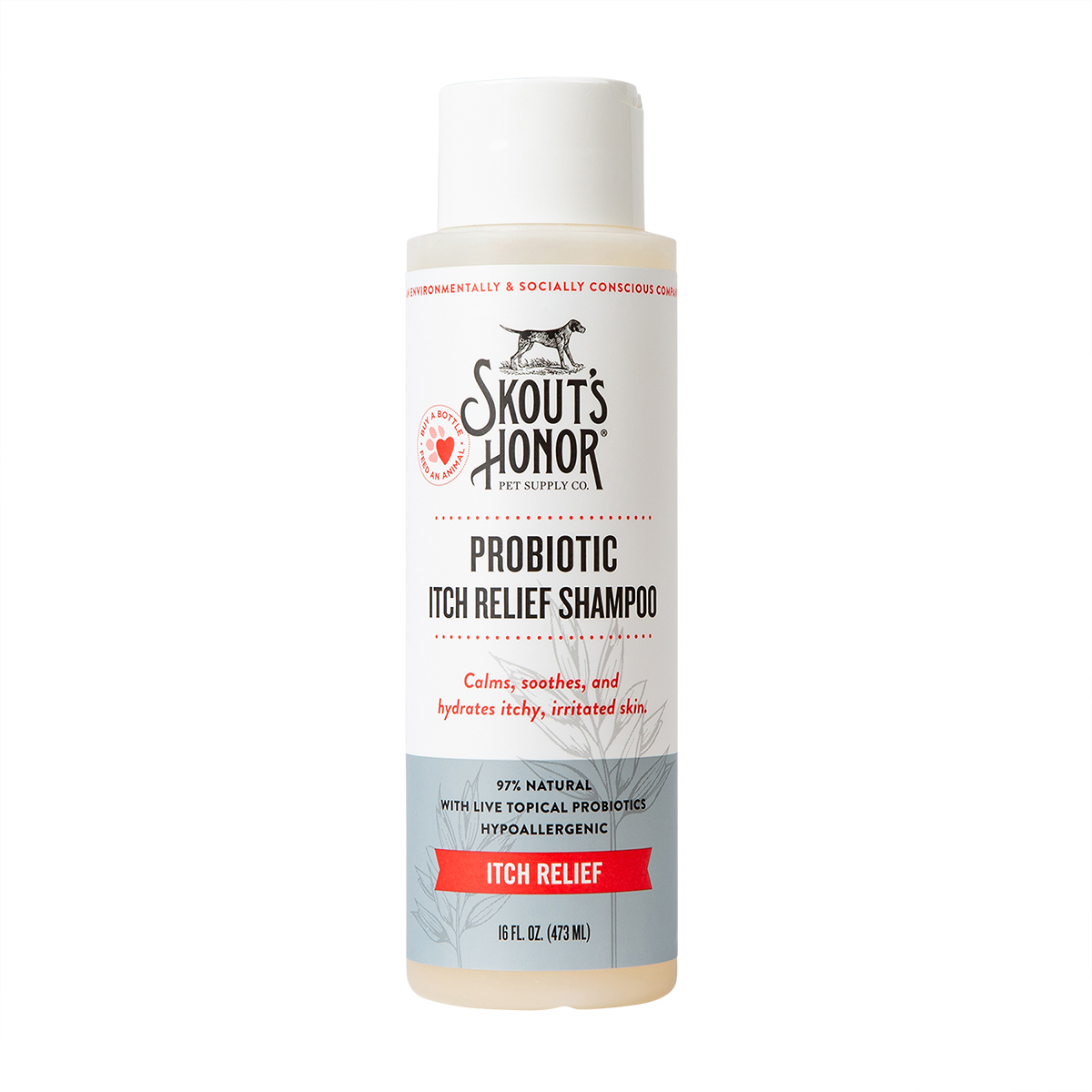
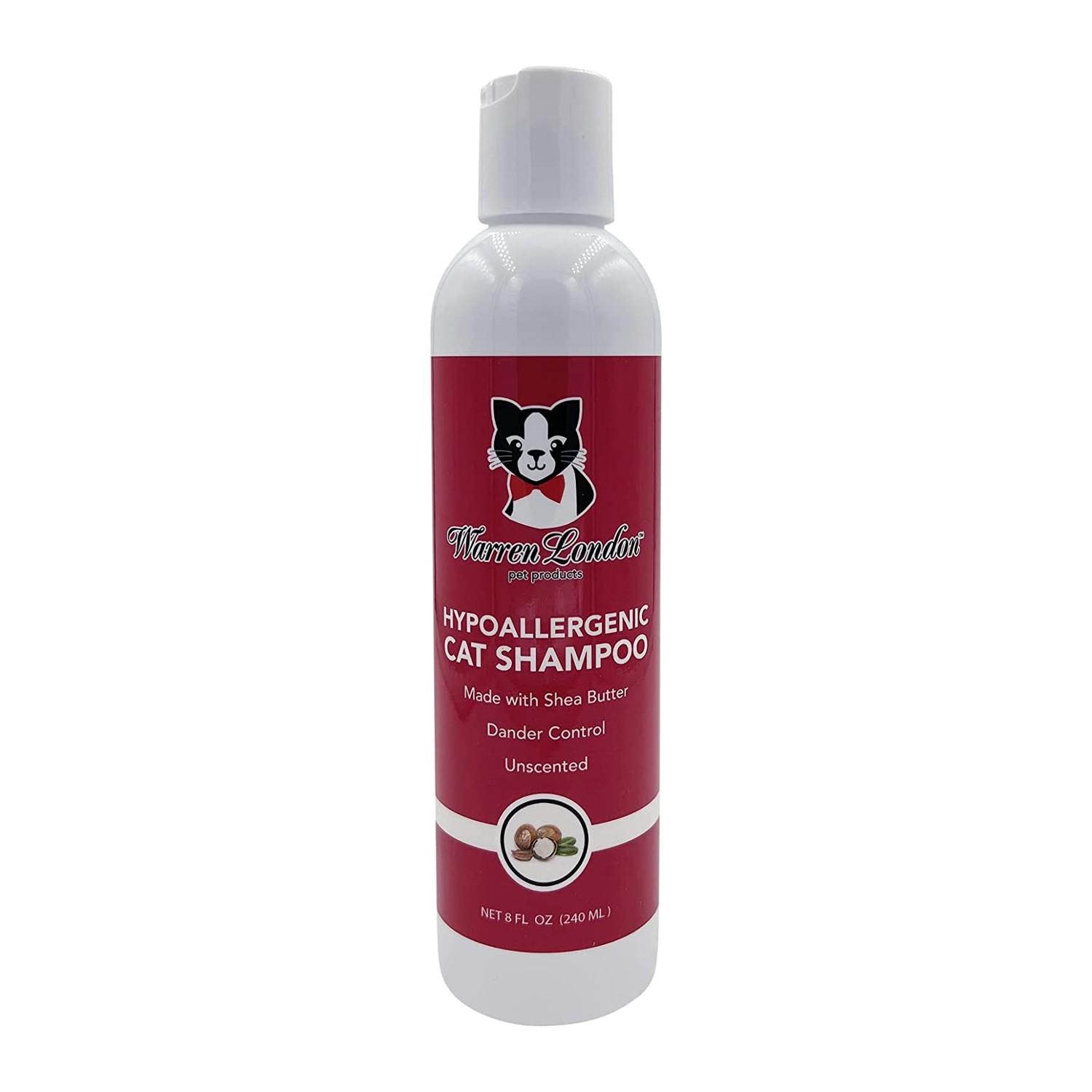
Cat Shampoos & Conditioners



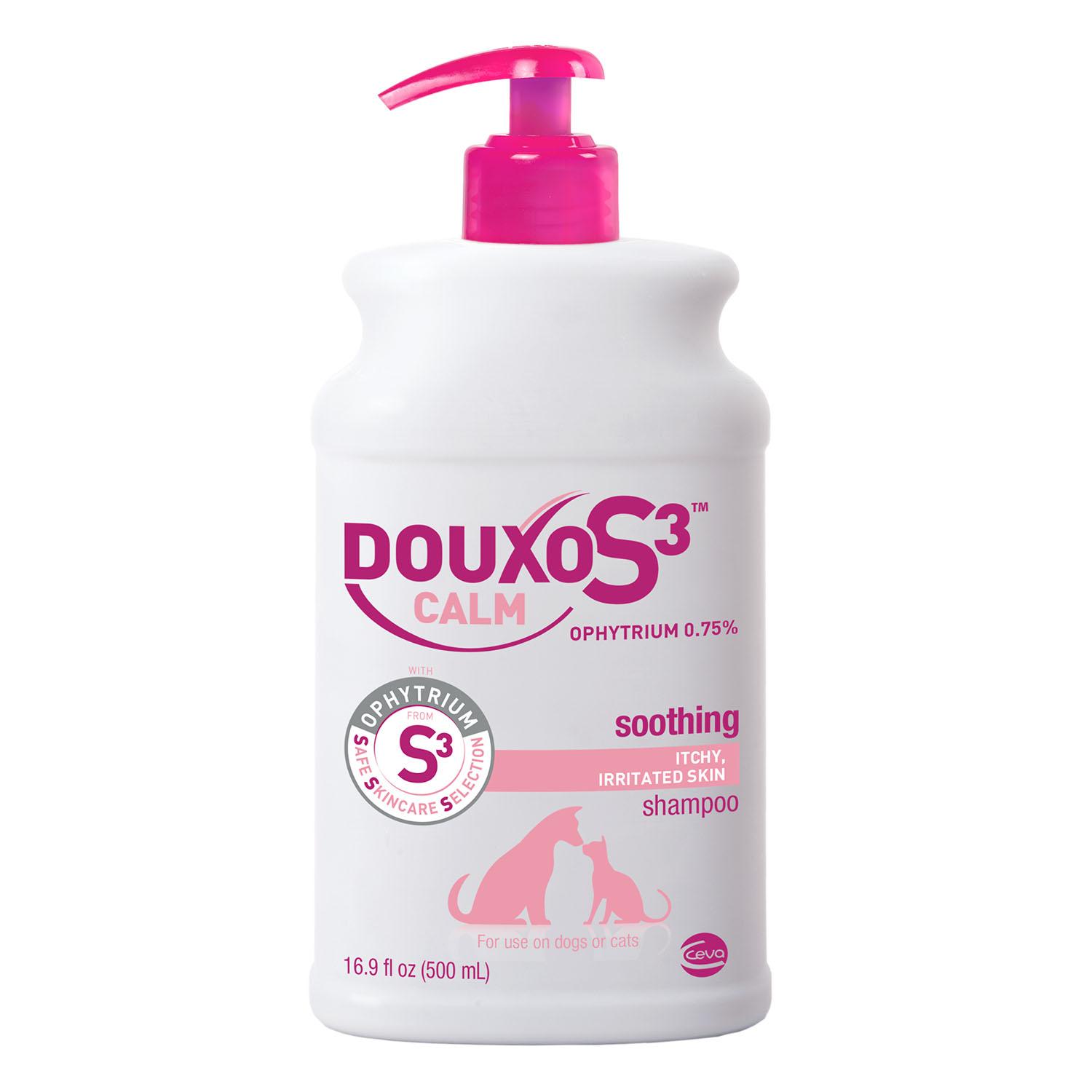
Common Causes of Flaky Skin in Cats
Before reaching for a bottle of shampoo, it helps to understand why the skin is flaking. Cats are generally excellent at grooming themselves, so visible flakes often mean something has changed in their routine or health.
Difficulty Grooming
One of the most frequent causes of dandruff is a physical inability to reach certain spots. Senior cats often develop arthritis or general stiffness. If it hurts to twist and reach their lower back, that area will quickly accumulate dead skin and loose fur. Similarly, overweight cats may struggle to reach their hindquarters. When the tongue cannot reach the skin to "exfoliate" it naturally, dandruff builds up.
Environmental Factors
Just like humans, cats react to the air around them. During the winter months, indoor heating can strip the moisture from the air. This leads to dry, itchy skin for your cat. If you notice the flakes appearing primarily when the heater is running, the environment is likely the culprit.
Nutritional Deficiencies
The skin is the largest organ of the body and requires significant resources to stay healthy. Cats need specific levels of Omega-3 and Omega-6 fatty acids to maintain a supple skin barrier. If their diet is lacking in these healthy fats, the skin becomes brittle and prone to flaking.
Medical Conditions
In some cases, dandruff is a secondary symptom of a larger health problem. Conditions like hyperthyroidism, diabetes, or kidney disease can change the quality of a cat's coat. Parasites like the Cheyletiella mite can also cause what looks like dandruff. This is often called walking dandruff because the tiny white mites move around under the fur.
Vet Tip: If you see flakes that appear to be moving, or if your cat is losing clumps of hair and scratching excessively, schedule a visit with your veterinarian. These can be signs of parasites or systemic illnesses that require a professional diagnosis and prescription treatment.
Choosing the Right Cat Shampoo for Dandruff
When you decide to bathe your cat, the choice of shampoo is the most important factor. You must never use human shampoo on a cat. Human skin has a different pH level than feline skin. Using our products on them can strip away their natural oils and make the dandruff much worse.
Moisturizing and Hypoallergenic Formulas
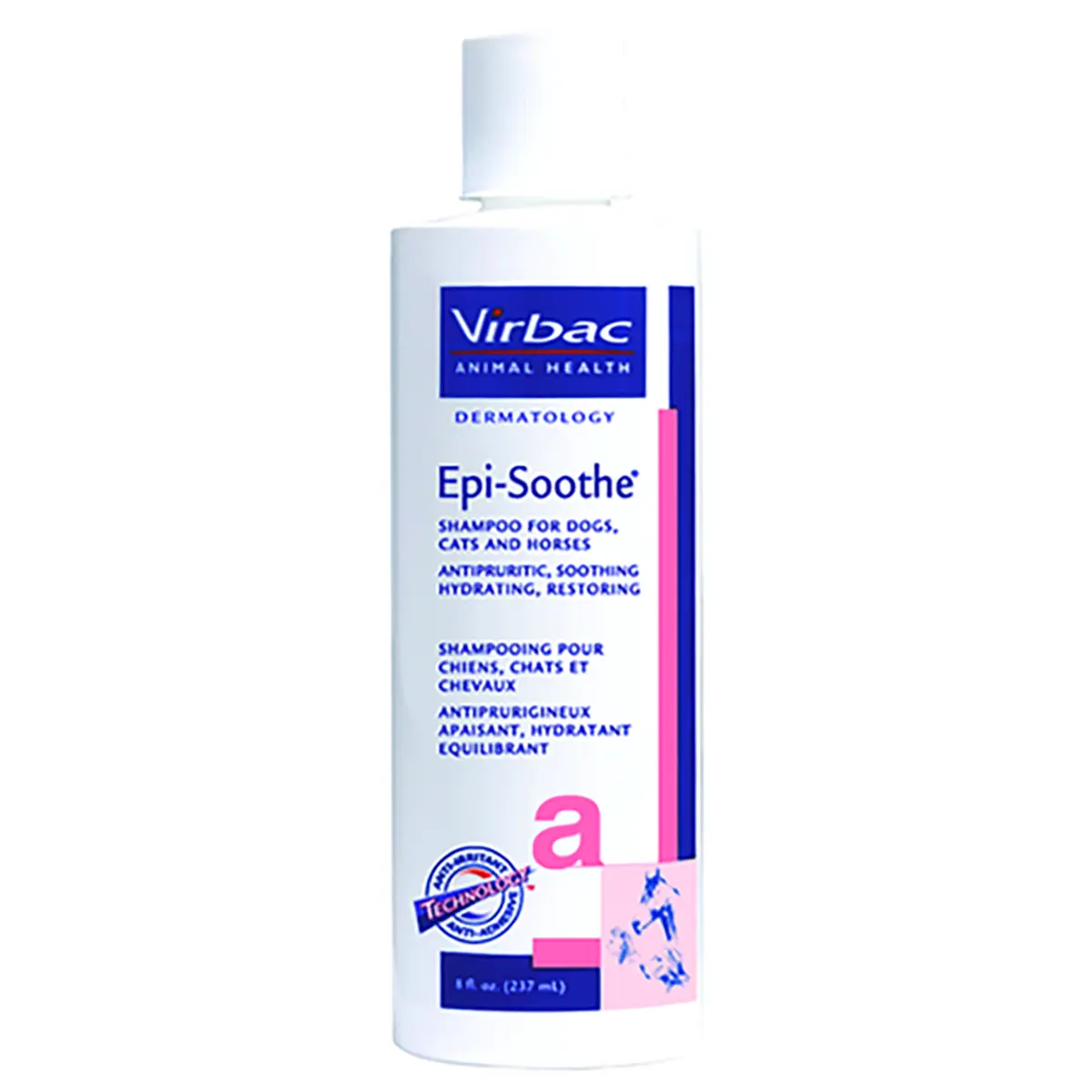
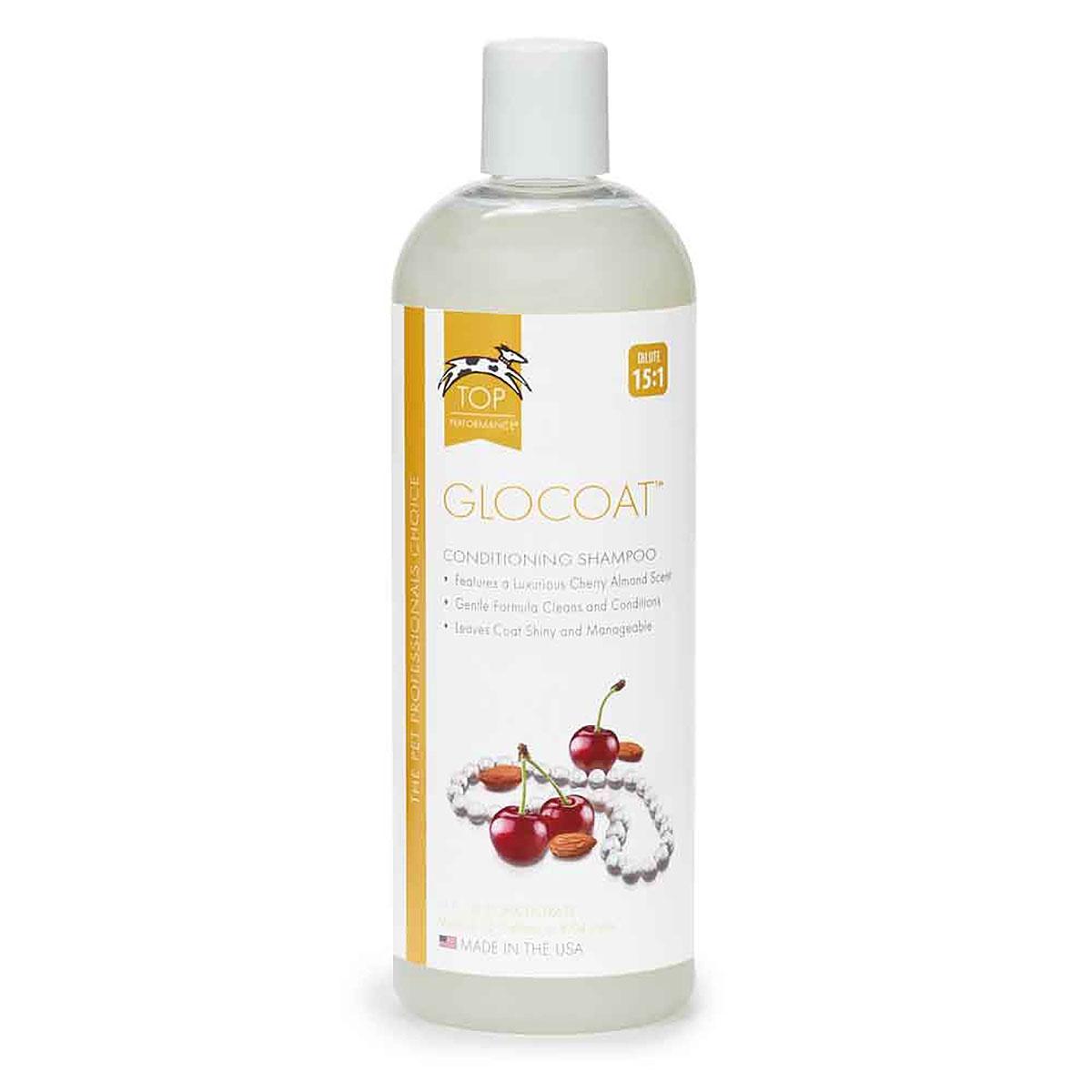
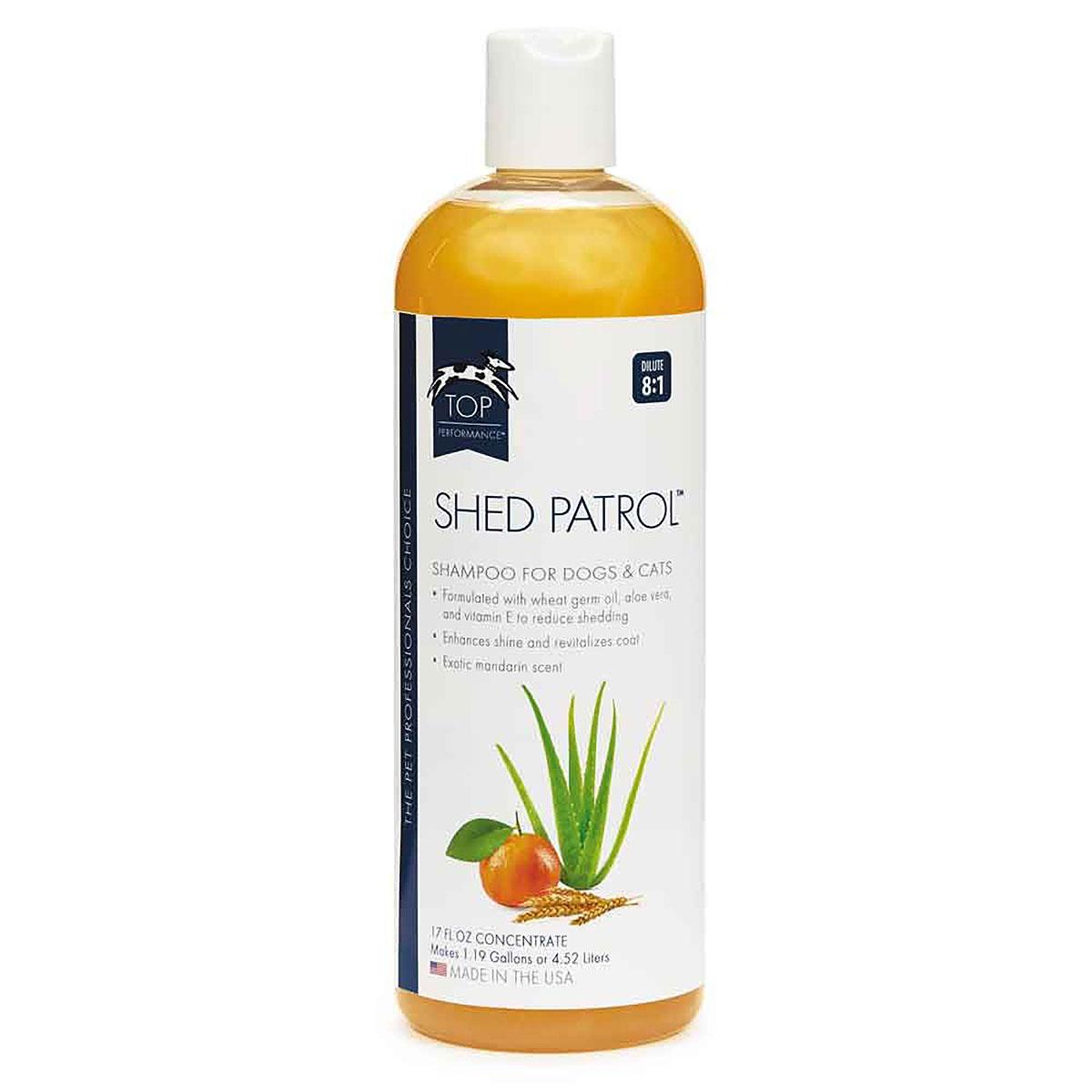
For most cases of simple dry skin, a moisturizing shampoo is the best place to start. Look for ingredients that naturally draw moisture into the skin.
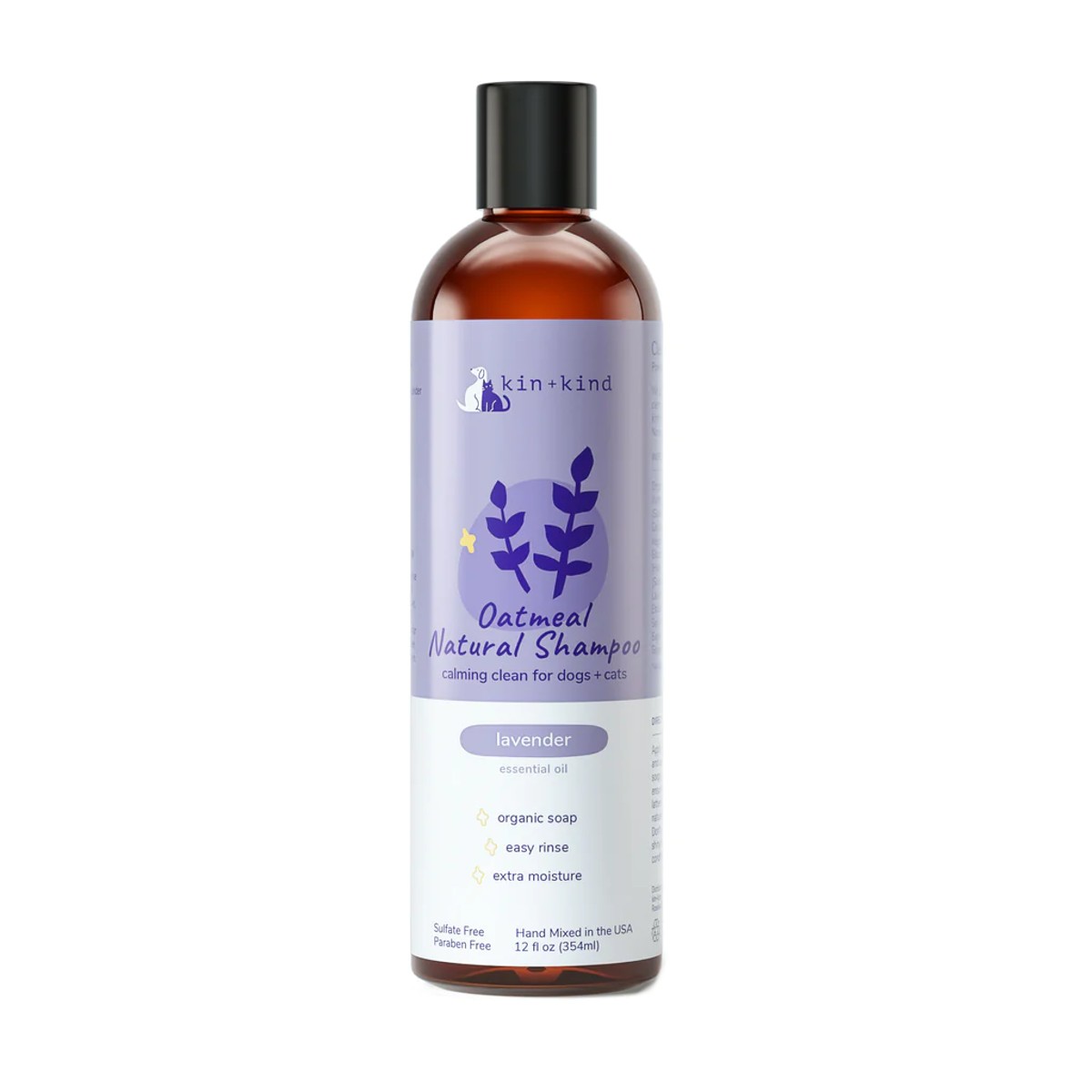
- Oatmeal: This is a classic choice for soothing itchy, dry skin.
- Aloe Vera: Helps to calm inflammation and provide immediate cooling relief.
- Honey or Vitamin E: These ingredients help to seal moisture into the skin barrier.
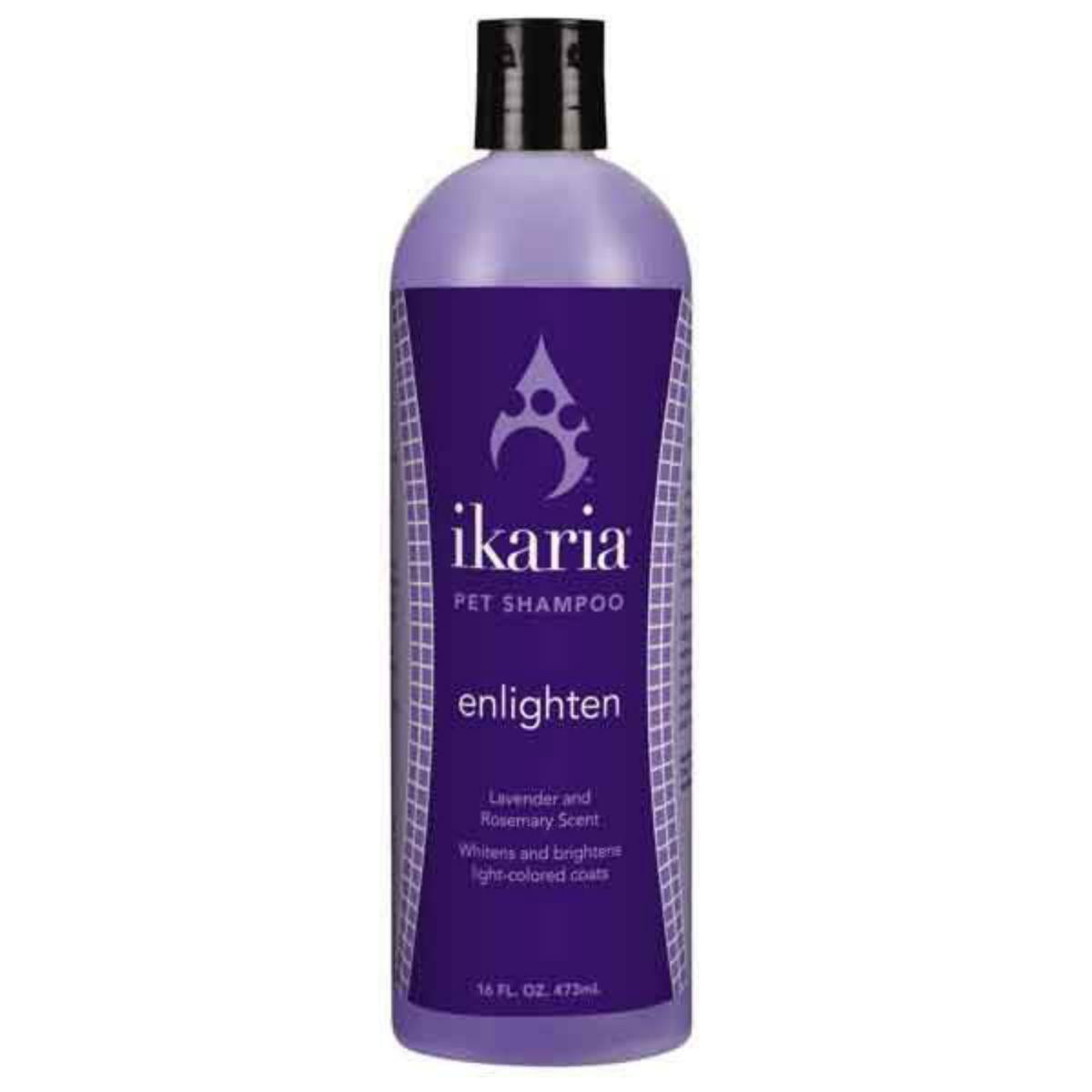
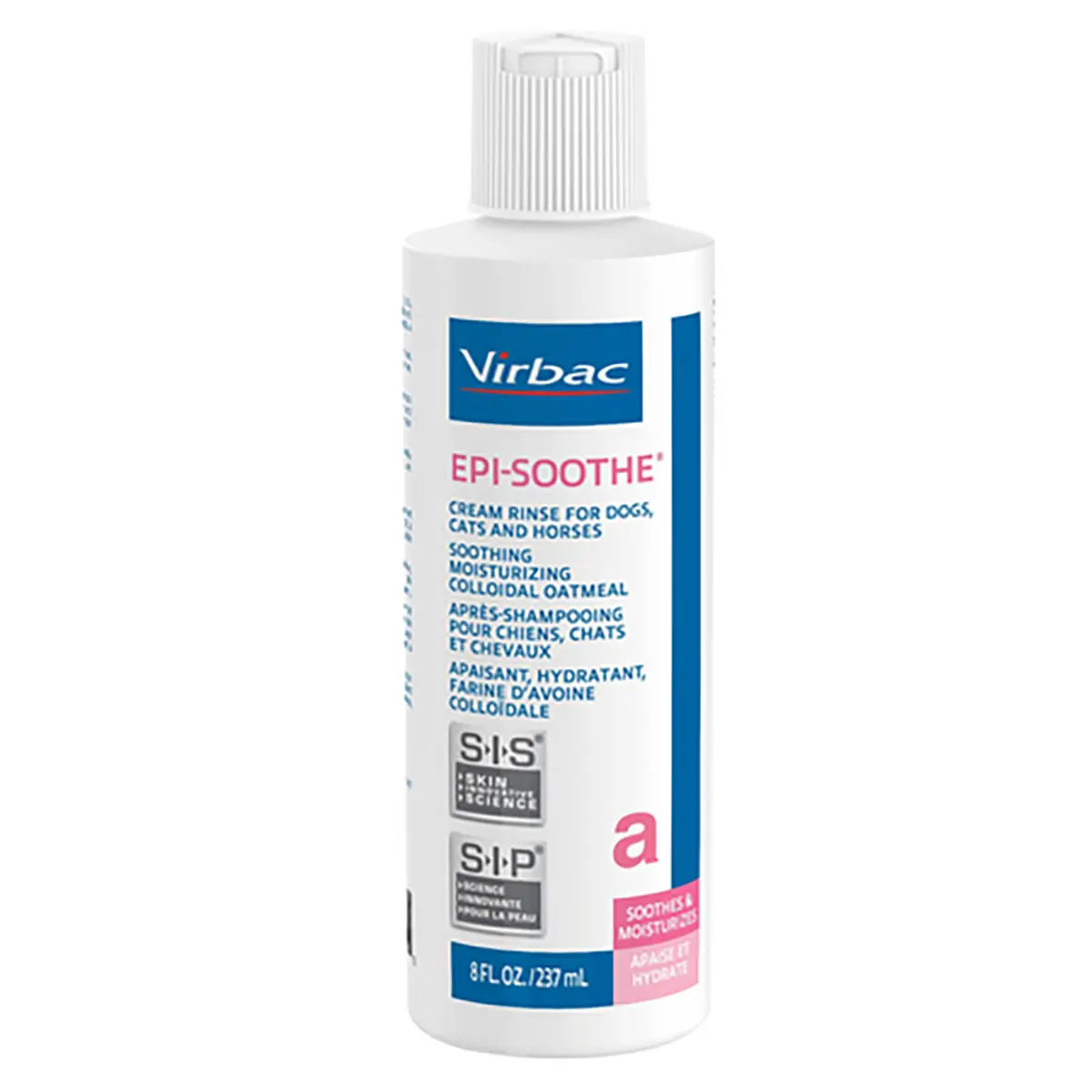
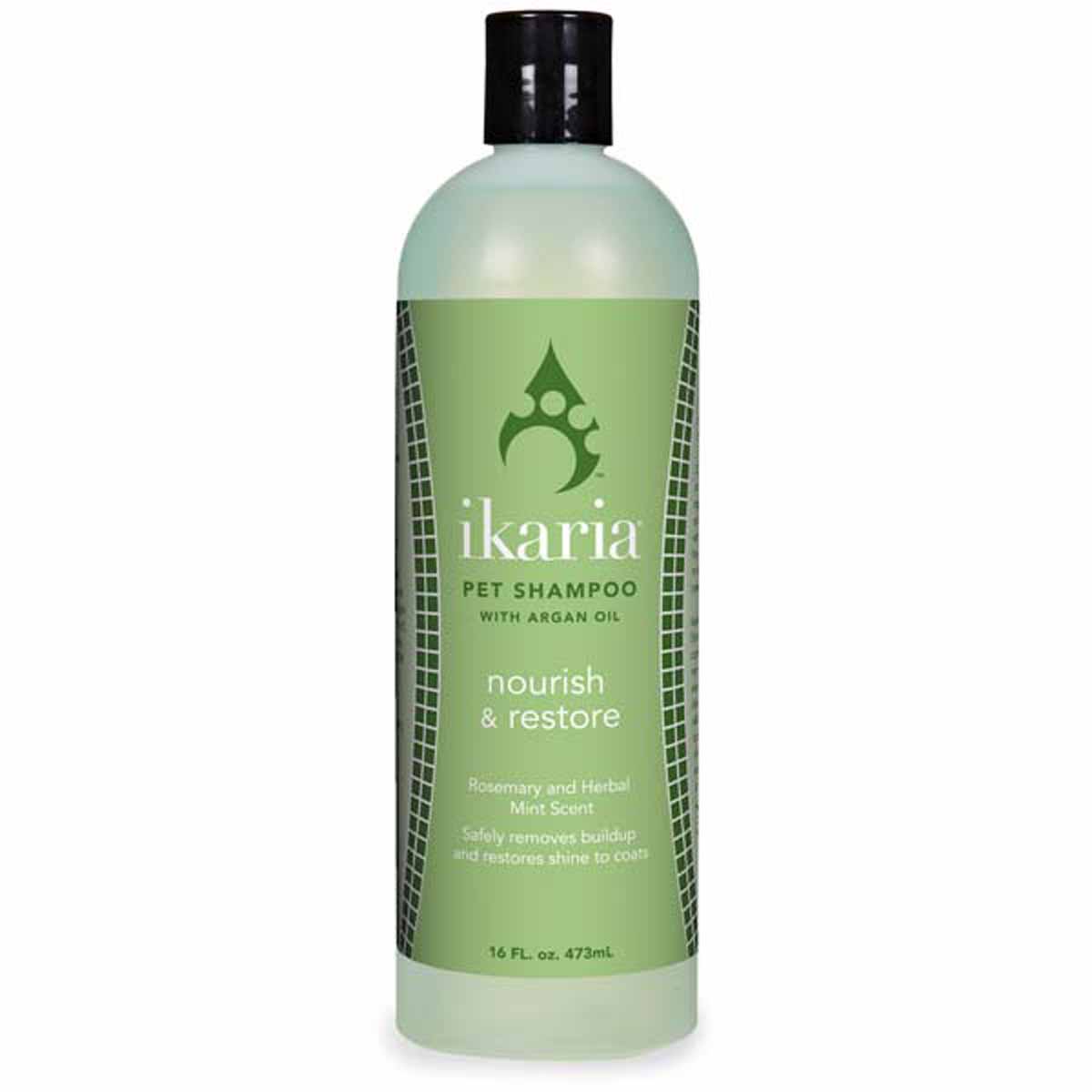
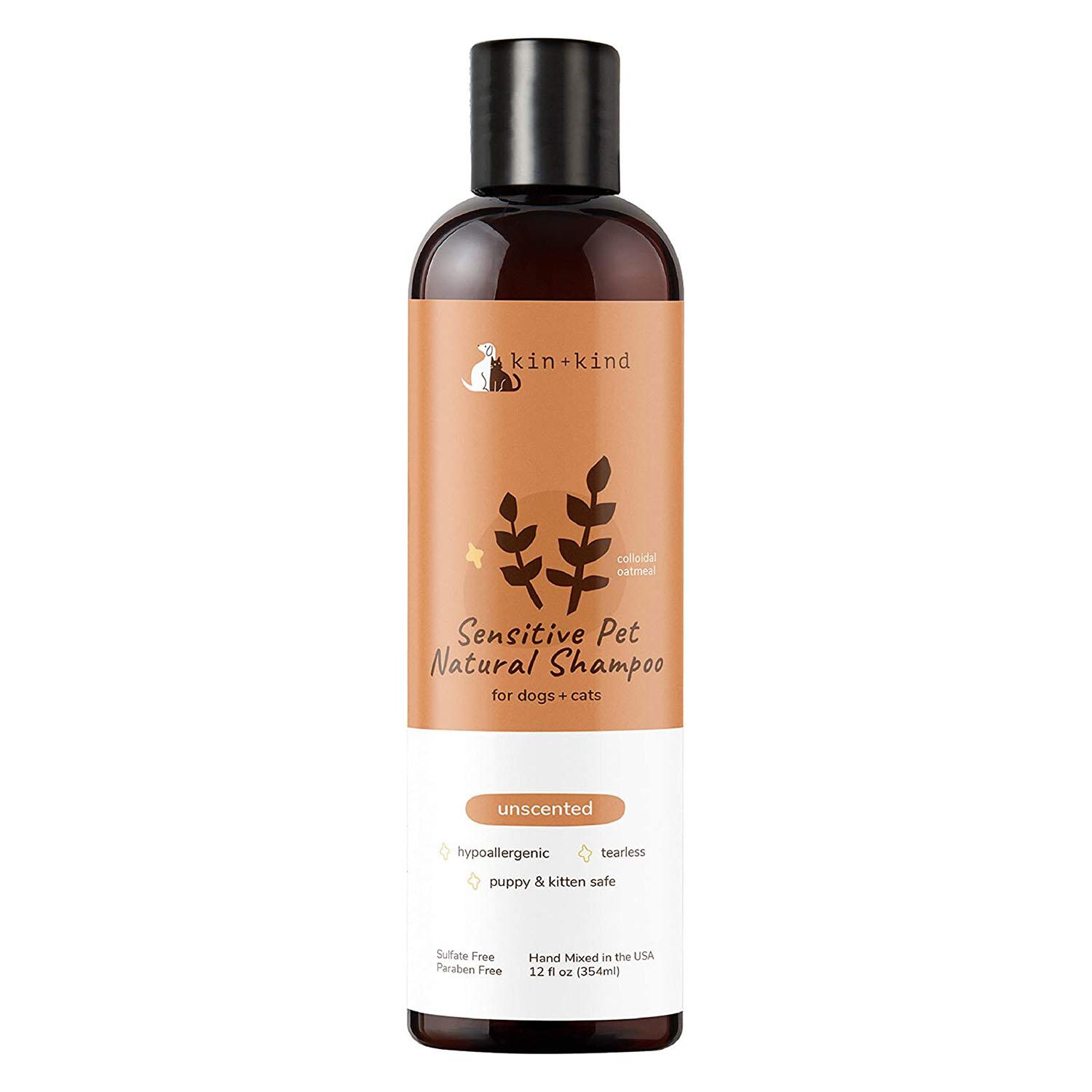
Brands like Earthbath or Burt’s Bees offer gentle, hypoallergenic options that avoid harsh chemicals. These are ideal for cats with sensitive skin who just need a hydration boost. You can also browse our cat grooming collection for shampoos, wipes, and grooming tools.
Medicated and Anti-Seborrheic Shampoos
If the dandruff is greasy or accompanied by a foul odor, your cat might have seborrhea. This is a condition where the skin produces too much oil. In these cases, a moisturizing shampoo might not be enough. You may need a product containing:
- Salicylic Acid: Helps to exfoliate dead skin cells.
- Sulfur: Works to reduce oil production and treat fungal issues.
- Benzoyl Peroxide: Deeply cleanses the hair follicles.
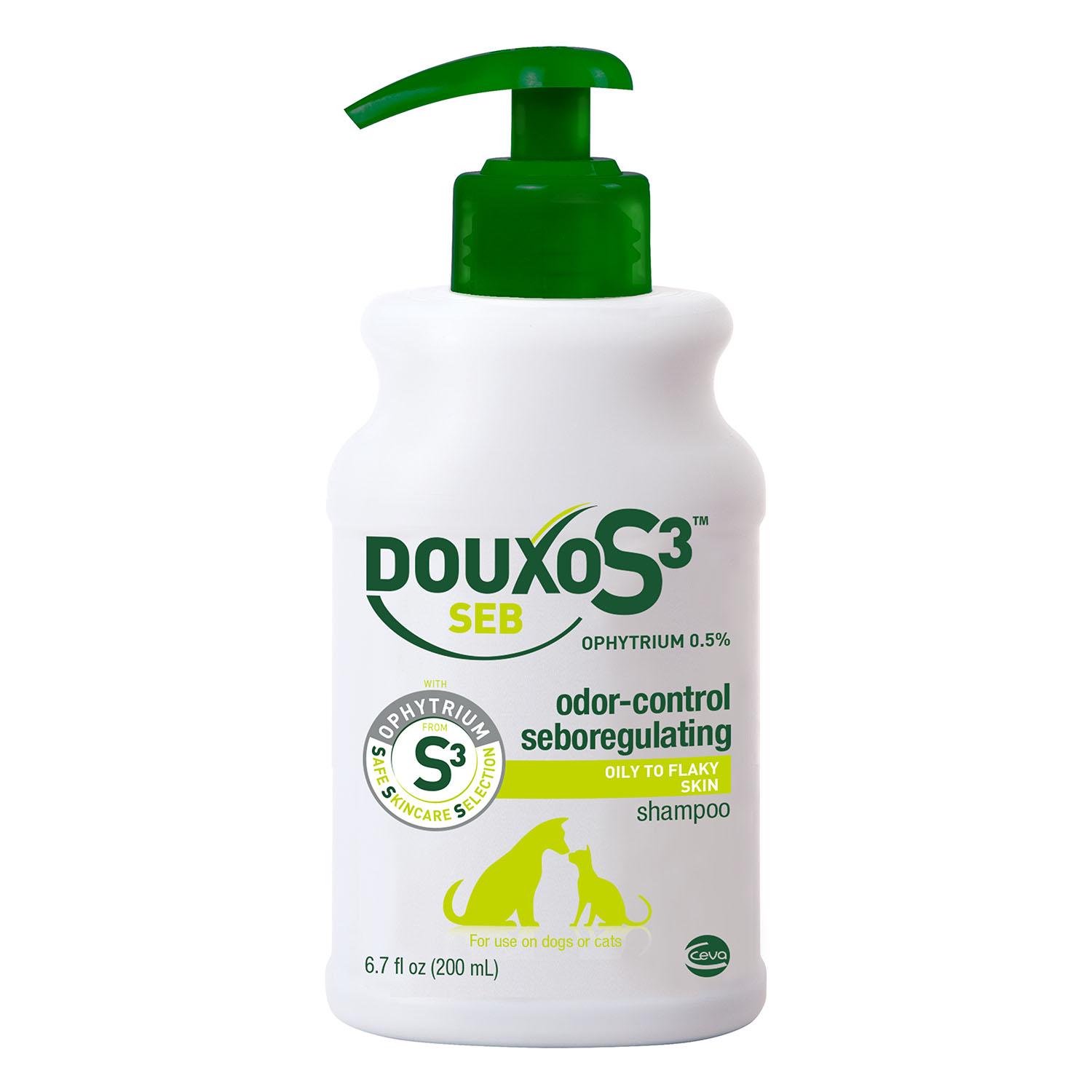
Our pharmacy carries a variety of medicated shampoos and skin treatments. Through our partnership with Pet's Choice, we provide access to FDA-approved prescription shampoos that your vet might recommend for chronic skin conditions. For nonprescription options, our cat skin and coat care selection includes shampoos, supplements, and topical products.
How to Bathe a Cat Without the Stress
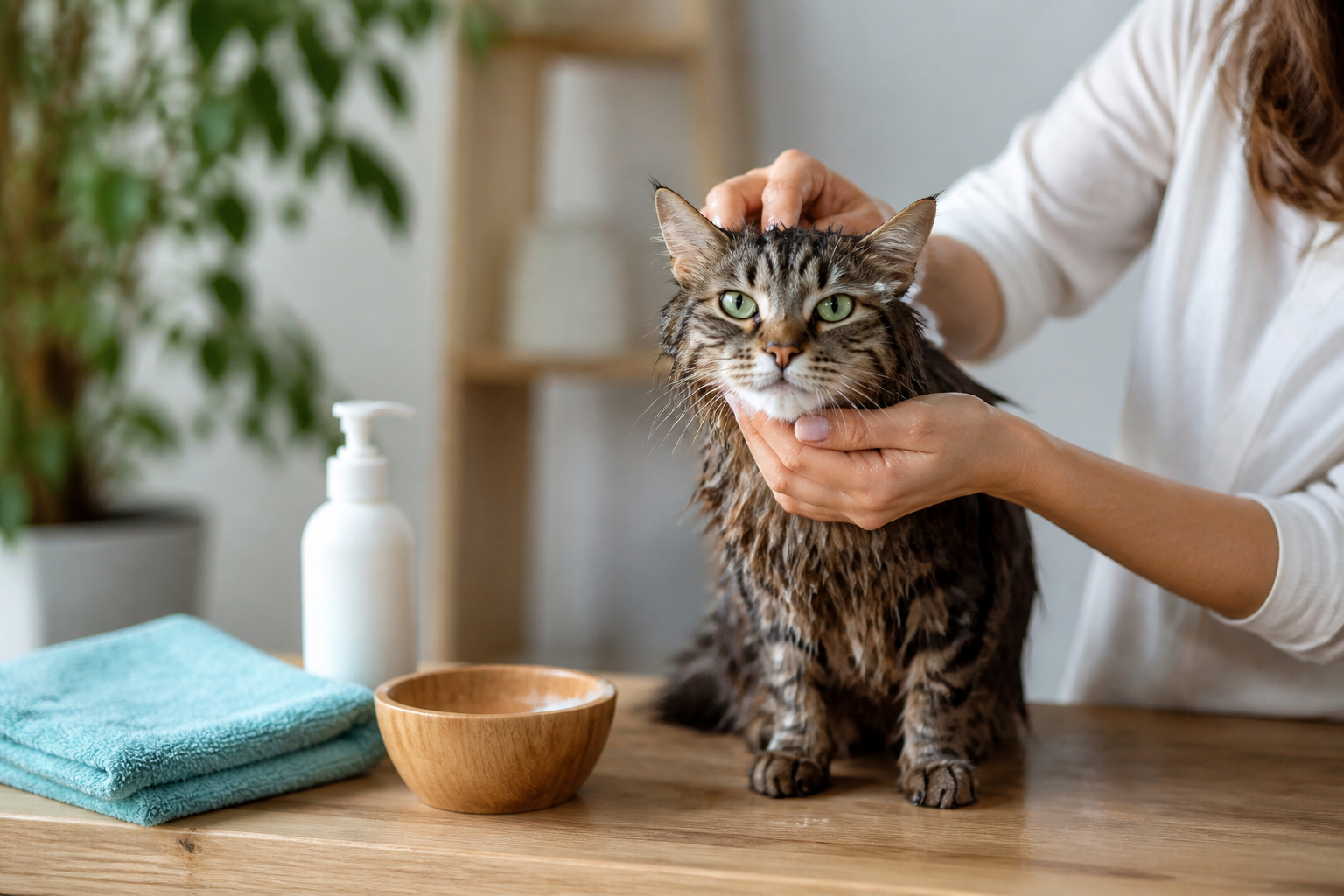
Most cats are not fans of the bathtub. However, if your cat has a buildup of dandruff that they cannot clear on their own, a bath is often necessary to reset their skin health.
Preparation is Key
Do not start the water while your cat is in the room. The loud noise can cause immediate panic. Fill the sink or a small tub with a few inches of lukewarm water beforehand. Place a rubber mat or a towel at the bottom of the tub. This gives your cat something to grip, which helps them feel much more secure.
The Washing Process
Step 1: Brush your cat thoroughly to remove loose fur and break up larger dandruff clumps.
Step 2: Gently wet your cat from the neck down. Use a cup or a washcloth rather than a high-pressure sprayer.
Step 3: Apply a small amount of cat-specific dandruff shampoo and massage it into the skin.
Step 4: If using a medicated shampoo, follow the instructions on the bottle. Many require the suds to sit on the skin for 5 to 10 minutes to be effective.
Step 5: Rinse completely. Any soap left behind will cause more itching and flaking once the coat dries.
Key Takeaway: Proper preparation and using a non-slip surface can significantly reduce your cat's anxiety during a bath. Always rinse twice to ensure no residue is left to irritate the skin.
Alternatives to a Full Bath
If the idea of putting your cat in a tub is impossible, there are other ways to manage dandruff. You can achieve great results with regular maintenance that does not involve submerging your feline friend.
Waterless Shampoos and Foams
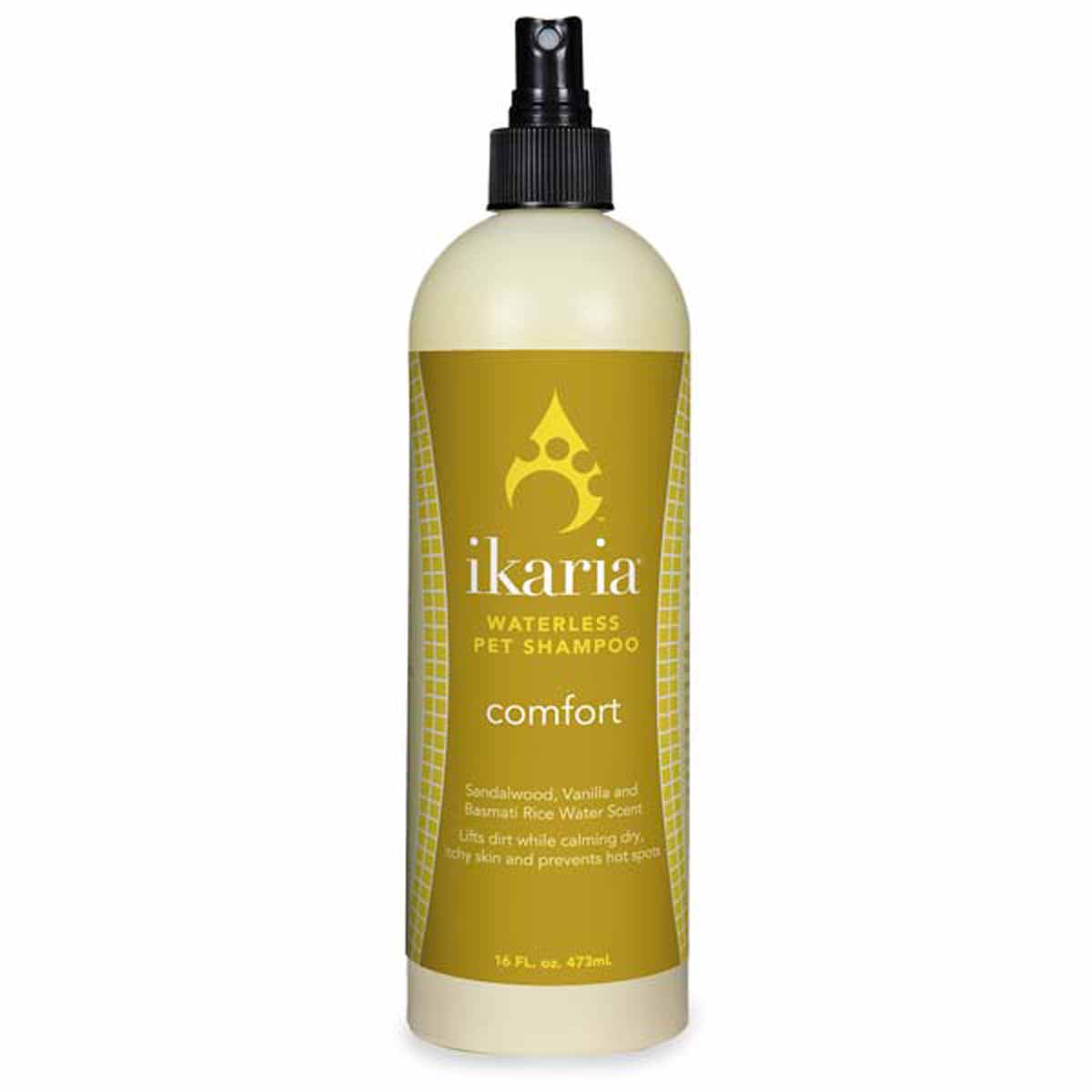
Waterless shampoos are a fantastic middle ground. These are typically foams that you massage into the fur and then towel off. They contain many of the same moisturizing ingredients as traditional shampoos, such as aloe or colloidal oatmeal. They help break up the oils and flakes without the trauma of a bath. One option is Pure and Natural Pet Waterless Foaming Cat Shampoo, although availability may vary.
Grooming Wipes
For senior cats who just have a few flakes on their lower back, grooming wipes are perfect. You can quickly wipe down the affected area once a day. This mimics the action of their tongue and keeps the area clean. Burt’s Bees For Cats Natural Dander Reducing Wipes are among the cat grooming options available.
Daily Brushing
Brushing is the best preventative measure for cat dandruff. It distributes natural oils across the skin and removes dead cells before they can clump into visible flakes. For cats with thick undercoats, a de-shedding tool or a high-quality slicker brush from a brand like Kong can make a huge difference.
Supporting Skin Health from the Inside Out
Shampoo treats the symptoms of dandruff, but nutrition treats the cause. If your cat has chronically dry skin, it might be time to look at their bowl.
The Importance of Hydration
Many cats live in a state of mild dehydration because they have a low thirst drive. This shows up in their skin. If you only feed dry kibble, consider adding wet food to their diet. The extra moisture helps keep the skin cells plump and healthy. You can also try a hydration supplement or a pet fountain to encourage more drinking.
Fatty Acid Supplements
Omega fatty acids are the building blocks of a healthy coat. If your current food is not providing enough, you can add a supplement. We carry options like Zesty Paws or Honest Paws that are specifically formulated for skin and coat support. These fish oil or plant-based supplements help reduce inflammation and strengthen the skin barrier from the inside. Zesty Paws Wild Alaskan Salmon Oil Skin & Coat Supplement is one option listed in our cat skin and coat care selection.
Weight Management
If your cat has dandruff because they are too heavy to groom, a change in diet is necessary. Our pharmacy offers prescription weight management foods through Pet's Choice. Helping your cat reach a healthy weight will allow them to resume their natural grooming habits, which often solves the dandruff problem permanently.
When to Consult Your Veterinarian
While most dandruff is a minor grooming or environmental issue, it can sometimes be a red flag. You should monitor your cat for any changes in behavior alongside the flaking skin.
Signs of a Deeper Problem
If you notice any of the following, please contact your vet:
- Red, inflamed, or bleeding skin.
- Significant hair loss or bald patches.
- A greasy coat that feels "tacky" to the touch.
- Increased thirst or changes in appetite.
- Lethargy or a sudden stop in self-grooming.
A veterinarian can perform a skin scraping to check for mites or fungus. They can also run blood work to rule out conditions like diabetes or hyperthyroidism. If your vet prescribes a specific medicated wash or a prescription diet like Farmina Vet Life, our pharmacy can help you fulfill those needs easily.
Bottom line: While occasional dandruff is often manageable at home with moisturizing shampoos and brushing, persistent flakes accompanied by irritation require a professional veterinary diagnosis.
A Checklist for Managing Cat Dandruff
If you are ready to tackle those flakes, follow these steps to get your cat's coat back in top shape.
- Audit the environment: Add a humidifier to your home during the dry winter months.
- Switch to a cat-specific shampoo: Choose a moisturizing or hypoallergenic formula with oatmeal or aloe.
- Improve the diet: Incorporate wet food and Omega fatty acid supplements.
- Establish a brushing routine: Aim for at least five minutes of brushing three times a week.
- Monitor grooming habits: Help senior or overweight cats reach the spots they are missing.
- Consult the pharmacy: For persistent issues, talk to your vet about medicated shampoos or prescription diets available through our Pet's Choice partnership.
Conclusion
Cat dandruff is a common concern that often points to a need for more hydration, better nutrition, or a helping hand with grooming. By choosing a high-quality cat shampoo for dandruff and maintaining a regular brushing schedule, you can keep your pet's skin comfortable and their fur flake-free. Our team at BaxterBoo has been providing the tools for pet wellness since 2006, from gentle grooming supplies to specialized nutrition. If the flakes persist despite your best efforts, remember that our pharmacy is here to provide the prescription treatments your veterinarian recommends. Taking proactive steps today ensures your cat feels their best and looks their best for years to come. Explore our cat skin and coat care products to find the perfect match for your cat's unique needs.
FAQ
Can I use my own anti-dandruff shampoo on my cat?
No, you should never use human anti-dandruff shampoo on a cat. Human products are formulated for a different skin pH and often contain ingredients like zinc pyrithione or coal tar that can be toxic if your cat licks their fur. Always use a shampoo specifically designed for felines to ensure it is safe and effective.
How often should I bathe a cat with dandruff?
Most cats do not need frequent baths, as too much washing can actually dry out the skin further. For a cat with dandruff, one bath every 4 to 6 weeks is usually sufficient while you address the underlying cause through diet and brushing. If you are using a medicated shampoo from a vet, follow their specific schedule for the best results.
Will brushing my cat more often help get rid of dandruff?
Yes, regular brushing is one of the most effective ways to manage dandruff. It helps to manually remove the dead skin flakes and stimulates the production of natural oils that keep the skin moisturized. For most cats, a thorough brushing two or three times a week will significantly reduce the appearance of flakes.
Is cat dandruff the same as "walking dandruff"?
No, they are different conditions. Standard dandruff is just dead skin flakes, while "walking dandruff" is caused by a tiny parasitic mite called Cheyletiella. If you notice that the white flakes on your cat's back seem to be moving or if your cat is itching intensely, you should see a vet for parasite treatment.






- Site & Contents BaxterBoo.com. BaxterBoo is located in the United States.
- Privacy & Security
- Terms of Use
- Accessibility Statement
