Save 15% on your 1st Autoship learn more

 Email us
 Live Chat
 FAQs
FAQs





Introduction
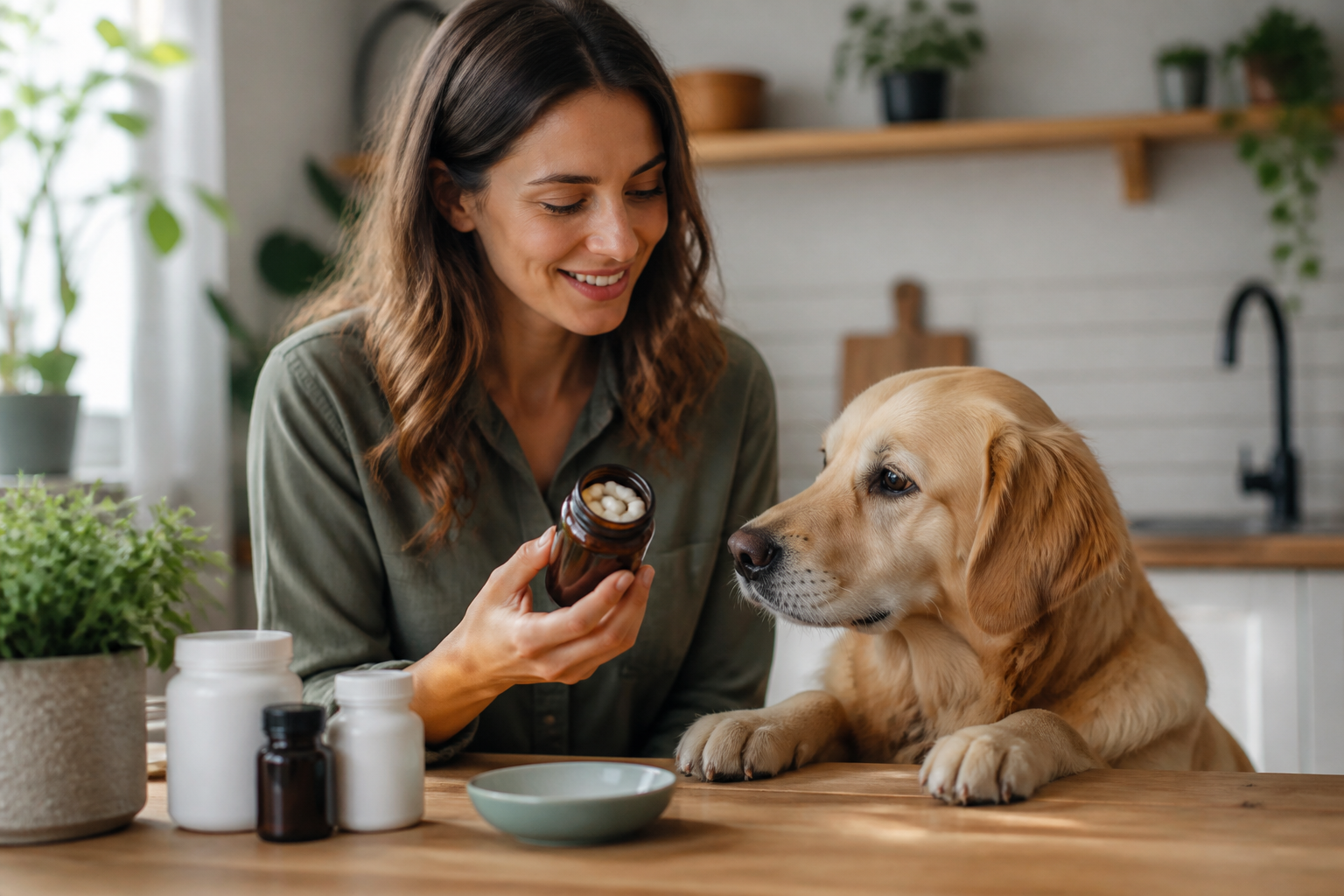
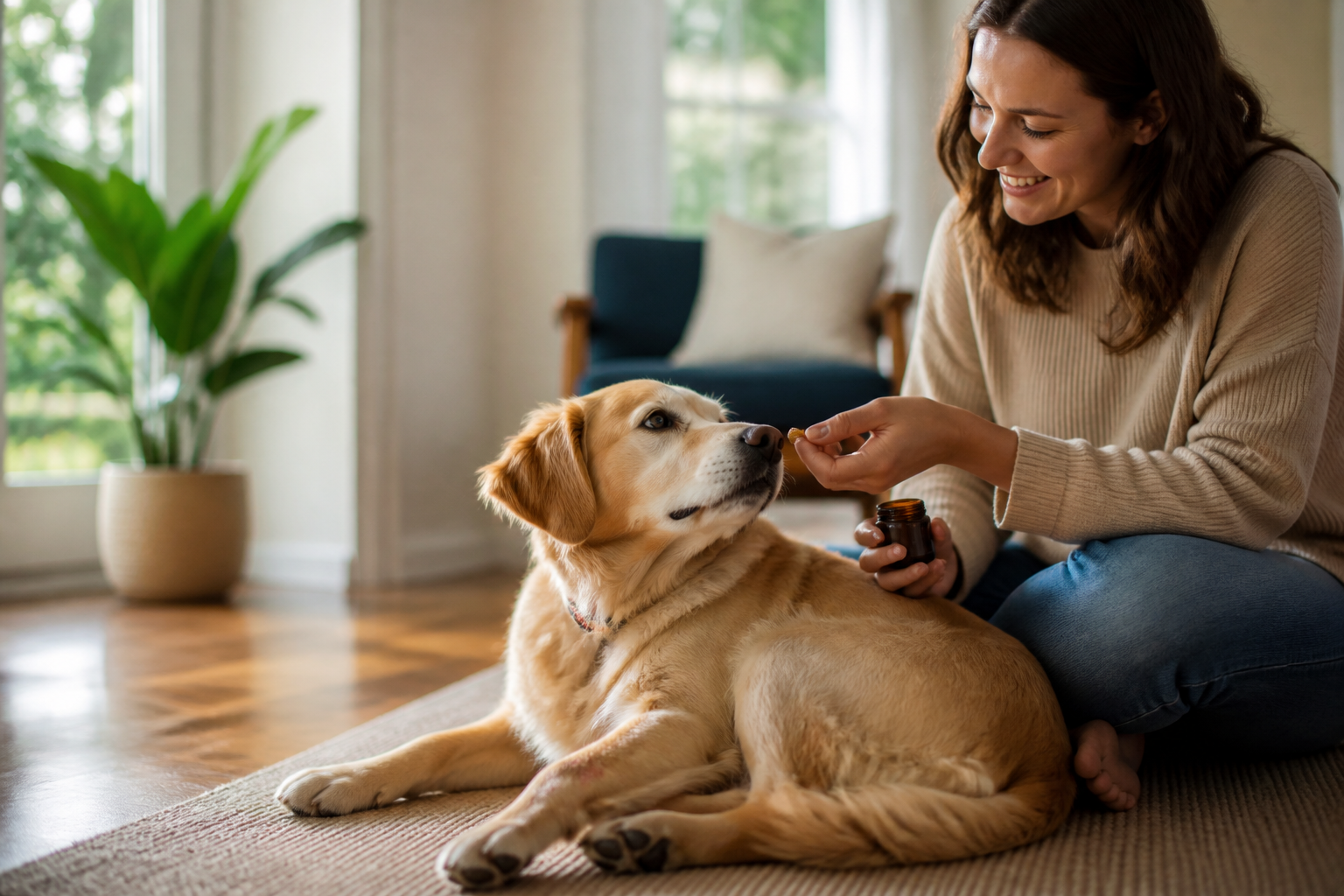
If you have ever spent a quiet evening listening to the rhythmic sound of your dog chewing on their paws, you know how frustrating skin issues can be. That persistent licking and the faint smell of corn chips often signal a deeper imbalance. At BaxterBoo, we have been helping pet owners since 2006 from our warehouse in Vernon Hills, Illinois. We know that itchy paws are rarely just about the paws themselves. This post covers how the gut microbiome influences skin health and why specific probiotics can provide the relief your dog needs. You will learn about the science of the gut-skin connection and how to choose the right supplements for your pet. A healthy gut is often the first step toward a comfortable, itch-free dog.
The Connection Between Gut Health and Itchy Paws
Most pet owners think of the gut as a place for digestion only. However, about 80 percent of a dog's immune system lives within the gastrointestinal tract. This means the bacteria living in your dog's stomach and intestines are essentially the control center for how their body reacts to the world. When the balance of "good" and "bad" bacteria is off, the immune system can become hyper-sensitive.
This sensitivity often manifests on the skin. Itching, redness, and inflammation are frequently the outward signs of an internal struggle. This relationship is often called the gut-skin axis. If the gut lining is compromised or the bacterial population is out of whack, it can lead to a systemic inflammatory response.
Quick Answer: Dog probiotics help itchy paws by balancing the immune system from within the gut. They reduce the body's overreaction to environmental allergens and help control yeast overgrowth that causes paw licking.
When a dog's immune system is balanced, it can handle pollen, grass, and dust without a major reaction. When it is out of balance, those same triggers cause the intense itching that leads to paw chewing. Probiotics help retrain the immune system to react appropriately to these common triggers.
Signs Your Dog Might Benefit from Probiotics
Itching is a broad symptom, but there are specific signs that suggest the root cause lies in the gut. If you notice these patterns, adding a daily probiotic could be a helpful part of your care routine.
- The Corn Chip Smell: This distinct odor is usually a sign of yeast overgrowth. Yeast thrives when the natural bacterial balance is disrupted.
- Persistent Paw Licking: This is often a sign of environmental allergies or yeast. The moisture from licking makes the problem worse, creating a cycle of irritation.
- Seasonal Flare-ups: If your dog only starts scratching when the seasons change, their immune system is struggling to adapt to new environmental loads.
- Digestive Inconsistency: Occasional gas, bloating, or loose stools often go hand-in-hand with skin issues.
Vet Tip: If your dog's paws are raw, bleeding, or have a discharge, consult your veterinarian before starting a supplement. They can check for secondary bacterial infections that may require prescription antibiotics or antifungal treatments.
Identifying these signs early allows you to intervene before the skin barrier is completely broken. Probiotics are most effective when used as a proactive measure to support long-term wellness.
Understanding Probiotic Strains for Skin Support
Not all probiotics are created equal. Different bacterial strains perform different jobs in the body. When you are looking for a product specifically for itchy paws and skin health, certain strains have more research behind them than others.
Bacillus Subtilis and Bacillus Coagulans
These are spore-forming probiotics. They are particularly hardy and can survive the harsh, acidic environment of a dog's stomach to reach the intestines alive. These strains are known for supporting a balanced inflammatory response and helping the body manage common allergens.
Lactobacillus Acidophilus
This is one of the most well-known strains for both humans and pets. It helps maintain a healthy pH level in the gut. This is crucial for preventing the overgrowth of yeast, which is a primary cause of itchy paws and "yeasty" ears.
Bifidobacterium Animalis
This strain is often cited for its ability to support the intestinal barrier. By strengthening the gut lining, it helps prevent irritants from crossing into the bloodstream and triggering an immune response on the skin.
Key Takeaway: Look for "spore-forming" strains on the label. These are more likely to survive the journey to your dog's gut and provide real benefits for their skin.
The Role of Prebiotics and Postbiotics
A complete gut health supplement often includes more than just live bacteria. To get the best results for itchy paws, the formula should include prebiotics and postbiotics. These components work together to create a thriving environment.
Prebiotics are a type of fiber that serves as food for the good bacteria. Common prebiotics include Fructooligosaccharides (FOS) and Inulin. Without prebiotics, the probiotics you introduce may not have the fuel they need to colonize the gut effectively.
Postbiotics are the beneficial compounds produced by probiotics during the fermentation process. These include short-chain fatty acids that directly support the gut lining and help calm inflammation throughout the body. Using a supplement that offers all three creates a more stable and effective gut environment.
Bottom line: A "synbiotic" supplement containing both prebiotics and probiotics offers more comprehensive support for dogs with sensitive skin.
How to Choose the Right Supplement at BaxterBoo
We carry over 500 trusted brands, and we handpick every product to ensure it meets our standards for quality and efficacy. When you are browsing our dog digestive health supplements for skin and coat support, look for products from brands like Zesty Paws, Honest Paws, or Open Farm.
Here is a quick checklist for evaluating a probiotic supplement:
- CFU Count: This stands for Colony Forming Units. Look for a count in the billions (e.g., 3 billion CFU per serving).
- Strain Variety: A blend of several different strains is usually more effective than a single-strain product.
- Delivery Method: Soft chews are often preferred because they can be given as a treat. Powders are great for mixing into wet food for picky eaters.
- Manufacturing Standards: Look for brands that are NASC (National Animal Supplement Council) certified, which ensures strict quality control.
Our team at the Vernon Hills warehouse sees these products every day and we hear the feedback from our customers. Brands like Zesty Paws Allergy Immune Bites are popular because they combine probiotics with other skin-supporting ingredients like colostrum and salmon oil.
Transitioning Your Dog to a Probiotic Supplement
When you introduce any new supplement or change in diet, it is important to go slow. Even though probiotics are beneficial, a sudden influx of new bacteria can sometimes cause temporary digestive upset.
Step 1: Start with half the recommended dose. / Do this for the first three to five days to let your dog's system adjust. Step 2: Monitor for changes. / Watch for any excessive gas or changes in stool consistency. Step 3: Increase to the full dose. / Once your dog is stable on the half-dose, move to the full amount suggested for their weight. Step 4: Maintain consistency. / Give the supplement at the same time every day to keep the gut flora balanced.
It is important to remember that probiotics are not an overnight fix. While some dogs show improvement in a few weeks, it usually takes 60 to 90 days to see the full benefit for skin conditions. Consistency is the most important factor in seeing a reduction in paw licking and scratching.
When to Use the BaxterBoo Pharmacy
Sometimes, a supplement is only one part of the solution. If your dog's itching is severe, it might be caused by a chronic condition like atopic dermatitis or a severe food allergy. In these cases, your veterinarian may prescribe specific medications or a prescription diet.
Our dog pharmacy provides a convenient way to get these items delivered to your door through our partnership with Pet's Choice. We offer FDA-approved flea and tick preventives, which are essential because even one flea bite can set off an itching frenzy in an allergic dog. We also carry prescription-strength shampoos and topical treatments that can provide immediate relief while the probiotics work from the inside out.
Vet Tip: Chronic paw licking can lead to "lick granulomas" or deep tissue infections. If the skin looks thickened or dark, a vet visit is necessary to determine if prescription intervention is required alongside your probiotic regimen.
By combining the expert curation of our warehouse products with the clinical support of our pharmacy, you can create a comprehensive plan for your dog's comfort.
Dietary and Environmental Considerations
While probiotics do heavy lifting in the gut, you can support your dog further by looking at their environment. Common allergens like dust mites, storage mites in dry food, and certain proteins can contribute to the "itch bucket" effect.
- Wipe Paws After Walks: Use a damp cloth to remove pollen and allergens from their paws after they spend time outside.
- High-Quality Protein: Consider foods with limited ingredients or novel proteins like lamb or venison if you suspect a food sensitivity.
- Clean Bedding: Wash your dog's bed frequently in hot water with fragrance-free detergent to reduce dust mite exposure.
Key Takeaway: Probiotics work best as part of a holistic approach that includes allergen management and high-quality nutrition.
For more practical advice, read tips and tricks for keeping your dog's paws clean.
Managing Senior Dog Needs and Puppies
The gut microbiome changes as a dog ages. Puppies have a developing immune system and can benefit from probiotics to build a strong foundation. This can help them become less reactive to allergens later in life.
For senior dogs, the immune system naturally becomes less efficient. Older dogs may also have more difficulty absorbing nutrients from their food. A daily probiotic can help support nutrient absorption and keep their immune response stable. This is especially important if they are managing other age-related issues like joint stiffness or cognitive decline.
For a broader look at choosing supplements, explore the ultimate pet supplement guide.
Value and Rewards for Pet Parents
We understand that managing a pet's health can be an ongoing investment. This is why we created programs like MVP Rewards. You can earn up to 5 percent back on your purchases, which helps make long-term supplement use more affordable.
If you find a probiotic that works well for your dog, our Autoship programme is a great option. It ensures you never run out of your dog's daily "itch relief" chews. You also get savings on your first order and a free MVP Gold membership. We want to make it as easy as possible for you to stay consistent with your pet's care.
Conclusion
Itchy paws are a sign that your dog's body is working overtime to deal with inflammation or allergens. By supporting the gut microbiome with high-quality probiotics, you can help calm that response from the inside out. Remember to look for hardy, spore-forming strains and be patient as the beneficial bacteria colonize the gut. Whether you are visiting our Vernon Hills warehouse or ordering online, we are here to help you find the right tools for the job.
- Probiotics balance the immune system, which is 80% located in the gut.
- Look for strains like Bacillus subtilis for superior survival in the digestive tract.
- Consistency is key, with full results often appearing after 60 to 90 days.
- Combine supplements with environmental management for the best results.
Bottom line: A healthy gut often leads to healthy skin and a much happier, less itchy dog.
If your dog is struggling with persistent itching, the best next step is to explore our skin and coat supplements or consult our pet pharmacy if your vet has recommended a prescription-strength solution.
FAQ
How long does it take for probiotics to stop my dog from licking their paws? Every dog is different, but you should generally expect to see results within 6 to 12 weeks. Probiotics work by gradually changing the bacterial landscape of the gut and calming the immune system, which is a process that takes time. Consistency is essential, so make sure to give the supplement every single day.
Can probiotics help with the "corn chip" smell on my dog's feet? Yes, that smell is typically caused by an overgrowth of yeast, such as Malassezia. Probiotics help by increasing the population of beneficial bacteria that compete with yeast for resources. Over time, a balanced gut can lead to a more balanced skin microbiome, reducing that distinct yeasty odor.
Are there any side effects when starting a probiotic for itchy paws? Some dogs may experience mild digestive changes like gas or slightly loose stools when first starting a probiotic. This is usually just a sign that the microbiome is shifting. To avoid this, start with a smaller dose and gradually work up to the full amount over a week.
Do I need a prescription to buy dog probiotics at BaxterBoo? No, the probiotics and supplements found in our main store do not require a prescription. However, if your dog's skin issues are severe, your vet may recommend a prescription diet or medication. Those specific items can be fulfilled through our pharmacy partnership with Pet's Choice using a valid prescription from your veterinarian.