
 Save 15% on your 1st Autoship learn more

 Email us
 Live Chat
 FAQs






Introduction
You are sitting on the couch and the only thing you hear is the steady thump of your dog scratching their ear. Their paws are pink from constant licking. You have tried different shampoos and maybe even a new collar. Now you are looking at their gut health for answers. At BaxterBoo, we know that healthy skin often starts deep inside the digestive system. This post covers the connection between the gut and skin. We will explain which probiotic strains actually help with itching and what to look for on a label. You will learn how to choose a supplement that supports your dog's immune system. Finding the right balance can help your dog finally get some relief from seasonal and environmental triggers.
The Connection Between the Gut and the Skin
It might seem strange to treat an itchy back by focusing on the stomach. However, about 70 percent of a dog's immune system lives in the digestive tract. This network of bacteria is called the microbiome. When the microbiome is healthy, the immune system stays calm. When it is out of balance, the body can become over-sensitive to the world around it. This over-sensitivity often shows up as skin allergies.
This link is often called the gut-skin axis. If the gut is leaking or inflamed, the skin is usually the first place to show symptoms. You might see redness, dry flakes, or hot spots. Probiotics are the "good" bacteria that help keep this system in check. By introducing specific strains of these bacteria, you can help retrain the immune system. This does not happen overnight. It is a long-term approach to wellness that builds a stronger foundation for your pet. Explore our dog digestive health supplements to compare available formats.
Quick Answer: Probiotics help dog skin allergies by balancing the gut microbiome and supporting the immune system. This reduces the body's over-reaction to environmental allergens like pollen, mold, and dust.
Dog Vitamins & Supplements


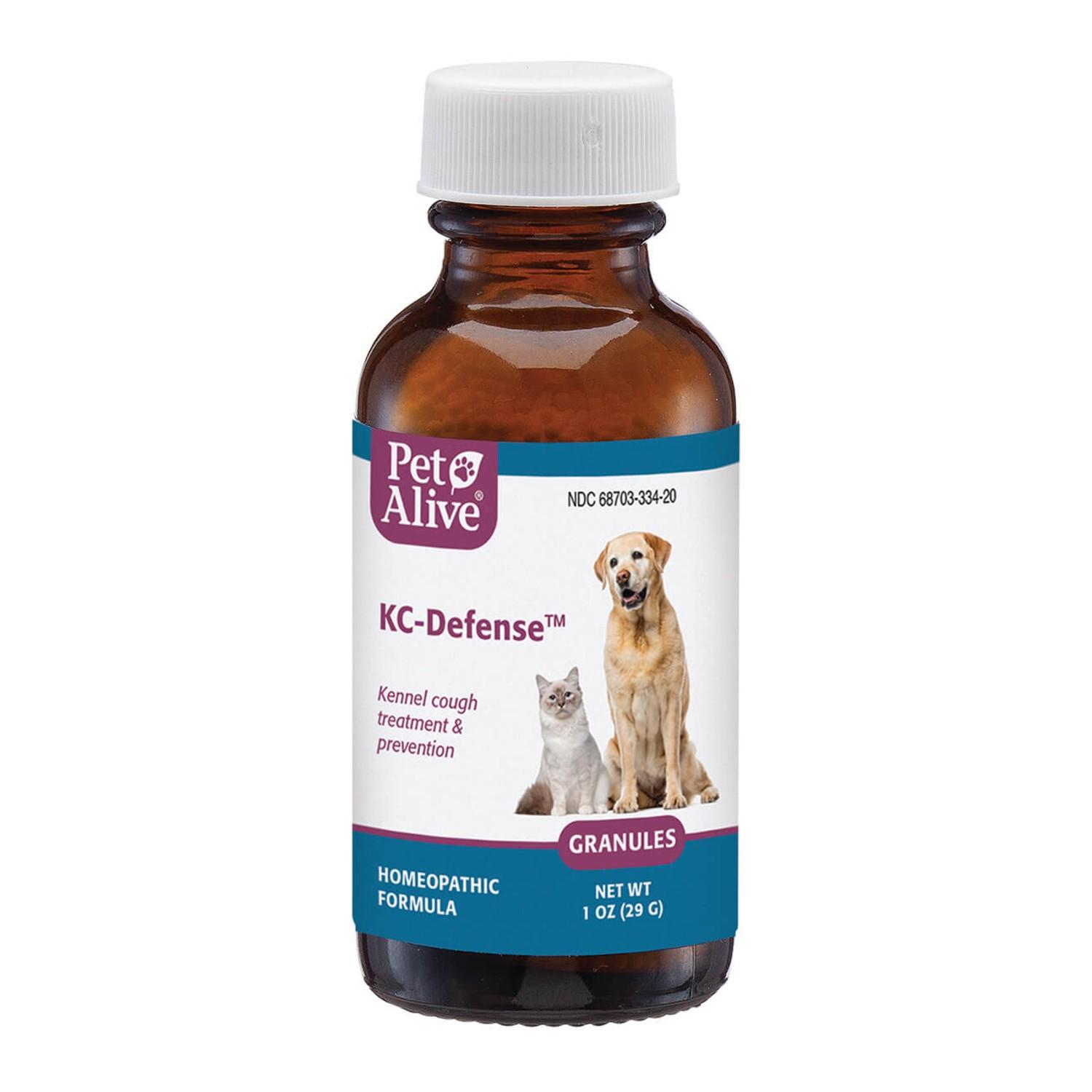


How Probiotics Support Allergic Dogs
Allergies are essentially a mistake made by the immune system. The body sees something harmless, like grass or a specific protein, and treats it like a dangerous invader. It produces antibodies called IgE to fight it off. This battle causes the release of histamine, which leads to the itching and swelling we see on the skin.
Probiotics work by "crowding out" harmful bacteria that can trigger inflammation. They also help strengthen the intestinal barrier. This prevents undigested food or toxins from entering the bloodstream and causing a flare-up. For a dog with atopic dermatitis, or chronic skin allergies, this internal support is vital.
We see many owners who focus only on topical treatments. Medicated baths and sprays are helpful for immediate comfort. However, they do not change why the dog is reacting in the first place. Adding a high-quality probiotic addresses the root cause from the inside out. For additional supplement-selection guidance, read our pet supplement guide.
Key Probiotic Strains for Skin Health
Not all probiotics are created equal. Some are great for simple diarrhea, while others are specifically studied for their effects on the skin. When you are looking for the best dog probiotics for skin allergies, you want to see specific names on the label.
Lactobacillus rhamnosus
This is one of the most studied strains for canine skin issues. Research suggests that it can help reduce the severity of atopic dermatitis. It is especially effective when given to puppies early in life. It helps teach their immune system how to behave before allergies even start.
Enterococcus faecium
This strain is a powerhouse for overall gut health. It helps the "good" bacteria colonize the gut quickly. While it is often used for digestive upset, its ability to support a robust immune response makes it a staple in many allergy supplements.
Bifidobacterium animalis
This strain helps maintain a healthy balance in the gut during times of stress. Since stress can cause allergy flare-ups to get worse, keeping the gut stable is important. It also helps with the absorption of nutrients that keep the skin barrier strong.
Key Takeaway: Look for supplements that list specific strains rather than a generic "probiotic blend." Targeted strains like Lactobacillus rhamnosus have the most evidence for supporting skin health.
Understanding CFUs and Potency
You will often see the term CFU on a bottle of dog probiotics. This stands for Colony Forming Units. It tells you how many live, active bacteria are in each serving. For general health, a few billion CFUs might be enough. For a dog actively struggling with skin allergies, your veterinarian might suggest a higher dose.
One common issue in the pet supplement industry is label accuracy. Some studies have found that many probiotics do not contain the amount of live bacteria they claim. This is often because the bacteria die off during shipping or sitting on a shelf.
At our warehouse, we prioritize brands with high quality control standards. We look for products that guarantee potency through the expiration date, not just at the time of manufacture. This ensures your dog is actually getting the help you paid for. One available option is NaturVet Advanced Probiotics & Enzymes Soft Dog Chew.
The "Kitchen Sink" Problem in Allergy Chews
Many popular allergy chews use a "kitchen sink" approach. They throw in a little bit of everything: probiotics, colostrum, salmon oil, and herbs. While this sounds like a great deal, it often means none of the ingredients are present in a high enough dose to work.
For example, a study might show that a specific amount of colostrum helps a dog's skin. However, the chew might only contain 5 percent of that dose. It looks good on the label, but it does nothing for the dog. This is why we often suggest focused supplements rather than "all-in-one" chews. You can better control the dosage when you give a dedicated probiotic alongside a dedicated fish oil.
Vet Tip: If your dog has severe or worsening skin issues, consult your veterinarian for a full diagnosis. They can rule out skin mites, yeast infections, or flea allergies that require specific medical treatments.
Complementary Support for Skin Allergies
Probiotics are a great tool, but they work best as part of a team. To truly manage skin allergies, you may need to address other areas of your dog's health.
Omega-3 Fatty Acids
If probiotics are the foundation, Omega-3s are the walls of the house. Fish oils like Nordic Naturals provide EPA and DHA. These fatty acids reduce inflammation across the entire body. They also help repair the skin's natural oil barrier. This keeps allergens out and moisture in.
Prescription Diets
Sometimes, a dog is allergic to a specific protein in their food. In these cases, even the best probiotics cannot fix the issue if the trigger is still present. Our pharmacy carries prescription diets through our partnership with Pet's Choice. These hydrolyzed or limited-ingredient diets are designed to be hypoallergenic.
Flea and Tick Prevention
A single flea bite can cause an allergic dog to itch for weeks. This is called Flea Allergy Dermatitis. It is essential to keep your dog on a consistent preventive. We offer several trusted brands like Frontline and NexGard to ensure your dog is protected year-round. You can also review our flea and tick prevention guide.
How to Introduce Probiotics to Your Dog
When you start a new supplement, it is best to go slow. Introducing too many new bacteria at once can sometimes cause gas or loose stools.
Step 1: Choose your format. / Determine if your dog prefers a flavored chew, a powder mixed into food, or a capsule.
Step 2: Start with a half dose. / Give your dog a small amount for the first three to five days to let their system adjust.
Step 3: Monitor the skin and stools. / Watch for any changes in their bathroom habits or an increase in itching.
Step 4: Move to the full dose. / Once your dog is comfortable, give the full recommended daily amount consistently.
Bottom line: Consistency is key when using probiotics for skin health. It can take four to six weeks to see a noticeable change in the skin and coat.
Managing Senior Dog Skin Needs
As dogs age, their immune systems can become less efficient. Senior dogs may also be on medications for other issues, like joint pain or heart health. These medications can sometimes affect the gut microbiome.
For older dogs, probiotics can be a helpful way to maintain quality of life. Brands like Zesty Paws or NutriSource offer options that are easy for seniors to digest. Keeping the gut healthy in their golden years helps them stay comfortable and less prone to secondary skin infections. If your senior dog is on multiple medications, our pharmacy can help manage those prescriptions alongside your wellness supplements.
Why Quality Standards Matter
Because supplements are not regulated like medications, you have to trust the brand. We look for the National Animal Supplement Council (NASC) seal on products. This seal means the company has passed a comprehensive facility audit and maintains strict quality control.
We have been in the pet industry since 2006. In that time, we have seen many brands come and go. We only carry names that we trust for our own pets. This includes experts in nutrition like Farmina, Royal Canin, and The Honest Kitchen. When you buy from us, you know the products have been vetted by people who care about pet health.
The Role of Our Pharmacy
Sometimes, supplements are not enough to manage a severe allergy flare-up. If your dog is losing hair or has open sores, they may need prescription help. Through our partnership with Pet's Choice, we offer FDA-approved medications for allergies and skin conditions.
This partnership allows us to provide a complete circle of care. You can get your daily probiotics and high-quality food from us, and then have your vet send over a prescription for specialized treatments. This saves you trips to multiple locations and keeps all your pet care records in one place.
- FDA-approved allergy medications
- Prescription-strength skin topicals
- Medicated shampoos for yeast and bacteria
- Prescription hypoallergenic diets
Maximizing Value for Your Pet Care
Managing a dog with allergies can be expensive. Between special food, supplements, and vet visits, the costs add up quickly. We want to help you provide the best care without overspending.
Our MVP Rewards program is a great way to save. You earn points on every purchase, including your dog's probiotics and food. These points can be used for discounts on future orders. For items you use every day, like supplements and preventives, our Autoship program offers extra savings. You get a discount on your first order and a free MVP Gold membership. This ensures you never run out of the supplies that keep your dog's skin healthy.
When to Expect Results
It is important to have realistic expectations. Probiotics are not a "quick fix" like a steroid shot. They are a biological tool that takes time to work. Most pet owners start to see a change in stool quality within a few days. However, the skin takes much longer to cycle and heal.
You should plan to give the supplement daily for at least a month before deciding if it is working. During this time, keep a log of your dog's itching levels. Notice if they are scratching less at night or if their red patches are beginning to fade. This data is very helpful for your vet during follow-up appointments.
Key Takeaway: Don't give up too soon. Probiotics work on a cellular level to support the immune system. Real changes in the skin often take 4 to 8 weeks to become visible.
Selecting the Right Product Format
Dogs can be picky, and a supplement only works if they actually eat it. Thankfully, probiotics come in several forms to suit different needs.
| Format | Best For | Pros |
|---|---|---|
| Powders | Picky eaters | Easy to hide in wet food or toppers |
| Soft Chews | On-the-go dosing | Treats that dogs love; no mess |
| Capsules | Accurate dosing | Protects bacteria from stomach acid |
| Pastes | Immediate support | Great for severe stomach upset or stress |
For dogs with food allergies, be careful with flavored chews. Some use chicken or beef flavoring that might trigger an allergy. In those cases, a plain powder or a hypoallergenic capsule is usually the safest choice.
The Importance of Storage
Probiotics are living organisms. If they get too hot or are exposed to too much air, they will die. This is why some probiotics require refrigeration. Even if they are shelf-stable, you should keep them in a cool, dry place. Avoid keeping them in a humid bathroom or near a hot stove.
Check the expiration date frequently. Using a probiotic past its date is not necessarily dangerous, but it is likely useless. The number of live bacteria drops significantly over time. We rotate our stock constantly to ensure that everything leaving our warehouse is fresh and potent.
Summary of Skin Allergy Support
Helping a dog with skin allergies requires a multi-layered approach. You cannot simply fix it with one pill. By combining gut support, high-quality nutrition, and proper veterinary care, you can manage the symptoms effectively.
- Choose probiotics with specific strains like L. rhamnosus.
- Ensure the CFU count is high enough to be therapeutic.
- Combine probiotics with Omega-3 fish oils for better results.
- Keep your dog on consistent flea prevention.
- Consult your vet for prescription needs through our pharmacy.
Bottom line: A healthy gut is the first line of defense against the inflammation that causes skin allergies in dogs.
Conclusion
Managing a dog with skin allergies is a journey that requires patience and the right tools. By focusing on the gut-skin axis, you are giving your dog a long-term solution rather than just a temporary mask. We carry over 500 trusted brands at BaxterBoo to help you find the exact supplement, food, or medication your dog needs. Whether you are looking for a high-potency probiotic or need to fill a prescription through our Pet's Choice partnership, we are here to help. Start supporting your dog's immune system today so they can get back to feeling their best. For the most consistent results and the best value, consider setting up an Autoship for your dog's favorite skin and coat supplements.
FAQ
How long does it take for probiotics to help a dog's skin?
While you might see better digestion within a few days, skin improvements usually take longer. Most owners notice a reduction in scratching and better coat quality after four to six weeks of daily use. This is because the skin needs time to heal and the immune system needs time to stabilize.
Can I give my dog human probiotics for their allergies?
It is best to use a product specifically formulated for dogs. Canines have different bacterial strains in their gut than humans do. Also, some human probiotics contain sweeteners like xylitol, which is highly toxic to dogs. Veterinary-specific products ensure the strains and dosages are safe and effective for your pet.
Do probiotics help with hot spots and ear infections?
Probiotics can help by reducing the overall inflammation and yeast overgrowth that contribute to these issues. By supporting a healthy immune response, they make it harder for secondary infections to take hold. However, active hot spots or ear infections should still be treated by a vet to prevent them from worsening.
Are there any side effects to giving my dog probiotics?
Most dogs handle probiotics very well with no issues. Occasionally, a dog might experience temporary gas, bloating, or loose stools when first starting a supplement. Starting with a smaller dose and gradually increasing it can help prevent these mild digestive upsets as their microbiome adjusts.






- Site & Contents BaxterBoo.com. BaxterBoo is located in the United States.
- Privacy & Security
- Terms of Use
- Accessibility Statement
