Save 15% on your 1st Autoship learn more

 Email us
 Live Chat
 FAQs
FAQs





For many pet owners, summer means lots of outdoor fun with their pets. However, the summer heat can dehydrate your pet, increasing her risk of heat stroke and other health conditions. July is National Pet Hydration Awareness Month. Now is the perfect time to familiarize yourself with all the ways you can keep your pet hydrated during the summer.
Fresh Water Bowl
Pets aren't always as motivated to drink water as they need to be to stay hydrated. If your pet's water is old, stale or has debris, such as hair, dirt or food pieces floating in it, your pet may not want to drink it. Avoid this problem by frequently refreshing the water bowl. Dump out the old water, wash the bowl and fill the bowl with fresh water.
Water Fountain
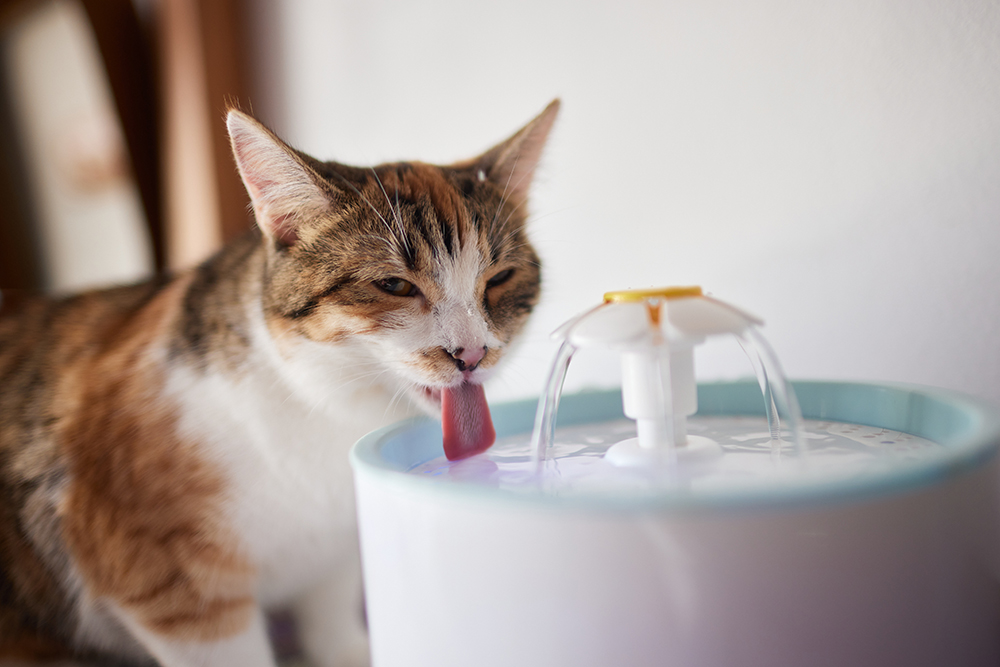
Some pets prefer to drink water that is flowing, fresh or bubbling. If your pet prefers to drink moving water or requires the water to always be fresh, consider purchasing a water fountain. Water fountains ensure your pet always has a supply of fresh, bubbling water. This may motivate your pet to drink more often.
Ice Cubes
Not all pets enjoy ice cubes, but some do. If your pet likes to lick ice, offer her an occasional cube to lick or put some cubes in her water bowl. You can use the same ice you put in your drinks or purchase pet-themed ice cube trays.
Smoothies
Many of the ingredients people put in their smoothies are safe for pets. However, you should research any ingredients you plan to use before adding them to your pet's smoothie. Don't get carried away with the number of ingredients. You may upset your pet's stomach. Good foods to try include bananas, strawberries, ice and unsweetened yogurt. Try blending these ingredients and freezing them in ice cube trays to offer your pet a tasty frozen treat. Alternatively, you can purchase premade lickable smoothie treats. Do not add sweeteners to your pet's smoothie. Most pets prefer the natural taste of foods and some artificial sweeteners are toxic.
Wet Food
If your pet doesn't drink enough water, consider adding wet food to her diet. Alternatively, you can moisten your pet's kibble with water.
Frozen Liquids
If your pet isn't interested in ice cubes made from water, try freezing other flavorful liquids. A chicken broth that doesn't contain sodium, garlic or onion is a popular choice. You can make chicken broth at home by boiling chicken. Do not add any seasonings and make sure you remove all of the bones and bone fragments.
Travel Bowls and Bottles
If you plan to take your pet for some outdoor fun away from home, be sure to take water with you. A convenient option is to purchase a travel bottle and bowl. Collapsible options make these items easy to take with you wherever you go. If space is at a premium, consider purchasing a water bottle and travel bowl combo. If you are going on a long hike or camping trip, a hydration pack makes it easier to carry enough water with you.
Cooling Aids
Overheated pets can dehydrate quickly. Provide your pet with some shade to cool off in whenever you are outside. If your pet will be exercising in high heat, consider putting him in a cooling vest. Cooling vests use evaporation to keep your pet's chest and back cool and reflective materials to reduce heat from the sun. You need access to water to make a cooling vest work. Cooling towels are another good option, particularly if you have a pet who overheats easily. To use a cooling towel, you wet it in cold water and then wring it out.
Reasons To Keep Your Pet Hydrated
Proper hydration is important for your pet's health. Hydrated pets tend to have fewer urinary tract infections and urinary stones or crystals. Hydration is essential for keeping your pet cool during hot weather. Water aids in healing and recovery and helps your pet's kidneys stay healthy and flush toxins from the body. Water helps your pet's body turn fat into energy. Properly hydrated pets have more energy for exercise and play.
Signs of Dehydration
Your pet can't tell you when she is not getting enough to drink, so watch for signs of dehydration. Check your pet's gums. If they are sticky, pale or dry, your pet may be dehydrated. If your pet isn't eating, she may be dehydrated. However, if she still doesn't eat after drinking, take her to the vet. If your pet is lying around more than usual, this can be a sign of dehydration. A dehydrated pet may have a very rapid heartbeat and pant excessively. Dehydrated pets may have sunken, dry eyes, and lack skin elasticity. You may also notice diarrhea or vomiting. If your pet has symptoms of dehydration that do not improve with water consumption or won't drink, take her to the veterinarian.
Your Pet's Hydration Needs
Your pet needs about one ounce of water per pound of body weight per day. If you are concerned about your pet's water consumption, it may be helpful to measure how much water you put in her bowl and then check it again at the end of the day.
Proper hydration is important for your pet's health. If you are concerned that your pet isn't consuming enough water, talk to your veterinarian about the best ways to increase your pet's water consumption.