
 Save 15% on your 1st Autoship learn more

 Email us
 Live Chat
 FAQs





Introduction
Petting your cat and seeing a cloud of white flakes rise from their fur can be a frustrating moment for any owner. It usually starts as a few specks on their favorite dark blanket or a dusty appearance on their lower back. At BaxterBoo, we see many cat owners searching for relief when their feline friends develop dry, itchy skin. This guide covers the various types of shampoos available, from waterless foams to medicated washes, and how to choose the one that fits your cat’s specific needs. We will also discuss when a flake is just a sign of dry air and when it might indicate a trip to the vet is necessary. Understanding the ingredients and the biology of feline skin is the first step toward a flake-free coat.
Understanding Cat Dandruff and Skin Health
Before reaching for a bottle of shampoo, it is helpful to know what you are actually seeing on your cat. Dandruff is essentially dead skin cells that have shed prematurely or in large clumps. While all cats shed some skin, visible flaking often suggests an imbalance. The feline skin barrier is delicate and thinner than human skin. It relies on a specific pH balance and a layer of natural oils to stay hydrated.
Several factors can cause this balance to shift. In many US households, indoor heating during winter months drops humidity levels, leading to simple dry skin. In other cases, a cat may stop grooming efficiently due to age or weight, allowing dead skin to build up. More serious causes include allergies, parasites like Cheyletiella mites, or fungal infections. Identifying the underlying cause helps you decide if a standard moisturizing shampoo is enough or if you need a more targeted solution.
Quick Answer: The best shampoo for cat dandruff is one specifically pH-balanced for felines and free from harsh soaps. Look for ingredients like colloidal oatmeal, aloe vera, and omega fatty acids to hydrate the skin and soothe irritation.
Cat Shampoos & Conditioners
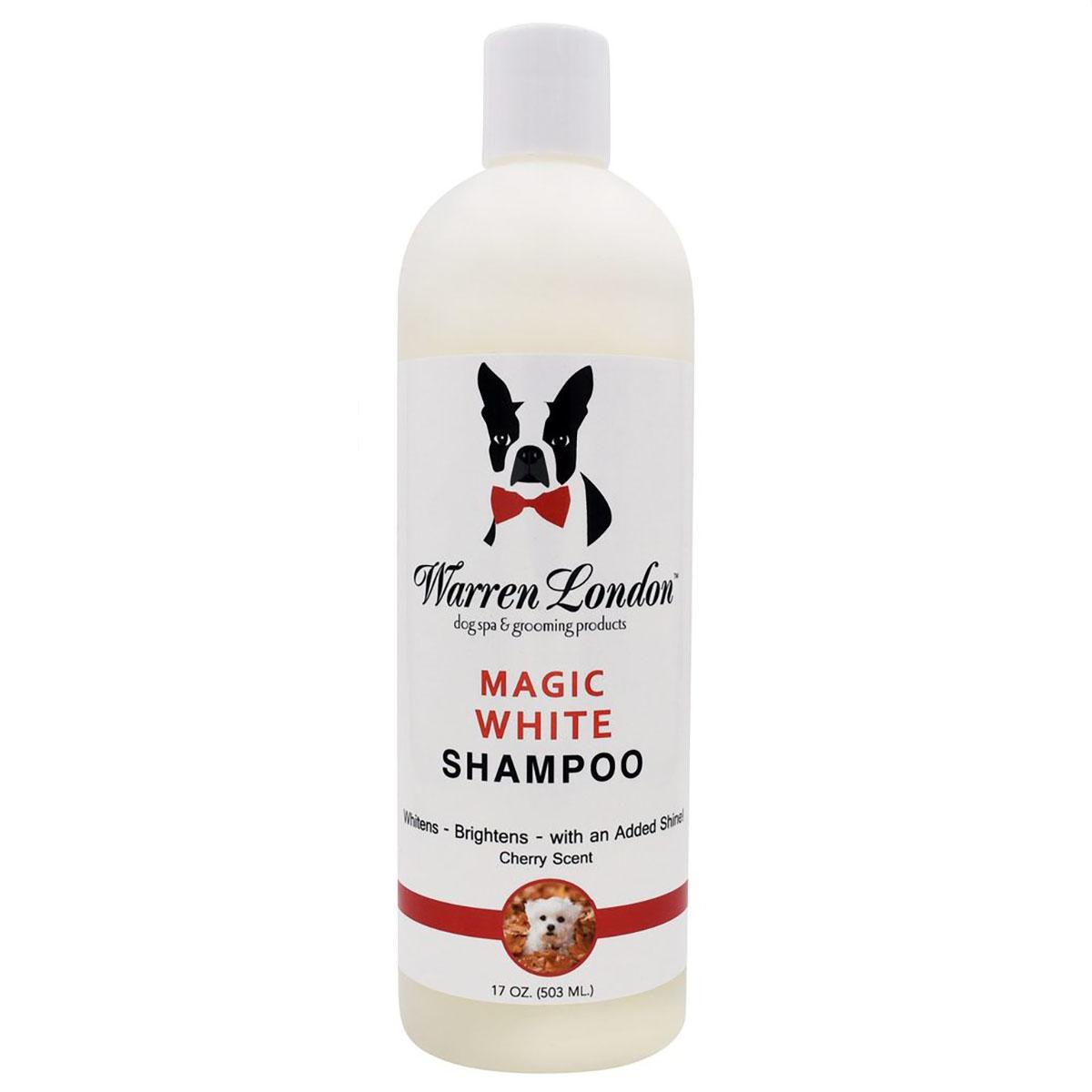
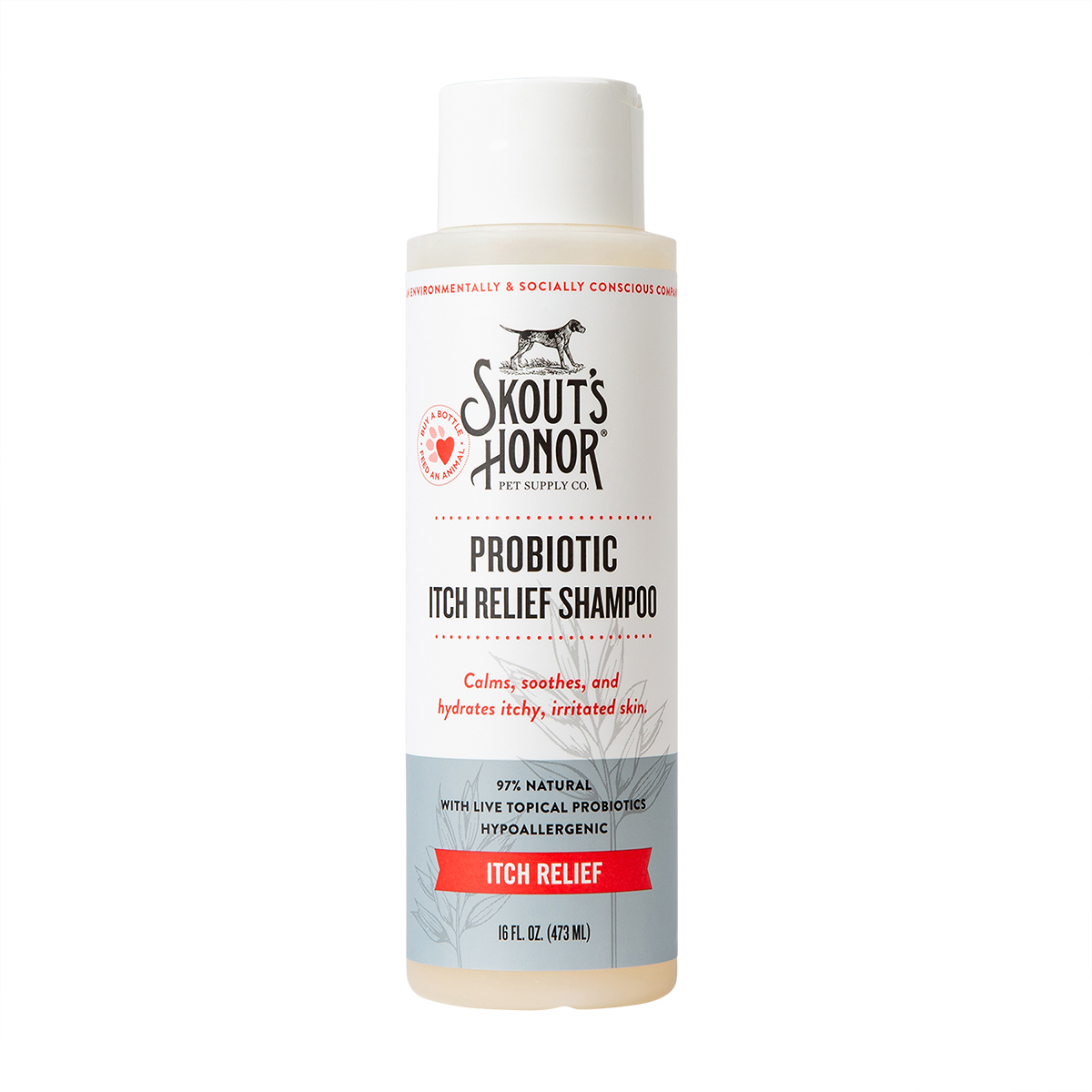


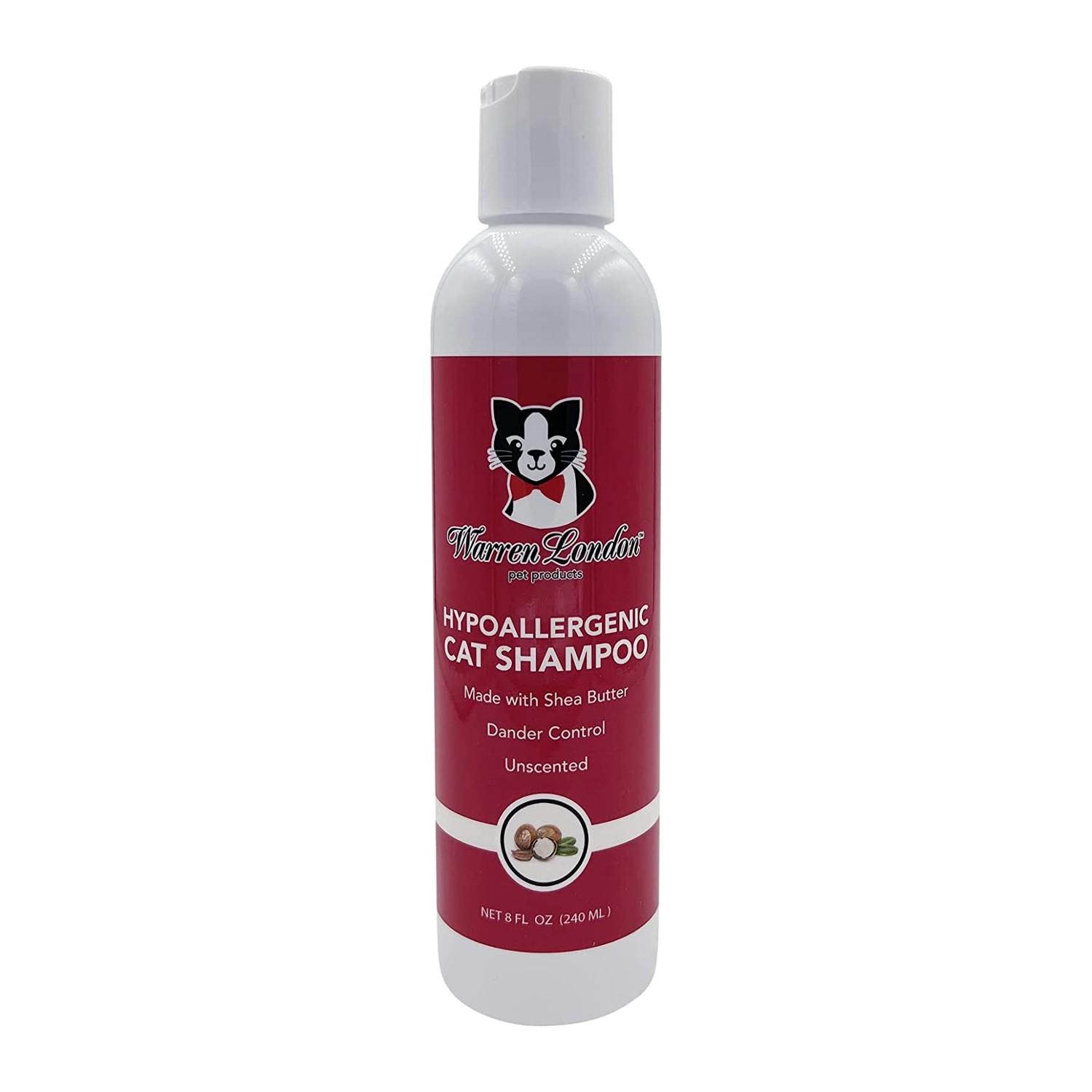

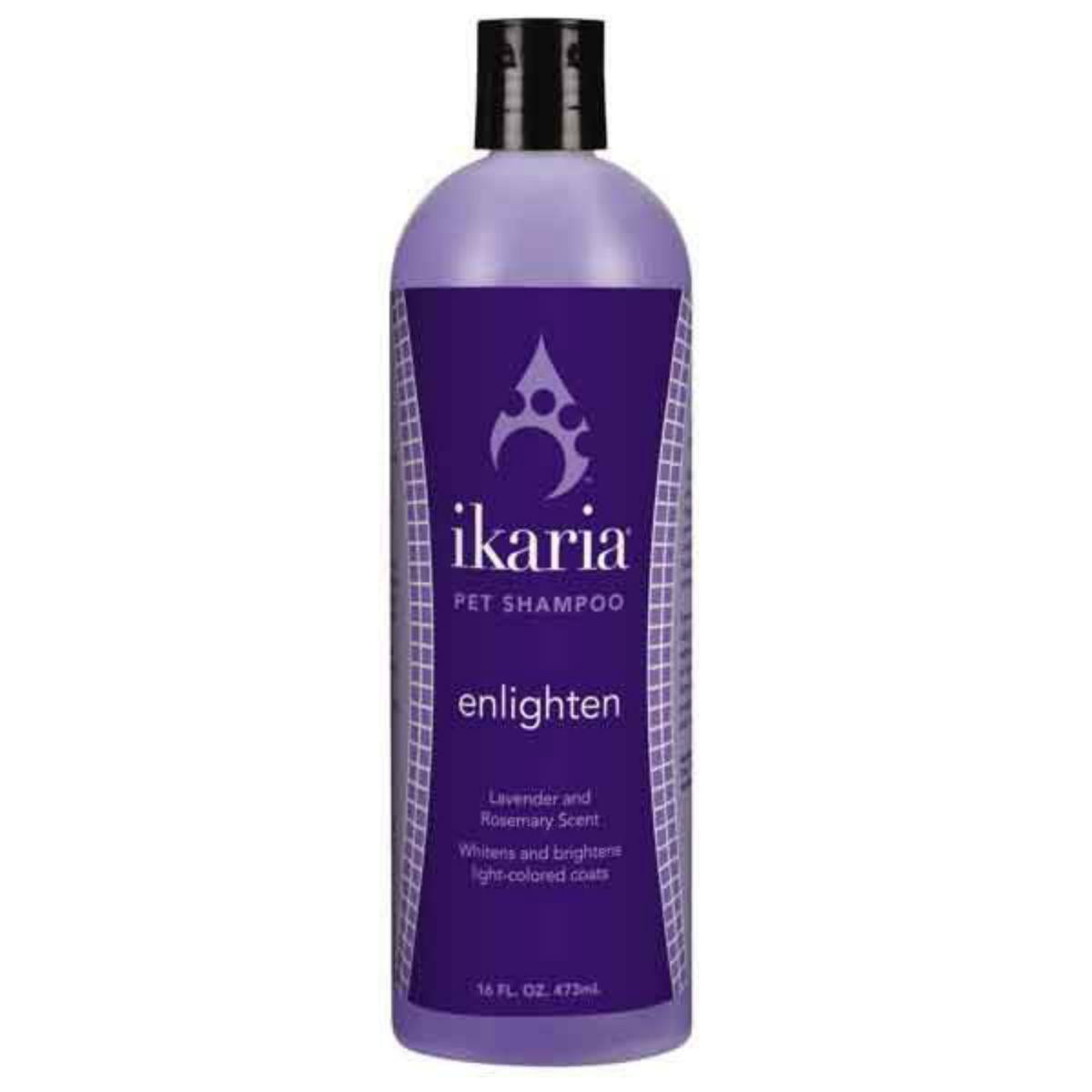
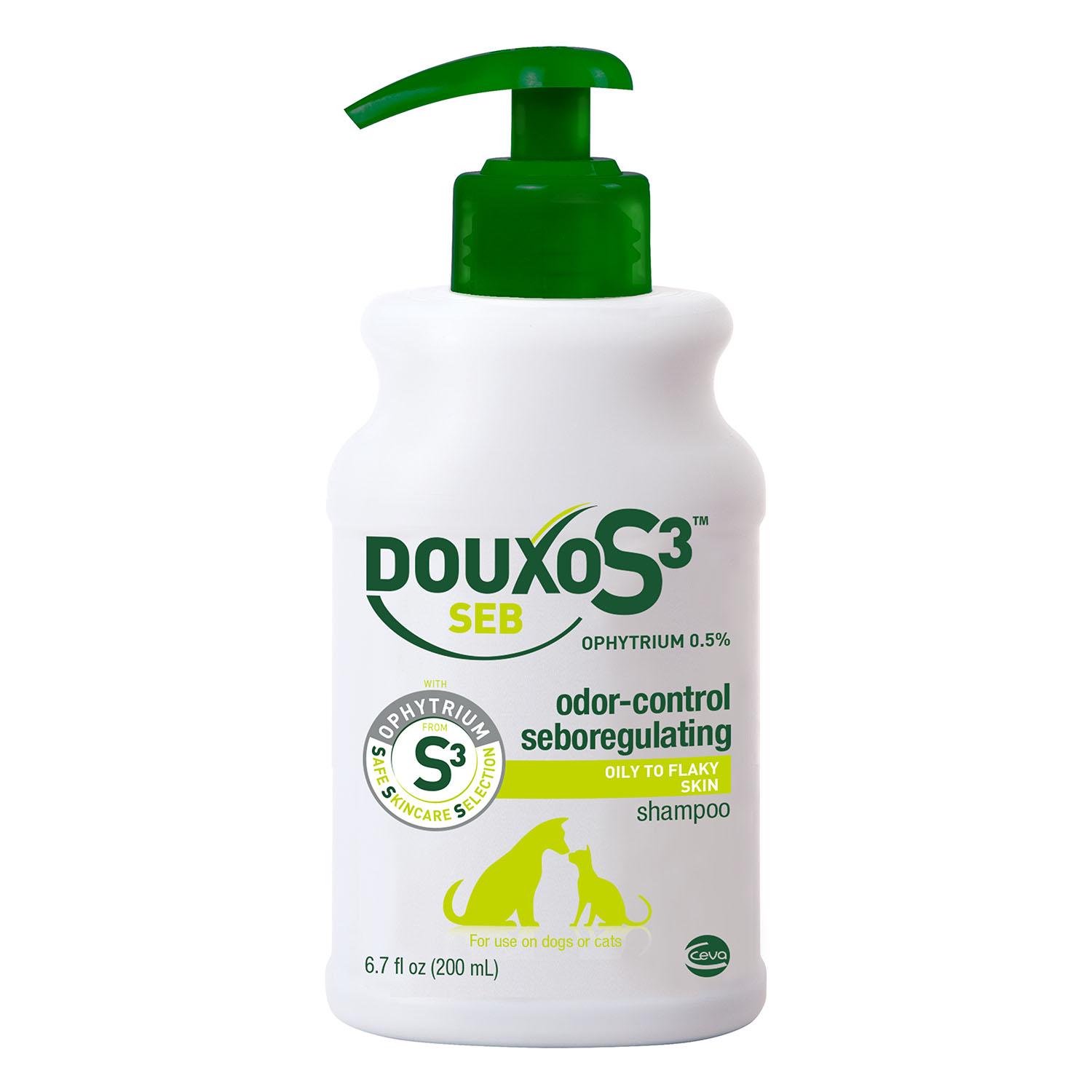
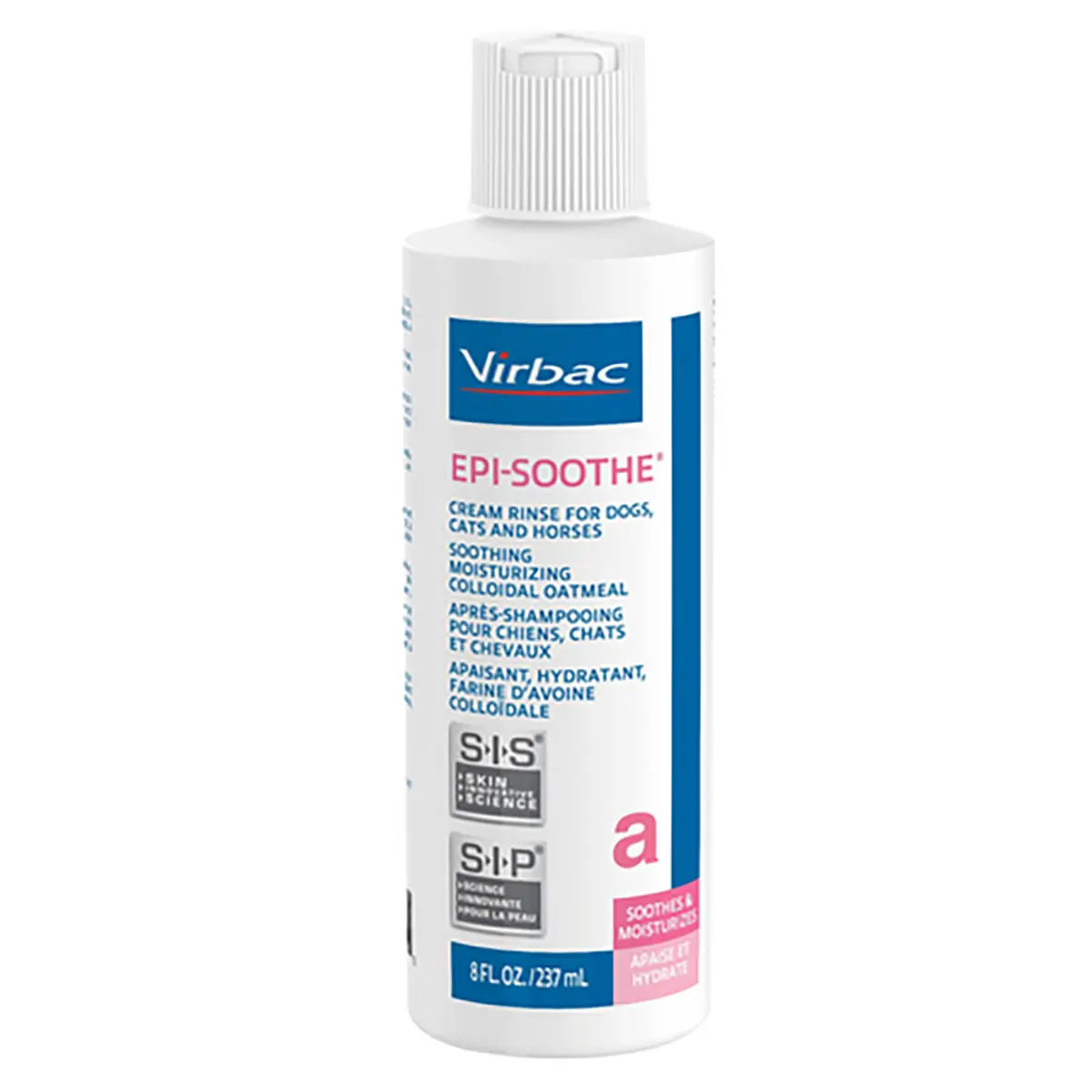
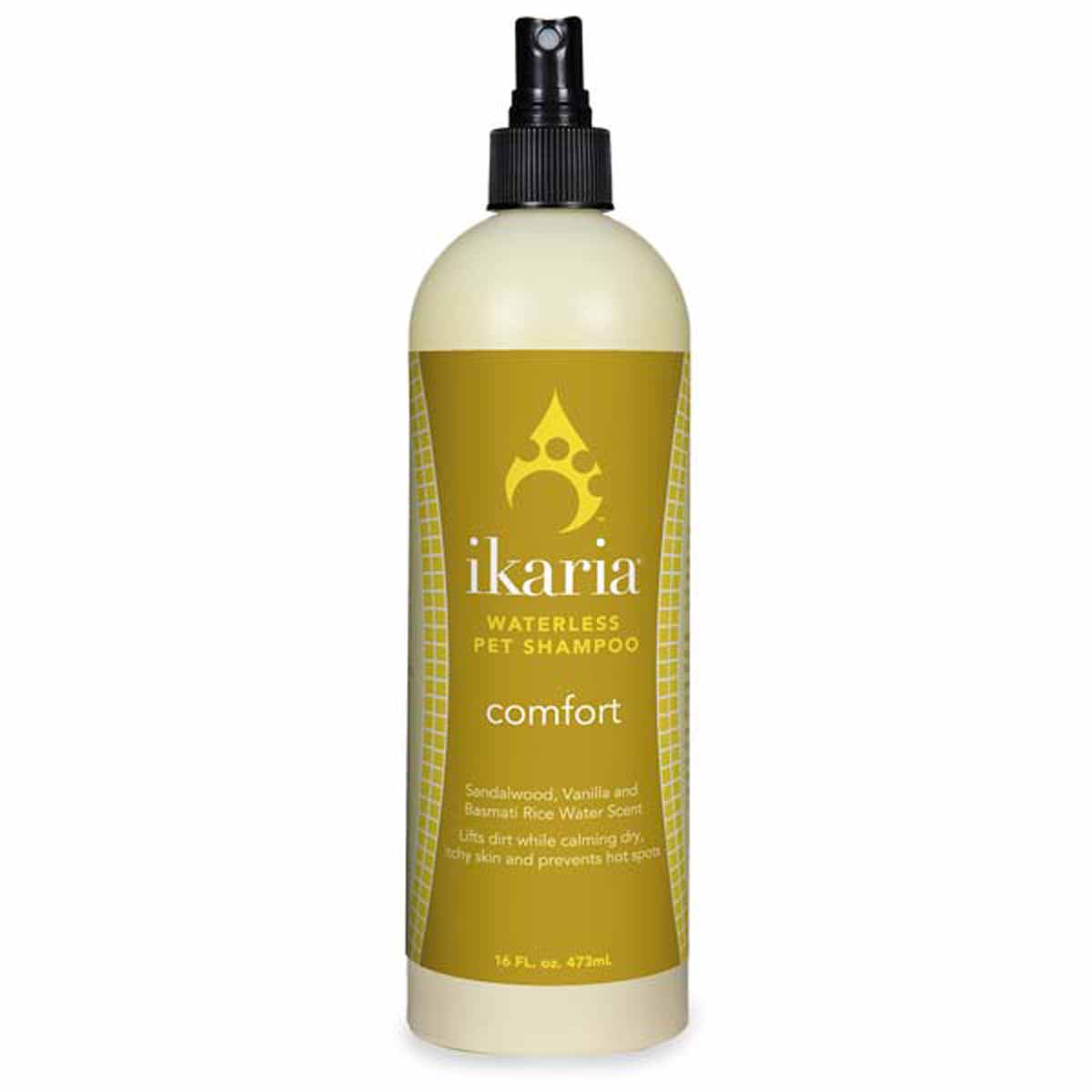
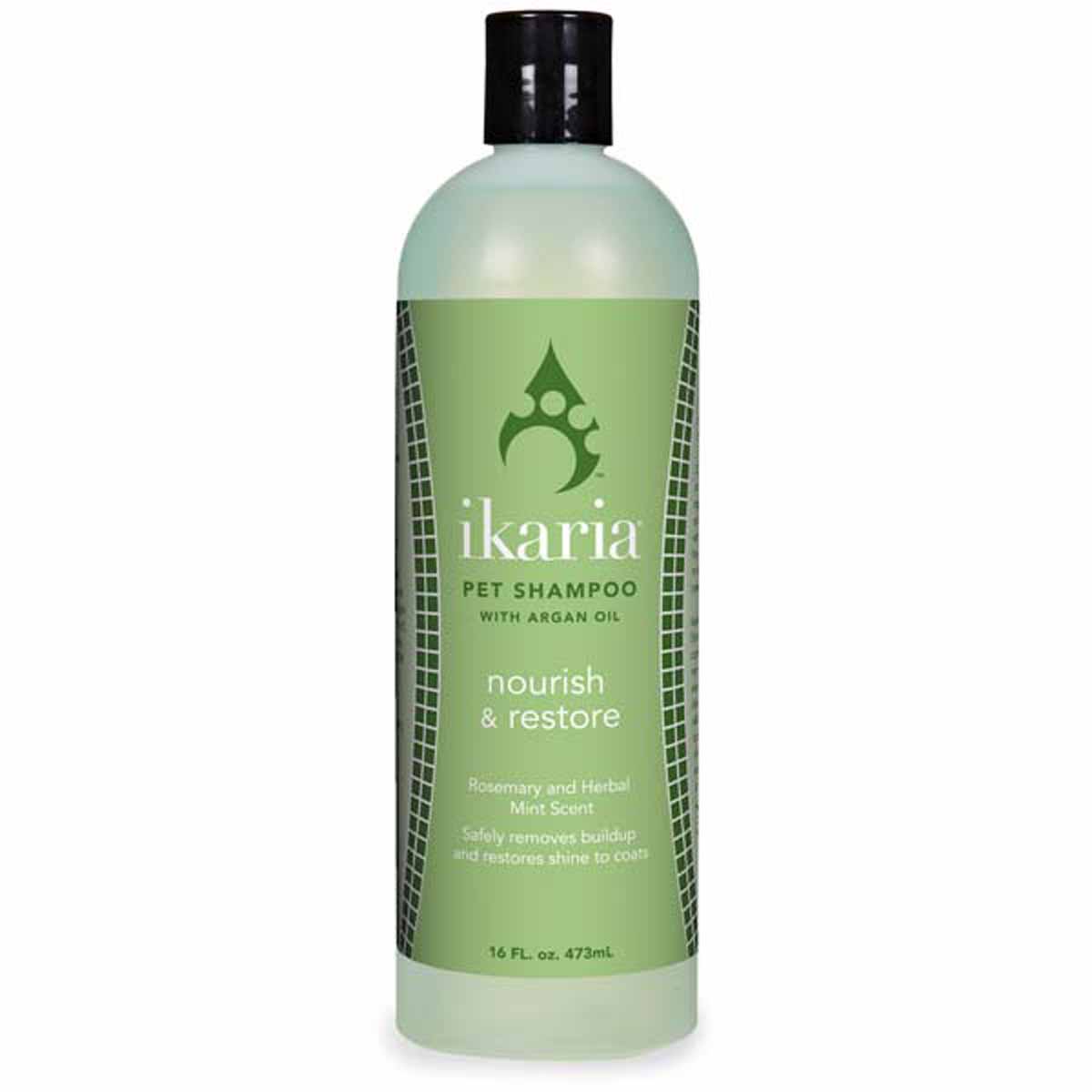
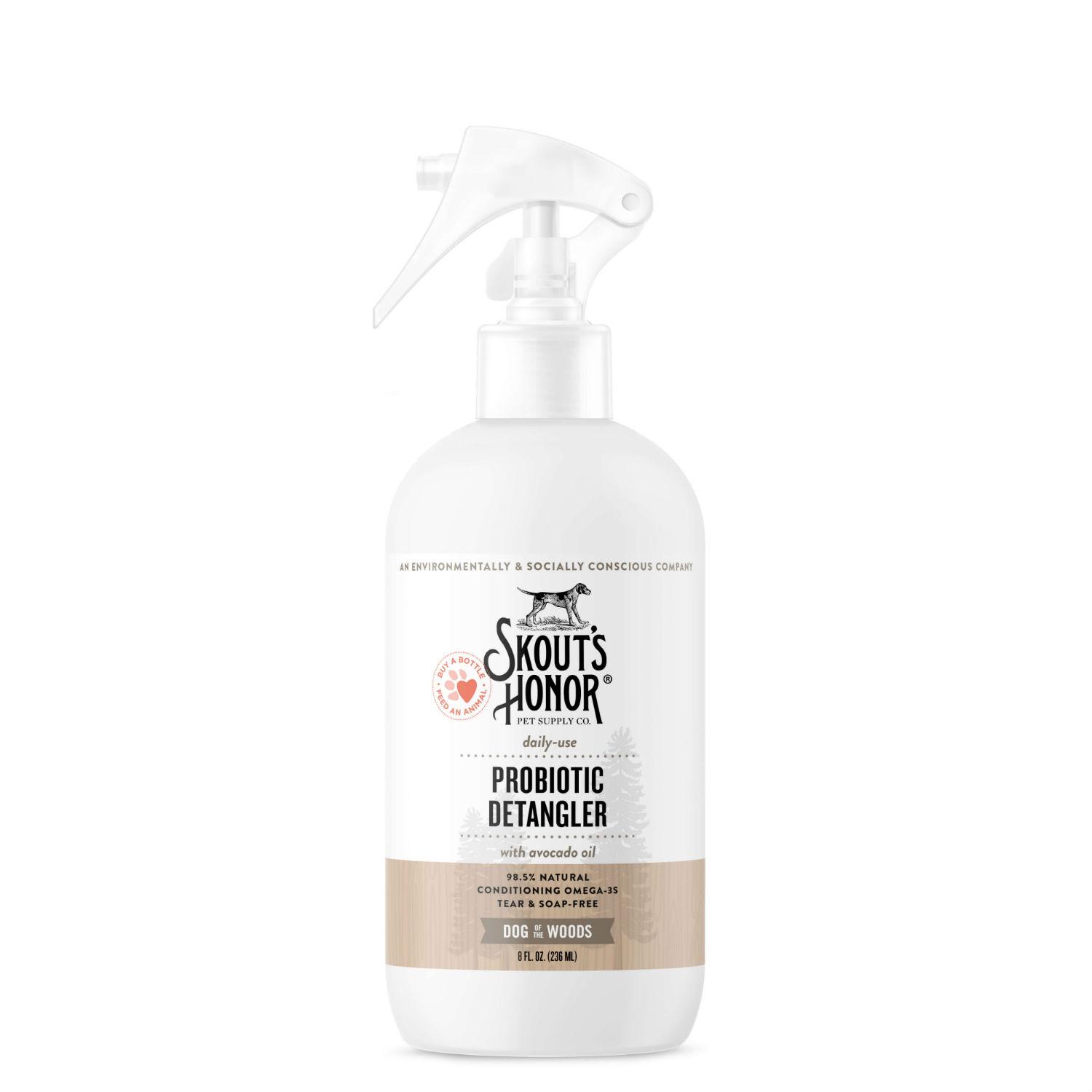
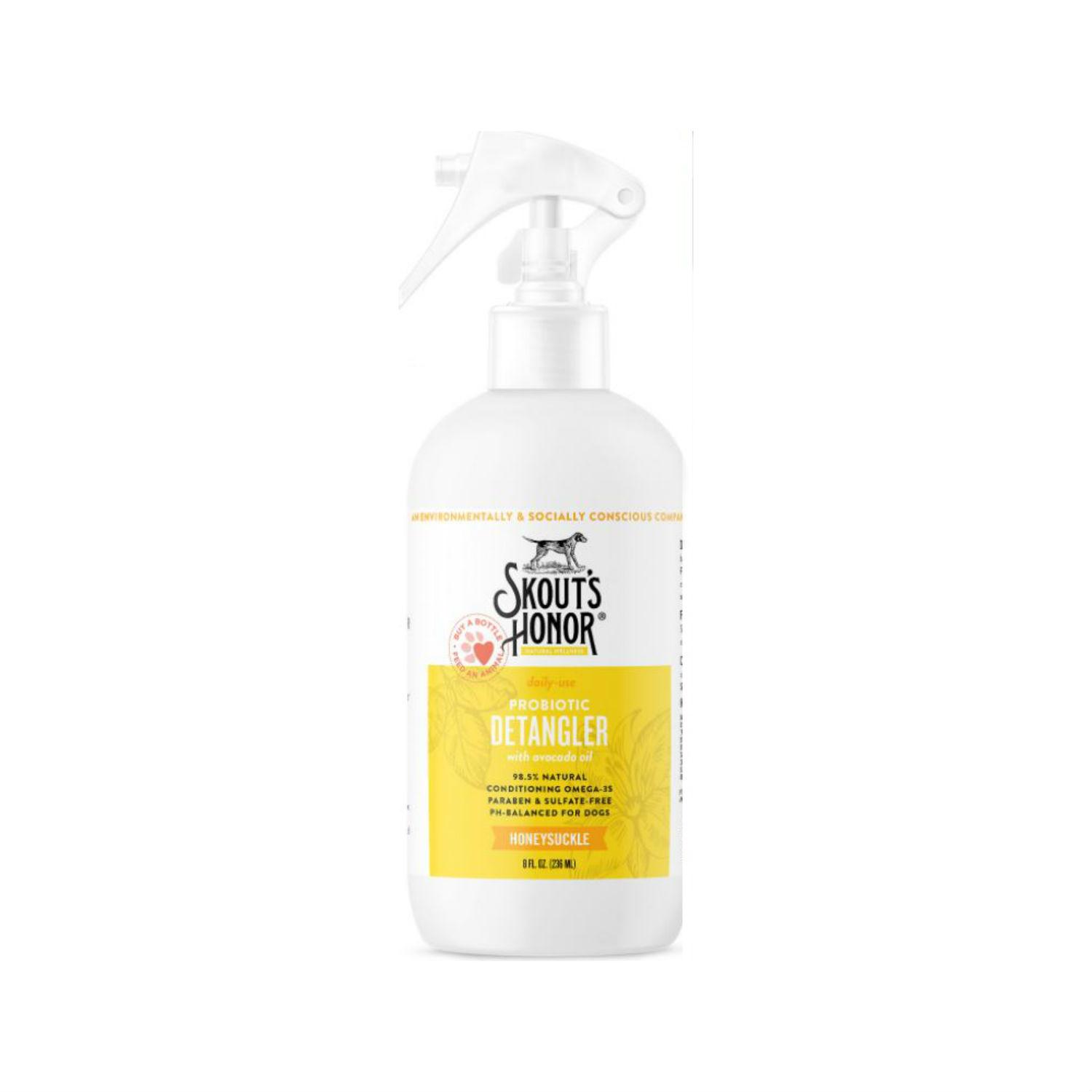
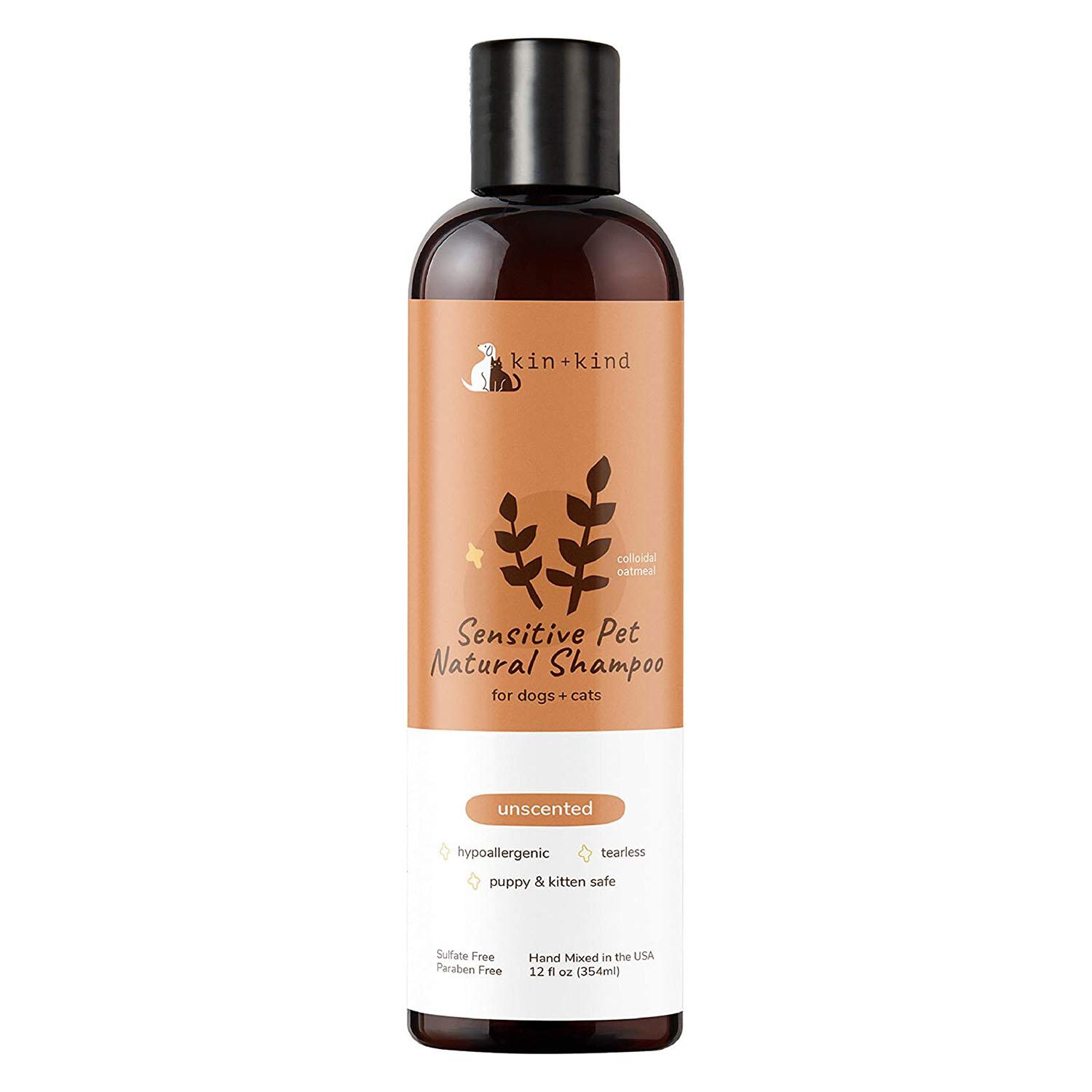
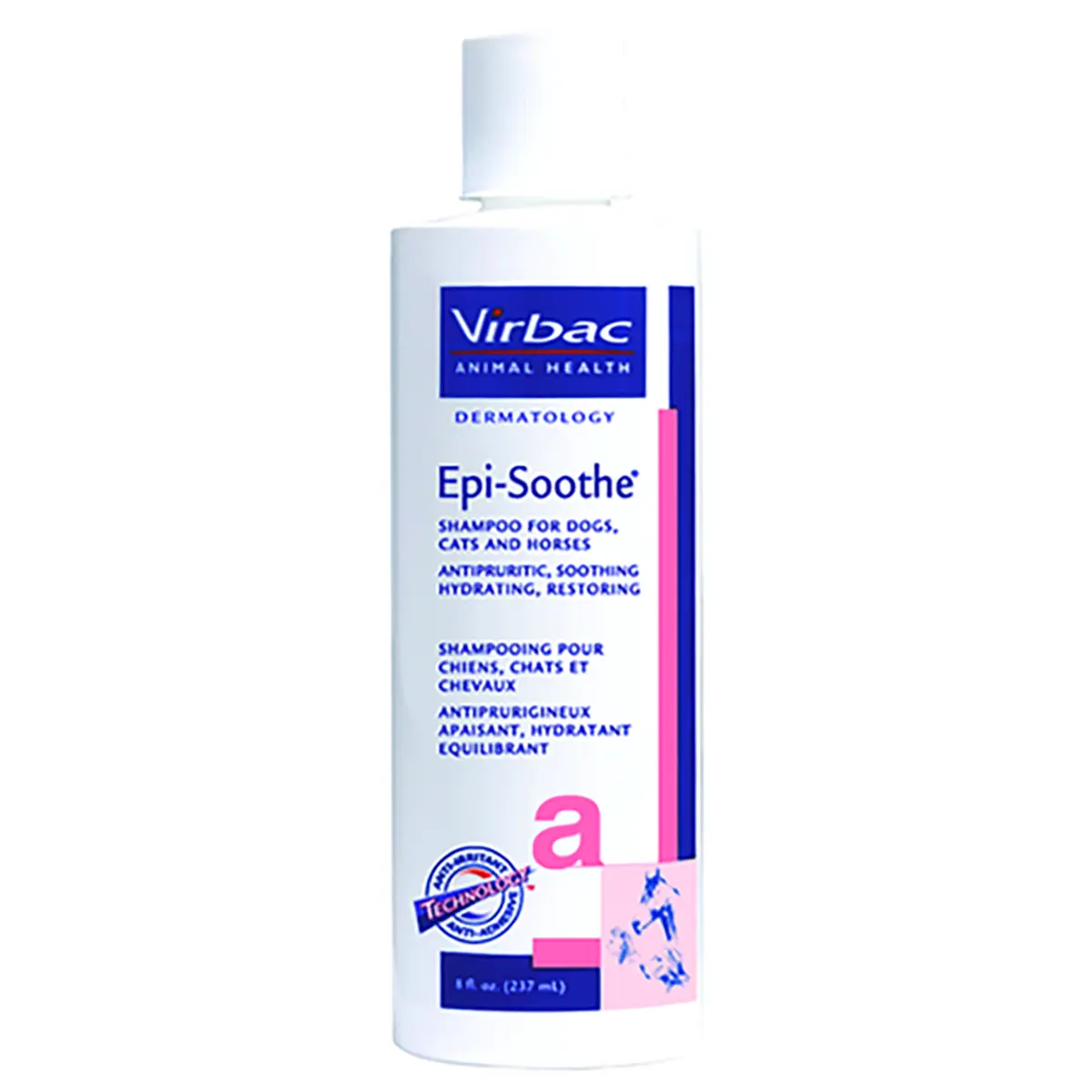
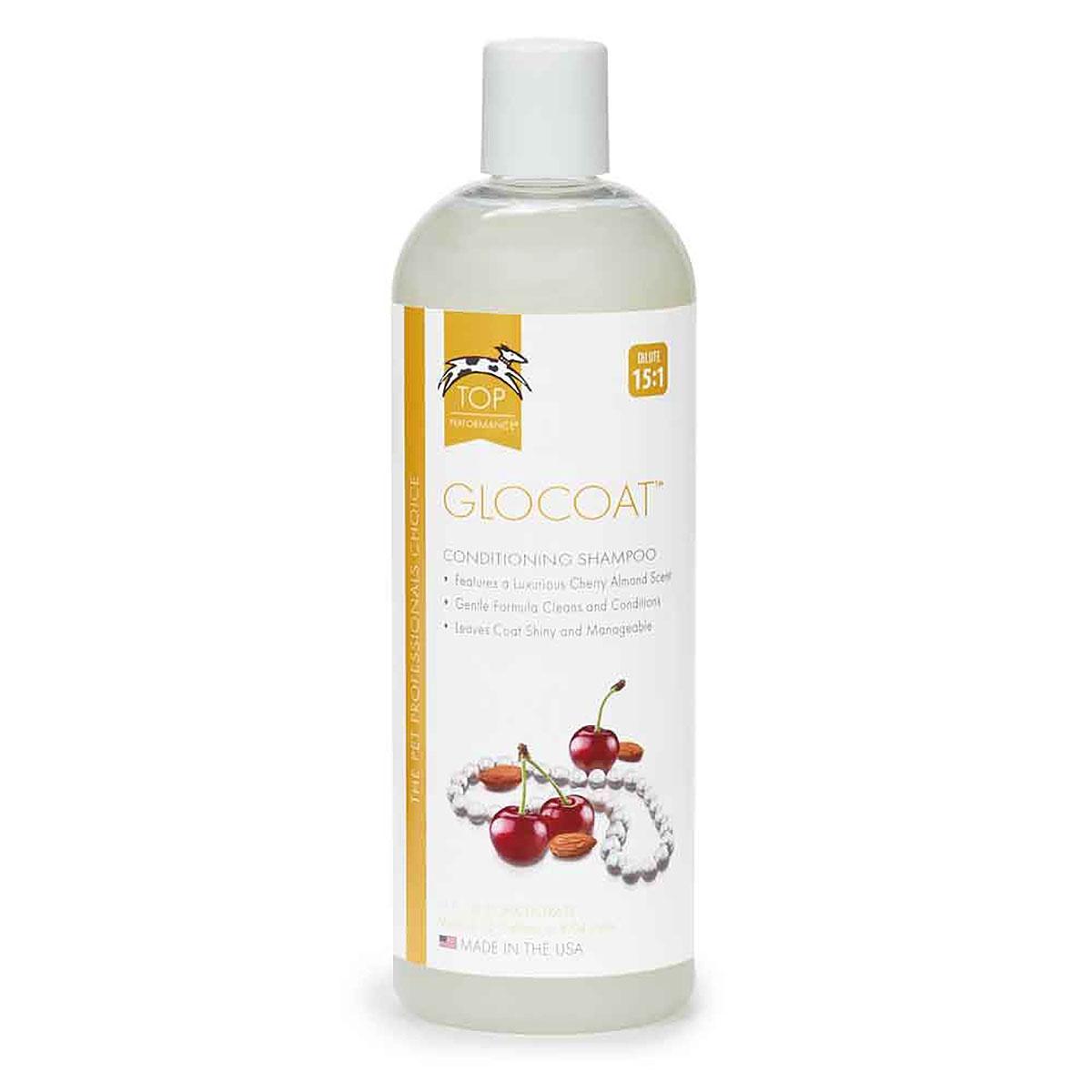
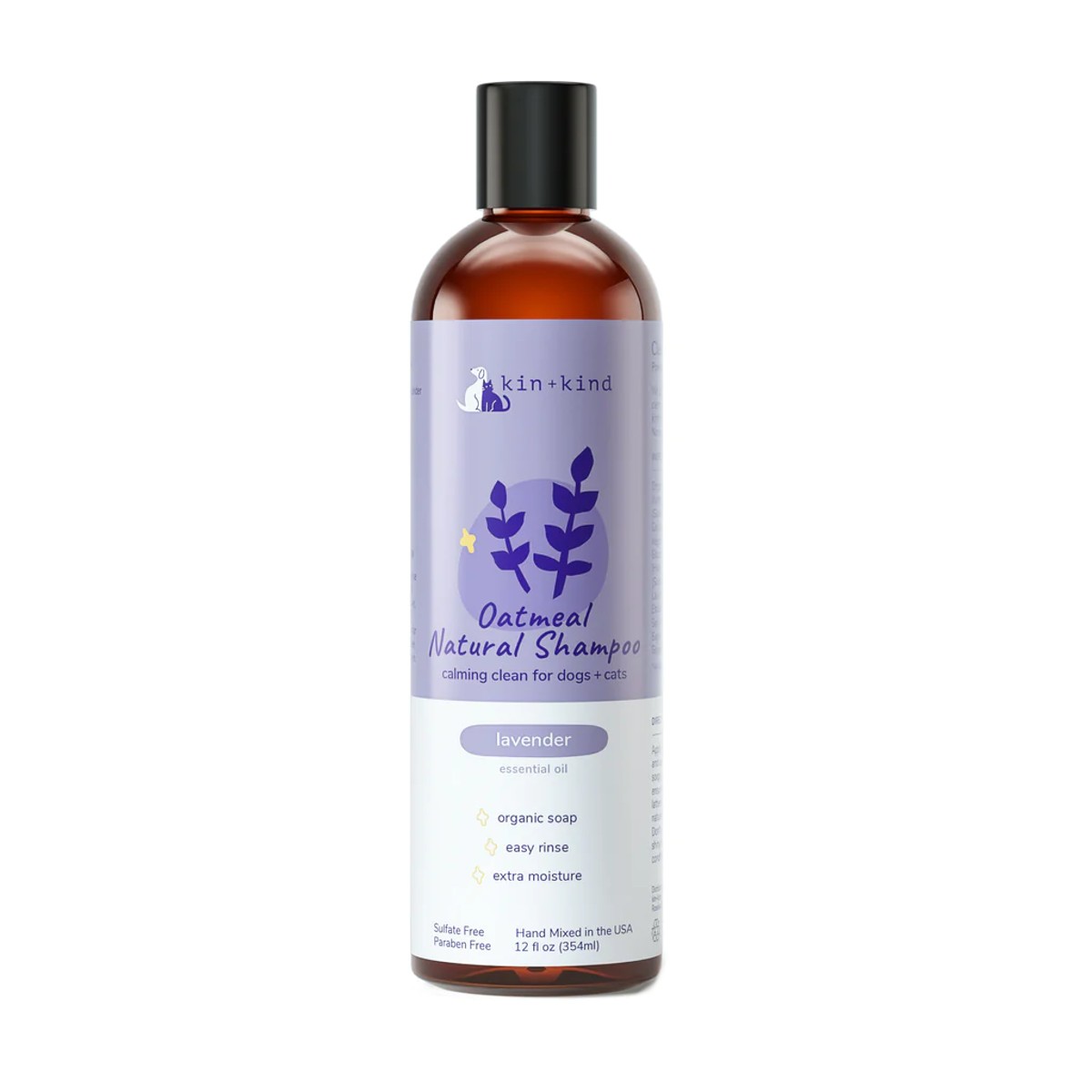
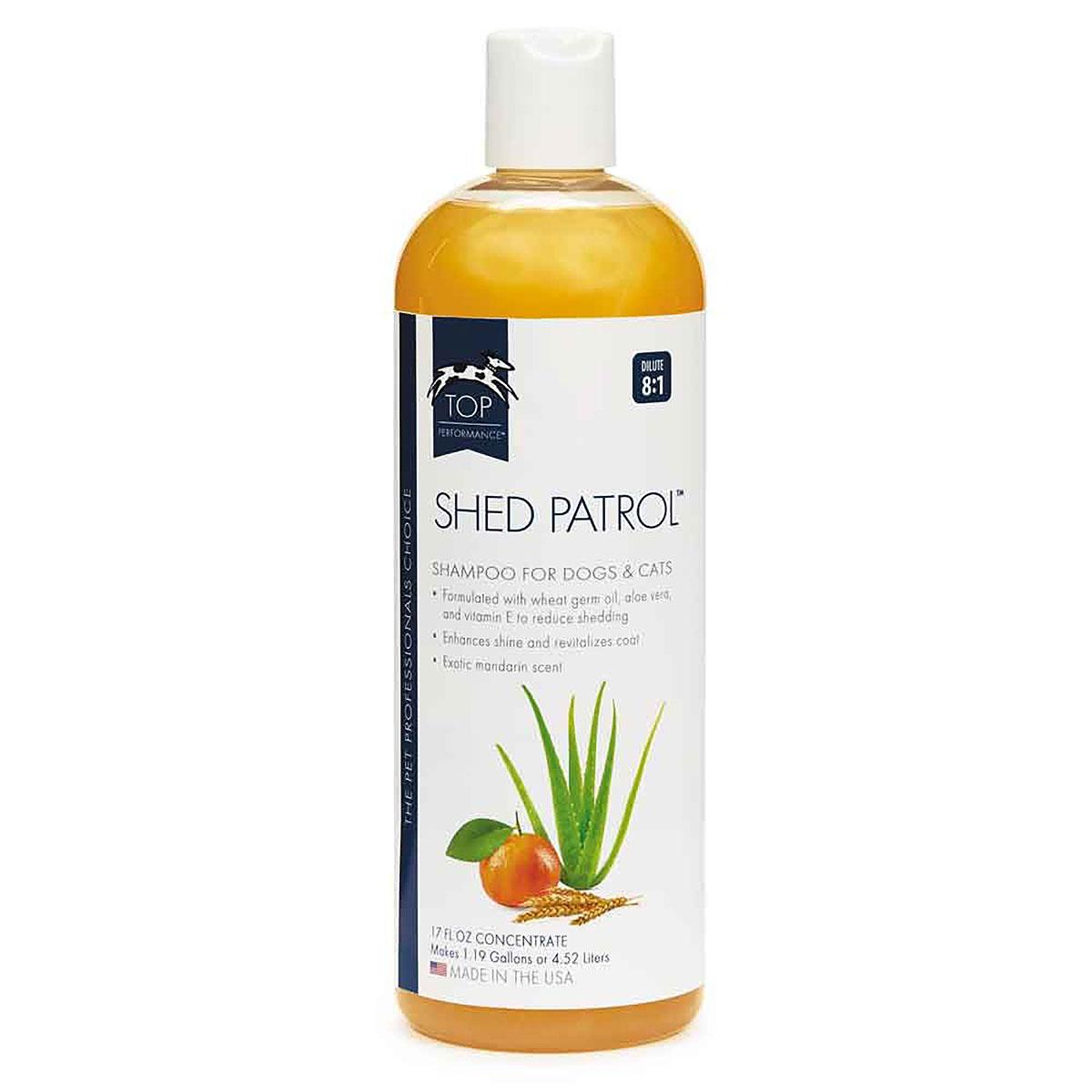
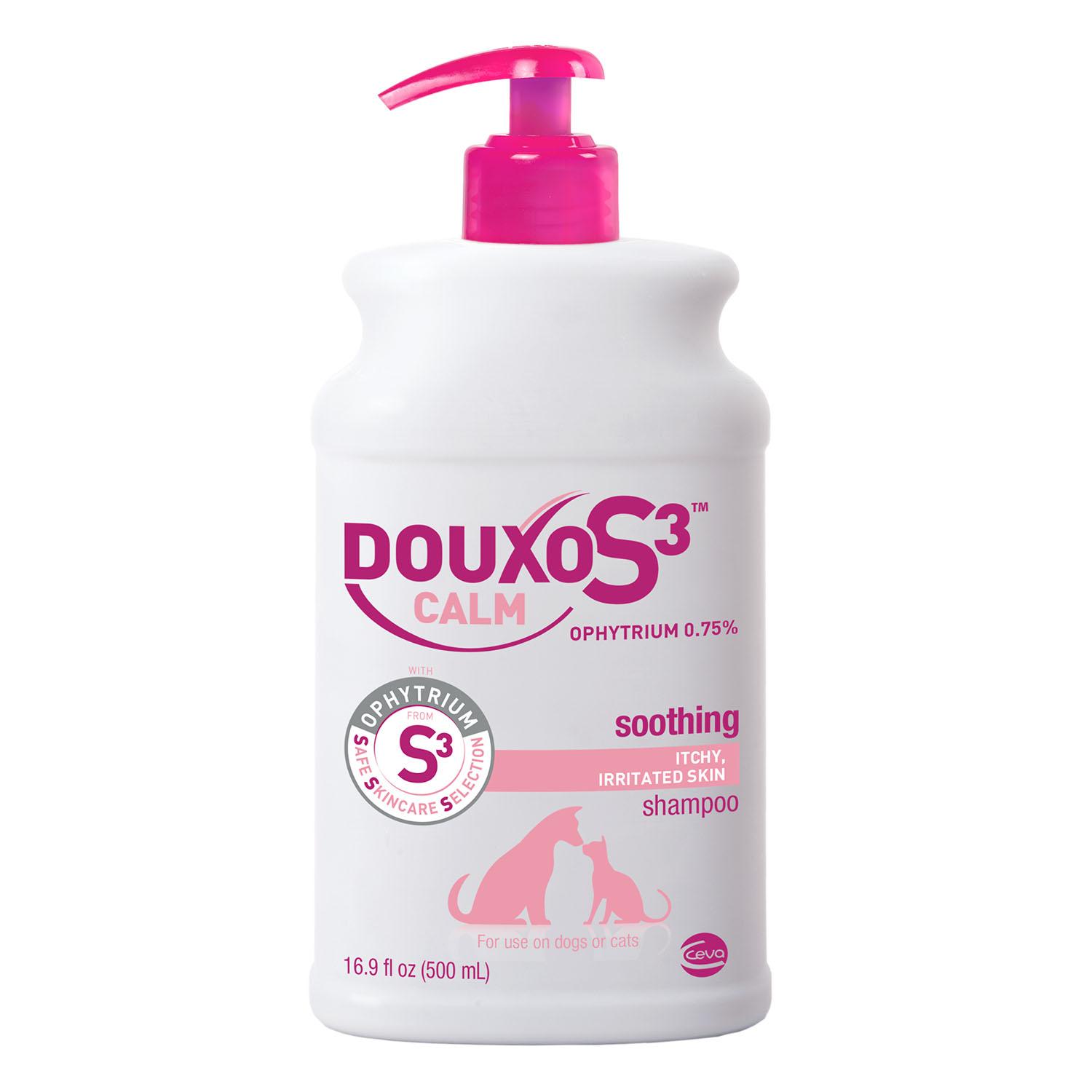
What to Look for in a Quality Cat Shampoo
The aisles of a pet store can be overwhelming, but cat-specific products are non-negotiable. You should never use human shampoo on a cat. Human skin is much more acidic than cat skin. Using our products on them can strip away their protective acid mantle, making the dandruff and itching even worse.
pH Balance and Gentle Cleansers
A quality cat shampoo will clearly state that it is pH-balanced for pets. You want to see vegetable-based cleansers rather than harsh detergents. Look for terms like coconut-based cleansers. These clean the fur without removing the vital oils that keep the skin supple. If a shampoo produces a massive amount of suds, it might contain sulfates, which are often too drying for a cat with existing dandruff.
Soothing Ingredients
For cats with dry, flaky skin, certain natural ingredients provide immediate relief.
- Colloidal Oatmeal: This is not the same as the breakfast food. It is finely ground oatmeal that suspends in water, creating a protective barrier on the skin that locks in moisture.
- Aloe Vera: Known for its cooling properties, aloe helps reduce the redness and heat associated with itchy skin.
- Vitamin E: This antioxidant supports skin cell health and promotes a shiny coat.
- Omega Fatty Acids: Some shampoos include plant oils high in omegas to nourish the skin from the outside in.
Ingredients to Avoid
Reading the back of the bottle is just as important as reading the front. Avoid products containing artificial dyes, which serve no functional purpose and can trigger allergies. Parabens and phthalates should also be avoided. If your cat has very sensitive skin, look for fragrance-free options. While a lavender-scented cat might sound pleasant, many cats find strong scents overwhelming and some essential oils are actually toxic to felines if ingested during grooming.
Key Takeaway: Always choose a shampoo specifically formulated for cats to protect their unique skin pH. Focus on hydrating ingredients like oatmeal and aloe while avoiding artificial fragrances and harsh sulfates.
Different Types of Shampoos for Flaky Cats
Not every cat responds well to a traditional bath. Fortunately, there are several formats designed to address dandruff depending on your cat’s temperament and the severity of their skin condition.
Waterless and Foam Shampoos
For many owners, the idea of putting a cat in a tub of water is a non-starter. Waterless grooming options are excellent for managing mild dandruff. You apply the foam to your hands or directly to the fur, massage it in, and towel it off. This helps lift away dead skin cells and adds a layer of moisture without the stress of a full bath. It is an ideal middle ground for senior cats who might find a traditional bath too taxing on their joints.
Moisturizing Rinse-Off Shampoos
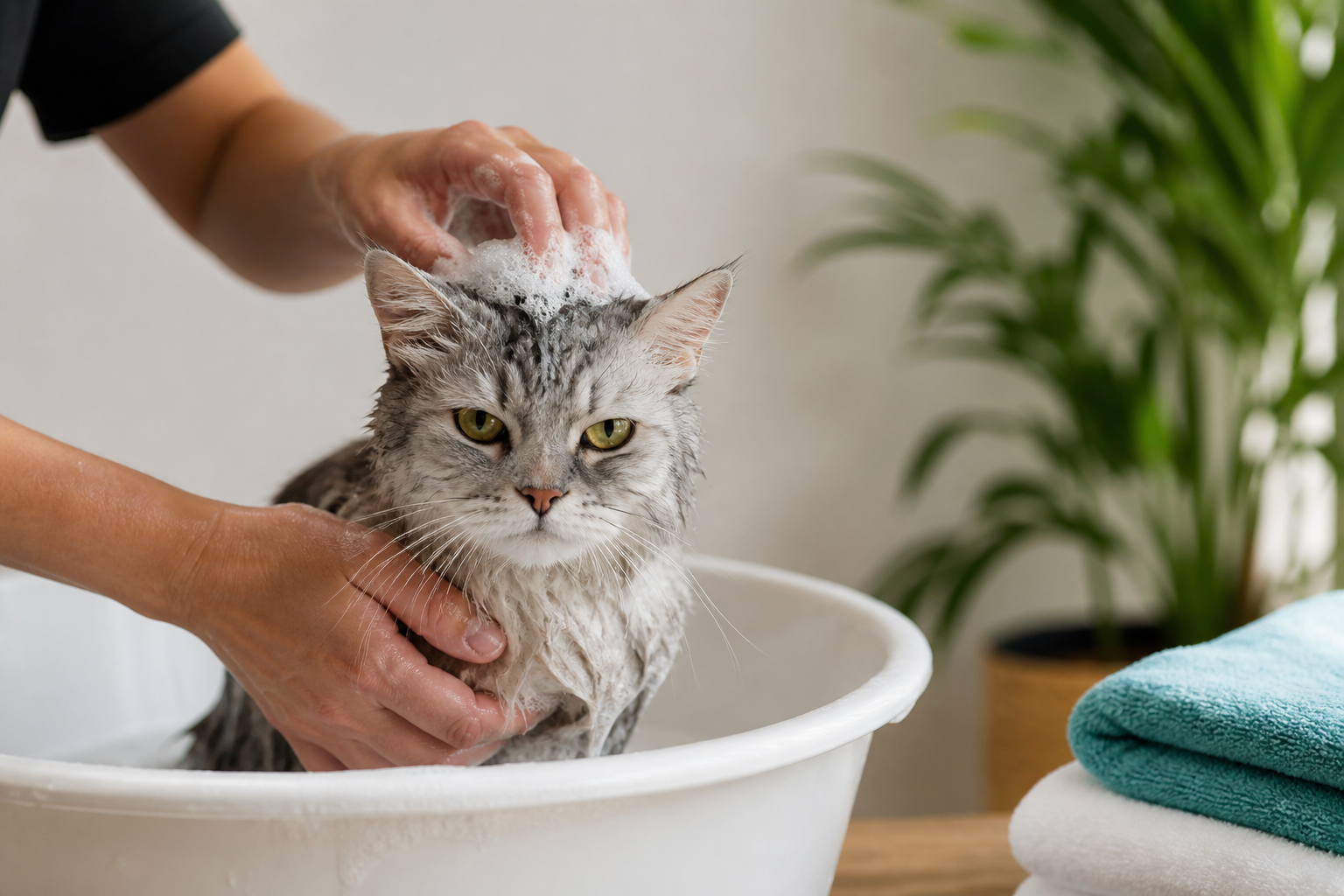
If your cat is cooperative, a traditional wet bath with a moisturizing shampoo is the most effective way to deep-clean the skin. These products are designed to sit on the coat for a few minutes, allowing the hydrating ingredients to penetrate the epidermis. This is the best choice for cats with significant flake buildup or those who have gotten into something oily or dirty that is blocking their pores.
Medicated Shampoos
When dandruff is accompanied by a foul odor, greasy fur, or red sores, a standard moisturizing shampoo might not be enough. Medicated shampoos often contain ingredients like salicylic acid or sulfur to help break down heavy scales. Others might include antifungal or antibacterial agents.
Vet Tip: If your cat’s dandruff is thick, yellow, or accompanied by hair loss, consult your veterinarian before starting a bath routine. They may need to prescribe a specific medicated wash through a pharmacy. Our cat pharmacy offers prescription treatments for cats.
How to Bathe a Cat with Dandruff
A successful bath is all about preparation. If you are nervous, your cat will be too. Follow these steps to make the process as smooth as possible for both of you.
Step 1: Thoroughly brush your cat. / Brushing removes loose fur and breaks up the largest flakes of dandruff, allowing the shampoo to reach the skin more effectively.
Step 2: Prepare the environment. / Place a rubber mat or a towel in the bottom of the sink or tub. Cats feel much more secure when they have something to grip with their claws.
Step 3: Use lukewarm water. / Water that feels warm to you might be too hot for a cat. Aim for a temperature that is just barely warm to the touch.
Step 4: Lather and wait. / Apply a small amount of shampoo and work it into a lather, starting from the neck and moving back. Avoid the face and ears entirely. If the bottle says to leave it on for five minutes, try to distract your cat with a lickable treat during the wait.
Step 5: Rinse twice. / Leftover soap residue is a leading cause of skin irritation and more dandruff. Rinse until the water runs completely clear and you no longer feel a slippery film on the fur.
Step 6: Dry gently. / Blot the cat with a warm towel. Avoid using a blow dryer unless your cat is specifically trained for it, as the heat and noise can be terrifying and further dry out the skin.
Bottom line: Preparation and thorough rinsing are the most important parts of a successful cat bath.
Beyond the Bath: Supplements and Diet
Shampoo is a great external tool, but skin health often starts from the inside. If your cat has chronic dandruff, their diet might be lacking in certain nutrients. High-quality cat foods from brands like Farmina, Royal Canin, or Stella and Chewy's often include the balanced fats necessary for skin health.
If a diet change is not enough, supplements can make a significant difference. Fish oil or plant-based omega supplements are common recommendations for cats with dry skin. These help strengthen the skin barrier from within, making it more resilient to dry air. At BaxterBoo, we carry several supplement brands like Zesty Paws and Honest Paws that offer skin and coat support in easy-to-administer chews or oils.
It is also vital to ensure your cat is hydrated. Dehydrated cats often have "tented" skin that lacks elasticity and becomes flaky. Consider adding wet food to their diet or using a cat water fountain to encourage more frequent drinking.
When Dandruff Signals a Bigger Problem
Sometimes flakes are not just dry skin. You should monitor your cat for other symptoms that might suggest an underlying health issue.
- Over-grooming or bald patches: This often indicates an allergy or a parasite problem like fleas.
- Lethargy or weight loss: Skin issues can sometimes be a secondary symptom of systemic issues like diabetes or hyperthyroidism, especially in older cats.
- Poor grooming habits: If a normally clean cat stops grooming their back, they may have arthritis that makes reaching those spots painful.
In these cases, a new shampoo will only mask the problem. A veterinarian can perform a skin scraping or blood work to find the root cause. If your vet prescribes a specific medication or a prescription-strength shampoo, you can often find those items through our pharmacy services. This provides access to prescription cat medications through our online pharmacy.
Conclusion
Managing cat dandruff requires a mix of the right products and a bit of patience. By selecting a pH-balanced, moisturizing shampoo and maintaining a regular grooming routine, you can help your cat feel comfortable again. Remember to look for soothing ingredients like oatmeal and to avoid harsh chemicals that strip the skin. If the flaking persists or you see signs of infection, a vet visit is the safest next step.
- Choose cat-specific, pH-balanced shampoos to avoid irritation.
- Consider waterless foams for cats who are stressed by water.
- Incorporate omega-3 supplements to support the skin barrier.
- Ensure thorough rinsing to prevent soap residue buildup.
Key Takeaway: A healthy coat starts with hydrated skin. Whether you use a moisturizing wash or a waterless foam, consistency and quality ingredients are the keys to reducing dandruff.
If you are ready to start a new grooming routine, our cat grooming collection offers everything you need. For those managing more complex skin conditions, remember that we can also help with prescription needs through our pharmacy services.
FAQ
Can I use baby shampoo on my cat’s dandruff?
While baby shampoo is gentler than adult human shampoo, it is still not ideal for cats. The pH level of human skin is around 5.5, while a cat’s skin is much more neutral, typically between 6.2 and 7.2. Using even a mild human shampoo can disrupt the feline skin barrier over time, leading to more dryness and potential infections.
How often should I bathe a cat with dandruff?
Most cats do not need frequent baths, even with dandruff. Generally, once every 4 to 6 weeks is enough for a cat with dry skin. Over-bathing can actually strip away natural oils and make the dandruff worse. Between baths, use a soft brush daily to distribute natural oils and consider a waterless foam for quick touch-ups.
Why does my cat only have dandruff on their lower back?
The lower back and the base of the tail are common spots for dandruff because they are the hardest areas for a cat to reach. If a cat is overweight or has arthritis, they may stop grooming these areas entirely. Regular brushing in these specific spots can help move the oils around and remove dead skin cells that the cat can no longer reach.
Will a new food help my cat’s dry skin?
It is very possible. Diets rich in Omega-3 and Omega-6 fatty acids are essential for maintaining the skin’s lipid barrier. If your current cat food is low in these fats, switching to a premium brand or adding a fish oil supplement can result in a noticeable improvement in skin flakes and coat shine within 3 to 6 weeks.






- Site & Contents BaxterBoo.com. BaxterBoo is located in the United States.
- Privacy & Security
- Terms of Use
- Accessibility Statement
