Save 15% on your 1st Autoship learn more

 Email us
 Live Chat
 FAQs
FAQs





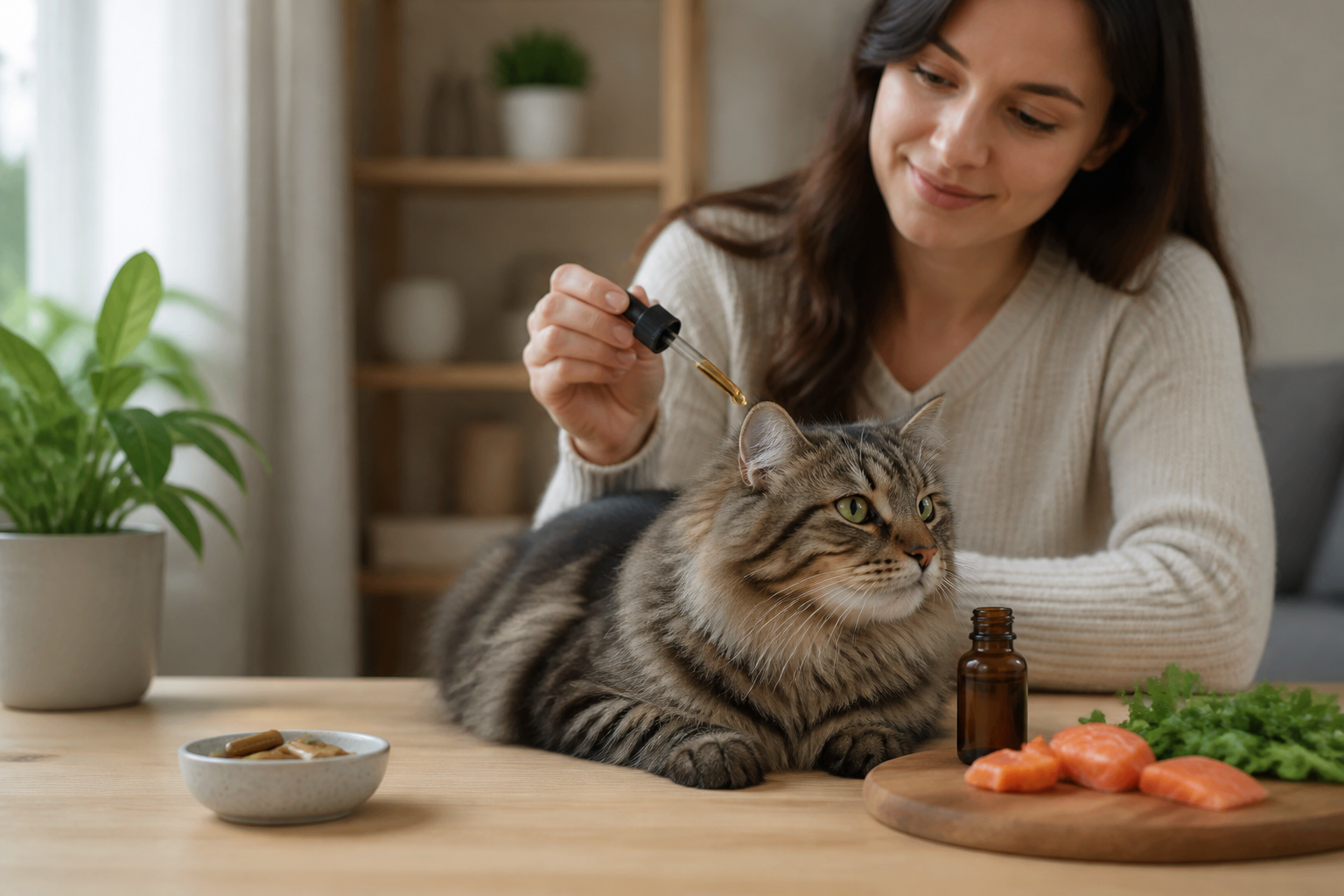
Introduction
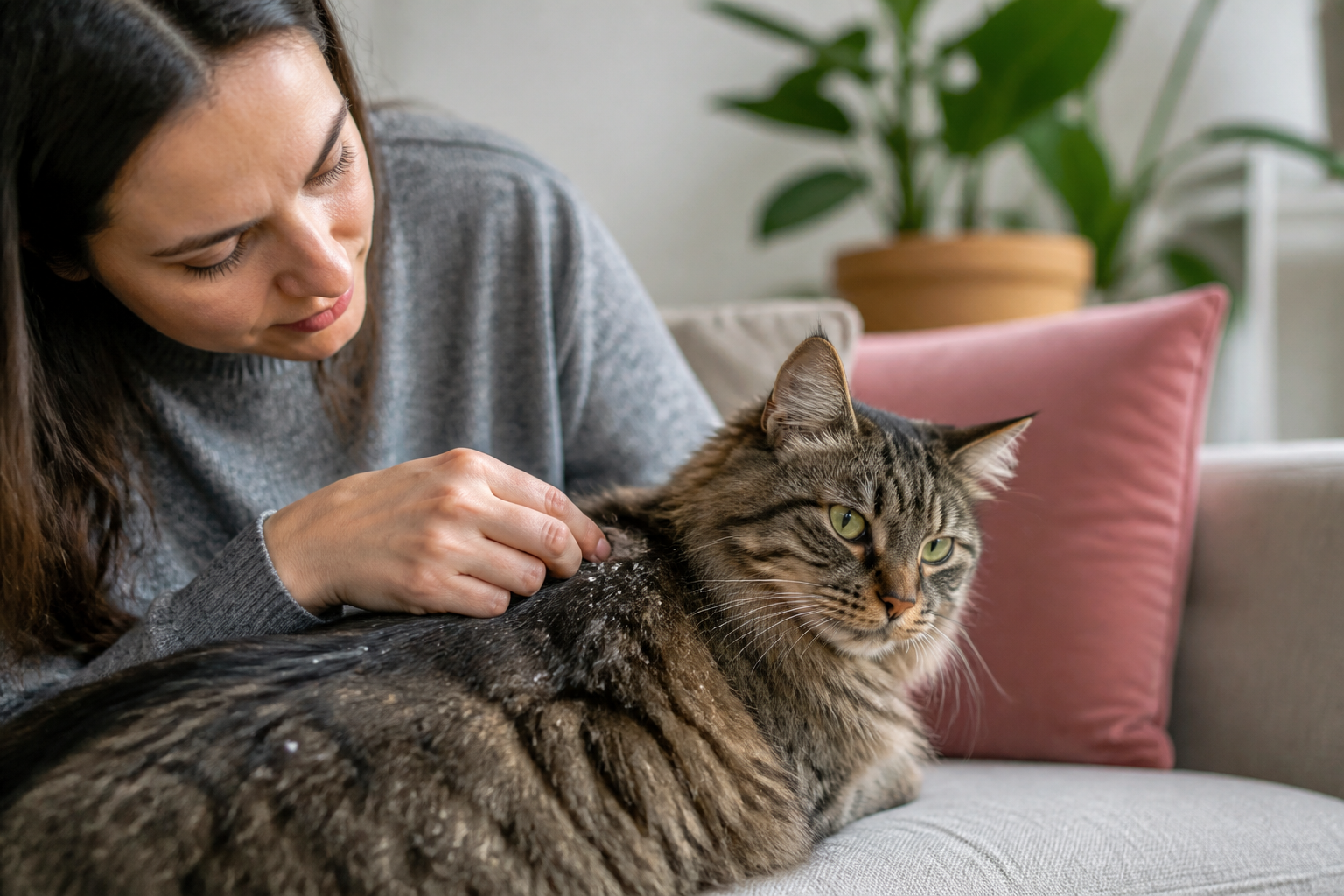
You are petting your cat and feel a sudden grit under your fingers. When you look closer, you see a dusting of white flakes across their fur. This is a common sight for many cat owners, especially during the dry winter months or as a cat enters their senior years. While a few flakes might seem like a cosmetic issue, they often signal that the skin barrier is struggling. At BaxterBoo, we know that a glossy, flake-free coat starts from the inside out. This post covers how to choose the right supplement for cat dandruff, the role of essential fatty acids, and how to tell when your cat needs more than just a nutritional boost. The right approach can help your cat feel comfortable and look their best again.
Quick Answer: The most effective supplement for cat dandruff is typically a high-quality fish oil rich in Omega-3 fatty acids like EPA and DHA. these nutrients help reinforce the skin barrier and reduce inflammation that causes flaking.
Understanding Why Cats Get Dandruff
Dandruff is not a disease in itself. It is a symptom of skin cells maturing and shedding too quickly. In a healthy cat, this process happens invisibly. When the skin becomes dry, irritated, or oily, those cells clump together and become visible as white flakes.
Several factors contribute to this condition. Dry air in your home can strip moisture from the skin. If your cat is older or carries extra weight, they might have trouble reaching certain spots to groom. This leads to a buildup of dead skin and natural oils. In more complex cases, dandruff is a sign of allergies or parasites.
If you notice your cat is also itching, losing hair, or has red patches, the cause is likely medical. It is important to rule out these issues before relying solely on supplements.
Vet Tip: If your cat has sudden, heavy dandruff or seems excessively itchy, consult your veterinarian to rule out "walking dandruff" mites or ringworm. These conditions require specific medical treatments rather than just nutritional support.
The Power of Omega-3 Fatty Acids
When it comes to skin health, Omega-3 fatty acids are the gold standard. These are essential nutrients, meaning your cat’s body cannot produce them on its own. They must come from their diet or a supplement.
EPA and DHA
Most high-quality supplements focus on eicosapentaenoic acid (EPA) and docosahexaenoic acid (DHA). These specific fatty acids help reduce inflammation throughout the body. For the skin, they act like a sealant. They help keep moisture in and irritants out.
Sources of Omega-3s
Not all oil sources are created equal for cats. While flaxseed oil contains Omega-3s, cats are not very efficient at converting plant-based fats into the usable EPA and DHA they need. Marine-based oils are much more effective.
- Salmon Oil: A popular and highly palatable choice for most cats.
- Pollock Oil: Often lower in contaminants and high in potency.
- Krill Oil: Highly absorbable and contains antioxidants like astaxanthin.
Choosing the Right Supplement Format
Every cat has different preferences. Some will eat anything you put in their bowl, while others are incredibly picky. Finding a format that works for your routine is key to seeing results.
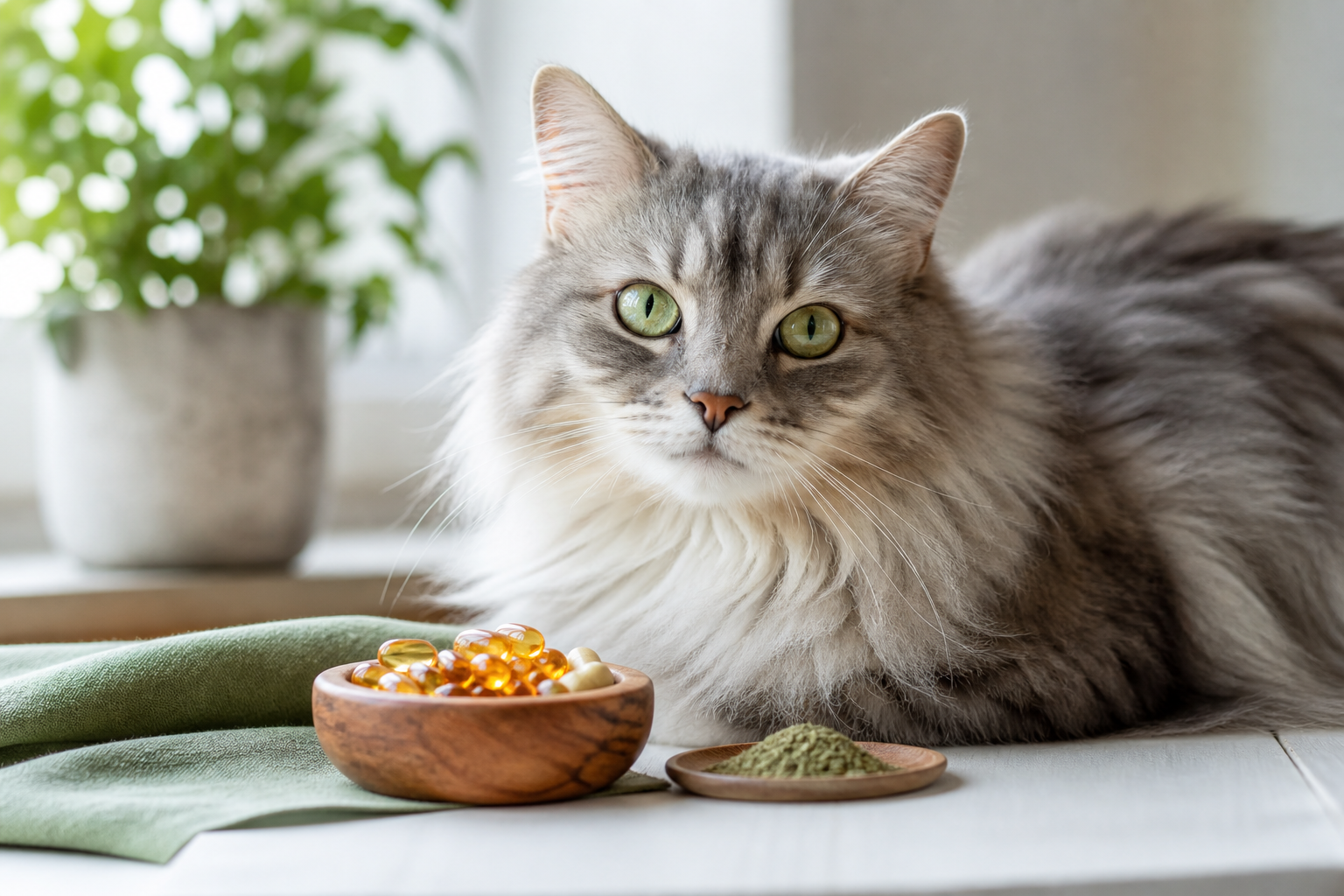
| Supplement Type | Benefits | Best For |
|---|---|---|
| Liquid Oils | Easy to mix into wet food and usually very tasty. | Picky eaters who enjoy fishy flavors. |
| Soft Chews | Often formulated like treats with added vitamins. | Cats who view supplements as a reward. |
| Capsules | Protects the oil from oxidation and ensures a precise dose. | Owners who can easily pill their cats or hide them in treats. |
| Powders | Often contain probiotics or enzymes alongside skin nutrients. | Cats who prefer a specific texture in their food. |
How Supplements Improve the Skin Barrier
The skin is the largest organ of your cat's body. It requires a significant portion of their daily protein and nutrient intake to maintain itself. When a cat is deficient in certain fats, the skin barrier weakens. This leads to what we call "trans-epidermal water loss."
Basically, the moisture inside the skin evaporates. This leaves the surface dry and prone to cracking. Supplements like those from Zesty Paws or Grizzly provide the building blocks to repair this barrier. Over time, the skin becomes more elastic and the production of flakes slows down.
Key Takeaway: Supplements take time to work. You should expect to wait four to six weeks before you see a noticeable change in your cat’s coat and a reduction in dandruff.
When Dandruff Requires a Prescription
Sometimes, over-the-counter supplements are not enough. If your cat has a diagnosed skin condition like feline atopy or severe seborrhea, they may need therapeutic intervention. This is where a targeted approach to nutrition becomes necessary.
Our cat pharmacy offers access to FDA-approved medications and prescription pet foods through our partnership with Pet's Choice. If your vet recommends a specialized diet like Farmina Vet Life for skin sensitivities, you can fulfill that need through our dedicated pharmacy services. Prescription diets often contain much higher levels of specific nutrients than standard retail foods. They are formulated to manage the underlying inflammation that causes chronic flaking.
Practical Steps to Manage Dandruff at Home
While you wait for supplements to take effect, you can take immediate steps to help your cat feel better. A multi-pronged approach usually yields the best results.
Step 1: Increase Grooming Sessions.
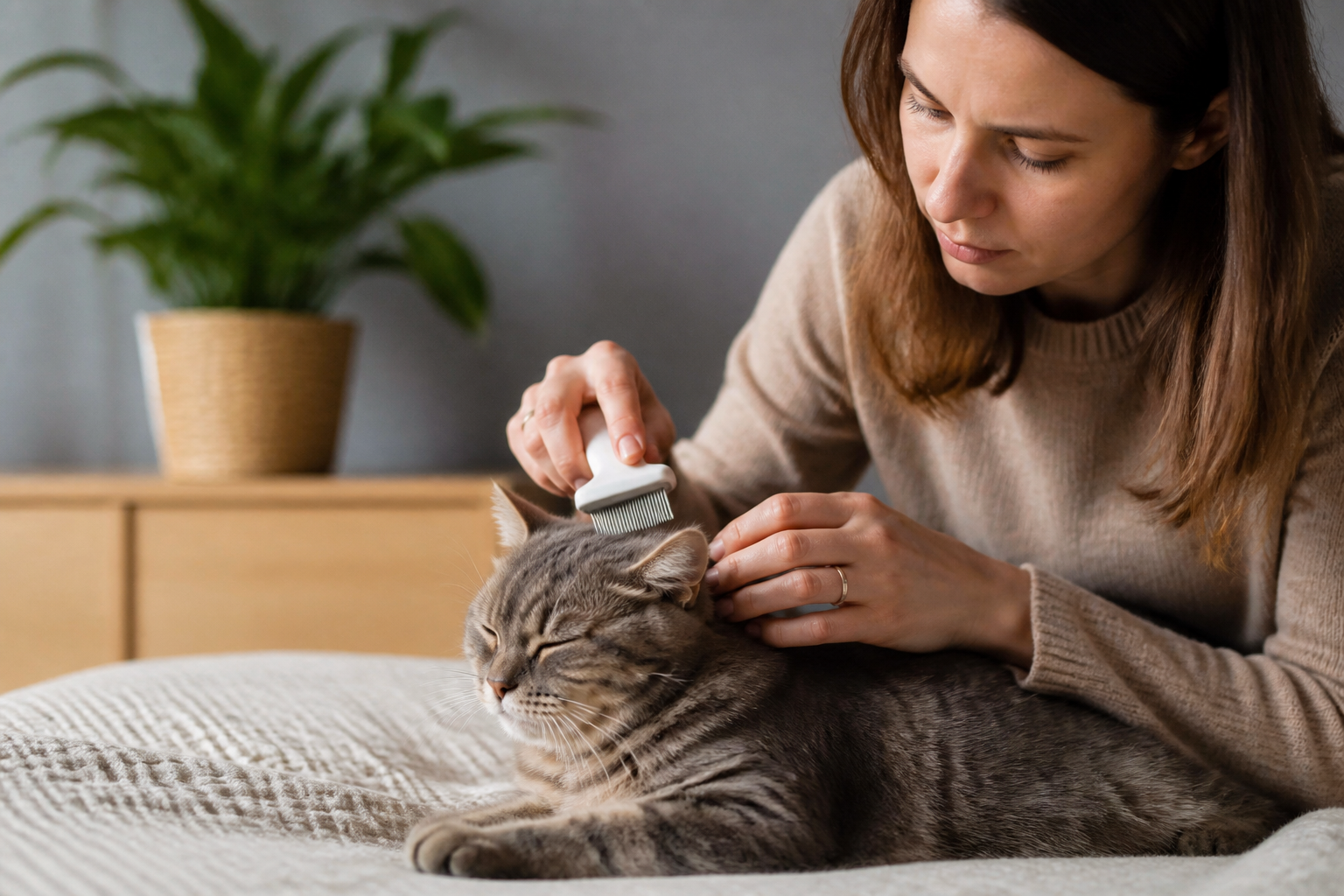
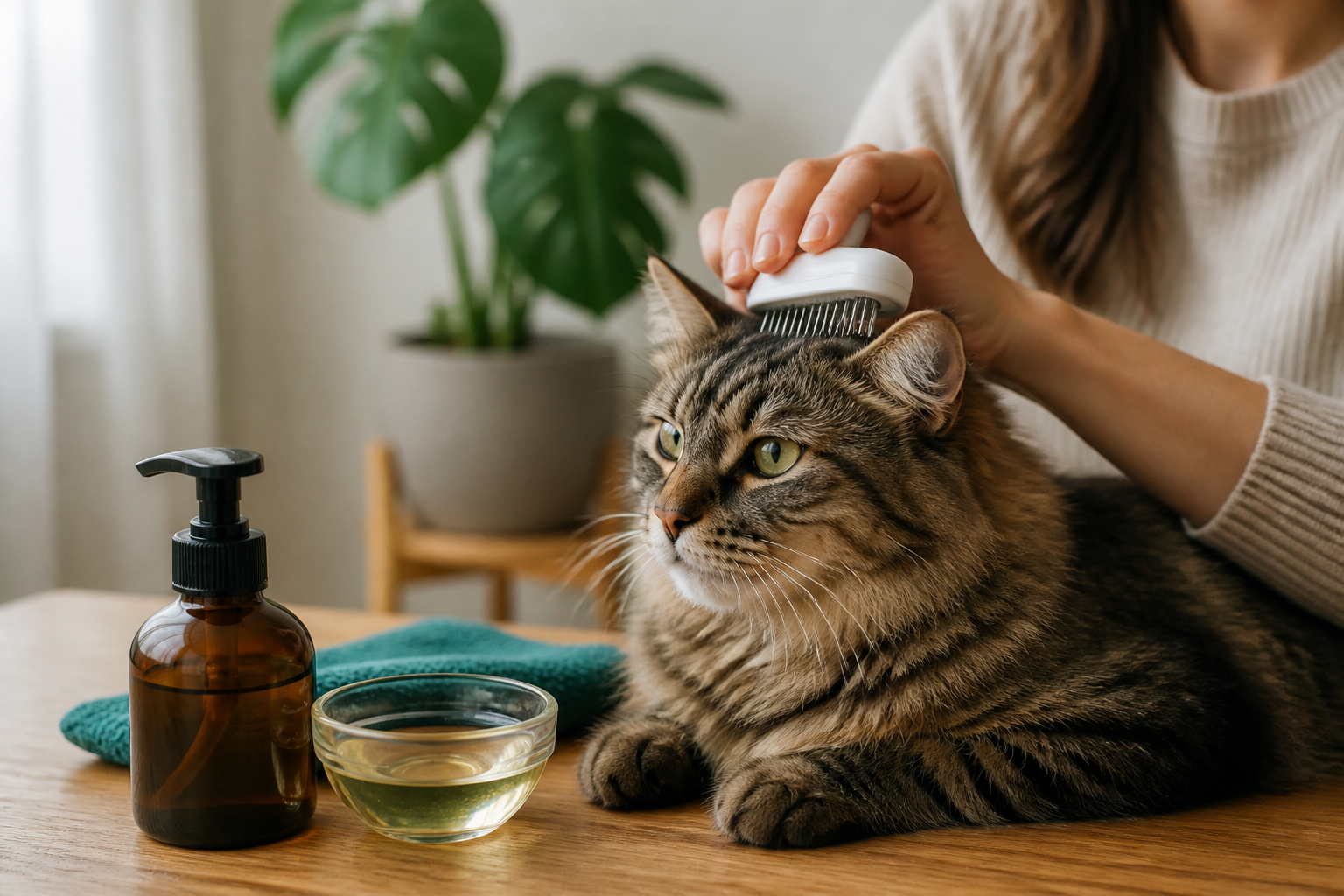
Use a soft-bristled brush or a fine-tooth comb daily. This helps distribute the natural oils across the coat and removes dead skin before it flakes off. For long-haired cats, this also prevents mats that can trap moisture and bacteria. Explore our cat grooming supplies for brushes, combs, and other care tools.
Step 2: Check Your Home’s Humidity.
During the winter, indoor air becomes very dry. This pulls moisture directly out of your cat's skin. Placing a humidifier in the room where your cat spends the most time can make a significant difference.
Step 3: Evaluate the Water Bowl.
Hydrated skin starts with a hydrated body. Some cats are picky about their water. Ensure the water is fresh and consider using a pet fountain to encourage more frequent drinking.
Step 4: Assess the Current Diet.
Look at the label of your current cat food. Brands like Orijen, Acana, or Stella and Chewy's often include high levels of fresh fats and proteins that naturally support skin health. If the food is low in quality fats, the supplement will have to work much harder.
Identifying External Irritants
It is possible that the dandruff is a reaction to something in the environment. Cats can be sensitive to strong perfumes, dusty litter, or even the laundry detergent you use on their favorite blanket.
If you have recently changed something in your home and noticed flakes appearing shortly after, try reverting to the old product. Parasites are another major culprit. Even strictly indoor cats can get fleas, which lead to "flea allergy dermatitis." This condition often causes intense itching and heavy flaking at the base of the tail. For more prevention ideas, read our guide to the best flea and tick prevention products.
We recommend keeping your cat on a year-round preventive like Frontline. Preventing bites is much easier than treating a full-blown skin reaction. If you need a prescription-strength flea and tick preventive, our pharmacy can help with those needs through the Pet's Choice partnership.
The Role of Weight and Mobility
Obesity is a leading cause of dandruff in cats. If a cat is too heavy, they simply cannot reach their middle and lower back. This area quickly becomes oily and flaky.
Similarly, senior cats with arthritis may find it painful to twist and groom. If you notice dandruff specifically on the lower back and tail base, your cat might need help. Regular brushing becomes a necessity rather than an option for these cats. You might also talk to your vet about joint supplements like Cosequin to help them regain the mobility they need to groom themselves.
Bottom line: Dandruff on the lower back is often a sign that your cat cannot physically reach that area to clean it.
Safety and Dosing for Skin Supplements
Always follow the manufacturer’s instructions on the label. While fish oil is generally very safe, giving too much can lead to an upset stomach or loose stools. It is always best to start with a smaller dose and work your way up to the recommended amount over a week.
If your cat is scheduled for surgery, many vets recommend stopping fish oil supplements a few days before. This is because high doses of Omega-3s can have a mild blood-thinning effect. Always keep your vet informed about every supplement your cat takes.
Summary of Success
Managing cat dandruff is about consistency. You cannot fix dry skin overnight, but you can change the health of the skin over several weeks. By combining high-quality supplements with regular grooming and a moisture-rich environment, you can help your cat find relief.
- Prioritize marine-based Omega-3 oils for better absorption.
- Rule out parasites and medical conditions with a vet visit.
- Use our pharmacy for prescription diets and medicated shampoos.
- Brush your cat daily to distribute natural oils and remove dead skin.
At BaxterBoo, we believe that every cat deserves to feel comfortable in their own skin. Whether you are looking for a simple salmon oil or need a more complex nutritional plan, we are here to provide the products and the expertise you need. Consider Zesty Paws Wild Alaskan Salmon Oil Skin & Coat Supplement as one liquid option to discuss with your veterinarian.
Key Takeaway: A combination of Omega-3 supplements, proper hydration, and regular grooming is the most effective way to eliminate non-medical cat dandruff.
FAQ
Can I use human dandruff shampoo on my cat?
No, you should never use human dandruff shampoos on cats. Many of these products contain ingredients like zinc pyrithione or salicylic acid that are toxic if licked or can be too harsh for feline skin. If your cat needs a medicated bath, ask your vet for a feline-specific product or check our cat skin and coat care collection for safe, medicated options.
How long does it take for skin supplements to work?
It generally takes between four and six weeks to see a visible change in your cat’s coat. This is because the body needs time to incorporate the new fatty acids into the skin cells as they grow. Consistency is vital during this period to ensure the skin barrier is fully supported. For repeat supplement purchases, consider our Autoship programme.
Is dandruff always a sign of a health problem?
While a few occasional flakes can be normal during seasonal changes, persistent dandruff usually points to an issue. It could be as simple as dry air or a minor nutritional gap, but it can also signal allergies, parasites, or internal health problems. If the dandruff is accompanied by redness or itching, a vet visit is necessary.
Does wet food help with cat dandruff?
Yes, wet food can be very beneficial for cats with dry skin. Many cats live in a state of mild dehydration because they have a low thirst drive. The high moisture content in wet food helps hydrate the body from the inside out, which directly supports skin elasticity and health. Consider our wet cat food selection when evaluating moisture-rich meal options.