
 Save 15% on your 1st Autoship learn more

 Email us
 Live Chat
 FAQs





Introduction
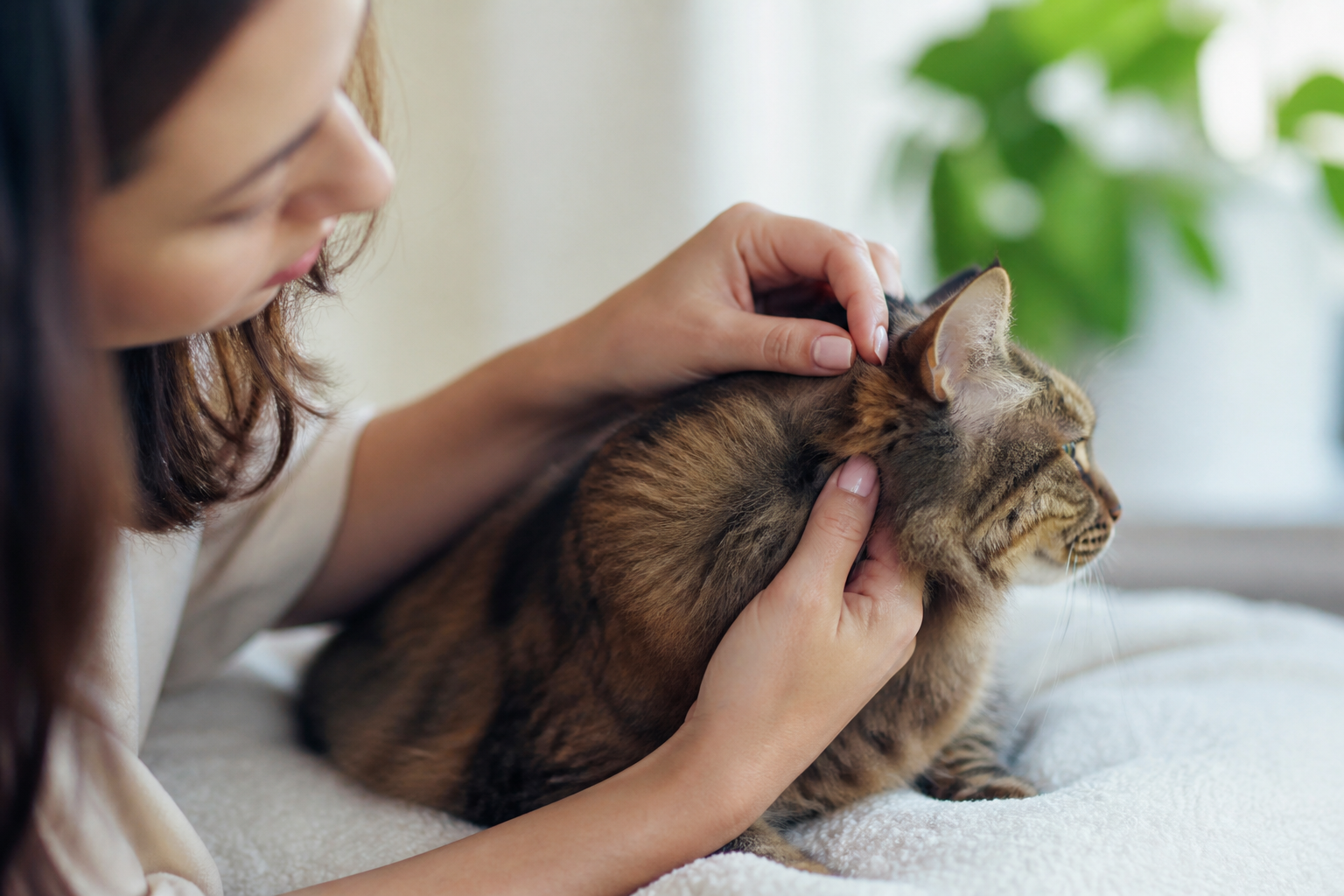
You are relaxing on the sofa with your cat when you notice something unusual in their fur. As you run your hand along their back or scratch their chin, you see tiny, dark specks that look like ground black pepper. This is often called black dandruff by pet owners, but it is rarely actual skin flakes. Finding these mysterious dots can be frustrating, especially if your cat seems itchy or uncomfortable. At BaxterBoo, we understand that your cat’s coat is a major indicator of their overall health. We want to help you identify what those black specks really are and how to manage them. This post covers the differences between flea dirt and feline acne, the role of proper grooming, and when it is time to seek professional help. Identifying the cause is the first step toward getting your cat’s skin back to its healthy, shiny state.
Quick Answer: Black dandruff on a cat is usually not dandruff at all. It is most commonly flea dirt (flea waste) or feline acne (blackheads). A simple water test on a paper towel can help you determine if you are dealing with a parasite or a skin condition.
Is It Actually Dandruff?
True dandruff consists of dead skin cells that have shed from the surface of the skin. In cats, this typically appears as white or light gray flakes. When a pet owner sees black specks, they are usually seeing a substance that has accumulated on the skin or hair rather than the skin itself flaking off.
Black debris in a cat’s coat is a signal that something in their environment or their health has changed. It might be a sign of a parasite infestation, a localized skin reaction, or even simple dirt from outdoor exploration. Because cats are such meticulous groomers, seeing an accumulation of any debris is a reason to take a closer look.
Key Takeaway: White flakes usually indicate dry skin or shedding, while black specks are typically external debris like flea waste or blocked pores.
Cat Skin & Coat Care













The Most Common Cause: Flea Dirt
If you see black specks scattered across your cat’s back, neck, or the base of their tail, the most likely culprit is flea dirt. Despite the name, flea dirt is not actually dirt from the garden. It is flea excrement, which is composed primarily of digested blood.
Fleas are tiny and move incredibly fast. You may never see a live flea on your cat, especially if your cat grooms frequently. However, they cannot easily groom away all the waste the fleas leave behind. This waste looks like tiny black or dark brown grains.
The Paper Towel Test
The easiest way to confirm if those black specks are flea dirt is the paper towel test. This simple home check is a standard way to identify a flea problem.
Step 1: Use a fine-toothed flea comb to brush your cat, focusing on the base of the tail and the neck. You can browse our cat flea and tick collection for combs and other supplies.
Step 2: Collect any black specks that come off onto a white paper towel.
Step 3: Place a few drops of water onto the specks and wait about thirty seconds.
Step 4: Observe the color. If the specks dissolve and create a reddish-brown or rusty stain, it is flea dirt.
The red color appears because flea dirt contains blood. If the specks stay black or gray and do not change color when wet, they are likely just regular dirt or another skin issue.
Why Flea Dirt Matters
Finding flea dirt means there are active fleas on your cat. Even one or two fleas can cause significant irritation. Some cats have an allergy to flea saliva, known as flea allergy dermatitis. For these cats, a single bite can lead to intense itching, red bumps, and even hair loss.
Vet Tip: If you find flea dirt, all pets in your home need treatment, even if they are not showing symptoms. Fleas can quickly spread between animals and into your carpets or bedding.
Feline Acne: The Chin Connection
If the black specks are concentrated only on your cat's chin or around their lips, you are likely looking at feline acne. This condition occurs when the hair follicles on the chin become clogged with excess oil and keratin.
Feline acne often looks like small blackheads or "dirt" that is stuck to the skin. Unlike flea dirt, these specks will not easily brush off with a comb. If the condition progresses, the chin might become red, swollen, or develop whiteheads and pimples.
Why Cats Get Chin Acne
There are several reasons why a cat might develop acne on their chin:
- Plastic Food Bowls: Plastic is porous and can trap bacteria. When your cat eats, their chin rubs against the bowl, transferring bacteria to their skin.
- Poor Grooming: The chin is a hard place for cats to reach. If they are not cleaning themselves well after meals, oils can build up.
- Stress: High stress levels can lead to hormonal changes that increase oil production.
- Allergies: Sensitivities to certain foods or environmental triggers can manifest as skin irritation on the face.
Managing Feline Acne at Home
For mild cases, switching from plastic bowls to stainless steel, ceramic, or glass can make a significant difference. These materials are easier to clean and do not harbor bacteria as easily. You can explore our cat bowls and diners when replacing plastic dishes.
If your cat's chin looks irritated, you can gently wipe the area with a warm washcloth to help loosen the plugs. However, never try to "pop" or squeeze the black specks, as this can lead to a painful deep-tissue infection.
Bottom line: Feline acne is a localized skin issue usually caused by bacteria or oil buildup, often manageable by changing food bowls and improving hygiene.
Other Potential Causes for Black Specks
While fleas and acne are the top two causes, there are a few other reasons your cat might have black debris in their fur.
Mites and Parasites
Certain types of mites can leave behind dark debris. Ear mites are a common example. If you see black, coffee-ground-like material inside your cat's ears, it is likely an ear mite infestation. Your cat will also probably shake their head or scratch at their ears frequently.
Another parasite is the Cheyletiella mite. This is often called "walking dandruff." While these mites are usually white, their presence can cause the skin to react and produce various types of debris.
Fungal and Bacterial Infections
Infections like ringworm can sometimes cause changes in skin pigment or the appearance of dark crusts. However, ringworm usually presents with circular patches of hair loss and scaly skin. Bacterial infections, often secondary to scratching at fleas or acne, can cause dark scabs that might be mistaken for black dandruff.
Environmental Dirt
If your cat spends time outdoors or enjoys exploring dusty corners of the basement, they might simply be dirty. Garden soil or soot can easily get trapped in a cat’s coat. The paper towel test will help rule this out; regular dirt will not turn red when wet.
The Role of Nutrition and Skin Health
Healthy skin starts from the inside. If your cat’s skin is too oily or too dry, they are more prone to developing issues like feline acne or general flakiness.
Essential Fatty Acids
Omega-3 and Omega-6 fatty acids are vital for maintaining the skin's lipid barrier. This barrier keeps moisture in and irritants out. If your cat's diet is lacking in these nutrients, their coat might become dull, and their skin may produce excess oil to compensate for dryness. Many premium cat foods we carry include these fats, but some cats benefit from a dedicated supplement.
Hydration
Cats are notorious for not drinking enough water. Chronic low-level dehydration can lead to dry, inelastic skin. This can make the skin more susceptible to irritation and slower to heal from minor issues like acne. Using a water fountain or adding wet food to their diet can help increase their overall fluid intake.
- Check the protein source: High-quality animal protein is essential for hair growth.
- Look for Zinc and Vitamin A: These play a role in skin cell turnover.
- Monitor weight: Overweight cats cannot reach their back or tail to groom, leading to a buildup of debris.
Key Takeaway: A balanced diet rich in fatty acids and proper hydration supports a strong skin barrier, making it harder for "dandruff" issues to take hold.
Grooming Support for Your Cat
Regular grooming is your best defense against many skin issues. By brushing your cat a few times a week, you remove loose fur and spread natural oils across the skin. For additional coat-care options, explore our cat grooming supplies.
Grooming Tools for Different Needs
The right tool depends on the issue you are trying to solve. For black specks, a flea comb is essential. The teeth are spaced very closely together, allowing you to catch tiny debris that a standard brush would miss.
For general coat health, a slicker brush or a rubber grooming mitt can help. These tools stimulate blood flow to the skin and help remove the undercoat where dirt and flea waste often hide.
Senior Cats and Mobility
As cats age, they may develop arthritis or spinal stiffness. This makes it painful for them to twist around and groom their lower back and tail area. You might notice an accumulation of "black dandruff" or matted fur in these specific spots. If you have a senior cat, you will need to step in and help them groom those hard-to-reach areas to prevent skin irritation.
When to Visit the Veterinarian
While many cases of flea dirt or mild chin acne can be handled at home, some situations require professional medical intervention. Skin issues can quickly escalate into painful infections if left untreated.
You should consult your veterinarian if you notice:
- The skin is red, raw, or bleeding.
- There is a foul odor coming from the skin or ears.
- Your cat is losing patches of hair.
- The black specks are accompanied by pustules or open sores.
- Your cat is scratching so much they are causing self-injury.
A veterinarian can perform skin scrapings or cultures to determine exactly what is causing the irritation. They can also prescribe professional-strength treatments that are safer and more effective than many over-the-counter options.
Vet Tip: Never use flea products intended for dogs on your cat. Many dog medications contain permethrin, which is highly toxic to felines. Always check with your vet before applying a new treatment.
Solving the Problem Through Our Pharmacy
When home remedies like changing bowls or brushing are not enough, you may need medication to clear up the underlying cause of black debris. Whether it is a stubborn flea infestation or a bacterial skin infection, proper treatment is key.
Our pet pharmacy offers a wide range of FDA-approved medications and prescription pet foods. Through our partnership with Pet's Choice, we provide access to the treatments your vet recommends for chronic skin conditions, severe allergies, and parasite prevention.
If your vet prescribes a medicated shampoo or a specific flea preventive to tackle your cat's skin issues, you can often find it in our pharmacy section. This ensures you are getting genuine, safe products delivered right to your door.
Cleaning the Home Environment
If the black specks turn out to be flea dirt, treating your cat is only half the battle. Fleas spend a large portion of their life cycle off the pet and in your environment. Their eggs and larvae hide in carpets, floorboards, and upholstery.
To prevent the black specks from returning, you must clean your home thoroughly:
- Vacuum Everything: Use a vacuum with strong suction on all carpets, rugs, and hardwood floors. Pay special attention to baseboards and under furniture.
- Wash Bedding: Wash your cat’s bedding, and your own if the cat sleeps with you, in hot water.
- Use a Home Spray: Consider an environmental spray that targets flea larvae to break the life cycle.
- Empty the Vacuum: Immediately take the vacuum bag or canister contents outside to the trash so fleas do not crawl back out.
For another perspective on prevention options, read how flea collars work.
Managing the Condition Long-Term
Consistency is the most important factor in keeping your cat’s skin healthy. Once you have identified whether the black specks are flea dirt or acne, you should put a preventative routine in place.
For flea-prone cats, year-round prevention is the gold standard. Many owners stop treatment in the winter, but fleas can survive quite well inside a warm house. Using a monthly preventive ensures that a few hitchhiking fleas do not turn into a full-blown infestation.
For cats prone to acne, keeping their face clean and using non-porous bowls should be a permanent change. Regular chin wipes after meals can prevent the follicles from clogging up again.
Bottom line: Solving "black dandruff" requires a two-pronged approach of treating the cat's skin and managing their environment to prevent a recurrence.
Summary of Next Steps
Finding black specks in your cat’s fur can be a bit of a shock, but it is a manageable problem. By determining if the cause is parasites or a skin condition like acne, you can take the right steps to clear it up.
- Perform the paper towel test to check for flea dirt.
- Switch to stainless steel or ceramic food bowls to reduce facial bacteria.
- Help senior or overweight cats with their grooming routine.
- Consult your veterinarian for any signs of infection or severe itching.
Our pharmacy is here to support you with the medications and prescription diets your cat needs to thrive. You can also take advantage of our Autoship programme to ensure you never run out of flea preventives or skin-supportive food. By staying proactive, you can keep your cat’s coat beautiful and flake-free.
FAQ
Is black dandruff on a cat contagious to humans?
If the black specks are flea dirt, the fleas themselves can bite humans, though they prefer feline hosts. If the specks are caused by a fungal infection like ringworm, that is highly contagious to people. However, feline acne is not contagious and stays localized to the cat.
Can I use human acne pads on my cat's chin?
You should never use human skin products on your cat without a veterinarian's approval. Many human acne treatments contain ingredients like salicylic acid or benzoyl peroxide in concentrations that are too harsh for feline skin. Some human medications can even be toxic if your cat licks them off.
Why does the black dandruff keep coming back after I wash my cat?
If you are dealing with flea dirt, washing the cat only removes the waste, not the source. The fleas in your carpet or on other pets will simply move back onto the cat and produce more debris. You must treat the environment and use a long-lasting flea preventive to stop the cycle.
For more prevention guidance, read The best flea and tick prevention options.
My cat is indoor-only, so how could they have flea dirt?
Fleas are experts at hitchhiking. They can enter your home on your clothing, through window screens, or on other pets that go outside. Even a brief encounter with a flea can start an infestation in a comfortable, indoor environment. Regular prevention is recommended even for indoor cats.






- Site & Contents BaxterBoo.com. BaxterBoo is located in the United States.
- Privacy & Security
- Terms of Use
- Accessibility Statement
