
 Save 15% on your 1st Autoship learn more

 Email us
 Live Chat
 FAQs





Introduction
You are relaxing on the sofa with your cat when you notice something unusual on their coat. Small white specks are scattered across their fur, especially near the base of the tail. When you try to brush them away, you realize they are not bits of dust or litter. They are flakes of skin. This discovery often leads owners to ask a simple question: can a cat get dandruff? The answer is yes. While humans deal with this issue frequently, our feline friends are also prone to flaky skin for a variety of reasons.
At BaxterBoo, we know that changes in your cat's coat are often the first sign of their internal health. This post covers the common causes of feline dandruff, how to tell it apart from normal shedding, and the best ways to restore your cat's sleek, shiny coat. Understanding these flakes is the first step toward keeping your pet comfortable and healthy.
Quick Answer: Yes, cats can get dandruff. It is often caused by environmental factors like dry air, health issues that prevent proper grooming, or skin conditions like allergies and parasites. While a few flakes may be normal, persistent dandruff usually requires a look at your cat’s diet, grooming routine, or a visit to the veterinarian.
Defining Feline Dandruff
It is helpful to start by identifying what those white flakes actually are. In the simplest terms, dandruff is the result of skin cells shedding too quickly or unevenly. A cat’s skin is constantly regenerating. New cells grow under the surface while old ones die and slough off. Usually, these dead cells are so small that you never notice them. They fall away during regular grooming or regular movement.
When this process is disrupted, the dead skin cells clump together. These clumps become visible to the naked eye. On a cat with a dark coat, like a black or tuxedo cat, the white flakes stand out sharply. On lighter cats, you might notice the texture of the fur feels gritty or looks dull before you see the actual flakes.
Dandruff is not a disease itself. Instead, it is a symptom of something else happening with your cat's body or environment. It can appear alongside dry skin, which feels brittle, or oily skin, which can look greasy and clumped. Identifying the type of flake can sometimes help you and your veterinarian find the root cause.
Cat Skin & Coat Care












Dandruff Versus Dander
Many pet owners use the terms dander and dandruff interchangeably, but they are quite different. It is important to know the distinction so you can accurately describe what you are seeing to a professional.
Cat Dander Dander consists of microscopic skin cells that all cats shed naturally. You cannot see individual pieces of dander without a microscope. This is what carries the proteins that cause allergies in humans. Because dander is part of a healthy skin cycle, every cat has it. It is not a sign of a health problem.
Cat Dandruff Dandruff is visible. It appears as large, white, or yellowish flakes in the fur or on your furniture. If you can see the flakes, you are looking at dandruff. Unlike dander, dandruff is usually a sign that the skin is irritated, dry, or that the cat is unable to groom effectively.
Key Takeaway: Dander is a microscopic and normal part of feline biology. Dandruff is visible flaking that usually signals an underlying issue with skin health or grooming habits.
Common Environmental Causes
Sometimes the cause of flaky skin is as simple as the world around your cat. Feline skin is sensitive to humidity and temperature changes. If the air in your home is very dry, your cat's skin may lose moisture faster than it can be replaced.
This is very common during the winter months. When we turn on our home heating systems, the humidity levels drop significantly. This dry heat saps moisture from your cat’s skin. The result is "winter dandruff," which often resolves once the weather warms up or the humidity returns.
Stress can also play a surprising role in skin health. When a cat is stressed by a move, a new pet, or a change in routine, their body may react physically. Stress can cause a cat to over-groom or stop grooming altogether. Both behaviors can lead to a buildup of skin cells and visible flaking.
The Role of Grooming and Mobility
Cats are famously fastidious about their cleanliness. A healthy cat spends a large portion of their waking hours grooming. This process does more than just clean the fur. It distributes natural oils across the skin and removes dead skin cells before they can clump. Explore our cat grooming supplies for brushes, wipes, shampoos, and other coat-care essentials.
If a cat stops grooming effectively, dandruff is often the first thing you will see. There are several reasons why a cat might struggle with their daily spa routine:
Obesity
If a cat is carrying too much extra weight, they simply cannot reach every part of their body. The base of the tail and the lower back are the hardest spots to reach. This is exactly where dandruff usually builds up. If you see flakes primarily on the lower back, it might be time to discuss a weight management plan with your vet.
Arthritis and Joint Pain
Senior cats often suffer from osteoarthritis. This makes it painful to twist and bend into the positions required for grooming. A cat who used to be perfectly clean may suddenly develop a messy, flaky coat because it hurts to reach their hindquarters. We carry products like Cosequin joint supports and other joint supplements, but a vet's diagnosis is the best place to start.
Dental Issues
Grooming requires a healthy mouth. If a cat has a painful tooth or gum disease, the act of licking their fur can become uncomfortable. They may avoid grooming because of the oral pain, leading to a dull and flaky coat.
Walking Dandruff and Parasites
Not all dandruff is just dead skin. There is a specific condition called Cheyletiellosis, more commonly known as "walking dandruff." This is caused by a tiny mite called Cheyletiella. These mites are white and look remarkably like flakes of skin. If you watch the "dandruff" closely and see the specks moving, your cat likely has a mite infestation.
Walking dandruff is highly contagious between pets. It can also cause itchy red spots on humans. Other parasites can lead to traditional dandruff as well. Fleas are a major culprit. When a cat is bitten by a flea, the irritation causes them to scratch and bite at their skin. This inflammation leads to increased skin cell turnover and flaking. Review our cat flea and tick collection for preventive and grooming options.
Our pharmacy provides access to flea and tick preventives through our partnership with Pet's Choice. Keeping your cat on a year-round preventive is one of the best ways to avoid parasite-related skin issues.
Vet Tip: If you notice the flakes on your cat appear to be moving, or if your cat is scratching intensely, schedule a veterinary exam. Parasites like mites and fleas require specific medical treatments that go beyond simple grooming.
Internal Health and Systemic Disease
Because the skin is the largest organ of the body, it often reflects what is happening internally. Several systemic health conditions can manifest as dandruff. These conditions change how the body processes nutrients or maintains hydration. Browse our cat healthcare products while discussing persistent skin changes with your veterinarian.
- Diabetes: This condition can affect the quality of a cat's skin and coat. Dehydration associated with diabetes often leads to very dry, flaky skin.
- Hyperthyroidism: An overactive thyroid can cause the coat to look greasy, matted, and full of dandruff.
- Kidney Disease: As the kidneys struggle to filter toxins and maintain hydration, the skin may become dry and less elastic, resulting in flakes.
- Allergies: Cats can be allergic to things in their environment or specific ingredients in their food. This allergic reaction often causes skin inflammation and dandruff.
If your cat has dandruff along with other symptoms like increased thirst, weight loss, or changes in appetite, it is time for blood work. Identifying these issues early can help manage the condition and improve your cat's comfort.
Nutrition and Skin Health
What goes into your cat’s bowl has a direct impact on their skin. To produce healthy skin cells and natural oils, a cat needs a balanced diet rich in essential fatty acids. Omega-3 and Omega-6 fatty acids are crucial for maintaining the skin barrier.
If a cat is eating a low-quality diet or one that is not right for their life stage, their skin may suffer. Many premium brands we carry, such as Royal Canin cat food and Farmina, offer formulas specifically designed to support skin and coat health.
You might also consider adding a supplement. Fish oil is a popular choice for cats with dry skin. These supplements provide a concentrated dose of fatty acids that can help reduce inflammation and hydrate the skin from the inside out. Always check with your vet before starting a new supplement to ensure it is the right choice for your cat's specific needs.
Nutrients for a Healthy Coat
- Protein: Hair is made mostly of protein. A lack of high-quality protein leads to brittle fur.
- Omega-3 Fatty Acids: Helps reduce skin inflammation.
- Zinc: Essential for skin cell production.
- Vitamin E: A powerful antioxidant that protects skin cells.
Home Care and Grooming Solutions
If your vet has ruled out serious health issues, you can manage most cases of dandruff at home. The goal is to help your cat do the work they can no longer do themselves or to support their skin during dry seasons.
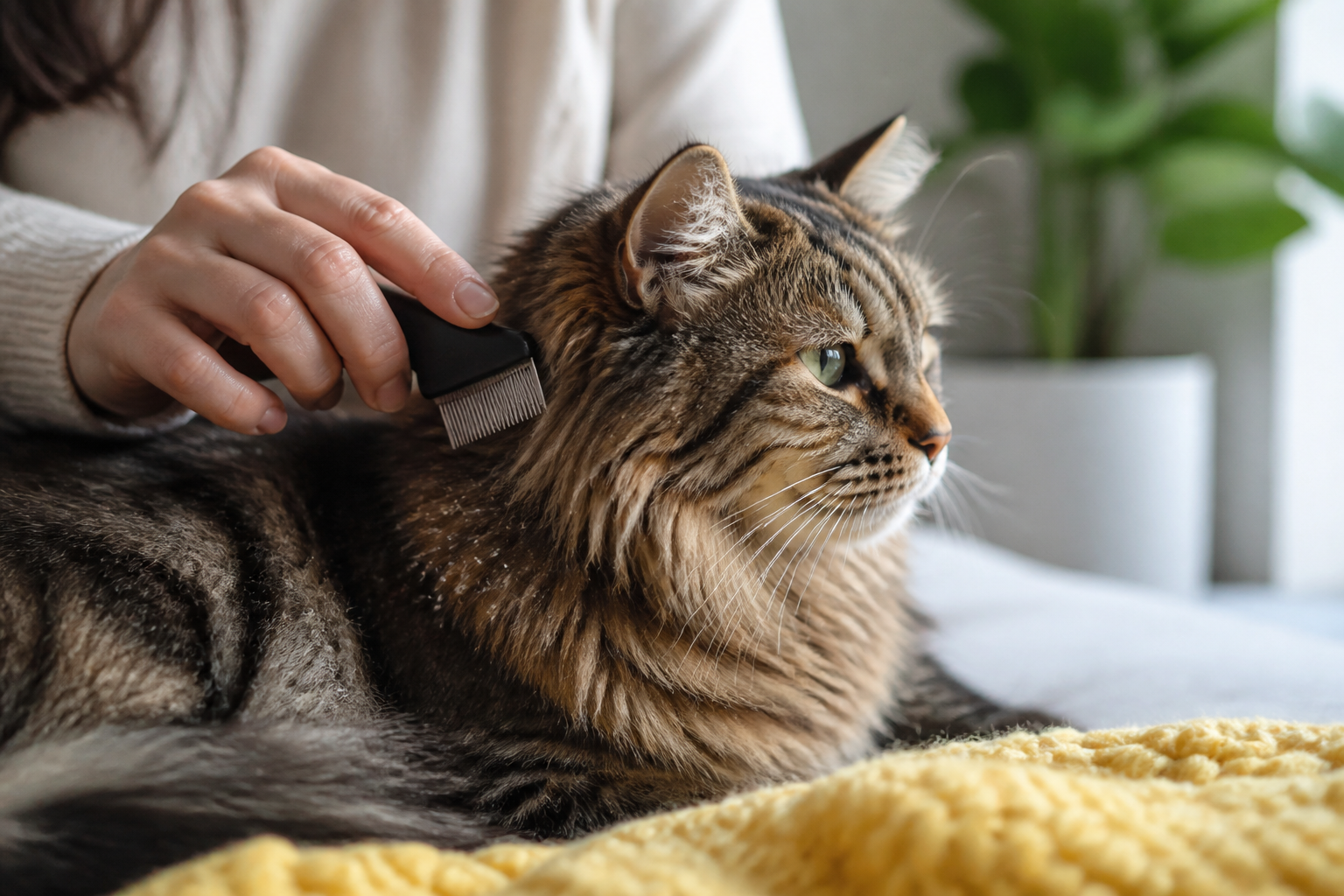
Step 1: Increase Brushing Frequency Daily brushing is the most effective way to manage dandruff. It physically removes the flakes and prevents them from clumping. More importantly, it stimulates the skin and helps spread natural oils. For short-haired cats, a soft bristle brush or a rubber grooming mitt works well. Long-haired cats may need a slicker brush or a comb to reach the undercoat.
Step 2: Improve Indoor Humidity If your home is dry, consider using a humidifier in the rooms where your cat spends the most time. This adds moisture back into the air and prevents the skin from drying out.
Step 3: Use Feline-Safe Wipes If your cat has a lot of buildup, you can use grooming wipes specifically formulated for cats. These can help remove debris and add a small amount of moisture back to the coat. Never use human wet wipes or human dandruff shampoo on a cat. These products have the wrong pH balance and can contain ingredients that are toxic to felines.
Step 4: Monitor Hydration Ensure your cat is drinking enough water. Cats often prefer running water, so a pet fountain can encourage them to drink more. Staying hydrated keeps the skin supple and less likely to flake.
Key Takeaway: Regular grooming and proper hydration are your best tools for managing mild dandruff. Helping your cat reach those tricky spots on their back can make a world of difference.
When to See a Veterinarian
While a few flakes might not be an emergency, there are times when dandruff indicates a need for professional help. You should not try to "wait out" skin issues if they are causing your cat distress.
Look for these warning signs:
- Red, inflamed, or bleeding skin under the flakes.
- Patches of hair loss or thinning fur.
- Constant scratching, biting, or licking at the skin.
- A foul odor coming from the skin or coat.
- The presence of visible parasites like fleas or mites.
- Lethargy, changes in appetite, or increased thirst.
Your vet can perform a skin scraping to look for mites or fungi like ringworm. They may also suggest a specialized diet or a prescription shampoo. Our pet pharmacy carries many of these therapeutic products, including Farmina Vet Life diets, which can be part of a medically supervised treatment plan.
Transitioning to a New Routine
If you decide to change your cat's diet or add a supplement to help with dandruff, do so gradually. A sudden change in food can cause digestive upset, which adds more stress to the body.
Start by mixing a small amount of the new food into the old food over seven to ten days. For supplements like fish oil, start with a very small dose to make sure your cat's stomach handles it well. Consistency is key. It can take four to six weeks of a new nutritional or grooming routine to see visible changes in the skin and coat. For regularly purchased food and supplements, our Autoship programme can help simplify repeat orders.
Bottom line: Solving cat dandruff requires patience and a look at the whole pet, from their environment to their internal health.
Summary of Feline Dandruff Care
Dandruff in cats is a common issue that ranges from a simple reaction to dry air to a sign of a serious underlying illness. By paying attention to the location and appearance of the flakes, you can determine if it is a grooming problem, a parasite issue, or something that needs a doctor's attention.
- Check the environment: Use a humidifier during dry winter months.
- Assist with grooming: Brush your cat daily, especially if they are senior or overweight.
- Evaluate the diet: Ensure they are getting high-quality protein and essential fatty acids.
- Prevent parasites: Use year-round flea and tick protection.
- Consult the experts: Talk to your vet about persistent flaking or changes in behavior.
Helping your cat maintain a healthy coat is a great way to bond while monitoring their overall wellness. Whether you need a new grooming tool, a high-quality food like NutriSource or Stella and Chewy's, or a prescription from our pharmacy, we are here to support your cat's journey to healthy skin. Our pharmacy partnership with Pet's Choice ensures you have access to the medications your vet recommends. Explore our cat food selection when reviewing your cat’s everyday nutrition with your veterinarian.
FAQ
Can I use human dandruff shampoo on my cat? No, you should never use human dandruff shampoo on a cat. These products are formulated for the pH level of human skin, which is much more acidic than a cat’s skin. Many human shampoos also contain ingredients like zinc pyrithione or salicylic acid that can be toxic to cats if they lick their fur after a bath.
Why does my cat only have dandruff at the base of their tail? The base of the tail and the lower back are the hardest areas for a cat to reach during grooming. If a cat has mobility issues, such as arthritis or obesity, they often stop cleaning these spots first. This leads to a buildup of natural oils and dead skin cells, which eventually becomes visible dandruff.
Can allergies cause a cat to get dandruff? Yes, allergies are a frequent cause of skin irritation in cats. Whether it is a food allergy or an environmental sensitivity to pollen or dust, the resulting inflammation can cause the skin to flake. If your cat is also scratching or has red skin, allergies may be the culprit.
How long does it take for cat dandruff to go away? The timeline depends on the cause, but skin cells generally take about three to four weeks to turn over. If you start a new grooming routine, improve the humidity, or change to a skin-supportive diet, you should expect to see improvement in about a month. If the dandruff is caused by parasites, it may resolve faster once the infestation is treated.






- Site & Contents BaxterBoo.com. BaxterBoo is located in the United States.
- Privacy & Security
- Terms of Use
- Accessibility Statement
