
 Save 15% on your 1st Autoship learn more

 Email us
 Live Chat
 FAQs
FAQs





Introduction
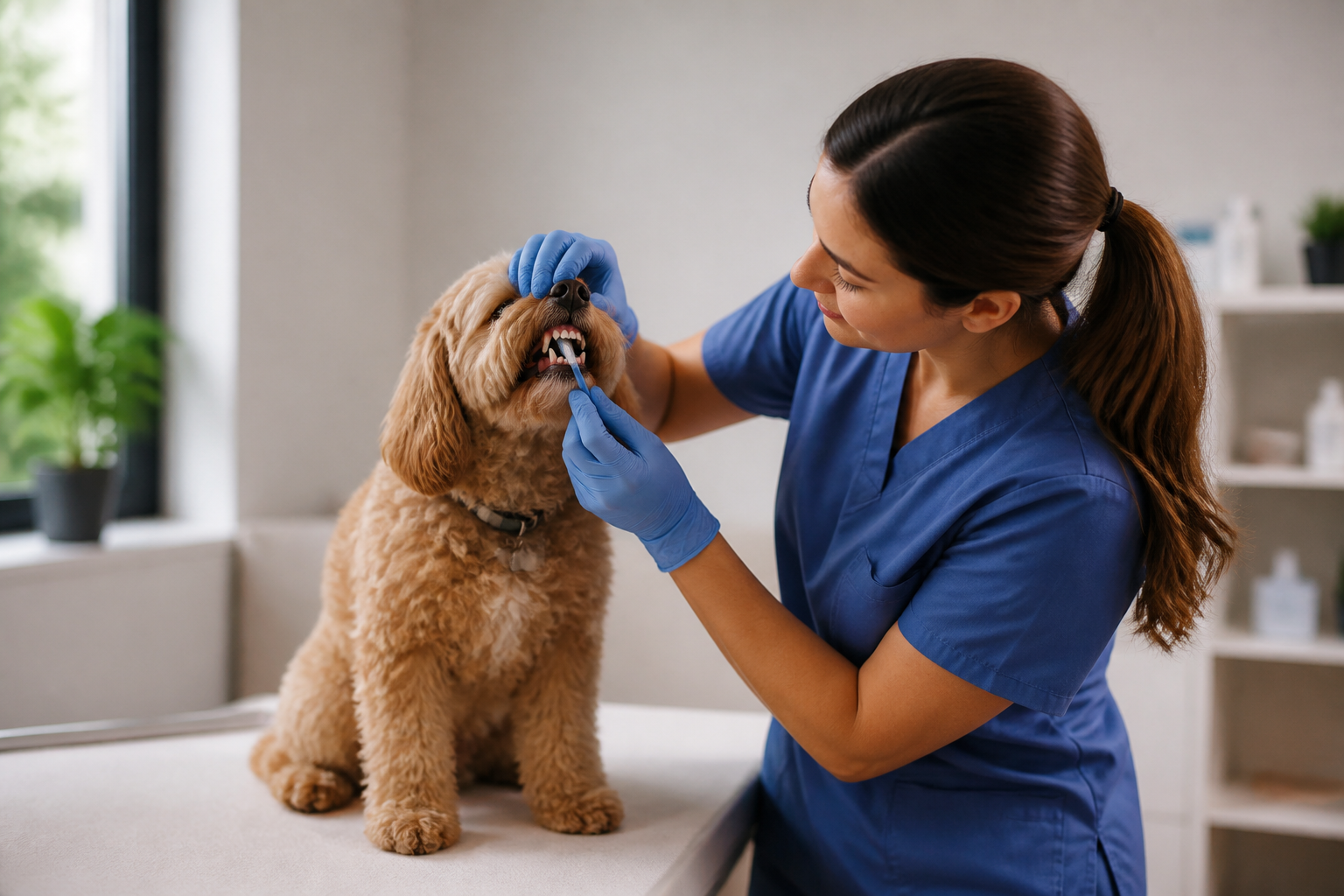
You might be sitting on your sofa, enjoying a snuggle, when your dog lets out a yawn that nearly knocks you over. That "dog breath" is more than just a minor quirk of pet ownership. It is often the first sign of periodontal disease. If you have a friend or family member who works in human dentistry, you might wonder if they could just scale those teeth for you. At BaxterBoo, we hear many questions about how to bridge the gap between professional cleanings and home care. While the tools of a dental hygienist look similar to those used in a veterinary clinic, the process of cleaning a dog's teeth is a complex medical procedure. This post covers the legalities, the safety risks of anesthesia-free cleanings, and how to maintain your dog's oral health. Proper dental care requires a specialized team to ensure your pet stays safe and pain-free.
Quick Answer: A registered dental hygienist may be legally allowed to clean a dog's teeth in some states, but only under the direct supervision of a licensed veterinarian. However, because dogs require general anesthesia for a thorough and safe cleaning, this procedure must always take place in a veterinary surgical setting.
The Legal and Professional Landscape
The question of whether a human dental hygienist can work on pets depends largely on where you live. Each state in the US has its own Veterinary Medical Practice Act. These laws define who can perform medical procedures on animals. In most jurisdictions, veterinary dentistry is considered a branch of veterinary medicine and surgery. This means the primary responsibility for diagnosis and treatment falls on a licensed veterinarian.
The American Veterinary Dental College (AVDC) has a clear position on this topic. They acknowledge that certain healthcare professionals, including registered dental hygienists, may assist with dental cleanings. This is only permitted if the person works under direct, in-the-room supervision by a veterinarian. Even then, the hygienist cannot diagnose dental disease or perform extractions. Their role is strictly limited to the cleaning and polishing phase of the procedure.
In reality, most veterinary clinics use Registered Veterinary Technicians (RVTs) for this work. These professionals have specific training in animal anatomy, breed-specific oral issues, and most importantly, veterinary anesthesia. While a human dental hygienist knows teeth, they are not trained to monitor a dog's heart rate or blood pressure while the pet is under sedation.
Why Human and Dog Cleanings Are Different
If you have ever sat in a dentist's chair, you know the drill. Your hygienist asks you to "open wide" or "tilt your head." You sit still even when the tools feel cold or the scraping sounds unpleasant. You understand that the discomfort is temporary and for your own good. A dog does not have this level of understanding.
When a professional scales a dog's teeth, they must clean both above and below the gumline. The area below the gumline is where the most dangerous bacteria live. Cleaning this area is sensitive and often painful. Without anesthesia, a dog will naturally pull away, snap, or struggle. This creates a high risk of injury to the dog's delicate gum tissue and the person performing the cleaning.
Furthermore, a human dental hygienist is used to human tooth anatomy. Dogs have different tooth shapes, different enamel thickness, and are prone to different types of issues. For example, dogs rarely get cavities like humans do. Instead, they suffer from tooth fractures and resorptive lesions. A professional trained in veterinary medicine is better equipped to spot these specific animal health concerns.
The Problem with Anesthesia-Free Cleanings
You may see advertisements for "anesthesia-free" or "non-anesthetic" dental cleanings. These are sometimes offered by groomers or even some dental professionals looking to expand their services. While it sounds like a safer or cheaper alternative, it is often a "cosmetic" fix rather than a health one.
When a dog is awake, a person can only scrape the tartar they can see. This makes the teeth look white and clean to the owner. However, it leaves the plaque and bacteria deep under the gums untouched. This gives pet owners a false sense of security. The underlying periodontal disease continues to rot the tooth roots and can eventually lead to systemic infections.
Key Takeaway: White teeth do not always mean a healthy mouth. A cleaning that only addresses the visible part of the tooth ignores the bacteria under the gumline that causes bone loss and organ damage.
Risks of Cleaning Teeth While Awake
- Physical Trauma: The tools used for scaling are very sharp. If a dog flinches, the tool can easily slice the tongue or gums.
- Psychological Stress: Being physically restrained while someone scrapes your teeth is a terrifying experience for a pet.
- Incomplete Assessment: A veterinarian cannot take X-rays or properly probe the mouth of an awake dog.
- Aspiration: Without an endotracheal tube, the water and debris from the cleaning can be inhaled into the lungs, causing pneumonia.
What a Professional Veterinary Cleaning Includes
When you schedule a cleaning with your veterinarian, you are paying for a comprehensive surgical procedure. It is far more involved than a quick scale and polish. Our team at BaxterBoo always recommends following your vet's protocol to ensure the best outcome for your dog's long-term health.
The process usually begins with pre-anesthetic bloodwork. This ensures your dog's liver and kidneys are healthy enough to process the anesthesia. On the day of the procedure, your dog is intubated. This protects their airway and allows the vet to control their breathing.
Once the dog is stable, the veterinary team performs a tooth-by-tooth exam. They use a periodontal probe to check for pockets around the roots. They also take full-mouth X-rays. Since 60% of a dog's tooth is hidden below the gumline, X-rays are the only way to see if a tooth is actually healthy or if it is rotting from the inside out. If a tooth is fractured or diseased, the veterinarian will perform an extraction while the dog is already under anesthesia.
Vet Tip: Always ask your vet if they take intraoral X-rays during a cleaning. Without X-rays, it is impossible to diagnose painful issues like root abscesses or bone loss that happen beneath the surface.
Following a Successful Cleaning
- Monitor Recovery: Your dog may be groggy for 24 hours. Keep them in a quiet, warm place.
- Soft Food: If extractions were performed, your vet will likely recommend soft food for several days.
- Pain Management: Follow all instructions for pain medications or antibiotics provided by your vet's office.
- Wait to Brush: Do not start a brushing routine until your vet confirms the gums have healed, usually after 7 to 10 days.
The Role of the BaxterBoo Pharmacy
Sometimes, a dental cleaning reveals underlying issues that require ongoing management. Your veterinarian might prescribe a specialized dental diet to slow down the return of tartar. Our dog pharmacy carries prescription pet foods, including brands like Royal Canin and Farmina Vet Life, through our partnership with Pet's Choice.
If your dog has a severe oral infection, they may need a course of antibiotics before or after their procedure. The pharmacy at BaxterBoo is a convenient way to get these FDA-approved medications delivered to your door. We can work directly with your vet to manage the prescription process, so you can focus on your pet's recovery. This is especially helpful for senior pets who may need ongoing support for chronic conditions discovered during a routine dental checkup.
Home Care: How You Can Help
While you should not have a dental hygienist perform a professional cleaning at home, you absolutely should be your dog's primary dental care provider between vet visits. Daily brushing is the gold standard for pet oral health. Plaque begins to turn into hard tartar in as little as 24 to 48 hours. By brushing daily, you remove the soft plaque before it hardens.
Always use a toothpaste specifically formulated for dogs. Human toothpaste contains fluoride and xylitol, both of which are toxic to pets. Dog toothpastes come in flavors like poultry or beef and are safe to swallow. You can use a soft-bristled human toothbrush or a finger brush designed for pets. For more ideas, explore our dog dental care products.
In addition to brushing, you can use dental treats and toys. Brands like Greenies or Kong offer products designed to mechanically scrape the teeth as the dog chews. Look for the Veterinary Oral Health Council (VOHC) seal on packaging. This seal means the product has been scientifically proven to reduce plaque or tartar. You can also review these pet dental care tips for additional at-home routines.
Understanding the Cost of Veterinary Dentistry
It is common for pet owners to feel "sticker shock" when they see the estimate for a dog's dental cleaning. When you compare it to a human cleaning, it seems expensive. However, you are not just paying for a cleaning. You are paying for a surgeon, an anesthesia technician, specialized monitoring equipment, X-rays, and a hospital facility.
It is much more affordable to pay for a routine cleaning once a year than to pay for emergency surgery to treat a massive jaw abscess later. Preventive care is always the best investment. To help manage these costs, we recommend checking if your pet insurance, like our partner FIGO, covers dental procedures. Many plans offer "wellness" add-ons that can help offset the cost of annual cleanings.
When to See the Vet Immediately
Sometimes you cannot wait for an annual cleaning. If you notice any of the following symptoms, you should schedule a veterinary exam right away. These signs often indicate pain that your dog is trying to hide.
- Excessive Drooling: This can signal oral pain or a broken tooth.
- Dropping Food: If your dog is hungry but drops kibble out of their mouth, they may have a painful tooth.
- Bleeding Gums: You might see blood on their chew toys or in their water bowl.
- Swelling: Any swelling under the eye or along the jawline often indicates a tooth root abscess.
- Bad Breath: While "dog breath" is common, an extremely foul or rotting smell is a sign of infection.
Key Takeaway: Dogs are experts at hiding pain. By the time they stop eating due to dental issues, the disease is usually very advanced and very painful.
For a closer look at warning signs, read what to do when your dog has damaged teeth.
Creating a Long-Term Dental Plan
Maintaining your dog's mouth is a lifelong commitment. It starts when they are a puppy and continues through their senior years. By combining professional veterinary care with consistent home habits, you can add years to your dog's life. Bacteria from the mouth do not stay in the mouth. They travel through the bloodstream and can damage the heart, liver, and kidneys.
We recommend setting a reminder on your calendar for an annual dental checkup. Use our Autoship programme to ensure you never run out of dental treats or toothpaste. This not only saves you money on your first order but also grants you an MVP Gold membership, making it easier to keep your pet's health a priority.
Summary of Pet Dental Safety
- Professional cleanings must be done under general anesthesia.
- Dental hygienists can only assist under direct veterinary supervision.
- Anesthesia-free cleanings are purely cosmetic and do not treat disease.
- Daily brushing with pet-safe paste is the best home prevention.
- Prescription diets and medications are available through the BaxterBoo pharmacy.
Bottom line: Trust the professionals at your veterinary clinic for the cleaning, and trust us for the tools and support you need to keep those teeth sparkling at home. Start with our dog dental treats or explore 10 of the best dental chews for dogs.
FAQ
Can my friend who is a dental hygienist clean my dog's teeth at home?
No, it is not safe or legal for a dental hygienist to perform a cleaning on a dog in a home setting. A proper cleaning requires specialized veterinary equipment and general anesthesia to protect the dog's airway and prevent injury. Scaling an awake dog's teeth with sharp metal tools is dangerous and can cause significant pain and trauma.
Is anesthesia-free dental cleaning as good as a veterinary cleaning?
Anesthesia-free cleaning is not a substitute for a professional veterinary dental procedure. It only removes the visible tartar on the surface of the teeth, leaving the harmful bacteria under the gumline where it causes infection and bone loss. Without anesthesia, it is also impossible to take dental X-rays, which are necessary to find hidden problems below the surface.
Why does my dog need to be put under anesthesia for a cleaning?
Anesthesia is necessary because dogs will not stay still for the deep cleaning required under the gumline. It allows the veterinarian to perform a thorough exam, take X-rays, and use sharp instruments safely without the dog flinching. It also involves placing a tube in the windpipe to prevent the dog from inhaling water, bacteria, or debris during the procedure.
What should I do if I cannot afford a professional dental cleaning right now?
The best thing you can do is start a strict home care routine to slow down the progression of dental disease. Brush your dog's teeth daily with pet-safe toothpaste and provide VOHC-approved dental chews. Consult your veterinarian about your budget, as some clinics offer payment plans or dental health month discounts to help make the procedure more accessible.






