Save 15% on your 1st Autoship learn more

 Email us
 Live Chat
 FAQs
FAQs





Introduction
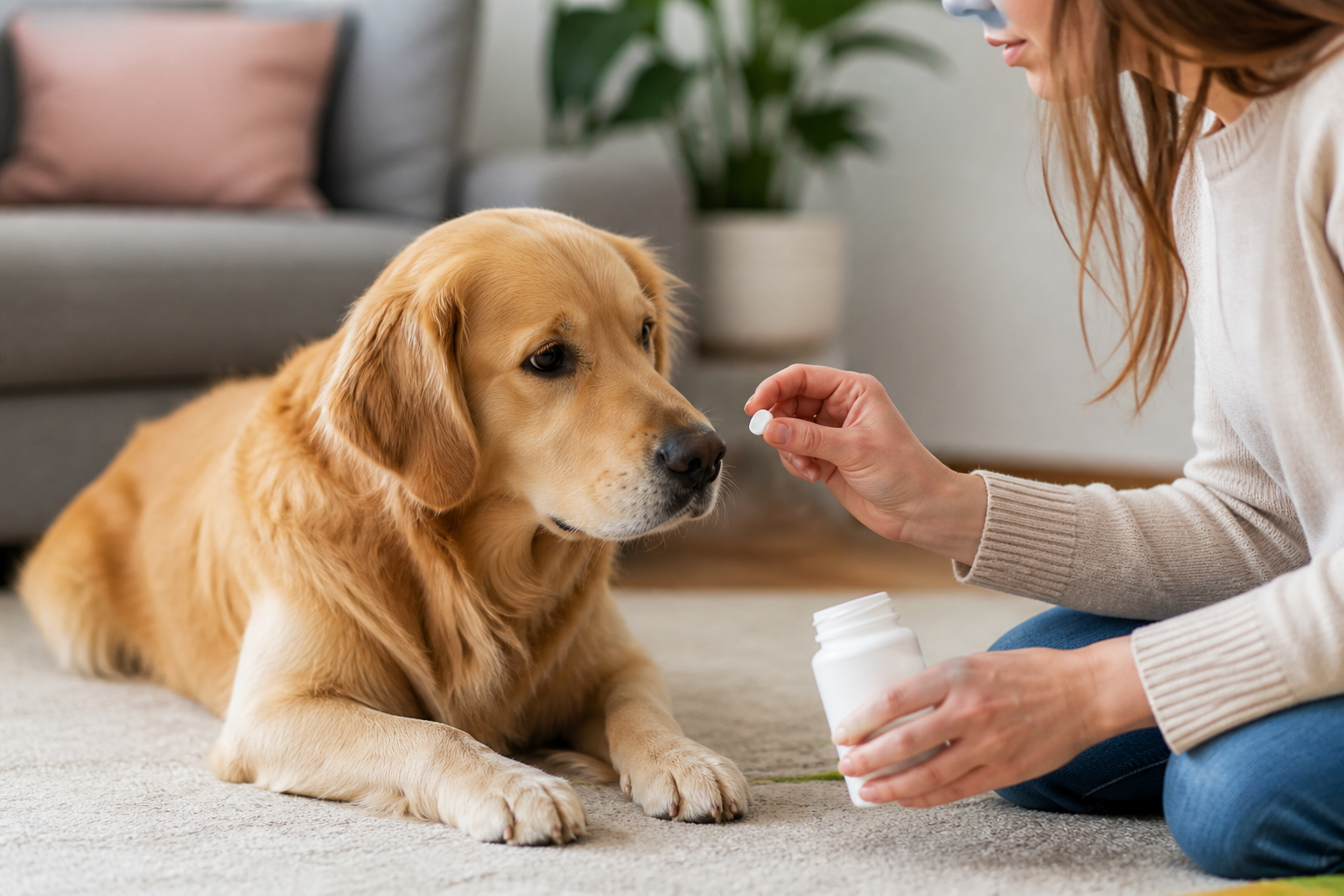
You walk into the kitchen and find an empty bottle of probiotic chews on the floor. Your dog looks perfectly fine, but you know there were at least twenty treats left in that container. This is a common worry for many pet parents. We often hear that probiotics are healthy, but can a dog overdose on probiotics if they eat too many at once?
At BaxterBoo, we know that supplements are a staple in many canine wellness routines. While probiotics are generally considered very safe, your dog's digestive system has its limits. This article covers what happens when a dog gets too much of a good thing, the signs of a probiotic overdose, and when you should contact your veterinarian. While a true toxic overdose is rare, the resulting stomach upset can be significant for your furry friend.
Quick Answer: A dog can experience a "probiotic overdose" in the form of severe digestive upset, including diarrhea, gas, and bloating. While rarely life-threatening, consuming a large amount of probiotics can overwhelm the gut and lead to dehydration or discomfort.
What Are Probiotics and How Do They Work?
Probiotics are live, beneficial bacteria and yeasts that live in your dog's digestive tract. You can think of them as the "good guys" that help keep harmful bacteria in check. A healthy gut is a balancing act. When that balance shifts due to stress, illness, or poor diet, your dog might experience digestive issues or a weakened immune system.
These microorganisms work by colonizing the intestines and supporting the natural microbiome. They help break down food, assist with nutrient absorption, and even produce certain vitamins. Many pet owners use them to manage occasional loose stools or to support a dog during a course of antibiotics. For more information about choosing supplements, explore our pet supplement guide.
Common strains found in dog supplements include:
- Lactobacillus acidophilus: Often used to support stool quality and frequency.
- Enterococcus faecium: A hardy strain that helps manage sudden digestive upset.
- Bifidobacterium animalis: Frequently used to help with diarrhea and overall gut health.
When these are given in the correct dosage, they support a well-functioning system. Problems usually only arise when a dog gets into the stash and eats a month's worth of supplements in one sitting.
Can a Dog Overdose on Probiotics?
The short answer is yes, but it is not usually "toxic" in the way a chemical or a grape might be. In most cases, a probiotic overdose is a case of gastrointestinal overload. The dog's body simply cannot process that many live cultures at once.
When a dog eats a massive amount of probiotics, the gut microbiome is flooded. This sudden influx can cause a rapid shift in the gut environment. Instead of helping, the excessive bacteria cause fermentation and irritation in the intestinal lining. For most healthy adult dogs, this results in a few days of very messy bathroom breaks. However, for puppies, seniors, or dogs with compromised immune systems, the reaction can be more severe.
Key Takeaway: An overdose of probiotics typically causes a "system crash" in the digestive tract. It is rarely a medical emergency unless the dog develops severe dehydration from vomiting or diarrhea.
The Role of Colony Forming Units (CFUs)
Probiotic strength is measured in CFUs, or Colony Forming Units. A standard daily dose for a dog might range from 1 billion to 10 billion CFUs. If a dog eats an entire jar of high-potency chews, they might be consuming hundreds of billions of CFUs.
This massive number is what leads to the symptoms of an overdose. The intestines become hyperactive as they try to process the excess bacteria. This results in the body trying to flush the system as quickly as possible.
Signs and Symptoms of Probiotic Overdose
If your dog has managed to sneak an extra-large helping of their supplements, you will likely see symptoms within a few hours. Every dog reacts differently. Some may have an iron stomach and show no signs, while others might spend the night pacing the hallway.
Digestive Upset
The most common sign is diarrhea or very soft stools. Because the probiotics are working overtime in the gut, they can cause the stool to move through the colon too quickly. This often comes with an urgent need to go outside. You might also notice:
- Excessive Gas: The fermentation of the extra bacteria creates a lot of air in the gut.
- Bloating: Your dog's abdomen may look slightly distended or feel firm to the touch.
- Stomach Gurgling: You might actually hear loud rumbles coming from their belly.
For additional information about fiber, probiotics, and loose stools, read what can cause diarrhea in dogs.
Vomiting and Nausea
In some cases, the sheer volume of treats or the richness of the supplement base can cause nausea. If your dog ate the plastic packaging along with the chews, vomiting is even more likely. Watch for lip licking, drooling, or a refusal to eat their regular meal.
Behavioral Changes
A dog with a very upset stomach will often act restless. They might struggle to find a comfortable position to lie down. Some dogs may become lethargic if the diarrhea is severe enough to cause mild dehydration.
Vet Tip: If your dog shows signs of extreme lethargy, has blood in their stool, or cannot stop vomiting, call your veterinarian immediately. These could be signs of a more serious issue or a reaction to an ingredient in the supplement other than the probiotics.
Common Side Effects of Regular Probiotic Use
Even when you follow the dosage instructions on the back of a BaxterBoo package, your dog might experience mild side effects. This is usually part of the "adjustment period." When you introduce new bacteria, the existing microbiome has to make room.
Typical mild reactions include:
- Temporary Gas: This usually resolves within three to five days.
- Slight Change in Stool Consistency: The stool might get softer before it gets firmer.
- Minor Itching: Occasionally, a shift in gut bacteria can cause a brief skin reaction as the immune system responds.
To minimize these effects, we recommend a "low and slow" approach. Start with half the recommended dose for the first week. This allows the digestive tract to acclimate without the drama of a sudden shift.
Step 1: Start with a Partial Dose
Give your dog about 25% to 50% of the suggested daily amount. Do this for three to four days.
Step 2: Monitor the Stool
Check your dog's bathroom habits. If everything looks normal, move to the next step. If the stool is loose, stay at the low dose for a few more days.
Step 3: Increase Gradually
Move up to the full dose over the course of a week. This gradual introduction prevents the symptoms often mistaken for a mild overdose.
Human Probiotics vs. Dog Probiotics: A Safety Warning
One of the most dangerous ways a dog can "overdose" on probiotics is if they consume a product meant for humans. While some human strains are safe, the inactive ingredients in human supplements can be deadly for dogs.
The Danger of Xylitol
Many human chewable probiotics or gummies are sweetened with Xylitol, also listed as birch sugar. Xylitol is extremely toxic to dogs. It causes a rapid drop in blood sugar and can lead to liver failure. If your dog ate human probiotics, check the label for Xylitol immediately. If it is present, this is a life-threatening emergency.
Strain Mismatch
Humans and dogs have different gut flora. A human supplement may contain strains that are ineffective for a dog or concentrations that are far too high for their body weight. Stick to brands we carry that are specifically formulated for pets, such as our selection of Zesty Paws products or Purina Pro Plan, to ensure the strains are appropriate for canine biology.
Bottom line: Never give your dog human probiotics without a direct recommendation from your vet, and always double-check the label for toxic sweeteners.
What to Do if Your Dog Ate Too Many Probiotics
If you discover your dog has raided the supplement cabinet, do not panic. Most probiotics have a wide margin of safety. Follow these steps to manage the situation:
- Check the Ingredients: Look for anything toxic other than the bacteria. Check for Xylitol, high levels of Vitamin D, or high amounts of iron.
- Assess the Amount: How many did they actually eat? Compare this to their weight. A Great Dane eating twenty chews is different from a Chihuahua doing the same.
- Withhold Food Briefly: If they are vomiting or have severe diarrhea, you may want to skip their next meal to let the gut rest. Always consult your vet before fasting your pet.
- Provide Plenty of Water: Diarrhea leads to water loss. Ensure your dog has a clean, full bowl of water at all times to prevent dehydration.
- Monitor Closely: Keep a log of how many times they go to the bathroom and what the stool looks like. This information is very helpful if you end up needing a vet visit.
When an Overdose Is a Medical Emergency
While the bacteria itself is rarely the cause of a crisis, other factors can make the situation dangerous. You should head to an emergency clinic if you notice any of the following:
- Signs of Dehydration: Check their gums. If they are dry or tacky, or if the skin doesn't snap back when pinched, your dog needs fluids.
- Bloat (GDV): If your dog is unsuccessfully trying to vomit and their abdomen is hard and painful, this is a surgical emergency.
- Allergic Reaction: Swelling of the face, hives, or difficulty breathing requires immediate care.
- Prolonged Symptoms: If the diarrhea or vomiting lasts more than 24 hours, your dog likely needs medication to settle their system.
Choosing Quality Probiotics to Avoid Issues
At BaxterBoo, we handpick supplements that meet high quality standards. When choosing a probiotic for your dog, look for products that provide a "Guaranteed Analysis." This ensures that the number of live cultures listed on the label is actually what is in the product. You can browse our dog digestive health collection for probiotic and digestive-support options.
Good probiotics should also be shelf-stable or clearly marked if they require refrigeration. Bacteria are fragile. If a supplement is stored in a hot warehouse or sitting in the sun, the bacteria may die, rendering the product useless or causing stomach upset from the degraded ingredients.
Trusted Probiotic Forms
- Soft Chews: These are easy to dose but are the most likely to be eaten in an "overdose" scenario because they taste like treats. Store them in a high, locked cabinet.
- Powders: These are easy to mix into food and are generally less tempting for a dog to eat on their own.
- Capsules: These can be hidden in a pill pocket. They often have the highest concentration of CFUs.
Key Takeaway: The "best" probiotic is one that your dog tolerates well and that you can store safely away from curious noses.
Managing Chronic Digestive Needs: The BaxterBoo Pharmacy
Sometimes, a standard probiotic supplement isn't enough. If your dog has chronic digestive issues like Inflammatory Bowel Disease (IBD) or severe food allergies, they may need more than just an over-the-counter chew.
We offer a specialized pharmacy service through our partnership with Pet's Choice. This allows us to provide FDA-approved medications and prescription pet foods that are specifically formulated for medical needs. Brands like Farmina Vet Life and Royal Canin Veterinary Diet offer options that include precisely balanced probiotics and prebiotics for dogs with sensitive systems.
If your veterinarian prescribes a specific probiotic or a medicated diet, you can easily fulfill that through our pet pharmacy. This integrated approach ensures that you are getting the expert care of a veterinarian combined with the convenience of our home delivery or in-store pickup.
Supporting the Whole Gut: Prebiotics and Fiber
A probiotic overdose can sometimes be made worse if the supplement also contains high levels of prebiotics. Prebiotics are types of fiber that feed the "good" bacteria. While they are a great addition to a daily routine, a sudden large amount of fiber can cause significant gas and cramping.
If your dog is prone to stomach issues, look for a balanced supplement that includes both prebiotics and probiotics, often called a synbiotic. This helps the beneficial bacteria survive the journey through the stomach acid and into the intestines.
Natural Ways to Support the Gut
- Pumpkin: Pureed pumpkin, not pie filling, is a great source of fiber that can help firm up loose stools caused by an overdose.
- Bone Broth: This can help soothe the intestinal lining and encourage a dog with a tummy ache to stay hydrated.
- Plain Yogurt: In very small amounts, this provides natural live cultures, though many dogs are sensitive to the dairy.
Conclusion
Finding out your dog ate too many probiotics can be stressful, but in the vast majority of cases, the result is simply a few days of digestive discomfort. While a dog can technically "overdose" in terms of overwhelming their gut, the risk of long-term harm from the bacteria itself is very low. The real danger lies in secondary ingredients like Xylitol or the risk of dehydration from a "clear out" of the digestive tract.
Always keep your supplements stored safely in a spot your dog cannot reach. If an accident happens, monitor them closely and reach out to your veterinarian if things don't settle down within a day. For those managing ongoing health conditions, remember that our pharmacy and Pet's Choice partnership are here to provide the prescription support your dog needs.
To keep your pet’s gut in peak condition, consider signing up for our Autoship programme. You’ll save on your first order and ensure you never run out of the trusted supplements and foods that keep your dog happy and healthy. Plus, you’ll earn MVP Rewards on every purchase to help you save on future gear and treats.
FAQ
Can a dog die from too many probiotics?
It is extremely unlikely for a healthy dog to die from consuming too many beneficial bacteria. However, they can experience severe dehydration from the resulting diarrhea or vomiting, which can be dangerous if left untreated. The biggest risk of death comes from human probiotics containing Xylitol, which is toxic to dogs.
How long does it take for a probiotic overdose to clear a dog's system?
Most dogs will see their symptoms resolve within 24 to 48 hours. Once the excess bacteria have been flushed out or have died off, the gut usually returns to its normal state. Providing a bland diet like plain chicken and rice during this window can help speed up the recovery.
Should I give my dog pumpkin if they ate too many probiotics?
Yes, plain canned pumpkin can be very helpful. The fiber in pumpkin helps absorb excess water in the digestive tract, which can help firm up the loose stools caused by the probiotic overload. Just make sure the pumpkin does not contain any added sugars or spices.
Will an overdose of probiotics cause my dog to itch?
It is possible. A massive influx of bacteria can trigger an immune system response, which sometimes manifests as skin redness or itching. This is usually temporary. However, if you see hives or facial swelling, this is an allergic reaction and requires an immediate call to your veterinarian.