
 Save 15% on your 1st Autoship learn more

 Email us
 Live Chat
 FAQs
FAQs





Introduction
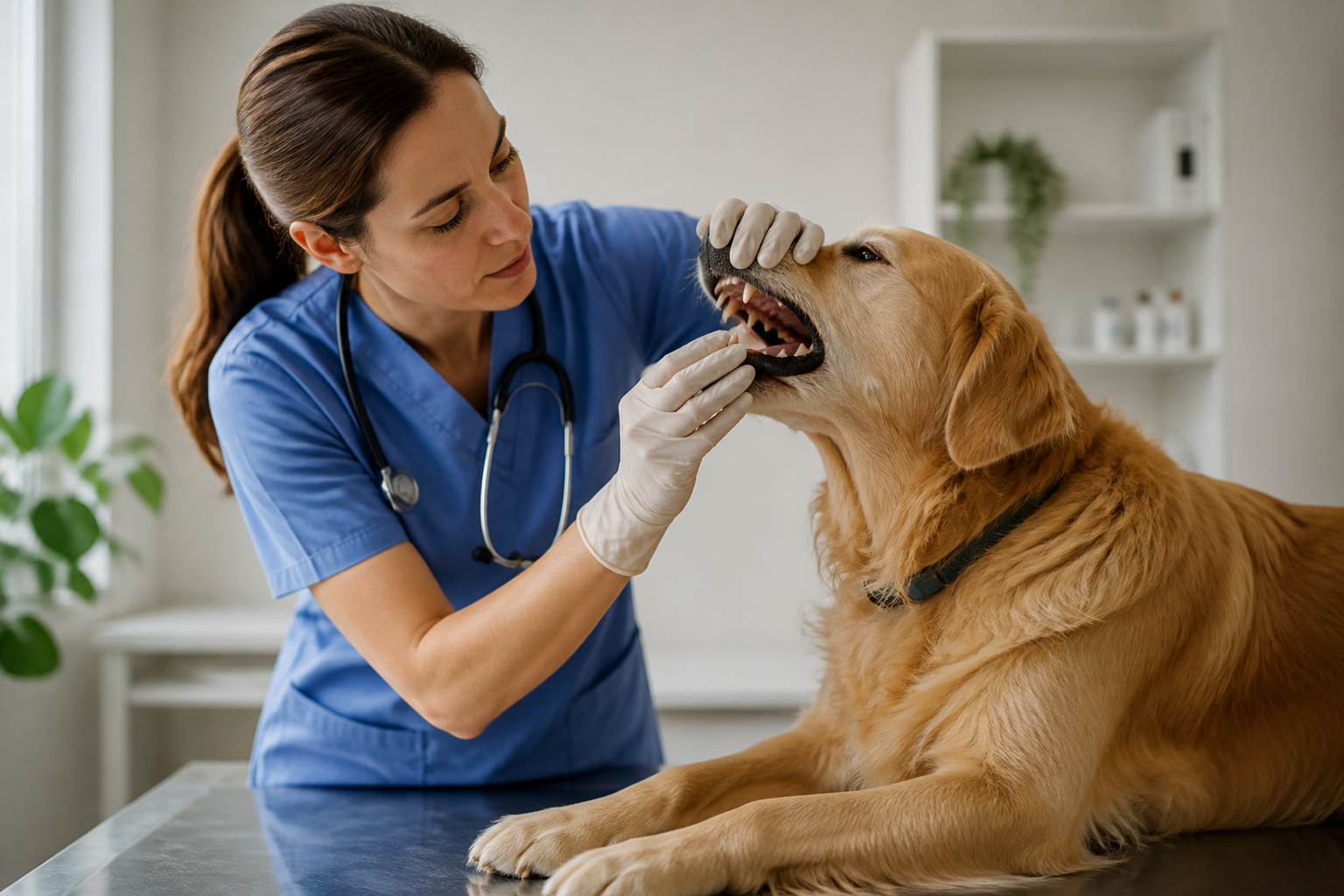
You lean in for a pup kiss and notice a scent that is definitely not puppy breath. That lingering, foul odor often signals more than just a messy meal. While brushing at home is a great habit, many owners wonder if it is truly enough to keep their dogs healthy. At BaxterBoo, we know that dental health is a major part of your dog's overall wellness. This article explores how veterinarians perform professional cleanings and why they are vital for preventing serious health issues. You will learn what happens during the procedure, why anesthesia is used, and how to maintain those pearly whites between visits. Professional veterinary cleanings are the gold standard for maintaining your dog's oral health and longevity.
Quick Answer: Yes, a veterinarian can and should clean your dog's teeth professionally. This procedure involves scaling plaque and tartar from above and below the gum line while the dog is under general anesthesia. Regular cleanings help prevent periodontal disease, tooth loss, and systemic infections.
Why Professional Cleaning Is Necessary
Many dog owners assume that a few dental chews or the occasional brushing session is sufficient. However, plaque and tartar do not just stay on the visible surfaces of the teeth. They often migrate beneath the gum line, where they cause inflammation and infection. This is known as periodontal disease.
If left untreated, this bacteria can enter the bloodstream. From there, it may travel to vital organs like the heart, liver, and kidneys. A professional cleaning is the only way to reach the areas hidden by the gums. It ensures that the foundations of the teeth remain strong and infection-free. For at-home options between visits, explore our dog dental care collection.
Vet Tip: If you notice your dog has red or swollen gums, persistent bad breath, or seems hesitant to eat hard kibble, schedule a dental exam. These are common signs of painful oral issues that require professional attention.
What Happens During a Vet Dental Cleaning
A professional cleaning is much more involved than what we do at home. It is a medical procedure that requires a team of trained professionals. Most clinics follow a specific series of steps to ensure the dog is safe and the mouth is thoroughly cleaned.
Step 1: Pre-Anesthetic Blood Work
Your veterinarian will usually start with blood tests. This step ensures that your dog's liver and kidneys are functioning well enough to process the anesthesia. It is a vital safety measure, especially for senior dogs.
Step 2: General Anesthesia
Dogs do not sit still and open wide like humans do. To perform a deep cleaning safely, your vet will place your dog under anesthesia. This prevents the dog from feeling pain or stress during the procedure. It also allows the vet to use sharp tools near the gums without the risk of the dog moving suddenly.
Step 3: Oral Examination and X-Rays
Once the dog is asleep, the vet performs a tooth-by-tooth exam. They look for loose teeth, oral tumors, or pockets in the gums. Dental X-rays are often taken at this stage. Since most dental disease happens below the gum line, X-rays are the only way to see bone loss or hidden infections.
Step 4: Scaling and Polishing
The vet or a technician uses an ultrasonic scaler to remove tartar. They clean the visible crown and the space under the gum line. After scaling, the teeth are polished. Polishing smooths out microscopic scratches on the enamel, which makes it harder for plaque to stick in the future.
Step 5: Extractions or Treatments
If the vet finds a tooth that is rotten or broken, they may need to remove it. Removing a painful tooth is often the best way to restore a dog's quality of life. The vet may also apply fluoride or sealants to protect the remaining teeth.
Key Takeaway: A professional cleaning is a comprehensive medical procedure that addresses health issues hidden beneath the surface of the gums.
The Role of Anesthesia in Dental Care
The topic of anesthesia often makes pet owners feel nervous. However, "anesthesia-free" cleanings are generally not recommended by veterinary experts. These cosmetic cleanings only remove the tartar you can see. They do not address the bacteria under the gum line, which is where the real damage happens. For more information about warning signs, read our guide to recognizing bad teeth in dogs.
Anesthesia allows the vet to place a breathing tube that protects the dog's airway from water and debris. It also ensures the dog remains completely still. Modern anesthesia is very safe, and vets monitor heart rates and oxygen levels throughout the entire process.
Bottom line: Anesthesia is necessary for a thorough, pain-free cleaning that actually improves your dog's health rather than just their appearance.
When Should You Schedule a Cleaning?
The frequency of professional cleanings depends on the individual dog. Factors like breed, age, and diet all play a role. Small breeds often need more frequent cleanings because their teeth are crowded into tiny mouths. This crowding allows plaque to build up much faster than it does in large dogs.
- Small and Brachycephalic Breeds: These dogs may need a cleaning every year starting at age one or two.
- Large Breeds: These dogs may be able to wait eighteen months to two years between professional cleanings.
- Senior Dogs: Older pets may need more frequent checkups to manage existing periodontal disease.
If you are unsure, ask your vet during your dog's annual physical. They can look at the level of tartar buildup and tell you if it is time for a professional session. Our pet dental care tips can also help you prepare for regular home checks.
Factors That Influence the Cost
The cost of a dental cleaning can vary significantly. You might see estimates ranging from a few hundred dollars to over a thousand. This variation is usually due to the specific needs of the dog and the location of the clinic.
- Size and Weight: Larger dogs require more anesthesia and medication, which increases the price.
- Severity of Disease: If the dog has heavy tartar buildup, the procedure takes longer.
- Extractions: Removing teeth requires surgical time, local numbing agents, and additional pain medication.
- Specialists: A board-certified veterinary dentist will charge more than a general practice veterinarian.
Many clinics provide an estimate after an initial exam. This helps you prepare for the potential costs of X-rays or extractions.
| Service Component | Why It Is Included |
|---|---|
| Blood Work | Screens for underlying health issues before anesthesia. |
| Anesthesia | Ensures safety, comfort, and a thorough cleaning. |
| Dental X-rays | Identifies bone loss and hidden infections. |
| Scaling/Polishing | Removes tartar and smooths enamel. |
| Pain Meds/Antibiotics | Used if extractions or infections are present. |
Maintaining Results at Home
Once your dog's teeth are clean, the clock starts ticking again. Plaque can begin to form within hours of a cleaning. This is where at-home maintenance becomes essential. We carry many products at BaxterBoo that can help you keep those teeth clean for longer. Start by browsing our dental and breath care selection.
Daily Brushing
Brushing is the most effective way to prevent tartar. Use a toothbrush designed for dogs and toothpaste that is safe for them to swallow. Never use human toothpaste, as it often contains xylitol, which is toxic to pets.
Dental Chews and Treats
Products like Greenies or dental sticks are designed to scrub the teeth as the dog chews. These are great for dogs that do not tolerate brushing well. Look for the Veterinary Oral Health Council (VOHC) seal on packaging to ensure the product is effective. For additional ideas, see our guide to dental chews for dogs.
Water Additives and Powders
If brushing is a struggle, you can use water additives. These are tasteless liquids you add to your dog's bowl. They contain enzymes that help break down plaque-forming bacteria. Supplements from brands like Zesty Paws or Honest Paws can also support gum health from the inside out. You can explore our selection of Zesty Paws products when comparing supplement options.
Dietary Choices
Some dogs benefit from specific dental diets. These kibbles are larger and have a texture that scrubs the tooth surface. We carry premium options like Royal Canin and Farmina that offer specialized nutrition for various needs.
Key Takeaway: Home care is not a substitute for professional cleaning, but it is the best way to extend the time between veterinary visits.
The BaxterBoo Pharmacy and Prescription Needs
Sometimes, a dental cleaning reveals infections that require more than just a good scrubbing. Your vet may prescribe antibiotics or specific pain medications to help your dog recover. Through our partnership with Pet's Choice, we offer a full-service pet pharmacy for dogs, where prescription needs can be addressed.
Our pharmacy provides FDA-approved medications and prescription diets. If your vet recommends a specific food for dental health or recovery, you can often find it through us. Having access to these medications and specialized diets makes the recovery process much smoother for both you and your dog.
Signs Your Dog Might Need Immediate Care
While an annual cleaning is standard, some situations require a faster response. If you notice any of the following, do not wait for your next checkup:
- Excessive drooling that is new or unusual.
- Dropping food while eating or chewing on only one side.
- Pawing at the mouth or face.
- Visible blood on chew toys or in the water bowl.
- Lumps or bumps anywhere inside the mouth.
These symptoms can indicate a broken tooth, a painful abscess, or an oral growth. A quick trip to the vet can prevent a minor issue from becoming a major health crisis.
Vet Tip: Do not ignore bad breath. While we joke about "dog breath," a truly foul odor is almost always a sign of bacterial infection that needs medical attention.
How to Prepare for the Appointment
If you have scheduled a cleaning, there are a few things you can do to make the day go smoothly. Most vets will ask you to fast your dog starting the night before. This means no food after a certain time, usually around midnight. This reduces the risk of vomiting while under anesthesia.
When you drop your dog off, make sure the clinic has your current phone number. Vets often find unexpected issues once they get a closer look at the teeth or see the X-rays. They will want to call you to discuss extractions or additional costs before proceeding.
After the procedure, your dog might be a little groggy or wobbly. Keep them in a quiet, safe place away from stairs. If they had extractions, the vet might recommend soft food for a few days while the gums heal.
Conclusion
Professional dental care is a cornerstone of responsible pet ownership. While we can do a lot at home with brushes and treats, a veterinarian has the tools and expertise to clean where we cannot reach. Regular cleanings prevent pain, save teeth, and can even add years to your dog's life. At BaxterBoo, we are committed to helping you navigate every stage of your pet's health journey. From the right dental treats to the medications your vet prescribes, we have the resources you need to keep your dog's smile bright and healthy. Browse our dog dental care products to support your dog's daily routine.
- Professional cleanings remove tartar below the gum line.
- Anesthesia is necessary for a safe and effective procedure.
- Daily brushing and dental chews extend the results of a vet cleaning.
- Small breeds typically require more frequent dental attention.
Bottom line: A professional vet cleaning is the only way to treat and prevent advanced periodontal disease in dogs.
FAQ
Is it safe for my senior dog to have their teeth cleaned?
Yes, it is generally safe for senior dogs as long as they have a pre-dental exam and blood work. Veterinarians take extra precautions with older pets, such as adjusting anesthesia protocols and monitoring them closely. Addressing dental disease in seniors is often very important because it reduces the strain on their immune systems and vital organs.
How much does a vet dental cleaning cost on average?
The cost typically ranges from $300 to $700 for a routine cleaning, but it can go higher if extractions or X-rays are needed. Factors like your dog's weight, the severity of the dental disease, and your geographic location all influence the final price. Most clinics will provide a detailed estimate after an initial oral examination.
Can a vet clean a dog's teeth without anesthesia?
While some places offer "anesthesia-free" cleaning, it is mostly a cosmetic procedure and is not recommended by most veterinarians. Without anesthesia, a vet cannot safely clean deep under the gum line or take X-rays. It can also be very stressful and physically uncomfortable for the dog to remain still while sharp instruments are used in their mouth.
How often should my dog get a professional teeth cleaning?
Most dogs benefit from a professional cleaning once a year. However, small breeds or dogs with a history of dental issues may need them every six months. Your veterinarian can evaluate the amount of plaque and tartar during regular checkups and help you decide on the best schedule for your specific dog.






