
 Save 15% on your 1st Autoship learn more

 Email us
 Live Chat
 FAQs
FAQs





Introduction
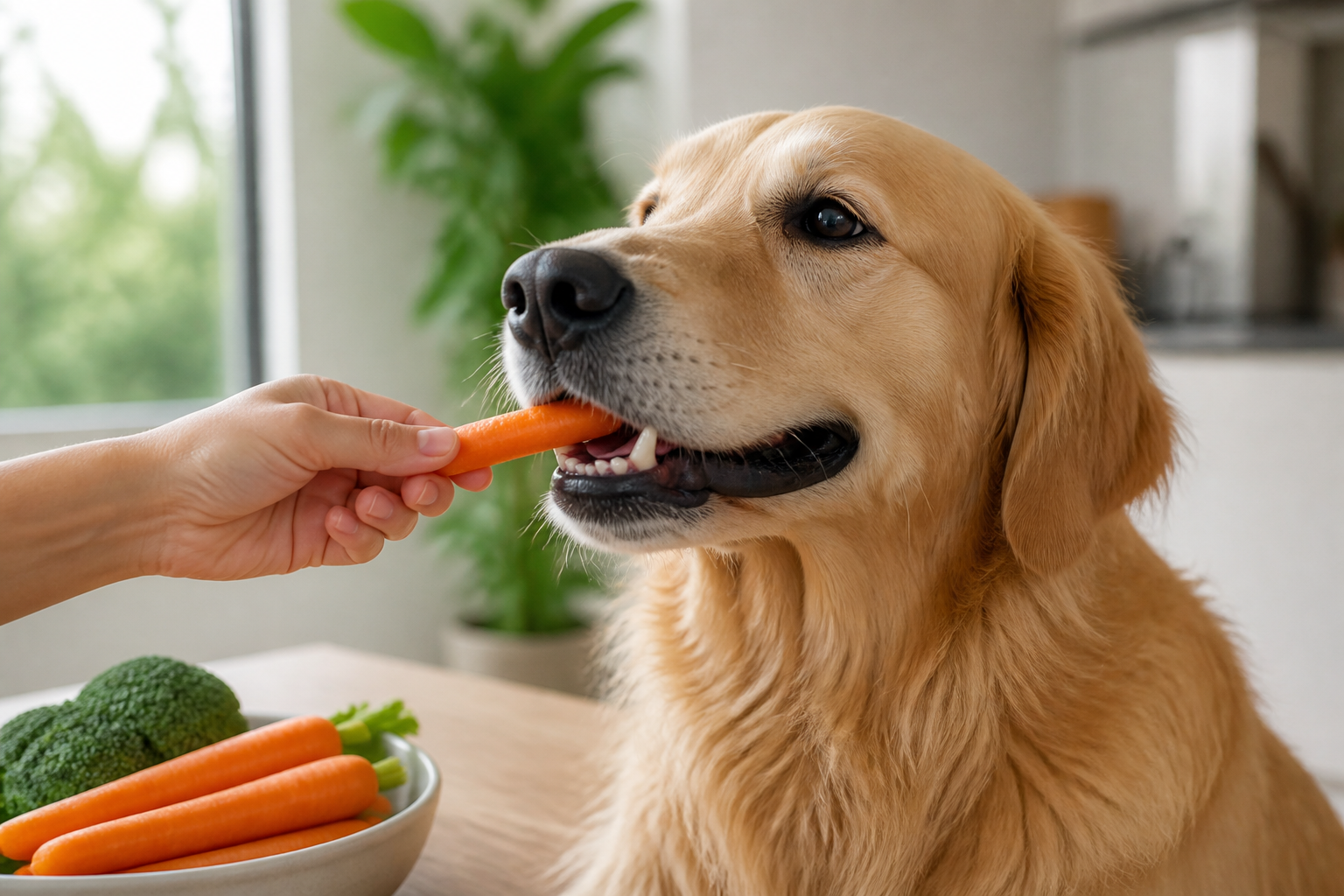
You are standing in your kitchen and your dog is staring at you with those expectant eyes. You reach for a bag of baby carrots. You know they are a healthy snack. You have probably heard they can help keep your dog’s mouth clean. It is a common belief among pet owners. Many people think the crunch of a raw carrot acts like a natural toothbrush. At BaxterBoo, we want to help you understand what actually happens when your dog munches on these orange veggies. Carrots are packed with nutrients and offer some mechanical cleaning benefits. However, they are not a complete solution for oral hygiene. This article covers the nutritional perks of carrots, how they affect dental plaque, and how to safely include them in your dog’s routine. Carrots are a great tool for wellness, but they work best as part of a broader dental care plan.
Quick Answer: Raw carrots can help clean a dog’s teeth by mechanically scraping away soft plaque as they chew. However, they cannot remove hardened tartar and should not replace regular brushing or professional veterinary cleanings.
The Nutritional Power of Carrots
Carrots are more than just a crunchy distraction. They are a powerhouse of vitamins and minerals that support your dog’s entire body. When you give your dog a carrot, you are providing a low calorie snack that is high in essential nutrients. Most dogs love the natural sweetness. This makes them an excellent alternative to processed treats that might be full of fillers or artificial flavors. For other nutritious reward options, explore our dog treats collection.
Vitamin A and Beta-Carotene
The most famous nutrient in carrots is beta-carotene. This is an antioxidant that the canine body converts into Vitamin A. Vitamin A is critical for maintaining healthy skin and a shiny coat. It also plays a major role in eye health and vision. Beyond the eyes, Vitamin A supports the immune system and helps the body fight off infections. This is important for the mouth too. A strong immune system helps keep gum tissue healthy and resilient against bacteria.
Essential Minerals and Fiber
Carrots provide Vitamin K, which is necessary for proper blood clotting. They also contain Vitamin B6 and small amounts of calcium and iron. The fiber content in carrots is particularly high. Carrots contain both soluble and insoluble fiber. Insoluble fiber helps move food through the digestive tract. This keeps your dog’s bowel movements regular. Soluble fiber can help manage blood sugar levels and improve overall gut health.
Key Takeaway: Carrots are a nutrient-dense, low-calorie snack that provides Vitamin A, fiber, and antioxidants to support vision, digestion, and immune health.
How Carrots Actually Affect Dental Health
The idea that carrots clean teeth comes from the mechanical action of chewing. When a dog bites into a firm, raw carrot, the vegetable's surface rubs against the teeth. This friction can help rub off soft, sticky plaque before it has a chance to harden into tartar. For additional options, browse our dog dental treats.
The Scouring Action
Think of a raw carrot as a very mild scouring pad. As your dog works their jaw to break down the tough fibers, the carrot slides along the enamel. This action is most effective on the chewing surfaces of the molars. It is less effective near the gum line, which is where most dental disease begins. The sheer force of chewing also stimulates the gums. This increases blood flow to the oral tissues, which is a good thing for long-term health.
Stimulating Saliva Production
Chewing on a hard carrot does more than just scrape. It also encourages your dog to produce more saliva. Saliva is the mouth's natural defense system. It contains enzymes and antibacterial properties that help neutralize the acids produced by mouth bacteria. More saliva means a cleaner mouth environment. While the carrot itself does not have magical cleaning chemicals, the process of eating it triggers the body’s own cleaning mechanisms.
Limitations of the Carrot Method
It is important to be realistic. A carrot is not a toothbrush. While it can handle soft plaque, it cannot touch tartar. Tartar, or calculus, is plaque that has mineralized and bonded to the tooth. Once tartar forms, no amount of carrot-crunching will remove it. Only a professional dental cleaning under anesthesia can safely remove tartar from the teeth and under the gum line.
Bottom line: Carrots provide a helpful mechanical scraping action and boost saliva, but they cannot remove hardened tartar or reach deep under the gums.
Potential Risks and Safety Considerations
While carrots are generally safe, there are a few things every owner should know. We want your dog to enjoy their snack without any trips to the emergency room. Safety starts with how you prepare the vegetable.
Choking Hazards
Carrots are very hard. If a dog tries to swallow a large chunk without chewing it thoroughly, it can become lodged in their throat or esophagus. This is especially true for "gulpers" who tend to inhale their food. Small dogs and toy breeds are at the highest risk. Always cut carrots into manageable, bite-sized pieces. Even baby carrots can be too large for a tiny Chihuahua or Yorkie.
Sugar Content
Carrots have a higher natural sugar content than many other vegetables. For a healthy, active dog, this sugar is not usually an issue. However, if your dog is overweight or struggling with diabetes, you need to be careful. Excess sugar can lead to weight gain and blood glucose spikes. If your dog has a metabolic condition, talk to your vet before making carrots a daily habit.
Vitamin A Toxicity
It is possible to have too much of a good thing. Vitamin A is fat-soluble. This means the body stores excess amounts in the liver instead of flushing it out. While it is very difficult for a dog to get Vitamin A toxicity from whole carrots alone, it can happen if they are also taking high-potency supplements or eating a diet already extremely high in organ meats.
Vet Tip: If your dog is a "gulper," always supervise them while they eat carrots or cut the carrots into very small rounds to prevent choking.
Best Ways to Serve Carrots for Dental Health
The way you serve a carrot changes its benefits. Depending on your dog's age and health, you might choose one method over another. Our team at BaxterBoo often recommends varying the preparation to keep things interesting for your pet.
Raw Carrots for Maximum Scrubbing
If your goal is dental cleaning, raw is the way to go. The firm texture provides the necessary resistance to scrape the teeth. You can use whole large carrots for big dogs, allowing them to hold the carrot with their paws and gnaw on the end. For smaller dogs, sticks about the size of a French fry are often perfect.
Frozen Carrots for Teething and Inflammation
Frozen carrots are a lifesaver for puppy owners. The cold temperature helps numb sore gums during teething. The hardness of the frozen carrot provides a satisfying surface for the puppy to chew on, which can redirect them away from your furniture. Even for adult dogs, a frozen carrot is a great way to slow down a fast eater and provide a refreshing treat on a hot summer day. For more ideas, read about ways to soothe teething puppies.
Steamed Carrots for Easy Digestion
Some dogs have sensitive stomachs. Raw carrots are high in cellulose, which dogs find difficult to digest. You might notice orange chunks in your dog’s stool after they eat raw carrots. This means they did not absorb all the nutrients. Lightly steaming carrots breaks down those cell walls. This makes the nutrients more bioavailable. While steamed carrots lose their teeth-cleaning hardness, they are much easier on the digestive tract.
Step-by-Step: Introducing Carrots
- Wash the carrot. Remove any dirt or pesticides from the skin.
- Peel if preferred. The skin is safe, but some dogs dislike the taste.
- Start small. Give your dog one or two small pieces to see how their stomach reacts.
- Monitor the "output." Check your dog's stool the next day. If they have diarrhea, reduce the amount.
- Increase slowly. Once you know they tolerate it, you can make it a regular treat.
Beyond the Carrot: A Complete Dental Routine
Carrots are a wonderful supplement, but they are just one piece of the puzzle. To keep your dog’s mouth truly healthy, you need a multi-pronged approach. At BaxterBoo, we carry a wide range of products that help fill the gaps that carrots leave behind. You can find additional options in our dog dental care category.
The Gold Standard: Brushing
Nothing replaces a toothbrush and dog-safe toothpaste. Brushing reaches the gum line and the crevices between teeth where carrots cannot go. You should aim to brush your dog's teeth at least three times a week. Use a paste formulated for pets. Human toothpaste often contains Xylitol, which is highly toxic to dogs, or fluoride, which can upset their stomachs. A pet-safe option is this bamboo dog toothbrush.
Dental Chews and Toys
Many dental chews are designed specifically to fight plaque and tartar. Look for products with the VOHC (Veterinary Oral Health Council) seal. These products have been tested and proven to reduce plaque or tartar by a specific percentage. Rubber toys with ridges, like those made by Kong, can also help. You can even stuff a Kong with a bit of carrot puree and freeze it for a long-lasting, teeth-cleaning activity. For more ideas, see our guide to dental chews for dogs.
Water Additives and Supplements
If your dog absolutely refuses a toothbrush, water additives can help. These are liquids you add to your dog's water bowl. They contain enzymes that help break down the biofilm of bacteria in the mouth. There are also dental powders that you can sprinkle onto your dog’s food. These often contain specific types of kelp or probiotics that change the chemistry of the saliva to prevent plaque from sticking.
When to Consult the BaxterBoo Pharmacy
Sometimes, natural remedies and over-the-counter chews are not enough. If your dog already has significant brown buildup on their teeth, red gums, or very bad breath, they may have periodontal disease. This is a serious condition that can lead to tooth loss and even heart or kidney issues. When prescription support is needed, visit our pet pharmacy.
Our pharmacy allows you to access prescription needs. If your veterinarian identifies a dental infection, they may prescribe specific antibiotics or medicated oral rinses. We also carry prescription dental diets. These kibbles are specially shaped and textured to scrub the teeth much more effectively than standard dog food. They often contain minerals that bind calcium in the saliva, preventing it from turning plaque into tartar.
Vet Tip: Schedule a professional dental exam at least once a year. If your vet recommends a prescription diet or medication for oral health, you can conveniently fulfill that through our pharmacy services.
Common Myths About Dog Dental Care
There is a lot of misinformation out there about how to keep a dog’s mouth clean. Let’s clear up some of the most common myths so you can make the best choices for your pet. For a broader overview, read these pet dental care tips.
Myth 1: Kibble Cleans Teeth
Many people believe that dry food acts like a toothbrush. This is mostly false. Most kibble is small and brittle. It shatters the moment a dog’s tooth hits it. It does not provide the sustained scrubbing action needed to remove plaque. In fact, the refined carbohydrates in some lower-quality kibbles can actually contribute to plaque formation. Unless it is a specific "dental formula" kibble, do not count on it for oral hygiene.
Myth 2: Bones Are Always Safe for Teeth
While raw bones can be effective at removing tartar, they come with risks. Hard bones like antlers or large marrow bones can actually fracture a dog's teeth. These fractures are painful and often require expensive extractions. If you choose to use bones, supervise your dog closely and choose bones that are appropriate for their chewing style.
Myth 3: Bad Breath Is Just "Dog Breath"
A healthy dog should not have stinky breath. If your dog’s breath is foul enough to make you turn away, something is wrong. Chronic bad breath is usually a sign of bacterial overgrowth or rotting teeth. Do not try to mask the smell with carrots or minty treats. Treat the underlying cause by visiting your vet. You can also review warning signs of dental problems in dogs.
Carrots and Other Fruits for a Healthy Mouth
Carrots are not the only produce that can help your dog. If you want to vary your dog’s diet, several other fruits and vegetables offer similar benefits.
- Apples: Sliced apples provide a similar crunch to carrots. They contain Vitamin C and fiber. Always remove the seeds and core, as seeds contain small amounts of cyanide.
- Cranberries: These contain polyphenols that can prevent bacteria from sticking to the teeth and gums.
- Celery: Celery is very high in water and fiber. It acts like a natural dental floss as the dog chews through the stringy fibers. It also helps freshen breath.
- Blueberries: These are tiny antioxidant bombs. While they do not provide much scrubbing action, they help reduce systemic inflammation.
Managing the Cost of Dental Care
We know that pet care can get expensive. Professional cleanings and dental surgeries are a significant investment. This is why we focus on preventative care at BaxterBoo. By using simple, affordable tools like carrots, dental chews, and regular brushing, you can potentially save thousands of dollars over your dog's lifetime.
Our MVP Rewards programme is a great way to save on the supplies you need. You can earn points on every purchase of dental treats, toothbrushes, and toys. If you find a dental chew your dog loves, consider putting it on our Autoship programme. This ensures you never run out and gives you a discount on your recurring orders. We want to make it as easy as possible for you to stay consistent with your dog's oral health routine.
Key Takeaway: Prevention is the most cost-effective way to manage your dog's dental health. Combining natural snacks like carrots with proven dental products creates a strong defense against disease.
Conclusion
Carrots are a wonderful, healthy addition to your dog’s lifestyle. They provide essential vitamins for the eyes and skin, and their crunchy texture offers a mild way to scrub away daily plaque. However, the answer to "can carrots clean dogs teeth" is a qualified yes. They help with maintenance, but they are not a cure for existing dental issues. For the best results, use carrots as a reward within a larger routine that includes regular brushing and professional veterinary checkups. If your dog needs specialized support, remember that our pharmacy offers prescription dental diets and medications through our pharmacy services.
Next time you are at the grocery store, feel free to pick up that bag of carrots. Your dog will thank you for the treat, and their teeth will get a little extra shine. For all your other dental needs, from toothbrushes to VOHC-approved chews, explore our dog dental care supplies.
FAQ
How many carrots can I give my dog each day?
For most medium to large dogs, two or three baby carrots or a few large slices is a safe daily amount. Small dogs should stick to one or two bite-sized pieces. Always monitor your dog’s digestion and reduce the amount if you notice any loose stools or upset stomach.
Can frozen carrots help a teething puppy?
Yes, frozen carrots are an excellent tool for teething puppies. The cold helps soothe inflamed gums, and the hard texture gives them a safe outlet for their chewing instinct. Be sure to supervise them to ensure they do not break off and swallow large, frozen chunks that could cause choking.
Will carrots get rid of my dog's bad breath?
Carrots might help slightly by removing some plaque and stimulating saliva, but they are not a cure for bad breath. Foul odors usually indicate bacteria or dental disease deep in the mouth. If your dog’s breath is consistently bad, it is time to see a veterinarian for a professional exam.
Are cooked carrots as good for teeth as raw carrots?
No, cooked carrots lose the firmness needed to scrape plaque off the teeth. While cooked or steamed carrots are much easier for your dog to digest and offer great nutritional value, they do not provide the mechanical cleaning benefits of raw carrots. Use raw for dental help and cooked for a nutritional boost.






