
 Save 15% on your 1st Autoship learn more

 Email us
 Live Chat
 FAQs
FAQs





Introduction
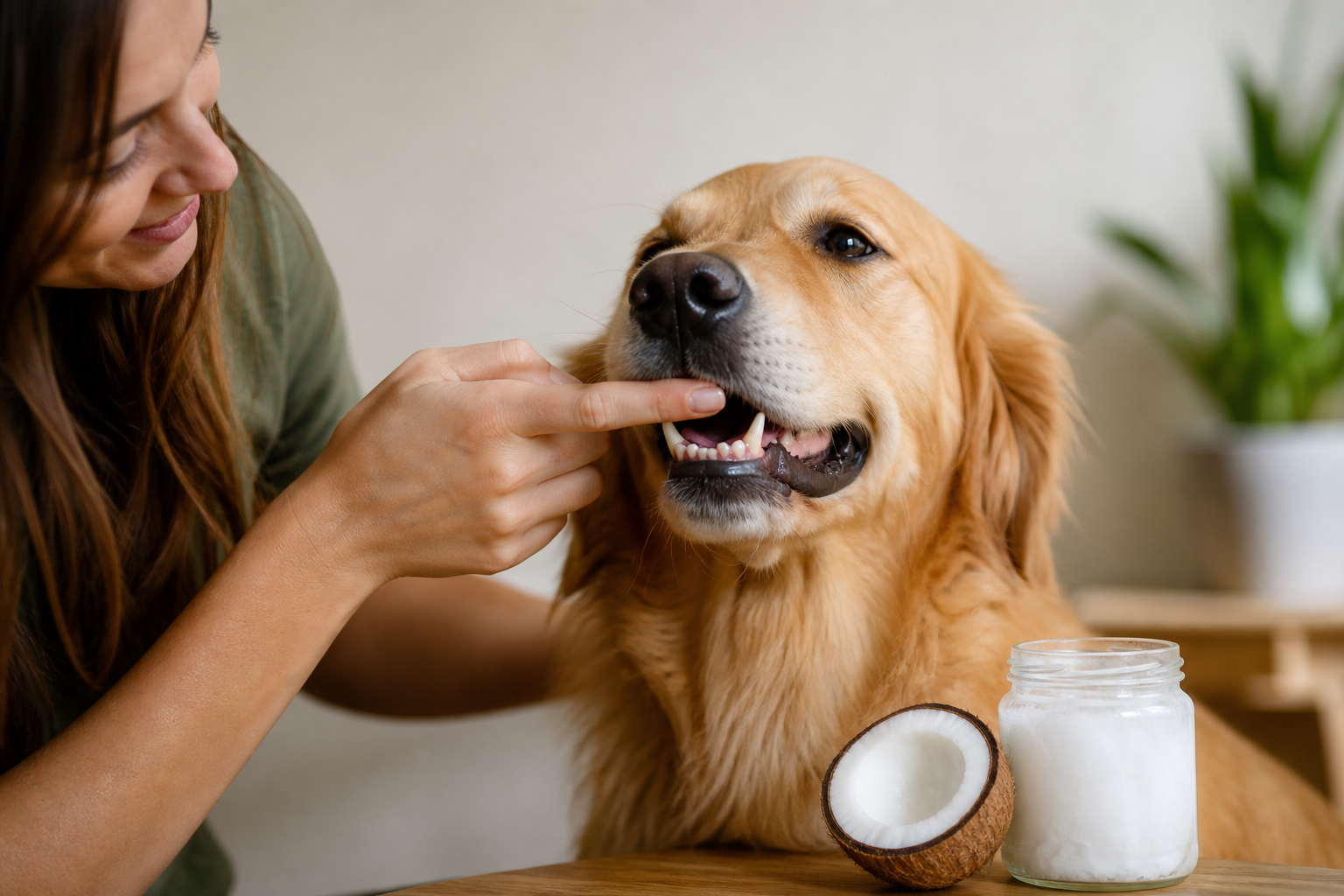
You are sitting on the sofa when your dog leans in for a friendly lick. Instead of a warm greeting, you are met with a wave of bad breath that makes you turn away. This common moment often leads pet owners to search for natural ways to improve oral hygiene. Coconut oil has gained a lot of attention in recent years for its potential health benefits. Many people wonder if this kitchen staple can actually help keep a dog's mouth clean. At BaxterBoo, we believe in providing clear answers based on facts rather than trends. This post will cover the science behind coconut oil for dental health, the risks you should know about, and how to use it safely. While it is not a magic fix, it can be a helpful addition to a wider care routine.
Quick Answer: Coconut oil can help clean a dog's teeth because it contains lauric acid, which has antimicrobial properties. It helps reduce the bacteria that cause plaque and bad breath. However, it should supplement regular brushing and professional veterinary cleanings rather than replace them entirely.
How Coconut Oil Works for Oral Health
To understand why coconut oil is popular for teeth, you have to look at its chemical makeup. It is almost entirely made of fats called medium-chain triglycerides. The most important of these is lauric acid. This specific fatty acid makes up about half of the oil. Lauric acid is effective at killing bacteria, fungi, and viruses. In the mouth, it targets the harmful microbes that live in saliva and stick to the surface of the teeth.
When these bacteria are left alone, they form a sticky film called plaque. Over time, plaque hardens into tartar or calculus. Hardened tartar is very difficult to remove at home and usually requires a professional cleaning. By using something with antimicrobial properties like coconut oil, you are making the environment in the mouth less friendly to those bacteria. This can slow down the rate at which plaque builds up.
It is also important to note how the oil interacts with the gums. Healthy gums are the foundation of healthy teeth. The fats in coconut oil can provide a soothing barrier. This may help with minor irritation or redness. It does not cure gum disease, but it can support a healthier oral environment.
The Practical Benefits for Your Dog
The primary benefit most owners notice first is better breath. Bad breath is often caused by the gasses released by oral bacteria. When you reduce the bacterial load, the smell often improves. This makes those close-up moments with your pet much more pleasant. It is a simple way to manage a smelly mouth without using harsh chemicals or artificial scents.
Another benefit is the texture and taste. Most dogs genuinely enjoy the flavor of coconut. This makes them much more willing to participate in a mouth cleaning routine. If your dog hates the taste of standard pet toothpaste, coconut oil can act as a bridge. It turns a chore into a treat. This positive association is vital for long-term success with oral care.
Finally, coconut oil is very easy to find and use. You do not need special equipment to start. It is a cost-effective way to add an extra layer of protection to your dog's daily life. Even if you only use it a few times a week, the cumulative effect can help keep their smile brighter for longer.
Key Takeaway: The lauric acid in coconut oil acts as a natural antimicrobial agent. It helps reduce the bacteria responsible for plaque and bad breath while making the cleaning process more enjoyable for your dog.
Potential Risks and Considerations
While coconut oil is generally safe, it is not right for every dog. The biggest concern is the fat content. Coconut oil is very high in calories. One tablespoon contains about 120 calories. For a small dog, this can be a significant portion of their daily caloric needs. If you use too much, your dog could easily gain weight. Obesity leads to a variety of other health issues, so you must use the oil sparingly.
There is also a risk of digestive upset. If a dog gets too much fat too quickly, they may develop loose stools or diarrhea. Always start with a tiny amount to see how their stomach reacts. Some dogs are more sensitive to high-fat foods than others. If your dog has a history of digestive issues, be extra cautious.
A more serious concern is pancreatitis. This is a painful condition where the pancreas becomes inflamed. It is often triggered by eating high-fat foods. Dogs with a history of pancreatitis or those predisposed to it should generally avoid coconut oil. Always consult your veterinarian before adding high-fat supplements to the diet of a dog with underlying health conditions.
Vet Tip: If your dog has a history of pancreatitis, obesity, or sensitive digestion, talk to your vet before using coconut oil. They can help you determine if the fat content is safe for your pet's specific health profile.
How to Apply Coconut Oil to Teeth
There are several ways to use coconut oil for dental care. The most effective method is direct application. This ensures the oil actually makes contact with the teeth and gums. You can use it just like toothpaste.
Step 1: Choose the right time. / Pick a moment when your dog is calm and relaxed. Avoid doing this right before a high-energy activity.
Step 2: Use a small amount. / Take about a quarter teaspoon of solid or liquid oil. You do not need a large glob to be effective.
Step 3: Apply to the teeth. / Use a soft-bristled dog toothbrush or a finger brush. If your dog is sensitive, you can even use a clean piece of gauze wrapped around your finger.
Step 4: Brush gently. / Focus on the gum line where plaque likes to hide. Use circular motions. You do not need to scrub hard.
Step 5: Let them lick. / It is perfectly fine if they lick the excess oil. This actually helps spread the antimicrobial properties around the mouth.
If your dog absolutely refuses to let you touch their mouth, you can try adding it to their food. While this is less effective for cleaning the teeth directly, it still provides some systemic benefits. However, the direct contact method is much better for plaque control.
For additional brushing tools, explore our dog dental care category.
Choosing the Best Coconut Oil
Not all coconut oil is the same. When you are shopping, look for "unrefined" or "virgin" coconut oil. These versions are processed less than refined oils. Because they are handled gently, they retain more of the natural lauric acid and antioxidants. Refined oils often use heat or chemicals to remove the coconut scent and flavor, which can also remove the beneficial properties.
Organic options are also a good choice. These ensure that no pesticides were used during the growing process. Since you are putting this directly into your dog's mouth, purity matters. Check the ingredient label to make sure there are no additives. You want 100 percent pure coconut oil.
Avoid any products that contain xylitol. While pure coconut oil from a grocery store will not have it, some specialty "breath freshening" oils or nut butters might. Xylitol is extremely toxic to dogs and can be fatal even in small amounts. Always read every label before giving a human food product to your pet.
Bottom line: Stick to unrefined, virgin, organic coconut oil for the highest concentration of beneficial fats and the fewest additives.
Integrating Coconut Oil into a Full Routine
Coconut oil is a great tool, but it works best as part of a larger plan. Think of it like a supplement rather than a complete solution. A healthy mouth requires a multi-pronged approach. This includes mechanical cleaning, chemical support, and professional oversight.
Mechanical cleaning is the most important part. This means physically rubbing the plaque off the teeth. While coconut oil helps soften plaque, the brush does the heavy lifting. We carry a variety of toothbrushes and dental wipes that can make this easier. If your dog resists a standard brush, a finger brush often feels less threatening. You can also find additional hygiene tools in our dog grooming supplies.
Dental chews are another helpful addition. Brands like Greenies or Kong toys stuffed with healthy treats encourage chewing. Chewing stimulates saliva production, which naturally washes away debris. Many dental chews are also designed with ridges that help scrape the teeth as the dog bites down. This is a low-effort way to support oral health between brushings.
Water additives can also help. These are liquids you add to your dog's water bowl to help break down plaque and freshen breath. They are particularly useful for dogs that are very difficult to handle. When you combine these tools with regular coconut oil application, you create a strong defense against dental disease.
For more ideas about building a consistent routine, read The Top 10 Pet Dental Care Tips.
When Coconut Oil is Not Enough
It is important to recognize when natural remedies have reached their limit. If your dog already has heavy brown tartar buildup, coconut oil will not remove it. It also cannot fix a broken tooth or an abscessed gum. If you notice your dog is dropping food, pawing at their mouth, or has bleeding gums, it is time for a vet visit.
Advanced dental disease can lead to more than just lost teeth. The bacteria in the mouth can enter the bloodstream and cause damage to the heart, liver, and kidneys. This is why professional cleanings are so important. Your vet can perform a deep cleaning under anesthesia that reaches far below the gum line where a toothbrush cannot go.
Our pharmacy offers a range of prescription dental diets and medications. If your vet diagnoses a specific issue, they may prescribe a specialized food designed to scrub teeth as the dog eats. Through our partnership with Pet's Choice, we can help you manage these chronic dental needs with FDA-approved products delivered to your door. Explore our pet pharmacy for prescription products when recommended by your veterinarian.
Vet Tip: Schedule a dental checkup at least once a year. A professional can spot early signs of decay or gum disease that are invisible to the untrained eye.
For more warning signs to watch for, read Is Your Dog Hiding Bad Teeth? Warning Signs and What to Do.
Managing Calories and Weight
Since we mentioned that coconut oil is high in fat, you must balance it with your dog's overall diet. If you are adding a teaspoon of oil to their routine, you may need to slightly reduce their meal portions. This prevents the "sneaky calories" from adding up over time.
Keep an eye on your dog's body condition. You should be able to feel their ribs easily without a thick layer of fat over them. If you notice their waistline disappearing, cut back on the coconut oil immediately. There are other ways to clean teeth that do not involve extra calories, such as flavorless dental sprays or wipes.
For dogs on a strict weight loss plan, you might skip the coconut oil and stick to mechanical brushing. Value without compromise means choosing the health of the whole dog over one specific benefit. We want your pet to have clean teeth and a healthy heart.
The Role of Diet in Dental Health
What your dog eats every day has a massive impact on their teeth. High-quality kibble can sometimes help by providing a mild abrasive action. However, some dogs benefit from specific dental formulas. These are often larger kibble pieces that do not shatter immediately, forcing the dog to chew more.
We carry over 500 trusted brands, including many that focus on limited ingredients and high-quality proteins. A diet that reduces unnecessary sugars and starches can also help. Bacteria thrive on sugar. By feeding a clean, protein-rich diet from brands like Open Farm or Stella and Chewy's, you are giving those oral bacteria less fuel to grow. Browse our dog treats collection for chewable options that can complement a balanced routine.
If you are unsure which food is best for your dog's oral health, look at the ingredients. Avoid foods with heavy fillers or artificial sweeteners. Clean nutrition from the inside out shows up in the health of the mouth, skin, and coat.
Why Quality Matters at BaxterBoo
Since 2006, we have focused on curating products that actually work. We do not just stock items because they are popular. Every brand we carry is handpicked by people who love pets. Whether you are looking for a basic toothbrush or a high-end supplement, we want you to feel confident in your purchase.
Our hybrid model is also unique. You can browse our massive selection online or visit our warehouse superstore in Vernon Hills, Illinois. This allows us to offer the convenience of home delivery with the expertise of a local pet shop. We know the products we sell because we use them with our own pets.
If you find that coconut oil is a hit with your dog, you can look into our Autoship program. This allows you to set up recurring deliveries of your favorite dental supplies and treats. You save money on your first order and get a free MVP Gold membership. It is a simple way to make sure you never run out of the essentials.
Summary of Best Practices
Using coconut oil for your dog's teeth is a simple, effective way to boost their oral health. It provides natural antimicrobial benefits and makes brushing more enjoyable. However, it must be used correctly to avoid weight gain or digestive issues.
- Use unrefined, virgin coconut oil for the best results.
- Start with a very small amount to check for tolerance.
- Apply directly to the teeth and gums with a brush or finger.
- Monitor your dog's weight and adjust their food if necessary.
- Combine the oil with regular brushing and professional vet visits.
Key Takeaway: Coconut oil is a powerful supplemental tool for fighting plaque and bad breath. When used as part of a complete routine that includes brushing and professional care, it helps maintain a healthier, happier dog.
Conclusion
Caring for your dog's teeth does not have to be a struggle. By adding a little coconut oil to your routine, you can improve their breath and slow down plaque buildup naturally. It is a practical step that fits easily into a busy life. At BaxterBoo, we are here to support you with the right tools, from brushes and chews to professional-grade pharmacy supplies. Start small, be consistent, and keep an eye on your dog's overall health. Your dog will thank you with cleaner teeth and much fresher kisses. For more dental care options, explore our dental and breath care collection to find everything from toothpastes to specialized oral rinses.
FAQ
How much coconut oil should I use for my dog's teeth?
Start with about a quarter teaspoon for small dogs and up to a teaspoon for large dogs. It is best to use the smallest amount possible that still allows you to coat the teeth and gums. Because it is high in fat, using too much can lead to weight gain or stomach upset.
Does coconut oil replace dog toothpaste?
While coconut oil has antibacterial properties, it does not contain the enzymes often found in formulated dog toothpastes that help break down tartar. It is a great natural alternative for dogs that dislike the taste of commercial pastes. For the best results, you can alternate between coconut oil and a quality pet toothpaste.
Can coconut oil cause pancreatitis in dogs?
Yes, any high-fat food can potentially trigger pancreatitis in sensitive dogs or those with a history of the condition. Coconut oil is almost entirely saturated fat, which makes it a high-risk ingredient for certain pets. Always check with your veterinarian if your dog has had metabolic or digestive issues in the past.
Will coconut oil remove existing tartar?
Coconut oil is excellent for preventing new plaque from forming, but it cannot remove hard tartar that has already calcified. Hard tartar requires professional scaling by a veterinarian. Think of coconut oil as a preventative measure to keep the mouth clean after a professional dental treatment.






