
 Save 15% on your 1st Autoship learn more

 Email us
 Live Chat
 FAQs
FAQs





Introduction
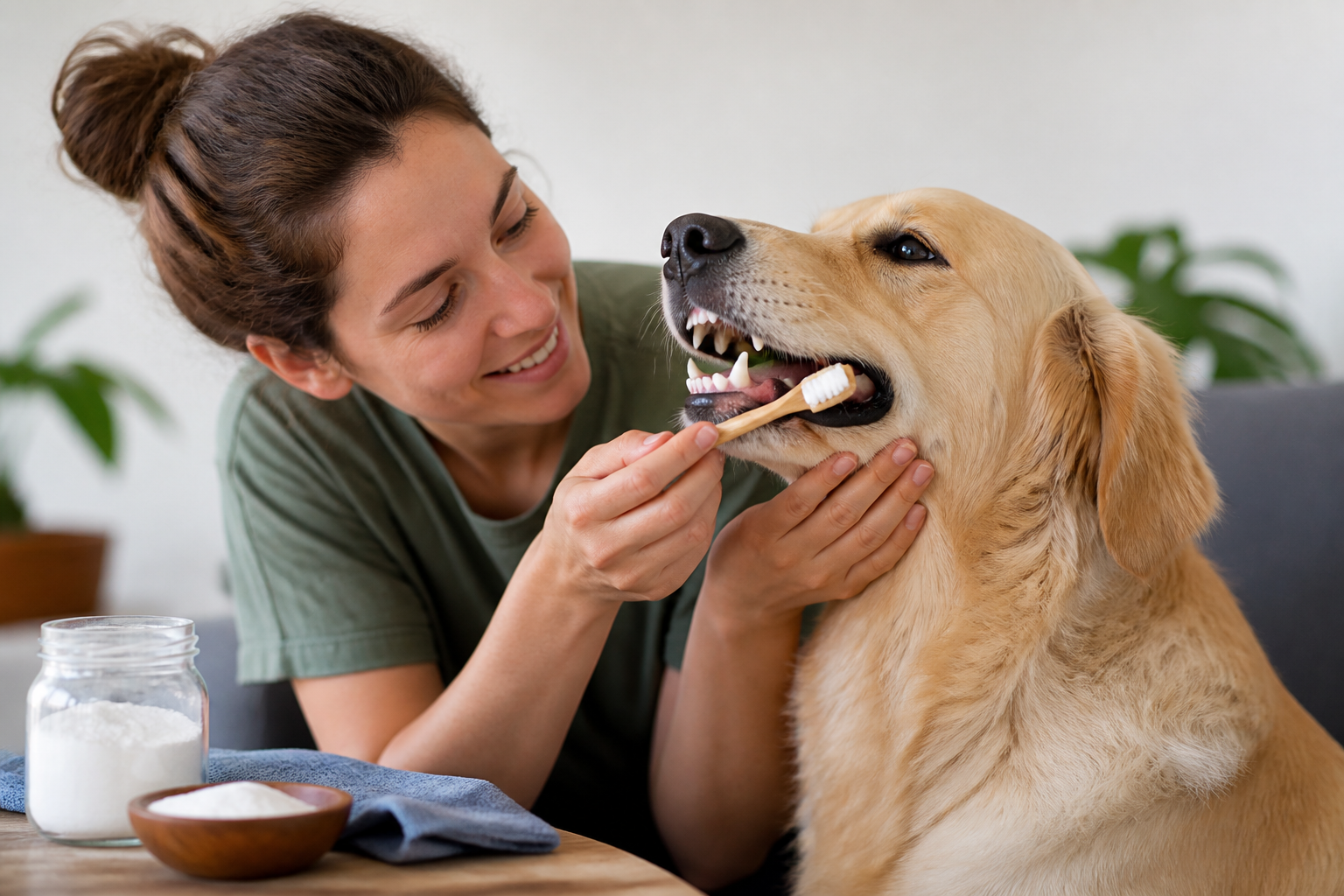
You might be sitting on the floor with your dog, enjoying a quiet moment, when a sudden yawn reveals yellowing teeth or a scent that reminds you of a garbage can. It is a common realization for many pet owners: the dental hygiene routine has slipped. In a search for quick, budget-friendly solutions, many people look toward their kitchen pantry. Baking soda is a staple for whitening human teeth and deodorizing refrigerators, but is it the right choice for your canine companion? At BaxterBoo, we believe that effective pet care starts with understanding the "why" behind the products you use. This post examines the safety of baking soda for dogs, the risks of DIY toothpaste, and the most effective ways to keep your dog's mouth healthy. While baking soda is technically edible, it is rarely the best tool for long-term dental health.
The Reality of Using Baking Soda on Dog Teeth
Baking soda, or sodium bicarbonate, is a mild abrasive. In the world of human dentistry, it is praised for its ability to scrub away surface stains and neutralize acids. When you apply this logic to your dog, it seems like a natural fit. However, dogs are not simply small humans with fur. Their biology, specifically their digestive systems and oral pH levels, differs significantly from ours.
The primary concern with baking soda is its alkalinity. It is a highly alkaline substance. When a dog swallows a significant amount of baking soda, it can disrupt the natural acid balance in their stomach. Unlike humans, dogs cannot be told to "spit" after brushing. Everything you put on that toothbrush is going directly into their digestive tract. For a large dog, a tiny pinch might not cause immediate distress. For a small breed or a puppy, even a small amount can lead to an upset stomach, vomiting, or diarrhea.
Quick Answer: While you can technically use a tiny amount of baking soda occasionally, it is not recommended for regular cleaning. It can cause digestive upset if swallowed and has a bitter taste that may make your dog resist future brushing sessions.
The Problem With Taste and Texture
If you have ever tasted plain baking soda, you know it is salty and bitter. Dogs have a keen sense of taste, and a negative experience can stall your training progress for weeks. If the first time you try to brush your dog's teeth involves a mouthful of bitter powder, they will likely hide the next time they see the toothbrush.
Successful dental care relies on cooperation. Veterinary-approved toothpastes are flavored like poultry, beef, or peanut butter specifically to make the experience rewarding. Using baking soda turns a potential bonding and grooming moment into a chore that your dog will want to avoid.
Risks of DIY Dog Toothpaste Recipes
Many online blogs suggest mixing baking soda with coconut oil or essential oils to create a "natural" toothpaste. While coconut oil is generally safe and possesses mild antimicrobial properties, the addition of other ingredients can be dangerous.
Essential oils, for example, are a major red flag. Many oils that are safe for humans, such as peppermint or tea tree oil, can be toxic to dogs when ingested. Furthermore, some DIY recipes call for salt, which can lead to salt toxicity if a dog consumes too much, especially if they do not have immediate access to plenty of fresh water.
Vet Tip: Always consult your veterinarian before introducing a homemade dental paste. They can help you identify if your dog has underlying issues, like gingivitis or fractured teeth, that might make abrasive DIY pastes painful or counterproductive.
Why Human Toothpaste Is Never an Option
If you decide that baking soda is too risky, you might be tempted to reach for your own tube of toothpaste. This is a much more dangerous mistake. Human toothpaste almost always contains ingredients that are toxic to dogs.
- Xylitol: This artificial sweetener is found in many "natural" and mainstream human toothpastes. It causes a rapid insulin release in dogs, leading to life-threatening low blood sugar and potential liver failure.
- Fluoride: While beneficial for human enamel, fluoride is toxic to dogs in the concentrated amounts found in toothpaste. Since dogs swallow the paste, they can easily ingest a toxic dose.
- Foaming Agents: Ingredients like Sodium Lauryl Sulfate (SLS) create the bubbles we like when we brush. In dogs, these can cause significant gastric distress.
The Importance of Professional Dental Care
Brushing at home is the best way to maintain health between professional visits, but it does not replace the need for a veterinarian. Plaque is a soft film of bacteria that can be brushed away. Once that plaque mineralizes into tartar (also called calculus), no amount of baking soda or manual brushing will remove it.
Tartar provides a porous surface for even more bacteria to grow. This leads to periodontal disease, which affects the structures supporting the teeth. Over time, this bacteria can enter the bloodstream, potentially damaging the heart, liver, and kidneys.
Our pet pharmacy provides access to prescription medications and diets when recommended by your veterinarian. If your veterinarian identifies an oral infection or advanced dental disease, they may prescribe specific antibiotics or a therapeutic dental diet. These diets, such as those from Royal Canin or Farmina Vet Life, are engineered with a specific kibble structure that scrubs the teeth as the dog eats.
How to Choose the Right Dental Tools
At BaxterBoo, we curate a selection of dental products designed specifically for the unique needs of dogs. You do not need a kitchen chemistry set when you have access to tools designed by experts. Explore our dog dental and breath care collection for toothpaste, brushes, wipes, chews, and other oral-care options.
Selecting a Toothbrush
The type of brush you use depends on your dog's size and comfort level.
- Standard Pet Toothbrushes: These look like human brushes but often have angled heads to reach the back molars more easily.
- Finger Brushes: These are made of soft silicone or rubber and slip over your finger. They offer more control and are often less intimidating for puppies or small dogs.
- Double-Headed Brushes: These allow you to clean the top and bottom or both sides of the teeth simultaneously, which is helpful for dogs that will only tolerate a few seconds of brushing.
The Virbac C.E.T. Dual-Ended Pet Toothbrush features large and small ends with soft bristles for different tooth surfaces.
The Power of Enzymatic Toothpaste
The real "secret" to dog dental health is enzymatic toothpaste. Unlike baking soda, which relies on physical scrubbing, enzymatic pastes contain proteins that help break down plaque chemically. Even if you only manage to get a little bit of paste onto the teeth, the enzymes continue to work after you stop brushing.
For a poultry-flavored option, consider Virbac C.E.T. Enzymatic Pet Toothpaste, which is formulated for pets and does not require rinsing.
| Feature | Baking Soda | Enzymatic Dog Toothpaste |
|---|---|---|
| Primary Action | Physical Abrasive | Chemical & Physical |
| Taste | Bitter/Salty | Meat/Peanut Flavored |
| Safety | Risk of stomach upset | Formulated to be swallowed |
| Efficiency | Removes surface debris | Breaks down plaque film |
| Training Ease | Difficult | Acts as a reward |
Key Takeaway: Enzymatic toothpaste is the gold standard for home care. It works longer and more effectively than baking soda while providing a positive experience for your dog.
Step-by-Step Guide to Brushing Your Dog's Teeth
If your dog is not used to having their mouth handled, jumping straight in with a brush and paste is a recipe for failure. You need to build trust and move at their pace. For additional guidance, review these pet dental care tips.
Step 1: Muzzle Desensitization
Start by simply touching your dog's muzzle and lifting their lips for a few seconds. Do not even show them the brush yet. Reward them with a high-quality treat or praise every time they allow you to look at their teeth.
Step 2: The Taste Test
Put a small dab of dog-safe toothpaste on your finger and let them lick it off. Because brands like Virbac or Vetoquinol make their pastes taste like treats, most dogs will be eager for more. This creates a positive association with the "cleaning" smell and taste.
Step 3: Finger Brushing
Once they are comfortable with your finger in their mouth, apply a bit of paste to a silicone finger brush. Gently rub the outside of the teeth in a circular motion. Focus on the gum line, as that is where bacteria hide. You do not need to worry about the inside of the teeth (the tongue side), as a dog's tongue does a decent job of keeping that area clean.
Step 4: Introducing the Brush
Move to a standard pet toothbrush once your dog is a pro with the finger brush. Aim for 30 to 60 seconds per session. If your dog gets restless, stop and try again later. It is better to do a partial job with a happy dog than a thorough job with a stressed one.
Alternatives for "Brush-Shy" Dogs
We know that some dogs simply will not tolerate a toothbrush. If your dog turns into a bucking bronco the moment they see a brush, there are other ways to support their oral hygiene. You can also read about warning signs of dental problems in dogs.
Dental Wipes
These are pre-moistened pads treated with enzymes or antiseptic solutions. You simply wrap one around your finger and wipe the surfaces of the teeth. It is less intrusive than a brush but still provides the mechanical action needed to disrupt plaque.
Water Additives
Water additives are a low-effort way to fight bacteria. You add a small, measured amount to your dog's water bowl daily. These solutions help freshen breath and reduce the bacterial load in the mouth. While they are not a replacement for brushing, they are a fantastic supplemental tool. One option is Zymox Oratene Brushless Enzyme Water Additive.
Dental Chews and Toys
High-quality dental chews are designed to be long-lasting. As your dog chews, the texture of the treat scrapes against the teeth. Look for products with the VOHC (Veterinary Oral Health Council) seal of approval to ensure they have been tested for efficacy. Rubber toys with nubs or ridges can also help massage the gums and clean the teeth during play.
Key Takeaway: A multi-modal approach is best. Combining daily water additives with a few weekly brushing sessions and dental chews provides the most comprehensive protection against decay.
Recognizing the Signs of Dental Distress
Even with the best home routine, issues can arise. You should inspect your dog's mouth weekly for any changes. If you notice any of the following, schedule a visit with your veterinarian:
- Bleeding Gums: Gums should be pink, not red or bleeding.
- Loose Teeth: An adult dog should not have loose teeth. This is a sign of advanced bone loss.
- Excessive Drooling: Sudden drooling or dropping food can indicate oral pain.
- Swelling: Any lumps or bumps on the gums or under the eye (which can indicate a tooth root abscess) require immediate attention.
- Refusing Hard Food: If your dog suddenly refuses their favorite crunchy treats or kibble, they may have a painful tooth.
For chronic issues or post-surgical care, we offer a range of recovery aids and specialty supplements. Managing a senior dog's health often involves a combination of mobility support and dental care, as systemic inflammation from the mouth can exacerbate joint issues.
Diet and Its Role in Oral Health
What goes into your dog's bowl matters. Wet food tends to stick to the teeth more than dry kibble. If your dog eats a soft diet due to age or preference, dental hygiene becomes even more critical.
Crunchy vegetables like raw carrots or apple slices (without seeds) can act as nature's toothbrushes. They provide a satisfying crunch and help scrub the teeth, though they should be treated as snacks and not a primary cleaning method. Avoid sugary human treats, as sugar feeds the bacteria that cause plaque.
Bottom line: While baking soda is a cheap DIY option, the risks of digestive upset and the difficulty of training make it less ideal than veterinary-formulated dental products.
Building a Sustainable Routine
Consistency is more important than perfection. Brushing your dog's teeth once a month will not do much to prevent tartar. Aim for at least three times a week, though daily is the gold standard. Our Autoship programme can help simplify repeat purchases for regularly used dental supplies.
If you find it hard to remember, tie the dog's dental care to your own. When you pick up your toothbrush, grab theirs too. Making it a part of the evening wind-down routine ensures it does not get forgotten.
Remember to replace your dog's toothbrush every three months, just like you do for yourself. Bacteria can build up on the bristles over time. If you have multiple dogs, each one needs their own brush to prevent the spread of bacteria or potential infections.
Conclusion
While the answer to "can I clean my dog's teeth with baking soda" is technically yes, it comes with enough "buts" and "ifs" to make it a less-than-ideal choice. The risk of stomach upset, the unpleasant taste, and the lack of long-term efficacy compared to enzymatic pastes make it a secondary option at best. For over 15 years, we have helped pet owners find practical, effective solutions for their animals' health. Investing in a proper pet toothbrush and a poultry-flavored enzymatic paste is the best way to ensure your dog stays healthy and happy.
- Daily or thrice-weekly brushing is the most effective home care.
- Enzymatic toothpastes are safer and more effective than baking soda.
- Never use human toothpaste due to toxic ingredients like xylitol.
- Professional cleanings are still necessary to remove hardened tartar.
Key Takeaway: Your dog's dental health is a window into their overall wellness. Using products designed for their specific biology is the safest way to ensure they live a long, pain-free life.
If you are ready to start a dental routine that your dog will actually enjoy, explore our dog dental care category. From finger brushes to meat-flavored pastes and VOHC-approved chews, we have everything you need to keep those puppy kisses fresh. For those managing advanced dental needs, our MVP Rewards programme offers another way to get more value from eligible purchases.
FAQ
Is baking soda toxic to dogs if they swallow it?
Baking soda is not strictly toxic in tiny amounts, but it is highly alkaline and can cause significant stomach upset or electrolyte imbalances if ingested in larger quantities. Because dogs cannot rinse and spit, they swallow everything used during brushing, making baking soda a risky choice for a daily routine. Stick to pet-safe toothpastes that are specifically formulated to be swallowed without causing digestive distress.
How often should I brush my dog's teeth?
Ideally, you should brush your dog's teeth every single day to prevent plaque from mineralizing into tartar, which happens within 48 to 72 hours. If a daily schedule is not possible, aim for at least three times per week to maintain a basic level of oral hygiene. Consistency is the most important factor in preventing periodontal disease and maintaining fresh breath.
Can I use a human toothbrush on my dog?
Yes, you can use a human toothbrush if it has soft bristles and is the appropriate size for your dog's mouth. A soft-bristled child's toothbrush is often the perfect size for small to medium dogs. However, never use human toothpaste with that brush, as ingredients like xylitol and fluoride are highly toxic to pets.
What should I do if my dog's gums are bleeding during brushing?
Minor bleeding can sometimes occur if your dog has early-stage gingivitis and you are just starting a brushing routine. However, if the bleeding is persistent, heavy, or accompanied by very red, swollen gums, you should stop brushing and consult your veterinarian. These are signs of periodontal disease that may require a professional cleaning and potentially antibiotics from a pharmacy to resolve the underlying infection.






