
 Save 15% on your 1st Autoship learn more

 Email us
 Live Chat
 FAQs
FAQs





Introduction
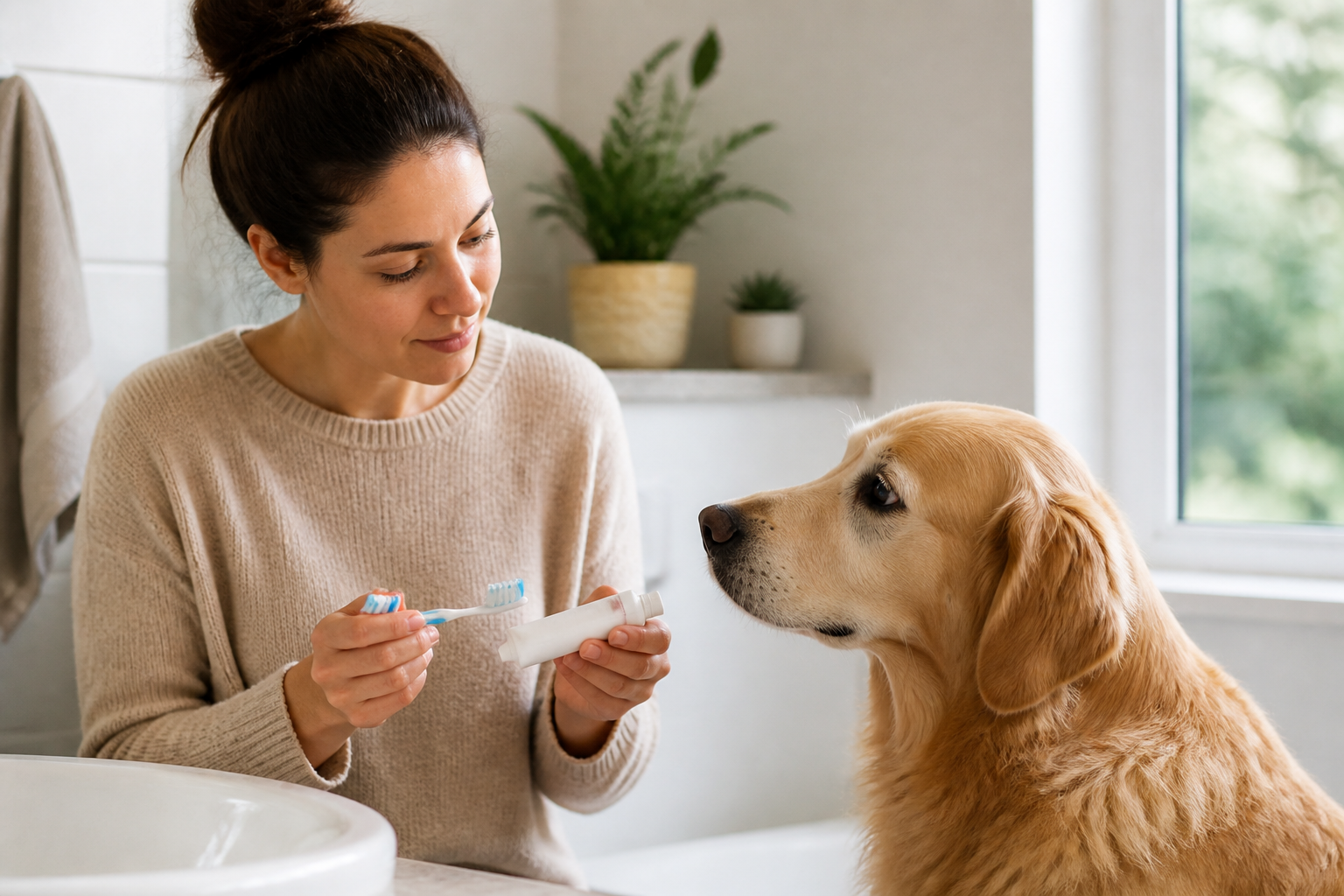
You are finishing your own nightly routine and look down to see your dog watching you with a wagging tail. You notice their breath is a bit stronger than usual and wonder if a quick scrub with your own toothbrush and paste would help. It seems like a simple solution for a common problem. However, reaching for that tube of minty human toothpaste is a mistake that could lead to a serious medical emergency.
At BaxterBoo, we know that dental health is a vital part of your dog's overall wellness. Brushing is the most effective way to prevent plaque and tartar buildup, but the tools you use must be safe for canines. This post explains exactly why human toothpaste is dangerous and provides a safe roadmap for cleaning your dog's teeth. Using the right products ensures your dog stays healthy while keeping their breath fresh.
Why Human Toothpaste is Dangerous for Dogs
The short answer is no, you should never use human toothpaste to clean your dog's teeth. While these products are safe for us, they are formulated with the understanding that humans will spit the foam out. Dogs do not have the ability to spit. They swallow everything you put in their mouth, which means every chemical and sweetener in human toothpaste goes directly into their system.
Quick Answer: No, you cannot use human toothpaste on dogs. Many brands contain xylitol, which is life-threatening for dogs, and fluoride, which can cause severe toxicity when swallowed.
The Life-Threatening Risk of Xylitol
Many human toothpastes, especially those labeled as sugar-free or whitening, contain a sweetener called xylitol. For humans, it is a harmless sugar substitute. For dogs, it is a potent toxin. Even a small amount of xylitol can cause a rapid, massive release of insulin in a dog's body. This leads to a dangerous drop in blood sugar known as hypoglycemia.
Symptoms of xylitol poisoning can appear in as little as 30 minutes. You might see vomiting, staggering, or lethargy. In severe cases, it can lead to seizures and permanent liver failure. Because it is so concentrated in some dental products, even the amount used for one brushing session can be enough to trigger a crisis.
Fluoride Toxicity in Pets
Fluoride is a staple in human dental care because it strengthens enamel. However, it is only meant to be used topically and in tiny amounts. When a dog swallows fluoride, it can cause significant distress to their digestive system. In larger or repeated doses, it can lead to more serious issues like kidney damage or bone problems.
Since dogs are much smaller than humans, the concentration of fluoride in our toothpaste is far too high for them to ingest safely. Chronic ingestion can lead to drooling, weakness, and collapse. This is why all reputable pet toothpastes are fluoride-free.
Problems with Foaming Agents
Have you noticed how your toothpaste gets very bubbly as you brush? That is caused by surfactants like sodium lauryl sulfate. These ingredients help the paste spread around your mouth, but they are not meant to be eaten. If your dog swallows these foaming agents, they often end up with an upset stomach, nausea, or diarrhea. This makes the brushing experience unpleasant and could make your dog fearful of future dental care.
Vet Tip: If your dog accidentally ingests human toothpaste, call your veterinarian or an animal poison control center immediately. Keep the packaging handy so you can tell the professional exactly which ingredients were involved.
What Makes Dog Toothpaste Different?
Pet-specific toothpaste is designed with a dog's biology and behavior in mind. It is formulated to be swallowed safely, so it contains no toxins or foaming agents. Beyond safety, these products are actually more effective for dogs than human versions because of how they work.
Enzymatic Cleaning Power
Most high-quality dog toothpastes are enzymatic. This means they contain natural enzymes that break down food particles and bacteria at a molecular level. These enzymes stay active in the mouth even after you finish brushing. Since you cannot spend ten minutes scrubbing every surface of a dog's molar, these enzymes do the heavy lifting for you. A starter option is the Virbac C.E.T. Pet Oral Hygiene Kit for Dogs and Cats - Poultry Flavored, which includes toothpaste and toothbrushes.
Flavors That Dogs Actually Want
Human toothpaste is almost always mint-flavored. While we find that refreshing, most dogs find the strong scent of menthol or mint repulsive. Trying to force a minty paste into a dog's mouth usually leads to a struggle.
Dog toothpastes come in flavors like poultry, beef, malt, and peanut butter. To a dog, the toothpaste tastes like a treat. This changes the entire dynamic of the grooming session. Instead of fighting you, many dogs will actually look forward to the taste of their toothpaste.
Safe Ingredient Checklist
When shopping for a dental product, explore our dog dental care category and look for these features:
- Labeled specifically for dogs or cats.
- Enzymatic formula (look for ingredients like glucose oxidase).
- No xylitol or artificial sweeteners.
- No fluoride.
- Non-foaming formula.
How to Choose the Right Toothbrush
The paste is only half of the equation. You also need a tool that can reach the back of the mouth where most tartar accumulates. While you can use a very soft human baby toothbrush in a pinch, a dog-specific brush is usually better.
Traditional Long-Handled Brushes
These look like human toothbrushes but usually have a curved handle. The curve helps you reach the large cheek teeth without having to stretch your dog's mouth uncomfortably wide. Many of these have two heads: a large one for the front teeth and a tiny one for the small teeth in the very back.
Finger Brushes
These are small rubber or silicone sleeves that fit over your index finger. They have soft bristles on one side. Finger brushes are excellent for beginners or for dogs with small mouths. Because you are using your finger, you have a better sense of how much pressure you are applying. This can make the process feel more natural for both you and your pet. You can also compare options in our selection of Virbac C.E.T. dental products.
Key Takeaway: The best toothbrush is the one your dog allows you to use. Start with a finger brush to build trust, then move to a long-handled brush for a more thorough cleaning.
A Step-By-Step Guide to Brushing
Brushing your dog's teeth is a skill that takes time to master. If you rush the process, your dog may become defensive. Follow these steps over the course of a week or two to ensure success. For additional guidance, read our pet dental care tips.
Step 1: Introduce the taste.
Put a small dab of dog toothpaste on your finger. Let your dog sniff and lick it off. Do this for a few days until they get excited when they see the tube.
Step 2: Get them used to mouth handling.
Gently lift your dog's lip and rub your bare finger over their gums. Keep this session very short and follow it with praise. You want them to feel comfortable with you touching their teeth.
Step 3: Introduce the brush.
Put some toothpaste on the brush and let them lick it off. This helps them realize the brush is just a delivery system for the tasty paste.
Step 4: The first scrub.
Lift the lip and gently brush the large canine teeth (the long ones in front). Use a circular motion. If the dog stays calm, move toward the back cheek teeth. Focus on the outside surfaces. You do not need to worry about the inside of the teeth near the tongue. The tongue does a decent job of cleaning those areas on its own.
Step 5: Reward and repeat.
Always end the session on a positive note. Give them a favorite toy or a dental treat. Aim to brush at least three times a week. Daily brushing is the gold standard for preventing disease.
Bottom line: Consistency and patience are more important than a perfect technique when you are first starting out.
Alternatives for Difficult Dogs
Some dogs simply will not tolerate a toothbrush. If your dog becomes aggressive or extremely stressed, do not force it. There are other ways to manage their oral health, though they are generally less effective than manual brushing.
Dental Chews and Toys
Certain treats are designed to scrub the teeth as the dog chews. Products like Greenies or specialized dental chews from brands we trust, such as Kong, can help reduce plaque. The mechanical action of chewing helps scrape away soft buildup before it hardens into tartar. You can browse our selection of Greenies products for dental chew options.
Water Additives and Gels
Dental water additives can be mixed into your dog's bowl. These contain enzymes or ingredients that help kill bacteria in the mouth. Dental gels can be applied directly to the gums with a finger and do not require brushing. While these are better than doing nothing, they should be used alongside other methods for the best results.
Prescription Dental Diets
For dogs prone to heavy tartar or those with existing gum issues, your veterinarian might recommend a prescription dental diet. Brands like Royal Canin and Farmina Vet Life offer specialized kibble designed to scrub the teeth. These kibbles are usually larger and have a specific texture that does not crumble immediately. This forces the dog to chew, providing a cleaning effect.
Our pharmacy provides access to these prescription diets and other FDA-approved medications through our partnership with Pet's Choice. If your vet suggests a specific medical diet or a professional dental treatment, you can find those supports through our pharmacy services.
The Cost of Neglect: Periodontal Disease
If you skip dental care entirely, your dog will likely develop periodontal disease. This is an infection of the tissues surrounding the teeth. It starts as gingivitis, which shows up as a red line along the gums. If left alone, it progresses to bone loss and tooth decay.
Unchecked oral bacteria can also enter the bloodstream. From there, it can travel to the heart, liver, and kidneys, causing systemic infections. This is why bad breath is more than just a nuisance. It is often a sign of an underlying health problem. For another perspective on warning signs, read how to recognize bad teeth in dogs.
Signs Your Dog Needs a Professional Cleaning
- Extremely foul breath that does not improve after brushing.
- Yellow or brown crust (tartar) on the teeth.
- Bleeding or swollen gums.
- Difficulty eating or dropping food.
- Pawing at the mouth.
If you notice these signs, a vet visit is necessary. Professional cleanings involve scaling the teeth while the dog is under anesthesia, which allows the vet to clean below the gum line where a toothbrush cannot reach.
Wrapping Up Your Dog's Dental Routine
Taking care of your dog's teeth does not have to be a chore. By avoiding dangerous human toothpaste and choosing safe, enzymatic alternatives, you are protecting your dog from accidental poisoning and long-term illness. A healthy mouth leads to a longer, happier life for your best friend.
Remember that a little effort today saves you from expensive and painful dental surgeries later. Start slow, stay positive, and use the right tools.
- Never use human toothpaste due to xylitol and fluoride risks.
- Use enzymatic dog toothpaste in flavors like poultry or beef.
- Start with a finger brush to help your dog get comfortable.
- Check your dog's mouth regularly for redness or tartar.
For the best selection of pet-safe toothpaste, brushes, and dental treats, browse our full dental care collection. If your pet needs specialized care, remember our pharmacy is here to help with prescription diets and medications through our Pet's Choice partnership. You can also make repeat purchases easier with our Autoship programme. At BaxterBoo, we are committed to helping you keep those tails wagging and those smiles bright.
FAQ
Can I use baking soda instead of dog toothpaste?
While baking soda is not toxic like human toothpaste, it is not ideal for regular use. It has a high alkaline content that can upset a dog's stomach if they swallow too much of it. Additionally, most dogs hate the salty taste, which can make them resist the brushing process altogether.
What happens if my dog eats a whole tube of human toothpaste?
This is a medical emergency, especially if the toothpaste contains xylitol. You should immediately contact your veterinarian or an emergency animal hospital. Bring the tube with you so the medical team can check the ingredient list and determine the best course of treatment for toxicity.
Is it too late to start brushing my senior dog's teeth?
It is never too late to start, but you must be extra gentle. Older dogs are more likely to have sensitive gums or loose teeth. Have your vet perform a dental exam first to ensure there are no painful infections that would make brushing uncomfortable for your senior pet.
How often do I really need to brush my dog's teeth?
Ideally, you should brush your dog's teeth every single day to prevent plaque from hardening into tartar. If your schedule is too busy for that, aim for at least three times a week. Any amount of brushing is better than none, but consistency is what prevents long-term dental disease.






