
 Save 15% on your 1st Autoship learn more

 Email us
 Live Chat
 FAQs
FAQs





Introduction
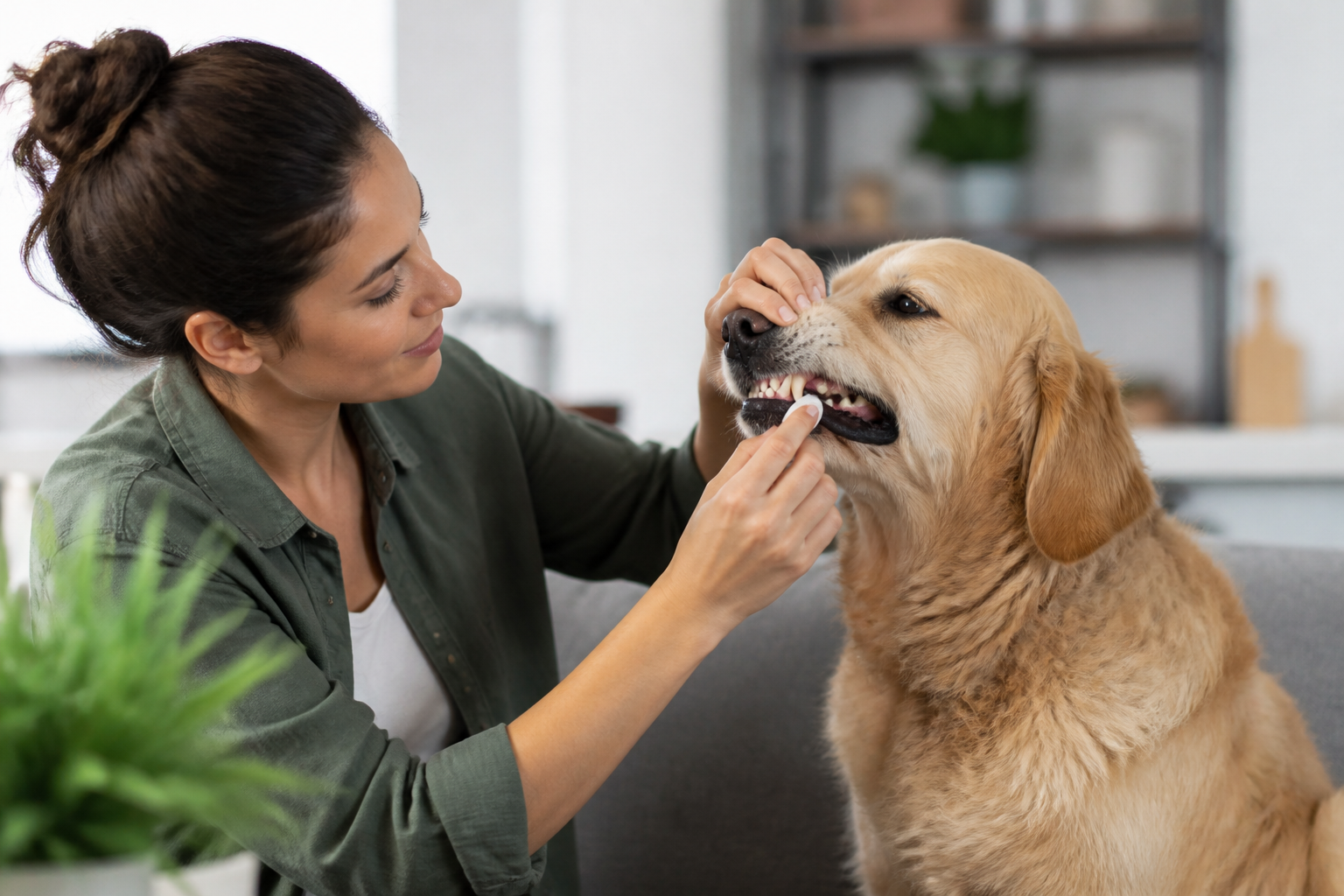
You might notice a bit of "dog breath" while snuggling with your pup on the couch. Then you see a yellowish buildup near the gum line. It is natural to look through your medicine cabinet for a quick fix. You see that brown bottle of hydrogen peroxide and wonder if it could safely scrub away the grime. At BaxterBoo, we know that keeping those pearly whites clean is a top priority for pet parents. However, using household chemicals on your pet can lead to unexpected trouble. This guide will explain why you should keep the peroxide for first aid and what you should use instead for a healthy canine mouth. We will cover the risks of DIY solutions and the best ways to maintain your dog's oral hygiene safely.
Quick Answer: No, you should not clean your dog's teeth with standard household hydrogen peroxide. It is a powerful emetic that can cause your dog to vomit. It also causes significant irritation or chemical burns to the sensitive tissues of the mouth and gums.
Why Hydrogen Peroxide Is Risky for Dogs
Hydrogen peroxide is a common household disinfectant used for cleaning small cuts. Some people also use it to whiten their own teeth in very specific, controlled ways. It might seem like a cheap and easy way to brighten a dog's smile. The reality is that dogs have very different biology than humans. They do not know how to "rinse and spit" like we do.
When you put hydrogen peroxide in a dog's mouth, they will inevitably swallow some of it. In the veterinary world, doctors actually use hydrogen peroxide to induce vomiting in dogs who have swallowed something toxic. If you use it to brush their teeth, you might end up causing a stomach upset or a messy cleanup. Beyond the risk of vomiting, peroxide is a bubbling agent. This reaction can be very frightening for a dog. The sensation of foaming in the mouth can lead to anxiety and make them fear future grooming sessions.
Key Takeaway: Hydrogen peroxide is an active chemical that can damage the delicate mucous membranes in a dog's mouth and lead to immediate digestive distress.
The Danger of Chemical Burns and Irritation
The gums of a dog are highly vascular and sensitive. Household hydrogen peroxide is usually a 3 percent solution. While that sounds low, it is strong enough to cause tissue irritation. If your dog already has gingivitis or red, inflamed gums, the peroxide will sting intensely. This pain can cause your dog to snap or pull away.
Repeated use can lead to chemical burns. These burns look like white or grey patches on the gums. They are painful and can actually make dental disease worse by damaging the healthy tissue that protects the tooth roots. Instead of helping, you are creating new wounds where bacteria can thrive.
Safe and Effective Dental Alternatives
You do not need to rely on risky home remedies to keep your dog's mouth healthy. There are many products designed specifically for the unique environment of a dog's mouth. Explore our dog dental care category for products focused on breaking down plaque without the need for harsh chemicals.
Enzymatic Toothpastes
The best tool for the job is an enzymatic toothpaste formulated for pets. These pastes contain enzymes that work to break down the protein film that leads to plaque. Unlike human toothpaste, they do not contain fluoride or foaming agents like Xylitol. Both of those ingredients are toxic to dogs.
Pet toothpastes come in flavors that dogs actually enjoy. You can find options like poultry, beef, or seafood. This turns the cleaning process into a treat rather than a chore. At BaxterBoo, we carry several trusted brands like Sentry and Kong that offer safe dental solutions. For example, OxyFresh Pet Dental Gel Toothpaste can be applied along the gum line with a finger or finger brush. Using pet-safe products ensures that even if your dog swallows the paste, they stay safe and happy.
Dental Chews and Toys
If your dog resists the brush, dental chews can be a helpful supplement. These are designed to be abrasive. As your dog chews, the texture scrapes against the surface of the teeth. Some of these chews also contain ingredients that help freshen breath.
- Look for the VOHC (Veterinary Oral Health Council) seal on packaging.
- Avoid very hard items like cooked bones or deer antlers.
- Choose toys with ridges and nubs that massage the gums.
- Supervise your dog to ensure they do not swallow large chunks of a chew.
For more ideas, read our guide to dental chews for dogs.
Understanding Plaque and Tartar
To keep a dog's mouth clean, you have to understand what you are fighting. It starts with plaque. This is a soft, sticky film of bacteria and food particles. You can easily remove plaque with a soft brush or a washcloth.
If plaque stays on the tooth for more than a few days, it reacts with minerals in the dog's saliva. It then hardens into tartar, also known as calculus. Tartar is like concrete. No amount of brushing or hydrogen peroxide will remove it. Only a professional veterinary cleaning with specialized tools can get tartar off the teeth. This is why daily prevention is so much better than a late-stage cure.
Vet Tip: If you see hard, brown, or tan deposits on your dog's teeth, brushing at home is no longer enough. Schedule a dental exam with your veterinarian to assess the health of the teeth below the gum line.
Learn more about warning signs in our article on bad teeth in dogs.
How to Properly Brush Your Dog's Teeth
Starting a brushing routine can feel daunting. However, most dogs can learn to accept it if you move slowly. The goal is to make the experience positive. Do not try to brush the whole mouth on the first day.
Step-by-Step Brushing Guide
Step 1: Introduce the flavor.
Let your dog lick a small amount of pet-safe toothpaste off your finger. This builds a positive association with the taste.
Step 2: Get them used to touch.
Gently lift your dog's lip and rub their teeth with your bare finger. This gets them used to the sensation of someone working in their mouth.
Step 3: Introduce the brush.
Apply a pea-sized amount of paste to a soft-bristled dog toothbrush. Let them sniff it and lick the paste again.
Step 4: Focus on the outside.
Gently brush the outside surfaces of the upper teeth. You do not need to worry about the inside surfaces near the tongue. Most plaque builds up on the side facing the cheek.
Step 5: Reward and repeat.
Give your dog plenty of praise or a small healthy treat after each session. Aim for at least three times a week, though daily is best.
For additional guidance, review these pet dental care tips.
Bottom line: Consistent brushing with pet-safe products is the only way to prevent the progression of periodontal disease.
The Role of Prescription Dental Diets
Sometimes brushing is not enough, especially for small breeds or dogs with a genetic tendency toward dental issues. In these cases, your veterinarian might recommend a prescription dental diet. Brands like Royal Canin and Farmina Vet Life offer specialized kibble designed to act like a toothbrush.
These kibbles are often larger and have a specific fiber matrix. Instead of shattering when the dog bites down, the tooth sinks into the kibble. This creates a mechanical scrubbing action. These diets can also contain minerals that bind to calcium in the saliva. This prevents it from turning plaque into tartar.
Professional Care and the BaxterBoo Pharmacy
Home care is a vital part of your dog's health, but it does not replace the vet. Dogs need professional cleanings just like humans do. During these visits, the vet can take X-rays to see if there is infection or bone loss hidden under the gums.
If your dog develops a dental infection or requires a specific prescription diet, our pet pharmacy is here to help. Our pharmacy offers FDA-approved medications and prescription pet foods through our partnership with Pet's Choice. Whether your vet prescribes an antibiotic for a gum infection or a specific dental health diet, you can find what you need through our pharmacy services. This ensures your dog gets high-quality, regulated products delivered right to your door.
Why Quality Matters in Dental Products
The pet market is full of "miracle" dental sprays and additives. Some of these may claim to contain "natural" cleaners that are actually diluted peroxides or alcohols. It is important to stick with brands that have a history of safety.
We carefully select the brands we carry. We look for manufacturers like NutriSource, Stella and Chewy's, and Zesty Paws because they prioritize ingredient quality. You can browse our selection of Sentry products when looking for established pet-care brands. This expertise helps you avoid the "DIY" traps that can lead to vet visits and high bills.
Managing Dental Health for Seniors
As dogs get older, their dental needs change. Senior dogs are much more likely to have loose teeth or sensitive gums. Brushing can become painful for them if they have undiagnosed issues. If your senior dog stops eating hard kibble or starts dropping food, it is a major red flag.
For older pets, we often recommend softer brushes or even finger brushes with silicone nubs. You should also be more cautious about hard chews. A senior dog's teeth can become brittle, and a hard bone could cause a fracture. Keeping their mouth clean in their golden years helps protect their heart and kidneys from the bacteria that enter the bloodstream through diseased gums.
- Switch to a soft-bristled brush.
- Monitor for bleeding during brushing.
- Check for foul breath, which can signal infection.
- Ensure they receive regular veterinary checkups.
The BaxterBoo Difference
We have been operating since 2006, and we have seen many pet trends come and go. One thing that never changes is the need for safe, practical care. We are not just a website; we are a real warehouse superstore in Vernon Hills, Illinois. We know the products we sell because we handle them every day.
Our team is dedicated to providing value without compromise. Programs like our MVP Rewards programme help you earn money back on every dental purchase. If you use dental chews or a specific toothpaste regularly, our Autoship programme can save you time and money. We want to make it as easy as possible for you to give your dog the best care.
Conclusion
Cleaning your dog's teeth with hydrogen peroxide is a risky move that can lead to pain, vomiting, and chemical burns. It is always better to use products specifically designed for canines. By sticking to enzymatic toothpastes, VOHC-approved chews, and regular brushing, you can keep your dog's smile bright and healthy. Remember that home care is only one piece of the puzzle. Regular veterinary exams and professional cleanings are essential for long-term health. If your vet prescribes a special diet or medication for your dog's dental health, the BaxterBoo Pharmacy and Pet's Choice are ready to help.
Key Takeaway: Protect your dog's mouth by avoiding household chemicals and choosing vet-recommended dental tools and treats instead.
FAQ
Is there any safe way to use hydrogen peroxide for a dog's teeth?
Generally, no. You should avoid using the liquid hydrogen peroxide found in drugstores. While some professional veterinary dental products may contain very specific peroxide derivatives, these are balanced and tested for safety. Using a DIY solution at home carries a high risk of causing your dog to vomit or suffer from oral irritation.
What happens if my dog swallows human toothpaste?
Human toothpaste often contains fluoride and Xylitol, both of which are toxic to dogs. Xylitol can cause a life-threatening drop in blood sugar and liver failure. If your dog swallows a significant amount of human toothpaste, contact your veterinarian or an animal poison control center immediately. Always use toothpaste made specifically for pets.
How often should I brush my dog's teeth to see results?
For the best results, you should aim to brush your dog's teeth every day. This prevents plaque from hardening into tartar. If daily brushing is not possible, three times a week is the minimum recommended frequency to maintain decent oral health. Combining brushing with dental chews and a healthy diet can also help.
Can a dog's bad breath be cured by just cleaning their teeth?
While cleaning can help, very foul breath often signals an underlying issue like a tooth infection, gum disease, or even internal health problems. If your dog's breath is exceptionally bad despite regular brushing, it is time for a veterinary visit. A professional cleaning and exam can identify and treat the root cause of the odor.






