
 Save 15% on your 1st Autoship learn more

 Email us
 Live Chat
 FAQs
FAQs





Introduction
You are leaning over to give your dog a friendly pat, and a sudden wave of "dog breath" hits you. It is a common moment for many pet owners. You might look into your medicine cabinet and see a bottle of hydrogen peroxide, wondering if a quick scrub could solve the problem. At BaxterBoo, we hear these types of questions often from well-meaning owners looking for practical solutions. While it might seem like a simple DIY fix, using peroxide in your dog's mouth is not safe. This article explains the risks of using harsh chemicals on your pet and provides safer, more effective ways to keep their mouth healthy. We will cover the tools you actually need and how to spot signs that your dog needs professional help. Understanding proper dental care is the best way to ensure your dog stays comfortable and healthy for years.
Quick Answer: No, you should not use hydrogen peroxide to clean your dog's teeth. It can cause severe irritation to the gums and lead to nausea or vomiting if your dog swallows even a small amount.
Why Hydrogen Peroxide Is Unsafe for Dogs
Hydrogen peroxide is a staple in many first aid kits for cleaning external wounds. However, the chemistry that makes it useful for skin does not translate well to the delicate tissues of a dog's mouth. When peroxide contacts the gums, it can cause bubbling and irritation. This often leads to redness, swelling, and pain for your pet. If your dog has any small sores or gum recession, the peroxide can be even more painful.
The biggest risk comes from ingestion. Dogs cannot "swish and spit" like humans do. They will naturally swallow whatever you put in their mouth. Hydrogen peroxide is a known emetic for dogs, which means it is used by veterinarians to induce vomiting in emergencies. If you use it for dental cleaning, you risk making your dog sick to their stomach. Even a small amount can disrupt the natural pH balance of their digestive tract.
The Problem With Foaming Actions
Many people think the foaming action of peroxide is a sign that it is "working" to kill bacteria. In reality, that foam can be frightening for a dog. It can also cause them to inhale the liquid or foam into their lungs. This creates a risk of aspiration pneumonia, which is a serious medical condition.
Long Term Damage to Enamel
Repeated use of harsh chemicals can also wear down the protective enamel on your dog's teeth. Once enamel is damaged, it does not grow back. This leaves the sensitive inner parts of the tooth exposed to bacteria and temperature changes. It makes the teeth more prone to fractures and decay over time.
Key Takeaway: Hydrogen peroxide is too caustic for oral use in pets. It causes pain, potential vomiting, and can damage the protective layer of the teeth.
The Risks of Other Common Home Remedies
Peroxide is not the only household item owners consider for pet dental care. Baking soda is another popular suggestion found in DIY blogs. While baking soda is a common ingredient in human toothpaste, it is not ideal for dogs. It has a very high sodium content. If a dog swallows too much baking soda, it can cause an electrolyte imbalance. This is particularly dangerous for dogs with underlying heart or kidney conditions.
Human Toothpaste Dangers
You should never use human toothpaste on a dog. Many brands contain xylitol, which is an artificial sweetener. Xylitol is extremely toxic to dogs and can be fatal even in small amounts. It causes a rapid drop in blood sugar and can lead to liver failure. Even if the toothpaste does not have xylitol, it likely contains fluoride and foaming agents like sodium lauryl sulfate. These are meant to be spat out, not swallowed.
The Danger of Raw Bones
Some owners believe that giving a dog a raw bone is the "natural" way to clean teeth. While chewing does help scrape off some plaque, bones carry significant risks. They can splinter and cause internal punctures. Very hard bones can also cause slab fractures in the teeth. A fractured tooth is incredibly painful and usually requires a surgical extraction.
- Avoid any DIY recipes containing peroxide or baking soda.
- Never use human toothpaste or mouthwash.
- Be cautious with hard bones that do not "give" when bitten.
- Look for products with the VOHC seal of approval instead.
Understanding the Difference Between Plaque and Tartar
To clean a dog's teeth effectively, you must understand what you are fighting. Dental disease starts with plaque. This is a soft, sticky film of bacteria and food particles that forms on the teeth within hours of eating. At this stage, plaque is easy to remove with a simple brush.
If plaque is not removed, it reacts with the minerals in your dog's saliva. Within 48 to 72 hours, it begins to harden into tartar, also known as calculus. Tartar is like cement. It is a brown or yellow crust that sticks firmly to the tooth surface. Once tartar has formed, no amount of brushing or "natural" cleaning will remove it.
Why Tartar Is a Health Risk
Tartar provides a rough surface that allows even more plaque to build up. This cycle leads to gingivitis, which is inflammation of the gums. If left unchecked, the bacteria can migrate under the gumline. This destroys the bone and tissues that hold the teeth in place. This condition is called periodontal disease. It is painful and can lead to systemic health issues.
Vet Tip: If you notice a thick, brown crust on your dog's teeth that won't brush away, it is tartar. You should consult your veterinarian for a professional cleaning, as home brushing cannot fix existing tartar buildup.
For additional guidance on warning signs, read what to do when your dog has bad teeth.
How to Safely Clean Your Dog's Teeth at Home
The gold standard for home care is brushing with pet-safe toothpaste. This is the most effective way to disrupt plaque before it hardens. You do not need to spend an hour on this process. Even a quick 30 second session a few times a week can make a massive difference in your dog's health.
Step 1: Choose the Right Environment
Find a quiet time when your dog is relaxed. Do not try to brush their teeth when they are excited or full of energy. Use a lot of verbal praise to make it a positive experience.
Step 2: Introduce the Paste
Let your dog lick a small amount of pet-safe toothpaste off your finger. These pastes come in flavors like poultry, beef, or seafood. Most dogs view it as a treat. This helps them associate the cleaning with something they enjoy.
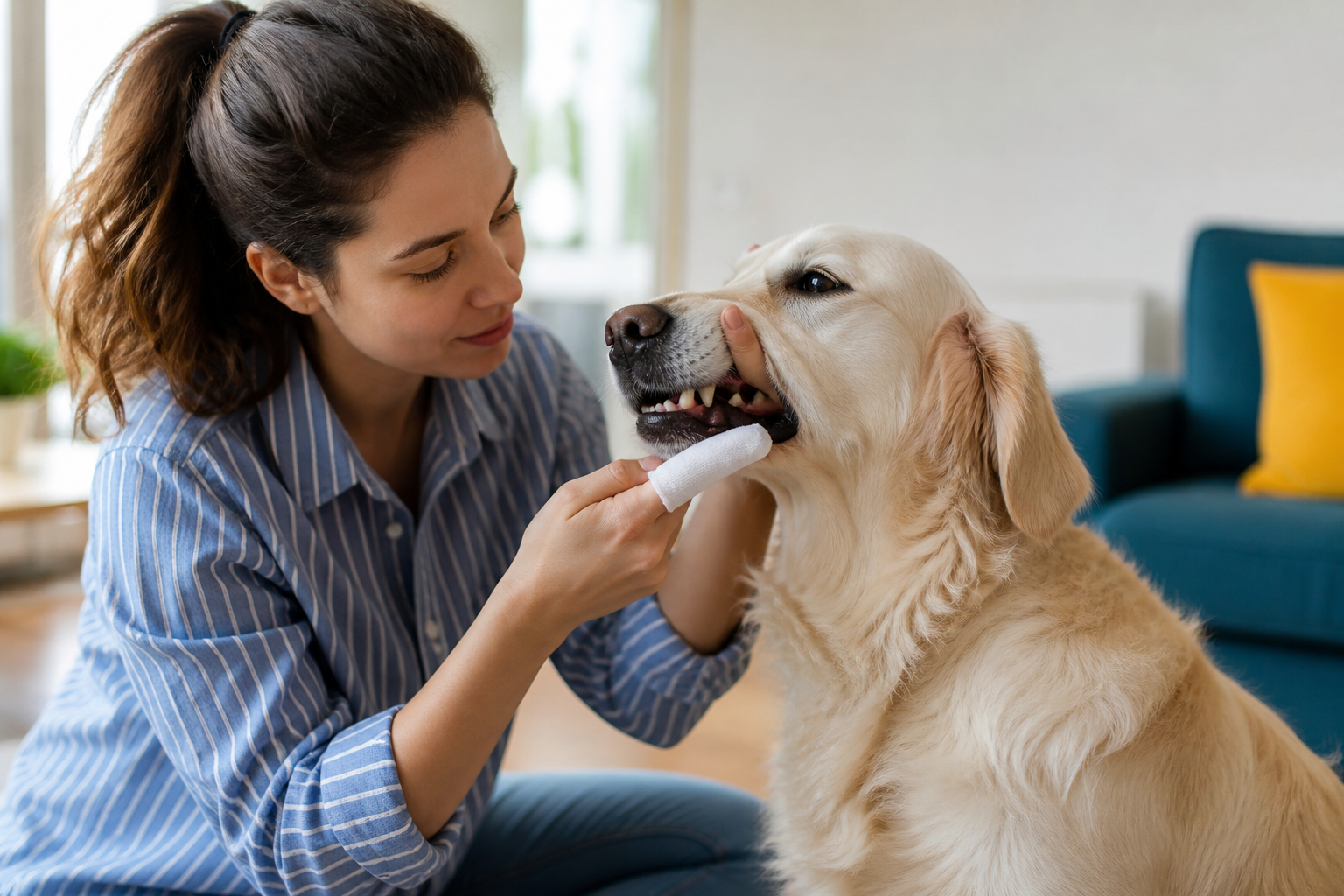
Step 3: Use Your Finger First
Before using a brush, rub your finger along their gums and teeth. This gets them used to the sensation of someone touching their mouth. If they are comfortable with this, you can move on to a brush.
Step 4: The Brushing Motion
Focus on the outside surfaces of the teeth. This is where most plaque and tartar accumulate. You do not usually need to worry about the inside surfaces near the tongue, as the tongue does a decent job of cleaning those areas. Use gentle, circular motions along the gumline.
Bottom line: Consistent, gentle brushing with pet-specific products is the safest and most effective way to maintain oral health at home.
For more practical guidance, see the top pet dental care tips.
Choosing the Right Dental Tools and Products
You do not need an expensive setup to keep your dog's mouth clean. However, using the right tools makes the job much easier. We carry a wide variety of brushes and pastes from brands like Kong and Greenies that are designed specifically for the anatomy of a dog's mouth. Browse our dog dental care selection to find suitable options.
Toothbrushes
A standard human toothbrush is often too hard for a dog's gums. Look for a brush with very soft bristles. You can choose a double-headed brush that cleans both sides of the tooth at once, or a finger brush. Finger brushes are great for small dogs or for owners who are just starting out. They give you more control and feel more natural to the dog.
Pet-Safe Toothpaste
Always buy toothpaste specifically labeled for dogs. These formulas do not foam and are safe to swallow. Many contain enzymes that help break down plaque even after you stop brushing.
Water Additives
If your dog absolutely refuses a brush, water additives are a helpful secondary option. You simply add a small amount to their water bowl. These products contain ingredients that help reduce the bacterial load in the mouth. While they are not a replacement for brushing, they are better than doing nothing at all. Our dog dental and breath care products include water additives and other oral-care options.
The Role of Diet and Dental Chews
What your dog eats every day plays a major role in their oral hygiene. Some foods are formulated to help scrub the teeth as the dog chews. If your veterinarian recommends a specific dental diet, we can help you fulfill that need. Through our partnership with Pet's Choice, our pharmacy carries prescription pet foods for various health conditions, including dental management.
Specialized Kibble
Brands like Royal Canin and Farmina Vet Life offer kibble designed with a specific texture. These pieces are often larger and do not crumble immediately when bitten. Instead, the tooth sinks into the kibble, which creates a mechanical scrubbing action. This helps remove plaque from the surface of the tooth.
Dental Chews and Treats
Dental chews are a favorite for many dogs. Products like Greenies are designed to be flexible, allowing the dog's teeth to sink in deep. When choosing a chew, look for the Veterinary Oral Health Council (VOHC) seal. This tells you the product has been tested and proven to reduce plaque or tartar. Explore our selection of Greenies products for dental chew options.
- Kong Toys: Stuffing a Kong with healthy treats encourages chewing, which stimulates saliva production. Saliva is a natural defense against mouth bacteria.
- Dental Ropes: Cotton rope toys can act like dental floss as your dog plays tug or chews on them.
- Avoid Hard Plastics: If a toy is so hard that it would hurt your shin if you got hit with it, it is likely too hard for your dog's teeth.
Key Takeaway: A combination of the right kibble, VOHC-approved chews, and safe chew toys provides a multi-layered defense against dental disease.
For chew-based enrichment, explore our KONG dental dog toys.
The Connection Between Oral Health and Whole-Body Wellness
Dental care is about more than just fresh breath. The mouth is the gateway to the rest of the body. When a dog has advanced periodontal disease, the gums become a source of chronic infection. The tissues are inflamed and often bleed. This allows bacteria to enter the bloodstream directly.
Once in the blood, these bacteria can travel to major organs. Studies have shown a link between poor oral health and damage to the heart, liver, and kidneys. In senior dogs, this extra strain on the organs can significantly decrease their quality of life. By keeping the mouth clean, you are actually protecting your dog's vital organs.
Recognizing the Signs of Pain
Dogs are notorious for hiding pain. They will often continue to eat even if they have a broken tooth or a severe abscess. You have to look for subtle signs:
- Dropping food while eating
- Chewing on only one side of the mouth
- Pawing at the face or rubbing the muzzle on the carpet
- Excessive drooling
- A sudden change in temperament or reluctance to play with toys
Vet Tip: If your dog shows any signs of oral pain or has difficulty eating, skip the home cleaning and see a vet immediately. An undiagnosed infection can be very painful and requires professional medical treatment.
When to See a Veterinarian for Professional Cleaning
Home care is a preventative measure, but it is not a cure for existing dental disease. Most dogs will eventually need a professional dental cleaning. This is very similar to what humans experience at the dentist, but with one major difference: dogs require anesthesia.
Why Anesthesia Is Necessary
You cannot ask a dog to hold still and "open wide" while a technician uses sharp tools near their gums. Anesthesia allows the veterinarian to perform a thorough exam. They can take X-rays to see what is happening beneath the gumline, where 60 percent of dental disease occurs. They can also scale away tartar and polish the teeth without causing the dog any stress or pain.
What Happens During a Cleaning?
During a professional cleaning, the vet will:
- Perform a full physical exam and blood work to ensure anesthesia safety.
- Use an ultrasonic scaler to remove tartar from all tooth surfaces.
- Probe the "pockets" between the teeth and gums to check for bone loss.
- Polish the teeth to smooth out any micro-scratches where bacteria could hide.
- Extract any teeth that are too diseased to be saved.
Frequency of Cleanings
The frequency of professional cleanings depends on your dog's breed, age, and home routine. Small breeds often need more frequent cleanings because their teeth are crowded together, which traps more food and bacteria. Your vet can give you a personalized schedule during your dog's annual checkup.
Bottom line: Professional veterinary cleanings are an essential part of a complete pet wellness plan and cannot be replaced by home brushing alone.
Maintaining a Routine for Long-Term Success
The best way to ensure you actually stick to a dental routine is to make it easy. We suggest keeping your dog's toothbrush and paste near their food or in a place where you will see it every day. Linking the habit to another activity, like right before their evening walk, helps you remember.
Using Rewards
Always end a brushing session with a reward. This could be a favorite toy, a walk, or a dental treat. You want your dog to think of brushing as the "gateway" to something fun. Over time, many dogs will actually get excited when they see the toothbrush come out.
Starting Young
If you have a puppy, start touching their mouth and "brushing" with a soft cloth immediately. They do not have tartar yet, but you are building the habit. This makes it much easier to handle their mouth when they are adults and actually need the cleaning.
Caring for Seniors
Senior dogs may have more sensitive mouths. Be extra gentle and use a very soft brush. If your senior dog has already lost some teeth, you can still brush the remaining ones to prevent further loss. Check their mouth weekly for any new lumps, bumps, or changes in gum color.
Safe Dental Care Starts with Knowledge
Keeping your dog's teeth clean does not require harsh chemicals like peroxide or risky DIY hacks. It requires consistency and the right tools. By choosing pet-safe products and working with your veterinarian, you can prevent most dental issues before they start.
At BaxterBoo, we have been helping pet owners find the right gear since 2006. Our team handpicks every product we carry to ensure it meets our standards for safety and quality. Whether you need a simple finger brush or a specific dental diet, we are here to support your pet's health journey. Our MVP Rewards programme also helps you save on these essential supplies, so you never have to skip a cleaning.
If your dog is currently struggling with bad breath or visible tartar, the first step is always a veterinary consultation. Once they give you the all-clear, we have everything you need to start a successful home routine.
Key Takeaway: Skip the peroxide and stick to vet-approved methods. A healthy mouth leads to a longer, happier life for your dog.
FAQ
Can I use a human toothbrush on my dog if it is very soft?
You can use a child-sized soft toothbrush in a pinch, but a pet-specific brush is usually better. Dog brushes are angled to reach the back molars more easily and have bristles designed for a dog's gum sensitivity. Avoid any brushes with hard bristles as they can cause bleeding and pain.
How often should I actually brush my dog's teeth?
Ideally, you should brush your dog's teeth every single day to stay ahead of plaque formation. If daily is not possible, aim for at least three times a week. Brushing once a month is not enough to prevent tartar from hardening and will not have a significant impact on their oral health.
What if my dog hates the taste of the toothpaste?
Pet toothpastes come in many different flavors, so try switching from poultry to beef or peanut butter. If your dog still resists, you can brush with just plain water or a bit of tuna juice. The mechanical action of the bristles is the most important part of the cleaning process.
Are there any safe dental sprays for dogs?
Yes, there are many safe dental sprays that use enzymes or antiseptic ingredients to help reduce bacteria. These are great for dogs that do not allow brushing, but they should be used as a supplement rather than a total replacement. Always ensure the spray is specifically formulated for dogs and check for the VOHC seal if possible.






