
 Save 15% on your 1st Autoship learn more

 Email us
 Live Chat
 FAQs





Introduction
It usually starts with a sound. You are sitting on the couch when you hear that unmistakable gurgle coming from your dog's midsection. Maybe you have noticed their stools have become inconsistent, or perhaps they have been a little more gassy than usual after dinner. As pet owners, we often reach for solutions that can provide long-term relief rather than just a quick fix. You might have heard that probiotics can help, but a big question remains. Is it safe or even helpful to provide these supplements every single day? At BaxterBoo, we talk to pet owners daily who are looking for ways to support their dogs' digestive health through every life stage. In this article, we will explore the safety, benefits, and practical steps for giving your dog daily probiotics. We will also look at how to choose the right strains to keep their gut microbiome in perfect balance.
What Are Probiotics for Dogs
Probiotics are live, beneficial microorganisms that live in your dog's gastrointestinal tract. You can think of them as the "good" bacteria that help maintain a healthy internal environment. Your dog's gut is home to billions of bacteria, fungi, and other microbes known collectively as the microbiome. When this microbiome is balanced, your dog's body can digest food efficiently, absorb vital nutrients, and defend itself against harmful pathogens.
However, this balance is delicate. Factors like stress, a sudden change in diet, or a course of antibiotics can wipe out the good bacteria. This allows "bad" bacteria to take over, which often leads to digestive upset. Probiotics work by moving into the gut and helping to restore that natural equilibrium. They do not just sit there. They actively produce short chain fatty acids that inhibit the growth of harmful bacteria like Salmonella or E. coli.
Quick Answer: Yes, you can give your dog probiotics every day. For most healthy dogs, daily supplementation is the best way to maintain a consistent population of beneficial bacteria and support long term digestive health.
Dog Digestive & Urinary Aids










Why Consistency Matters for Gut Health
Many people wonder if they can just give a probiotic when their dog has a bout of diarrhea. While that can help in the short term, the real power of probiotics comes from daily use. These beneficial bacteria are often transient. This means they do not stay in the gut forever. They pass through the digestive system and perform their work as they go. If you stop giving them, the levels of these helpful microbes will begin to drop within a few days.
By providing a daily dose, you ensure that there is always a fresh supply of reinforcements for your dog's immune system. This is especially important because a staggering 70 percent of a dog's immune system is located in their gut. A consistent routine helps the gut lining stay strong. This prevents unwanted substances from leaking into the bloodstream, a condition often referred to as "leaky gut."
The Science of Daily Benefits
The benefits of daily probiotics go far beyond just "better poop." While firmer stools are a great sign, the internal changes are even more significant. When you provide a high quality supplement consistently, you are supporting several different body systems at once.
Improved Nutrient Absorption
A healthy gut is more efficient at breaking down kibble or fresh food. This means your dog gets more value out of every bowl of food. You might notice their energy levels becoming more stable or their weight staying in a healthier range because their body is actually using the fuel you provide.
Immune System Resilience
Since most of the immune system lives in the gut, a daily probiotic acts like a daily workout for their natural defenses. It helps the body recognize the difference between harmless food particles and dangerous viruses or bacteria. This can be a huge help for dogs that suffer from seasonal allergies or frequent skin irritations.
The Gut Brain Connection
This is one of the most exciting areas of pet health research. The gut and the brain are in constant communication through the vagus nerve. Studies have shown that certain probiotic strains can actually help reduce anxiety in dogs. For example, Bifidobacterium longum has been linked to calmer behavior in dogs that are prone to barking or pacing during stressful events.
Key Takeaway: Daily probiotics provide a steady defense for the immune system and can even help manage anxiety through the gut-brain axis.
Choosing the Right Probiotic Strains
Not all probiotics are created equal. If you look at a supplement label, you will see long, scientific names. It is important to know which ones actually do the heavy lifting for dogs. Some products use human grade strains that might not survive the highly acidic environment of a dog's stomach. You want strains that are proven to work for canines.
- Bifidobacterium animalis: This is a powerhouse strain for improving stool quality and helping dogs recover from acute diarrhea.
- Lactobacillus acidophilus: This is one of the most common and effective strains for general digestive maintenance.
- Enterococcus faecium: Often found in high quality supplements, this strain helps inhibit the growth of harmful bacteria in the small intestine.
- Bacillus coagulans: This is a spore-forming bacterium. It is very hardy and can survive high temperatures and stomach acid, making it very effective when it reaches the gut.
At BaxterBoo, we make sure to carry brands like Zesty Paws and Honest Paws that prioritize these specific, researched strains. We want to ensure that what you put in your dog's food actually makes it to where it is needed most.
Probiotics vs Prebiotics
You will often see these two terms used together. It is helpful to understand the difference so you can choose the best supplement. If probiotics are the "good" bacteria, prebiotics are the food that keeps them alive. Prebiotics are typically types of fiber that the dog cannot digest, but the bacteria can.
Common prebiotics include inulin, chicory root, and fructooligosaccharides (FOS). When a supplement contains both, it is called a "synbiotic." This is often the best choice because it provides the bacteria and the lunchbox they need to survive the journey into the gut.
Checklist for Choosing a Supplement
- Does it list the specific strains?
- Is there a "Guaranteed Analysis" of CFUs (Colony Forming Units)?
- Does it include a prebiotic like inulin?
- Is the expiration date clearly visible?
- Is it formulated specifically for dogs?
For additional guidance on selecting supplements, read our pet supplement guide.
How Much Should I Give Each Day
The amount of probiotics is measured in Colony Forming Units, or CFUs. This tells you how many live, active bacteria are in a single dose. While it sounds like a lot, most dogs need between 1 billion and 10 billion CFUs per day to see a real difference.
The exact dose often depends on the weight of your dog and the specific reason you are giving the supplement. A small puppy might only need a billion CFUs, while a giant breed dog or a dog recovering from a severe illness might need a much higher dose. Always follow the packaging instructions or consult your vet for a specific recommendation tailored to your pet.
Vet Tip: If your dog is currently on antibiotics, wait at least two hours after giving the medication before providing the probiotic. Antibiotics are designed to kill bacteria, and they do not distinguish between the "bad" ones causing an infection and the "good" ones in the supplement.
Integrating Probiotics into the Daily Routine
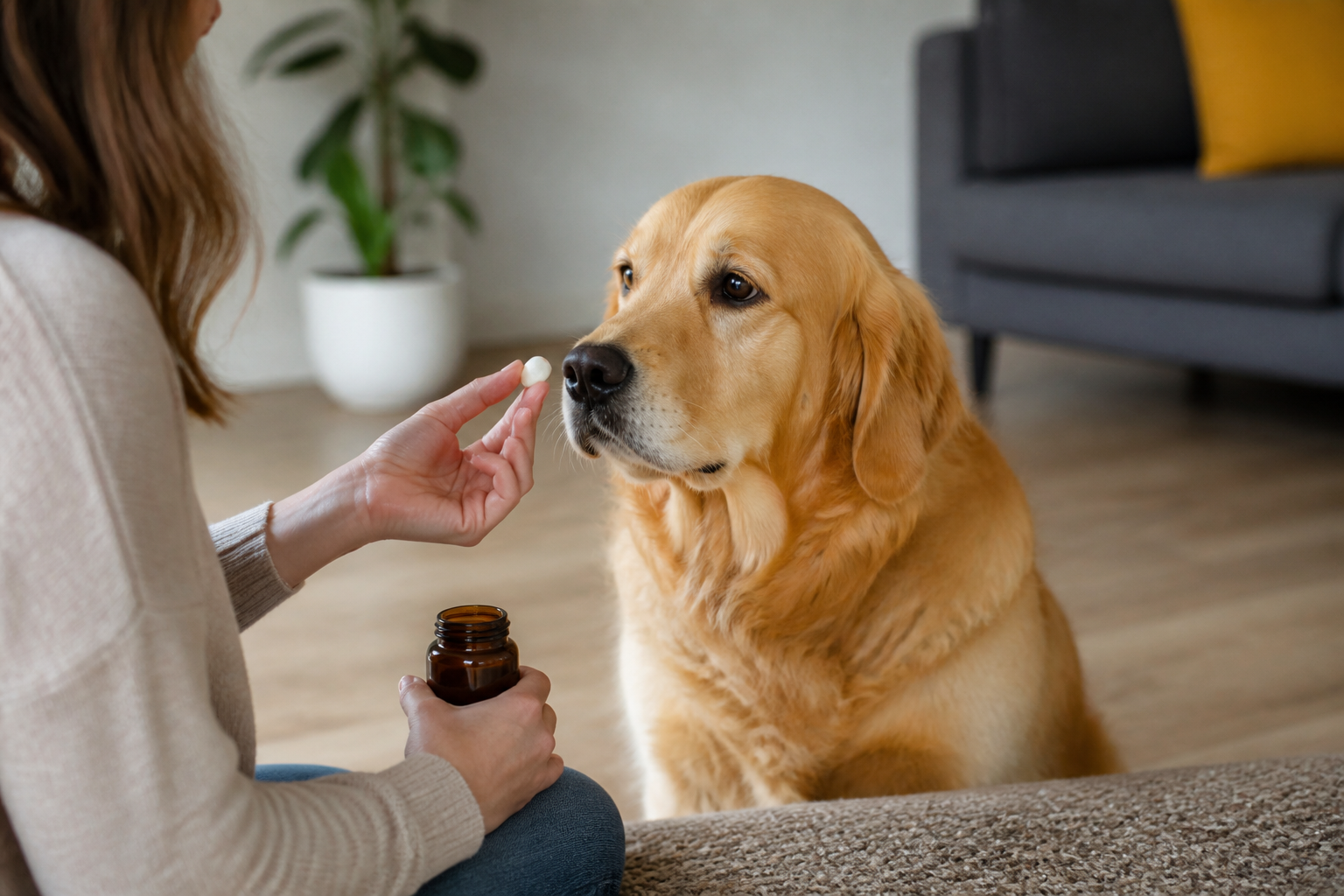
Most dogs are not picky about how they get their probiotics. Many modern supplements come in the form of tasty soft chews that dogs think are treats. However, if you have a picky eater, you have other options.
Powders and Gels
Powders are great because you can sprinkle them directly onto wet or dry food. If your dog eats kibble, you might want to add a tiny bit of water or salmon oil to help the powder stick to the nuggets. Gels are often used for dogs that are refusing food or need a more concentrated dose.
Real Food Sources
Some people prefer to give "real" food. Plain, unsweetened Greek yogurt or kefir can be a source of probiotics. However, you must be very careful. Many dogs are lactose intolerant, and dairy can actually cause the diarrhea you are trying to prevent. Also, you must ensure the yogurt contains no Xylitol, which is a sweetener that is highly toxic to dogs.
Step-by-Step Introduction
- Start with a half dose. Give your dog a few days to adjust to the new bacteria.
- Monitor their stool. Look for any signs of increased gas or temporary softness.
- Increase to the full dose. Once their system is stable, move to the amount recommended on the label.
- Stay consistent. Feed the probiotic at the same time every day, preferably with a meal.
When Probiotics Are Essential
While every dog can benefit from a healthy gut, there are certain times when daily probiotics are almost mandatory for wellness. If your dog is going through a transition, their microbiome is likely under fire.
Transitioning Foods
If you are moving your dog from a puppy food to an adult formula, or switching brands, their gut needs to adapt to new proteins and fiber levels. A daily probiotic can make this transition much smoother and prevent the dreaded "transition tummy."
For more nutrition ideas during puppyhood, explore this guide to holistic puppy ingredients.
Stressful Events
Dogs are creatures of habit. Events like moving to a new house, boarding at a kennel, or even a long car ride can cause "stress diarrhea." Starting a probiotic regimen a week before a known stressful event can help prepare their gut for the physical toll of anxiety.
Senior Dogs
As dogs age, their digestive systems become less efficient. Their natural populations of good bacteria can begin to decline. Daily probiotics for senior dogs can help with nutrient absorption and keep their immune system functioning as they get older.
Safety and Potential Side Effects
Probiotics are remarkably safe. Because they are a natural part of the body's ecosystem, it is very difficult to "overdose" on them. However, introducing them too quickly can lead to some temporary discomfort.
You might notice your dog has more gas than usual for the first three or four days. Some dogs might even have slightly looser stools during the adjustment period. This is usually just a sign that the microbiome is shifting. If these symptoms last more than a week, or if your dog seems to be in pain, it is a good idea to pause and talk to your veterinarian.
Special Cases
Dogs with severely compromised immune systems should only take probiotics under the direct supervision of a vet. In very rare cases, the body might not be able to manage even "good" bacteria. Additionally, if your dog has a known allergy to a specific protein used in a flavored chew, look for a hypoallergenic powder version instead.
Bottom line: Side effects are rare and usually mild, but a slow introduction is the best way to keep your dog comfortable.
The BaxterBoo Pharmacy and Prescription Diets
Sometimes, a standard over the counter probiotic is not enough. For dogs with chronic conditions like Inflammatory Bowel Disease (IBD) or severe food allergies, a specialized approach is required. In these cases, your veterinarian might prescribe a therapeutic probiotic or a prescription GI diet.
Our pet pharmacy for dogs carries FDA-approved medications and prescription pet foods through our partnership with Pet's Choice. This includes high quality options like Farmina Vet Life, which is formulated specifically for managing complex health needs. If your vet has recommended a prescription diet to go along with your dog's daily supplements, you can easily manage those orders through us to ensure your dog never misses a day of support.
Can Puppies Have Probiotics Everyday
Puppies have very sensitive, developing digestive systems. They are constantly exploring the world with their mouths, which means they are frequently picking up new bacteria from the ground. A daily probiotic for a puppy can be a great way to help them build a strong foundation for their immune system.
It can also be helpful during the weaning process or when they are getting their first round of vaccinations. Just make sure you are using a dose appropriate for their smaller weight. Many breeders and trainers recommend starting a daily gut health routine as soon as the puppy arrives in their new home.
Monitoring Your Success
How do you know if the daily probiotics are actually doing anything? You have to be a bit of a "poop detective." After about two to three weeks of consistent use, you should start to see patterns.
- Consistency: Stools should be firm and easy to pick up.
- Frequency: Your dog should have a regular schedule for going potty.
- Gas: A significant reduction in flatulence is a common sign of a balanced gut.
- Coat Quality: While it takes longer to see, a shinier, less itchy coat often points to a healthy gut-skin axis.
- Breath: Sometimes, bad breath is caused by gases rising from the digestive tract. A healthier gut can lead to fresher breath.
If you don't see any changes after a month, you might want to try a different brand or a different strain. Every dog's microbiome is unique, and what works for one might not work for another.
Value and Convenience with Autoship
Managing your dog's daily health should not be a chore. Since probiotics work best when given every single day, the last thing you want is to run out of your supply. We recommend using our Autoship program to ensure you always have your dog's favorite chews or powders on hand. Not only does this save you money on your orders, but it also gives you a free MVP Gold membership, helping you earn rewards even faster. At BaxterBoo, we want to make it as easy as possible for you to stay consistent with your pet's wellness routine.
Learn more about the benefits of the MVP Rewards programme while planning your recurring pet-care purchases.
Conclusion
Giving your dog probiotics every day is a simple, effective way to support their overall health. From helping with digestion and stool consistency to boosting their immune system and managing stress, these beneficial bacteria play a vital role in your dog's life. Remember to choose dog specific strains, introduce the supplement slowly, and stay consistent with the routine.
- Daily use is safer and more effective than occasional use.
- Look for specific strains like Bifidobacterium animalis.
- Introduce slowly to avoid temporary gas.
- Consult your vet for chronic health issues.
If you are ready to start your dog on a gut health journey, take a look at our dog digestive health collection. Our team at BaxterBoo is here to help you find exactly what fits your dog's specific needs.
Key Takeaway: A daily probiotic is a cornerstone of preventative pet care that supports everything from the gut to the brain.
FAQ
Can I give my dog human probiotics like yogurt or Yakult?
While some human foods like plain Greek yogurt contain probiotics, they often don't have the specific strains dogs need. Many dogs also struggle to digest dairy, which can cause upset stomachs. It is always safer to use a supplement formulated specifically for a dog's unique digestive pH and bacterial needs.
How long does it take for daily probiotics to start working?
You might notice an improvement in stool quality within a few days, but it usually takes about two to four weeks of daily use to see the full benefits. Changes to the immune system and coat health take the longest to appear. Consistency is the most important factor in seeing results.
Can my dog take probiotics while they are on antibiotics?
Yes, and many vets actually recommend it to prevent "antibiotic-associated diarrhea." However, you should wait at least two hours between the antibiotic dose and the probiotic dose. This ensures that the antibiotic does not immediately kill the beneficial bacteria you are trying to introduce.
Are there any dogs that should not take probiotics daily?
Most dogs can take them safely, but dogs with severely compromised immune systems or those undergoing certain cancer treatments should only take them under veterinary guidance. If your dog is extremely ill or has a history of complex internal health issues, always check with your vet before adding any new supplement to their diet.






- Site & Contents BaxterBoo.com. BaxterBoo is located in the United States.
- Privacy & Security
- Terms of Use
- Accessibility Statement
