Save 15% on your 1st Autoship learn more

 Email us
 Live Chat
 FAQs
FAQs





Introduction
It usually starts with a sudden rush to the back door or an unfortunate discovery on the living room rug. Watching your dog struggle with a bout of diarrhea is stressful for both of you. You want to help them feel better quickly, and you might have heard that probiotics are a good solution. At BaxterBoo, we frequently help pet parents navigate digestive health questions just like this one.
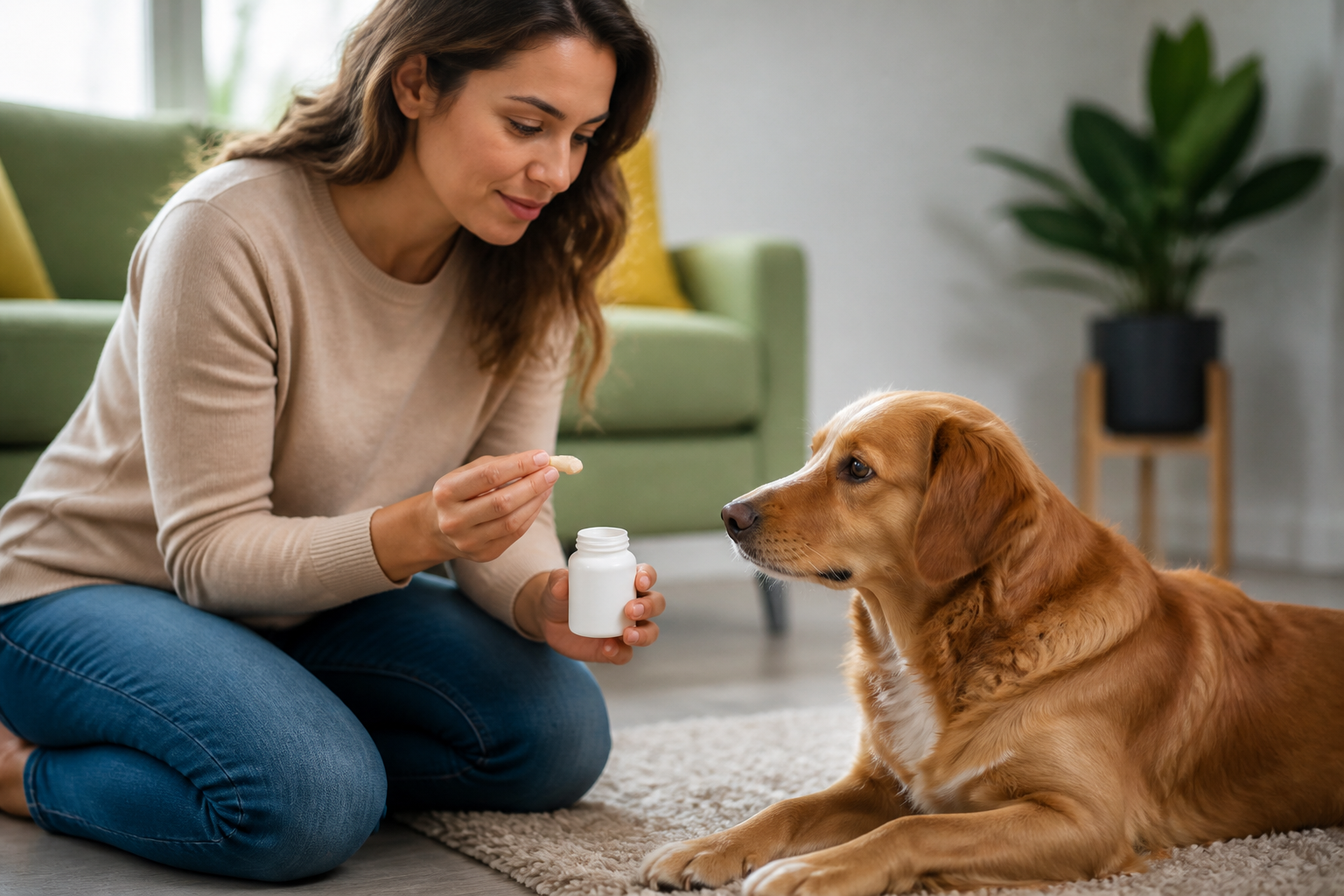
The short answer is yes, you can give your dog probiotics for diarrhea. These beneficial bacteria help restore balance to the gut and can speed up recovery from loose stools. This article explains how probiotics work, which strains are most effective, and when it is time to call your veterinarian. Our goal is to help you understand how to use these supplements safely to get your dog back to their happy, healthy self.
Quick Answer: You can give your dog probiotics to help manage diarrhea caused by stress, diet changes, or antibiotics. These supplements introduce beneficial bacteria to the gut to restore balance. Always choose a dog-specific product and consult your vet if the diarrhea is severe or persistent.
What Exactly Are Probiotics for Dogs?
Probiotics are living microorganisms that provide health benefits when they are consumed. Most people think of them as "good" or "friendly" bacteria. Your dog already has billions of these microbes living in their gastrointestinal tract. This collection of bacteria, yeast, and other microbes is called the microbiome.
When your dog is healthy, the good bacteria outnumber the harmful ones. This balance supports digestion, helps the body absorb nutrients, and keeps the immune system strong. However, this balance is fragile. When things go wrong, the harmful bacteria can take over. This imbalance often leads to gas, bloating, and diarrhea.
Probiotic supplements work by adding more of the beneficial bacteria back into the system. This helps crowd out the harmful microbes and resets the environment in the gut. We carry many reputable brands like Zesty Paws and Purina that offer these supplements in various forms. You can find them as powders, capsules, or even flavored soft chews that dogs think are treats. Browse our dog probiotic collection to compare available options.
How Probiotics Help with Dog Diarrhea
Diarrhea happens when fecal material moves too quickly through the intestines. This speed prevents the colon from absorbing water properly, resulting in loose or liquid stools. Probiotics help slow things down by stabilizing the intestinal environment.
There are three common situations where we see probiotics make a real difference for dogs:
- Dietary Indiscretion: This is the polite term for when a dog eats something they should not have. Whether it was a "gift" from the kitchen trash or a sudden change in their regular kibble, probiotics help the gut process the change.
- Stressful Events: Stress can physically change the makeup of the gut microbiome. Boarding, moving to a new home, or even a loud thunderstorm can trigger "stress colitis." Giving probiotics a few days before a known stressful event can often prevent the diarrhea from starting.
- Antibiotic Use: Antibiotics are life saving, but they are not selective. They kill the bad bacteria causing an infection, but they also wipe out the good bacteria in the gut. This often leads to "antibiotic associated diarrhea."
Key Takeaway: Probiotics act as a physical barrier against pathogens in the gut. They help restore the natural microbial balance that gets disrupted by stress, poor diet, or medication.
Understanding Different Probiotic Strains
Not all probiotics are the same. A product that helps a human with a stomach ache might not do much for a dog with a sensitive stomach. Bacteria are classified by their genus, species, and strain. When you look at a label, you want to see specific names.
Some of the most effective strains for canine diarrhea include:
- Enterococcus faecium: This is one of the most widely studied strains for dogs. It is excellent at shortening the duration of diarrhea and is a key ingredient in many vet recommended powders.
- Lactobacillus acidophilus: This strain helps improve stool quality and frequency. It is also great for overall immune support.
- Bifidobacterium animalis: This is particularly helpful for managing acute diarrhea. It works by competing with harmful bacteria for nutrients in the gut.
- Bacillus coagulans: This is a hardy strain that survives the acidic environment of the stomach well. It is often used for long term digestive maintenance.
Our team at BaxterBoo carefully curates the brands we stock to ensure they use these proven strains. We look for products that guarantee the number of live organisms through the expiration date, not just at the time of manufacture. This ensures your dog is actually getting the benefit promised on the label.
The Role of Prebiotics
You will often see the word "prebiotic" on the same label as a probiotic. While they sound similar, they serve different functions. If probiotics are the "good bugs," then prebiotics are the food that helps those bugs thrive.
Prebiotics are types of fiber that your dog cannot digest. Instead, they pass through to the colon where the beneficial bacteria eat them. This fermentation process produces short chain fatty acids. These acids provide energy for the cells lining the colon and help reduce inflammation.
Common prebiotics include:
- Inulin
- Chicory root
- Fructooligosaccharides (FOS)
- Beet pulp
Using a product that combines both is called a synbiotic. This combination is often more effective because it gives the new bacteria the "packed lunch" they need to survive and multiply in your dog's gut. Products such as probiotic and prebiotic digestive supplements can provide both types of support.
Can I Give My Dog Human Probiotics or Yogurt?
It is tempting to grab a container of yogurt or a human supplement when your dog is sick. While most human probiotics are not toxic to dogs, they are not always the best choice. A dog's digestive system is shorter and more acidic than a human's system.
Human supplements are formulated for human gut flora. Dogs have a different balance of bacteria. Furthermore, some human products contain ingredients that are dangerous for dogs. For example, some "sugar free" human probiotics or yogurts contain xylitol. This sweetener is extremely toxic to dogs and can be fatal.
Yogurt is another common suggestion. While plain, unsweetened yogurt contains live cultures, it also contains dairy. Many dogs are lactose intolerant. Adding dairy to a dog that already has diarrhea can actually make the problem worse. It is much safer to use a concentrated, dog specific supplement that provides billions of colony forming units (CFUs) without the risk of dairy or dangerous additives.
Vet Tip: If your dog has persistent diarrhea or a chronic condition like IBD, a supplement alone might not be enough. Our pet pharmacy offers prescription diets and FDA approved medications. Talk to your vet about whether a prescription strength solution is necessary for your dog's specific health needs.
How to Administer Probiotics Safely
Once you have chosen a high quality dog probiotic, you need to give it correctly. Most dogs are fairly easy to dose because these supplements are often flavored to taste like liver, beef, or chicken.
Step 1: Check the expiration date. / Probiotics are live organisms. If the product is expired, the bacteria are likely dead and will not help your dog.
Step 2: Read the dosage instructions. / Dosing is usually based on your dog's weight. Do not guess. Use the scoop provided or follow the pill count on the bottle.
Step 3: Mix with food. / Powders can be stirred into wet food or sprinkled over dry kibble. If your dog is a picky eater, you can mix the powder with a tiny bit of water or low sodium broth to make a gravy.
Step 4: Be consistent. / Give the supplement at the same time every day. For acute diarrhea, you might see improvement in two to three days. For long term health, it can take up to four weeks to see the full benefit.
Bottom line: Follow the packaging instructions exactly and keep the product stored in a cool, dry place to maintain the life of the bacteria.
Potential Side Effects to Watch For
Probiotics are generally very safe. However, introducing a high volume of new bacteria to the gut can cause some temporary changes. As the gut microbiome adjusts, your dog might experience some mild side effects.
Common signs of adjustment include:
- Increased gas or flatulence
- Abdominal bloating
- Mild gurgling sounds from the stomach
- A temporary decrease in appetite
These signs usually resolve within a few days. If you notice your dog's symptoms getting worse instead of better, pause the supplement and call your vet. Some dogs with very sensitive systems may need a "start low and go slow" approach. You can begin with a half dose for a few days before moving to the full recommended amount.
When Diarrhea Becomes an Emergency
While probiotics are a great tool for mild cases, diarrhea can sometimes be a sign of a much more serious problem. You should not rely on supplements alone if your dog is showing signs of distress. Dehydration is a major risk, especially for puppies and senior dogs.
Contact your veterinarian immediately if you see any of the following:
- Blood in the stool (bright red or dark and tarry)
- Repeated vomiting or inability to keep water down
- Extreme lethargy or weakness
- A painful, swollen, or tucked up abdomen
- Pale gums
- Symptoms that last longer than 48 hours
A vet visit is necessary to rule out parasites, viral infections like parvovirus, or blockages. In these cases, your vet may prescribe specific medications. We can help fulfill those prescriptions through the BaxterBoo pharmacy once your vet provides the authorization.
Vet Tip: Keep a log of your dog's bathroom habits when they are sick. Note the color, consistency, and frequency of the diarrhea. This information is incredibly helpful for your vet to make an accurate diagnosis.
Choosing the Best Product for Your Dog
At BaxterBoo, we have been helping pet owners since 2006. We know that the sheer number of options can be overwhelming. When shopping for a probiotic, look for transparency. A good manufacturer will list the exact strains and the guaranteed CFU count.
Consider your dog's lifestyle and preferences:
- For the picky eater: A flavored soft chew from a brand like Zesty Paws or Honest Paws is often the easiest way to give a supplement.
- For the dog with allergies: Look for limited ingredient powders that do not contain common allergens like chicken or soy.
- For travel and stress: Single serve packets are convenient for on the go use and stay fresh until you need them.
- For senior dogs: Look for "senior" specific formulas that combine probiotics with joint support ingredients like Cosequin or glucosamine.
Supporting Long Term Gut Health
Once the diarrhea has cleared up, you might wonder if you should keep giving probiotics. Many owners choose to keep their dogs on a daily digestive supplement as part of a preventative health routine.
A healthy gut supports a healthy immune system. Since a large portion of a dog's immune cells live in the digestive tract, keeping the microbiome in balance can help your dog fight off other illnesses more effectively. Our MVP Rewards program makes it easy to save on these regular purchases. You can earn points on every order of supplements and food to use toward future treats or gear.
If you find a product that works well for your dog, consider our Autoship program. This ensures you never run out of your dog's daily digestive support. You will save on your first order and receive free MVP Gold membership, providing extra value for your pet's ongoing care.
FAQ
Can probiotics cause diarrhea in dogs?
In some cases, a new probiotic can cause temporary loose stools or gas as the gut microbiome adjusts to the new bacteria. This is usually mild and should resolve within a few days. If the diarrhea becomes watery or persistent, stop the supplement and consult your veterinarian.
How long does it take for probiotics to work for dog diarrhea?
For acute cases of diarrhea caused by stress or a minor diet change, you may see improvement within 24 to 72 hours. However, for chronic issues or to fully restore the gut after a course of antibiotics, it may take up to four weeks of consistent daily use.
Should I give my dog probiotics with their meals?
Most manufacturers recommend giving probiotics with a meal to help protect the live bacteria from stomach acid and to ensure the dog eats the entire dose. Follow the specific instructions on the product label, as some formulations are designed for different timing.
Can puppies take probiotics for diarrhea?
Yes, puppies can often benefit from probiotics, especially since their immune systems and gut microbiomes are still developing. However, puppies can become dehydrated very quickly from diarrhea. Always consult your vet before starting a puppy on any new supplement to ensure there is not an underlying infection like parasites or parvo.
Conclusion
Probiotics are a safe and effective way to help your dog recover from a bout of diarrhea. By restoring the natural balance of beneficial bacteria in the gut, these supplements address the root cause of many digestive upsets. Whether your dog is dealing with the stress of a move, recovering from antibiotics, or just has a sensitive stomach, the right probiotic can make a world of difference.
Remember to choose a dog specific product with proven strains like Enterococcus faecium or Lactobacillus acidophilus. While supplements are helpful, they are not a replacement for veterinary care if your dog is severely ill. If you need specialized support, our pharmacy is available for prescription diets and medications. Keep your dog's gut healthy, and they will spend less time feeling under the weather and more time enjoying their favorite activities.
Key Takeaway: Probiotics are a practical first step for managing mild dog diarrhea and supporting long term immune health. Visit our dog healthcare section to find the right digestive support for your dog's specific needs.