
 Save 15% on your 1st Autoship learn more

 Email us
 Live Chat
 FAQs
FAQs





Introduction
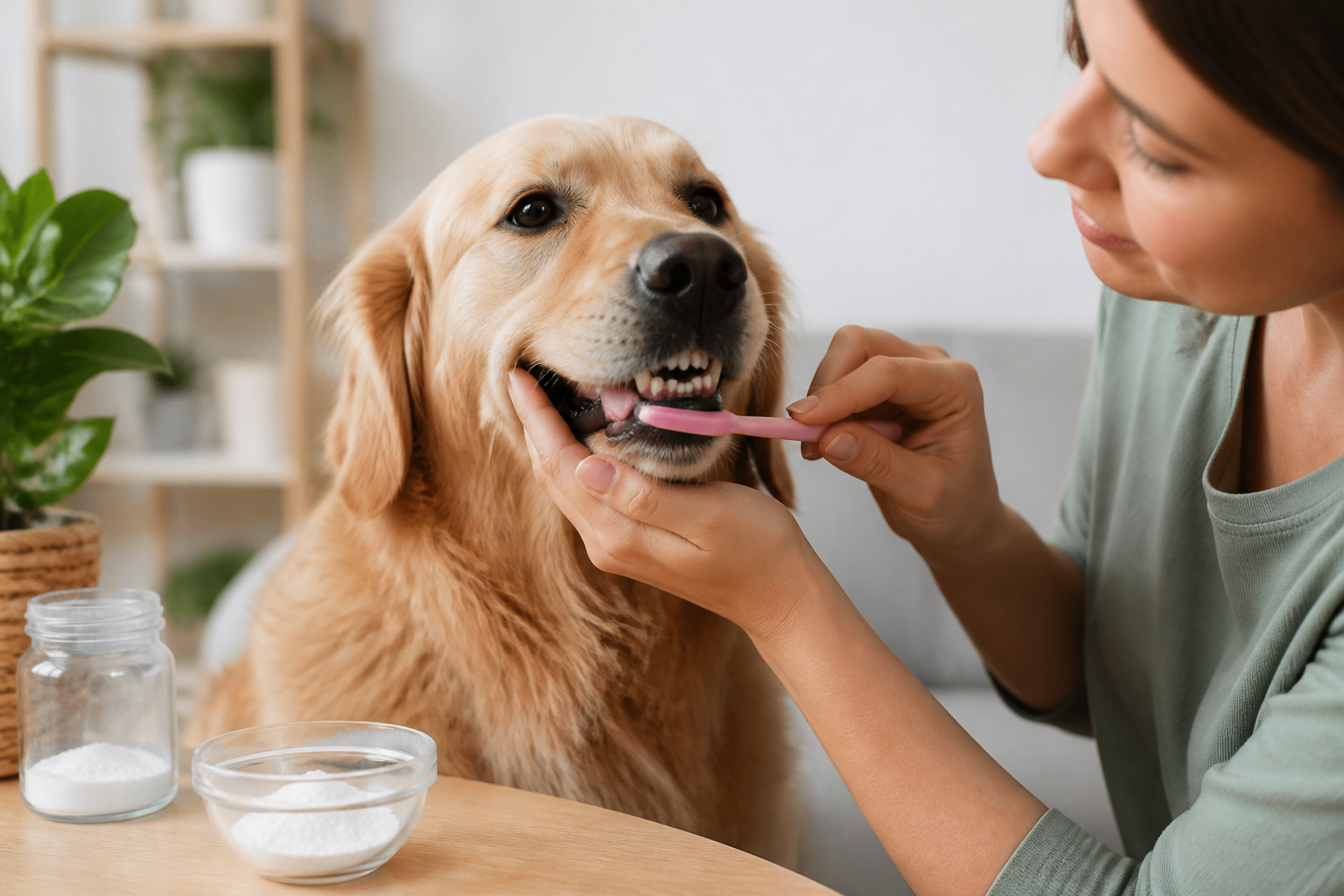
You might be standing in your kitchen right now. You just noticed your dog has "dragon breath" during a cuddle session. You have a box of baking soda in the pantry and a spare toothbrush in the drawer. It seems like a quick and natural fix for yellowing teeth. Before you start scrubbing, it is important to know if this kitchen staple is actually safe for your canine companion. At BaxterBoo, we have spent years helping pet parents navigate the world of oral hygiene. We want to ensure you have the facts about what works and what might cause a trip to the vet. This post covers the safety of baking soda, the risks of human products, and the most effective ways to keep your dog's mouth healthy. Keeping your dog's teeth clean is vital for their long term wellness.
Quick Answer: While baking soda is not technically toxic in tiny amounts, we do not recommend using it to clean your dog’s teeth. It is highly alkaline and can cause significant stomach upset or even electrolyte imbalances if your dog swallows it. Pet-safe enzymatic toothpastes are a much more effective and safer alternative.
Understanding the Risks of Baking Soda
Baking soda is a common ingredient in DIY cleaning recipes for the home. It is abrasive and has whitening properties for humans. However, a dog's body reacts differently to chemical compounds than ours does. The biggest issue with baking soda is its alkalinity. A dog's stomach is designed to be highly acidic to process proteins and handle bacteria. When a dog swallows a significant amount of baking soda, it can neutralize stomach acid and lead to digestive distress.
Many dogs do not like the taste of baking soda. It is salty and bitter to them. If you use it for their first brushing experience, they might develop a negative association with the process. This makes future dental care much harder. You want your dog to enjoy their "spa time" rather than fear it. Using a flavored pet toothpaste makes the experience a treat rather than a chore.
The abrasive nature of baking soda can also be a concern. If used too vigorously or too often, it can wear down the enamel on your dog's teeth. Unlike human enamel, dog enamel is relatively thin. Once that protection is gone, the tooth becomes more sensitive and prone to decay.
Key Takeaway: Kitchen staples like baking soda often do more harm than good by causing digestive distress or creating a fear of brushing. Professional pet dental products are specifically balanced for the unique pH and sensitivity of a canine's mouth.
Why Human Toothpaste Is Not an Option
If you are considering baking soda, you might also be tempted to reach for your own tube of toothpaste. This is a much more dangerous choice. Human toothpaste often contains ingredients that are life threatening for dogs. The most common culprit is xylitol. This is an artificial sweetener that causes a massive insulin surge in dogs. It can lead to liver failure or a dangerous drop in blood sugar within minutes.
Human toothpaste also contains fluoride. While fluoride helps humans prevent cavities, it is toxic to dogs when swallowed. Since dogs cannot spit or rinse, they ingest 100 percent of the product you put in their mouth. Even if your toothpaste is fluoride-free, it likely contains foaming agents like Sodium Lauryl Sulfate (SLS). These agents cause severe upset stomachs in pets.
Always stick to products labeled specifically for dogs. Brands like Nylabone and TropiClean offer pastes that are safe to swallow. They use enzymes to break down plaque rather than harsh chemicals or foaming agents. These enzymes do the heavy lifting so you do not have to scrub as hard. A poultry-flavored option such as Virbac C.E.T. Enzymatic Pet Toothpaste for Dogs and Cats - Poultry is made specifically for companion animals.
The Importance of Professional Dental Care
Brushing at home is just one part of the puzzle. Just like humans, dogs eventually need professional help. Plaque can harden into tartar in as little as 24 to 48 hours. Once tartar forms, a toothbrush cannot remove it. This requires a professional cleaning under veterinary supervision.
Our pharmacy at BaxterBoo offers a specialized selection of products for dogs with advanced dental needs. Through our partnership with Pet's Choice, we provide access to FDA-approved medications and prescription dental diets. These diets are often formulated with a specific kibble structure that acts like a toothbrush as the dog eats. If your veterinarian recommends a prescription diet like Royal Canin Dental or Farmina Vet Life, you can easily fulfill that through our pharmacy.
Vet Tip: If you notice red gums, persistent bad breath, or your dog dropping food, skip the DIY remedies and see a vet. These are signs of periodontal disease that require professional intervention and possibly prescription care from our pharmacy partnership with Pet's Choice.
Safer Alternatives to Baking Soda
If you want to keep things natural, there are better options than the baking soda box. Many pet owners find success with coconut oil. It has mild antimicrobial properties and most dogs love the taste. You can use a small amount of coconut oil on a finger brush to get your dog used to the sensation of brushing.
Another great option is dental wipes. These are pre-moistened pads that you wrap around your finger. They are much less intimidating for a dog than a bulky toothbrush. While they do not reach deep into the crevices like bristles do, they are excellent for removing the daily film of plaque on the flat surfaces of the teeth. For a wipe-based routine, consider TrueBlue Fast & Fresh Dog Dental Wipes.
- Enzymatic Toothpastes: These use proteins to break down food particles.
- Dental Water Additives: Simply add these to the water bowl to reduce bacteria.
- Dental Gels: These can be applied to the gum line and do not require brushing.
- Finger Brushes: These provide more control and a softer touch for sensitive gums.
Choosing the Right Dental Gear
Selecting the right tools makes a world of difference. A human toothbrush is often too stiff and the head is too large for most dogs. We carry a wide range of brushes designed for various mouth sizes. For small breeds, a tiny finger brush is usually the best starting point. For larger dogs, a double headed brush can clean the top and bottom of the tooth simultaneously.
When selecting a toothpaste, look for flavors like poultry, beef, or peanut butter. This turns the cleaning session into a reward. When your dog sees the tube, they should think they are getting a snack. This positive reinforcement is the key to a lifetime of easy dental care.
Our team at BaxterBoo carefully curates our dog dental care category. We only stock brands that meet high safety standards. We want you to feel confident that what you are putting in your pet's mouth is effective and non-toxic.
Step-by-Step Training for Brushing
You cannot just jump in and start scrubbing. Most dogs are protective of their mouths. You need to build trust through a gradual process. This might take a few weeks, but the results are worth the patience. For additional guidance, read The Top 10 Pet Dental Care Tips.
Step 1: Let them lick the paste. Put a small dab of pet-safe toothpaste on your finger. Let your dog sniff and lick it so they know it tastes good.
Step 2: Touch the teeth. While they are enjoying the taste, gently rub your finger along their gums and teeth. Do this for just a few seconds.
Step 3: Introduce the brush. Let them lick the paste off the bristles of the toothbrush. Do not try to brush yet. Just let them get used to the texture.
Step 4: The first scrub. Lift the lip and gently brush the large canine teeth in a circular motion. Focus on the outside surfaces.
Step 5: Work toward the back. Gradually include the molars in the back of the mouth. This is where most tartar builds up.
Bottom line: Consistency and positive reinforcement are more important than the length of the brushing session.
The Role of Diet and Chews in Dental Health
What your dog chews on every day affects their oral health. While soft treats are delicious, they often get stuck between teeth. Crunchy kibble and specific dental chews provide a mechanical cleaning action. As the dog bites down, the texture of the chew scrapes away plaque. You can browse our dental treats for dogs for options that fit into your routine.
Look for dental chews that have the VOHC (Veterinary Oral Health Council) seal. This means the product has been tested and proven to reduce plaque or tartar. Brands like Greenies or Barkworthies offer options that are both tasty and functional. However, be mindful of the calories. Dental chews should be factored into your dog's daily food intake to avoid weight gain.
Natural chews like raw carrots or apple slices (without seeds) can also help. They provide a satisfying crunch and are low in calories. For dogs that are heavy chewers, rubber toys with ridges can help massage the gums and clean the teeth during play. Just avoid very hard items like cooked bones or stones, as these can easily fracture a dog's teeth.
Signs Your Dog Needs a Vet Visit
Sometimes home care is not enough. You should inspect your dog's mouth at least once a week. Look for any changes in the color of the gums or the teeth. Healthy gums should be a vibrant pink. If they are red, swollen, or bleeding, your dog likely has gingivitis. For more warning signs, read Is Your Dog Hiding Bad Teeth? Warning Signs and What to Do.
Other red flags include:
- Yellow or brown crust near the gum line (tartar).
- Loose or broken teeth.
- Excessive drooling.
- Shying away when you touch their face.
- One-sided chewing or dropping kibble.
If you see these signs, it is time for a professional exam. Ignoring dental pain can lead to systemic health issues. Bacteria from a mouth infection can enter the bloodstream and damage the heart, liver, and kidneys. This is why we emphasize the importance of our pharmacy services. Managing chronic health issues often starts with getting oral bacteria under control through professional treatment.
Common Mistakes Pet Owners Make
One of the most frequent errors is waiting too long to start. It is much easier to train a puppy to accept brushing than a senior dog. Even if your puppy's teeth look perfect, start the routine now. It builds the habit and keeps the permanent teeth healthy as they emerge.
Another mistake is only brushing the front teeth. While the "smile" looks clean, the real trouble usually happens in the back. The upper molars are the most common site for heavy tartar buildup and abscesses. Make sure you lift the lip all the way back to reach those hidden areas.
Finally, do not rush. A 30 second session that is positive is better than a 5 minute session that leaves your dog stressed. If your dog gets frustrated, stop and try again tomorrow. You want this to be a bonding moment, not a battle of wills.
Building a Complete Dental Routine
A good dental plan has three layers. First is the daily home care, which includes brushing or using dental wipes. Second is the supporting diet, including dental chews and high quality kibble. Third is the annual veterinary checkup.
We suggest setting a reminder on your phone for "Tooth Tuesday" or another specific day if you cannot brush daily. Even brushing three times a week can significantly reduce the risk of dental disease. To make it easier, consider our Autoship program. You can have your favorite dog toothpaste and dental chews delivered on a schedule so you never run out. This also grants you a free MVP Gold membership, giving you even more value on your pet care essentials.
Key Takeaway: A successful dental routine combines the right tools, consistent habits, and professional veterinary support. Avoiding risky DIY methods like baking soda ensures your dog stays safe while you work on their smile.
Summary of Safe Cleaning Methods
When it comes to your dog's oral health, safety should always come first. While baking soda is a cheap household item, the potential for stomach upset and enamel wear makes it a poor choice for your pet. Instead, focus on products specifically engineered for canine biology.
- Pet-Safe Toothpaste: Use flavors like poultry or beef.
- Finger Brushes: Great for beginners and small mouths.
- Dental Wipes: A quick alternative for dogs that hate brushes.
- Professional Cleaning: Necessary for removing hardened tartar.
- Prescription Diets: Available through our pharmacy for dogs with special needs.
Keeping your dog's teeth clean is a labor of love. It adds years to their life and saves them from the pain of tooth loss and infections. By choosing the right products and staying consistent, you can enjoy those wet puppy kisses without the "dragon breath" holding you back.
Conclusion
While the idea of using baking soda for dog teeth is popular on the internet, it is not the best path for your pet. The risks of digestive upset and the unpleasant taste often outweigh any minor cleaning benefits. Stick to vet-recommended enzymatic pastes and mechanical chews that are designed with your dog's safety in mind. If your dog is struggling with persistent dental issues, remember that we are here to help. Our pharmacy, in partnership with Pet's Choice, can fulfill the prescription diets and medications your vet recommends to get their health back on track. Signing up for the MVP Rewards program is a great way to save on these essentials while earning points toward future purchases.
Explore our wide selection of dental care products today to find the perfect fit for your pup. Whether you need a gentle finger brush for a new puppy or a specialized dental chew for a senior dog, we have the expert-curated options you need. Your dog's health is worth the extra care, and we are proud to be your partner in that journey.
FAQ
Is baking soda toxic to dogs if they lick it?
A small lick of baking soda is generally not toxic, but it can be very upsetting to a dog's stomach. Because it is highly alkaline, it can disrupt the natural acid balance in their digestive tract. If a dog ingests a large amount, it can lead to more serious issues like electrolyte imbalances or vomiting. It is always better to keep the baking soda for your baking and use pet-specific products for their mouth.
How often should I brush my dog's teeth?
Ideally, you should brush your dog's teeth every single day to prevent plaque from hardening into tartar. However, we know that life gets busy. Aiming for at least three times a week can still provide significant health benefits and help keep bad breath at bay. Consistency is the most important factor in preventing long term dental disease.
Can I use a human toothbrush on my dog?
You can use a very soft-bristled human toothbrush, but a brush designed specifically for dogs is usually better. Dog brushes often have angled heads to reach the back molars more easily or multiple heads to clean all sides of the tooth at once. For smaller dogs, a human brush is often much too large and can be uncomfortable or even painful against their gums.
What is the best flavor of toothpaste for a dog?
Most dogs prefer savory flavors like poultry, beef, or peanut butter rather than the minty flavors humans enjoy. Mint can actually be quite off-putting for many dogs and might make them resist the brushing process. Choosing a flavor they view as a treat will make your job much easier and help your dog look forward to their dental routine.






