
 Save 15% on your 1st Autoship learn more

 Email us
 Live Chat
 FAQs
FAQs





Introduction
You might be sitting on the floor playing with your dog when you notice their breath smells a bit stronger than usual. Upon lifting their lip, you see a layer of yellow or brown buildup along the gumline. Naturally, you want to get those teeth sparkling again, but the thought of putting your dog under general anesthesia for a cleaning can feel daunting. This concern leads many pet owners to ask if a vet can clean teeth while the dog is awake. At BaxterBoo, we hear this question often from owners who want to balance safety with effective dental care. This article explains the difference between cosmetic scraping and medical dental cleanings. We will cover the risks, the benefits, and how you can manage your dog's oral health at home to minimize the need for professional procedures.
The Reality of Anesthesia-Free Dental Cleaning
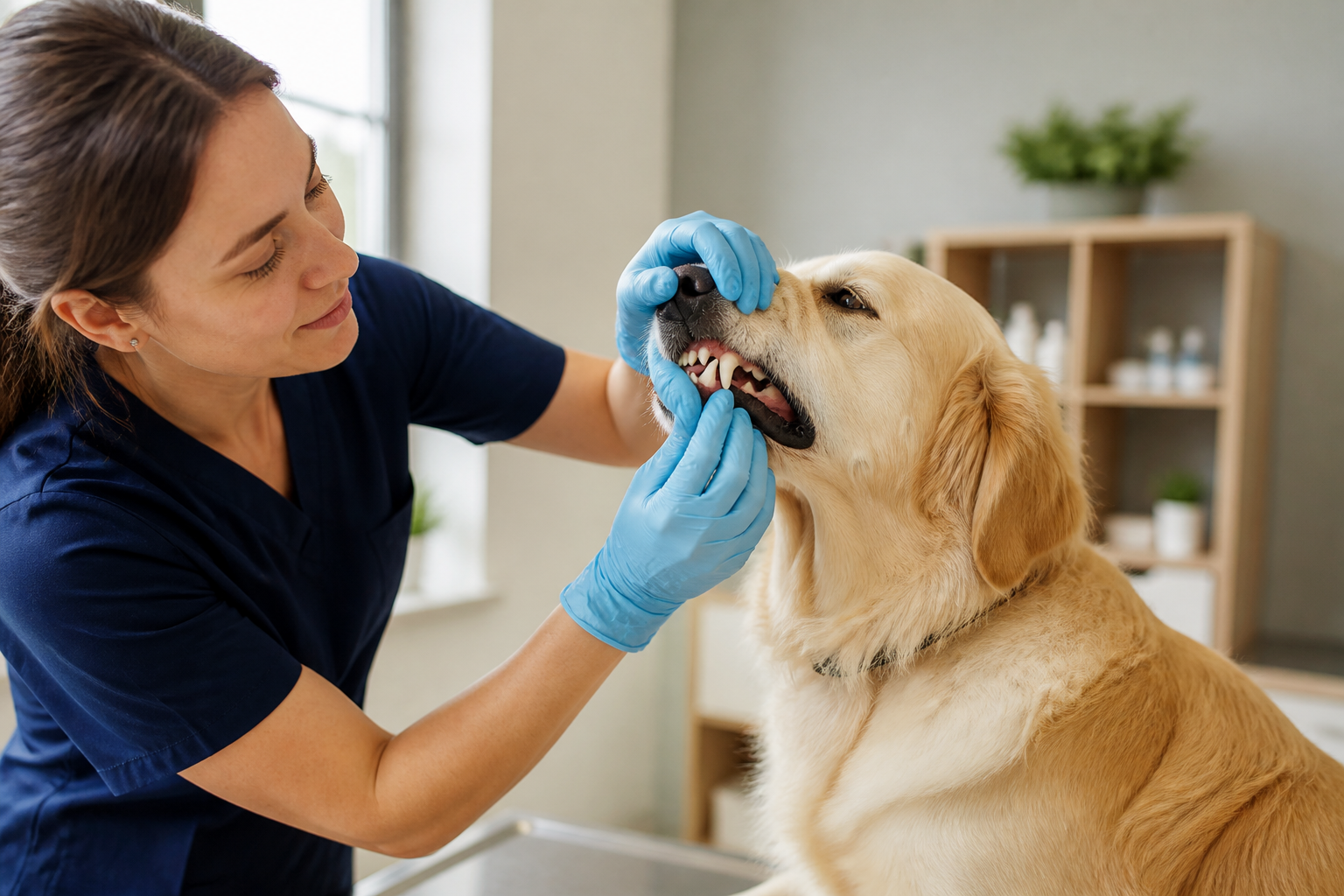
The short answer is that while some providers offer anesthesia-free dental cleanings, these are largely cosmetic. During this process, a person physically restrains the dog and uses a metal scaler to scrape tartar off the visible surfaces of the teeth. This is often called Non-Anesthetic Dental scaling or NADS. While it might make your dog's smile look whiter, it does not address the most critical areas of oral health.
Most dental disease in dogs happens below the gumline. Bacteria and tartar collect in the subgingival space, which is the area between the tooth and the gum. A dog that is awake will not allow a technician to scrape deep under the gums with sharp metal instruments. Therefore, the source of bad breath and potential infection remains untouched.
Quick Answer: While a vet or technician can scrape the visible surface of a dog's teeth without anesthesia, it is considered a cosmetic procedure. A true medical cleaning that treats gum disease and reaches under the gumline requires general anesthesia for the safety and comfort of the pet.
Why Veterinarians Prefer Anesthesia
Veterinarians do not recommend anesthesia just to make their jobs easier. It is a vital tool for a thorough medical exam. When a dog is under anesthesia, the vet can perform a 360 degree evaluation of every single tooth. They can use a periodontal probe to check for deep pockets in the gums that indicate bone loss or infection.
Anesthesia also allows for dental X-rays. Since about 60 percent of a dog's tooth is hidden under the gumline, X-rays are the only way to see if a tooth is rotting from the root or if there is an abscess forming. Without anesthesia, a dog cannot stay still enough for the precise positioning required for these images.
The Importance of the Gumline
When tartar stays under the gumline, it causes inflammation known as gingivitis. If left untreated, this progresses to periodontal disease. This condition can lead to the destruction of the bone supporting the teeth. Even worse, the bacteria in the mouth can enter the bloodstream. This can eventually lead to issues with the heart, liver, and kidneys. A cosmetic cleaning that only removes surface tartar gives owners a false sense of security while these deeper issues continue to grow.
For additional guidance about warning signs and professional dental care, read our article about signs of bad teeth in dogs.
Risks Associated With Cleaning Teeth While Awake
While the goal of avoiding anesthesia is usually safety, the alternative carries its own set of risks. Cleaning teeth involves sharp instruments and a dog that may be frightened or confused.
- Physical Stress: Dogs must be held very still for a long time. This can be terrifying for a pet who does not understand what is happening.
- Risk of Injury: If a dog flinches or jerks their head while a sharp metal scaler is in their mouth, it can cause deep cuts to the gums or tongue.
- Incomplete Cleaning: Because the dog is awake, the inner surfaces of the teeth near the tongue are rarely cleaned.
- Aspiration: During a professional cleaning, an endotracheal tube is used to protect the dog's airway. Without this, the dog could inhale the water, bacteria, and tartar debris being scraped off, which may lead to pneumonia.
Vet Tip: If you are worried about anesthesia, ask your vet about their monitoring protocols. Modern veterinary medicine uses advanced equipment to track heart rate, oxygen levels, and blood pressure, making the procedure very safe for most dogs.
Comparing Professional Cleaning vs. Anesthesia-Free Scaling
| Feature | Veterinary Cleaning (With Anesthesia) | Cosmetic Scaling (No Anesthesia) |
|---|---|---|
| Visible Tartar Removal | Yes | Yes |
| Cleaning Under Gumline | Yes | No |
| Dental X-rays | Yes | No |
| Polishing Micro-scratches | Yes | Sometimes |
| Oral Cancer Screening | Yes | Limited |
| Pain Management | Yes | No |
Key Takeaway: Anesthesia-free cleaning is a surface level cosmetic fix. A professional veterinary dental procedure is a medical treatment that identifies and prevents disease.
How to Prepare for a Professional Dental Cleaning
If your vet recommends a professional cleaning under anesthesia, there are steps they will take to ensure safety. We often recommend that owners discuss these steps with their clinic to feel more at ease.
- Pre-anesthetic Bloodwork: This checks the function of the kidneys and liver to ensure the dog can process the anesthesia.
- Physical Exam: The vet will listen to the heart and lungs for any underlying issues.
- IV Catheter: This allows the team to provide fluids for blood pressure support and give medications quickly if needed.
- Monitoring: A dedicated technician usually watches the dog's vitals throughout the entire procedure.
Our pet pharmacy works in partnership with Pet's Choice to provide access to many medications your vet might prescribe after a dental. This includes antibiotics for oral infections or specific prescription dental diets formulated to slow down tartar buildup between cleanings.
Maintaining Your Dog's Teeth at Home
The best way to avoid frequent professional cleanings is to start a solid home care routine. If you can keep the teeth clean with daily habits, you reduce the rate at which tartar forms.
A Step-by-Step Guide to Brushing
Brushing is the gold standard for dog dental care. It is easier than most people think if you take it slow.
Step 1: Buy the right supplies. Use a dog specific toothbrush and enzymatic toothpaste. Never use human toothpaste, as the fluoride and xylitol can be toxic to dogs.
Step 2: Let them taste the paste. Put a little on your finger and let them lick it so they enjoy the flavor.
Step 3: Rub the teeth. Use your finger to gently rub the paste along their gums and teeth to get them used to the sensation.
Step 4: Introduce the brush. Use soft circular motions along the gumline. Focus on the outside of the teeth, as this is where the most buildup occurs.
Step 5: Reward. Always follow a brushing session with praise or a dental friendly treat.
For more brushing ideas and routines, see our pet dental care tips.
Dental Care Shopping List
- Enzymatic toothpaste (poultry or beef flavors work well).
- Finger brushes for small dogs or long handled brushes for large breeds.
- Dental wipes for dogs that will not tolerate a brush.
- Water additives to help reduce bacteria.
- Approved dental chews.
You can find toothbrushes, toothpaste, wipes, and other supplies in our dog dental care collection.
Alternatives to Brushing
We know that not every dog is a candidate for brushing. If your dog is older or has a very sensitive mouth, you can still support their oral health using other tools available at BaxterBoo.
Dental wipes are a great middle ground. They allow you to physically wipe away plaque before it hardens into tartar. Water additives are another easy option. You simply add a capful to their water bowl to help break down the biofilm that leads to plaque.
Dental chews are also very popular. When a dog gnaws on a textured chew, the mechanical action helps scrape the teeth. Look for products that have the Veterinary Oral Health Council (VOHC) seal. This seal means the product has been tested and proven to reduce plaque or tartar.
For ideas between cleanings, browse our dental supplements and care products.
Bottom line: Home care is about prevention. It cannot remove hard tartar that is already there, but it can stop new tartar from forming.
Addressing Senior Dogs and Anesthesia
Many owners of senior dogs are particularly worried about anesthesia. It is a common myth that age is a disease. While older dogs may have more health considerations, age itself does not make anesthesia impossible. Vets simply adjust the protocol. They may use different types of sedative or provide extra support.
If a senior dog has severe dental disease, the pain and chronic infection are often more dangerous to their health than a controlled anesthetic procedure. Once the painful teeth are treated or removed, many owners report that their senior dog acts like a puppy again. This is because they are finally free from the constant ache of dental infection.
Financial Considerations and Value
A professional dental cleaning is more expensive than a cosmetic scraping. However, the value lies in what is being prevented. If a cosmetic cleaning misses a small infection, that infection can turn into a major abscess. This could require emergency surgery and expensive antibiotics later.
By choosing a professional cleaning and following up with home care, you are making a long term investment in your dog's comfort. You can also use the MVP Rewards programme at BaxterBoo to earn points on the dental supplies you need for daily maintenance. This helps keep your costs down while keeping your dog's health a priority.
When to See a Veterinarian
If you notice any of the following signs, it is time to skip the home remedies and head to the vet for a professional evaluation:
- Bleeding gums or blood on chew toys.
- Loose or broken teeth.
- Disinterest in dry food or hard treats.
- Pawing at the mouth or face.
- Excessive drooling.
- A bump or swelling under the eye (often a sign of a root abscess).
These symptoms indicate pain and infection that a simple cleaning cannot fix. Your vet may need to prescribe medication through a pharmacy partnership or perform extractions to get your dog back to a pain free state.
Conclusion
While the idea of a vet cleaning a dog's teeth without anesthesia sounds convenient, it rarely provides the medical benefits a dog needs. Cosmetic scaling only addresses the surface, leaving dangerous bacteria hidden under the gums. For a truly healthy mouth, a professional cleaning under anesthesia is the safest and most effective choice. By combining these professional visits with a consistent home brushing routine and quality dental chews, you can ensure your dog enjoys a long and healthy life.
We carry a wide variety of toothbrushes, pastes, and dental treats at BaxterBoo to help you succeed. Your next step should be to look at your dog's teeth today. If you see significant tartar, call your vet for a consultation. If the teeth look clear, start a preventative routine now to keep them that way.
FAQ
Is anesthesia-free dental cleaning better for older dogs?
Actually, it can be more stressful for senior dogs because of the intense physical restraint required. Older dogs often have more advanced dental disease under the gumline that a cosmetic cleaning will miss entirely. A vet can tailor an anesthetic plan to be safe for a senior pet while ensuring all their dental pain is addressed.
How often should my dog have a professional dental cleaning?
The frequency depends on the individual dog, their breed, and how well you brush their teeth at home. Small breeds tend to need cleanings more often, sometimes once a year. Larger breeds might go longer between visits if they have a good home care routine and chew frequently.
Can I just use dental chews instead of a professional cleaning?
Dental chews are a fantastic supplement, but they are not a total replacement for professional care. They mostly clean the chewing surfaces of the teeth and do not reach under the gums where disease starts. Think of them like chewing gum for humans; it helps, but you still need to see a dentist.
For more options and guidance, explore our dental chews for dogs.
Why does my dog's breath still smell after a cosmetic cleaning?
Bad breath usually comes from bacteria living under the gumline or from rotting teeth. Since a cosmetic cleaning only removes the tartar you can see on the surface, it does not kill the bacteria causing the odor. A professional cleaning includes a subgingival flush that removes the source of the smell.
If your dog needs recurring dental supplies, our Autoship programme can help simplify repeat purchases.






