
 Save 15% on your 1st Autoship learn more

 Email us
 Live Chat
 FAQs
FAQs





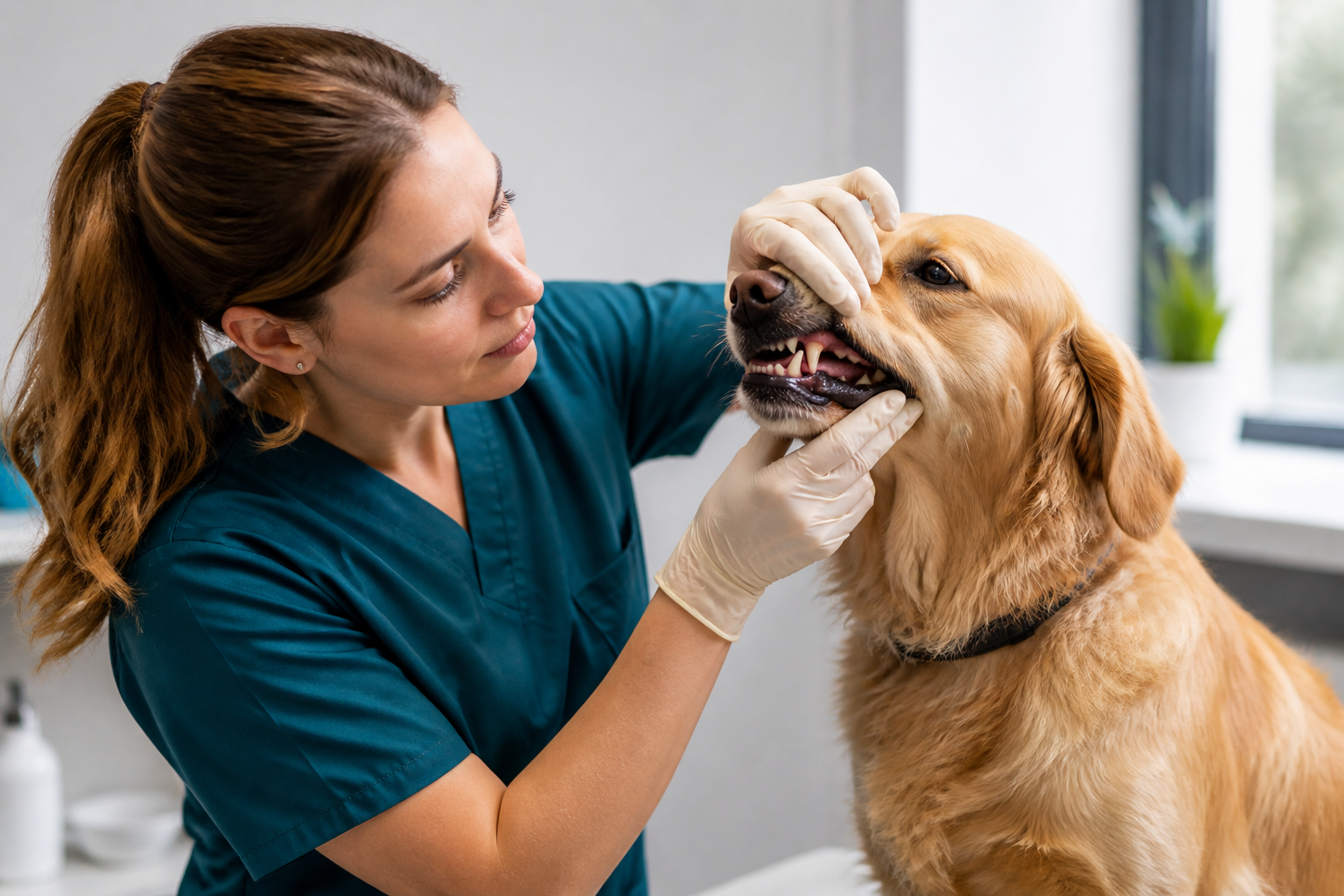
Introduction
You are sitting on the floor with your dog, and as they lean in for a lick, you notice a sharp, metallic smell. You lift their lip to find a thick layer of brown tartar coating the back molars. This is the moment many pet owners start searching for solutions, often feeling a sense of dread about the cost and risks of traditional dental surgery. You might have seen advertisements for anesthesia free dental cleanings at a local pet store or groomer and wondered if it is a safe alternative.
At BaxterBoo, we know that your dog's health is your top priority, but navigating the world of veterinary dental care can be confusing. This post explores the reality of non-anesthetic dental procedures, why they are often controversial among veterinarians, and how you can support your dog's oral health at home. We will look at the differences between a cosmetic cleaning and a professional medical procedure to help you make the best choice for your pet.
Quick Answer: While some providers offer anesthesia free cleanings, most veterinarians advise against them. These procedures only remove visible tartar from the surface of the teeth and cannot address the bacteria living under the gumline where real dental disease occurs.
What is Anesthesia Free Dental Cleaning?
Anesthesia free dental cleaning, often called non-anesthetic dental scaling (NADS), is a procedure where a technician or veterinarian scrapes tartar off a dog’s teeth while the animal is fully awake. This usually happens on an exam table with the dog being physically restrained by one or two people. The provider uses a sharp metal instrument called a scaler to chip away at the hard, mineralized buildup from the visible parts of the teeth.
For many owners, the appeal is obvious. It is generally less expensive than a full veterinary dental suite. It also removes the perceived risk of general anesthesia, which is a major concern for owners of senior dogs or breeds prone to heart issues. However, it is important to understand that this is primarily a cosmetic procedure. It makes the teeth look white and clean to the naked eye, but it does not treat the underlying causes of bad breath or gum disease.
The technical term for what you see on the teeth is calculus or tartar. While this buildup looks bad, the real danger is the soft plaque and bacteria that migrate under the gums. This area is called the subgingival space. In an anesthesia free setting, it is nearly impossible to safely clean this area because the dog will naturally pull away or snap when the sensitive gum tissue is touched with a sharp tool.
The Reality of Physical Restraint
One of the biggest differences between a professional veterinary cleaning and an anesthesia free session is how the dog is managed. During a standard vet cleaning, the dog is unconscious and feels no pain or anxiety. In an anesthesia free procedure, the dog must be kept perfectly still for 30 to 60 minutes while someone works in their mouth with sharp instruments.
Most dogs do not enjoy having their mouths handled, let alone having metal tools scraping against their enamel. To keep the dog still, providers often use heavy physical restraint. This can be a terrifying experience for a dog who does not understand what is happening. Unlike a human sitting in a dentist's chair, a dog cannot be told to hold still or promised a reward afterward.
The stress of this restraint can have long-term behavioral effects. Some dogs may become "mouth shy" or aggressive toward their owners when they try to brush their teeth or check their gums at home. There is also a physical risk. If a dog flinches or lunges while a sharp scaler is in their mouth, it can result in deep cuts to the gums, tongue, or cheeks.
Key Takeaway: Anesthesia free dental work is often more stressful for the pet than a supervised veterinary procedure because it requires prolonged physical restraint while the dog is fully awake and alert.
Why the Gumline Matters Most
To understand why veterinarians are so concerned about non-anesthetic cleanings, you have to look at the anatomy of dental disease. Periodontal disease starts when bacteria form a film called plaque on the teeth. If not brushed away, this plaque hardens into tartar. The bacteria then work their way under the gumline, where they begin to destroy the bone and ligaments that hold the tooth in place.
When a provider only scrapes the visible part of the tooth, they leave the most dangerous bacteria behind. This creates a "false sense of security" for the owner. You see white teeth and assume the mouth is healthy, while underneath the surface, an infection may be slowly rotting the tooth roots. This can lead to:
- Chronic pain that the dog may hide from you.
- Abscesses that require emergency surgery.
- Bone loss in the jaw.
- Bacteria entering the bloodstream and damaging the heart, liver, or kidneys.
Professional veterinary cleanings use ultrasonic scalers that vibrate at high speeds to break up tartar. Because the dog is under anesthesia, the vet can get deep under the gums to clear out the infection. They also polish the teeth afterward. Scraping a tooth with a hand scaler creates microscopic scratches in the enamel. If those scratches are not polished smooth, they actually provide a better surface for new plaque to stick to, often making the dental problems worse in the long run.
What Happens During a Veterinary Dental Procedure?
A true professional cleaning at a veterinary clinic is a multi-step medical procedure designed to diagnose and treat disease, not just make teeth look pretty. Here is what you can expect when your vet performs a dental.
Pre-Anesthetic Screening
Before your dog ever goes under, the vet will perform blood work and a physical exam. This helps them identify any underlying issues with the heart, liver, or kidneys that might make anesthesia risky. They use this data to create a custom anesthetic plan specifically for your dog's age and health status.
Full Oral Examination and X-rays
Once the dog is asleep, the vet can look at the back of the throat, the tongue, and the roof of the mouth for any tumors or lesions. The most important step is dental X-rays. About 60 percent of a dog's tooth is hidden under the gumline. Without X-rays, there is no way to know if a tooth is healthy or if it is dying from the inside out.
Scaling and Polishing
The veterinary technician uses an ultrasonic scaler to remove tartar from all surfaces of the teeth and under the gums. After the teeth are clean, they are polished with a specialized paste. This smooths out the enamel to prevent future plaque buildup.
Pain Management and Recovery
If the vet finds a tooth that is broken or infected, they can extract it right then and there while the dog is already asleep and under pain management. The dog wakes up in a supervised recovery area with their pain controlled by medication.
Vet Tip: If you are worried about the risks of anesthesia, ask your vet about their monitoring protocols. Modern veterinary medicine uses many of the same safety measures as human hospitals, including blood pressure monitoring, EKG, and pulse oximetry to ensure your dog stays stable throughout the procedure.
The Role of Prescription Diets and the Pharmacy
Sometimes, a dog's dental health requires more than just a standard cleaning. If your vet discovers significant gum disease or if your dog is highly prone to tartar buildup, they may recommend a prescription dental diet. These kibbles are specifically designed to be larger and have a fibrous texture that scrubs the tooth surface as the dog chews.
Our BaxterBoo pharmacy carries a variety of FDA approved medications and prescription pet foods through our partnership with Pet's Choice. If your veterinarian prescribes a specific diet like Farmina Vet Life or Royal Canin Dental, you can fulfill that prescription through our pet pharmacy for home delivery.
Our pharmacy also provides access to medications for chronic conditions that can impact oral health. For example, if your dog has a persistent oral infection, your vet may prescribe a course of antibiotics. Managing these health needs through a trusted pharmacy ensures your pet gets the exact formula they need to recover and stay healthy.
When Is Anesthesia Free Cleaning Appropriate?
Are there any situations where cleaning teeth without anesthesia is okay? Most veterinary dental specialists say no. However, some pet owners use very mild "brushing" services offered by groomers as a supplement to, not a replacement for, professional care.
If your dog has a very healthy mouth with almost no tartar, a groomer might use a toothbrush and pet-safe paste to help keep things fresh. This is not the same as scaling. Scaling involves metal tools and the removal of hard deposits. Brushing is a preventative measure.
If your dog has been diagnosed with a terminal illness or a heart condition so severe that anesthesia is truly impossible, your vet might discuss ways to manage oral pain without a full cleaning. This usually involves antibiotics or pain relief rather than a non-anesthetic scaling session.
Steps for Home Dental Care
The best way to avoid the anesthesia debate altogether is to prevent tartar from forming in the first place. This requires a consistent at-home routine. You do not need a medical degree to keep your dog's teeth clean, but you do need patience.
Step 1: Choose the right supplies.
Never use human toothpaste, as it contains fluoride and xylitol, both of which are toxic to dogs. Use a pet-specific enzymatic toothpaste. These come in flavors dogs like, such as poultry or beef.
Step 2: Start slowly.
Let your dog lick the toothpaste off your finger for a few days. Get them used to the taste and the feeling of your hand near their mouth.
Step 3: Introduce the brush.
Use a soft-bristled dog toothbrush or a finger brush. Gently lift the lip and rub the brush in circular motions against the teeth. Focus on the outside of the molars, as this is where most tartar accumulates.
Step 4: Keep sessions short.
You do not have to do the whole mouth at once. Start with 30 seconds and work your way up. Always end the session with a high-value treat or a favorite game of fetch to keep the association positive.
Step 5: Use supplemental tools.
If your dog absolutely refuses to let you brush, consider water additives, dental wipes, or textured toys. We carry a wide selection of dog dental care supplies from brands like Greenies and Kong that are designed to mechanically scrape teeth while the dog plays.
Comparing Your Options
| Feature | Anesthesia Free Cleaning | Professional Veterinary Cleaning |
|---|---|---|
| Primary Goal | Cosmetic (white teeth) | Medical (oral health) |
| Cleaning Location | Above the gumline only | Above and below the gumline |
| Pain Management | None | Local blocks and systemic meds |
| X-rays Included? | No | Yes (standard in most clinics) |
| Stress Level | High (due to restraint) | Low (dog is asleep) |
| Safety | Risk of cuts and stress | Low risk with modern monitoring |
Understanding the Risks of "Wait and See"
Many owners choose to do nothing because they are caught between the fear of anesthesia and the high cost of dental surgery. However, waiting usually makes the problem worse and more expensive. A simple cleaning for a dog with mild gingivitis is much cheaper and faster than a surgery that involves multiple tooth extractions and bone grafts.
Bad breath is not just a nuisance; it is a sign of active infection. When a dog has periodontal disease, they are living with a constant low-grade toothache. Because dogs are stoic animals, they often continue to eat and play even when their teeth are throbbing. You might not notice the extent of the pain until after the bad teeth are removed and your dog suddenly has a "puppy-like" burst of energy.
If you are concerned about the cost, we recommend checking if your vet offers payment plans or looking into FIGO Pet Insurance. Taking care of your dog's teeth early is one of the best investments you can make in their long-term wellness.
Signs Your Dog Needs a Professional Vet Visit
Even if you are tempted by an anesthesia free option, there are certain signs that indicate your dog's dental issues have gone too far for a simple surface cleaning. If you notice any of the following, you should skip the groomer and head straight to your veterinarian for an exam.
- Bloody Saliva: If you see blood on their chew toys or in their water bowl, their gums are likely severely inflamed or infected.
- Dropping Food: If your dog is a messy eater or drops pieces of kibble while chewing, it may be because it is painful to crunch down.
- Facial Swelling: A lump under the eye or a swollen jaw is a classic sign of a tooth root abscess. This is a medical emergency that requires antibiotics and surgery.
- Pawing at the Mouth: This is a clear sign of acute pain.
- Nasal Discharge: Sometimes, severe infections in the upper teeth can break through into the sinus cavities, causing chronic sneezing or a runny nose on one side.
Bottom line: A white tooth is not always a healthy tooth; true oral wellness happens below the surface where only a veterinarian can reach.
Keeping Your Senior Dog Safe
Senior dogs are the most likely candidates for dental disease, but they are also the group owners are most afraid to put under anesthesia. It is a common myth that "old dogs can't have anesthesia." Age is not a disease. A healthy senior dog can safely undergo a dental procedure if the proper precautions are taken.
The risk of leaving a senior dog with a rotting mouth is often much higher than the risk of a carefully monitored anesthetic event. Chronic dental infections put a massive strain on an older dog's immune system. By removing the source of the infection, you are actually taking a load off their heart and kidneys, which can help them live a longer, more comfortable life.
If your senior dog has a known heart murmur or kidney issues, your vet may refer you to a board-certified veterinary dentist. These specialists have advanced training in anesthesia and can perform the procedure with even more specialized monitoring equipment.
Building Your Dog's Dental Kit
At BaxterBoo, we believe that the best dental care happens in your living room every single day. While we support the use of professional veterinary cleanings when needed, our goal is to help you extend the time between those visits.
A good home dental kit should include:
- A dedicated toothbrush: Choose one with a size-appropriate head for your dog's mouth.
- Enzymatic toothpaste: Look for flavors that make the experience a treat rather than a chore.
- Dental chews: Use these as a daily reward. Look for products with the VOHC (Veterinary Oral Health Council) seal of approval.
- Textured toys: Rubber toys with nubs or ridges help massage the gums and scrape the teeth during play.
- Water additives: These are a great "lazy" way to fight bacteria for dogs that won't tolerate brushing.
Regular check-ups are also part of the kit. Every time you take your dog in for a wellness exam or a vaccination, ask your vet to take a quick look at their molars. They can give you a "grade" on their dental health, which helps you know if your at-home efforts are working or if it is time to schedule a professional cleaning.
Conclusion
Deciding how to handle your dog's dental health is a significant part of being a responsible pet owner. While anesthesia free dental cleanings might seem like a convenient shortcut, they often fail to address the root of the problem. A white smile is nice, but a mouth free of infection and pain is much more important for your dog's longevity.
Trust the experts who can see what is happening beneath the gumline. By combining professional veterinary care with a solid at-home brushing routine, you can keep your dog's tail wagging and their breath fresh for years to come.
- Brush your dog's teeth at least three times a week.
- Schedule a yearly oral exam with your veterinarian.
- Use dental chews and toys to manage plaque daily.
- Consult your vet about prescription diets if your dog is prone to tartar.
Bottom line: For safe and effective dental care, skip the cosmetic scraping and stick to vet-supervised cleanings and consistent home hygiene.
For all your dental care needs, from enzymatic toothpaste to prescription dental diets, visit our dog dental care collection and our pet pharmacy.
FAQ
Why is anesthesia free dental cleaning considered risky?
The primary risk is that it provides a false sense of security by making teeth look white while leaving dangerous bacteria under the gumline. Additionally, the heavy physical restraint required can be very stressful for the dog, and the use of sharp tools on a moving animal can lead to accidental injuries in the mouth.
Can my vet tell if my dog needs a cleaning without anesthesia?
A vet can perform a preliminary visual exam while your dog is awake to look for heavy tartar, red gums, or broken teeth. However, they cannot fully assess the health of the tooth roots or find hidden pockets of infection without the X-rays and deep probing that can only be done while the dog is under anesthesia.
Is there any way to clean my dog's teeth at home if they hate brushing?
If your dog resists a toothbrush, you can use dental wipes or pads to rub the surface of the teeth. You can also use water additives that help break down plaque or high-quality dental chews and toys. While not as effective as brushing, these tools are much better than doing nothing at all.
How often should my dog get a professional dental cleaning?
Most dogs benefit from a professional veterinary cleaning once a year, though some small breeds or dogs with specific health issues may need them every six months. Your veterinarian will evaluate your dog's mouth during their annual physical to give you a personalized recommendation based on the amount of tartar and gum inflammation present.






