
 Save 15% on your 1st Autoship learn more

 Email us
 Live Chat
 FAQs
FAQs





Introduction
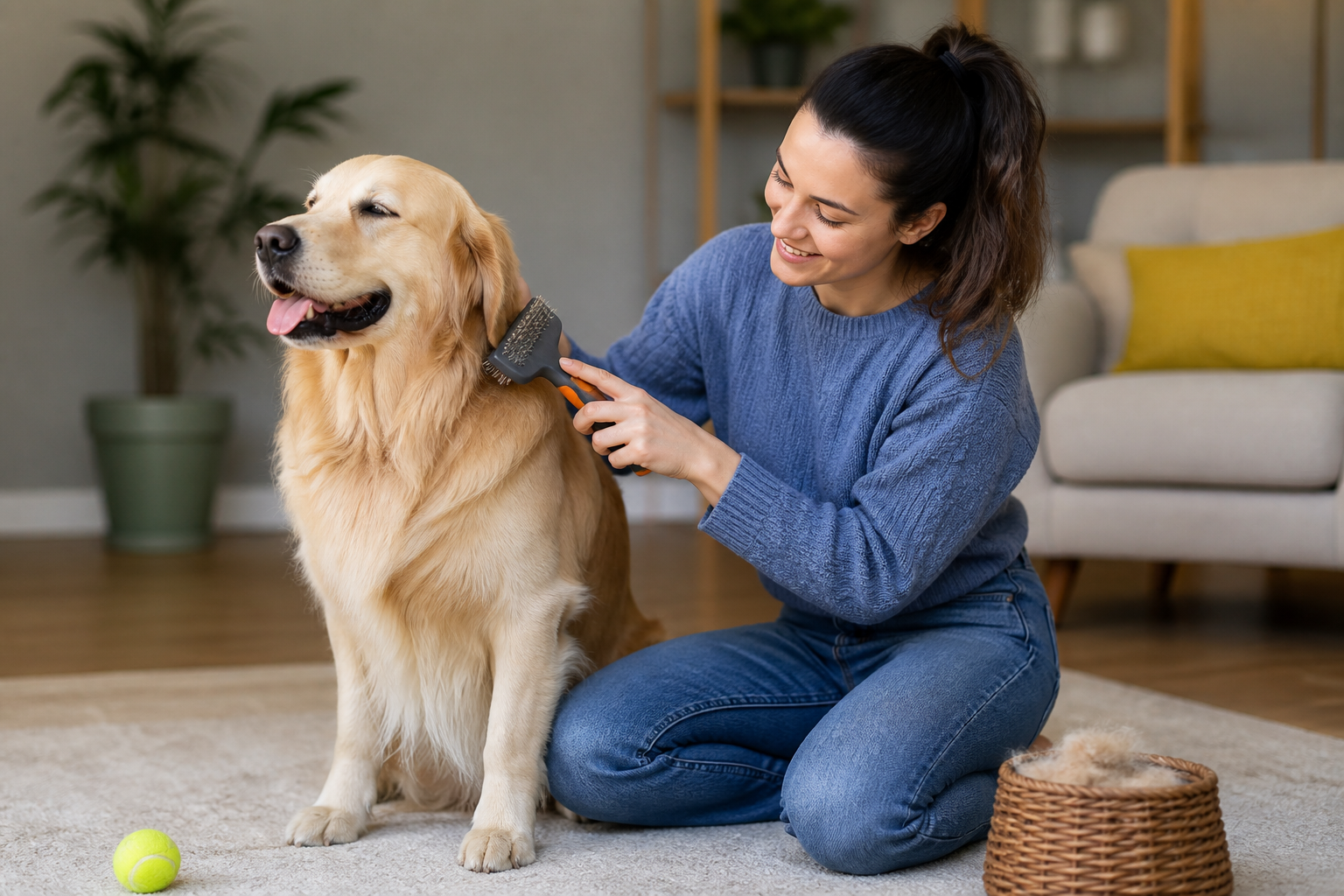
You might find yourself sitting on the living room floor with your dog every evening, brush in hand, as a way to bond and keep the shedding under control. It is a peaceful routine that many of us enjoy. However, you might start to wonder if there is a limit to how much grooming is helpful. At BaxterBoo, we know that every dog owner wants to provide the best care, but it is actually possible to overdo it when it comes to coat maintenance. Brushing is essential for removing loose fur and preventing painful mats, but too much friction can lead to skin issues. This article explains the risks of over-brushing, how to identify your dog's specific coat needs, and how to maintain a healthy grooming schedule. Finding the right balance will keep your dog's skin healthy and their coat shining without causing unnecessary irritation.
The Reality of Over-Brushing
It seems logical that more grooming would result in a cleaner, happier pet. In reality, the skin is a sensitive organ that can only handle a certain amount of contact. When you brush a dog too much, you risk a condition known as brush burn. This is a form of skin irritation caused by the repetitive scraping of brush bristles or comb teeth against the skin. It often appears as red, inflamed patches that may feel warm to the touch.
Over-brushing can also damage the hair itself. If you use a tool that is too aggressive for your dog's coat type, you might snap healthy hair shafts. This leads to a dull, ragged appearance rather than the sleek look you want. For dogs with double coats, excessive brushing can sometimes damage the protective guard hairs that help regulate their body temperature.
Quick Answer: Yes, you can brush a dog too much. Excessive grooming can cause skin irritation called brush burn and lead to hair breakage or thinning. Most dogs benefit from a schedule tailored to their specific coat type rather than daily heavy brushing.
The psychological impact is another factor to consider. If grooming sessions are too long or too frequent, your dog may grow to dislike the process. They might start to hide when they see the brush or become anxious during the session. We want grooming to be a positive experience that strengthens your bond, not a chore that causes stress for your pet.
Why Under-Brushing Is Just as Risky
While over-brushing is a real concern, neglecting the coat is equally problematic. When you do not brush your dog enough, loose hair becomes trapped against the skin. This hair eventually twists into mats and tangles. Mats are not just an aesthetic issue. They pull tightly on the skin, which can be very painful for a dog as they move.
Large mats also trap moisture, dirt, and bacteria against the skin. This creates a perfect environment for hot spots and infections. In some cases, heavy matting can even restrict blood flow to certain areas of the body or hide parasites like fleas and ticks. Regular grooming allows you to feel for lumps, bumps, or skin changes that might need a vet's attention.
Key Takeaway: The goal of grooming is to remove dead hair and debris without irritating the live skin. Consistency is more important than intensity.
Understanding Your Dog's Coat Type
The frequency of your grooming routine should be determined primarily by your dog's coat type. Different textures and lengths require different levels of intervention.
Smooth and Short Coats
Dogs with smooth coats, like Boxers or Dalmatians, are the easiest to maintain. Their hair is short and lies close to the body. You do not need to brush these dogs every day. A weekly session is usually enough to remove loose hair and distribute skin oils. Using a rubber curry brush or a soft bristle brush is best for these breeds. Because their skin is so close to the surface, they are very susceptible to brush burn if you use a metal slicker brush or a rake.
Double Coats
Breeds like German Shepherds, Huskies, and Labradors have a dense undercoat and a tougher outer coat. These dogs shed a lot, especially during the spring and fall when they blow their coats. During shedding season, you may need to brush them daily to manage the volume of fur. During the rest of the year, two or three times a week is generally sufficient. It is important to use a deshedding tool or an undercoat rake carefully. You want to pull out the loose undercoat without scraping the skin or cutting the topcoat. For another look at seasonal coat care, read about managing shedding during peak seasons.
Curly and Wire Coats
Poodles, Bichon Frises, and many Terrier breeds have hair that does not shed in the traditional sense. Instead, the hair keeps growing and gets trapped in the coat. These dogs require frequent brushing, often every other day, to prevent mats. However, because their hair is often fine, you must be gentle. A slicker brush is helpful here, but you should always follow up with a metal comb to ensure you have reached all the way to the skin.
Long or Drop Coats
Yorkshire Terriers and Maltese dogs have long, silky hair that can tangle very easily. These dogs often need daily attention to keep their hair flowing and knot-free. If you keep your dog in a puppy cut or a shorter style, you can reduce the frequency of brushing. For those kept in full coat, a daily light brushing with a pin brush and a detangling spray is the standard.
Common Signs of Brush Burn
It is important to monitor your dog's skin during and after every grooming session. If you are brushing too much or using too much pressure, the skin will tell you. Early signs of irritation include light pinkness or the dog flinching when the brush passes over a specific area.
If the irritation progresses, you may see:
- Bright red streaks or patches on the skin.
- Small bumps that look like a rash.
- The dog licking or scratching at a specific spot after grooming.
- Scabs or oozing in severe cases.
Brush burn most often occurs in areas where the skin is thin or where the bone is close to the surface. Pay extra attention to the hocks, the stomach, and the tops of the ears. If you see these signs, give the skin a break for several days.
Vet Tip: If your dog develops red, raw spots after brushing, avoid applying human lotions or ointments. Consult your veterinarian to see if a pet-safe antiseptic or a prescription cream from our pharmacy is necessary to prevent infection.
Selecting the Right Tools for Your Routine
Using the wrong tool is a frequent cause of over-brushing issues. At BaxterBoo, we carry a wide variety of brushes designed for specific purposes. Using a tool for its intended use reduces the amount of pressure and time needed to get the job done. Explore our dog brushes and combs to compare options for different coat types.
- Slicker Brushes: These have fine wire bristles. They are excellent for removing tangles in medium to long hair but can be sharp. Use a light hand.
- Bristle Brushes: These are great for smooth coats and finishing. They help shine the coat by spreading natural oils.
- Pin Brushes: These look like human hairbrushes and are best for long, silky coats. They provide a gentle touch that is less likely to cause brush burn.
- Undercoat Rakes: These reach through the topcoat to pull out loose fur from underneath. They are essential for heavy shedders but should be used sparingly on dogs with thin coats.
- Rubber Curry Brushes: These are the safest option for sensitive skin. They massage the skin while pulling away loose hair from short-coated dogs.
Bottom line: Matching the brush to your dog's coat density and length is the best way to prevent accidental skin damage.
How to Brush Your Dog Correctly: A Step-by-Step Guide
To avoid brushing too much in one spot, follow a structured routine. This ensures you cover the whole dog efficiently without over-working any single area.
Step 1: Check the skin.
Before you start, run your hands over your dog's body. Look for any existing redness, scratches, or mats. This helps you know which areas to avoid or treat with extra care.
Step 2: Apply a detangling mist.
Using a grooming spray can significantly reduce the friction between the brush and the hair. This makes it easier to remove knots without having to pull or brush the same spot repeatedly.
Step 3: Work in sections.
Start at the neck and move toward the tail. Brush one section at a time using short, gentle strokes. Avoid the "back and forth" scrubbing motion that often leads to skin irritation.
Step 4: Use the "line brushing" technique for thick coats.
Part the hair with one hand so you can see the skin. Brush the hair away from the part. This ensures you are reaching the base of the hair where mats form, rather than just skimming the surface.
Step 5: End with a reward.
Always give your dog a treat or praise after grooming. This keeps the experience positive and ensures they stay cooperative for the next session.
Supporting Skin and Coat Health from the Inside Out
The health of a dog's coat is not just about what you do on the outside. Nutrition plays a huge role in how much a dog sheds and how resilient their skin is to brushing. If a dog's skin is dry and flaky, it will be much more prone to irritation.
We recommend looking for foods rich in omega-3 and omega-6 fatty acids. Brands like Open Farm and Farmina offer recipes specifically formulated to support skin health. Supplements can also make a big difference. Zesty Paws and Honest Paws provide options that include salmon oil or biotin, which can help strengthen the hair and soothe the skin. Browse our dog skin and coat care selection for nutrition and supplement options.
If your dog has chronic skin issues or allergies, their coat might be more brittle. In these cases, even moderate brushing might cause problems. Our pet pharmacy provides prescription medications for dogs with underlying skin conditions. Managing the root cause of itchiness or dryness will make the grooming process much more comfortable for your pet.
When to Call the Vet or Visit the Pharmacy
Sometimes skin irritation is more than just a result of over-brushing. If you notice that your dog is constantly itchy, has a foul odor, or has persistent bald patches, it is time to consult a professional. Brushing an already infected or inflamed area will only make the problem worse.
A veterinarian can determine if your dog is suffering from allergies, mites, or a fungal infection. They may prescribe medicated shampoos or topical treatments. Our pharmacy carries a variety of these prescription items, making it easy to get the care your dog needs delivered to your door. We also offer flea and tick preventives from brands like NexGard and Frontline, as parasites are a common cause of poor coat quality. You can also browse our flea and tick collection for preventive care options.
Key Takeaway: Grooming is a tool for health maintenance, but it cannot replace veterinary care for medical skin conditions.
Seasonal Adjustments to Your Routine
Your dog's grooming needs will change throughout the year. In the winter, many owners let their dog's coat grow longer to provide extra warmth. While this is helpful for the cold, longer hair means a higher chance of matting. You may actually need to brush more frequently in the winter even if the dog is shedding less.
In the summer, dogs spend more time outdoors. They may get more dirt, burrs, or moisture in their coats. If your dog swims, it is vital to brush them after they dry off. Dried lake or pool water can cause the hair to clump and mat almost instantly. Always ensure the coat is completely dry before using a slicker brush, as wet hair is more prone to stretching and breaking.
Conclusion
Brushing your dog is a fundamental part of responsible pet ownership, but it requires a thoughtful approach. By understanding your dog's specific coat type and using the right tools from our dog grooming collection, you can avoid the pitfalls of both over-grooming and neglect. Remember that skin health starts with great nutrition and consistent, gentle care. If you notice persistent skin redness or irritation, a talk with your vet is the safest next step.
- Tailor your brushing frequency to your dog's specific coat type.
- Watch for signs of brush burn like redness or flinching.
- Use detangling sprays to reduce friction and hair breakage.
- Support coat health with high-quality food and supplements.
To keep your dog's coat in top shape, explore our grooming supplies or learn more about our Autoship programme for regularly purchased care items.
FAQ
How can I tell if I am brushing my dog too hard?
If you see the skin turning pink or red during a grooming session, you are likely using too much pressure or the wrong brush. You can also test the brush on the inside of your own forearm; if it feels scratchy or painful to you, it is probably too harsh for your dog's sensitive areas.
What should I do if my dog already has brush burn?
Stop all grooming in the affected area immediately to allow the skin to heal. You can clean the area gently with a mild, pet-safe antiseptic if it looks dirty, but avoid scrubbing. If the area becomes swollen, starts oozing, or seems very painful, contact your veterinarian for a professional evaluation and potential medication.
Is it okay to brush my dog every single day?
For breeds with long, silky hair or curly coats that mat easily, daily brushing is often recommended. However, for short-haired or smooth-coated breeds, daily brushing is unnecessary and can lead to skin irritation. Always adjust your frequency based on how much hair is actually being removed and the condition of the skin.
Does my dog's diet really affect how much I need to brush them?
Yes, a dog's diet significantly impacts shedding and skin elasticity. Dogs on high-quality diets with plenty of essential fatty acids tend to have stronger hair and more resilient skin, which can lead to less shedding and a lower risk of irritation during grooming. If your dog has a very dull or brittle coat, it may be worth discussing their nutrition with your vet.






