
 Save 15% on your 1st Autoship learn more

 Email us
 Live Chat
 FAQs
FAQs





Introduction
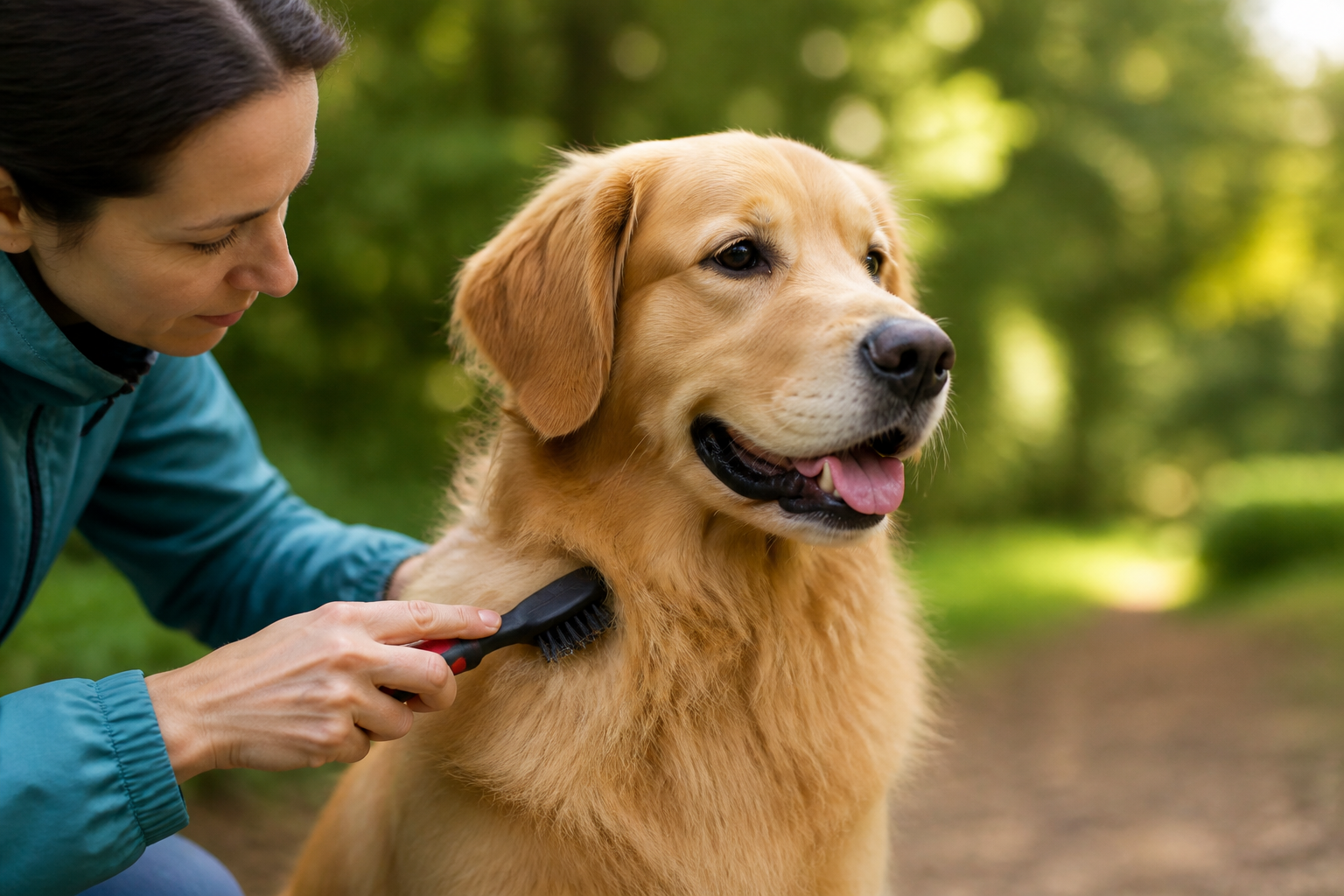
You just returned from a sunny afternoon hike or a session playing in the tall grass at the local park. As you settle back into the house, you reach for a brush to tidy up your dog's coat and check for any debris. This is the exact moment many pet owners wonder if a simple grooming session is enough to clear away dangerous parasites. At BaxterBoo, we know that tick season brings plenty of questions about the best ways to keep your furry friends safe. While a brush can be a helpful tool in your grooming kit, it is not a complete solution for these stubborn pests. This article covers why brushing alone often fails to remove ticks, where these parasites love to hide, and how to safely handle an attached tick. We want to ensure you have the right knowledge to protect your dog from the risks of tick-borne illnesses.
Quick Answer: You can brush ticks off your dog only if they are still crawling loosely on the surface of the fur. Once a tick has bitten the skin and attached itself, a brush will not remove it and may even cause the parasite to irritate the bite site further.
Brushing vs. Attached Ticks: Understanding the Difference
The effectiveness of a brush depends entirely on whether the tick has found a spot to bite. Ticks do not jump or fly like fleas. Instead, they practice a behavior called questing. They sit on the ends of tall grass or shrubs with their front legs extended, waiting for a host to walk by. When your dog brushes past, the tick hitches a ride on the fur.
At this stage, the tick is a hitchhiker. It is wandering through the forest of your dog's hair looking for the perfect patch of thin, warm skin. If you catch the tick during this wandering phase, a fine-toothed brush or a flea comb can snag it and pull it away. This is why brushing your dog immediately after a walk is a great preventative habit. It allows you to catch the parasites before they have the chance to settle in and bite.
However, once a tick reaches the skin, it uses its mouthparts to burrow in and begin feeding. They produce a cement-like substance that anchors them firmly in place. At this point, the tick is physically locked onto your dog. A standard grooming brush will simply glide over the top of the tick's body. Even a firm tug with a brush is unlikely to dislodge an attached tick. Instead of removing the pest, you might accidentally tear the tick's body away from its head, leaving the mouthparts embedded in your dog's skin.
Why a Flea Comb is Better than a Standard Brush
If you are using a brush specifically to look for ticks, not all tools are created equal. A large, soft-bristled brush or a wide slicker brush might miss a tiny nymph-stage tick entirely. These young ticks can be as small as a poppy seed. For the best results during a post-walk check, we recommend using a fine-toothed flea comb.
Flea combs have very fine, tightly spaced teeth. Because the gaps between the teeth are so small, they are much more likely to catch a crawling tick than a standard grooming brush. When you use a flea comb, you are effectively sifting through the hair. This method is particularly useful for dogs with short or medium coats. For long-haired breeds, you will need to work in small sections, combing all the way down to the skin to ensure nothing is hiding in the undercoat.
Key Takeaway: Brushing is a fantastic way to catch crawling ticks before they bite, but it is not an effective method for removing a tick that has already latched onto the skin.
Where Ticks Hide: The Head to Tail Checklist
Ticks are experts at finding the most inconvenient places to hide. They prefer areas where the skin is thin and blood vessels are close to the surface. They also gravitate toward dark, moist spots where they are less likely to be disturbed by a dog's scratching or a grooming brush. When you perform your daily tick check, pay close attention to these specific areas:
- Inside and around the ears: Ticks love the many folds and crevices of the ear canal and the soft skin of the ear flaps.
- Between the toes: Always check the webbing between your dog's paws. This is a common spot for ticks to hide after a dog has walked through infested grass.
- Under the collar: The area beneath a collar or harness is warm and protected, making it a prime real estate for parasites.
- The groin and armpits: These "elbow" areas are warm and have very thin skin, which makes it easy for a tick to feed.
- Under the tail: It is easy to overlook the base of the tail or the perianal area, but ticks frequently settle there.
- Around the eyelids: Sometimes a tick near the eye can look like a small skin tag or a piece of discharge, so look closely.
Using the Feel Test
Since a brush might not always snag a tick, your hands are often your best tool. Run your fingers through your dog's fur, applying light pressure so you can feel the skin. You are looking for a small, firm bump that feels like a pebble or a large mole. If you feel a bump, part the hair to get a clear look. An attached tick will usually be a grey, brown, or reddish-black color. If it has been feeding for a while, it may look like a swollen, silvery-grey grape.
For more detail about common attachment sites and safe removal, read our guide to black ticks on dogs.
The Danger of Improper Removal Techniques
There are many myths about how to get a tick to "let go" on its own. You might have heard that you should paint the tick with nail polish, cover it in petroleum jelly, or touch it with a hot match. We strongly advise against these methods.
When you stress a tick with heat or chemicals, its natural reaction is to regurgitate its stomach contents back into your dog's bloodstream. This significantly increases the risk of the tick passing on bacteria or parasites. The goal of removal is to get the tick out as quickly as possible without irritating it or squeezing its body.
Vet Tip: Never try to burn or suffocate a tick. The safest removal method is to use a dedicated tick tool or fine-pointed tweezers to pull the parasite straight out.
Step-by-Step Guide to Removing an Attached Tick
If you find a tick that has already bitten your dog, do not panic. You can handle this at home with the right tools. If you are uncomfortable doing it yourself, or if the tick is in a sensitive area like the eyelid, contact your veterinarian for help.
Step 1: Gather your supplies. / You will need fine-tipped tweezers or a tick removal tool, rubbing alcohol, and a pair of gloves.
Step 2: Calm your dog. / Have someone help you hold the dog steady or use a high-value treat to keep them distracted and still.
Step 3: Grasp the tick. / Use the tweezers to grip the tick as close to the dog's skin as possible. You want to grasp the head or mouthparts, not the fat body.
Step 4: Pull straight up. / Use steady, even pressure to pull the tick away from the skin. Do not jerk or twist the tweezers, as this can cause the head to break off.
Step 5: Clean the area. / Once the tick is out, clean the bite site and your hands with rubbing alcohol or soap and water.
Step 6: Dispose of the tick. / Do not crush the tick with your fingers. Place it in a small jar of alcohol to kill it, or flush it down the toilet.
Note: If the head of the tick breaks off and remains in the skin, do not dig for it. This can cause a skin infection. In most cases, the skin will eventually push it out like a splinter, but you should monitor the area for redness or swelling.
After Removal: Monitoring Your Dog
Removing the tick is only the first part of the process. You must keep an eye on the bite site for several days. A small red bump, similar to a mosquito bite, is normal and usually goes away quickly. However, if the redness spreads or if you see a "bullseye" pattern, it is time for a vet visit.
Tick-borne diseases like Lyme disease, Anaplasmosis, and Ehrlichiosis can take weeks to show symptoms. Even if the bite site looks fine, pay attention to your dog's behavior. Symptoms to watch for include:
- Sudden lethargy or weakness
- Loss of appetite
- Unexplained fever
- Joint pain or shifting lameness (limping on different legs)
- Swollen lymph nodes
If your dog shows any of these signs, tell your veterinarian exactly when you found the tick and where it was located. This information helps them run the correct diagnostic tests.
Preventing Ticks with the BaxterBoo Pharmacy
While daily brushing and manual checks are important, they are your last line of defense. The most effective way to protect your dog is to stop ticks from biting in the first place. At BaxterBoo, we offer a wide selection of top-tier preventative treatments that can kill or repel ticks before they cause trouble.
Through our partnership with Pet's Choice, we provide access to a full flea and tick pharmacy for dogs. This includes popular oral chewables like NexGard and Simparica, as well as trusted topical treatments like Frontline. If your dog has a history of allergies or requires a specific prescription-strength preventative, our pharmacy can help fulfill those needs with the convenience of home delivery.
Using a preventative doesn't mean you should stop checking your dog after walks, but it does give you peace of mind. Many of these medications work by killing the tick shortly after it bites, which prevents the parasite from being attached long enough to transmit diseases like Lyme.
Bottom line: Combining regular grooming checks with a high-quality preventative from our pharmacy is the best way to keep your dog tick-free year-round.
For an overview of topical, oral, collar, shampoo, and spray options, explore our article about flea and tick prevention products.
Environmental Control: Keeping Ticks Out of Your Yard
Ticks don't just live in the deep woods. They can thrive in any backyard that offers shade and moisture. If you want to reduce the number of ticks you have to brush off your dog, you should manage your outdoor space.
Ticks love tall grass, so keeping your lawn mowed short is a simple and effective step. They also hide in leaf litter and woodpiles. If your yard borders a wooded area, consider creating a barrier. A three-foot-wide strip of wood chips or gravel between your lawn and the woods can act as a "no-man's land" that ticks are less likely to cross.
Additionally, ticks are often brought into yards by local wildlife like deer or rodents. Keeping trash cans sealed and removing bird feeders that attract mice can help lower the tick population on your property. If you have a significant tick problem, you might also consider home and yard flea and tick treatments to treat the perimeter of your home.
The Role of Grooming in Long-Term Care
Regular grooming is about more than just looking good. It is a vital part of your dog's health routine. When you brush your dog daily, you become intimately familiar with their body. This makes it much easier to spot a new lump, a skin irritation, or a tiny tick that has just arrived.
We recommend making the "tick check" a positive experience. Use a soft brush or a flea comb and follow up with plenty of praise and a healthy treat. This builds a bond of trust and ensures that your dog will stay still when you actually need to remove a parasite. For families who are frequently outdoors, keeping a dedicated grooming station near the door can remind everyone to do a quick check before the dog settles onto the carpet or furniture.
For additional coat-care ideas, see our guide to grooming dogs with curly hair.
Using MVP Rewards and Autoship for Prevention
Managing a dog's health can be expensive, especially when you are buying flea and tick preventatives every month. Our MVP Rewards program is designed to help you save on these essentials. When you shop with us, you can earn up to 5% back on your purchases, which can be used toward future orders of food, toys, or grooming supplies.
For even more convenience, many pet owners choose our Autoship program. This allows you to set up recurring deliveries for your dog's favorite preventative or prescription diet. Not only does this save you money on your first order, but it also ensures you never forget a dose. Consistent prevention is the key to avoiding the stress of an infestation or a tick-borne illness.
Conclusion
Brushing your dog is a helpful part of a larger tick-prevention strategy, but it cannot stand alone. While a flea comb might catch a crawling parasite, an attached tick requires a steady hand and the right tools for safe removal. By staying vigilant with daily checks and using effective preventatives, you can enjoy your outdoor adventures without the constant worry of unwanted guests.
- Always check your dog immediately after they spend time in grass or woods.
- Use a fine-toothed flea comb to snag crawling ticks.
- Never use heat or chemicals to remove an attached tick.
- Consult our flea and tick collection for flea and tick medications.
If you are looking for the best gear to keep your pet safe, from tick removers to premium nutrition, we invite you to browse our collections. At BaxterBoo, we are committed to providing the products and expertise you need for a happy, healthy pet. Check out our Medical and Mobility section for your health-related needs or visit our pharmacy to manage your dog's prescription preventatives today.
FAQ
Can I use a regular hairbrush to get ticks off my dog? A regular hairbrush is usually not effective for removing ticks because the bristles are too far apart to catch small parasites. While a brush might occasionally snag a tick crawling on the surface of the fur, it will not remove one that has already bitten the skin. A fine-toothed flea comb is a much more reliable tool for catching ticks before they attach.
What should I do if I find a tick in my dog's fur but it hasn't bitten yet? If the tick is just crawling on the hair, you can simply pick it off with gloves or use a flea comb to pull it away. It is important to kill the tick by placing it in rubbing alcohol or flushing it down the toilet so it cannot find another host. A tick that has not bitten the skin cannot transmit diseases to your dog.
Is it okay to leave the tick head in the dog's skin if it breaks off? While you should try to remove the head, you should not dig into the skin if it breaks off during removal. Digging can cause further irritation and increase the risk of a bacterial skin infection. Usually, the skin will eventually heal and push the head out like a splinter. Just keep the area clean and monitor it for significant swelling or pus.
Do tick preventatives kill ticks instantly? Most tick preventatives do not kill the parasite the second it touches the dog's fur. Some products work by repelling ticks so they never bite, while others kill the tick once it takes its first tiny sip of blood. The goal of these medications is to kill the tick quickly enough to prevent the transmission of diseases, which usually takes 24 to 48 hours of attachment.






