
 Save 15% on your 1st Autoship learn more

 Email us
 Live Chat
 FAQs
FAQs





Introduction
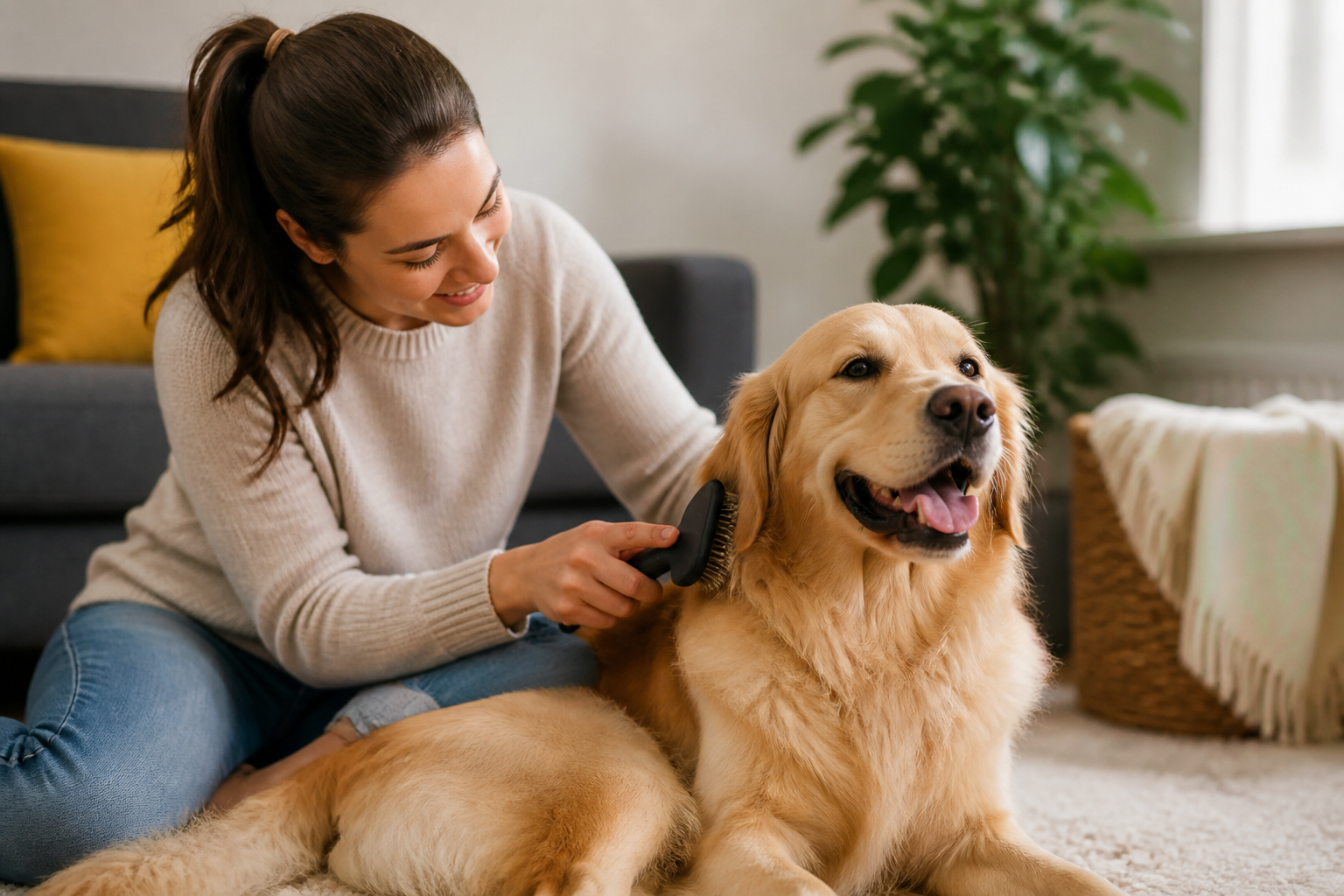
Sitting on the floor with your dog after a long day often leads to a familiar discovery. You might feel a small tangle behind their ears or notice a dusting of hair on your leggings that was not there an hour ago. It is natural to wonder if a quick daily brush would solve these problems or if it might actually irritate your pet’s skin. At BaxterBoo, we talk to pet owners every day who want to maintain that soft, healthy coat without causing discomfort.
The answer depends heavily on your dog's specific coat type and the tools you use. While some dogs thrive with daily attention, others only need a weekly touch-up to stay looking their best. This guide covers the benefits of regular grooming, the risks of over-brushing, and how to choose the right brush for your dog’s unique needs. You will learn how to turn a chore into a bonding ritual that supports your pet's overall wellness.
Quick Answer: Yes, you can brush your dog every day, and for many breeds, it is highly recommended. Daily brushing prevents painful mats in long-haired dogs and reduces shedding in double-coated breeds. However, short-haired dogs with sensitive skin may only need brushing once or twice a week to avoid irritation.
The Benefits of a Daily Grooming Routine
Brushing is about much more than just keeping your furniture clean. When you run a brush through your dog’s fur, you are performing a mini-health check. Daily sessions allow you to spot small changes in your dog’s body that you might otherwise miss. You might find a new lump, a tick that just attached, or a patch of dry, flaky skin. Catching these issues early often makes them much easier to manage.
Regular brushing also distributes natural oils across the skin and coat. These oils are the secret to a shiny, healthy-looking dog. Without brushing, those oils can sit at the base of the hair, leading to a greasy feel or skin irritation. By moving the oils down the hair shaft, you provide a natural barrier against moisture and dirt.
For many dogs, the physical sensation of brushing is very relaxing. It mimics the grooming behaviors seen in a pack and can lower stress levels for both you and your pet. If your dog is prone to anxiety, a gentle five-minute brushing session each evening can become a soothing signal that it is time to wind down.
Key Takeaway: Daily brushing is a powerful tool for early health detection and coat hydration. It strengthens the bond between you and your dog while keeping their skin environment balanced.
Understanding How Coat Types Dictate Frequency
Not all fur is created equal. A Greyhound has very different grooming requirements than a Poodle or a Golden Retriever. To decide if daily brushing is right for your dog, you must first identify their coat category.
Smooth and Short Coats
Dogs like Boxers, Pointers, and Labradors have sleek, close-to-the-body fur. These coats are relatively low maintenance because they do not tangle. However, they do shed. While you can brush these dogs every day, it is usually not necessary. Once or twice a week is often enough to remove dead hair and keep the skin healthy. If you do choose to brush daily, use a very soft bristle brush or a rubber curry palm brush. Using a stiff metal brush every day on a short coat can lead to skin abrasions.
Silky and Drop Coats
Yorkshire Terriers, Maltese, and Spaniels often have hair that continues to grow rather than fur that stays a fixed length. This hair is very fine and prone to tangling. For these breeds, daily brushing is almost a requirement. Even one or two days without grooming can lead to small knots forming in high-friction areas like the armpits or under the collar.
Double Coats and Heavy Coats
German Shepherds, Huskies, and Newfoundlands have a dense undercoat protected by a coarser outer coat. These dogs "blow" their coats twice a year, but they shed moderately year-round. Daily brushing during the heavy shedding seasons is a lifesaver for your vacuum. During the rest of the year, brushing three times a week usually suffices. The goal here is to reach the undercoat to pull out dead fluff before it mats against the skin. For additional seasonal shedding guidance, read about managing shedding in double-coated dogs.
Curly and Wire Coats
Poodles, Bichons, and Airedale Terriers have coats that trap shed hair within the curls or wiry texture. This means they do not shed much on your floor, but the dead hair stays on the dog. If you do not brush this hair out daily or every other day, it will quickly turn into thick mats. Mats are not just an aesthetic issue. They pull on the skin and can cause sores or infections.
Essential Tools for Daily Brushing
Using the wrong tool is the fastest way to turn your dog off from grooming. We carry a wide variety of options at our warehouse in Vernon Hills to ensure every pet owner finds a comfortable fit.
- Slicker Brushes: These have fine, short wires closely spaced together. They are excellent for removing mats and tangles in long-haired or curly-coated dogs.
- Pin Brushes: These look like human hairbrushes with metal pins. They are best for long-haired breeds to provide a finished look without pulling too hard.
- Bristle Brushes: These are ideal for short-haired or smooth-coated dogs. They are great for finishing a grooming session on any breed to add shine.
- Undercoat Rakes: These have long, blunt tines designed to get deep into a double coat. They are essential for breeds like Samoyeds or Huskies.
- Rubber Curry Brushes: These are perfect for short-haired dogs. They massage the skin and pull away loose hair during a bath or a quick dry session.
Explore our dog brushes and combs to compare grooming tools for different coat types.
Vet Tip: If your dog has sensitive skin or a thin coat, always test the brush on the back of your own hand first. If it feels scratchy or sharp to you, it will likely be uncomfortable for them. Look for pins with rounded or coated tips to prevent scratching.
Preventing Brush Burn and Skin Irritation
While daily brushing is generally good, there is such a thing as too much of a good thing. Brush burn occurs when you apply too much pressure or spend too much time on a single spot. This causes the top layer of skin to become red, inflamed, and painful.
To avoid this, use long, sweeping strokes. Avoid "digging" into the coat with the tips of the brush. If you encounter a knot, do not simply yank on it. Hold the base of the hair near the skin with your fingers to prevent pulling, then gently tease the knot apart with the edge of a slicker brush or a comb. A Master Grooming Tools self-cleaning slicker brush can help remove loose hair and tangles while making cleanup easier.
Pay close attention to your dog's body language. If they flinch, try to move away, or lick the area you just brushed, you may be using too much pressure. Always check the skin after a session to ensure there is no lingering redness.
Key Takeaway: Proper technique is as important as frequency. Use light pressure and keep the brush moving to prevent localized skin irritation.
When Grooming Reveals Health Concerns
Because you are touching your dog's skin daily, you will be the first to notice if something is wrong. Many skin conditions or internal issues manifest in the coat first.
If you notice your dog's coat has become dull, brittle, or greasy despite regular brushing, it might indicate a nutritional deficiency or an underlying health issue. Skin that feels hot to the touch, has a strong odor, or shows signs of redness requires professional attention.
Our pharmacy provides a range of FDA-approved treatments for common issues like flea infestations or skin allergies. We partner with Pet's Choice to offer prescription medications and therapeutic shampoos that your veterinarian may recommend. If you find fleas or notice your dog is scratching excessively even after a thorough brushing, a vet visit is the necessary next step to get a formal diagnosis. When appropriate, you can review our pet pharmacy services for prescription support.
Training Your Dog to Love the Brush
If your dog hides when they see the brush, a daily routine will be a struggle. The goal is to make the brush a predictor of good things. Start small and use plenty of praise.
Step 1: Introduce the tool. / Let your dog sniff the brush while it is resting on the floor. Give them a treat every time they show curiosity toward it.
Step 2: Mimic the motion. / Use the back of the brush (the non-bristle side) to stroke your dog’s side. This gets them used to the feeling of the tool moving over their body without any pulling.
Step 3: One single stroke. / Turn the brush over and do one gentle stroke on a non-sensitive area like the shoulder. Follow immediately with a high-value treat.
Step 4: Gradually increase time. / Slowly build up to two strokes, then a whole side, then the entire body. If your dog gets restless, stop before they get upset.
Bottom line: Patience and positive reinforcement turn grooming from a scary chore into a rewarding activity your dog will eventually seek out.
Managing Shedding with Consistency
One of the biggest reasons owners want to brush every day is to manage shedding. In a climate like Illinois, dogs often spend a lot of time indoors with artificial heating and cooling. This can confuse their natural shedding cycles, leading to a constant "snowfall" of hair on your floors.
Consistency is more effective than intensity. Brushing for five minutes every day is much better for managing shedding than brushing for an hour once a month. The daily sessions catch the hair just as it releases from the follicle, before it has a chance to weave itself into your carpet or clothing.
For heavy shedders, consider using a deshedding tool once a week in addition to your daily soft brush. Tools like the shedding blade or a specialized rake are designed specifically to pull out the dead undercoat. Just be careful not to over-use these specialized tools, as they can be more abrasive than a standard bristle or pin brush. You can find undercoat rakes and other grooming tools for heavier coats.
Skin Care Beyond the Brush
Brushing is only one part of the skin health equation. What you put into your dog's body and what you use in the tub also matter. If your dog has itchy skin, daily brushing might actually make the itching worse by stirring up dander or irritating sensitive spots.
In these cases, we often suggest looking at supplements or medicated topical treatments. Omega-3 fatty acids are excellent for supporting a strong skin barrier. If your vet prescribes a specific medicated wash for allergies or infections, our pharmacy can help fulfill those needs. Keeping the skin calm and hydrated makes the physical act of brushing much more comfortable for your dog.
Vet Tip: If your dog has a sudden change in coat texture or starts losing hair in patches, consult your veterinarian. These can be signs of hormonal imbalances or parasites that brushing alone cannot fix.
Brushing and Seasonal Changes
As the seasons shift, your dog’s coat will likely change density. In the spring, most dogs shed their heavy winter undercoat to prepare for the heat. In the fall, they drop their lighter summer coat to make room for thicker insulation.
During these transition periods, you should almost certainly move to a daily brushing schedule, even if you usually only brush once a week. It prevents the old coat from getting trapped under the new growth. When dead hair gets trapped, it creates a layer of heat and moisture against the skin, which is a perfect breeding ground for "hot spots" or bacterial infections.
Using a detangling spray can be very helpful during these high-shed months. A light mist helps the brush glide through the changing coat without snapping the hair or pulling on the skin. It also helps reduce static electricity, which is common in the dry winter months. For a soft rubber option, consider the KONG Zoom Groom Natural Rubber Dog Grooming Brush.
Summary of Daily Grooming
Maintaining a daily brushing routine is one of the simplest things you can do to improve your dog's quality of life. It keeps them clean, reduces the amount of allergens in your home, and provides a daily moment of connection. While the intensity and tools will vary based on whether you have a sleek Doberman or a fluffy Great Pyrenees, the goal remains the same: a healthy pet and a happy owner.
- Daily brushing is essential for long-haired, curly, and silky coats to prevent matting.
- Short-haired breeds benefit from the massage and oil distribution but need softer tools.
- Always monitor the skin for redness or "brush burn" during frequent sessions.
- Grooming is the best time to check for lumps, bumps, and parasites.
We are proud to have served the pet community since 2006, offering everything from high-quality grooming tools to prescription support. Whether you are looking for a new slicker brush or need to refill a prescription through our pharmacy partnership, we are here to help your pet look and feel their best.
Bottom line: Tailor your brushing frequency to your dog's coat type and skin sensitivity to ensure a healthy, shiny, and mat-free coat.
FAQ
Can you brush a dog too much?
Yes, you can over-brush a dog if you use the wrong tools or apply too much pressure. This can lead to brush burn, which is a painful skin irritation characterized by redness and sensitivity. To prevent this, always use the appropriate brush for your dog's coat type and keep your sessions relatively short if you are grooming every day.
Should I brush my dog's hair wet or dry?
It is generally best to brush your dog when their coat is dry or only slightly damp with a detangling spray. Wet hair is more elastic and prone to breakage, and mats can actually tighten when they get wet, making them much harder to remove. If you are giving your dog a bath, try to brush out any major tangles before the water hits the coat.
What should I do if I find a mat that won't come out?
If you find a stubborn mat, do not try to pull it out forcefully with a brush, as this is very painful for the dog. Use a detangling spray and your fingers to gently pull the mat apart from the edges. If it is too tight, you may need to use a mat splitter tool or have a professional groomer carefully clip it out to avoid cutting the skin.
Does daily brushing really help with allergies?
Daily brushing can significantly help people with pet allergies by removing loose fur and dander before it becomes airborne in your home. It also removes environmental allergens like pollen or dust that your dog may have picked up outside. For the best results, try brushing your dog outdoors or in a well-ventilated area that is easy to clean.






