
 Save 15% on your 1st Autoship learn more

 Email us
 Live Chat
 FAQs
FAQs





Introduction
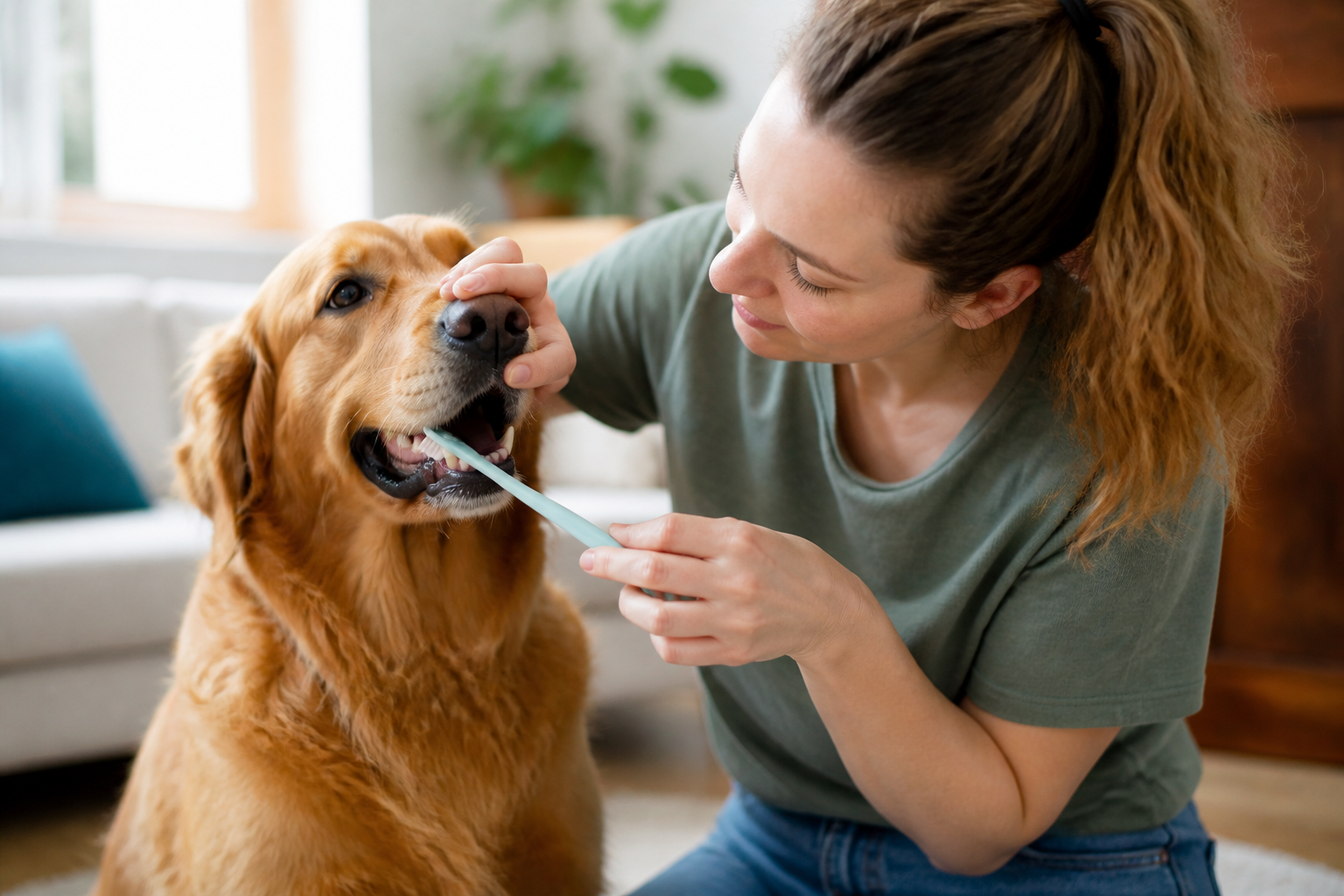
You are relaxing on the sofa when your dog leans in for a lick, and the smell is enough to make you recoil. You pull back their lip and notice a film of yellow gunk along the gum line. Your first instinct is to head to the medicine cabinet. You see that brown bottle of hydrogen peroxide and wonder if a quick scrub might solve the problem. It works for human cuts and some mouth rinses, so it seems like a logical fix. At BaxterBoo, we hear these kinds of questions often from well-meaning pet parents who want to help their dogs stay healthy without unnecessary stress. This article will explain why using household hydrogen peroxide is a mistake for your dog. We will also cover safe alternatives, the right way to brush, and how to tell when it is time for professional help. While it is tempting to reach for a quick DIY fix, your dog’s safety depends on using products designed specifically for their unique biology.
Quick Answer: No, you should not clean your dog’s teeth with hydrogen peroxide. It can cause severe oral irritation, damage the gum tissue, and lead to vomiting or stomach upset if swallowed.
The Dangers of Hydrogen Peroxide for Dogs
Hydrogen peroxide is a common household staple used to disinfect surfaces or clean minor scrapes. However, it is an oxidative chemical that can be quite harsh. When you apply it to a dog’s sensitive gum tissue, it can cause redness, irritation, and even chemical burns. Dogs do not have the same mouth chemistry as humans. Their gums are often more sensitive to abrasive or oxidative substances.
The biggest risk involves your dog swallowing the liquid. In the veterinary world, hydrogen peroxide is actually used as an emetic. This means it is a substance used to induce vomiting in emergencies. If your dog swallows even a small amount during a tooth cleaning session, they will likely experience significant nausea. They may begin to foam at the mouth or vomit repeatedly. This turns a simple grooming task into a medical emergency.
Using this chemical can also damage the protective enamel on your dog’s teeth. Once enamel is worn away, it does not grow back. This leaves the tooth vulnerable to decay and sensitivity. Instead of a clean mouth, you might end up with a dog in pain who is now terrified of you touching their muzzle.
Why Other DIY Dental Hacks Fail
It is not just hydrogen peroxide that causes issues. Many common household items are touted as "natural" dental solutions on social media, but they often carry hidden risks.
The Problem With Baking Soda
Baking soda is another frequent suggestion for DIY dog toothpaste. While it is not as immediately toxic as some chemicals, it has a very high sodium content. If a dog swallows a significant amount of baking soda, it can disrupt their electrolyte balance. This is especially dangerous for dogs with underlying heart or kidney conditions. It also has a bitter taste that most dogs find repulsive. This makes them much less likely to cooperate with future brushing attempts.
Human Toothpaste Hazards
You should never use your own toothpaste on your dog. Human toothpastes often contain fluoride and artificial sweeteners like xylitol. Xylitol is extremely toxic to dogs and can cause a rapid drop in blood sugar and liver failure. Even fluoride can be toxic in the amounts a dog might swallow since they cannot spit out the paste like we do.
Raw Bones and Hard Chews
Some owners believe that chewing on raw bones is the best way to scrape teeth clean. While chewing does provide some mechanical cleaning, real bones carry risks. They can splinter and cause internal punctures. They are also hard enough to fracture a dog’s teeth. A fractured tooth is incredibly painful and usually requires an expensive extraction.
Vet Tip: Always check the ingredients of any product you put in your dog's mouth. If it contains xylitol or high levels of sodium, keep it far away from your pet.
Understanding Plaque Versus Tartar
To clean your dog’s teeth effectively, you need to understand what you are actually fighting. There are two main stages of buildup in a dog’s mouth.
Plaque is a soft, sticky film that forms on the teeth within hours of eating. It is made of bacteria, saliva, and food particles. Because it is soft, you can easily remove it with a soft-bristled brush and pet-safe toothpaste. This is the stage where home care is most effective.
If plaque is left alone, it reacts with the minerals in your dog’s saliva. It hardens into a substance called tartar, also known as calculus. Tartar is like concrete. Once it forms, no amount of brushing or chewing will remove it. Tartar provides a porous surface where even more bacteria can hide. This eventually leads to periodontal disease, which affects the structures supporting the tooth.
Key Takeaway: Brushing is for preventing tartar by removing plaque. Once tartar has formed, only a professional veterinary cleaning can remove it safely.
The Right Way to Brush a Dog’s Teeth
Since hydrogen peroxide is off the table, you need a safe routine. We carry over 500 trusted brands at BaxterBoo, including many pet-specific toothbrushes and pastes that make this process easier. Success is all about the approach. You can browse our dog dental care category for tools designed for canine oral care.
Choose the Right Tools
A human toothbrush is often too large and the bristles are too stiff for a dog’s mouth. Look for a pet-specific brush with soft bristles. For small dogs, a finger brush that slips over your pointer finger can offer better control. For larger dogs, a long-handled brush helps you reach the back molars.
Pair the brush with a pet-safe toothpaste. These come in flavors like poultry, beef, or peanut butter. This makes the experience feel like a treat rather than a chore.
Step-by-Step Brushing Guide
Step 1: Let them taste the paste. / Put a small amount of pet toothpaste on your finger and let your dog lick it off. Do this for a few days to build a positive association with the flavor.
Step 2: Get them used to mouth handling. / Gently lift your dog’s lips and rub your finger along their gums. Reward them with praise or a small treat immediately after.
Step 3: Introduce the brush. / Put some paste on the brush and let them lick it. Gently touch the brush to their front teeth without scrubbing yet.
Step 4: Focus on the outside surfaces. / Most plaque accumulates on the outside of the upper teeth. Lift the lip and brush in small circles. You do not need to worry about the inside surfaces near the tongue, as the tongue does a decent job of cleaning those areas.
Step 5: Keep it short. / Start with just thirty seconds and gradually work up to a full minute. Always end on a happy note with a favorite toy or a dental chew.
Bottom line: Consistency is more important than perfection. Brushing three times a week is the goal for maintaining oral health.
For additional guidance, read our pet dental care tips.
Safe Alternatives to Brushing
We know that not every dog is a fan of the toothbrush. If your dog is particularly resistant, there are other ways to support their dental health. These products use mechanical action or enzymes to break down plaque without the risks of hydrogen peroxide.
- Dental Chews: High-quality chews like Greenies are designed to scrub the teeth as the dog bites down. Look for products with the Veterinary Oral Health Council (VOHC) seal of approval.
- Water Additives: These are tasteless liquids you add to your dog’s water bowl. They contain enzymes that help kill the bacteria that lead to plaque.
- Dental Toys: Durable rubber toys from brands like Kong often have ridges or nubs. As your dog chews, these nubs massage the gums and scrape away soft debris.
- Prescription Diets: Some dogs benefit from specialized kibble. These pieces are larger and have a specific texture that does not crumble immediately. This forces the dog to chew more, which cleans the teeth.
You can explore our selection of Greenies products when looking for dental chew options.
When Dental Care Becomes a Medical Need
Home care is a preventative measure. It is not a cure for existing dental disease. If your dog already has significant tartar buildup or red, inflamed gums, a toothbrush will not fix it. In fact, brushing a mouth that is already sore can be very painful for your dog.
Watch for these signs of dental trouble:
- Extremely foul breath that does not go away
- Bleeding from the gums or blood on chew toys
- Dropping food while eating or chewing on only one side of the mouth
- Lumps or bumps inside the mouth or under the eye
- Loose or missing teeth
If you notice these symptoms, it is time to visit your veterinarian. They may recommend a professional dental cleaning under anesthesia. This is the only way to clean under the gum line where the most damage occurs.
The BaxterBoo pharmacy carries FDA-approved medications through our partnership with Pet's Choice. If your vet diagnoses a dental infection or periodontal disease, they may prescribe antibiotics or specialized oral rinses. Our pet pharmacy makes it easy to get these prescription items delivered to your door so you can focus on your dog’s recovery.
For more warning signs, read how to recognize bad teeth in dogs.
Vet Tip: A professional dental exam once a year is just as important for dogs as it is for humans. Early detection of oral issues can save your dog from chronic pain and prevent bacteria from spreading to their heart or kidneys.
Maximizing Your Pet Care Budget
Keeping your dog's mouth healthy does not have to be a financial burden. We offer several programs to help you save on the supplies you need. Our MVP Rewards program allows you to earn up to 5% back on your purchases. This includes everything from toothbrushes to dental-friendly toys.
If you find a dental chew or water additive that your dog loves, consider our Autoship program. You will save on your first order and get a free MVP Gold membership. This ensures you never run out of the tools needed to keep that "doggy breath" at bay. For those who live near Vernon Hills, Illinois, you can even stop by our warehouse to see our selection in person.
The Role of Nutrition in Oral Health
What your dog eats every day has a direct impact on their teeth. Diets high in simple sugars or starches can contribute to faster plaque formation. Premium brands like Royal Canin or Farmina offer formulas that support overall wellness, which includes oral health.
Some owners wonder if wet food is worse for teeth than dry food. While dry kibble can provide some mechanical scraping, the difference is often minimal. The most important factor is the quality of the ingredients and the lack of artificial fillers. When you feed a high-quality diet, you are supporting the immune system, which helps the body fight off oral bacteria naturally.
Caring for Senior Dogs and Puppies
The age of your dog changes their dental needs. Puppies start losing their baby teeth around four months of age. This is the perfect time to get them used to having their mouth touched. However, be very gentle. Their gums are often sore during teething. Avoid heavy scrubbing until their adult teeth are fully in.
Senior dogs often face more complex dental challenges. Years of plaque buildup can lead to receding gums and bone loss. If you have an older dog, be extra vigilant about checking for loose teeth or signs of pain. Senior dogs may also require specialized supplements to support their overall health as they undergo dental procedures.
If your senior dog needs long-term medication for conditions related to aging, the BaxterBoo pharmacy is a great resource. Through Pet's Choice, we provide access to chronic care medications that can be managed alongside their dental health plan.
For puppy-specific guidance, read when dogs lose their puppy teeth.
Key Takeaway: Start dental care early to build a lifetime of good habits. Adjust your approach as your dog ages to keep them comfortable.
Summary of Safe Dental Practices
Maintaining your dog’s smile is a marathon, not a sprint. While hydrogen peroxide might seem like a quick fix, the risks far outweigh any perceived benefits.
- Avoid household chemicals like peroxide and baking soda.
- Use only pet-specific brushes and toothpastes.
- Focus on the outside of the upper teeth.
- Supplement brushing with VOHC-approved chews and toys.
- Schedule annual vet exams to catch issues early.
- Use the BaxterBoo pharmacy for any prescription dental needs.
By following these steps, you can keep your dog’s breath fresh and their mouth pain-free. It is much easier to spend a few minutes a week brushing than to deal with the complications of advanced gum disease later in life.
Conclusion
Your dog depends on you to make safe choices for their health. While it is tempting to use what you have in the cupboard, hydrogen peroxide is simply too dangerous for canine oral care. It causes irritation, pain, and potentially dangerous vomiting. Stick to the proven methods of pet-specific brushing and professional veterinary care. At BaxterBoo, we are committed to providing the experts' choice in dental supplies and medications. Whether you are looking for a new flavor of toothpaste or need to fill a prescription through our pharmacy, we are here to support your journey as a pet parent. Start a routine today and enjoy those doggy kisses without the worry of bad breath or dental pain. For the best selection of dental care products, browse our full Medical and Mobility category to find the perfect tools for your pup.
FAQ
Can I put a little hydrogen peroxide in my dog's water?
No, you should never add hydrogen peroxide to your dog's drinking water. Even in small amounts, it can cause chronic stomach irritation and may lead to vomiting or esophageal damage. Use a veterinarian-approved water additive instead, which is designed to be safely ingested.
Is there any safe way to use hydrogen peroxide for a dog's mouth?
Hydrogen peroxide is generally only used in a dog's mouth under the direct supervision of a veterinarian, usually to induce vomiting after they have swallowed something toxic. It is not a cleaning agent for home use. For daily hygiene, pet-safe toothpaste is the only recommended option.
What should I do if my dog accidentally swallows hydrogen peroxide?
If your dog swallows hydrogen peroxide, monitor them closely for signs of distress, excessive drooling, or repeated vomiting. Contact your veterinarian or an animal poison control center immediately. They can provide guidance based on the concentration and amount of peroxide ingested.
Why do some people suggest hydrogen peroxide for dog teeth?
Many people confuse human oral care with pet care or see outdated advice online. While some human mouthwashes contain tiny, controlled amounts of peroxide, dogs cannot spit and have different oral pH levels. This makes what is safe for humans very dangerous for pets.






