
 Save 15% on your 1st Autoship learn more

 Email us
 Live Chat
 FAQs
FAQs





Introduction
You are sitting on the couch when your dog leans in for a celebratory lick, and the smell hits you. That "dog breath" has turned into something much sharper and more unpleasant. You lift their lip and notice a thick layer of yellow-brown tartar along the molars. Naturally, you want to fix it, but the thought of putting your best friend under general anesthesia for a cleaning feels overwhelming. You might have seen advertisements for "anesthesia-free" dental cleanings at a local groomer or pop-up clinic and wondered if that is the safer, easier path.
At BaxterBoo, we talk to pet owners every day who are balancing the need for health care with the very real anxiety of medical procedures. We want to help you understand what you can do at home and what requires a professional. This post covers the reality of "awake" cleanings versus veterinary procedures and why your home routine is the most powerful tool you have. Understanding the difference between cosmetic scraping and actual healthcare is the first step in protecting your dog's long-term wellness.
The Reality of Anesthesia-Free Dental Cleaning
The term "anesthesia-free dental cleaning" is a bit of a misnomer in the veterinary world. Most professionals prefer the term "non-anesthetic dental scaling." This is because the procedure is almost entirely cosmetic. During these sessions, a person physically restrains the dog and uses a sharp metal tool to scrape the visible tartar off the surface of the teeth.
While the teeth look much whiter afterward, the underlying health of the mouth has not changed. The thickest, most dangerous bacteria live under the gumline where a tool cannot reach while a dog is awake. Scaling the surface without cleaning the pockets under the gums is like painting over a termite-infested wall. It looks great to the neighbors, but the structure is still rotting underneath.
Quick Answer: You can brush your dog's teeth at home without anesthesia, but a professional deep cleaning always requires it. "Anesthesia-free" services only scrape the visible parts of the teeth and cannot treat the bacteria under the gumline that cause real disease.
Why the Gumline Matters Most
If you look at your dog’s tooth, you only see about one-third of the actual structure. The rest is tucked away beneath the gums and rooted into the jawbone. This hidden area is where periodontal disease starts. Plaque is a soft, sticky film of bacteria that hardens into tartar within about 48 hours. When that tartar builds up under the gumline, it creates a constant state of infection.
This infection does not just stay in the mouth. The gums are rich with blood vessels. Bacteria from a "dirty" mouth can enter the bloodstream every time your dog chews a toy or eats a meal. Over time, this chronic inflammation can damage the heart, kidneys, and liver. A cleaning that only scrapes the white part of the tooth does nothing to stop this internal damage.
Key Takeaway: Visual whiteness is not a measure of oral health. True dental care focuses on the subgingival area (under the gums) to prevent systemic infections that affect the heart and kidneys.
The Risks of Restraining an Awake Dog
Think about your own visits to the dental hygienist. Even though you know what is happening, it can be uncomfortable when they scrape near a sensitive spot. Now imagine being a dog who has no idea why someone is holding their mouth open and poking them with sharp metal.
Cleaning a dog's teeth while they are awake involves several risks:
- Psychological Stress: Many dogs find the intense restraint required for "awake" scaling to be terrifying. This can lead to a lifetime of fear regarding their face or mouth being touched.
- Physical Injury: If a dog flinches or jerks their head while a sharp scaler is near their gums, it can cause significant lacerations or puncture wounds.
- Aspiration: During a professional cleaning, a tube is used to protect the airway. Without it, the "gunk" and bacteria being scraped off can be inhaled into the lungs, potentially causing pneumonia.
- Missed Diagnosis: A dog will not let a stranger poke around their mouth long enough to find a cracked tooth, an oral tumor, or a deep pocket of infection.
What Happens During a Veterinary Dental Procedure
When your veterinarian performs a dental cleaning under anesthesia, it is a full medical procedure. It is far more than just a wash and a scrub. Our pet pharmacy can help with prescription needs your veterinarian identifies during recovery, but the heavy lifting happens in the surgical suite.
Step 1: The Pre-Exam. Your vet will run bloodwork to ensure your dog's organs can handle the anesthesia safely. Step 2: Monitoring. Your dog is hooked up to machines that track heart rate, oxygen levels, and blood pressure. Step 3: X-Rays. This is the most important part. Dental X-rays show what is happening inside the bone and roots. Most dental disease is invisible to the naked eye. Step 4: Scaling and Polishing. The vet uses an ultrasonic scaler to vibrate the tartar off, including from under the gums. Then, they polish the teeth to smooth out the microscopic scratches so plaque cannot stick as easily. Step 5: Extractions or Treatment. If the X-rays show a rotted root, the vet can remove the tooth while the dog is still asleep and pain-free.
Vet Tip: Always ask if your vet performs dental X-rays during a cleaning. Without X-rays, at least 60 percent of the tooth's surface remains unexamined, meaning hidden infections or painful root rot could be missed.
Home Care: How to Clean Teeth Without Anesthesia
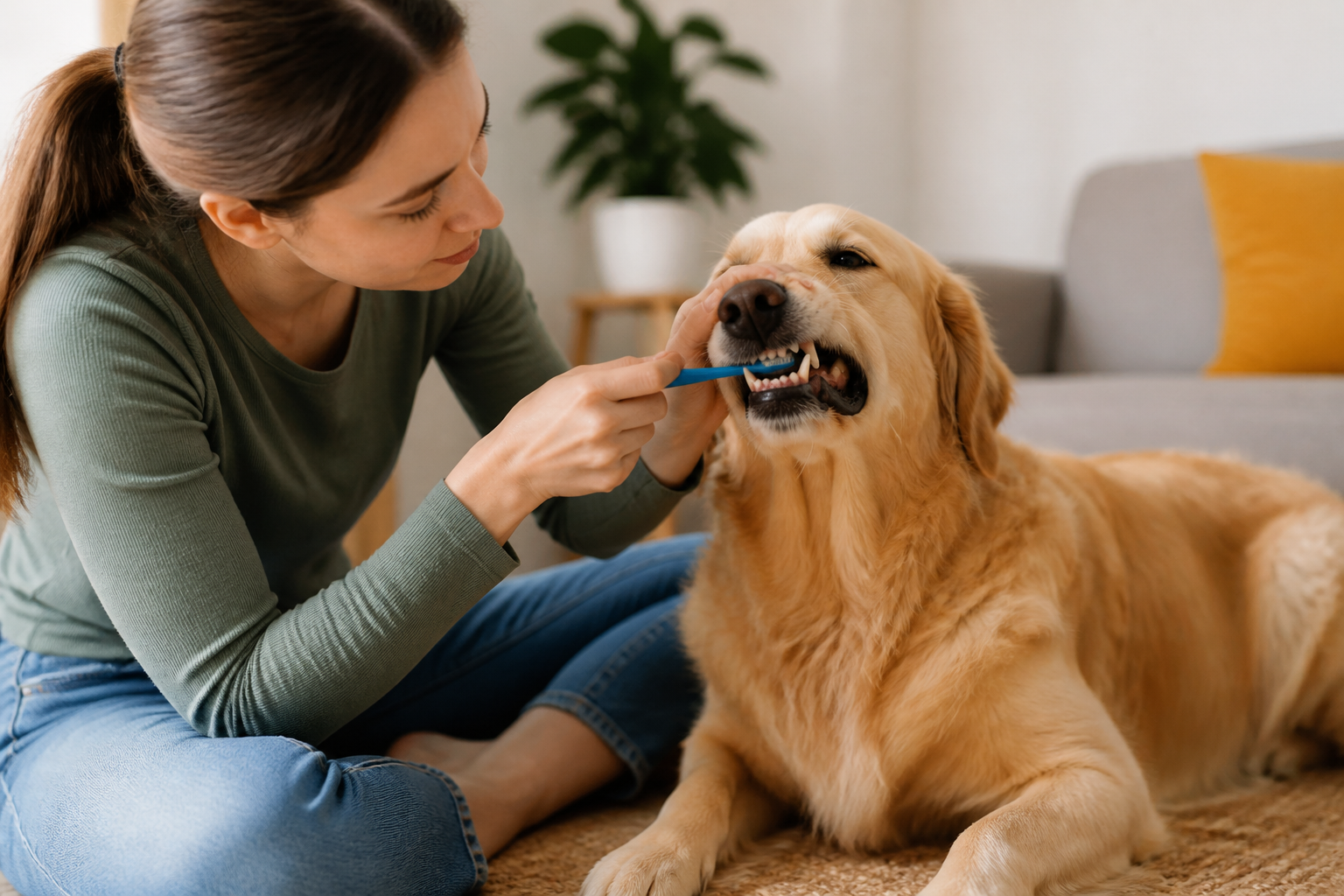
While you should never attempt to "scale" or scrape your dog's teeth at home, you absolutely can and should clean them. Brushing is the gold standard of home care. If you start a routine before the tartar becomes a thick "shell," you can delay or even prevent the need for professional cleanings.
Brushing at home is safe because you are using a soft brush and flavored paste, not sharp metal tools. You are focusing on removing soft plaque before it hardens. This is the only way to truly "clean" teeth without anesthesia, and it is a daily commitment.
Choosing the Right Tools
- Pet-Safe Toothpaste: Never use human toothpaste. It contains fluoride and xylitol, which are toxic to dogs. Pet pastes come in flavors like poultry or beef to make the experience a treat.
- Soft Brushes: You can use a finger brush for smaller dogs or a long-handled pet brush for larger breeds. A soft-bristled toddler toothbrush also works well.
- Enzymatic Sprays: If your dog will not tolerate a brush, enzymatic gels or sprays can help break down some plaque through saliva.
For additional ideas about introducing these supplies gradually, read the top pet dental care tips.
Training Your Dog to Love the Toothbrush
You cannot just jump in and start scrubbing. You have to build trust. This process can take a few weeks, but the payoff is a healthier dog and lower vet bills.
Step 1: Let them lick the toothpaste. Just let them see it as a delicious treat. Do this for three days. Step 2: Touch their mouth. While they lick the paste, gently lift their lip and rub your finger along their gums. Step 3: Introduce the brush. Let them lick the paste off the brush so they get used to the texture of the bristles. Step 4: The 45-degree angle. Gently brush the outside of the teeth in a circular motion. You do not need to worry about the inside surfaces, as the tongue does a decent job of cleaning those. Step 5: Reward. Always follow a brushing session with a high-value treat or a favorite game.
Bottom line: Consistent daily brushing is the only way to manage oral bacteria at home without the risks of professional restraint or anesthesia.
Dental Chews and Toys as Supplements
While nothing replaces the physical action of a toothbrush, certain toys and chews can help. Products like those made by Kong or Greenies are designed with specific textures that scrub the tooth as the dog bites down. Our dog dental care collection includes products for adding supplemental support to your routine.
When choosing a dental chew, look for the VOHC (Veterinary Oral Health Council) seal. This means the product has been tested and proven to reduce plaque or tartar by a specific percentage. Be careful with very hard items like real bones, antlers, or thick nylon bones. If you cannot indent the item with your thumbnail, it is hard enough to fracture your dog's teeth.
- Kong Dental Toys: These often have ridges that you can fill with pet-safe paste to encourage chewing.
- Enzymatic Chews: These use a chemical reaction in the saliva to help prevent plaque from sticking.
- Rawhide Alternatives: Look for highly digestible options that provide a long-lasting scrub.
For more ideas, browse 10 dental chews for dogs.
The Role of Diet in Dental Health
What your dog eats every day impacts their oral environment. Some "dental diet" kibbles are specially formulated to be larger and more fibrous. Instead of crumbling instantly when bitten, the kibble stays together longer, acting like a squeegee against the tooth.
If your dog has advanced periodontal disease, your vet might recommend a prescription dental diet. We carry these types of specialized foods, ensuring you have access to the exact nutrition your vet prescribes. For dogs with severe mouth pain, switching to a softer diet like The Honest Kitchen or Stella & Chewy's can help until they receive professional treatment.
Key Takeaway: Diet is a supporting player in dental health. Use dental-specific kibble or treats to help manage plaque, but continue brushing for the best results.
When Home Care Isn't Enough
There is a point where brushing and chews can no longer help. If your dog already has thick, stony tartar, you cannot brush it off. Trying to do so will only irritate the gums and cause pain.
You should call your vet if you notice:
- Bleeding gums when your dog eats or plays with toys.
- Dropping food or "chattering" their teeth while eating.
- Swelling on the face, especially under the eye.
- Persistent bad breath that smells like rot, not just "doggy."
- Loose or missing teeth.
If your vet determines that a professional cleaning is necessary, do not panic about the anesthesia. Modern protocols are incredibly safe. The risk of leaving a massive infection in your dog's mouth is almost always higher than the risk of the "big sleep."
For a broader look at warning signs, read how to recognize hidden dental problems in dogs.
Managing Dental Health Costs
We know that veterinary dental procedures are a significant investment. This is why we focus so heavily on prevention. A five-dollar tube of toothpaste can save you fifteen hundred dollars in extractions and surgeries down the road.
To help manage these ongoing costs, look into the BaxterBoo MVP Rewards program. You can earn points on every toothbrush, dental chew, and bag of kibble you buy. Plus, our Autoship programme ensures you never run out of the supplies you need to keep that daily routine going. Consistency is the most important factor in dental health, and having your supplies delivered on a schedule makes it much easier to stay on track.
The BaxterBoo Pharmacy Advantage
Sometimes, a dental issue requires more than just a cleaning. If your dog has a deep infection or needs pain management after a tooth extraction, your vet will write a prescription. Our dog pharmacy provides prescription medications that you can order right from our site.
We carry antibiotics, anti-inflammatories, and specialized rinses that your vet might recommend for chronic gum issues. Having a single place to get your dog's gear, food, and medication makes life simpler for you and healthier for your pet. We are here to support the plan your veterinarian creates, whether that is a daily brushing routine or recovery from a major procedure.
Bottom line: A healthy mouth is a gateway to a healthy life. Use BaxterBoo for your daily supplies and our pharmacy for your medical needs to keep your dog's smile bright and their body strong.
Summary of Dental Care Strategies
To keep your dog's mouth healthy without unnecessary risk, follow these guidelines:
- Daily Brushing: Use enzymatic toothpaste and a soft brush every single day.
- VOHC Chews: Provide treats that have been proven to reduce plaque.
- Regular Exams: Have your vet check your dog's teeth at every wellness visit.
- Professional Cleaning: Accept that anesthesia is necessary for deep, safe cleanings.
- Avoid "Awake" Scaling: Do not pay for cosmetic procedures that ignore the gumline.
By taking these steps, you are doing more than just fixing bad breath. You are extending your dog's life and ensuring they stay comfortable well into their senior years. Whether you are starting with a new puppy or managing the needs of an older dog, it is never too late to improve their oral hygiene.
Visit our dog dental care category to find the brushes, pastes, and treats that will help you start your home routine today.
FAQ
Is it really dangerous to clean a dog's teeth without anesthesia?
Professional scaling without anesthesia is risky because it requires heavy restraint and involves sharp tools near a moving animal's mouth. There is a high risk of injury to the gums and the possibility of the dog inhaling bacteria into their lungs. Furthermore, it is a cosmetic fix that leaves the most dangerous bacteria under the gumline untouched.
How can I tell if my dog needs a professional cleaning or just more brushing?
If you see soft, yellow film on the teeth, brushing can often remove it. However, if the buildup is hard, brown, or stony, that is tartar, and no amount of brushing will get it off. If your dog has red gums, bad breath, or seems to be in pain when eating, it is time for a professional veterinary exam.
Do dental water additives actually work?
Water additives can be a helpful supplement to brushing, but they are not a replacement. They usually contain enzymes or ingredients that help reduce the amount of bacteria in the mouth. While they can help freshen breath and slow down plaque formation, they cannot remove existing tartar or clean under the gums.
Can I use a human toothbrush on my dog?
Yes, you can use a human toothbrush as long as it has soft bristles. A child's toothbrush is often the perfect size for most dogs and has a smaller head that fits comfortably in their mouth. The most important thing is to avoid human toothpaste, as ingredients like xylitol are life-threatening to dogs.






