
 Save 15% on your 1st Autoship learn more

 Email us
 Live Chat
 FAQs
FAQs





Introduction
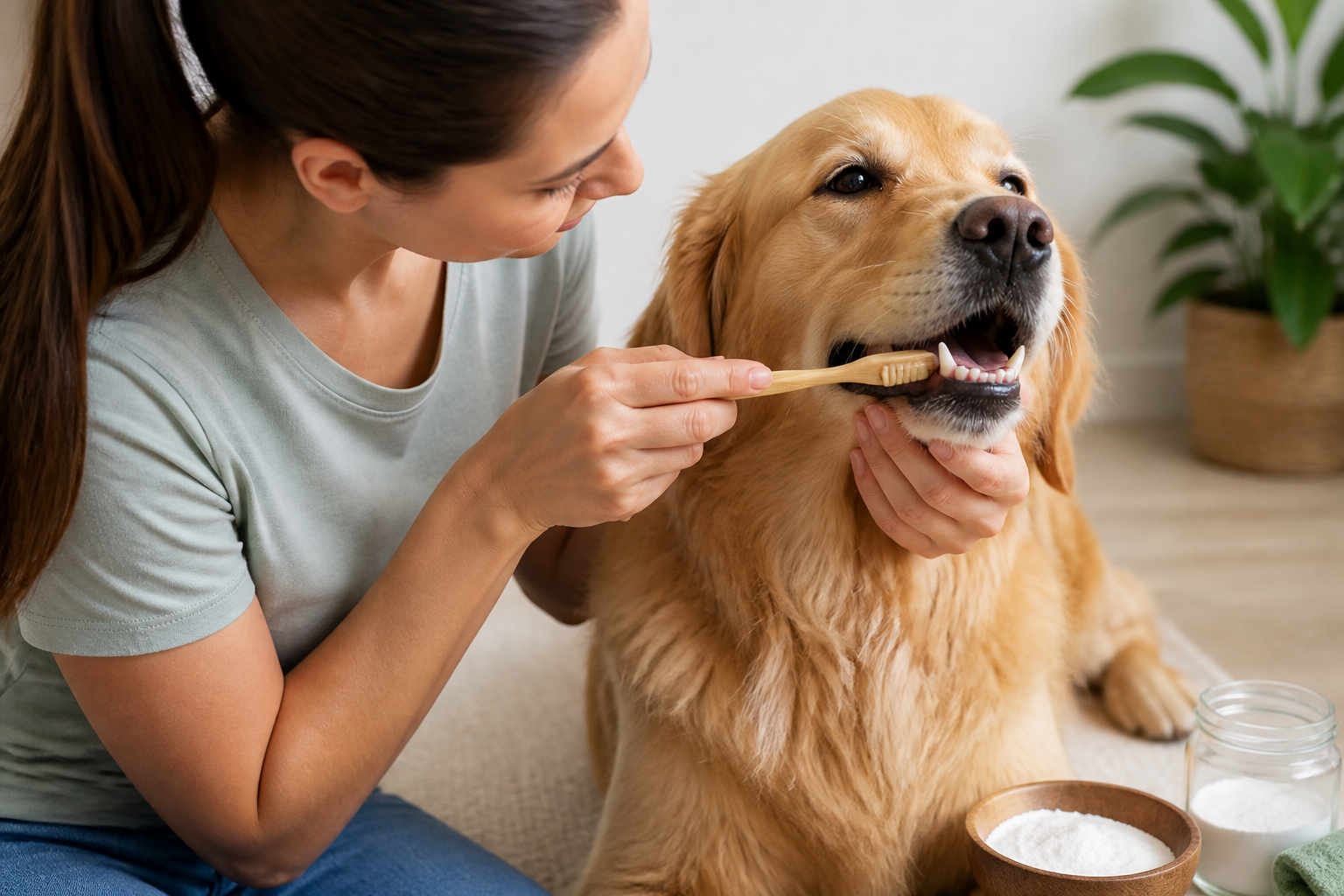
You are relaxing on the couch when your dog leans in for a big, slobbery kiss. Suddenly, you are hit with a wave of breath so strong it makes you recoil. You take a quick peek at those pearly whites and notice they are looking a bit yellow and dull. Many pet owners think about reaching for the box of baking soda in the pantry as a quick, cheap fix for canine dental issues. At BaxterBoo, we understand the urge to find simple home remedies for pet care. However, when it comes to your dog's oral health, what works for a human sink or a batch of cookies might not be the best choice for a living, breathing pup.
This post will explore whether you can safely use baking soda on your dog's teeth and what the potential risks are. We will also cover more effective, modern ways to keep your pet's mouth clean. From choosing the right enzymatic toothpaste to understanding when a professional cleaning is necessary, we have the guidance you need. Our goal is to help you build a dental routine that keeps your dog healthy for years to come.
Quick Answer: While you can technically use a tiny amount of baking soda to clean dog teeth, it is generally not recommended. It is highly alkaline and can cause stomach upset if swallowed, and its abrasive nature may damage tooth enamel over time. Dog-specific enzymatic toothpastes are a much safer and more effective option for daily care.
Is Baking Soda Safe for Dogs?
Baking soda, or sodium bicarbonate, is a common household staple used for everything from baking to deodorizing carpets. Because it is a natural substance, many people assume it is perfectly safe for pets. While it is not strictly toxic in tiny amounts, it poses several problems when used as a primary toothpaste for dogs.
The first issue is the flavor. Most dogs find the salty, chemical taste of baking soda very unpleasant. If you use it to start a brushing routine, your dog might learn to hate the process. This makes it much harder to maintain their oral health as they get older. Brushing should be a positive experience that ends with a reward, not a chore your dog tries to escape.
Alkalinity and Digestive Issues
The biggest concern with baking soda is its high alkalinity. Unlike humans, dogs do not know how to spit. When you brush their teeth, they will inevitably swallow whatever paste you are using. If a dog swallows a significant amount of baking soda, it can disrupt the natural pH balance of their stomach. This often leads to digestive upset, gas, or even vomiting.
Abrasiveness and Enamel Care
Baking soda is a mild abrasive. While this helps scrub away surface stains, it can be too harsh for a dog’s tooth enamel if used frequently. Once enamel is worn down, it cannot grow back. This leaves the sensitive inner layers of the tooth exposed to bacteria and decay. Modern pet care focuses on using enzymes to break down plaque rather than relying on heavy scrubbing. Explore our dog dental care collection for pet-formulated options.
Key Takeaway: Baking soda is an outdated DIY solution that lacks the safety and efficacy of modern pet dental products. The risk of stomach upset and enamel wear makes it a poor choice for a daily dental routine.
Why Dental Care Matters for Your Dog
It is easy to think of bad breath as just a smelly inconvenience, but it is often the first sign of dental disease. According to veterinary experts, dental issues are some of the most common preventable health problems in dogs. Without regular cleaning, plaque begins to form on the teeth within hours of eating. If that plaque is not brushed away, it mixes with minerals in the saliva and hardens into tartar.
Tartar is much harder to remove than plaque. It provides a rough surface where even more bacteria can grow. Eventually, this leads to gingivitis, which is the inflammation of the gums. If left untreated, it progresses to periodontal disease. This condition can cause the bone and tissue supporting the teeth to break down, leading to pain and tooth loss.
The problems do not stop in the mouth. Bacteria from infected gums can enter the bloodstream. This allows the bacteria to travel to major organs like the heart, liver, and kidneys. Maintaining your dog's teeth is not just about a pretty smile. It is a vital part of protecting their overall systemic health. For additional routine ideas, read these pet dental care tips.
Vet Tip: If your dog has red, bleeding gums or persistent foul breath, schedule a visit with your veterinarian for a professional evaluation. Dental infections can lead to serious complications if the bacteria spread to the heart or kidneys.
Better Alternatives to Baking Soda
If you want to keep your dog's mouth fresh without the risks of baking soda, there are several superior options. At BaxterBoo, we carry a variety of products specifically formulated for the unique needs of canine mouths.
Enzymatic Toothpaste
This is the gold standard for home dental care. Unlike human toothpaste, which often contains fluoride or xylitol that are toxic to dogs, pet toothpaste is safe to swallow. It usually comes in flavors dogs love, such as poultry, beef, or peanut butter.
The "enzymatic" part is what makes it special. These enzymes work to chemically break down plaque and bacteria even if you cannot reach every single nook and cranny with a brush. This means the paste continues working even after you finish brushing. You can compare options in our dog dental health category.
Coconut Oil
If you are looking for a more natural approach, coconut oil is a better DIY option than baking soda. It has mild antimicrobial properties that can help reduce bacteria in the mouth. Most dogs enjoy the taste, which makes the brushing session much easier. While it does not have the powerful cleaning action of enzymatic paste, it is a safe, non-abrasive alternative that provides a bit of lubrication for the brush.
Dental Wipes
For dogs that absolutely refuse to let a brush near their mouth, dental wipes are a great middle ground. These are pre-moistened pads that you wrap around your finger. You simply rub them over the surface of the teeth and along the gum line. They help remove plaque through physical friction without the bulk of a traditional toothbrush.
Tools of the Trade: Choosing the Right Brush
Using the right tool makes the job easier for you and more comfortable for your dog. You should never use a hard bristled human toothbrush, as these can easily damage a dog's sensitive gums.
- Finger Brushes: These are usually made of soft silicone and fit over your fingertip. They are excellent for puppies or dogs new to brushing because you have a lot of control and can feel exactly where you are cleaning.
- Double Ended Pet Brushes: These have a large brush head on one end and a small one on the other. This allows you to reach the large molars in the back and the tiny incisors in the front with the same tool.
- 360 Degree Brushes: These have bristles all the way around the head. They are great for squirmy dogs because they clean multiple surfaces of the tooth at the same time, even if the dog is moving.
Replacing Your Tools
Just like your own toothbrush, your dog's brush needs to be replaced regularly. Over time, bristles become frayed and less effective at removing plaque. Bacteria can also build up on the brush head. We recommend getting a new brush every three months to keep the routine hygienic. If you have multiple dogs, each one should have their own dedicated toothbrush to prevent the spread of bacteria between them.
Step-by-Step Guide to Brushing Dog Teeth
If you have never brushed your dog’s teeth before, do not expect to finish the whole mouth on the first day. It is a process that requires patience and positive reinforcement. We recommend taking a slow approach to help your dog feel comfortable.
- Introduce the handling: Start by gently lifting your dog's lips and touching their teeth and gums with your finger. Do this for a few seconds, then give them a high value treat.
- Let them taste the paste: Put a small dab of dog toothpaste on your finger and let them lick it off. Most dogs will enjoy the flavor and begin to associate the tube with a reward.
- Rub the teeth with a finger: Once they are comfortable with the taste, use your finger to rub a little paste directly onto their front teeth. Use a circular motion.
- Introduce the brush: Put some paste on a finger brush or pet toothbrush. Lift the lip and gently brush the large canine teeth in the front.
- Focus on the outside: Most plaque and tartar accumulate on the outer surfaces of the teeth near the cheeks. You do not need to worry about the inside surfaces as much, as the dog's tongue does a decent job of cleaning those areas.
- Work toward the back: Slowly work your way toward the back molars. These are the most common spots for heavy tartar buildup.
- Keep it short: A full brushing session should only take about one minute. Stop immediately if your dog becomes stressed or aggressive.
Key Takeaway: Consistency is more important than perfection. Brushing for 30 seconds every day is much more effective than a five minute session once a month.
Managing Dental Health Through Diet
What your dog eats can play a role in how much plaque builds up on their teeth. While diet alone is rarely enough to keep teeth perfectly clean, it is a helpful piece of the puzzle.
Dental Specific Kibble
Some brands, like Royal Canin and Farmina Vet Life, offer kibble specifically designed for oral health. These nuggets are often larger than standard kibble and have a fibrous texture. Instead of crumbling immediately when bitten, the kibble stays intact longer, allowing it to scrub the surface of the tooth as the dog chews. Our pharmacy carries many of these specialized diets through our partnership with Pet's Choice, though they often require a veterinarian's authorization.
Raw Vegetables and Fruit
Crunchy, dog safe vegetables can act as nature's toothbrushes. Carrots, celery, and apple slices (without the seeds) provide a mechanical scrubbing action that can help remove loose plaque. These are also low calorie options for dogs that need to watch their weight.
Things to Avoid
Sugary treats or human foods high in carbohydrates can feed the bacteria in your dog's mouth. These bacteria produce acid that breaks down enamel and contributes to plaque formation. Stick to high quality treats from trusted brands like NutriSource, Stella and Chewy's, or Zesty Paws, which focus on wholesome ingredients.
The Role of Dental Chews and Toys
When you cannot brush, dental chews are the next best thing. These products are designed to be chewed for an extended period, which helps scrape away plaque. Browse our dental treats and chews for options to supplement your dog's brushing routine.
- Enzymatic Chews: These go beyond simple scrubbing. They contain the same enzymes found in toothpaste to help break down plaque chemically while the dog chews.
- Rubber Toys: Products like those from Kong are excellent for dental health. When a dog chews on textured rubber, it massages the gums and helps stimulate blood flow. You can even smear a little dog toothpaste inside the grooves of a toy to make it a self-cleaning session.
- Natural Chews: Items like RedBarn bully sticks or high quality dental bones can provide long lasting chewing sessions. Always supervise your dog when they are working on a chew to ensure they do not swallow large pieces.
Bottom line: Chews and toys are helpful supplements, but they should not be the only way you care for your dog's teeth. Brushing remains the most effective method for preventing dental disease.
When to Seek Professional Help
Even with the best home care, most dogs will eventually need a professional dental cleaning. This is similar to the "scale and polish" you get at your own dentist. Because dogs will not sit still with their mouths open, these cleanings are performed under general anesthesia.
During a professional cleaning, the veterinarian can remove tartar from below the gum line, which is where the most damage occurs. They will also take dental X-rays to check for issues that are not visible to the naked eye, such as tooth root abscesses or bone loss.
Signs of Dental Pain in Dogs
Dogs are notorious for hiding pain. You might not notice your dog is suffering until the condition is quite advanced. Watch for these subtle signs:
- Dropping food while eating
- Chewing on only one side of the mouth
- Pawing at the face or muzzle
- Excessive drooling
- A sudden preference for soft food over hard kibble
- Decreased interest in chew toys
If you notice any of these behaviors, it is time for a check-up. Waiting too long can turn a simple cleaning into a more complex procedure involving extractions. Read more about warning signs of dental problems before your dog's next appointment.
BaxterBoo Pharmacy and Ongoing Support
We believe that comprehensive pet care should be convenient and affordable. Our partnership with Pet's Choice allows us to offer a full range of FDA-approved medications and prescription diets through the BaxterBoo pharmacy. If your veterinarian recommends a specific dental diet or a medication to treat an oral infection, you can easily manage those needs through us.
Our pharmacy provides a reliable way to get the treatments your pet needs for chronic health management. This includes items for allergy relief, flea and tick prevention, and mobility support. By integrating your pet's medical needs with their daily food and gear, we help you stay organized and ensure your dog never misses a dose.
Benefits of Our Programs
To make pet care even easier, we offer several programs designed for the modern pet owner:
- Autoship: Never run out of toothpaste or dental chews again. You can set up our Autoship programme for recurring deliveries.
- MVP Rewards: Earn points on every purchase that can be used toward future savings through the MVP Rewards programme.
- Expert Curation: We carry over 500 brands that are handpicked by people who truly love pets. Whether you need a specific harness or a sensitive stomach treat, we have vetted the quality for you.
Summary Checklist for Your Dog’s Smile
Maintaining a healthy mouth does not have to be overwhelming. Use this checklist to stay on track:
- Schedule a daily one minute brushing session using enzymatic toothpaste.
- Check your dog's mouth once a week for redness, swelling, or broken teeth.
- Provide a dental chew or textured toy for days when you cannot brush.
- Replace your dog's toothbrush every three months.
- Discuss your dog's oral health with your veterinarian during their annual exam.
- Use the BaxterBoo pharmacy for any prescription dental diets or medications.
By moving away from outdated remedies like baking soda and embracing modern dental tools, you are giving your dog the gift of a pain free, healthy life. A little effort today can prevent a lot of discomfort and expensive veterinary bills in the future.
FAQ
Is baking soda toxic to dogs if they eat it?
In very small amounts, such as the pinch used for a quick tooth scrub, baking soda is generally not toxic. However, if a dog ingest a large amount, it can lead to electrolyte imbalances and severe stomach upset. Because dogs swallow everything used to brush their teeth, it is safer to stick with pet-specific pastes.
How often should I brush my dog's teeth?
Ideally, you should brush your dog's teeth every day to prevent plaque from hardening into tartar. If daily brushing is not possible, aim for at least three to four times a week. Consistency is key because plaque can begin to calcify into tartar within 48 to 72 hours.
Can I use human toothpaste on my dog instead?
No, you should never use human toothpaste on a dog. Many human pastes contain xylitol, an artificial sweetener that is extremely toxic to dogs and can cause life-threatening liver failure. They also often contain fluoride and foaming agents that are meant to be spit out, not swallowed.
What should I do if my dog’s gums are bleeding during brushing?
Minor bleeding can be a sign of early gingivitis, similar to what happens when humans start flossing after a long break. However, if the bleeding is heavy or persistent, it indicates significant inflammation or infection. Stop brushing and consult your veterinarian to see if your dog needs a professional cleaning or antibiotics.






