
 Save 15% on your 1st Autoship learn more

 Email us
 Live Chat
 FAQs
FAQs





Introduction
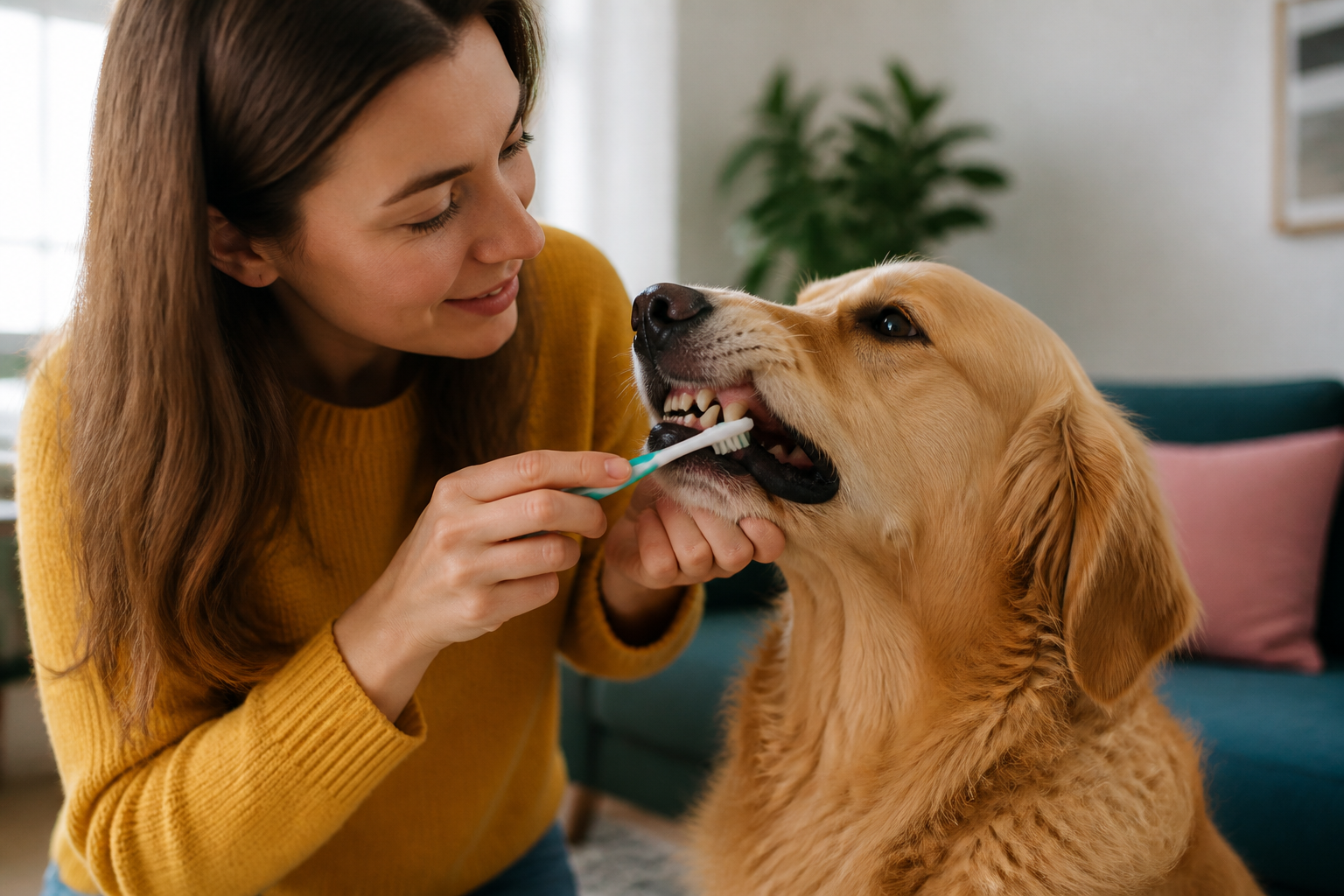
You are likely sitting on the floor with your dog, noticing a bit of yellowing on their canines or a smell that goes beyond typical "dog breath." You want to fix it, but the thought of your pet undergoing general anesthesia for a routine cleaning feels stressful. At BaxterBoo, we understand that pet parents want the safest, most effective care for their furry family members. This post covers the reality of anesthesia free dental cleanings, including what they can and cannot accomplish. We will also look at how you can manage your dog's oral hygiene at home to reduce the need for professional intervention. While you can technically scrape surface tartar while a dog is awake, true dental health requires a much deeper approach to prevent pain and disease.
Quick Answer: You can have a dog's teeth cleaned without anesthesia, but the procedure is purely cosmetic. It removes visible tartar from the crown of the tooth but cannot reach the bacteria under the gumline where real disease lives.
What is Anesthesia Free Dental Cleaning?
Anesthesia free dental cleaning, often called Non-Anesthetic Dental (NAD), is a procedure where a technician scales a dog's teeth while the animal is awake. The dog is usually restrained on their back or side while a professional uses hand tools to scrape away visible plaque and tartar. This has become a popular choice for owners who fear the risks of anesthesia or have senior dogs with heart conditions.
However, there is a significant difference between making teeth look white and making a mouth healthy. When a dog is awake, they cannot communicate discomfort and they will naturally move their head. This makes it impossible to use ultrasonic scalers safely or to reach the inner surfaces of the teeth. Most importantly, it prevents the technician from cleaning the subgingival area, which is the space between the tooth and the gum.
The Limitations of NAD
- It only addresses the visible "crown" of the tooth.
- It does not allow for dental X-rays to find hidden infections.
- It can be highly stressful for dogs to be restrained for 45 minutes.
- It may give owners a false sense of security about their dog's health.
Key Takeaway: White teeth do not always mean a healthy mouth. Most dental disease in dogs happens below the gumline where the eye cannot see.
Why Veterinarians Use Anesthesia for Cleanings
When you visit a clinic for a professional dental cleaning, the goal is medical rather than cosmetic. To do this safely and thoroughly, anesthesia is required. It allows the veterinary team to perform a "COHAT," which stands for Comprehensive Oral Health Assessment and Treatment.
During this process, an endotracheal tube is placed in the dog's throat. This tube performs two vital tasks. First, it delivers oxygen and anesthetic gas. Second, it protects the lungs from the water and bacteria-laden debris that get sprayed around during the cleaning. Without this protection, a dog could inhale bacteria, leading to aspiration pneumonia.
The Professional Cleaning Process
- Detailed Exam: The vet checks every tooth for wobbling, pockets, or fractures.
- Subgingival Scaling: Tools reach under the gumline to remove the bacteria that cause bone loss.
- Polishing: Scaling leaves tiny scratches on the tooth. Polishing smooths these out so plaque cannot easily re-attach.
- Dental Radiographs: X-rays show the roots and jawbone, which is where 60 percent of dental disease is hidden.
Vet Tip: If your dog has red gums, bleeding, or loose teeth, they likely have periodontal disease. A non-anesthetic cleaning will not fix this and may actually cause pain during the scraping process.
The Risks of Anesthesia vs. The Risks of Oral Disease
It is natural to worry about anesthesia. However, modern veterinary medicine has made the process extremely safe. Most clinics require pre-anesthetic blood work to ensure the liver and kidneys can process the medication. They also use dedicated monitors to track heart rate, blood pressure, and oxygen levels throughout the procedure.
On the other hand, leaving dental disease untreated carries its own set of dangers. Chronic oral infection is a constant drain on the immune system. Bacteria from the mouth can enter the bloodstream through the inflamed gums. From there, it can travel to the heart, kidneys, and liver, causing long term organ damage. For most pets, the risk of untreated periodontal disease is far higher than the risk of a monitored anesthetic event.
How to Clean Your Dog's Teeth at Home
The best way to "clean teeth without anesthesia" is through a consistent home care routine. If you can prevent plaque from hardening into tartar, you can significantly reduce how often your dog needs a professional cleaning. Plaque is a soft film that can be brushed away, but once it mineralizes into tartar (calculus), only professional tools can remove it. For additional guidance, see these pet dental care tips.
Step-by-Step Brushing Guide
Step 1: Choose the right time. / Pick a moment when your dog is calm and relaxed, such as after a long walk or a meal.
Step 2: Introduce the flavor. / Let your dog lick a small amount of dog-specific enzymatic toothpaste off your finger. Never use human toothpaste because the fluoride and xylitol can be toxic to dogs.
Step 3: Start with the "finger" method. / Gently rub your finger along their gums and teeth to get them used to the sensation of your hand in their mouth.
Step 4: Introduce the brush. / Use a soft-bristled dog toothbrush or a silicone finger brush. Angle the bristles at 45 degrees toward the gumline.
Step 5: Focus on the outsides. / Most tartar builds up on the outside of the upper teeth. You do not necessarily need to open their mouth wide to reach these areas.
Step 6: Reward the effort. / Give your dog plenty of praise or a dental-friendly treat afterward so they associate brushing with a positive experience.
Note: Brushing should be done daily or at least three times a week to be effective. Plaque can turn into tartar in as little as 48 hours.
Dental Alternatives for Dogs Who Hate Brushing
We know that not every dog is a willing participant in a brushing routine. If your dog resists the toothbrush, there are other tools we carry at BaxterBoo that can help maintain their oral hygiene. A multi-modal approach is usually the most successful. You can explore our dog healthcare products for additional oral-care options.
Dental Chews and Toys
Specific dental chews are designed with textures that scrub the teeth as the dog bites down. Look for products that have the Veterinary Oral Health Council (VOHC) seal of approval. Textured rubber toys can also help massage the gums and scrape away soft plaque during playtime.
For a specific chew option, consider Ark Naturals Brushless Toothpaste Dog Chews. You can also browse our dog treats collection for other dental-friendly choices.
Water Additives and Dental Wipes
Water additives are tasteless liquids you add to your dog's bowl. They contain enzymes or ingredients that break down plaque and freshen breath. Dental wipes are another great option. They allow you to manually wipe the surface of the teeth without the bulk of a toothbrush, which many dogs find less threatening.
Prescription Dental Diets
For dogs prone to heavy tartar buildup, your veterinarian may suggest a prescription dental diet. These kibbles are larger and have a specific fiber matrix that does not shatter when the dog bites it. Instead, the tooth sinks into the kibble, allowing the food to "scrub" the tooth surface. We partner with Pet's Choice to provide a pharmacy service where you can order these prescription diets and any necessary dental medications with ease.
Bottom line: While chews and additives help, they are most effective when used alongside manual brushing or professional cleanings.
When is a Professional Cleaning Non-Negotiable?
There are times when home care and anesthesia free options are no longer enough. If your dog is showing signs of advanced dental disease, they need a veterinarian. Trying to clean a diseased mouth without anesthesia is not only ineffective but can be incredibly painful for the pet. For more warning signs, read how to recognize bad teeth in dogs.
Signs Your Dog Needs a Vet Visit
- Extreme Halitosis: Breath that smells like rotting meat or garbage.
- Difficulty Eating: Dropping food, chewing on one side of the mouth, or crying out while eating.
- Pawaging at the Face: This often indicates a toothache or a trapped object.
- Swelling: Any bumps under the eyes or along the jawline could be a tooth root abscess.
- Heavy Tartar: If the teeth are covered in thick brown or gray crust, a toothbrush cannot remove it.
The Role of Our Pharmacy and Pet's Choice
If your dog is diagnosed with a dental infection or requires a procedure, they may need antibiotics or pain relief before and after the visit. Our pet pharmacy, through our partnership with Pet's Choice, carries FDA-approved medications and prescription pet foods designed for oral health management. This allows you to get everything your dog needs for their recovery and long term wellness in one place. Whether it is a specialized diet for a senior dog or a prescription rinse for a pup with gingivitis, we make sure those vital health products are accessible to you.
Building a Lifelong Dental Plan
Dental health is a marathon, not a sprint. It starts with puppyhood socialization to mouth handling and continues through the senior years with regular checkups. By combining daily brushing with the right gear and professional oversight, you can keep your dog's smile bright and their body healthy.
- Brush at least three times a week.
- Schedule a yearly oral exam with your vet.
- Use VOHC-approved chews and toys for daily maintenance.
- Watch for changes in eating habits or breath.
At BaxterBoo, we have been helping pet owners navigate these health choices since 2006. We believe that an informed owner is a dog's best advocate. While the idea of avoiding anesthesia is tempting, your dog's comfort and long term organ health are the most important factors. Talk to your vet about your concerns. They can often tailor an anesthetic protocol that fits your dog's specific health profile.
Key Takeaway: Use home care to prevent disease, and trust the professionals to treat it. This two-pronged approach ensures your dog lives a long, pain-free life.
If you are ready to start a home dental routine, browse our dog grooming supplies. From enzymatic toothpastes to water additives and durable chew toys, we have the tools you need to stay on top of your dog's oral hygiene. For those who need prescription support, our pharmacy is ready to help you fulfill your vet's recommendations quickly and affordably.
FAQ
Is anesthesia-free dental cleaning safe for my dog?
It is generally safe in terms of the lack of drugs, but it carries risks of physical injury. Because the dog is awake and may move suddenly, sharp dental tools can cause cuts to the gums or tongue. Additionally, it does not protect the airway, which means the dog could inhale bacteria or water during the process.
Can I use human toothpaste on my dog's teeth?
No, you should never use human toothpaste for pets. Many human toothpastes contain xylitol, an artificial sweetener that is highly toxic to dogs and can cause liver failure. They also contain fluoride and foaming agents that can upset a dog's stomach since they do not know how to spit out the paste.
How often should I brush my dog's teeth to avoid a professional cleaning?
Ideally, you should brush your dog's teeth every day. Plaque begins to mineralize into hard tartar within 24 to 48 hours. If you cannot manage daily brushing, aim for at least three times a week to significantly reduce the rate of buildup and keep the gums healthy.
Does my senior dog really need anesthesia for a dental cleaning?
Senior dogs are often the ones who need dental care the most, as they have had more time to develop periodontal disease. While anesthesia carries some risk, veterinarians perform thorough exams and blood work to ensure your senior pet is a good candidate. They can adjust the medications used to be as gentle as possible on an older pet's system.






