
 Save 15% on your 1st Autoship learn more

 Email us
 Live Chat
 FAQs
FAQs





Introduction
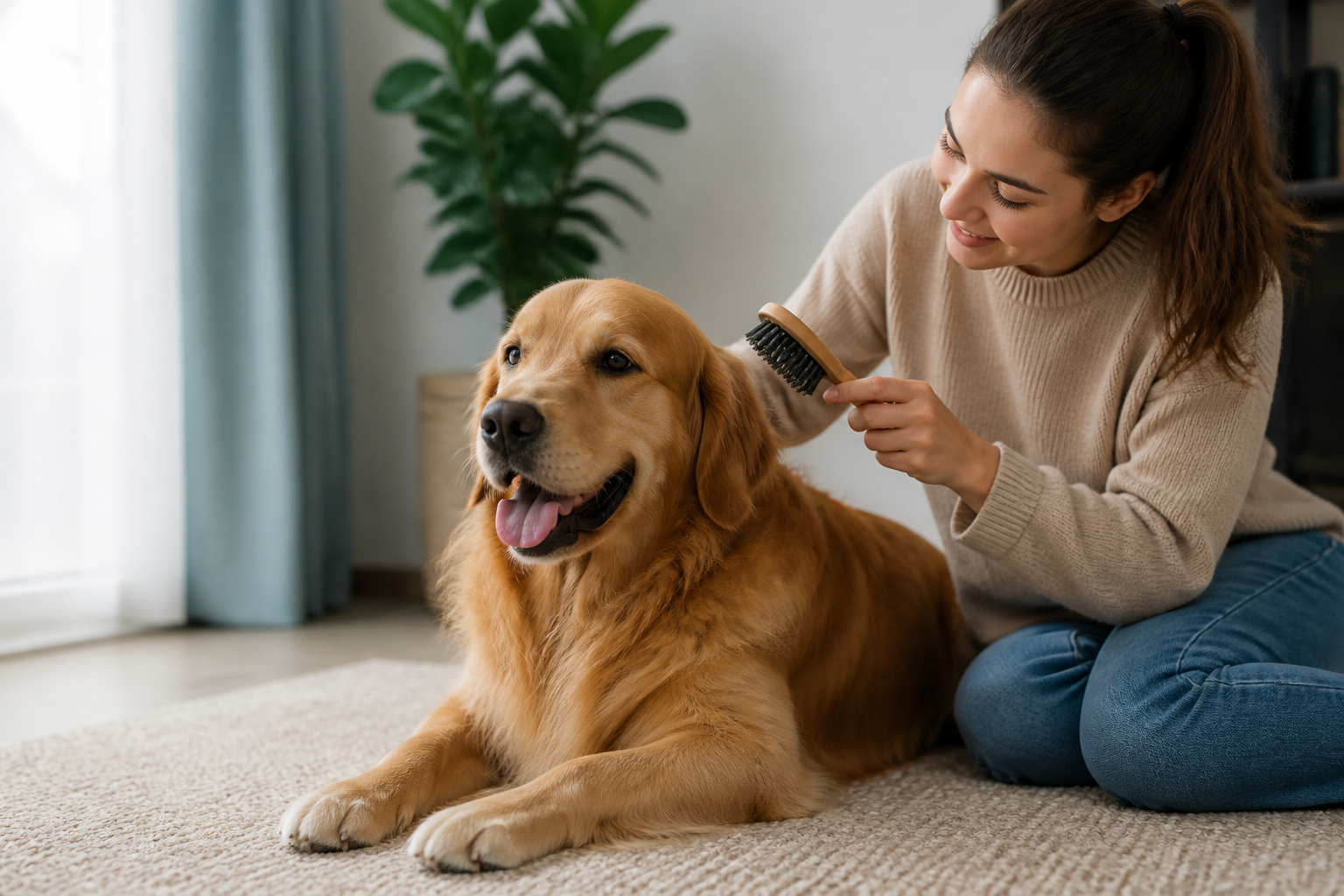
You are standing in the bathroom with a dog that desperately needs a brushing. Maybe they just came in from a muddy backyard, or perhaps they are starting to look a little shaggy. You look at your own hairbrush on the counter and wonder if it could do the job. It seems like a simple solution. However, using a human brush on your dog is rarely the right choice. At BaxterBoo, we see many pet owners who started with a regular brush only to find it did not quite work. This post covers why human brushes fall short and how to choose the right tool for your dog's specific coat. While it might look like just hair, your dog's coat and skin have unique needs. Choosing the correct grooming tool is the first step toward a healthy, happy pet.
Quick Answer: You should not use a regular human brush on a dog. Human brushes are designed for different hair textures and thicker skin. They often fail to reach a dog's undercoat and can cause skin irritation or "brush burn."
Why Human Brushes Are Not for Dogs
It is tempting to think that hair is just hair. However, canine skin and human skin are fundamentally different. Human skin is significantly thicker than dog skin. Humans generally have 10 to 15 layers of skin cells. Dogs only have three to five layers. This means their skin is much more sensitive to the firm plastic or metal pins found on many human brushes. A brush that feels comfortable on your scalp can easily scratch or irritate a dog's skin.
The structure of the hair is also different. Most humans have one hair growing from each follicle. Dogs often have compound follicles. This means one follicle can produce several hairs, including a stiff guard hair and multiple soft undercoat hairs. A regular human brush is designed to glide over the surface of human hair. It rarely has the strength or the tine spacing to penetrate a dense canine undercoat.
If you use a human brush, you might only be smoothing the top layer of fur. This leaves the undercoat untouched. When the undercoat is ignored, it can lead to heavy matting and trapped moisture. This can cause "hot spots" or bacterial skin infections. Using the wrong tool can also lead to brush burn. This happens when the pins of the brush scrape against the skin repeatedly because the tool is not effective.
Understanding Your Dog's Coat Type
Before you pick out a new tool, you must know what you are working with. Not every dog needs the same kind of care. We carry hundreds of brands at our warehouse, and each one targets different coat textures. If you have questions about which brand fits your pup, we are always here to help.
Smooth and Short Coats
Breeds like Boxers, Great Danes, and Pugs have smooth, short coats. These dogs do not have an undercoat. Their hair lies close to the body. You do not need a heavy-duty rake for these dogs. In fact, a rake could be quite painful for them. They need something that removes loose surface hair and distributes natural oils.
Double Coats
Many popular breeds have double coats. This includes Labrador Retrievers, German Shepherds, and Huskies. They have a tough outer layer and a soft, dense undercoat. These dogs shed a lot. A human brush will never reach the undercoat where the shedding actually happens. You need tools specifically designed to pull out that dead "fuzz" before it ends up on your sofa. For more seasonal shedding guidance, read about managing shedding and undercoats.
Long and Silky Coats
Yorkshire Terriers and Maltese dogs have hair that feels more like human hair. It grows continuously and does not have an undercoat. While this is the closest coat type to our own, a regular brush still may not be ideal. These coats tangle easily. You need a tool that can gently separate fine strands without breaking them.
Curly and Wavy Coats
Poodles and Doodles fall into this category. These coats are famous for not shedding much. However, they are also famous for matting. The hair that falls out gets trapped in the curls. If you do not brush down to the skin every day, those curls turn into hard knots. A regular brush will just fluff the top and hide the mats forming underneath.
Key Takeaway: Proper grooming requires matching the tool to the coat structure. A human brush lacks the depth and pin density required for most canine coats.
Essential Dog Brushes and Their Uses
Once you move past the human brush, a world of specialized tools opens up. Each one has a specific job. Having a small kit of two or three tools is usually enough for most owners. Explore our dog brushes and combs to compare options for different coat types.
| Brush Type | Best For | Primary Function |
|---|---|---|
| Slicker Brush | Double coats, curly coats | Removing mats and loose undercoat |
| Pin Brush | Long hair, silky coats | Daily detangling and fluffing |
| Bristle Brush | Short, smooth coats | Removing surface dirt and adding shine |
| Undercoat Rake | Thick, heavy shedders | Pulling out dead undercoat hair |
| Rubber Brush | Short hair, bath time | Massaging skin and removing loose hair |
The Slicker Brush
The slicker brush has a flat or slightly curved head with rows of thin wire pins. These pins are usually bent at an angle. This is the "workhorse" of dog grooming. It is excellent for pulling out loose hair and breaking up small tangles. If you have a Golden Retriever or a Poodle mix, this is a must-have. Be careful not to press too hard, as the wire pins can be sharp. A Master Grooming Tools Self-Cleaning Slicker Brush can make routine brushing and cleanup easier.
The Pin Brush
This looks the most like a human brush. It has straight metal pins, often with rounded tips. It is much gentler than a slicker brush. It is perfect for dogs with long, flowing hair. It provides a finished look and helps separate the hair without a lot of pulling.
The Bristle Brush
Bristle brushes use natural or synthetic bristles packed closely together. They are best for dogs with very short hair. They do not reach deep, but they are great for "polishing" the coat. They help move the skin's natural oils down the hair shaft. This gives your dog a healthy, glossy look.
Undercoat Rakes and Deshedding Tools
These tools are designed for the heavy hitters. If your dog "blows" their coat twice a year, you need a rake. These have long, widely spaced teeth. They go right past the guard hairs to grab the loose undercoat. Using one of these can reduce the amount of fur in your house by a huge margin.
Bottom line: Investing in a slicker brush and a metal comb is the best starting point for most dog owners.
Step-by-Step Guide to Brushing Your Dog
Brushing should be a calm experience for both of you. It is a great time to bond. It also gives you a chance to check for any health issues. If you start when they are puppies, they will learn to see it as a massage.
Step 1: Create a calm environment. / Choose a quiet room with good lighting. If you have a small dog, putting them on a stable table can save your back.
Step 2: Check for skin issues. / Before you start with the tool, run your hands over your dog. Feel for any new lumps, bumps, or sore spots.
Step 3: Start with a wide-tooth comb or rake. / This helps you find any hidden mats. If the comb stops, do not pull. Use your fingers to gently pull the mat apart.
Step 4: Use the primary brush. / Brush in the direction the hair grows. Use long, gentle strokes. If your dog has a double coat, use the "line brushing" technique. Lift the hair up and brush the layer underneath.
Step 5: Reward your dog. / Give them a small treat or lots of praise when you finish. This builds a positive association with grooming.
Vet Tip: While brushing, look for redness, flakes, or tiny black spots that could be flea dirt. If you notice persistent skin irritation or parasites, our pet pharmacy can help. Through our partnership with Pet's Choice, we offer FDA-approved flea and tick preventatives and prescription skin treatments.
Why Grooming Is About More Than Just Looks
Regular brushing is a key part of preventative health care. When you brush your dog, you are doing more than just making them look pretty. You are stimulating blood flow to the skin. This helps keep the skin healthy and the coat strong.
Brushing also helps you catch problems early. Many owners find ticks, fleas, or unusual growths during a grooming session. Catching a lump early can make a massive difference in treatment options. It is also the best way to manage allergies. Brushing removes pollen and dust that your dog might have picked up outside. This can reduce itching and scratching for sensitive pets.
If you find that your dog's skin is often dry or irritated despite regular brushing, it might be time to look at their nutrition. We carry many premium foods and supplements that support skin health. Brands like Farmina and Zesty Paws offer formulas specifically for skin and coat support. Healthy skin starts from the inside, but regular grooming keeps the outside in top shape.
Managing Mats and Tangles Safely
Mats are more than just an eyesore. They are painful. As a mat gets tighter, it pulls on the dog's skin. This can make it uncomfortable for the dog to move or sit. Never use regular kitchen scissors to cut out a mat. Dog skin is very stretchy. It is incredibly easy to accidentally cut the skin while trying to trim a knot.
If you encounter a tough mat, try using a detangling spray. This helps the hair fibers slide past each other. You can also use a specialized dematting tool. These tools have sharpened edges inside the curve of the teeth to safely "slice" through the knot without touching the skin. If a mat is too close to the skin or covers a large area, it is safest to see a professional groomer. They have clippers designed to safely go under the mat.
- Always hold the base of the hair near the skin so you do not pull the skin while brushing.
- Work on one small section at a time.
- Use a metal "Greyhound" comb to verify that you have reached the skin. If the comb catches, there is still a tangle.
- Be extra gentle around sensitive areas like the ears, belly, and back of the legs.
Training Your Dog to Enjoy Brushing
Not every dog loves being brushed right away. Some may try to bite the brush or run away. This is usually because they are unsure of the sensation. You can change this with a little patience.
Start by letting your dog sniff the brush. Give them a treat. Then, touch them with the back of the brush so they feel the weight without the bristles. Gradually move to one or two soft strokes in an area they like being petted, such as the shoulder.
Keep your first few sessions very short. Two minutes is plenty for a beginner. As your dog stays calm, you can increase the time. Many owners find that brushing before a favorite activity, like a walk, helps. The dog learns that the brush leads to something fun. If your dog is particularly anxious, we offer various calming supplements and gear in our Anxiety and Calming section.
Key Takeaway: Patience and positive reinforcement turn a chore into a bonding ritual. Never force a dog that is showing signs of extreme stress or fear.
Seasonal Grooming Tips
Your grooming routine should change with the weather. In the spring and fall, most dogs go through a shedding cycle. This is often called "blowing the coat." During these times, you may need to brush your dog every single day. This prevents the dead hair from matting and keeps your home cleaner.
In the winter, the air is dry. This can lead to static and dry skin for your dog. You might notice more "flyaway" hairs. Using a conditioning spray can help manage the static. It also keeps the hair from becoming brittle. In the summer, regular brushing helps keep your dog cool. A thick layer of dead undercoat acts like a heavy sweater. Removing it allows air to circulate against the skin.
We also recommend checking for "hitchhikers" after every walk in the warmer months. Burrs, seeds, and ticks love to hide in long fur. A quick pass with a brush after a hike can save you a lot of trouble later. If you find ticks, remember that our pharmacy provides a wide range of preventatives to keep your pet protected year-round.
Grooming Supplies Checklist
Building a basic grooming kit does not have to be expensive. At BaxterBoo, we focus on value and quality. We only stock brands we trust for our own pets. Here is what we recommend for a standard home kit:
- A primary brush (Slicker or Pin brush based on coat type)
- A metal finishing comb
- A rubber curry brush (great for baths)
- Detangling spray or coat conditioner
- Pet-safe nail clippers
- Styptic powder (to stop bleeding if a nail is cut too short)
Having these tools on hand makes it much easier to keep up with a schedule. You can even set up an Autoship order for your favorite shampoos and conditioners. This ensures you never run out and gives you a discount on your orders. Plus, you will earn MVP Rewards points on every purchase, which you can use for future grooming gear or treats.
When to Seek Professional Help
Home brushing is essential, but it does not replace every professional service. Sometimes, a dog needs a "reset." If your dog has become severely matted, a professional groomer is the safest option. They have the equipment to handle difficult mats without hurting the animal.
You should also consult a veterinarian if you notice any of the following while brushing:
- Unusual lumps or hard masses under the skin
- Red, oozing, or inflamed patches of skin
- A sudden, drastic increase in shedding or bald spots
- A foul odor coming from the skin or ears
- Visible parasites like fleas, ticks, or lice
Our team is dedicated to your pet's wellness beyond just selling products. We have been operating since 2006, and we know that a healthy pet is a happy pet. Whether you visit our warehouse in Vernon Hills or shop with us online, we are here to support your journey as a pet owner.
Bottom line: Regular home grooming is the foundation of your dog's health. Use the right tools, stay consistent, and watch for any changes in their skin or coat.
FAQ
Can I use a human hairbrush on my puppy?
It is not recommended because puppy skin is even more delicate than adult dog skin. While a soft human baby brush might seem okay, it is better to use a soft-bristled dog brush to get them used to the sensation. This helps them transition to adult grooming tools as their coat develops.
How often should I brush my dog?
For most dogs, once or twice a week is the standard. However, dogs with long hair or curly coats often need daily brushing to prevent mats. If your dog is currently shedding their seasonal undercoat, you should aim to brush them every day until the shedding slows down.
My dog hates the brush. What should I do?
Start very slowly and use high-value treats. Only brush for a few seconds at a time and stop before your dog gets upset. You can also try a grooming glove, which feels more like petting, to help them get comfortable with the motion of grooming.
Can I brush my dog when their fur is wet?
For most breeds, it is best to brush before the bath to remove mats, as water can make knots tighter. If you have a dog with a long or curly coat, you can brush them while they are damp if you use a leave-in conditioner. However, always ensure the coat is fully dry before finishing to prevent new tangles from forming.






