
 Save 15% on your 1st Autoship learn more

 Email us
 Live Chat
 FAQs
FAQs





Introduction
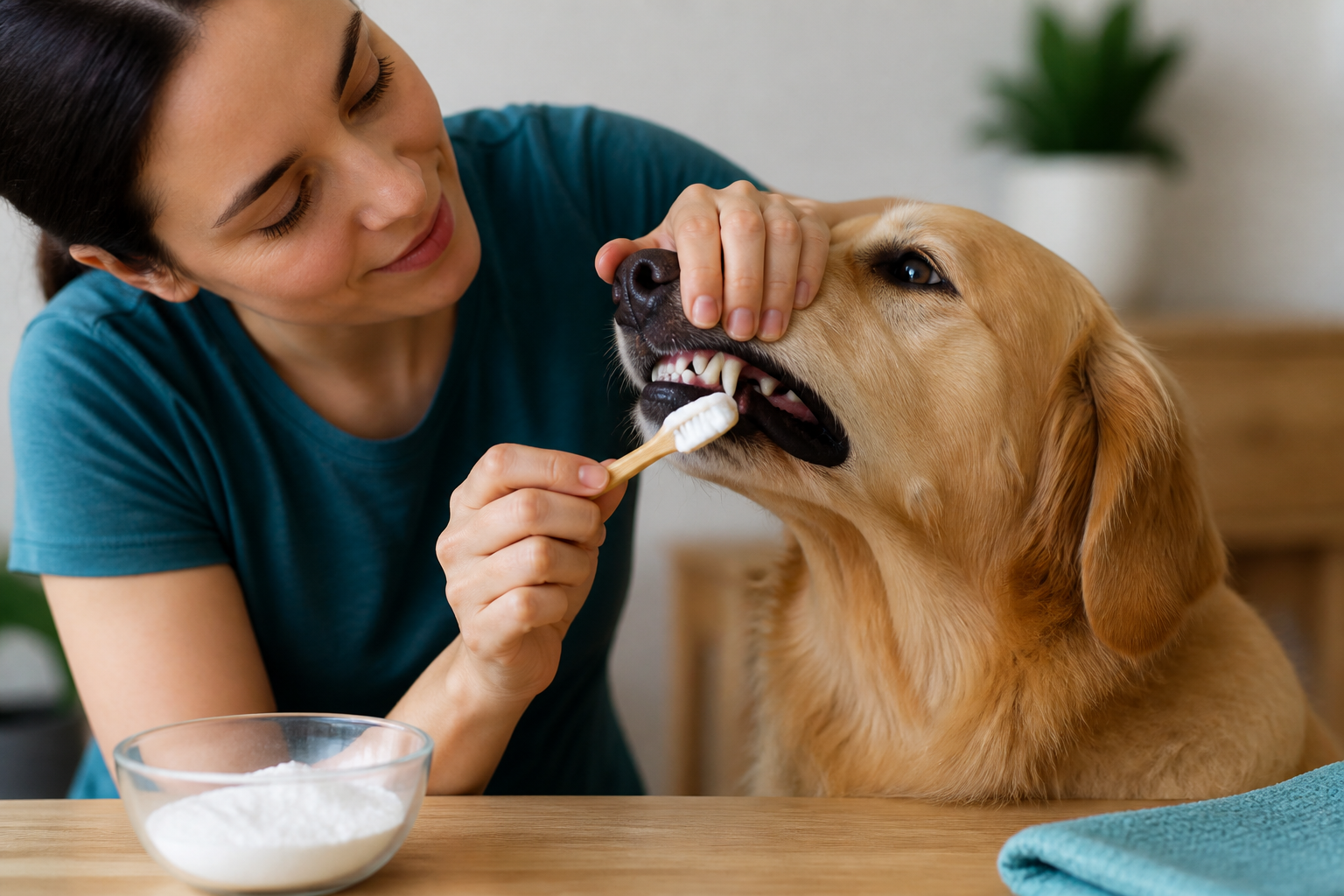
You are relaxing on the couch when your dog leans in for a friendly nuzzle. Suddenly, you are hit with a wave of breath so strong it makes you recoil. We have all been there. You might head to the kitchen pantry and spot a box of baking soda, wondering if a quick DIY scrub is a safe way to freshen that mouth. While baking soda is a staple for human oral care and household cleaning, using it on your pet requires a bit more caution.
At BaxterBoo, we know that dental health is a cornerstone of your dog's overall wellness. This post covers the safety of baking soda, the potential risks of using it regularly, and more effective alternatives for maintaining a clean canine mouth. We will also look at how professional dental diets and the right gear can make your job much easier.
Is Baking Soda Safe for Dogs?
The short answer is that you can use baking soda in very small amounts, but it is rarely the best choice. Baking soda, or sodium bicarbonate, is a mild abrasive. It can physically scrub away some surface debris and neutralize odors. However, dogs are not like humans. They cannot spit out the excess paste once you are finished brushing. Everything you put on that brush ends up in their stomach.
Quick Answer: You can use baking soda in very small amounts, but it is generally not recommended as a primary toothpaste. It can cause digestive upset if swallowed and lacks the enzymes found in formulated dog toothpaste that break down plaque.
Baking soda is highly alkaline. When a dog swallows a significant amount, it can disrupt the natural pH balance of their digestive system. This often leads to an upset stomach. In more extreme cases, it can cause a condition called metabolic alkalosis, though this usually requires a dog to ingest a large quantity from a spilled box. For most pet owners, the bigger issue is the taste and the lack of long term benefits.
The Problem with the DIY Approach
One of the biggest hurdles with baking soda is the flavor. Most dogs find the salty, bitter taste of sodium bicarbonate quite unpleasant. If you are trying to train a puppy or a rescue dog to accept a toothbrush, using something that tastes bad is a recipe for failure. You want your dog to look forward to their dental routine. Using a poultry or peanut butter flavored paste makes the experience a reward rather than a chore.
Baking soda also lacks the specialized ingredients found in modern pet dental products. High quality dog toothpastes often contain enzymes. These enzymes continue to work after you stop brushing. They break down the biofilm that eventually turns into hard tartar. Baking soda only offers mechanical scrubbing, which does nothing for the bacteria hiding under the gum line. Explore our dental and breath care collection for dog-specific toothpaste, brushes, and oral care products.
Key Takeaway: Using baking soda can make your dog develop a negative association with brushing due to its bitter taste and potential to cause stomach discomfort.
The Risks of Human Products
It is tempting to grab whatever is in the bathroom cabinet when you notice your dog's teeth are yellowing. However, you must never use human toothpaste on a dog. Many human brands contain Xylitol, a sweetener that is incredibly toxic to dogs. Even small amounts can cause life threatening drops in blood sugar or liver failure. Human toothpaste also contains foaming agents like sodium lauryl sulfate. These are intended to be spit out. If swallowed, they can cause significant gastric distress for your pet.
Baking soda is a better option than human toothpaste, but it still pales in comparison to products made specifically for dogs. If you do choose to use a baking soda paste as a one time fix, use only a tiny pinch mixed with plenty of water.
Vet Tip: If your dog has red, bleeding gums or loose teeth, skip the DIY remedies and see a veterinarian. These are signs of periodontal disease that require professional treatment rather than just a surface cleaning.
Better Alternatives for Daily Dental Care
If you want to keep those pearly whites sparkling, there are much better tools than a box of baking soda. Formulated dog toothpastes are the gold standard. We carry brands like Virbac and Nylabone that are specifically designed for the canine mouth. These products are safe to swallow and come in flavors dogs actually enjoy.
For additional guidance, review these pet dental care tips before starting a new routine.
Choosing the Right Brush
The tool you use is just as important as the paste. A standard human toothbrush is often too stiff for a dog's sensitive gums. You have several better options:
- Finger brushes: These are small, rubbery caps that fit over your fingertip. They give you excellent control and are less intimidating for dogs that are new to brushing.
- Dual ended toothbrushes: These have a large brush head on one end for molars and a tiny one on the other for small incisors.
- Gauze wraps: If your dog refuses a brush, wrapping a piece of medical gauze around your finger and rubbing the teeth can still remove a significant amount of plaque.
Dental Wipes and Additives
For the truly "brush shy" dog, dental wipes are a fantastic middle ground. These are pre moistened pads treated with enzymes and breath fresheners. You simply wipe the surface of the teeth and the gum line. It is faster than brushing and often better tolerated. You can also find water additives. These are tasteless liquids you add to the water bowl to help reduce the bacterial load in the mouth throughout the day.
Using Toys to Clean Teeth
One of the easiest ways to manage dental health is to let your dog do the work. Chewing is a natural behavior that helps scrape plaque off the teeth. However, not all chew toys are created equal. You want something with texture that can reach the back molars.
Brands like Kong offer rubber toys with specialized grooves. When your dog chews, these grooves act like a squeegee against the tooth surface. You can even smear a little dog safe toothpaste or coconut oil inside the grooves to enhance the cleaning effect. This turns a health chore into a fun game of fetch or a rewarding chew session.
The Role of Diet in Oral Health
What your dog eats every day has a massive impact on their teeth. While soft, wet food is often a hit at mealtime, it does not provide any mechanical cleaning. It can actually get stuck in the crevices of the teeth and contribute to plaque buildup.
Dry kibble is generally better for dental health. Some brands go a step further with specifically designed kibble shapes. These pieces are larger and have a fibrous texture that does not shatter immediately. Instead, the tooth sinks into the kibble, which scrubs the surface as the dog bites down.
Prescription Dental Diets
For dogs prone to heavy tartar buildup, a veterinarian might recommend a prescription dental diet. We offer a variety of these through our pharmacy partnership with Pet's Choice. Brands like Royal Canin and Farmina Vet Life have developed specific formulas to manage oral health. These diets often contain minerals that bind to calcium in the saliva. This prevents the calcium from hardening into tartar on the teeth.
Bottom line: While baking soda provides a basic scrub, specialized dental diets and enzymatic toothpastes offer a multi-layered approach to preventing long-term disease.
How to Start a Brushing Routine
If you have never brushed your dog's teeth, do not expect to do a full cleaning on the first day. It is a process that requires patience and positive reinforcement. If you rush it, your dog may become fearful of the brush.
Step 1: Let them taste the paste. / Put a small amount of dog-specific toothpaste on your finger. Let your dog lick it off. Do this for a few days so they associate the flavor with a reward.
Step 2: Touch the teeth. / While they are licking the paste, gently lift their lip and rub your finger along their gums. This gets them used to the sensation of you working in their mouth.
Step 3: Introduce the brush. / Put some paste on a soft finger brush or dog toothbrush. Let them lick it off the bristles. Gently brush just the front teeth for a few seconds.
Step 4: Gradually increase the time. / Slowly work your way toward the back molars. These are the teeth that usually have the most buildup. You only need to spend about thirty seconds on each side of the mouth.
Step 5: Reward and praise. / Always end the session with a treat or a favorite game. This ensures your dog looks forward to the next time.
When Home Care Isn't Enough
Regular brushing with the right products can significantly reduce the need for professional cleanings. However, it is not a complete substitute for veterinary care. Just like humans, dogs can develop issues that are not visible to the naked eye. Bacteria can migrate under the gum line and begin to erode the bone and structures holding the teeth in place.
Our pharmacy at BaxterBoo provides access to FDA-approved medications and prescription diets through our partnership with Pet's Choice. This is especially helpful if your vet has diagnosed your dog with advanced periodontal disease or a chronic health condition that affects their mouth. Many systemic issues, such as heart or kidney disease, can actually be traced back to bacteria from the mouth entering the bloodstream.
Signs Your Dog Needs a Vet Visit
It is important to perform a quick "mouth check" once a week. Lift your dog's jowls and look at the color of the gums and the state of the teeth. If you see any of the following, a DIY baking soda scrub will not help:
- Gums that are bright red, purple, or bleeding
- Heavy brown or grey crust on the teeth (tartar)
- A "rotting" smell that goes beyond typical dog breath
- Dropping food while eating or pawing at the face
- A sudden preference for wet food over dry kibble
If your dog is experiencing pain, they may become defensive about their mouth being touched. This is a clear sign that the issue has moved beyond simple plaque and needs a professional assessment. You can also read warning signs of hidden dental problems in dogs.
Supporting Your Senior Dog's Teeth
Senior dogs often require extra attention when it comes to dental care. As dogs age, their immune systems may not fight off oral bacteria as effectively. Furthermore, many seniors manage conditions like arthritis, which can make it harder for them to hold onto chew toys.
For older pets, we recommend softer dental wipes or water additives. These provide some level of protection without requiring the dog to chew on hard surfaces that might be uncomfortable for aging jaws. If your senior dog is on a specific medication for heart or kidney health, always check with your vet before adding new supplements or additives to their routine. Our MVP Rewards programme is a great way to save on these recurring dental supplies as your pet enters their golden years.
Summary of Safe Dental Practices
Maintaining your dog's teeth is about consistency. A quick scrub with baking soda once a month will not do much to prevent disease. However, a daily routine using the right tools will make a world of difference.
- Use dog-safe enzymatic toothpaste instead of baking soda.
- Choose a brush that fits your dog's mouth size and comfort level.
- Incorporate dental chews like Greenies to help with mechanical cleaning.
- Monitor the mouth for signs of redness, swelling, or heavy tartar.
- Consult your vet for professional cleanings and prescription diets if needed.
Keeping your dog's mouth healthy is one of the best things you can do for their longevity. By avoiding harsh DIY fixes and sticking to proven methods, you can ensure those puppy kisses stay fresh for years to come.
At BaxterBoo, we carry over 500 trusted brands to help you manage everything from basic grooming to complex health needs. Whether you are looking for a new finger brush or exploring prescription diets through our pharmacy, we are here to support your journey as a pet parent. Our dog dental treats and chews can complement a consistent dental care routine. Our Autoship programme even allows you to save on the dental chews and toothpaste you use every day, ensuring you never run out of the essentials.
FAQ
Is baking soda toxic to dogs if they swallow it?
Baking soda is not toxic in the same way that chocolate or grapes are, but it can be harmful in large amounts. Because it is highly alkaline, swallowing too much can upset a dog’s stomach or lead to an electrolyte imbalance. It is best to use products specifically designed to be safely swallowed by pets.
Can I mix baking soda with coconut oil for my dog’s teeth?
While some people use a mixture of baking soda and coconut oil, it is still not as effective as enzymatic dog toothpaste. Coconut oil has some mild antimicrobial properties, but it lacks the enzymes needed to break down existing plaque. If you use this mixture, ensure the amount of baking soda is very small to avoid digestive issues.
How often should I brush my dog’s teeth?
Ideally, you should brush your dog’s teeth every day to prevent the buildup of plaque. Plaque can begin to harden into tartar in as little as 24 to 48 hours. If daily brushing is not possible, aiming for at least three times a week can still provide significant health benefits compared to not brushing at all.
Why is my dog’s breath still bad after brushing?
If your dog has persistent bad breath despite regular brushing, they may have underlying issues like gum disease, a broken tooth, or even an internal health problem. Bacteria can hide deep under the gum line where a toothbrush cannot reach. In these cases, you should consult your veterinarian for a professional dental exam.






